
Antimicrobial Resistance
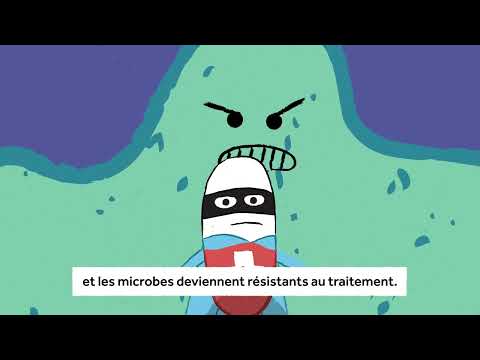
Antimicrobial resistance (AMR) remains a critical global health threat, driven primarily by the misuse and overuse of antimicrobials in human health, animal health and agriculture, as well as by anthropogenic activities that result in the contamination and pollution of the environment.
The burden weighs heavily on the WHO African Region, where Sub-Saharan Africa experienced the highest mortality rates. Member States have nonetheless made commendable strides in advancing the implementation of their national AMR action plans, with nearly all engaging in core areas such as surveillance, stewardship, infection prevention and control (IPC), and policy development.
WHO supports Member States to combat AMR through a sustained multisectoral One Health approach: developing and applying technical guidance and tools, strengthening surveillance and data systems, promoting awareness and responsible use, advancing research and innovation, and building national and regional capacity for a comprehensive and sustained response.
- Multisectoral One Health approach: supports Member States through a sustained multisectoral and multidisciplinary One Health approach, and integrates AMR into climate, food safety, health systems and health security agendas.
- Technical guidance and stewardship: develops and applies technical guidance and tools, mainstreams AMR within primary health care, and scales up antimicrobial stewardship through updated guidelines and regulatory enforcement.
- Surveillance and data systems: strengthens surveillance and data systems and supports enrolment in the Global Antimicrobial Resistance and Use Surveillance System (GLASS) so that countries report and use data for decision-making.
- Monitoring, evaluation and accountability: strengthens AMR monitoring, evaluation and regular reporting to ensure accountability, including through the Global Database for Tracking Antimicrobial Resistance (AMR) Country Self-Assessment Survey (TrACSS).
- Awareness and responsible use: promotes awareness and responsible use of antimicrobials, including nationwide awareness campaigns involving different sectors.
- Research and innovation: advances research and innovation on AMR.
- Capacity and financing: builds national and regional capacity, and supports increased domestic investment and the mobilization of external financing to accelerate implementation of national AMR action plans.
- Alignment with global and regional frameworks: anchors action in the Regional strategy for expediting the implementation and monitoring of national action plans (NAPs) on AMR and the UNGA Political Declaration on Antimicrobial Resistance from the 2024 High-Level Meeting.
Latest News
See all


Publications
See all
Status of antimicrobial resistance education and awareness in the WHO African Region 2017-2021
Improving AMR awareness and understanding and promoting evidence driven behavioural change througheffective communication, education and training are critical to tackling antimicrobial Resistance (AMR), a global health crisis that disproportionately affects low- and middle-income countries (LMICs). AMR awareness and education interventions are key if we are to influence appropriate antimicrobial use and consumption inpeople, communities and healthcare institutions.