
Angola marks World Neglected Tropical Diseases Day with structural advances in the national response
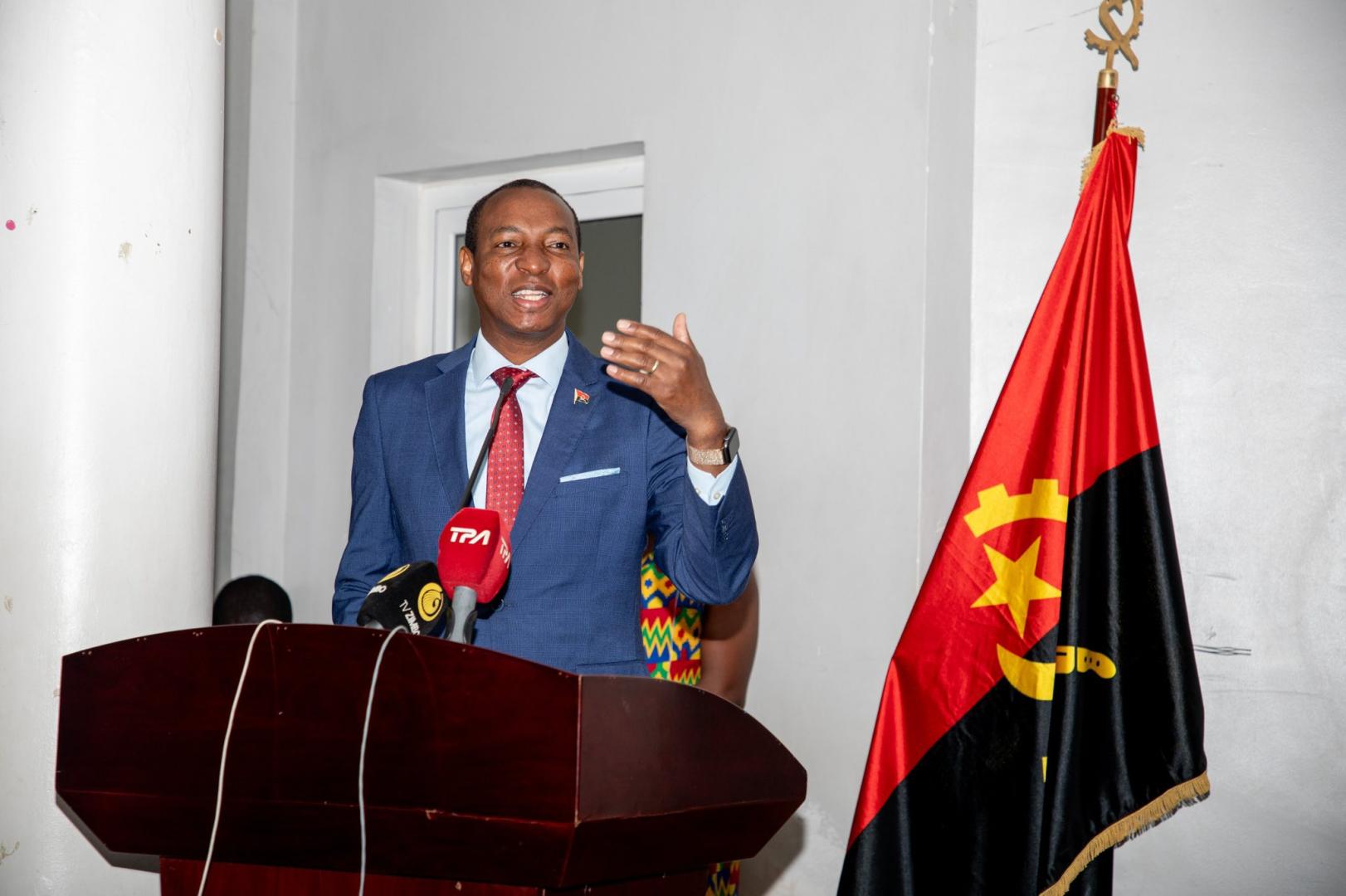
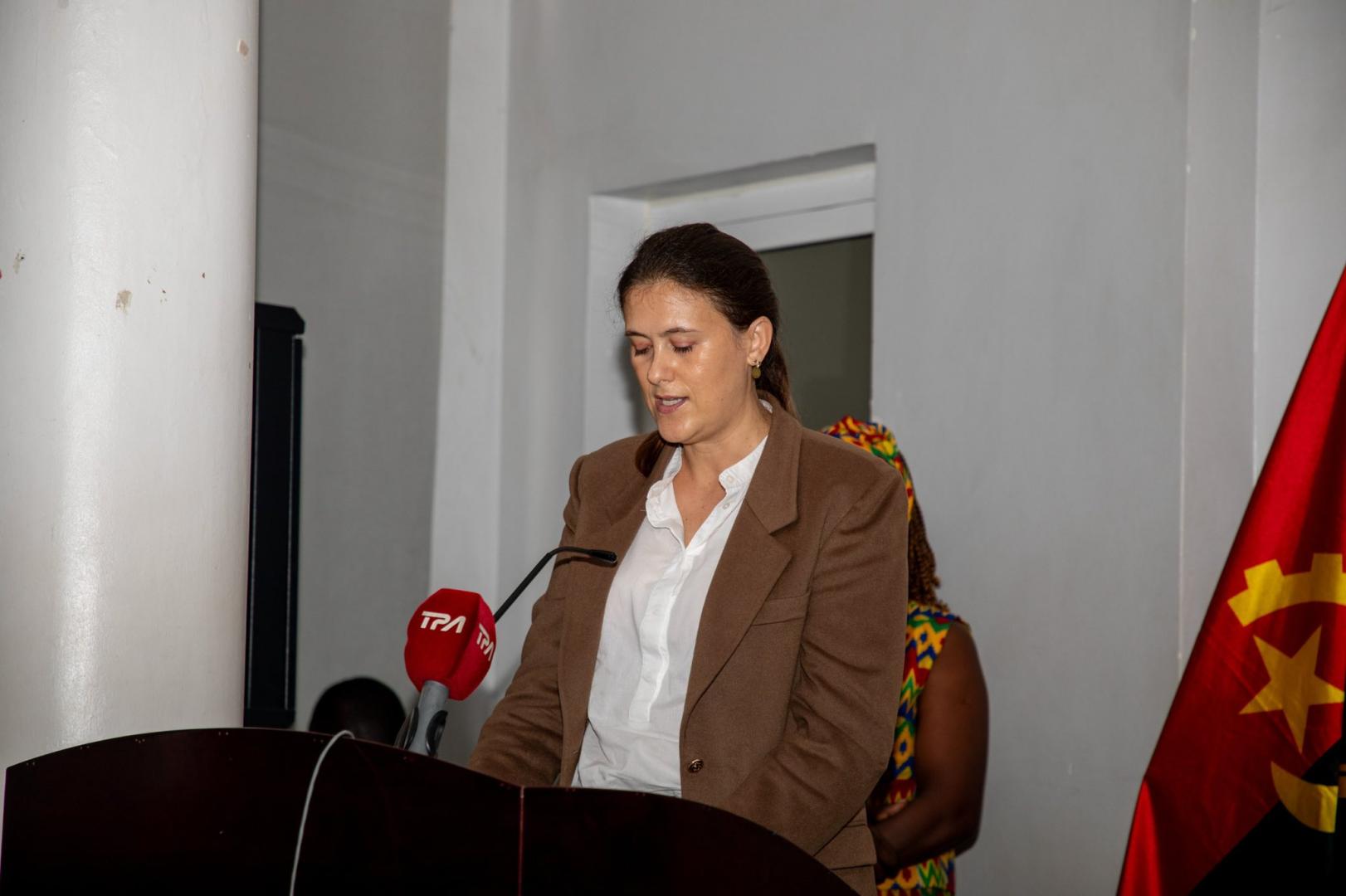
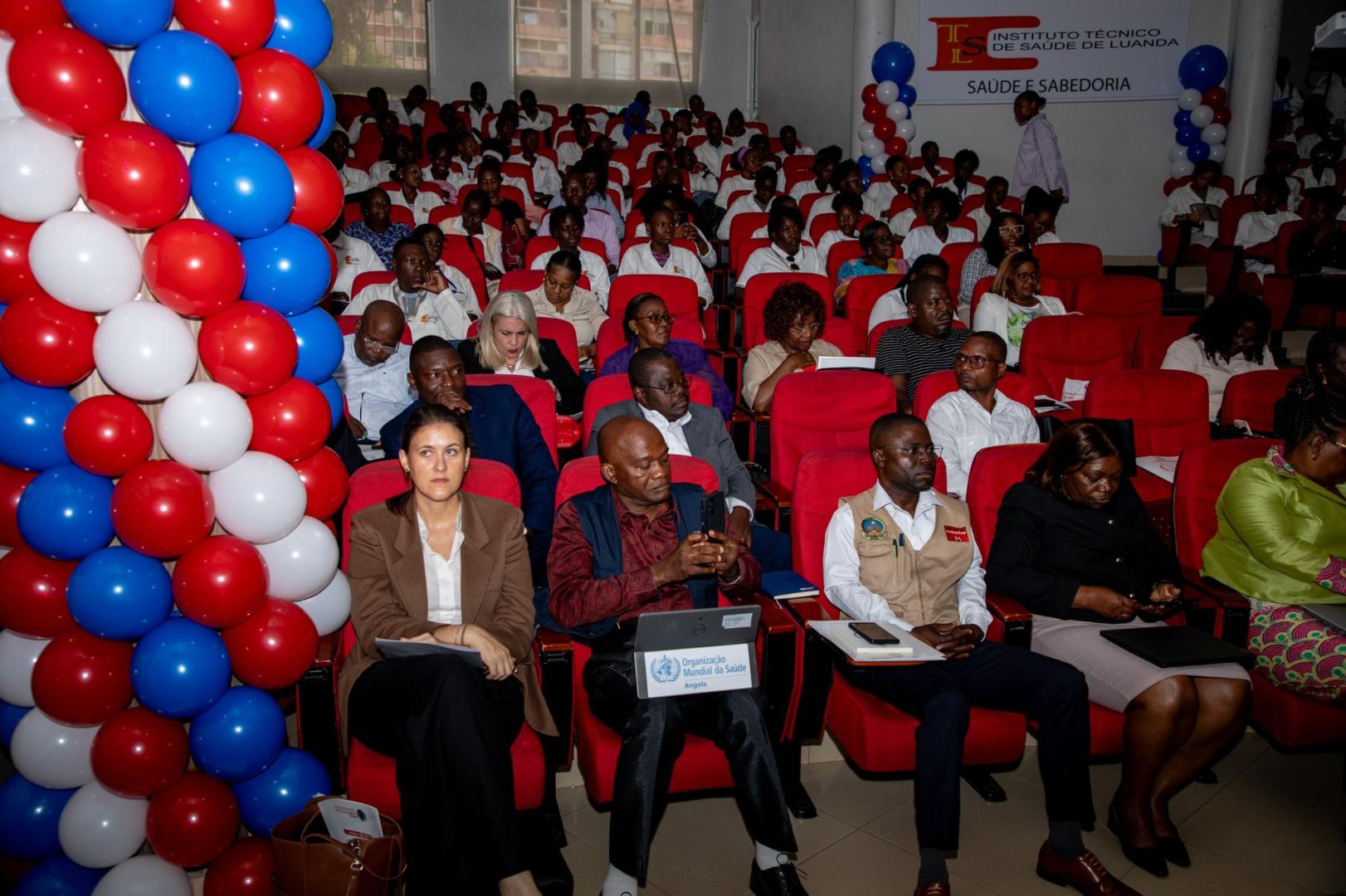
On Thursday, January 30, Angola marked World Neglected Tropical Diseases Day (NTDs), celebrated annually under the theme “Unite, Act, Eliminate,” with an event that marks a significant advance in the national response to these diseases, in line with the World Health Organization (WHO) Global Strategy for NTDs 2021-2030.
Neglected Tropical Diseases affect around 1.4 billion people worldwide, mainly in African countries, including Angola, and are often associated with poverty, limited access to health services, and inadequate sanitation. In addition to their impact on health, these diseases contribute to disability, social exclusion, and stigmatization of those affected.
According to Dr. Leonardo Inocêncio, Secretary of State for Hospitals, “Angola has 16 of the 21 neglected tropical diseases that exist in the world.” For this reason, as part of this year's celebrations, Angola took a structural step forward with the creation of the first Self-Care Group for NTDs in the field of case management, focusing on lymphedema caused by Lymphatic Filariasis and Dracunculiasis. This initiative aims to reinforce a person-centered approach, promoting self-care, functional rehabilitation, and the prevention of complications, while combating the stigma associated with these diseases.
The initiative is aligned with the main pillars of the WHO Global Strategy for NTDs, namely reducing morbidity, disability, and human suffering, integrating morbidity management and disability prevention into health services, and strengthening a sustainable and inclusive response.
As part of the commemorative activities, a training workshop was held at the Luanda Technical School of Health, aimed at health professionals, with an emphasis on physiatrists and nurses. The training aimed to strengthen technical skills in the clinical management of lymphedema, rehabilitation, prevention of complications, and promotion of self-care, contributing to a more effective and humanized response.
The celebration of World Neglected Tropical Diseases Day, associated with the implementation of this concrete action, represents a strategic step towards fulfilling Angola's commitments under the 2030 Agenda for Sustainable Development, reinforcing national efforts towards eliminating NTDs as a public health problem.
The WHO Representative in Angola, Dr. Indrajit Hazarika, stressed that to make the goal of eliminating NTDs by 2030 a reality, the WHO encourages the adoption of four strategic measures: a) increase funding for NTDs in the General State Budget, considering that every dollar invested can generate up to $25 in return; b) strengthening access to safe drinking water and basic sanitation; c) investing in research, development, and innovation to base interventions on solid evidence; d) fully integrating NTDs into primary health care and routine services, ensuring sustainability and equity.
The WHO reaffirms its commitment to continue supporting the Government of Angola in strengthening the health system and implementing sustainable interventions that protect lives, reduce suffering, and promote the dignity of people affected by Neglected Tropical Diseases.
Communication Assistant
WHO Angola
rpedro [at] who.int (rpedro[at]who[dot]int)