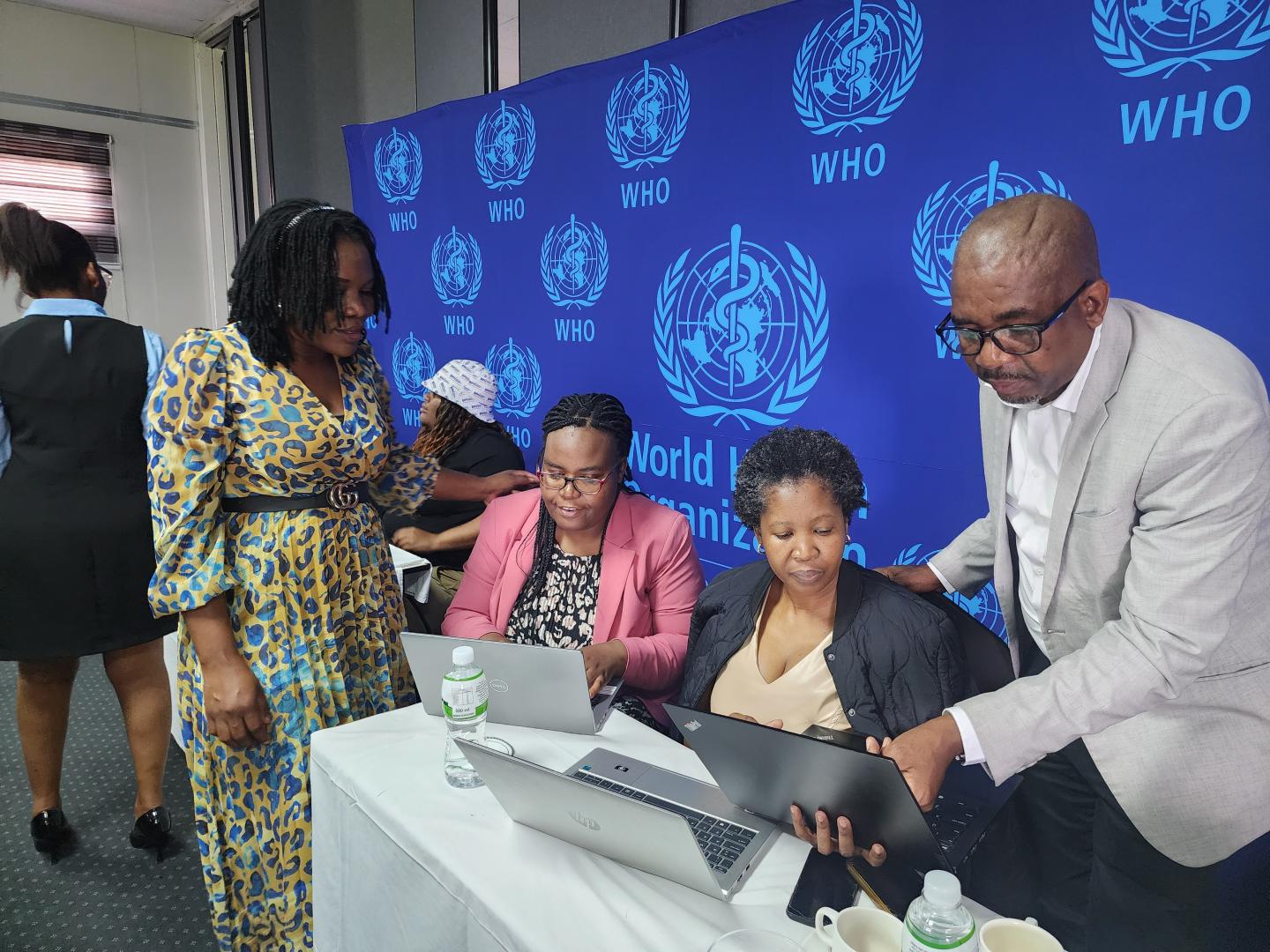
WHO Botswana and BPHI advance national health security through NAPHS validation and costing workshop
Gaborone, Botswana | 10–14 November
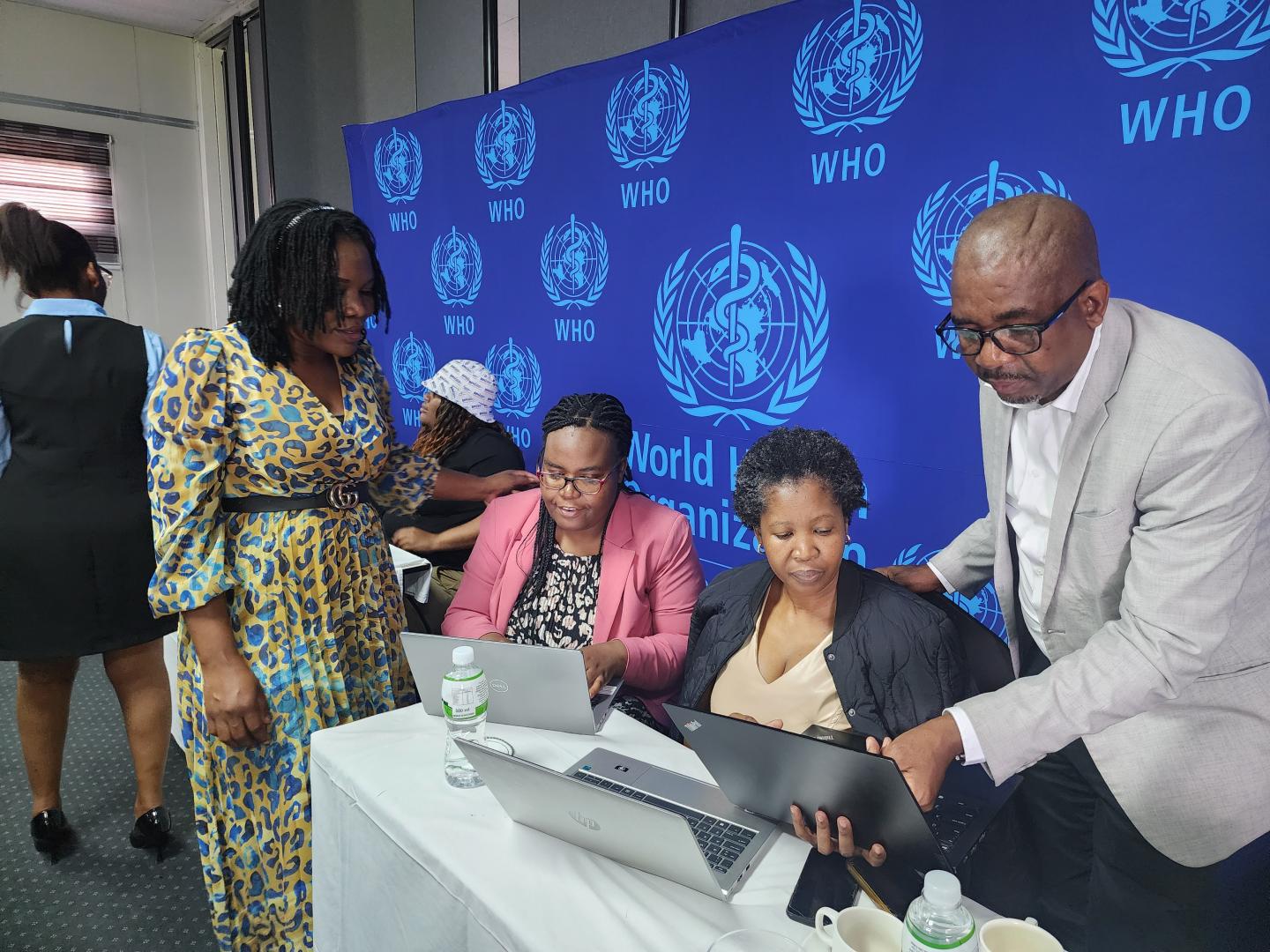
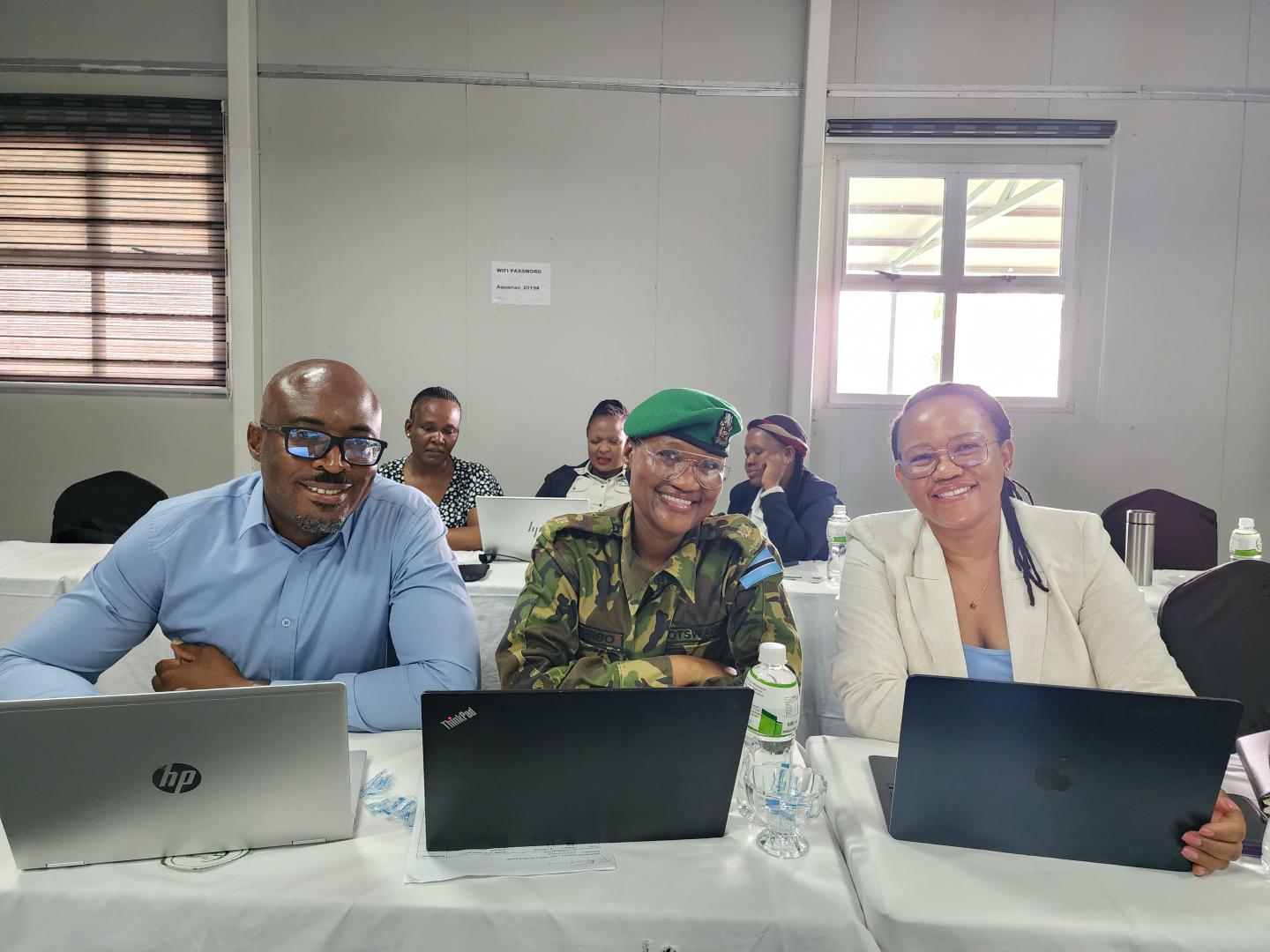
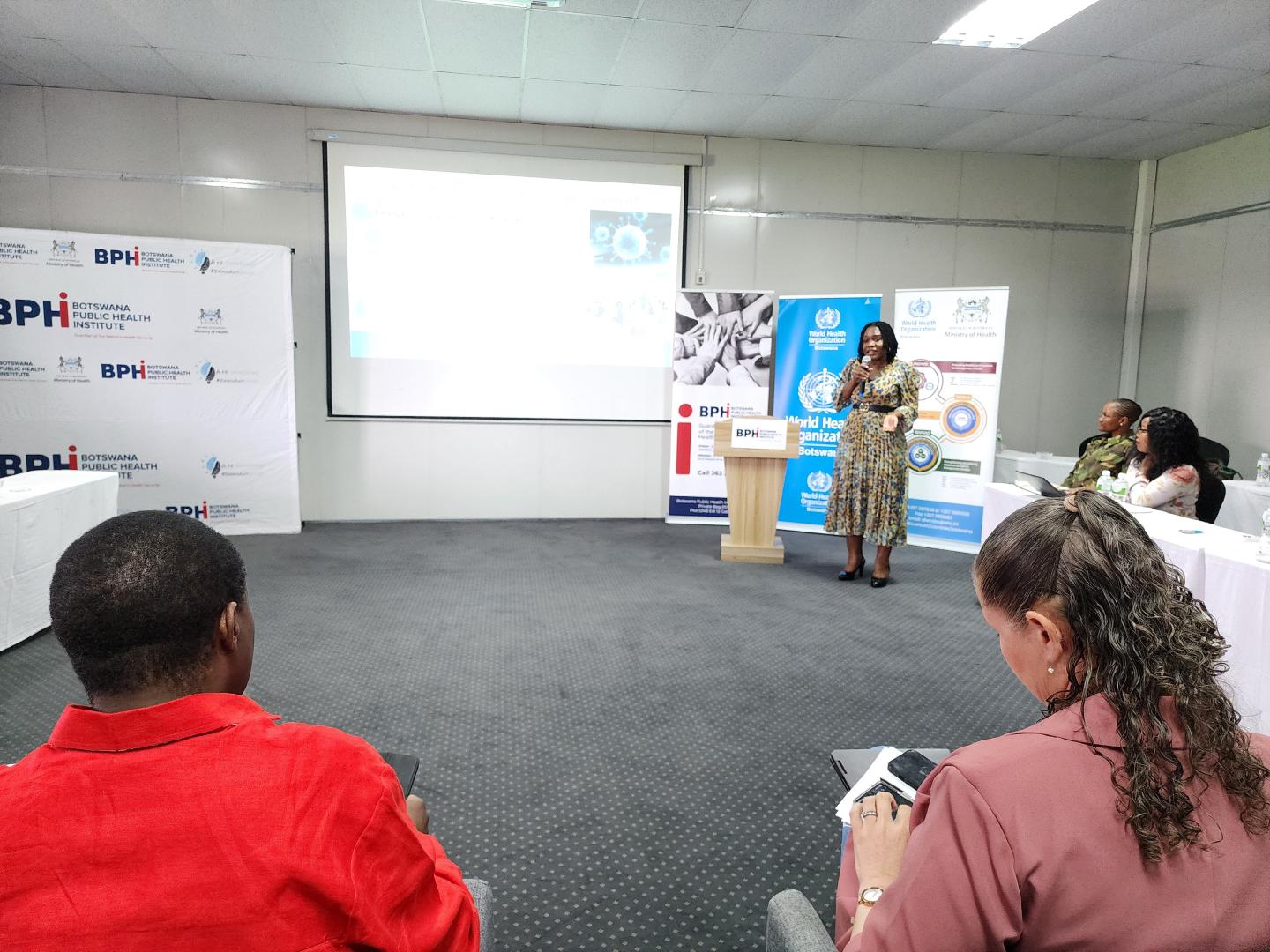
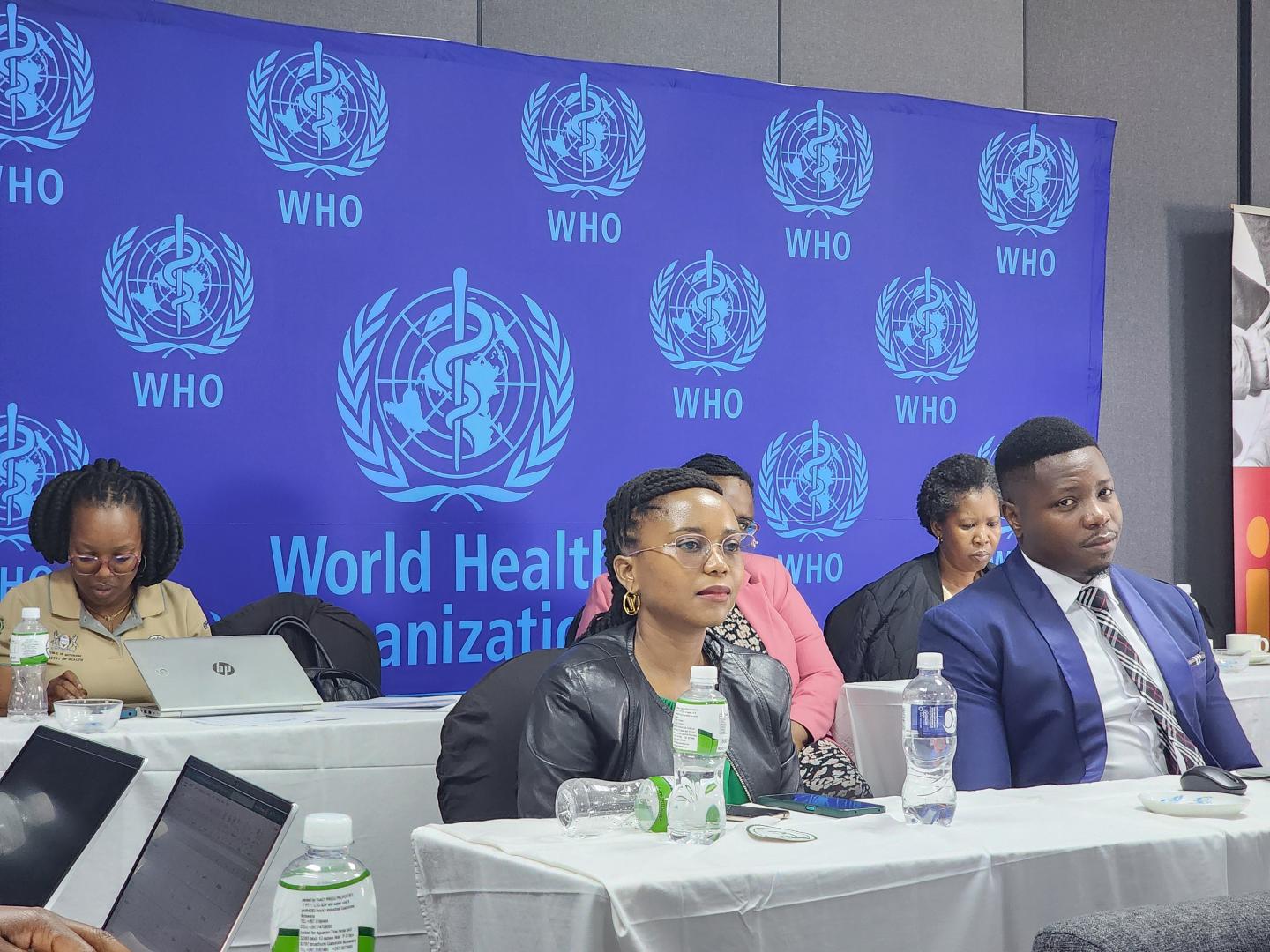
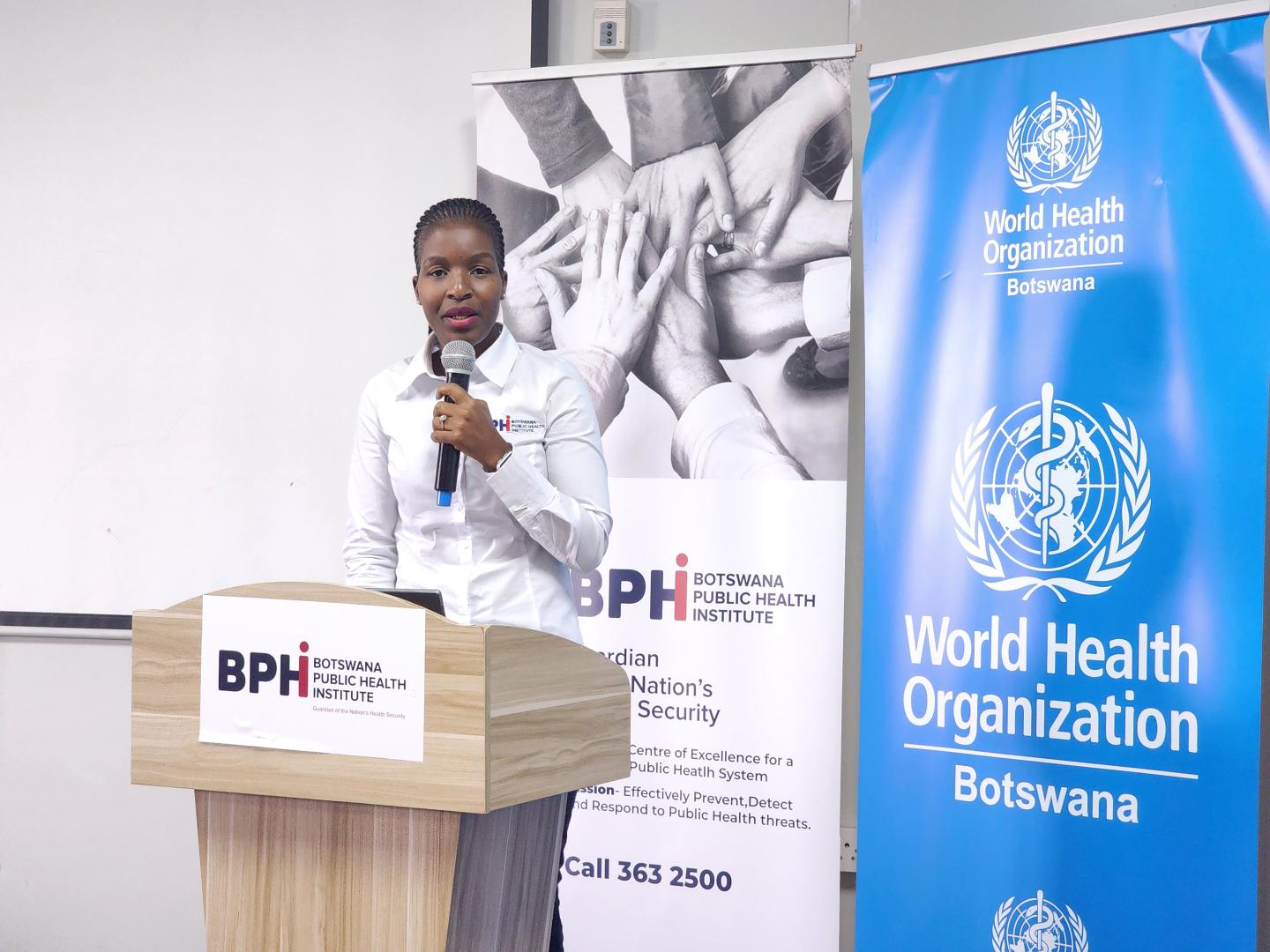
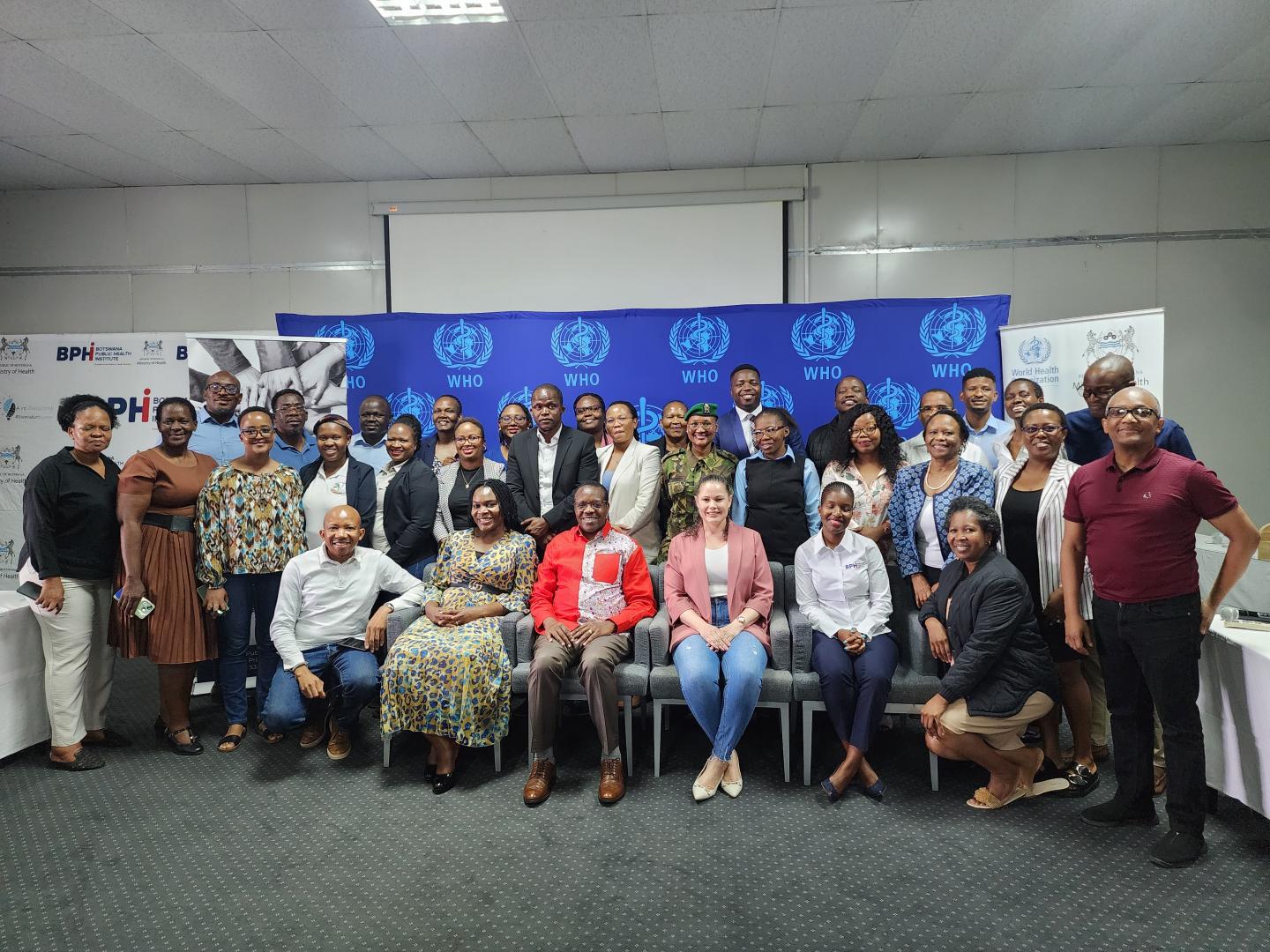
The World Health Organization (WHO) Botswana, in collaboration with the Botswana Public Health Institute (BPHI), organized a one‑week workshop on the validation and costing of Botswana’s National Action Plan for Health Security (NAPHS), and development of NAPHS narrative that will be signed by One Health sectors during the launch, marking a critical milestone in the country’s efforts to strengthen national and global health security.
This important engagement, conducted from 10 and 14 November, brought together national institutions, multi‑sectoral technical experts, and partners to ensure that Botswana is well prepared to prevent, detect, and respond to public health emergencies. The workshop builds on previous processes, including the Joint External Evaluation (JEE) and other assessments, translating recommendations into actionable, costed and sustainable national plan.
Investing in Preparedness and Resilience
Through the validation and costing of the NAPHS, Botswana is taking a decisive step to:
- Safeguard hard‑won public health gains
- Strengthen emergency preparedness, readiness, and response systems
- Ensure coordinated, multi‑sectoral action in line with global standards
By accurately costing the NAPHS, stakeholders are aligning priorities with available and future resources, ensuring that health security interventions are both realistic and impactful. This process is key investment in a healthier, safer, and more resilient future for every Motswana.
Leadership and Shared Commitment
Speaking during the workshop, WHO Country Representative, Dr Fabian Ndenzako, commended the Government of Botswana, particularly the Botswana Public Health Institute, for its leadership and unwavering commitment to advancing national health security.
He also recognized the contributions of all stakeholders involved, including national institutions, experts from multiple sectors, and partners who have supported the journey from the JEE to the development and validation of the NAPHS.
“The National Action Plan for Health Security is not just a document. It is a strategic roadmap aligned with the International Health Regulations (IHR 2005) and the Global Health Security Agenda, guiding Botswana’s efforts to protect the health of its people,” Dr Ndenzako emphasized.
The workshop echoes the global call for collective responsibility in addressing health threats, as underscored by WHO Director‑General Dr Tedros Adhanom Ghebreyesus:
“Global health security is only as strong as its weakest link – no one is safe until we are all safe.”
Looking Ahead
WHO Botswana and partners commit to continue to provide progress updates on key deliverables and outcomes of the implementation of the NAPHS. The validation and costing of NAPHS reaffirm Botswana’s commitment to multisectoral collaboration, resource mobilization to support strong health systems that will build national health security.




External Relations and Partnerships Officer
email: birsanc [at] who.int (birsanc[at]who[dot]int)
Tel: +26774620807