Stopping Polio at the Border: Malawi and Mozambique Join Forces
In October 2025, a suspected polio case triggered an urgent alert in Malawi’s Mwanza District. The patient was a 9-month-old girl who had been brought to Thambani Health Centre with symptoms of paralysis. What made this case unusual was that the child was not from Malawi, she lived just across the border in Moatize District, Mozambique. This discovery set in motion a remarkable example of cross-border cooperation to protect communities from polio.
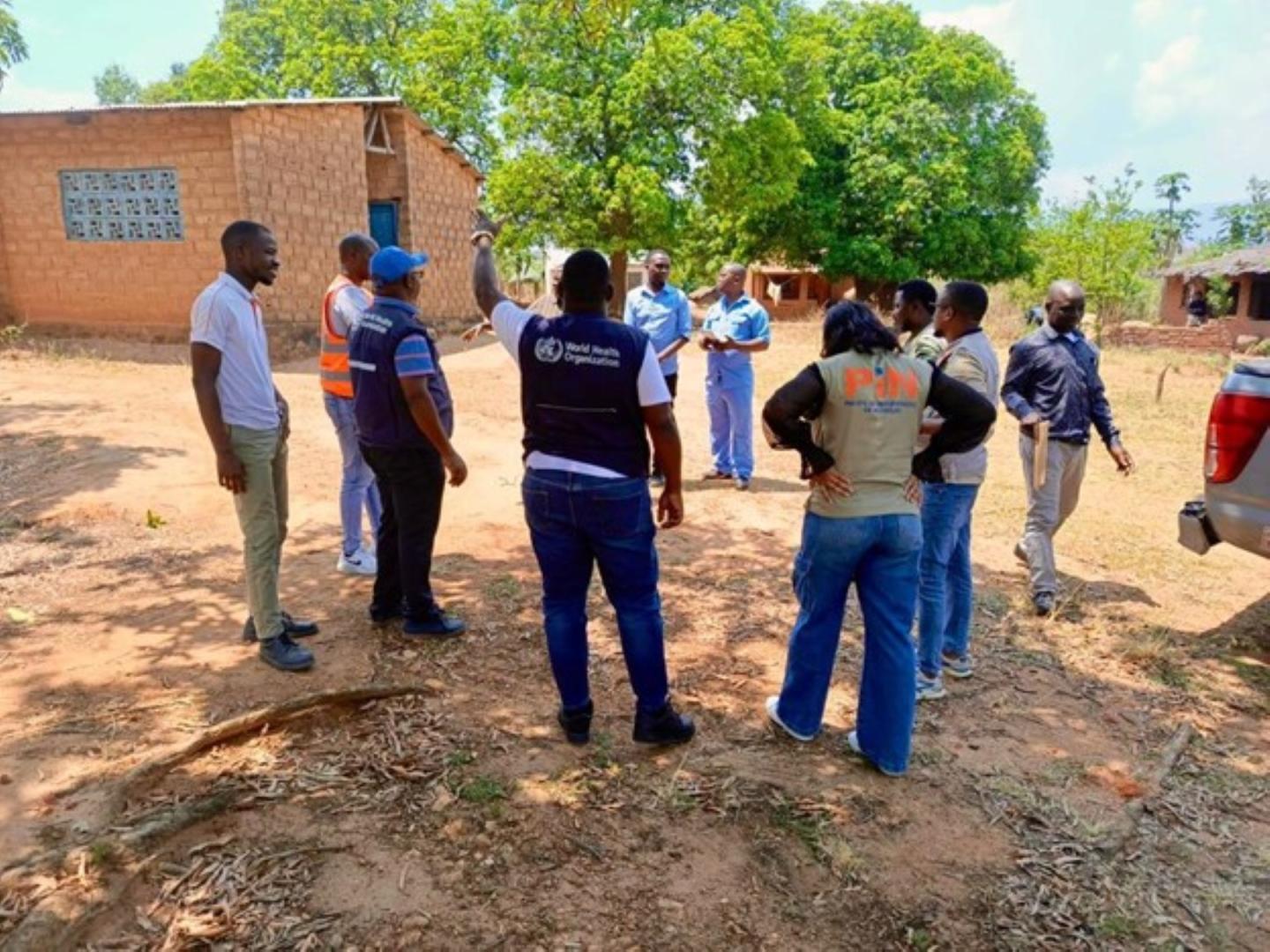
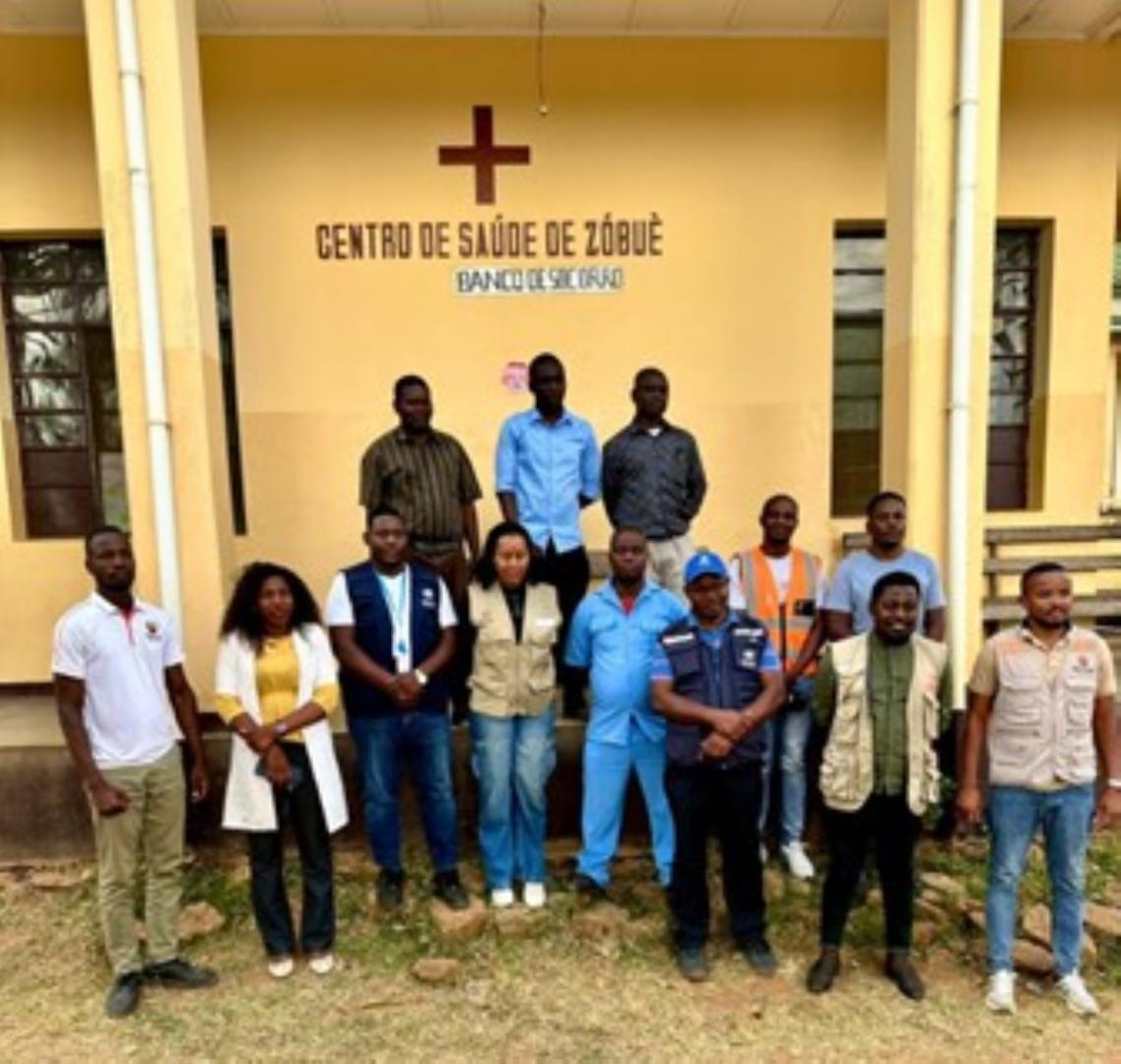
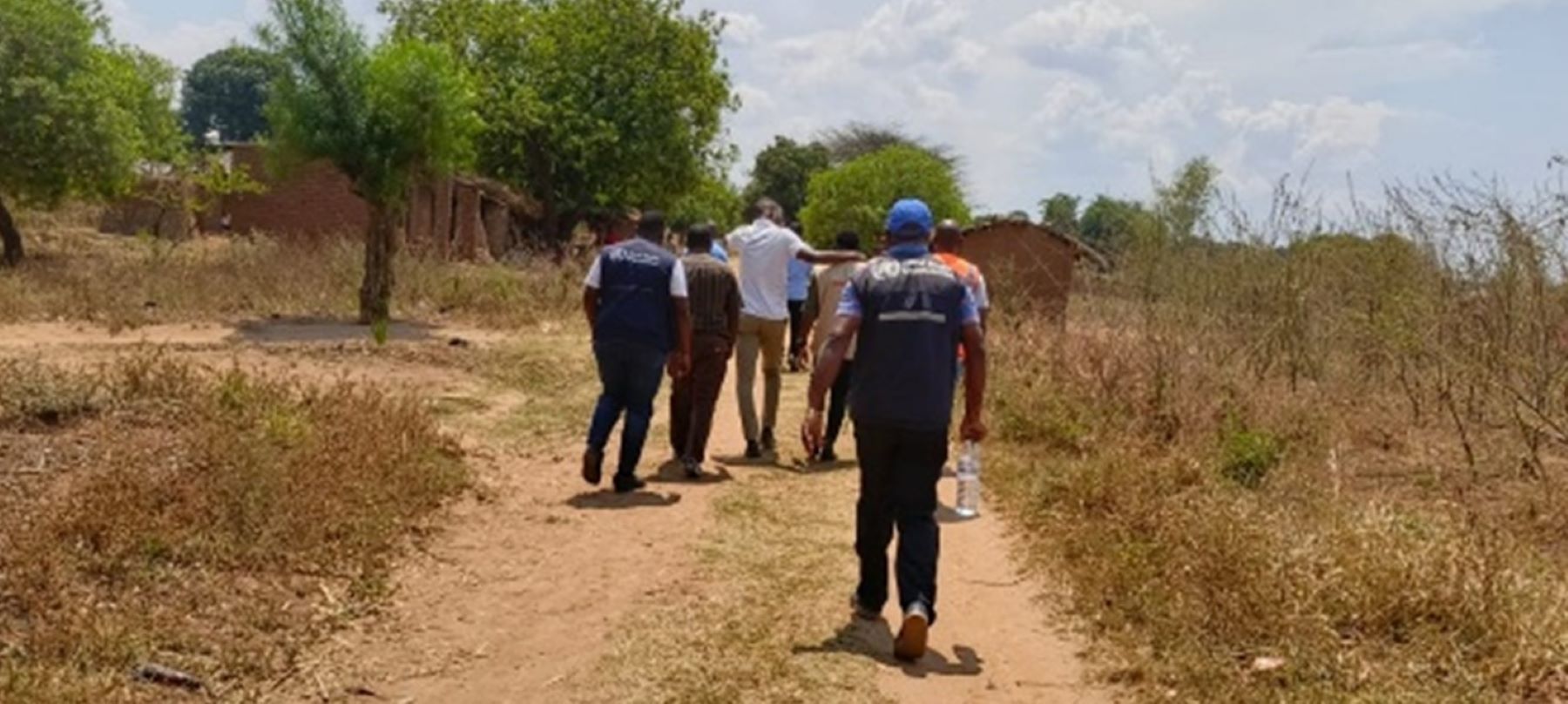
Within hours, health authorities in Malawi and Mozambique activated their rapid response teams, supported by the World Health Organization (WHO). A joint investigation team traveled to the child’s home, interviewed family members, and worked with local health workers and community leaders. They searched for other possible cases, checked vaccination records, and reminded families about the importance of immunization. Community health workers were trained to report any paralysis in children under 15 immediately. These actions showed how quickly two countries can work together when health security is at stake.
Laboratory tests later confirmed that the virus detected was linked to the nOPV2 vaccine the child had received, not a dangerous vaccine-derived strain. This meant there was no outbreak, but the response was still critical. Acting fast ensured that if the virus had been a threat, it would have been contained before spreading. The child continues to receive care for other health conditions, and both countries strengthened surveillance in border communities.
This joint effort proved the power of partnership. By sharing information, resources, and expertise, Malawi and Mozambique demonstrated that borders should never be barriers to health. Their teamwork protected families on both sides and reinforced the importance of strong surveillance systems in areas where people move freely. As one health official noted, “When we act together, we stop diseases before they stop us.”
The lesson is clear: regional collaboration saves lives. Continuous cooperation between neighboring countries is essential to keep polio out of southern Africa and achieve the global goal of eradication. Every alert matter, every response counts, and every child deserves a future free from polio.
bunyao [at] who.int (bunyao[at]who[dot]int)
+265 999 930 280