Reaching the Unreached: Measles‑Rubella Vaccination Brings Essential Care to a Nomadic Community in Osun State
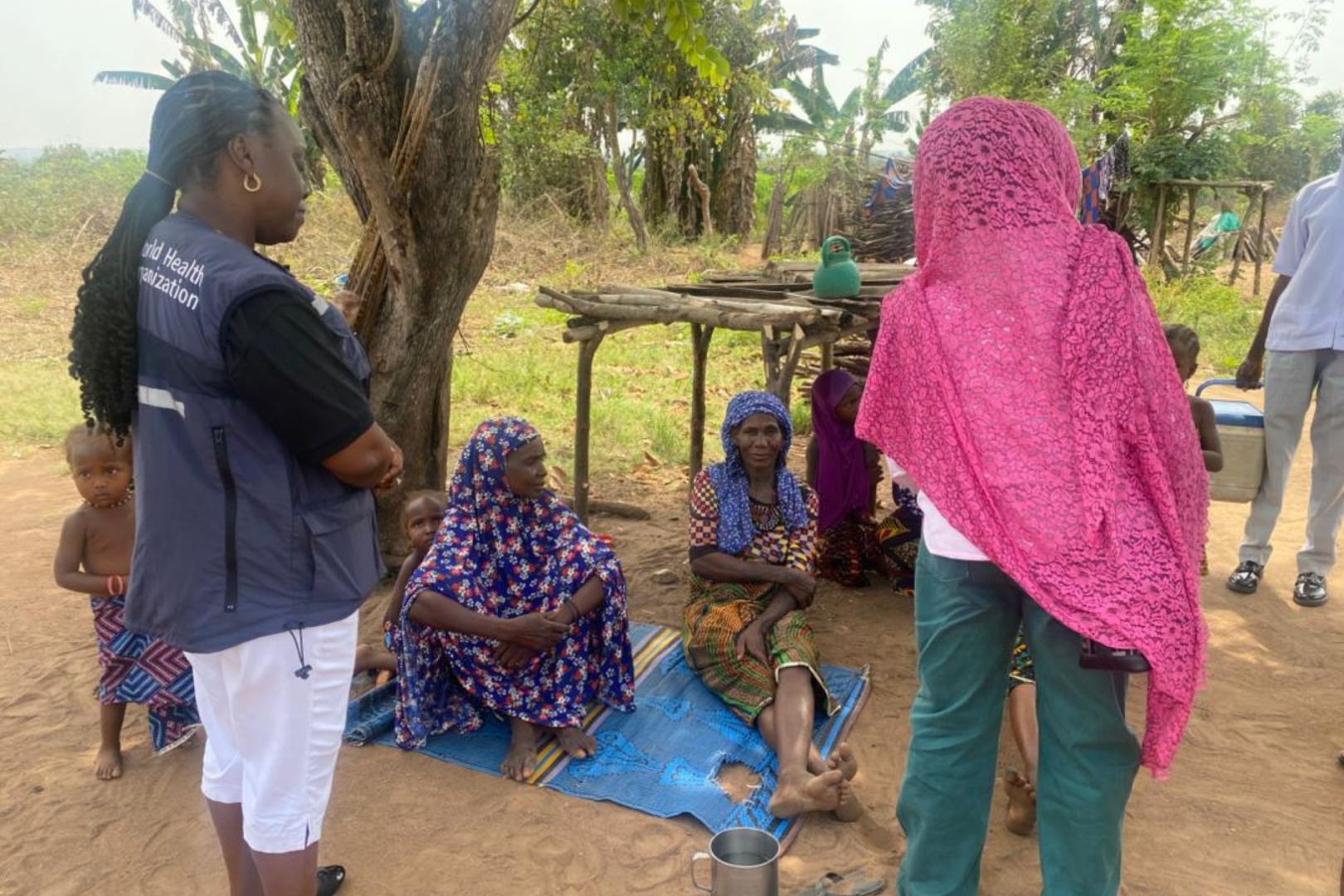
Osun: For years, families in a small nomadic settlement in Abaa Modakeke, deep within Egbedore LGA of Osun State, lived far beyond the reach of basic health services. There was no nearby clinic. Health interventions sparingly reach them. And long walks to the closest village often ended with no care.
“We felt forgotten,” said Mama Balkis Babangida. “But today, we are happy you came. Our children can finally be taken care of.”
Her words reflect the experience of many nomadic families across Nigeria who face barriers to routine immunization. These barriers leave children at high risk of measles and rubella, two highly contagious diseases that continue to cause outbreaks in the country. Nigeria has recorded periodic measles outbreaks in recent years, with suspected cases of 27,433, out of which 19,225 confirmed and 153 deaths across the country in 2025.
Reaching these children is a national priority under Nigeria’s Primary Health Care (PHC) revitalization agenda, the National Measles‑Rubella Elimination Strategy, and the Immunization Agenda 2030 (IA2030). It is also central to World Health Organization’s (WHO) focus on equity, zero‑dose reduction, and stronger PHC systems.
A campaign designed to reach every child
During the 2025–2026 Measles‑Rubella (MR) integrated campaign, the Osun State Primary Health Care Board, the National Primary Health Care Development Agency (NPHCDA), WHO, AFENET, and community leaders worked together to reach settlements that routine services rarely touch.
The team travelled by road and then on foot, carrying vaccine carriers, cold‑chain equipment, and materials to help families understand the importance of immunization. Their goal was simple: find children who had missed routine vaccines and ensure no child was left behind.
For many families, it was the first time health workers had ever come directly to them.
Fear, not refusal
Halima Aliyu, a young mother, held her 12‑month‑old son as she spoke to the team.
“I tried to take him for immunization once, but I was afraid they would reject me in the neighbouring village,” she said. “That fear made me stop trying.”
Her son was one of two zero‑dose children vaccinated that day.
A father in the community of Abba Mudakeke (Egbedore LGA), Jubril Aminu, shared a similar experience. “We move often. Sometimes we don’t know where to go for vaccines. When the team came here, it made everything easier.”
A youth leader, Mamuda Aliyu, added, “When health workers come to us, people listen. It builds trust.”
Building trust through conversation
Reaching the settlement was only the first step. The team spent time listening to families, answering questions, and explaining how vaccines protect children from measles and rubella. Many parents said they had stayed away from health facilities because they feared rejection or did not understand the services available.
The outreach took place on the ninth day (February 4, 2026) of the MR integrated campaign.
According to Alhaja Oredeko, the Local Immunization Officer for Egbedore LGA, closing this gap requires more than vaccines.
“Government primary health care facilities are open and free. Health workers are ready to provide routine immunization and other services. No one should feel excluded.”
The community was linked to the primary health care post closest to the settlement
Results and early impact
By the end of the outreach, 22 children aged 9 months to 14 years which represent all the children with the target age group in the community (100%) received the MR vaccine, including two zero‑dose toddlers. For a community this size, the impact was immediate.
Across Osun State, 30 WHO Local Government Area Facilitators and 352 Field Volunteers are supporting the MR campaign across 30 LGAs and 332 wards. Their work funded by Gavi, the Vaccine Alliance focuses on improving micro‑planning, strengthening supervision, and ensuring vaccines reach children in remote and mobile communities.
“This work supports Nigeria’s goal of reducing zero‑dose children and preventing measles outbreaks,” said Dr Ojediran Oluwatoyin Joke, WHO State Coordinator in Osun. “Every child deserves access to essential vaccines, no matter where they live.”
Mrs OluTope Shadare, NPHCDA State Coordinator, emphasized the importance of targeted strategies. “Mobile outreach and community engagement help us reach children who would otherwise be missed.”
Expected outcomes of the campaign include reaching every child in the community, reduced outbreak risk, and stronger community confidence in routine immunization.
Restoring confidence, strengthening systems
For families like Mama Balkis’ and Halima’s, the visit brought more than vaccines. It restored trust in a system they once felt invisible to.
For health workers and partners, it reinforced a simple truth: reaching the unreached is possible when communities are placed at the centre.
Osun State’s experience shows that no settlement is too remote and no child too far away to be protected from vaccine‑preventable diseases.
Call to action
Communities are encouraged to:
- continue engaging with local health workers
- visit their nearest PHC facility for routine immunization services available throughout the year
- support efforts to reach zero‑dose children in every settlement
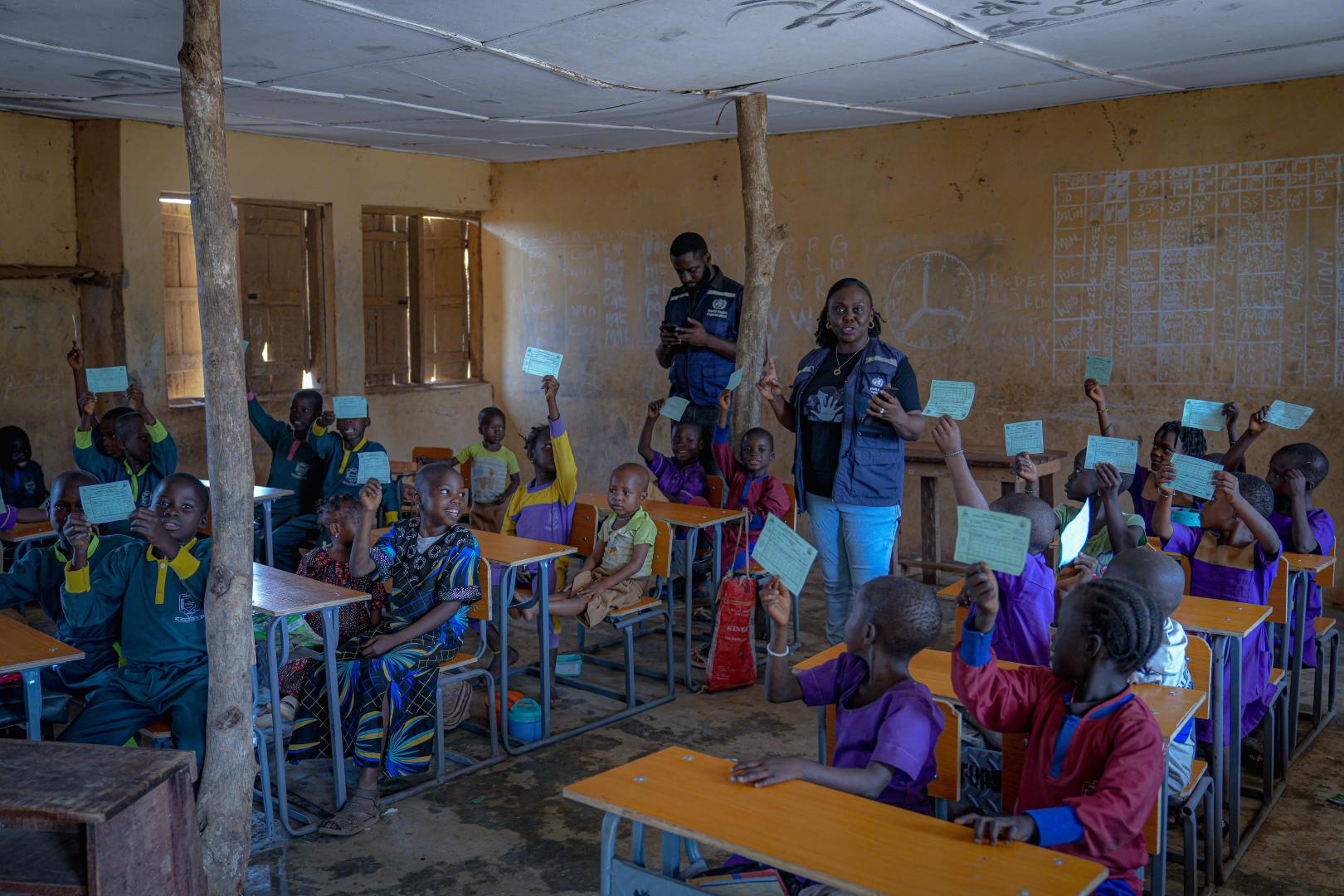
Communications Officer
WHO Nigeria
Email: hammanyerok [at] who.int (hammanyerok[at]who[dot]int)