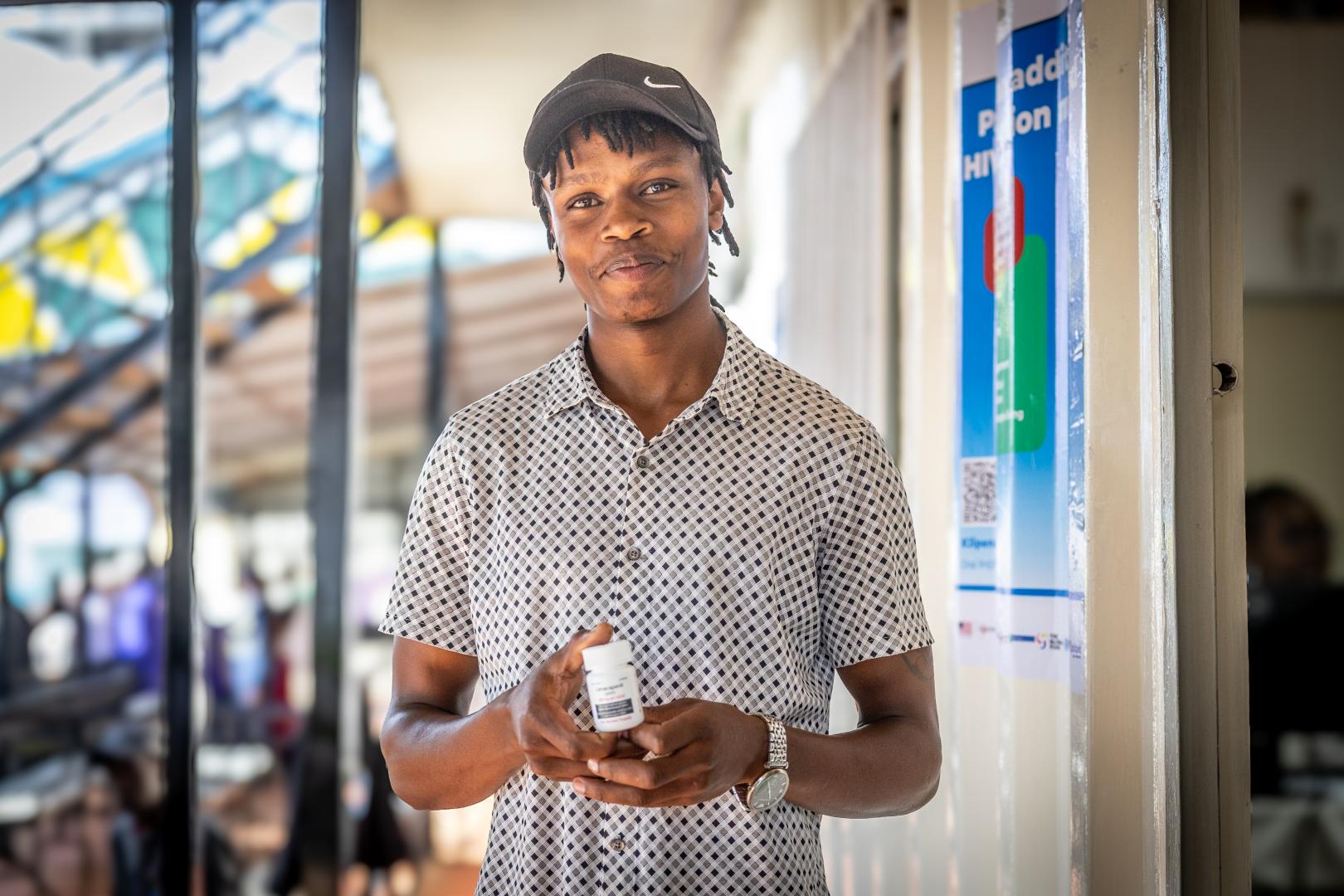
Kenya becomes first in East Africa to launch six-month HIV prevention injection
Nairobi—When a friend's father urgently needed a blood donation, Samson Mutua had to say no. He had been engaging in "risky behaviour" and had never tested for HIV. He could not be sure he was safe to donate.
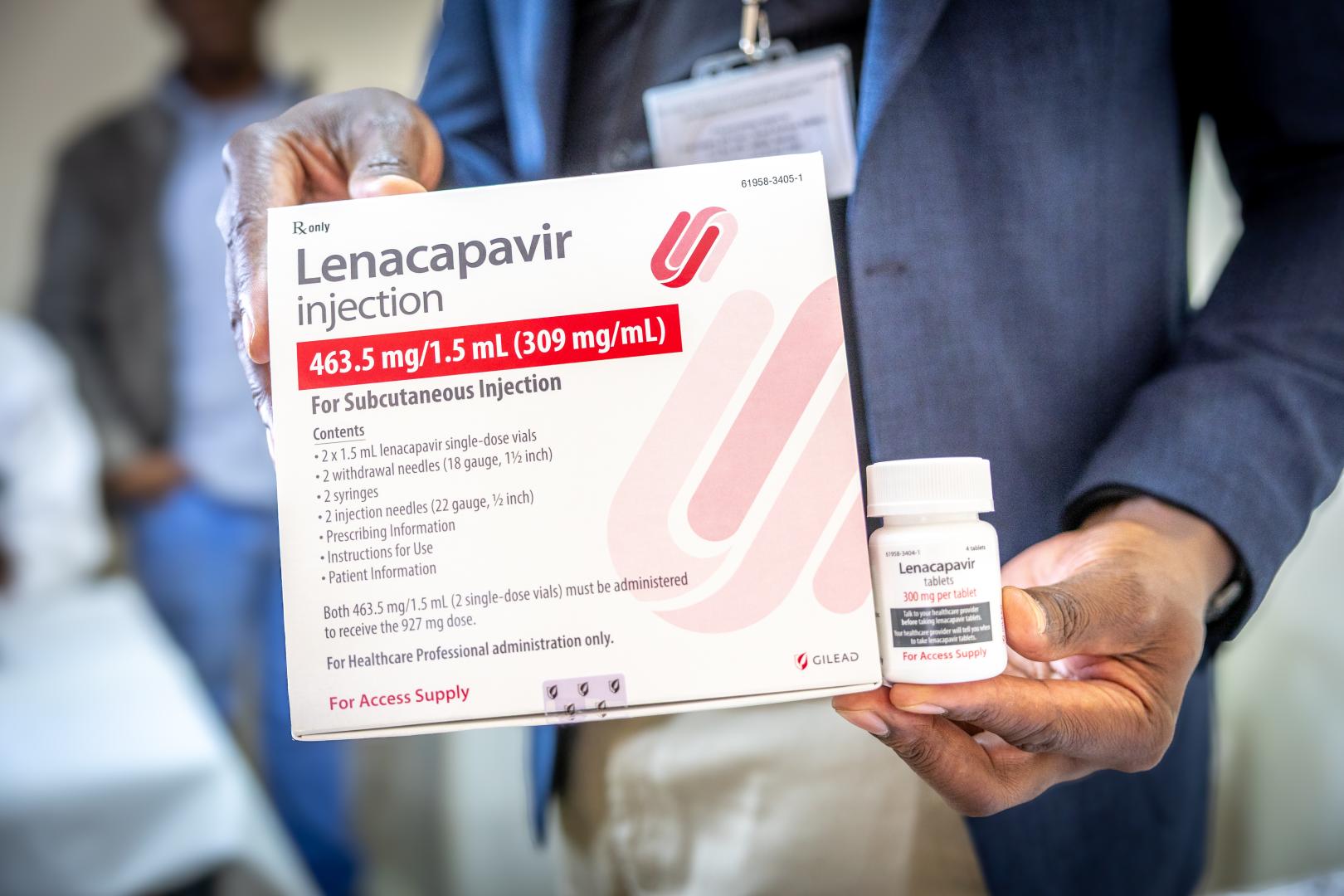
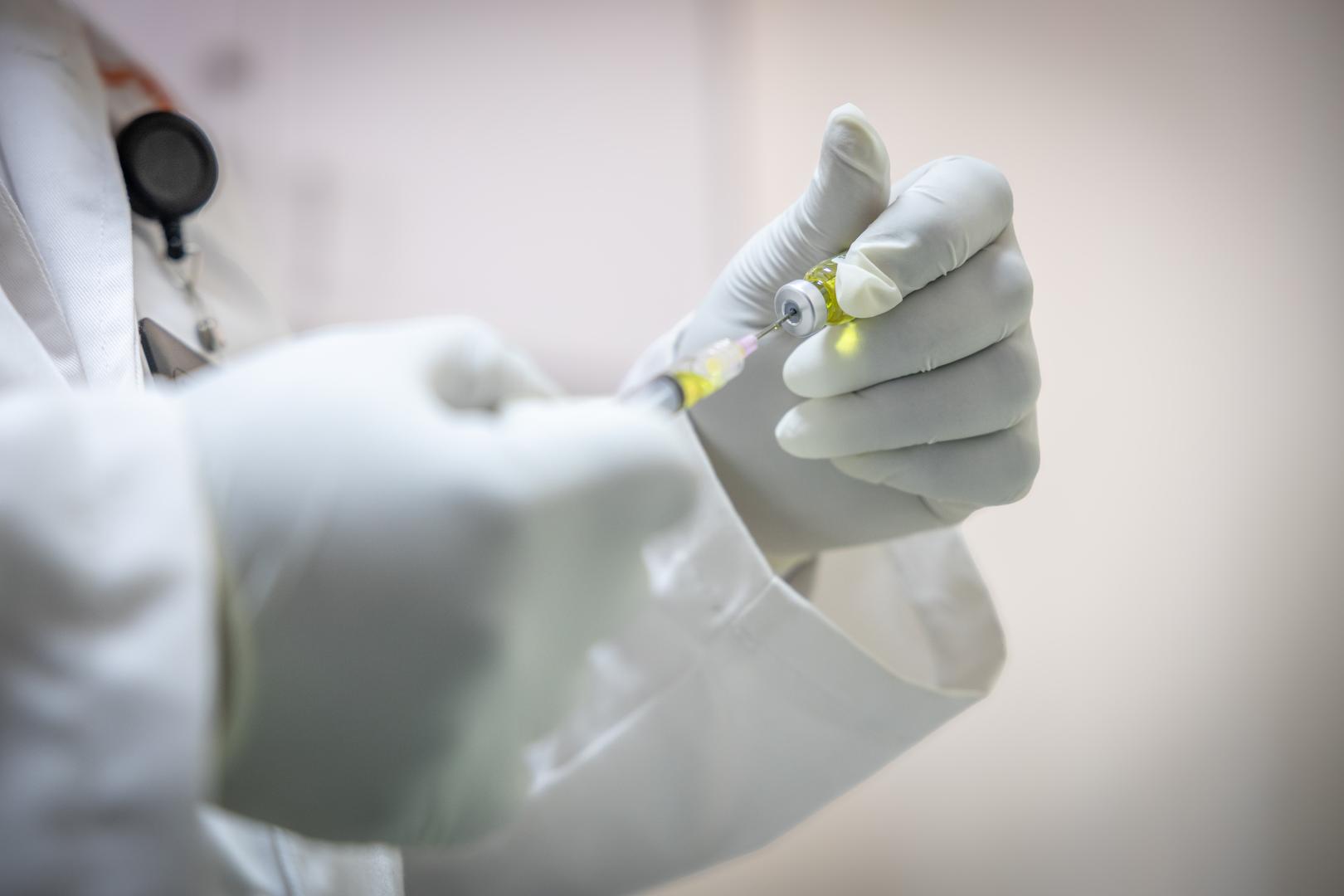
Years later, Mutua, now 27, has become the first Kenyan to receive lenacapavir, a new injectable option that protects against HIV for six months with just two injections a year. Kenya is the first country in East Africa, and one of the first globally, to roll out the drug, marking a significant step forward after 42 years of HIV response in the country.
Recalling the moment that changed his outlook, Mutua said: "that moment was a wake-up call for me. I could not help my friend's father, and I did not even know my own status. Shortly after, I went and got tested and found out I was HIV negative. I was so, so happy," said Mutua, a delivery rider from Kawangware, Nairobi. He wanted to stay that way, so he chose to take a daily pill that HIV-negative people use to prevent infection, oral PrEP. He kept that up for nearly ten years, although he admitted, "a pill every single day, sometimes you forget. Two injections a year now gives me that comfort. I feel protected."
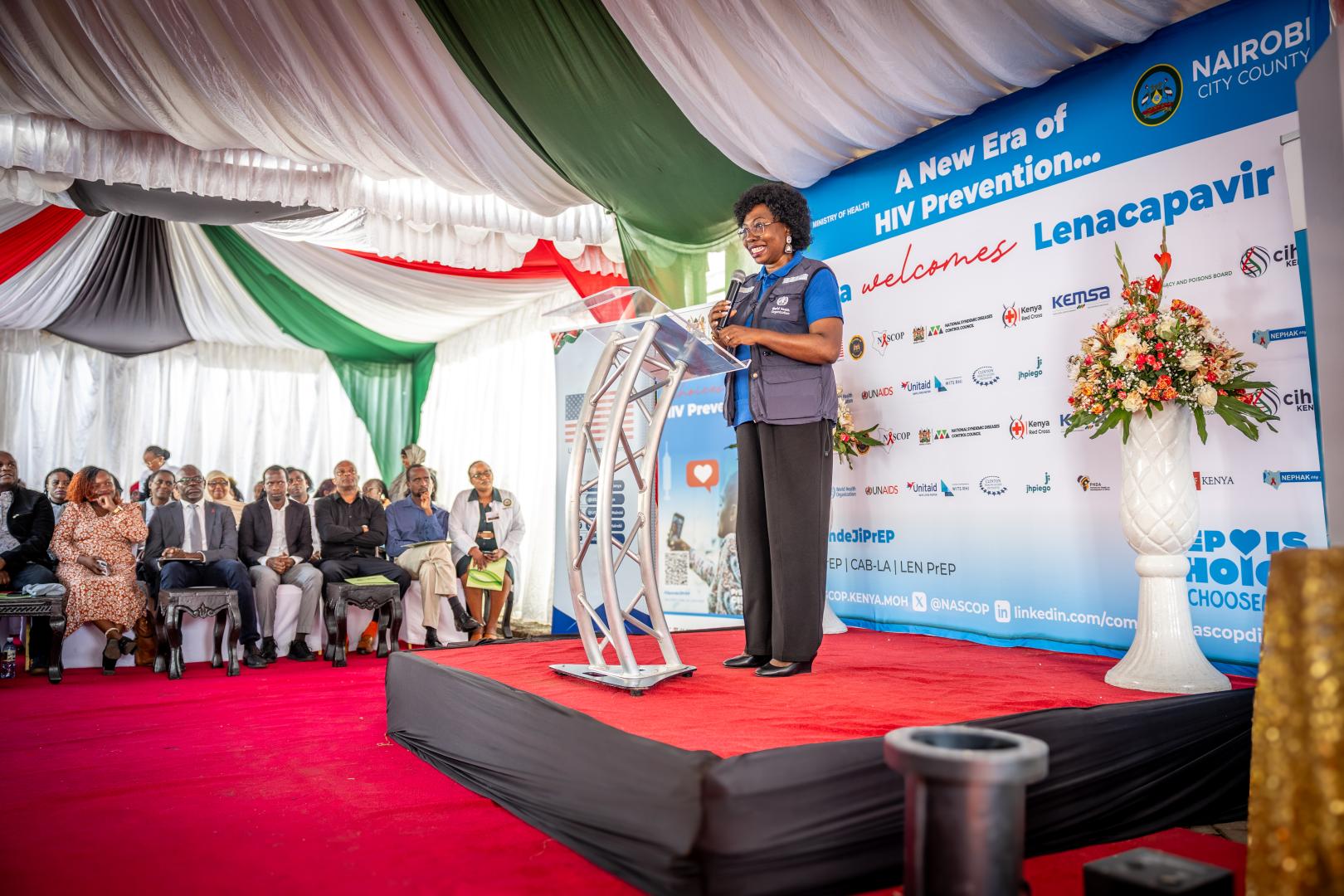
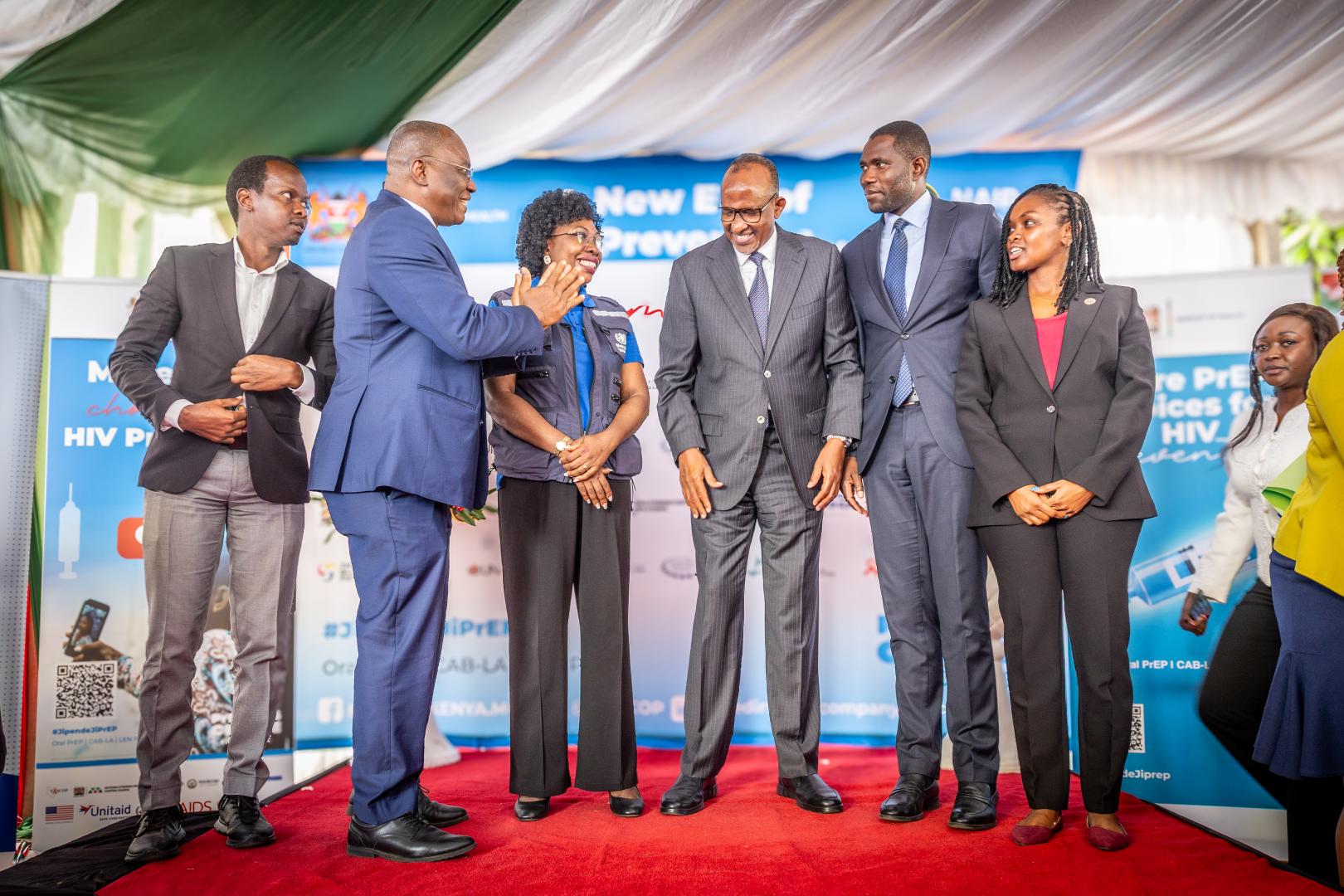
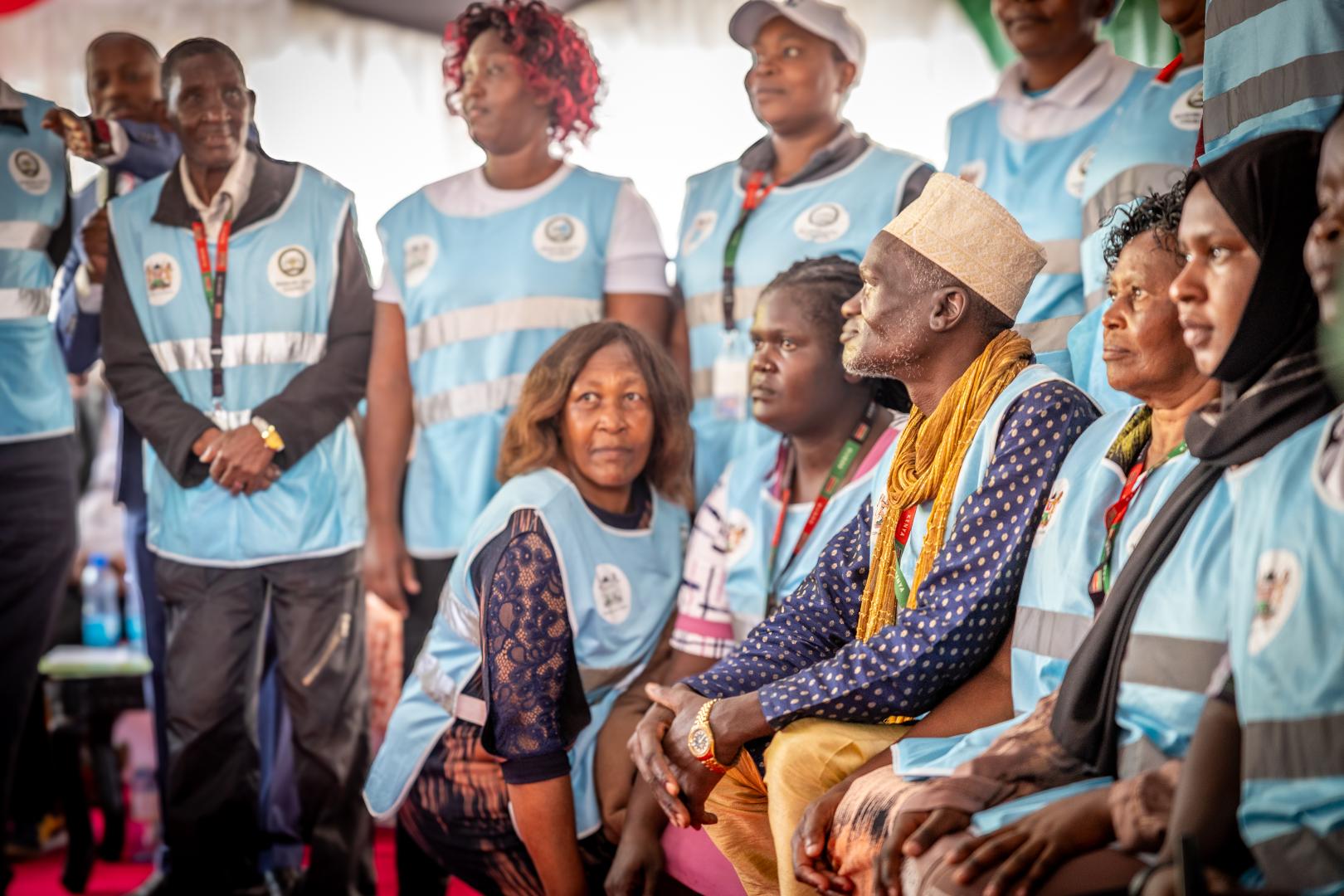
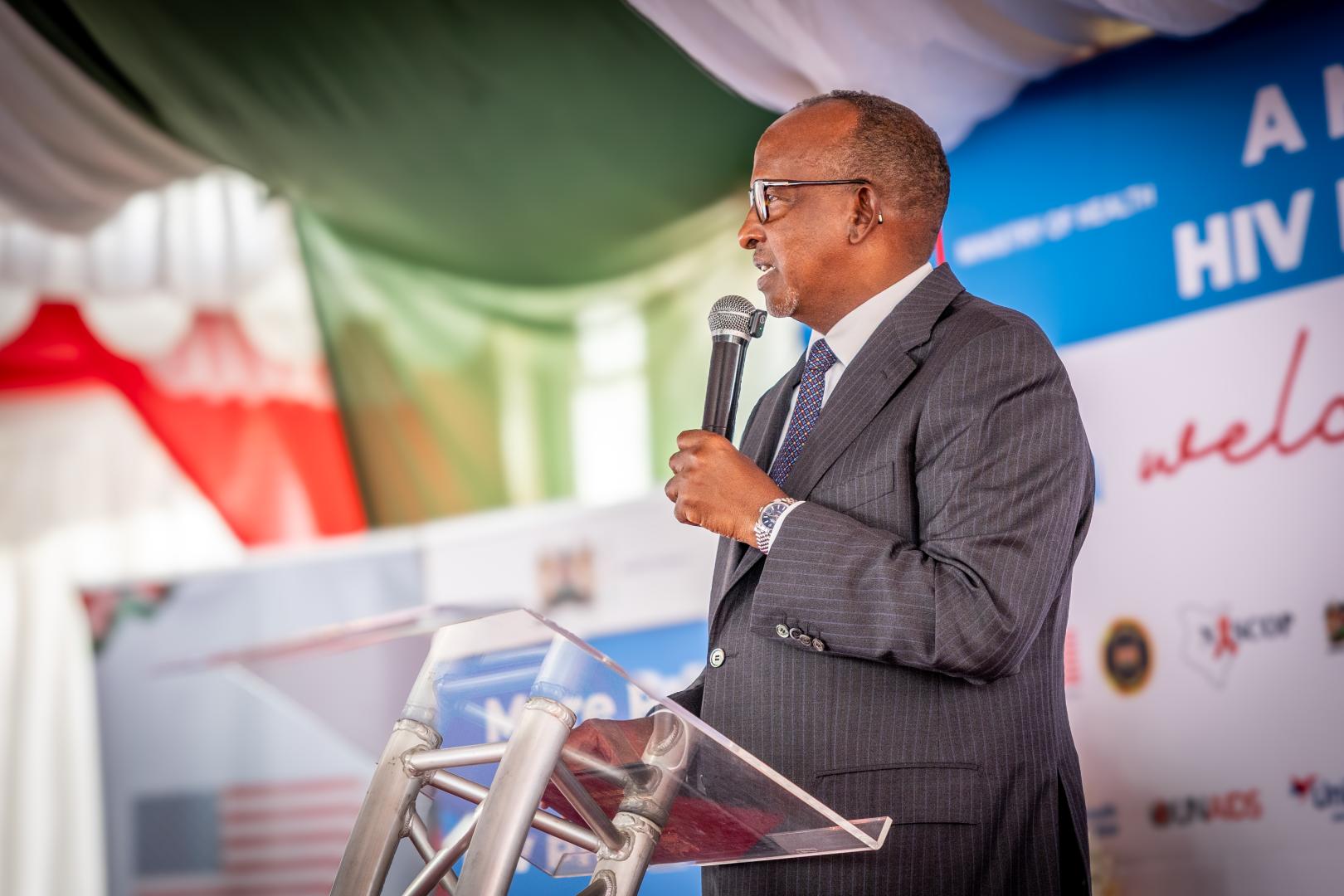
The launch, held at Riruta Health Centre in Nairobi and presided over by Health Cabinet Secretary Aden Duale, comes as Kenya continues to make progress against the epidemic. "In the year 2013, this country recorded 110,000 new HIV infections. In the year 2024, that number reduced to 15,000. That is significant and tremendous progress," he said. Yet with 1.4 million Kenyans still living with HIV, prevention remains critical. Clinical studies show lenacapavir can be up to 96% effective in preventing HIV infection.
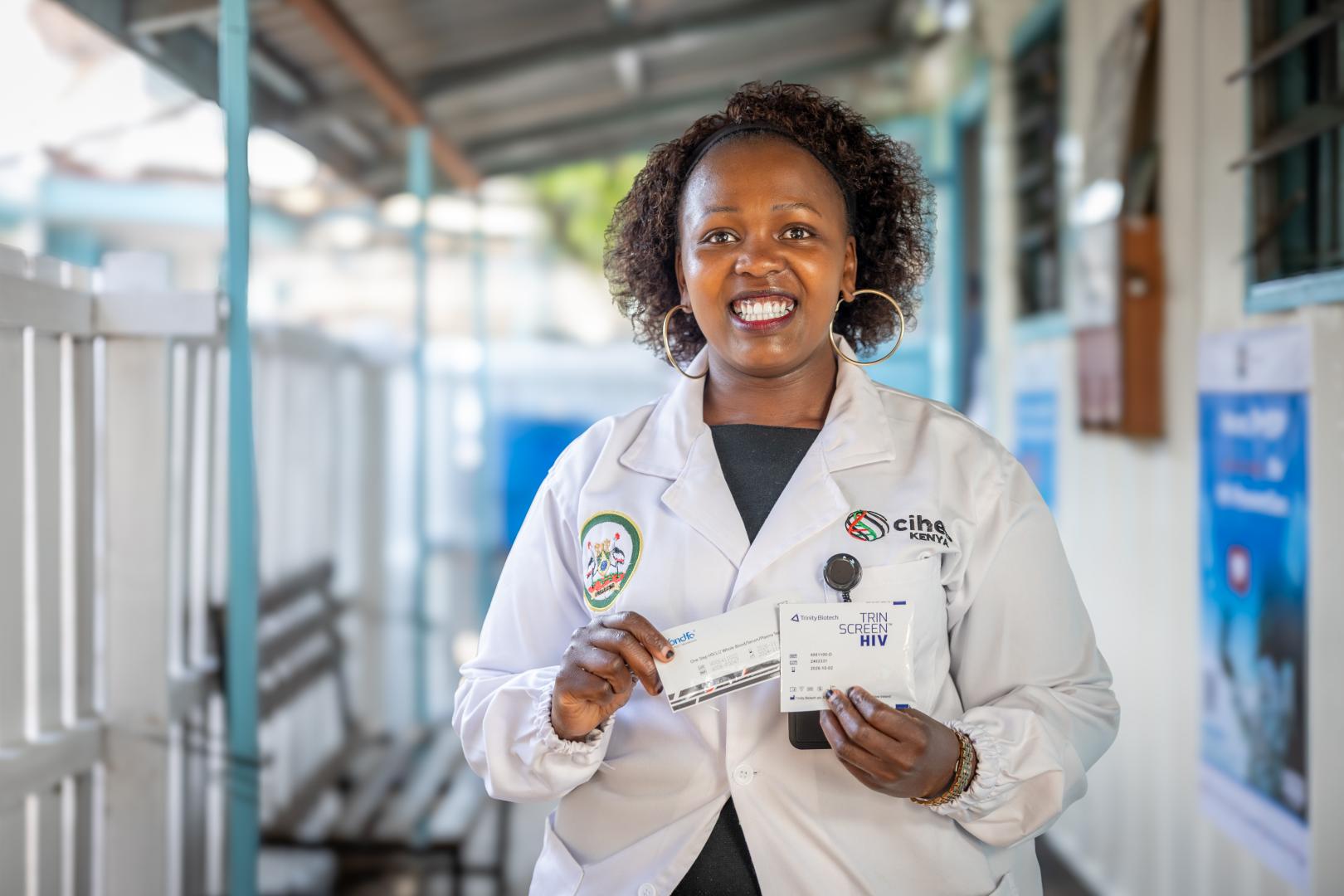
For health workers, the twice-yearly schedule addresses one of the biggest practical barriers they see daily. "Our patients were complaining of the pill burden. Being HIV negative but still having to take a drug every single day, it was tiresome for them," said Carol Njomo, an HIV testing counselor at Riruta Health Centre, who sees around 70 patients a day and records approximately 20 new positive cases every month. "With this injection, we are so excited. It is only twice a year, and it will reduce the workload in our facilities too. Right now, I already have around 30 people waiting for the jab today."
The World Health Organization has been a key partner in the rollout, providing technical guidance, supporting the adaptation of national clinical guidelines, training healthcare workers, and strengthening safety monitoring systems to track uptake and impact. The initial rollout is backed by 21,000 starter doses targeting 15 high-burden counties, including Nairobi, Kisumu, Mombasa, Homa Bay and Kilifi, with plans to expand across all 47 counties in phased stages. The injection is free of charge at public health facilities and sits alongside existing prevention tools such as daily oral PrEP, condoms, and voluntary medical male circumcision.
Speaking at the launch, Dr. Neema Kimambo, the WHO Acting Representative Kenya, said: "Together, we can accelerate toward a future where no one gets HIV, everyone who needs treatment receives it, and no community is left behind."
Through sustained collaboration between the Ministry of Health Kenya, global partners, and communities, Kenya has positioned itself at the forefront of prevention innovation in the region and globally. By expanding prevention choice, investing in system readiness, and maintaining a strong commitment to comprehensive HIV programming, the country is accelerating progress toward its national HIV strategic priorities and the global goal of ending AIDS as a public health threat by 2030.
Mutua is already planning to spread the word. "I will recommend it to other Kenyans, especially now that we are seeing a spike in new infections. Afya yetu, jukumu letu. Our health, our responsibility. We must look after each other," he said. And if a friend ever needs blood again, this time he will be ready to give it.
Communication officer
WHO Kenya
Tel: +254 740 466 426
Email: printg [at] who.int (printg[at]who[dot]int)