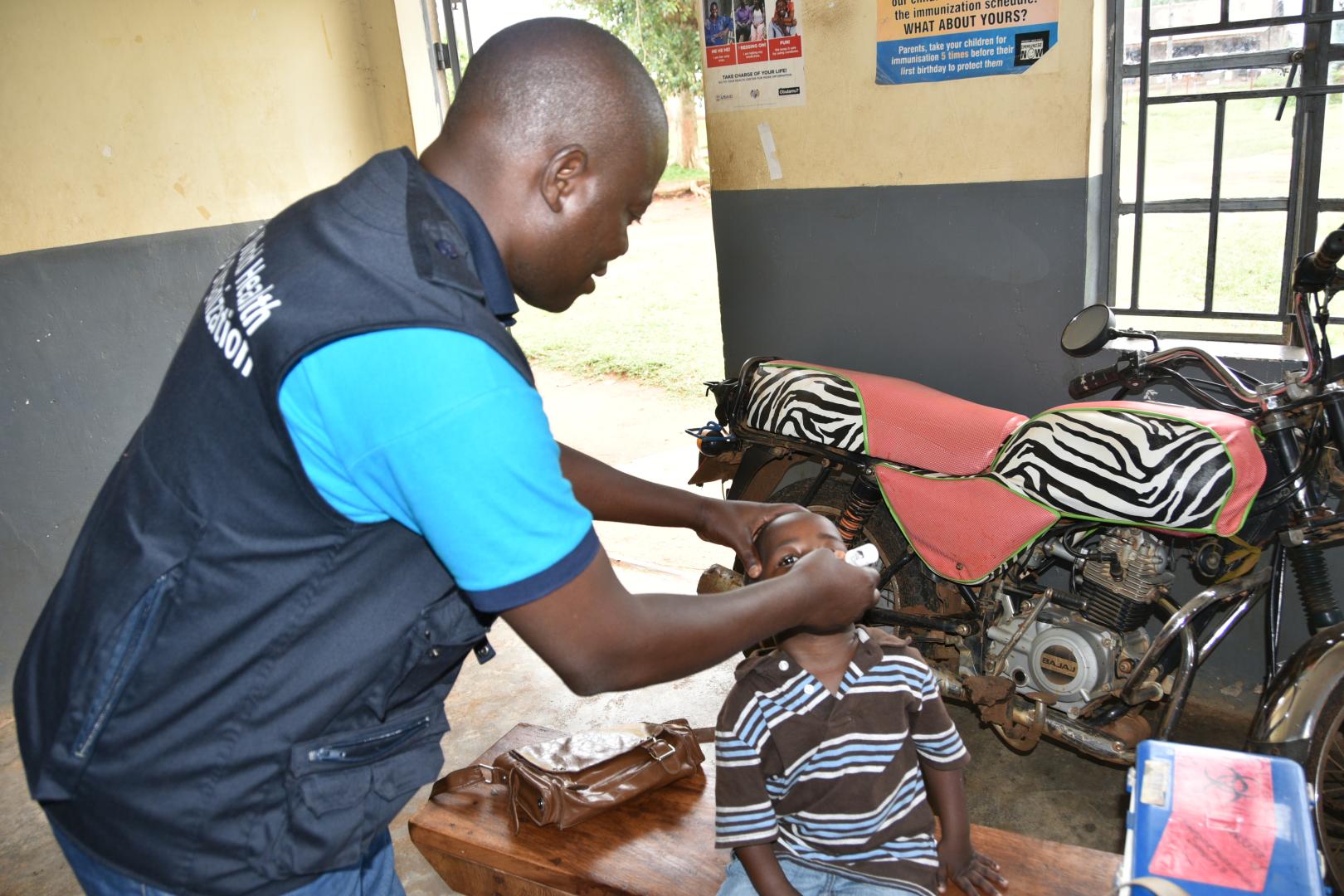
WHO field coordination turns zero dose data into targeted action to reach every child
Mbale, Uganda: Across the hills and lowland communities of Eastern Uganda, strengthened collaboration is transforming how routine immunisation and public health emergencies are addressed. In many of the 16 districts and one city that make up the Mbale Region, children in remote, hard-to-reach areas continue to face challenges in accessing life-saving vaccines.
Through community-driven insights, committed district leadership, and sustained field coordination from the World Health Organization (WHO), partners have successfully turned data into meaningful action, extending services to children who had long remained underserved.
A major turning point came when the African Network for Care of Children Affected by HIV/AIDS (ANECCA) conducted extensive mapping of zero-dose and under-immunised children in Mbale, Tororo, and Kibuku districts. Going door to door, ANECCA teams identified children who were not captured in the routine immunisation system and highlighted health facilities struggling to deliver essential services.
When WHO’s field coordination team received these findings, they acted quickly. Working alongside ANECCA and district leaders, WHO helped transform the data into targeted interventions. Joint supportive supervision visits were conducted in poorly performing facilities; health workers were assisted in identifying bottlenecks; and Village Health Teams and community influencers were mobilised to increase immunisation uptake.
With logistical support from WHO, teams reached hard-to-access facilities in Budwale, Wanale, and Merikit, even during heavy rains and difficult terrain. This support ensured that communities facing the steepest barriers were not left behind.
Reflecting on the experience, Hilary Chelangat Ruth from ANECCA noted, “Basically, we are strengthening integration and collaboration now. Without you, some activities would have been so hard for us to implement. Just imagine those rainy days moving to Budwale and Wanale on a boda boda. WHO really did us well.”
Building on this momentum, the WHO field team expanded collaboration with District Health Teams in Pallisa, Sironko, and Butaleja districts, as well as Mbale City. Using the Reach Every District/Reach Every Child (RED/REC) categorisation approach, the team worked with district leaders to identify facilities most in need of support.
Over time, they visited 28 facilities and conducted detailed assessments using the WHO Open Data Kit. These assessments helped document service delivery gaps, review immunisation performance, and develop immediate corrective actions.
Health workers were supported in interpreting vaccination monitoring charts, improving data accuracy, and expanding the number of static immunisation sessions available to families throughout the week. At every facility, district Expanded Programme on Immunisation focal persons and assistant district health officers played an active role, ensuring strong district ownership and sustained follow up.
Alongside efforts to strengthen routine immunisation, the region also experienced several public health emergencies that required rapid WHO involvement. When measles outbreaks occurred in Butaleja and Bulambuli, the WHO coordinator joined the Regional Emergency Operations Centre to guide outbreak investigations, lead root cause analyses, and coordinate response actions with partners such as Baylor Uganda.
This support helped reinforce district emergency response systems and ensured the timely implementation of control measures. Suspected anthrax outbreaks in Kween, as well as floods and landslides in Kween, Kapchorwa, and Bukwo, triggered additional WHO deployments. In each case, WHO provided technical leadership, facilitated coordination among national, regional, and district structures, and supported a harmonised response in areas affected by difficult terrain and rapidly changing conditions.
Together, these achievements show how partnerships and integration, driven by a shared commitment to ensure no child is left behind, make a difference. ANECCA’s community-level mapping illuminated the realities of children missing essential services, while WHO translated these insights into coordinated, district-led action.
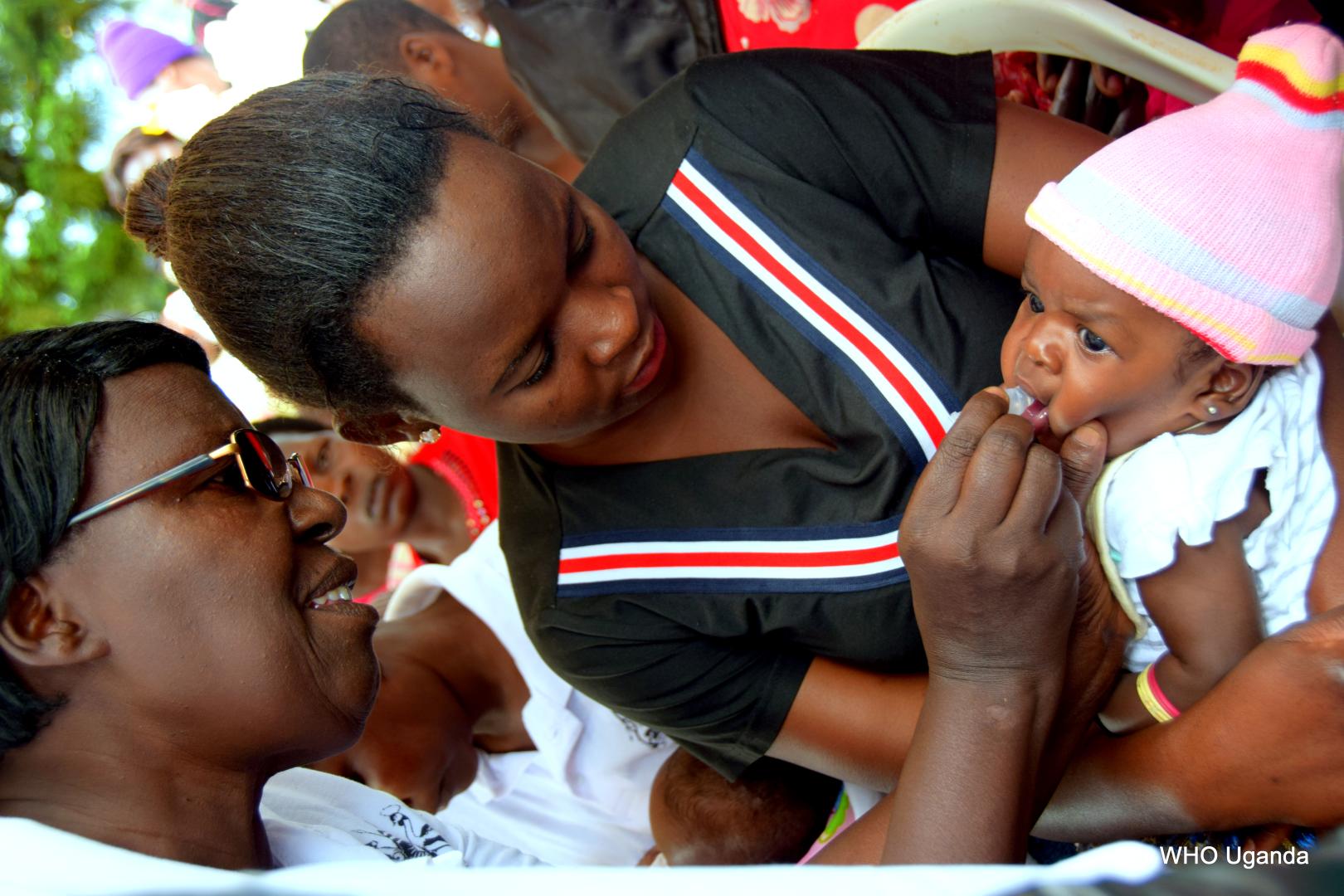
District Health Teams and Village Health Teams ensured that solutions were relevant and grounded in community needs. Through this collaboration, health systems in Eastern Uganda have grown stronger, communities have gained better access to essential services, and children who were once unreachable are now closer than ever to receiving the life-saving protection they deserve.
Health Promotion Advisor
Tel. : +256 414 335505
Cell: +256 772 507906
Email: sensasib [at] who.int (sensasib[at]who[dot]int)