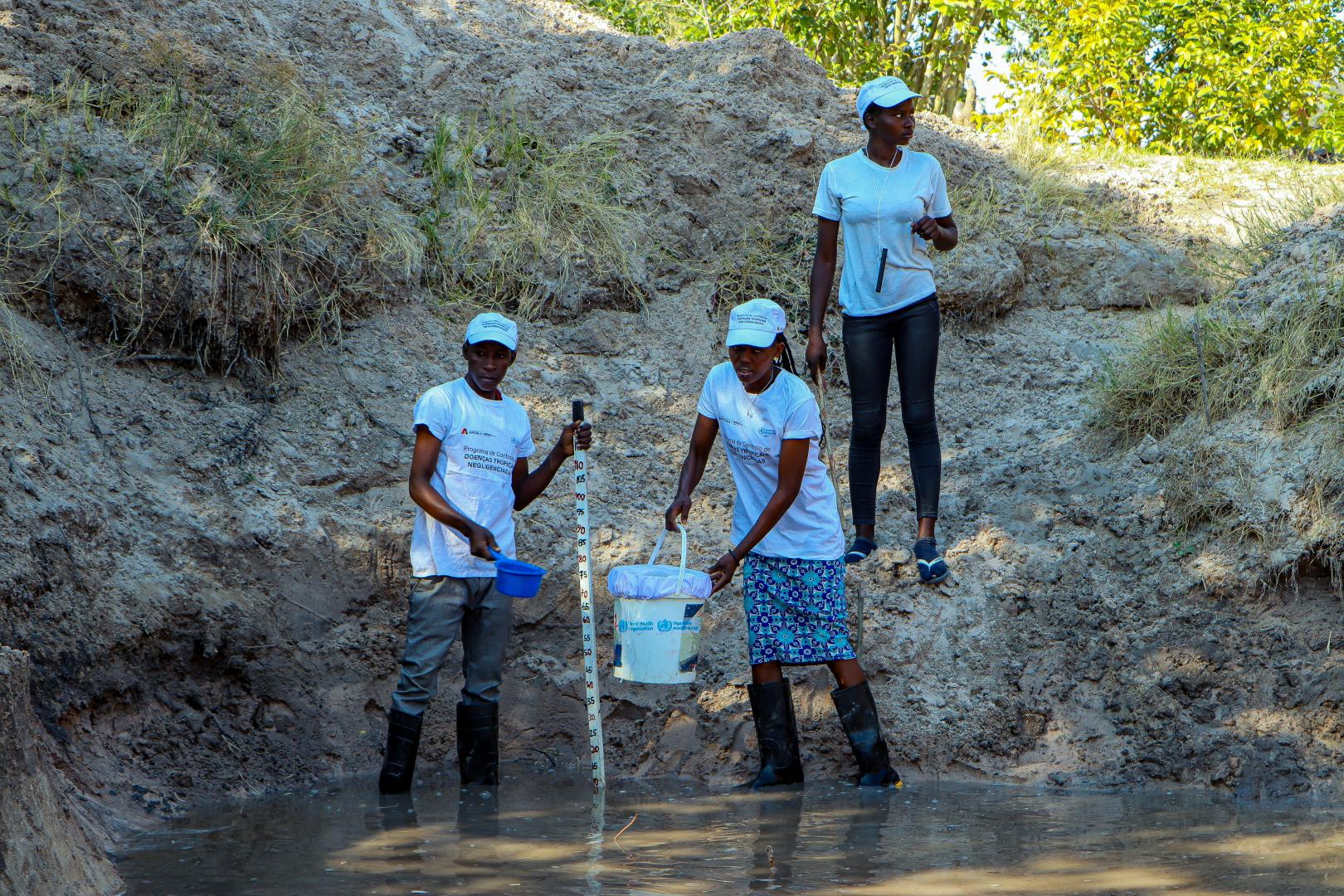
Angola accelerates final steps to eradicate Guinea worm by 2030
After five consecutive years without human cases and with significant progress in strengthening epidemiological surveillance, community mobilisation and response to animal infections, the country is entering a decisive phase towards the global goal of eradicating the disease by 2030. These advances represent an important milestone in controlling the disease.
However, for the country to be officially certified as free of Guinea worm, a crucial challenge must be overcome: the persistence of infections in animals. Although no human cases have been reported since 2020, Angola remains classified as an endemic country. Between 2018 and 2024, 137 infections in animals were confirmed, of which 134 were in dogs. Globally, in 2025, only 10 human cases were reported, the lowest number ever, but 683 infections in animals were recorded, concentrated in six countries, of which Angola accounted for about 10%. This scenario reinforces the urgency of intensifying the measures recommended by the WHO.
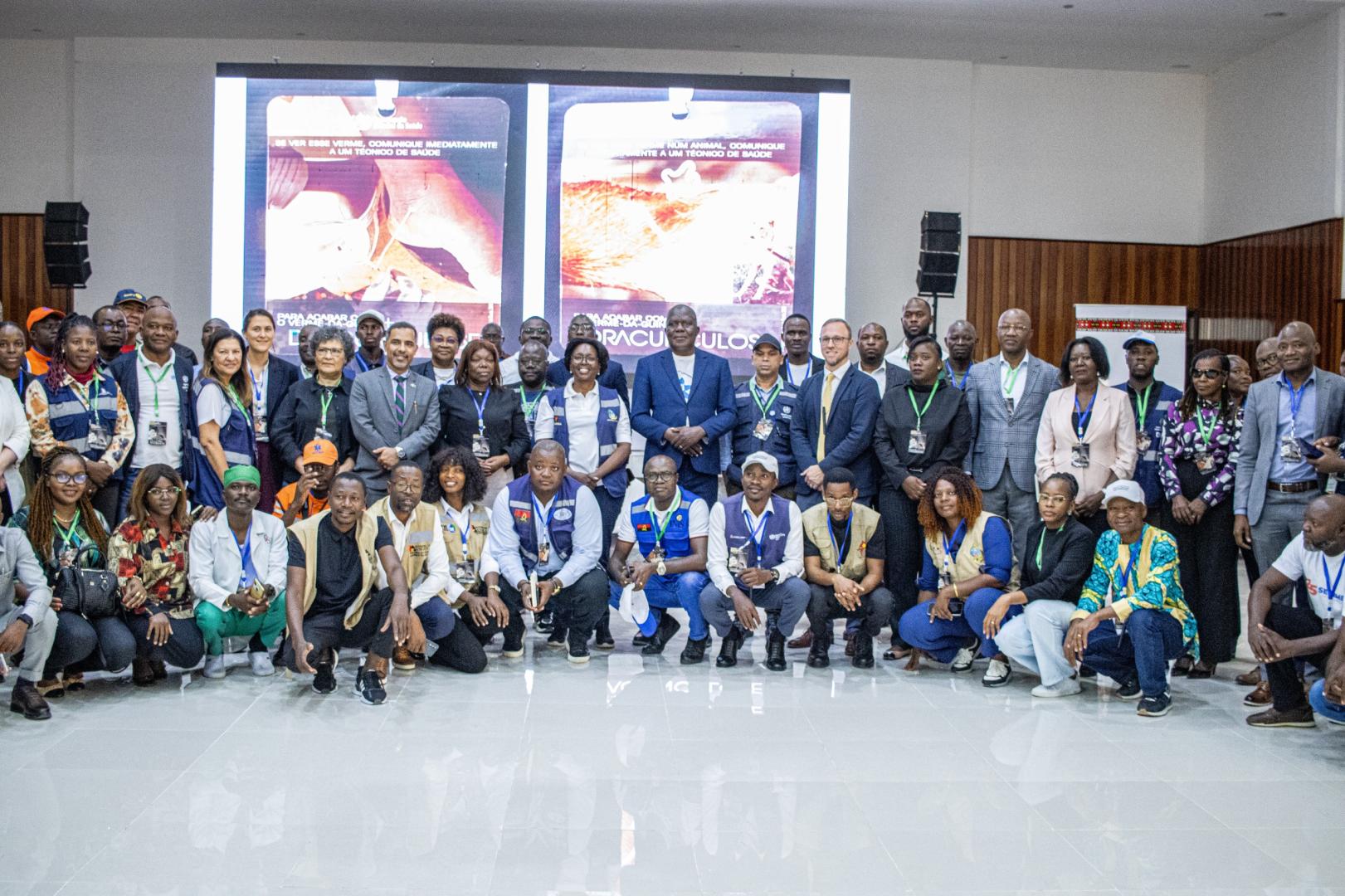
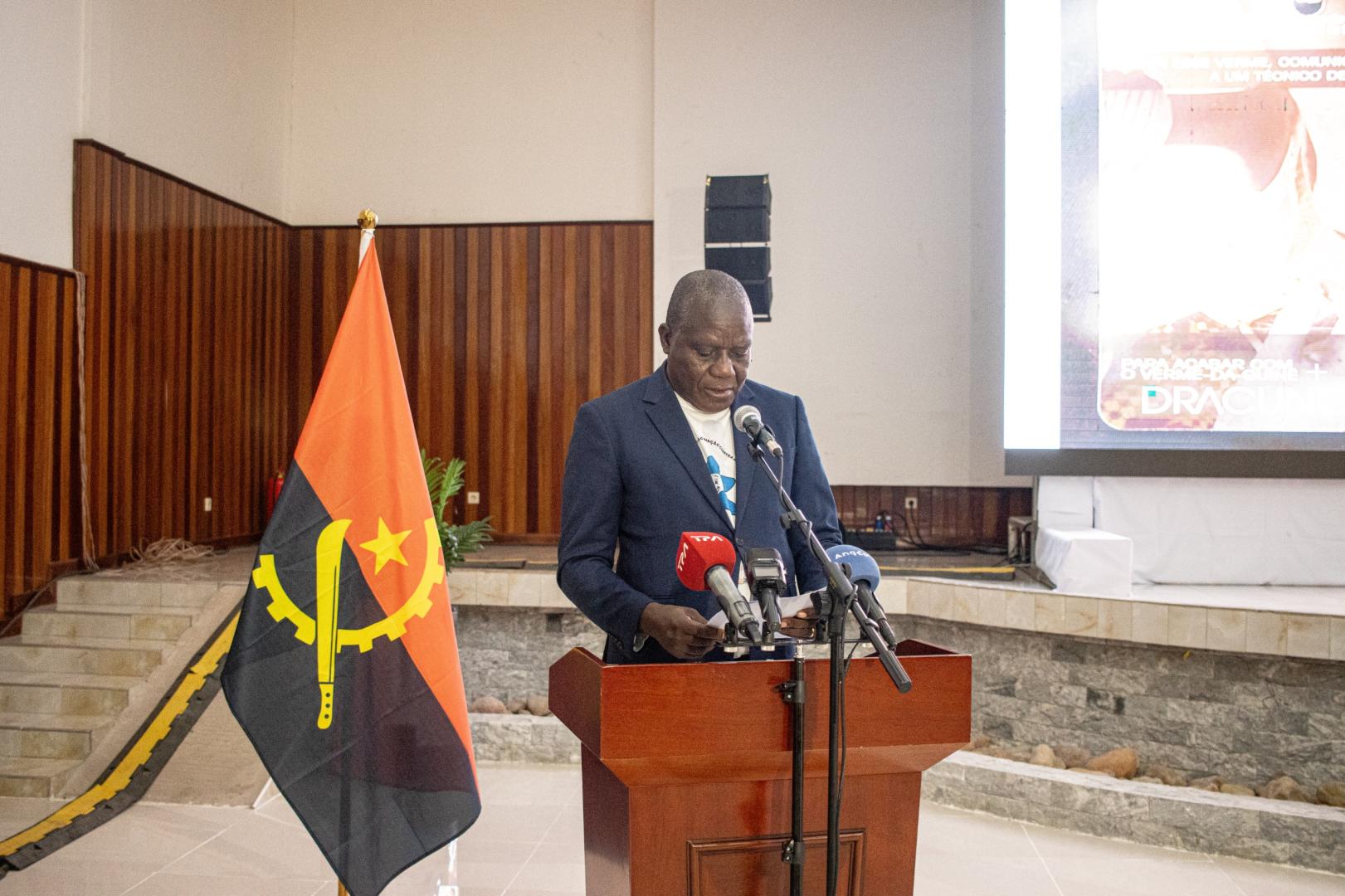
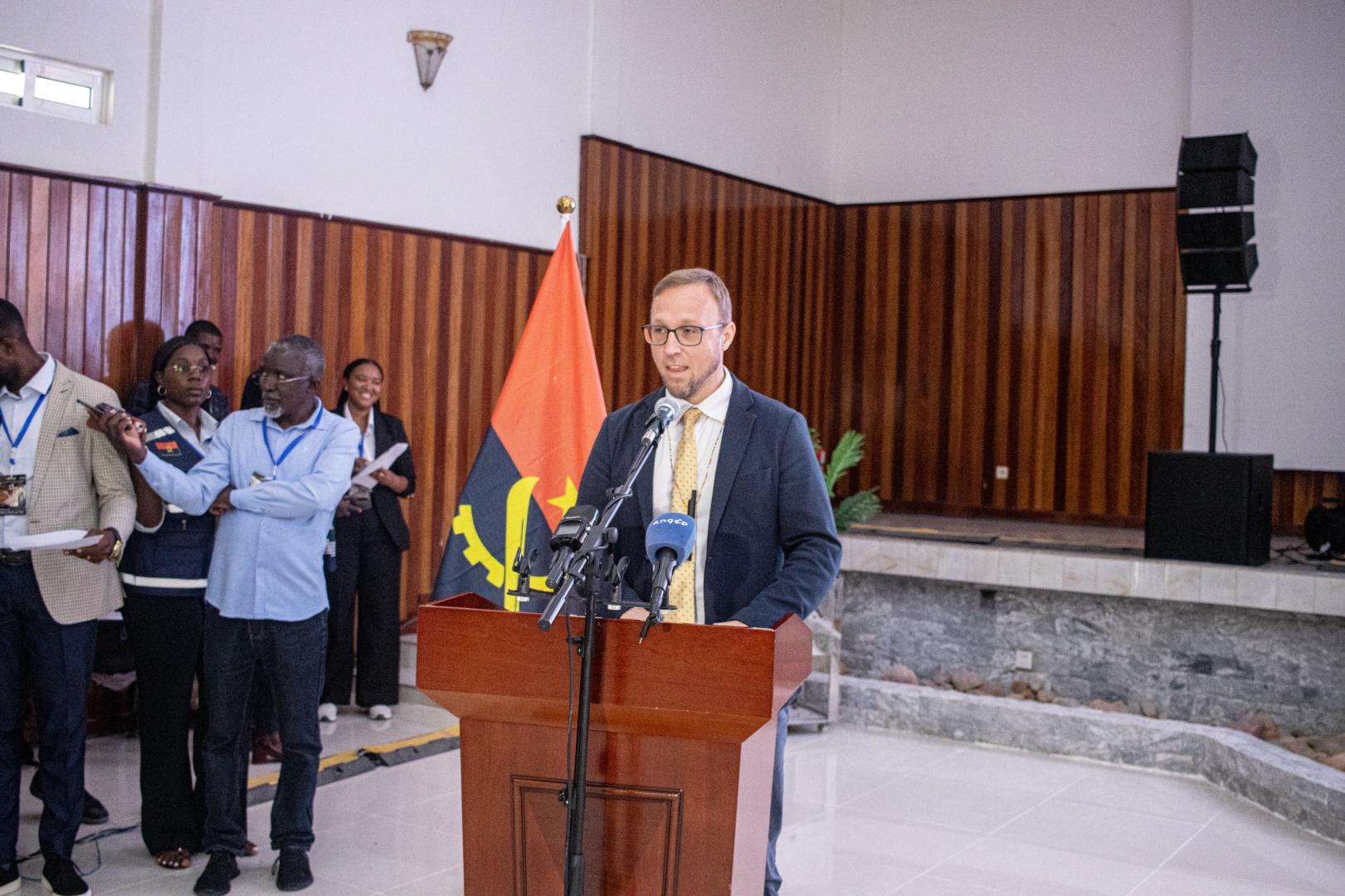
It was in this context that, between 24 and 25 February, the Ministry of Health, with the support of the WHO and The Carter Centre, held the first annual meeting to evaluate the Guinea worm Eradication Programme in Ondjiva. The meeting brought together national authorities, provincial teams and technical partners to consolidate the progress achieved, identify good practices and operational gaps, and define operational priorities for 2026.
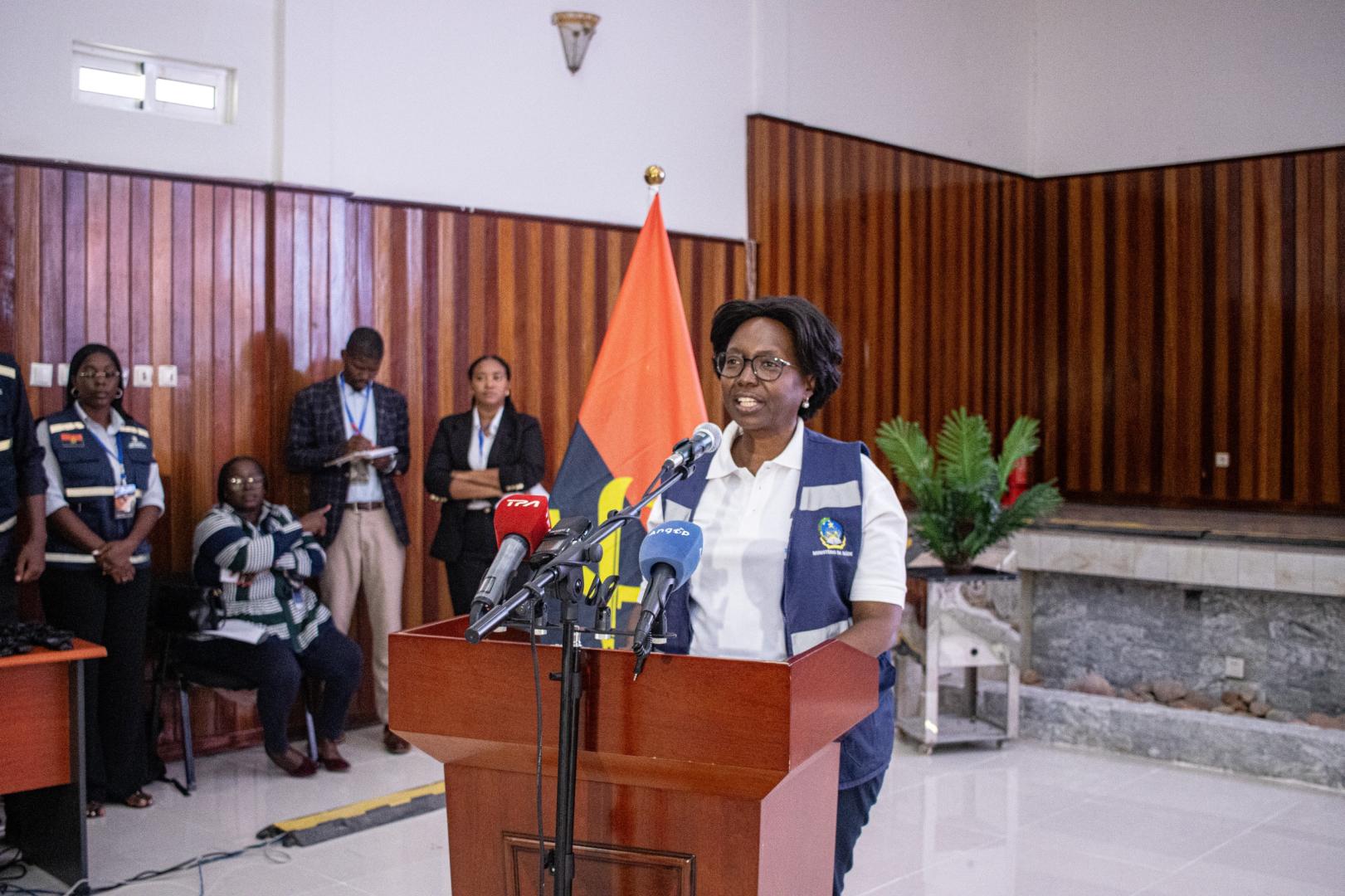
During the closing ceremony, the Minister of Health, Dr. Sílvia Lutucuta, emphasised the need to maintain national commitment: “The eradication of Guinea worm requires a coordinated effort. The active participation of traditional authorities, community leaders, municipal administrations and all sectors is essential to ensure that no Angolan is ever again affected by this preventable disease.”
The data presented confirm a positive epidemiological trend, resulting from increased surveillance and growing community involvement. The immediate focus of the programme is to contain animal infections, currently considered the main challenge for certification of eradication in the country.
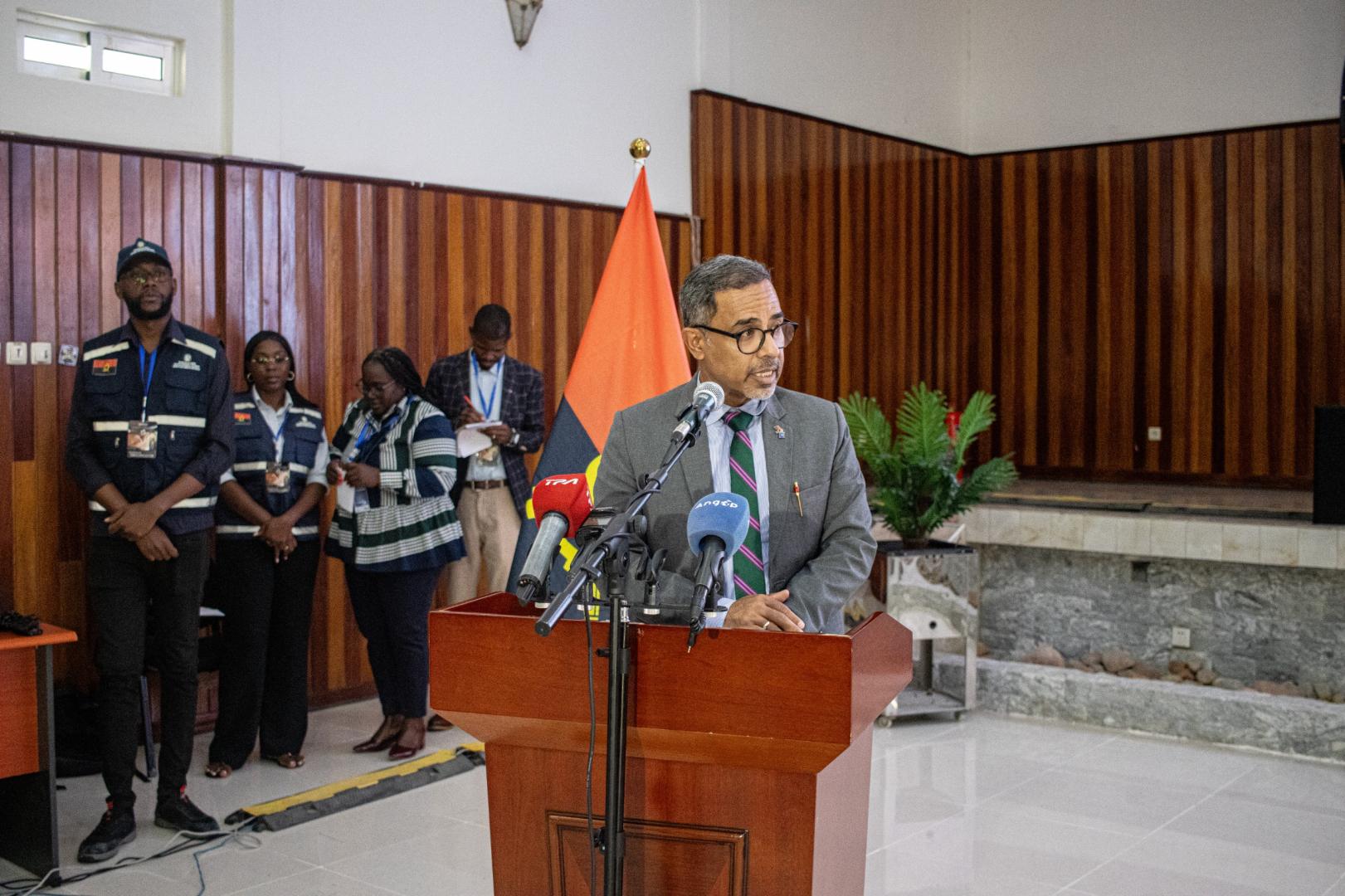
The WHO Representative in Angola, Dr. Indrajit Hazarika, stressed that the country has a unique opportunity to achieve this goal: "The eradication of dracunculiasis is realistic, feasible, and within our reach. The progress achieved reflects the leadership of the Government, the commitment of communities and the continued technical support of WHO and The Carter Centre. The challenge now is to translate this political commitment into sustainable action by 2030."
Over the course of two days, key factors of the National Guinea worm Eradication Programme were analysed, namely the quality of active surveillance, the performance of local teams, the investigation of suspected cases and intersectoral coordination. The teams also established operational priorities to accelerate results.
The Deputy Governor for the Political, Social and Economic Sector of Cunene Province, Dr Apolo Ndinolenga, highlighted the role of partnerships and community participation: "No country can eradicate a disease on its own. With support from WHO and The Carter Centre, we have strengthened surveillance, trained community agents, promoted health education, and improved access to safe drinking water. Progress is encouraging, but it requires continued vigilance and participation from everyone."
Oficial de Comunicação
Escritório da OMS em Angola
gamboo [at] who.int (gamboo[at]who[dot]int)
T: +244 923 61 48 57