Malaria
Key fact
233 million cases
of malaria reported in the WHO African Region in 2022, compared to 234 million cases in 2021
Featured video
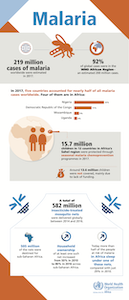
Globally, an estimated 2.1 billion cases and 11.7 million deaths were averted between 2000 and 2022. Most of the cases (82%) and deaths (94%) averted were in the WHO African Region.
- In 2022, 94% (233 million) of malaria cases reported in WHO African Region, compared to 234 million cases in 2021.
- In 2022, three countries in the African Region (Ethiopia: +1.3 million; Nigeria: + 1.3 million; and Uganda: + 597 000) bore the brunt of the global malaria case increases.
- In 2022, 95% of all malaria deaths (580 000) were in the WHO African Region, compared to 593 000 cases in 2021.
- Trends in the “High burden to high impact” (HBHI) countries (Burkina Faso, Cameroon, the Democratic Republic of the Congo, Ghana, India, Mali, Mozambique, Niger, Nigeria, Uganda and the United Republic of Tanzania) : Case numbers have largely stabilized in “High Burden to High Impact” (HBHI) since the pandemic, and the number of deaths is returning to 2019 levels. The 11 original HBHI countries represented 167 million cases (67% of the global total) and 426 000 deaths (73% of the global total), compared to 166 million cases and 430 000 deaths in 2021.
- Cabo Verde reported zero malaria cases for the fourth consecutive year in 2022 and has requested an official certification of malaria elimination from WHO (decision expected in early 2024)
Malaria remains a significant public health and development challenge. In 2022, the African Region bore the heaviest malaria burden, with 94% of cases and 95% of deaths globally, representing 233 million malaria cases and 580 000 of deaths, a small reduction compared to 2021.
Malaria is a mosquito-borne infectious disease caused by protozoan parasites belonging to the genus Plasmodium. Five species account for almost all human infections, with P falciparum being the most severe. When an infected mosquito bites a human, it can introduce the parasite from its saliva into the person's blood. The long lifespan and strong human-biting habit of the Anopheles species that carry malaria are the main reasons for the high incidence of malaria in Africa. Malaria can be prevented by avoiding mosquito bites and with medicines. Treatments can stop mild cases from getting worse.
Malaria symptoms usually start within 10-15 days of getting bitten by an infected mosquito. Getting tested early is important as some types of malaria can cause severe illness and death. Infants, children under 5 years, pregnant women, travellers, and people with HIV or AIDS are at higher risk. Severe symptoms include extreme tiredness and fatigue, impaired consciousness, multiple convulsions, difficulty breathing, dark or bloody urine, jaundice, and abnormal bleeding.
People with severe symptoms should get emergency care right away. Malaria infection during pregnancy can also cause premature delivery, stillbirth, or delivery of a baby with low birth weight.
WHO recommends that all suspected cases of malaria be confirmed using parasite-based diagnostic testing. Malaria is a serious infection and requires treatment with multiple medicines. The most common medicines are Artemisinin-based combination therapy medicines like artemether-lumefantrine, artesunate+amodiaquine, artesunate+mefloquine, artesunate+sulfadoxine-pyrimethamine, dihydroartemisinin+piperaquine and artesunate+pyronaridine. Primaquine should be added to the main treatment to prevent relapses of infection with the P. vivax and P. ovale parasites. In case of severe disease, people need to go to a health centre or hospital for injectable medicines.
- WHO Guidelines for malaria: the Guidelines provide WHO's most up-to-date recommendations for malaria in one easy-to-navigate online platform MAGICapp
- The New WHO Initiative aims to support an effective regional response to An. Stephensi in Africa through a five-pronged approach: increasing collaboration; strengthening surveillance; improving information exchange;developing guidance and prioritizing research to evaluate the impact of interventions and tools against An. Stephensi.
- Strategy to respond to antimalarial drug resistance in Africa: the Strategy to respond to antimalarial drug resistance in Africa aims to improve detection, delay emergence, and limit selection and spread of resistant parasites.
- Global Vector Control Response 2017–2030 GVCR is an integrated approach to strengthen vector control worldwide through increased capacity, improved surveillance, better coordination, and integrated action.
- Framework for implementing the Global Technical Strategy for malaria 2016–2030 in the African Region: this framework guides implementation of the GTS in the WHO African Region.
- A framework for malaria elimination: the document provides guidance on the tools, activities and strategies needed to achieve malaria elimination and prevent re-establishment.
- Framework for the allocation of limited malaria vaccine supply: the Framework is designed to support prioritization decisions at the start of vaccine roll-out and over the coming years, with periodic reviews and updates to ensure it remains useful and appropriate.
- E- 2025 Initiative: aims to end AIDS, TB, and malaria epidemics in Africa by 2025.
- The Sahel Malaria Elimination Initiative is a partnership between the Government of Monaco and the National Malaria Control Programs of eight West African countries to eliminate malaria in the Sahel region by 2030.
- Global technical strategy for malaria 2016-2030: the Strategy sets a target of reducing global malaria incidence and mortality rates by 90% by 2030.
- 2022 World Malaria Report
Anopheles stephensi is a major threat to the control and elimination of malaria in Africa, but large-scale surveillance of the vector is needed. An stephensi has been expanding its range over the last decade, with detections reported in Djibouti, Ethiopia, Sudan, Somalia, Nigeria and Ghana. It thrives in urban settings. Countries are encouraged to step up surveillance activities to ensure early detection of this vector.
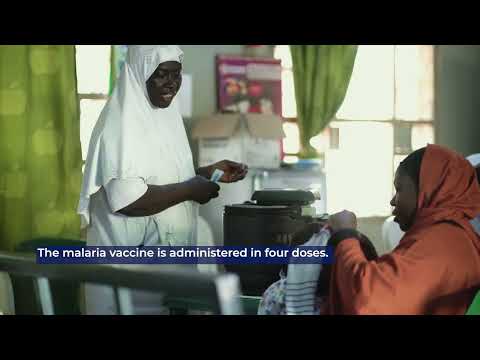
WHO has been leading efforts to introduce the RTS, S vaccine in African countries with high malaria burden. In 2019, the vaccine was introduced in Ghana, Kenya, and Malawi as part of a pilot program to assess its effectiveness and safety in real-world settings. Following the WHO recommendation for broader use of the malaria vaccine in moderate to high Plasmodium falciparum malaria transmission areas, issued in October 2021, the WHO has supported Ghana and Malawi to expand the vaccine administration in comparator areas. By the end of March 2023, 1.5 million children with RTS, S, and more than 4.1 million doses had been administered since the initial launch in 2019. Malawi launched expansion of RTS, S on 29 November 2022. It was followed by Ghana, which launched the expansion on 20 February 2023. Kenya launched the expansion on 7 March 2023. At least 28 countries in Africa have expressed interest in introducing the vaccine, with some additional countries to start in early 2024. The unprecedented demand for the first malaria vaccine is considered an opportunity to bring children back to clinics to catch up on missed vaccines and child health interventions – including reinforcing the need for children to sleep under ITNs every night. WHO has also been working with African countries to scale up other proven malaria control interventions, such as insecticide-treated bed nets, indoor residual spraying, intermittent preventive treatment of malaria in pregnant women, seasonal malaria chemoprevention, perennial malaria chemoprevention in young children as well as prompt diagnosis and treatment of malaria cases.