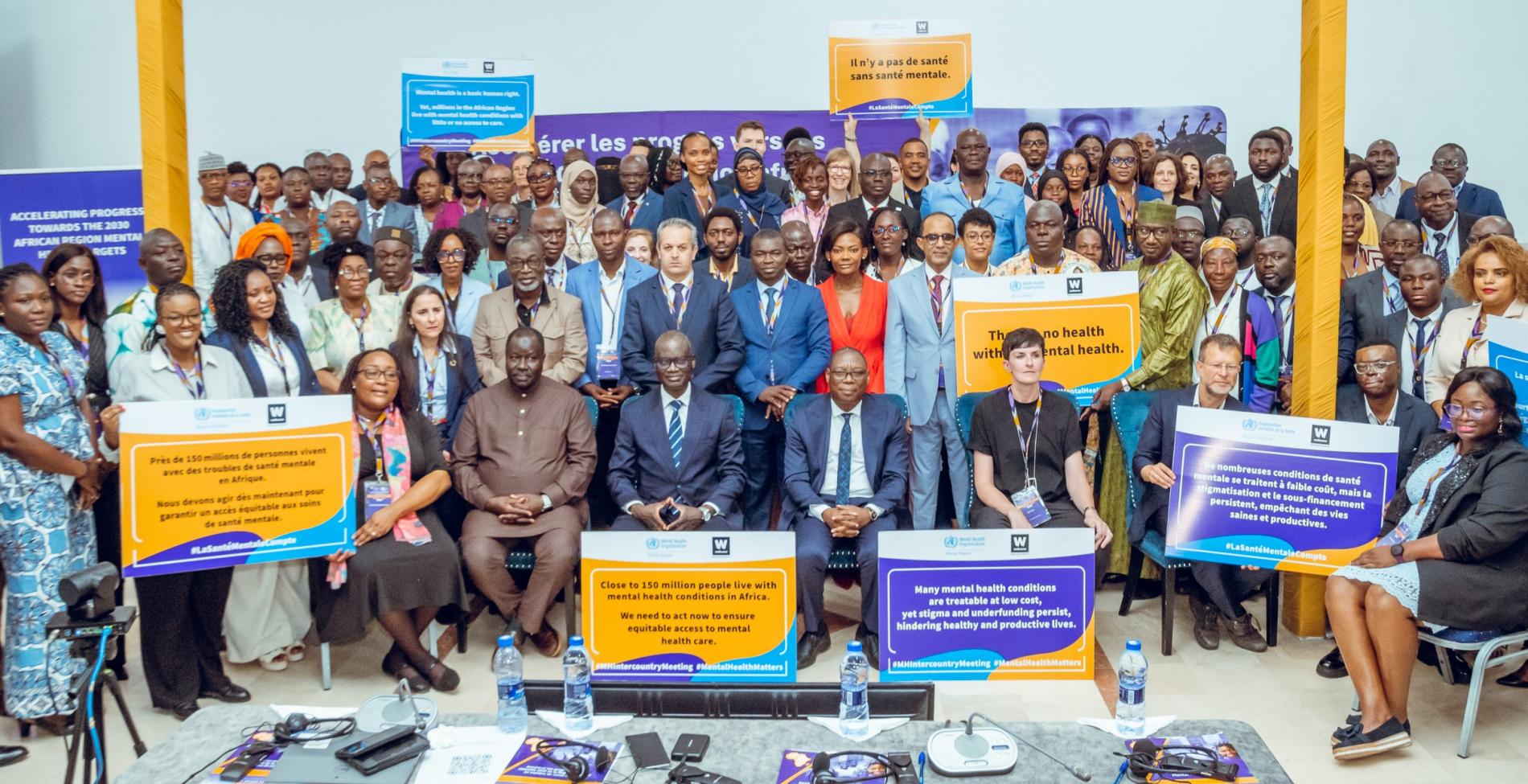
Mental health leaders commit to expanding rights-based care across West and Central Africa
Nine African countries develop roadmaps to transform health professions education
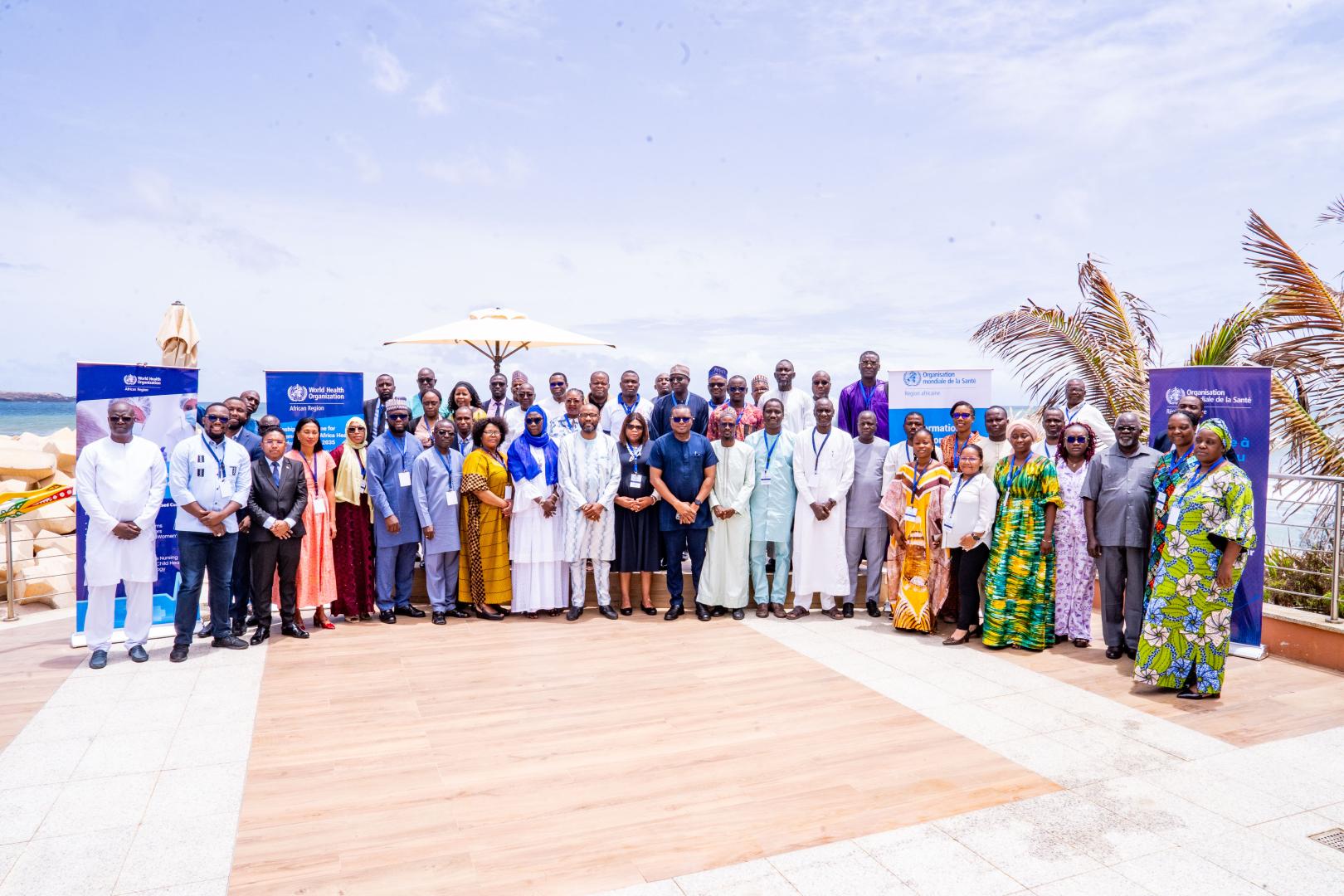
Dakar, 17 July 2026 – Nine African countries have developed costed national roadmaps to strengthen health professions education and ensure that future health workers acquire the competencies needed to respond to evolving health priorities.
The roadmaps were developed during a five-day workshop convened by the World Health Organization (WHO) Regional Office for Africa in Dakar, Senegal.
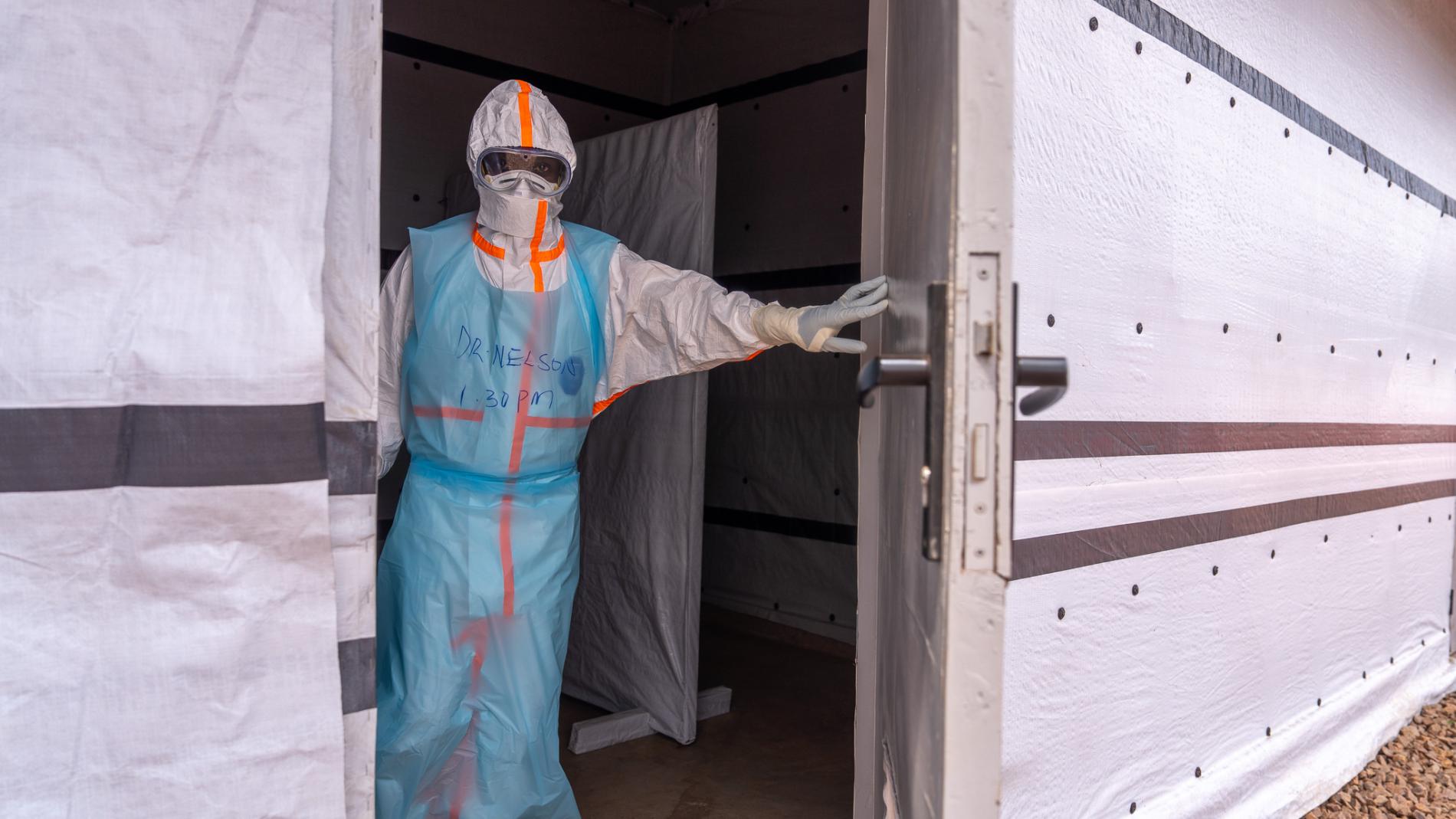
Uganda begins countdown to end of Ebola outbreak
Kenya advances local manufacturing of health products and technologies
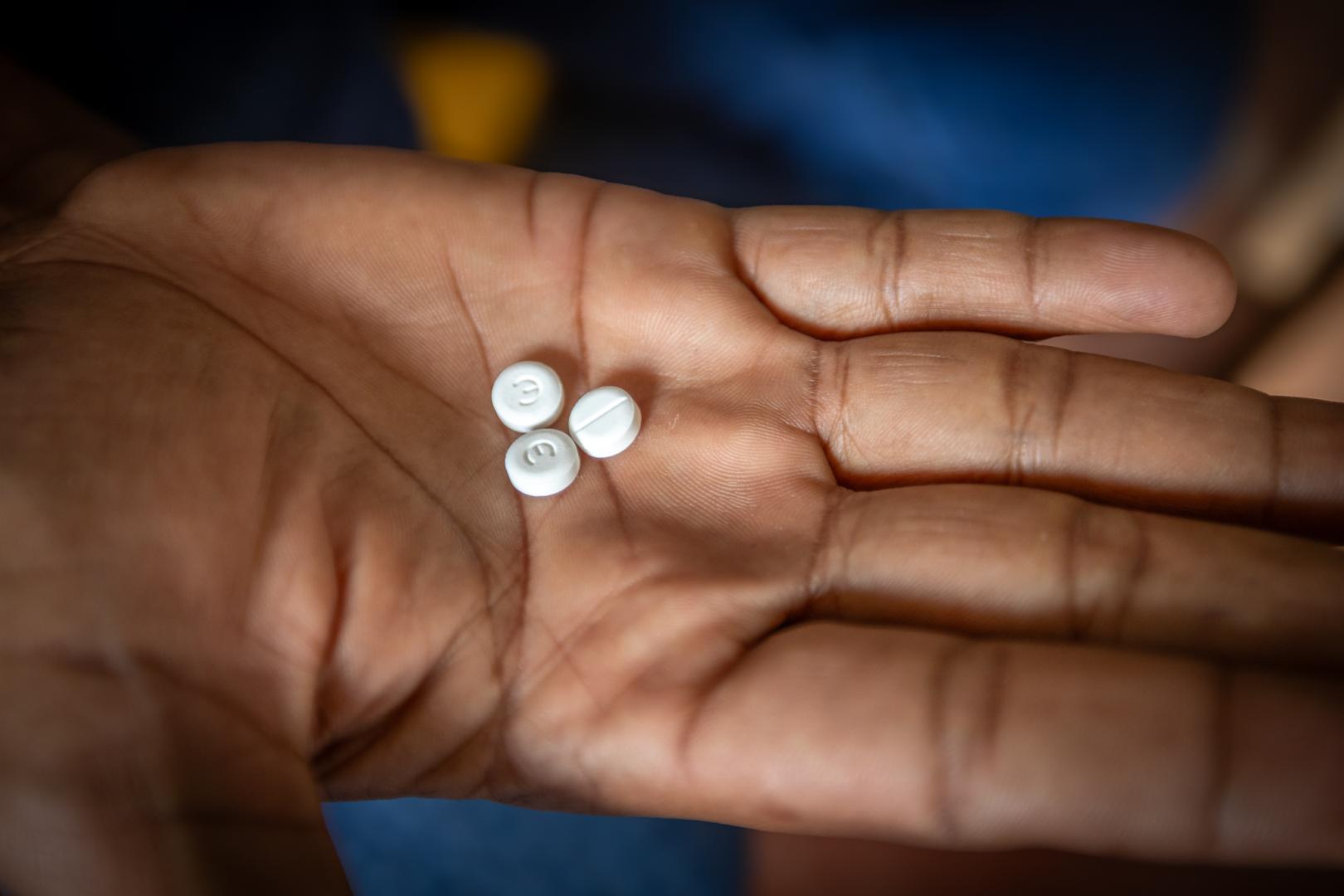
Nairobi - Kenya has launched the Kenya Health Products and Technologies Local Manufacturing Strategy 2026–2030, a five-year roadmap to expand local production of medicines, vaccines, diagnostics and medical devices, and to strengthen the regulatory systems that keep them safe, effective and of assured quality.
WHO Director-General visits Mauritania to advance investment in health, strengthen regional cooperation and reinforce primary health care
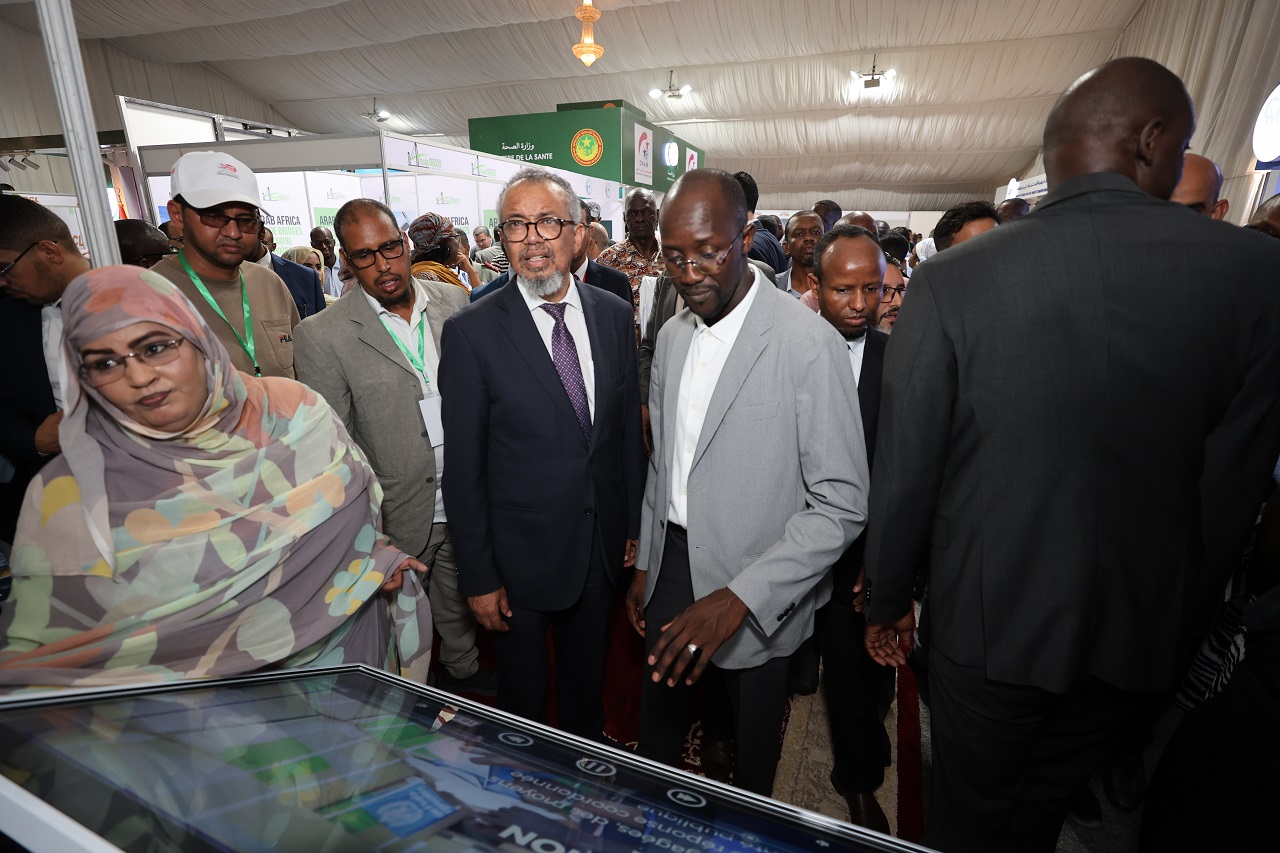
Nouakchott, Mauritania, 14 July 2026 – WHO Director-General, Dr Tedros Adhanom Ghebreyesus, concluded a visit to Mauritania today to reaffirm WHO's support for the country's efforts to position health as a strategic investment for economic development, regional stability and human security. During the visit, Dr Tedros met with His Excellency President Mohamed Ould Cheikh El Ghazouani and participated in the Regional Health Invest Forum, which culminated in the adoption of the Nouakchott Declaration on enhancing local production and investment in health.
Communities help drive progress against Ebola in the Democratic Republic of the Congo
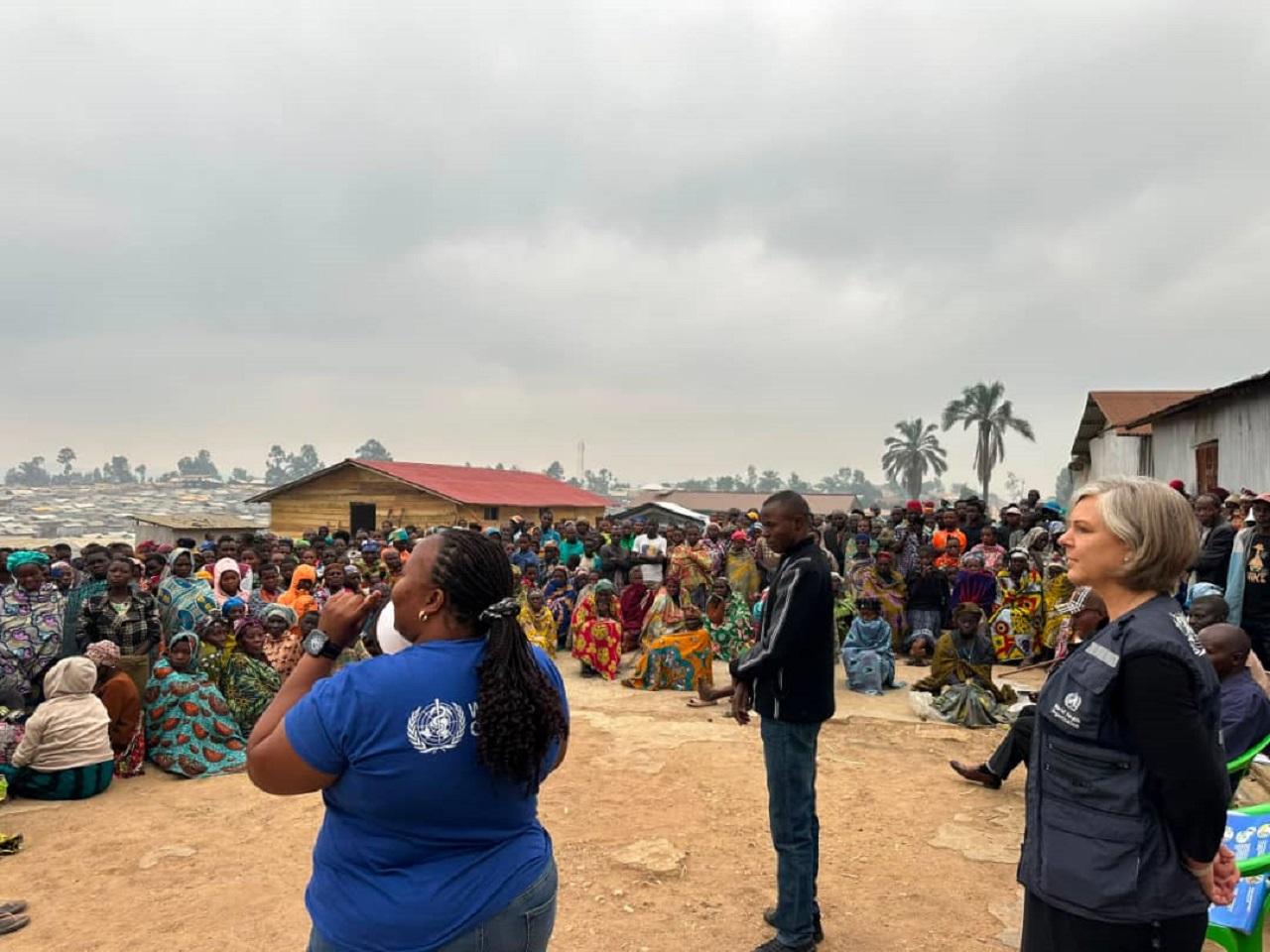
Rebuilding hope for refugees after trauma in Chad
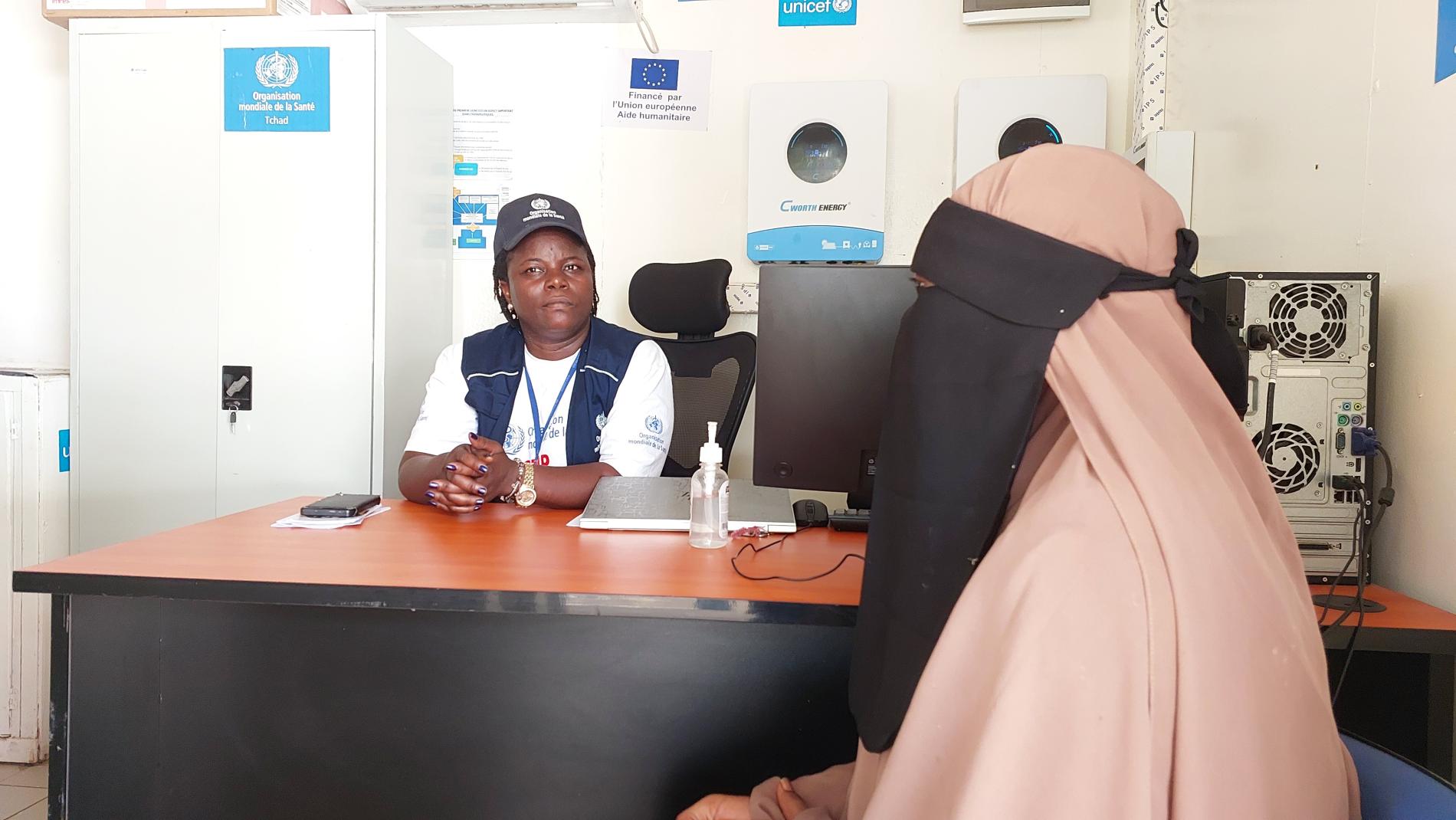
Adré, Chad—When Zara arrived in Adré in June 2023 after fleeing the conflict in Sudan, she was 19 years old. Shortly afterwards, she was assaulted by several men while visiting her grandmother in another section of the site where she was living with her family. A few weeks later, she learned that she was pregnant.
Bringing integrated services closer to nomadic families in Chad
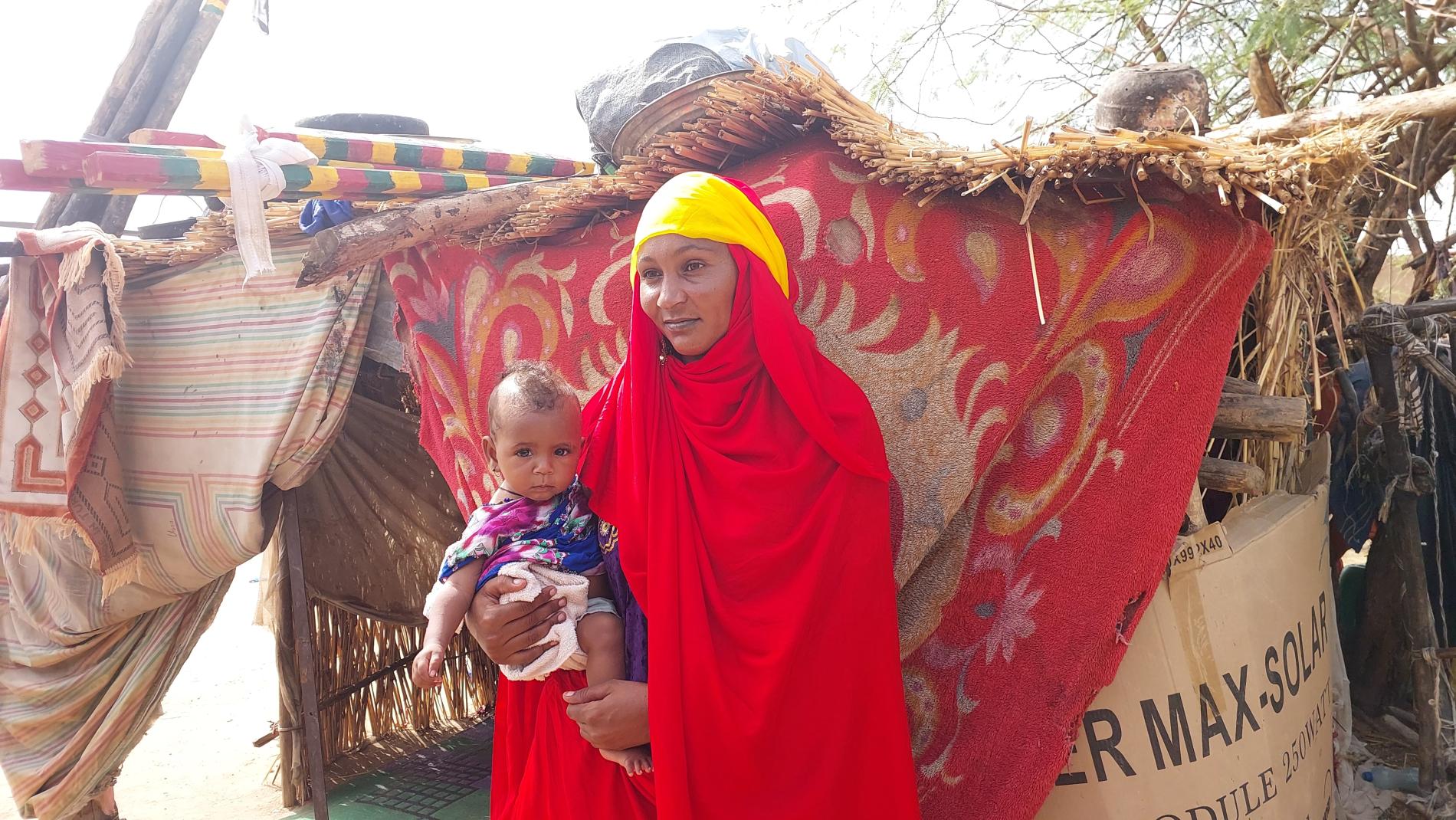
N’Djamena—In the nomadic settlement of Mandjafa, on the outskirts of N’Djamena, Afia travelled with her four-month-old daughter, Fatma, to benefit from services provided during an integrated outreach activity for nomadic communities. For this mother of five, these interventions play an essential role in protecting her family’s health.
“Vaccines help keep my children healthy. As soon as they become ill, I take them to the health centre,” she said.
A Polio Survivor’s Call to Reach Zero-Dose Children in Edo

Benin City, Mrs Ann Obehi Ojugo moved slowly to the front of the room. She paused before speaking.
“I was just a child when I fell sick,” she said. “My parents did not know about immunization. By the time help came, it was too late. I have lived with this ever since. Please, do not let another child go through this.”
Her message was simple: vaccines can prevent conditions like this.
Her story reflects a gap that still exists in parts of Edo State. Some children have never received a single vaccine. They are known as zero-dose children.
WHO Regional Director for Africa’s visit to South Africa
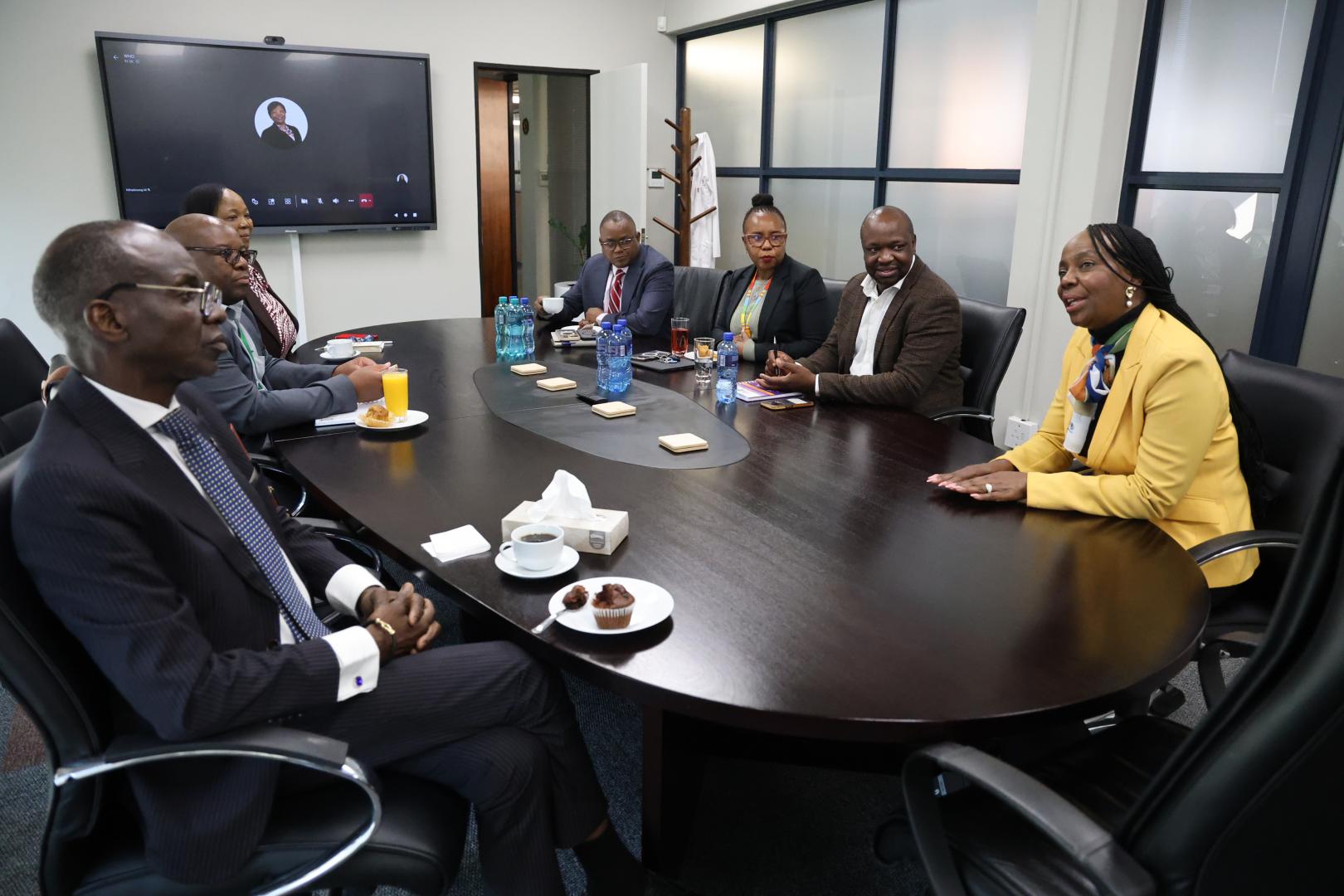
Science in service of health: WHO and CSIR explore collaboration for Africa
Pretoria, South Africa. A visit by WHO Regional Director for Africa Professor Mohamed Janabi to the Council for Scientific and Industrial Research highlighted how African science, technology and partnership can help strengthen health security and build more resilient health systems.