The Ebola outbreak in Uganda demonstrates WHO’s value in disease outbreaks
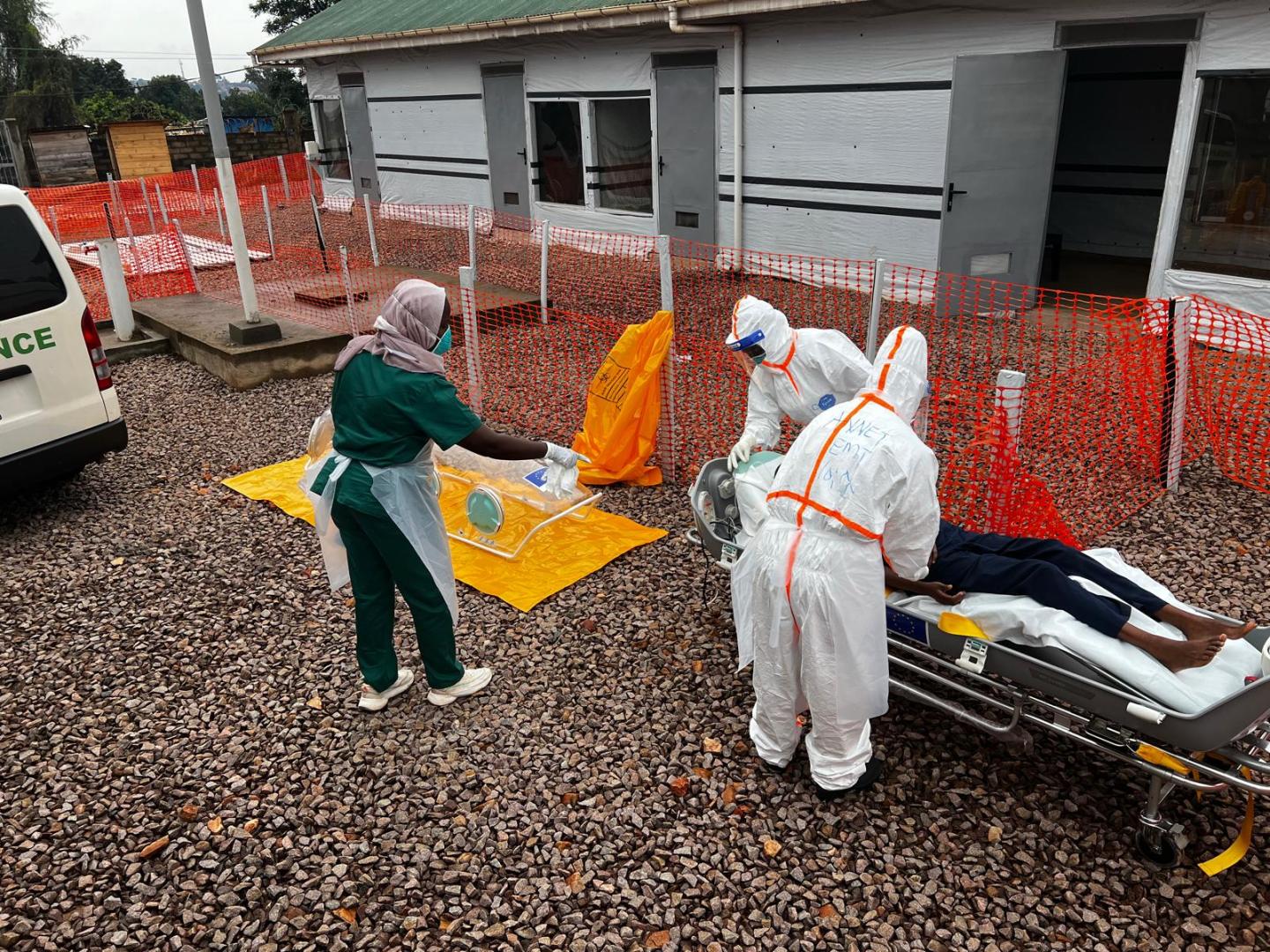
Disease outbreaks in Uganda are not a new phenomenon, with diseases of epidemic potential reported almost every year. From Ebola, Marburg, yellow fever, measles and cholera, to mention a few, the country has seen them all and, in the process, built a resilient health system capable of detecting and containing them in record time.
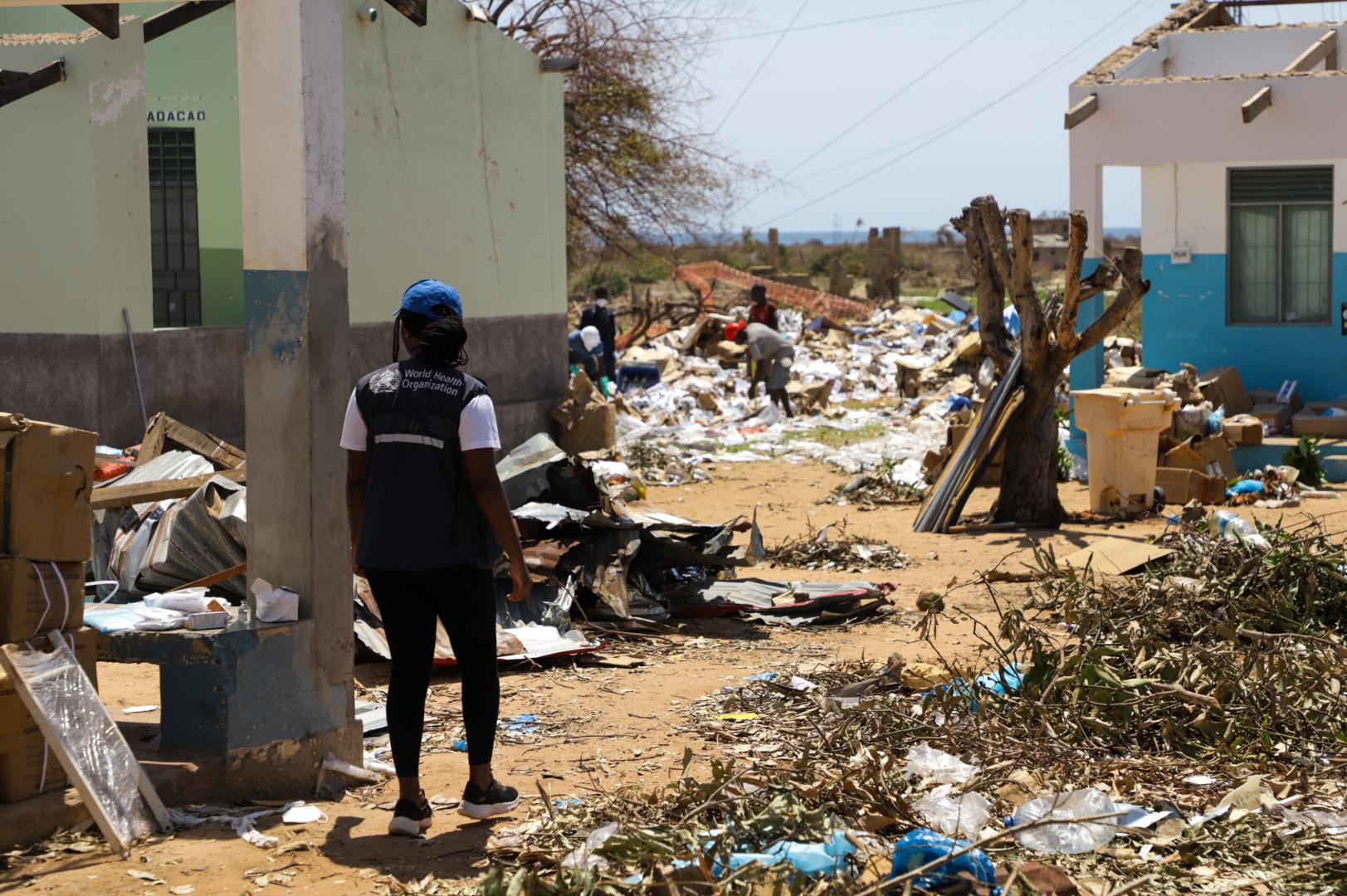
Southern African countries launch climate-resilient health initiative with WHO support
"Healthy Beginnings, Hopeful Futures"- Sierra Leone joins the Global community to commemorate 2025 World Health Day
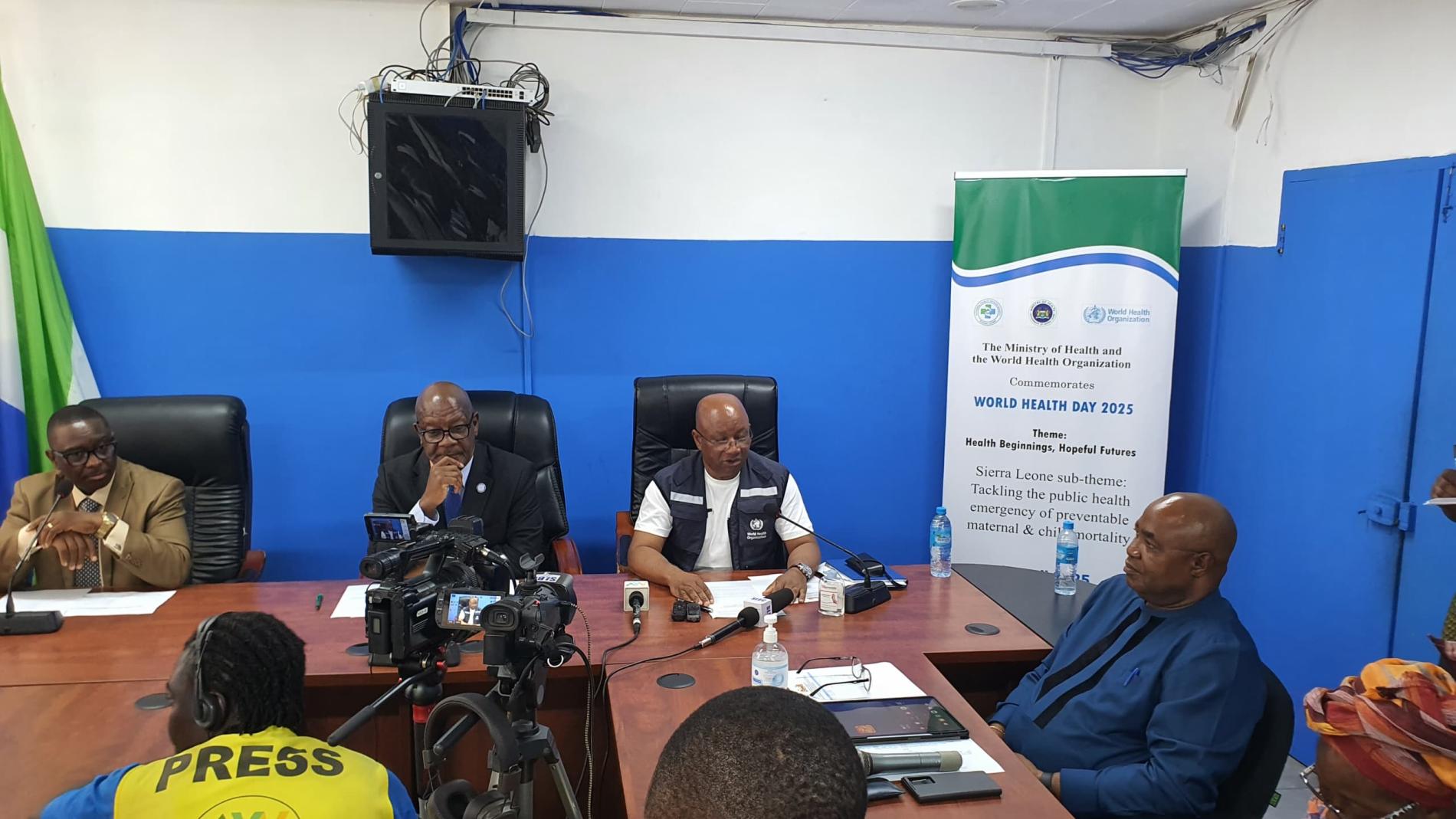
Freetown, 7 April 2025 – The World Health Organization (WHO), in collaboration with the Ministry of Health Sierra Leone, joined the global community to commemorate World Health Day 2025 under the theme: "Healthy Beginnings, Hopeful Futures a Call to Action to strengthen systems and partnerships that ensure every woman and newborn survives and thrives.
Ireland supports WHO’s Ebola response efforts in Uganda
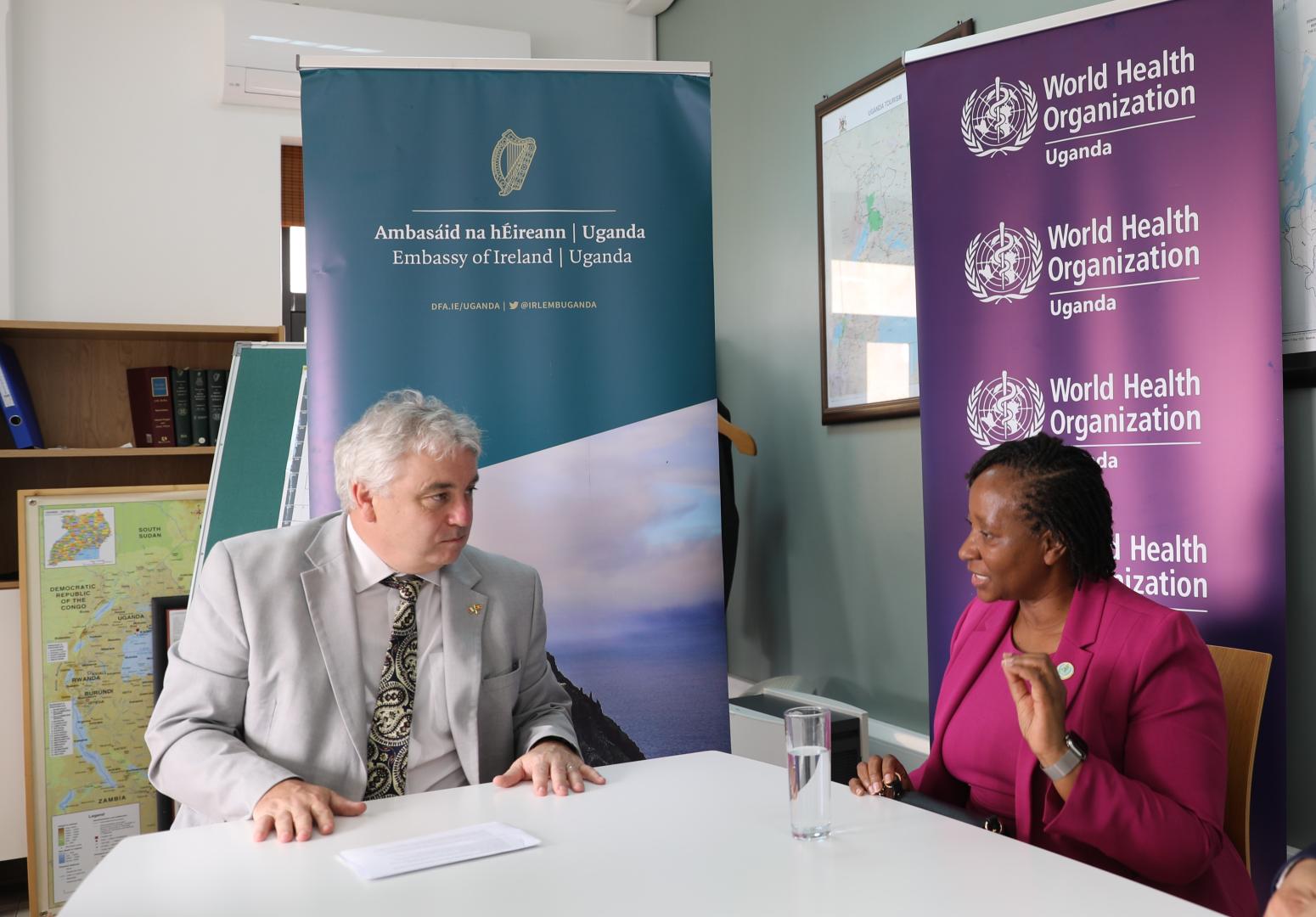
Kampala, Uganda. Ireland’s Minister for International Development and Diaspora, Neale Richmond TD, has announced €1 million contribution to support the World Health Organization (WHO)-led efforts to tackle the outbreak of the Sudan virus disease (SVD) as part of the UN Uganda Emergency Appeal. This will be used to support surveillance, infection prevention and control, and risk communication for communities. This collaboration will help to strengthen the government national response capacity and ensure a timely end to the outbreak.
WHO facilitates effective coordination in Uganda’s Ebola response
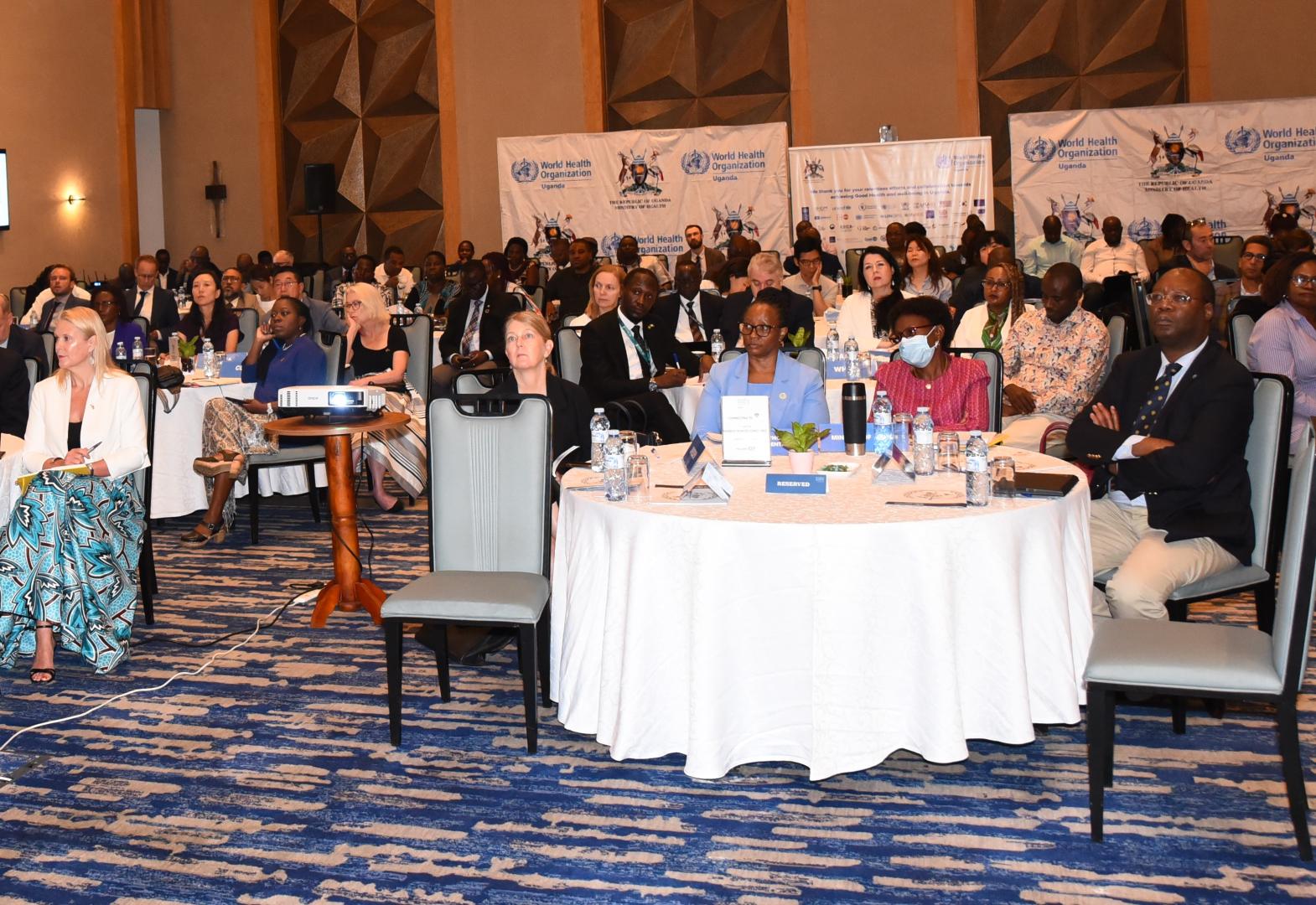
One of the cornerstones of a successful response system to a disease outbreak such as the Sudan virus disease (SVD) is the effective coordination of partners. For this reason, this role is usually the preserve of the Ministry of Health (MoH), closely supported by the World Health Organization (WHO) as co-chair.
World Health Day 2025: Healthy Beginnings, Hopeful Futures
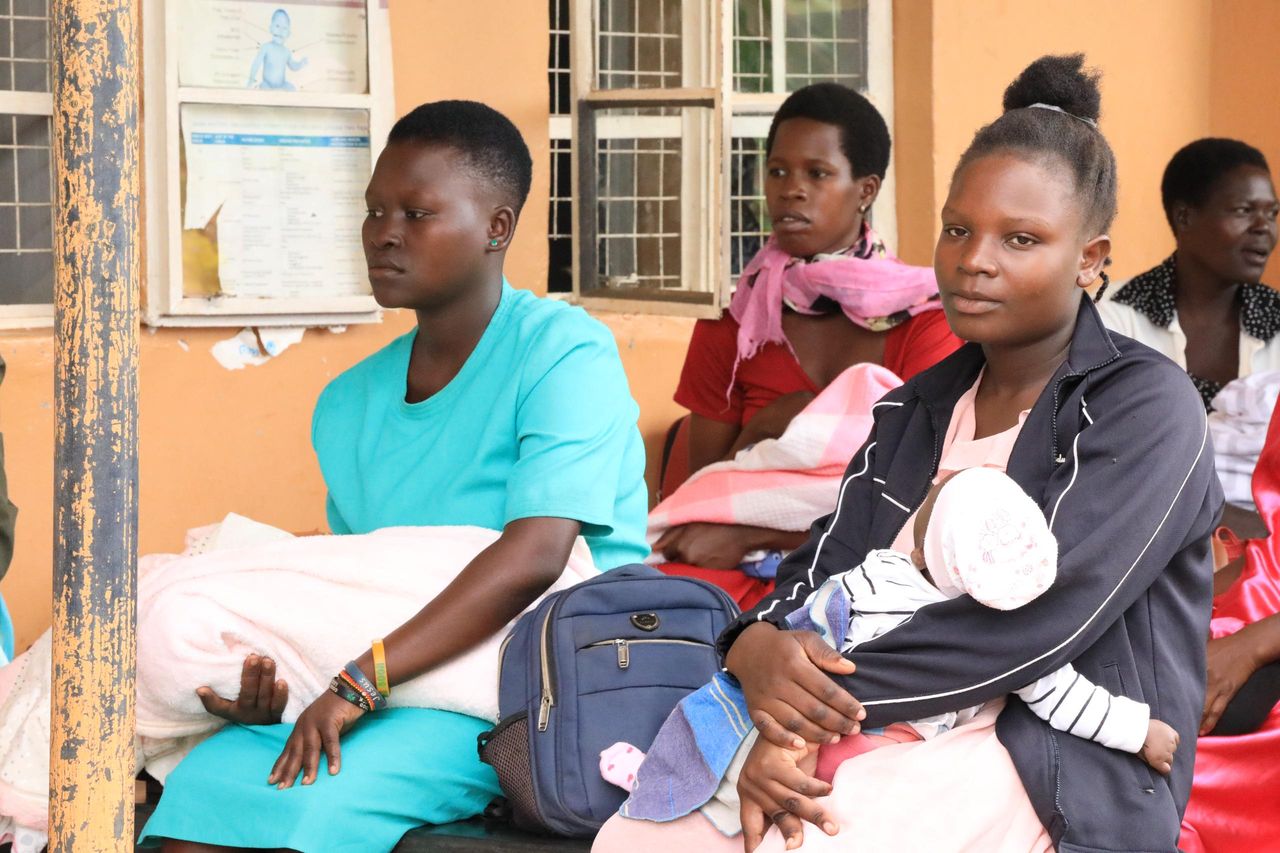
On World Health Day, the World Health Organization (WHO) calls for urgent action to end preventable maternal and newborn deaths and ensure that every mother and baby not only survive but thrive. This year’s theme, Healthy Beginnings, Hopeful Futures, is a reminder that health starts at birth and must be protected throughout life.
Namibia Launches Year-Long Campaign to Commemorate World Health Day

On April 7, 2025, in Katima Mulilo, Zambezi region, Namibia launched a year-long campaign, in commemoration of World Health Day. Under the theme Healthy Beginnings, Hopeful Futures, the campaign aims to strengthen health systems and enhance service delivery to reduce maternal and child deaths. By focusing on improving healthcare access, training, and infrastructure, the initiative seeks to ensure that every mother and child in Namibia has the opportunity for a healthy and hopeful future.
African region’s maternal and newborn mortality declining, but progress still slow

Brazzaville – The African region has made progress in lowering maternal mortality since 2000 but needs a 12-fold increase in the annual reduction rate to reach the Sustainable Development Goals (SGD) target of fewer than 70 deaths per 100 000 live births by 2030, new estimates by the United Nations Maternal Mortality Estimation Interagency Group show.
A Mother and a Clinician’s Story of Maternal Health and Care in South Africa
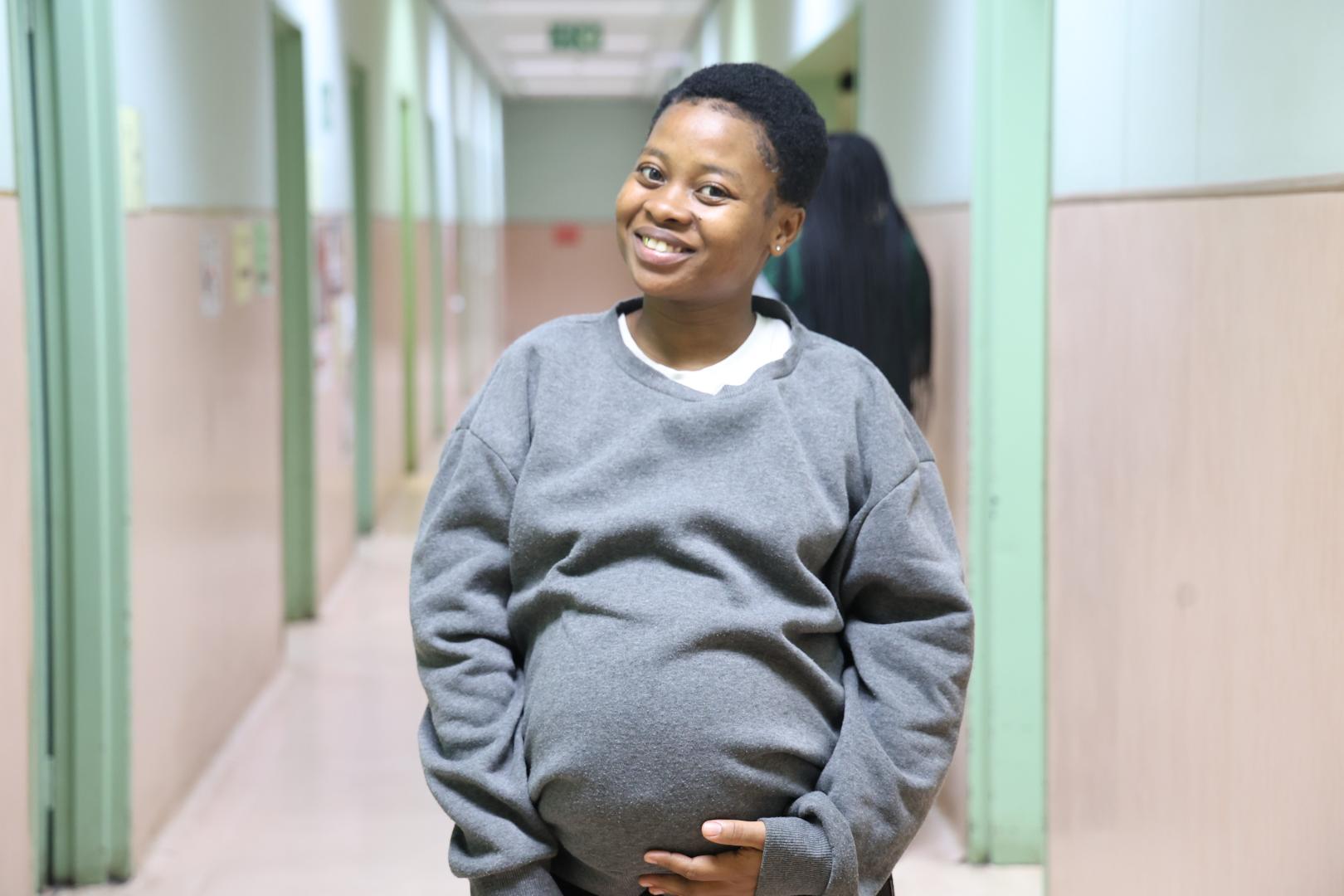
Pretoria - In the heart of Pretoria, at FF Ribeiro Clinic, two women, one a hopeful new mother, the other a dedicated midwife cross paths on a journey that reflects the strength, compassion, and challenges of maternal health care in South Africa.
World Health Day 2025: Saving Mothers, Protecting Newborns, Securing South Sudan’s Future.

Article by Dr Humphrey Karamagi, WHO Representative to South Sudan
Juba - As we mark World Health Day 2025 under the theme “Healthy Beginnings, Hopeful Futures,” South Sudan stands at a defining moment in its pursuit of equitable health for all. Nowhere is the urgency more evident than in the area of maternal and newborn health, where mortality rates remain unacceptably high, and progress is hindered by persistent system-level gaps.