Sierra Leone bolsters mpox response with 61,300 vaccine doses
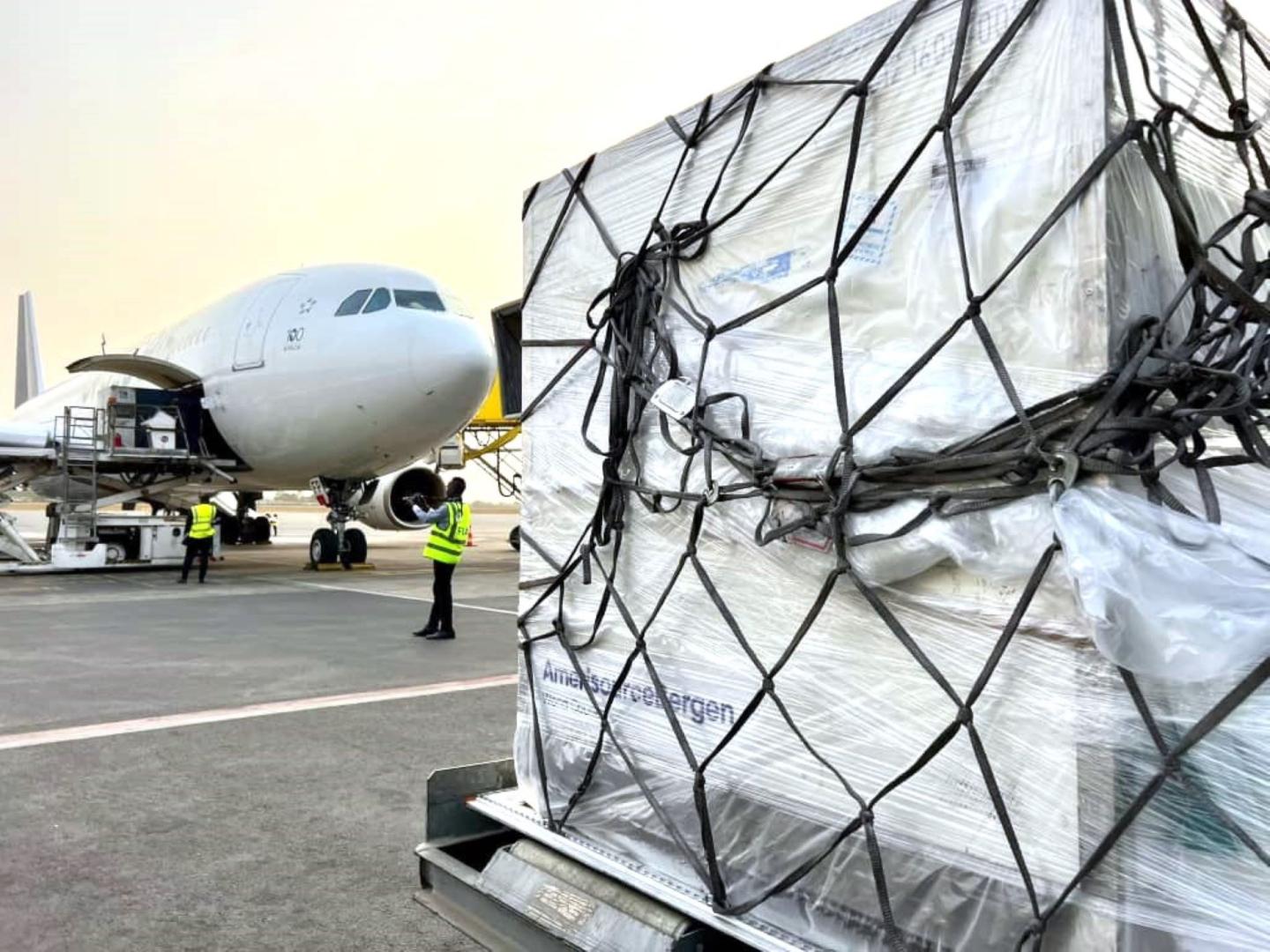
Freetown, Sierra Leone – February 25, 2025 – Sierra Leone reinforces its combat against mpox with the arrival of 61,300 vaccine doses on February 25, 2025. This vital shipment, secured through the collaborative efforts of the World Health Organization (WHO), UNICEF, GAVI, the Africa Centres for Disease Control and Prevention (Africa CDC), and other partners, following a total of 29 confirmed mpox cases nationwide since the onset of this outbreak.
South Africa launches 1.1 million HIV campaign to close treatment gap
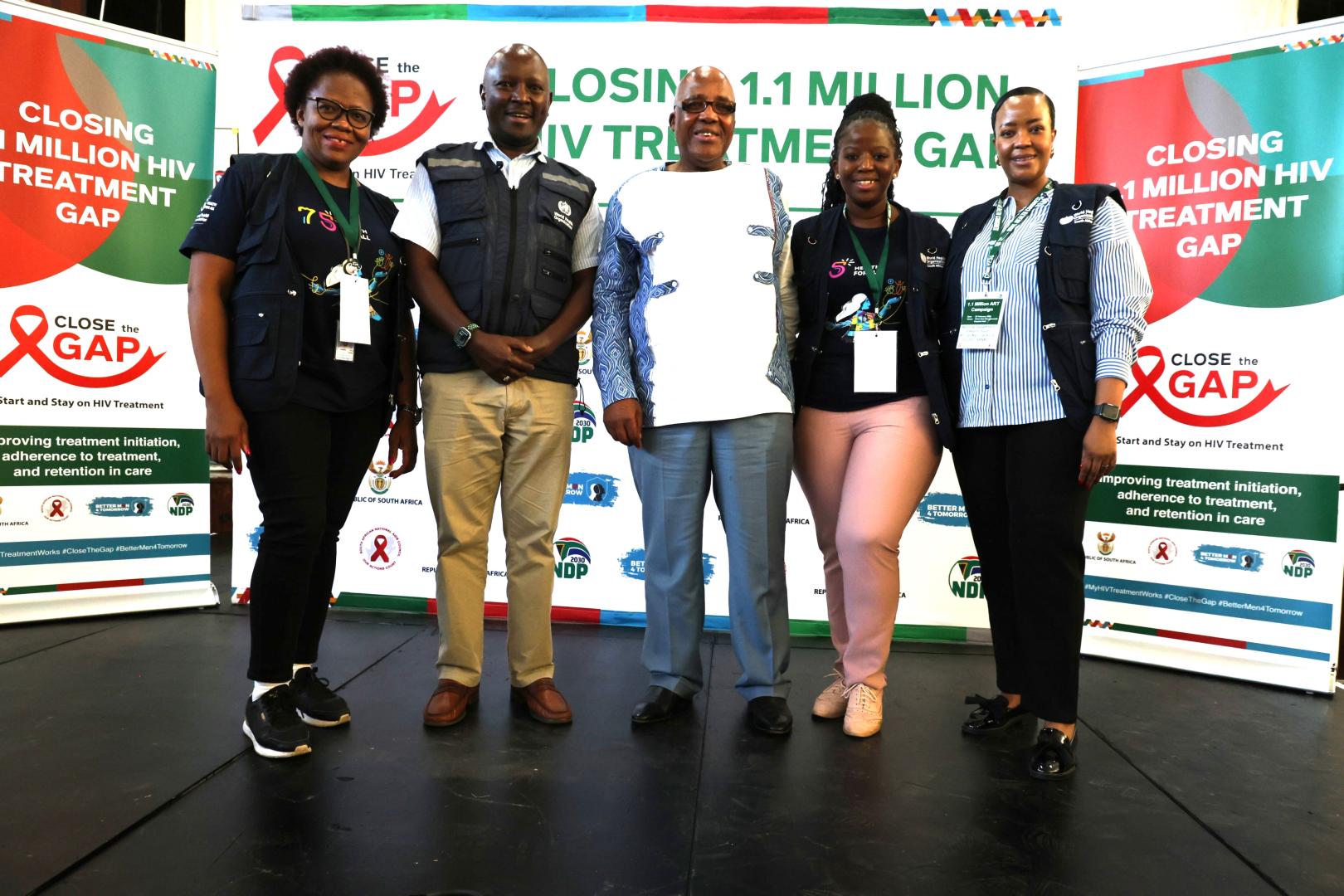
Johannesburg – The South African government, in partnership with World Health Organization (WHO), UNAIDS, and other stakeholders, on February 25, 2025, launched the “Closing 1.1 Million HIV Treatment Gap Campaign” to accelerate efforts toward achieving the 95-95-95 HIV targets. The campaign seeks to identify and support the 1.1 million people living with HIV who know their status but are not yet on treatment, addressing a critical gap in the country’s HIV response.
WHO Provides Urgent Medical Support to Ghana to Combat Meningitis Outbreak
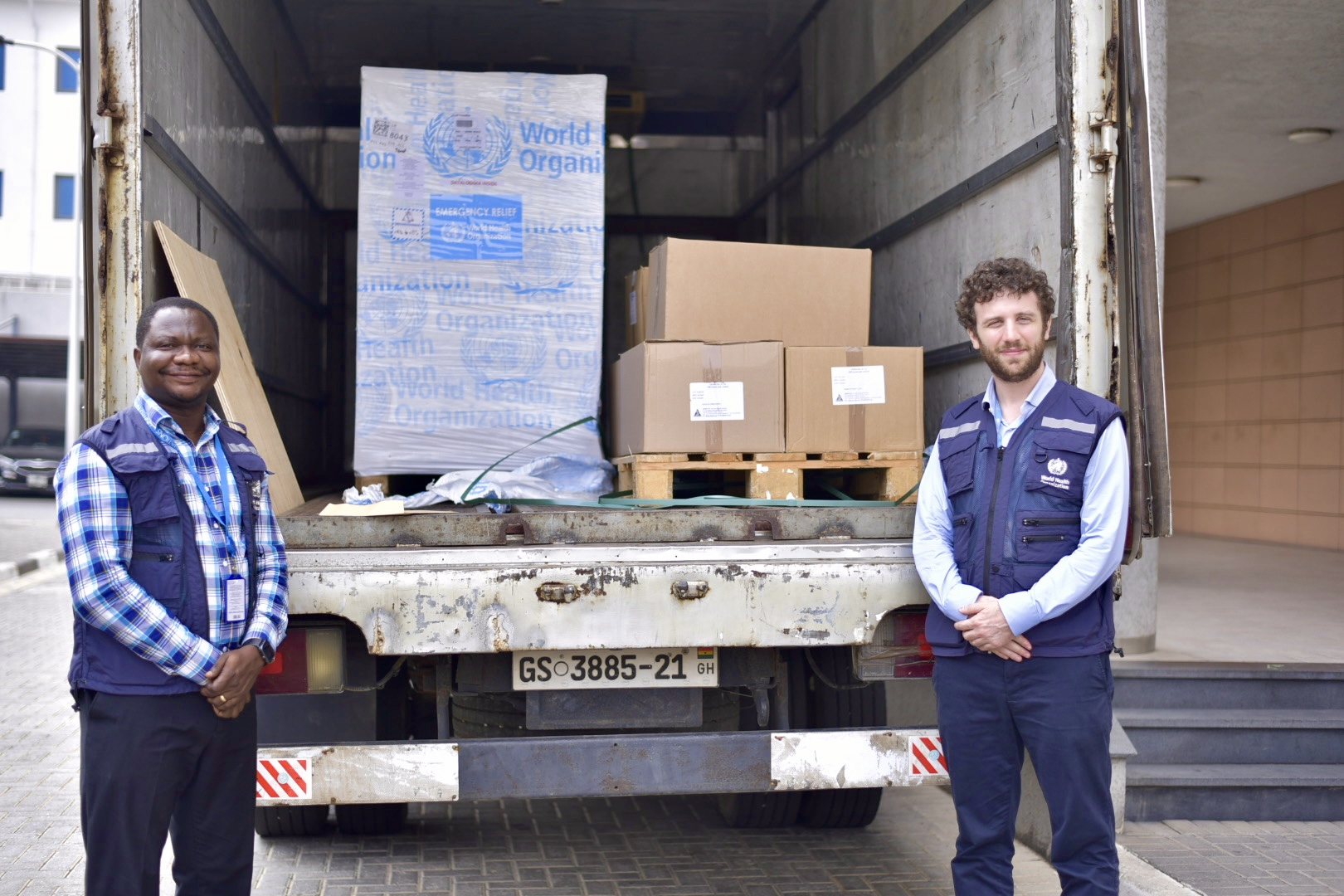
Ghana is experiencing a worsening bacterial meningitis outbreak in the Upper West Region, straining the country's healthcare system as cases continue to climb. With limited resources and rising fatalities, health authorities are racing against time to contain the disease and provide critical treatment to those affected. In response to the escalating crisis, the World Health Organization (WHO) has stepped in to provide much-needed technical and logistical support.
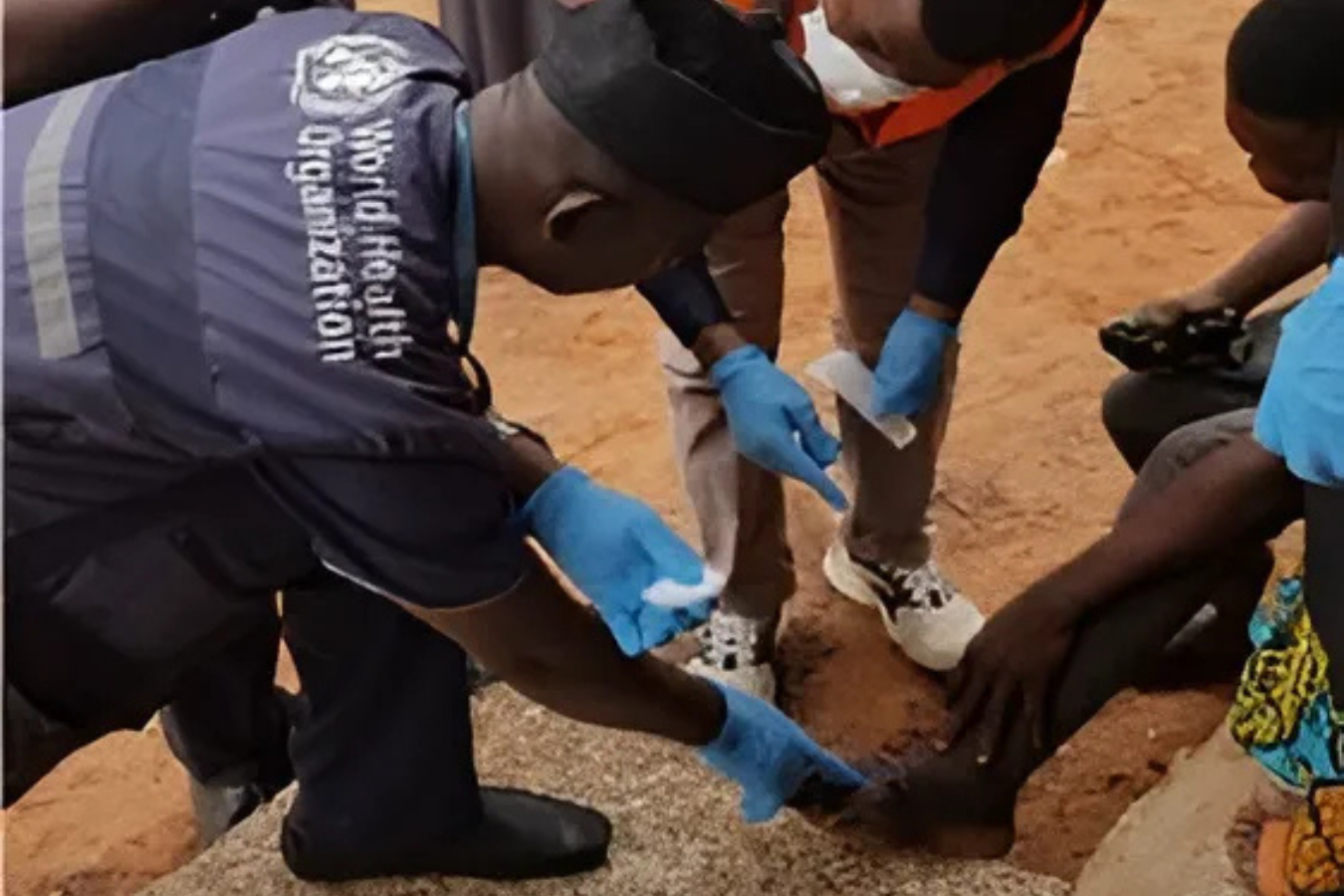
Uniting for Action: WHO Leads the Fight Against Buruli Ulcer in Nigeria
WHO commits to enhancing Nigeria's capacity to tackle influenza threat
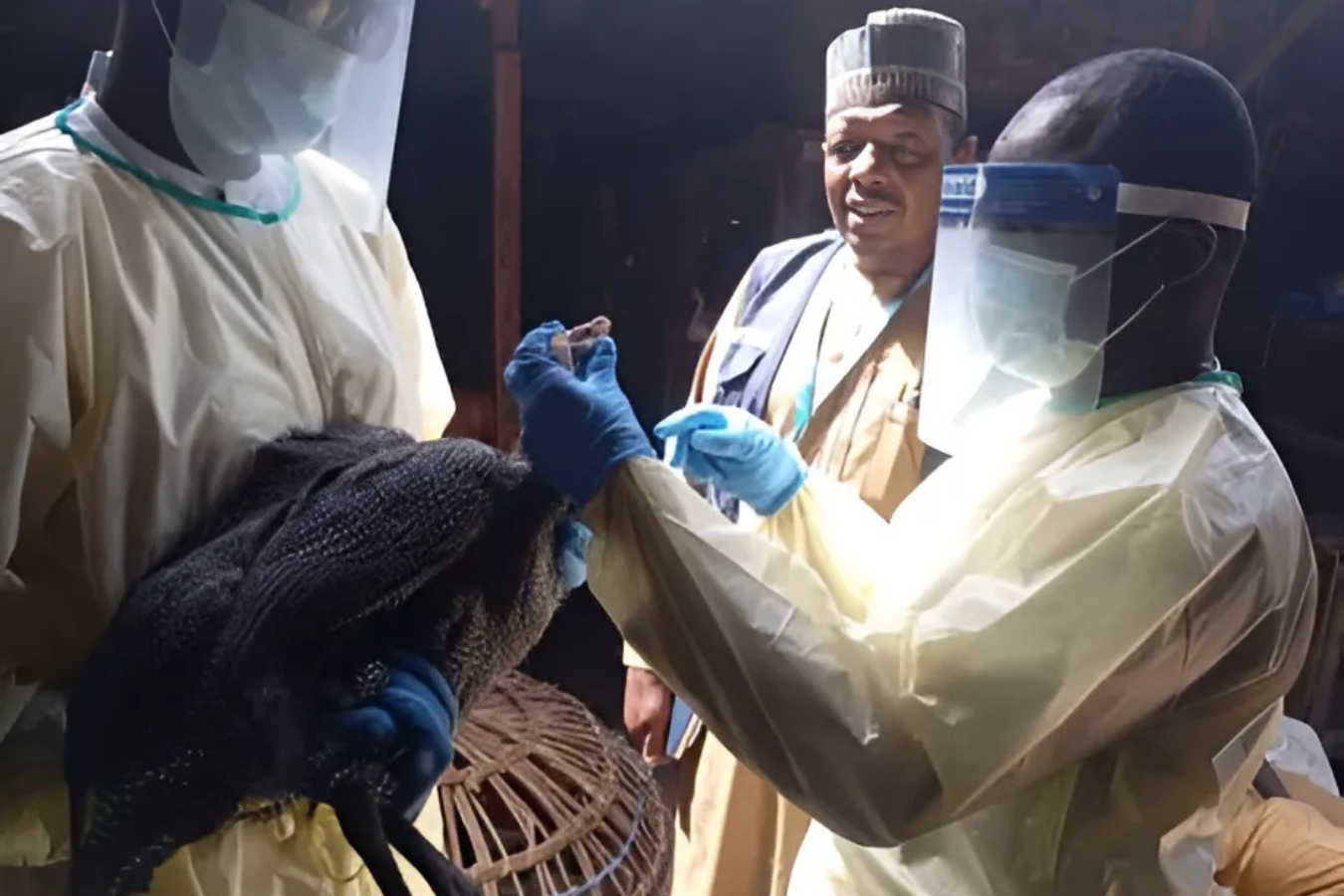
Kano, 24 February, 2025- Following an alert of a highly pathogenic avian Influenza (H5N1) outbreak in poultry, commonly known as bird flu, in Kano state, the World Health Organization ( WHO) has stepped up its support to the Government of Nigeria to prevent transmission of the virus to humans. While the virus spreads rapidly among birds, it also has the potential to infect mammals, including humans. It poses a significant threat to both animal and public health.
Strengthening healthcare across life stages: WHO supported MoH to empower Moyamba district with quality improvement training.
Moyamba District, Sierra Leone – February 2025 – In a notable effort to revolutionize healthcare delivery, the Ministry of Health, with support from the World Health Organization (WHO), conducted a comprehensive Quality Improvement (QI) training workshop in Moyamba District from February 17th to 21st, 2025.
Ministry of Health with support from WHO reactivates the Infectious Disease Unit (IDU) In Nimule to enhance cross border public health security in South Sudan
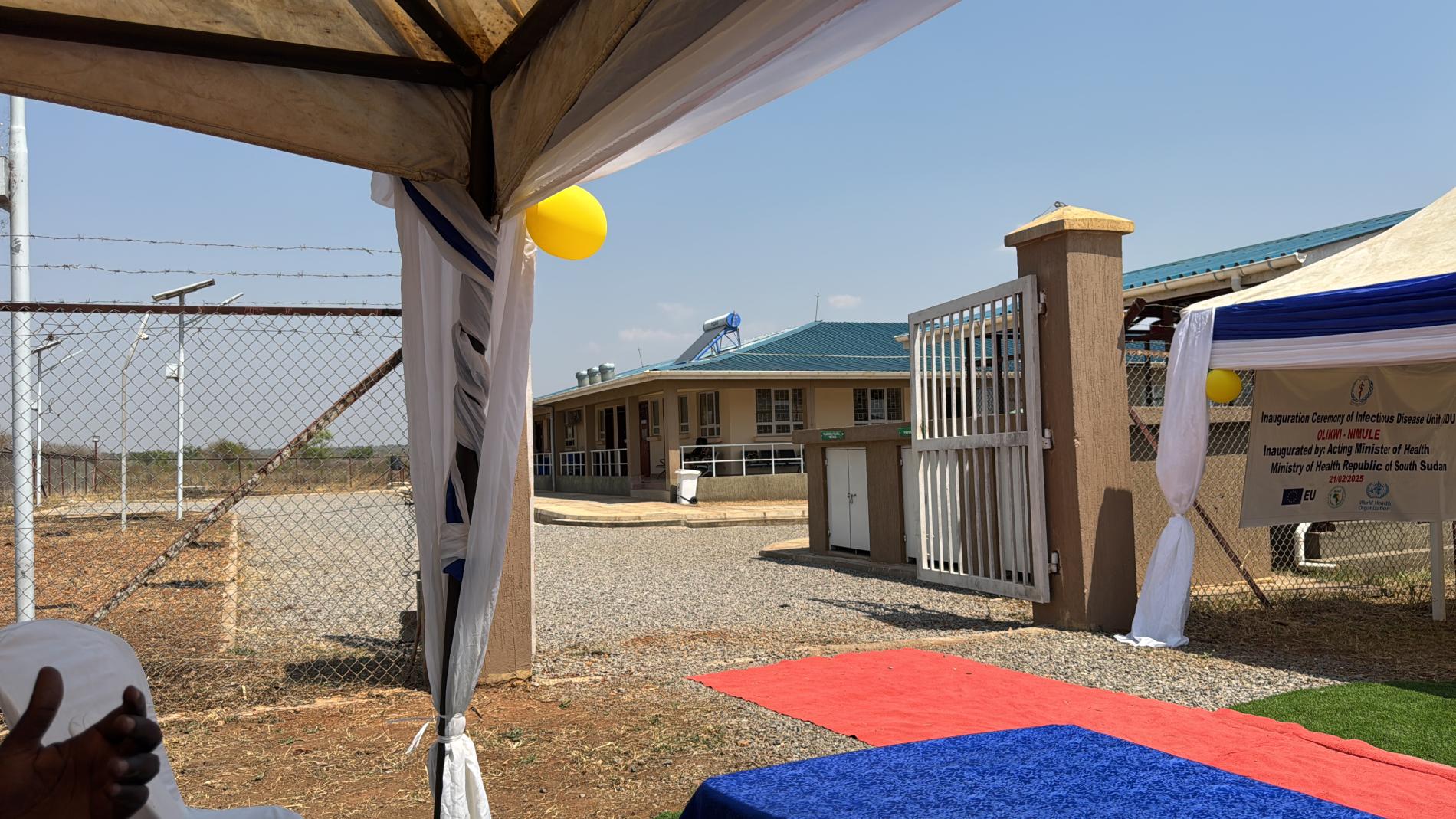
Juba - To improve capacity for treatment of infectious diseases and mitigate the risk of cross-border disease transmission, the Ministry of Health, with support from the World Health Organization (WHO), has established and handed over an Infectious Diseases facility in the border of Nimule to the Magwi County Health Department.
The new 15 bed capacity facility is designed to bolster the country’s healthcare system by providing necessary resources and infrastructure to manage infectious diseases effectively and boosting infection prevention and control.
Uganda’s final push to end Ebola
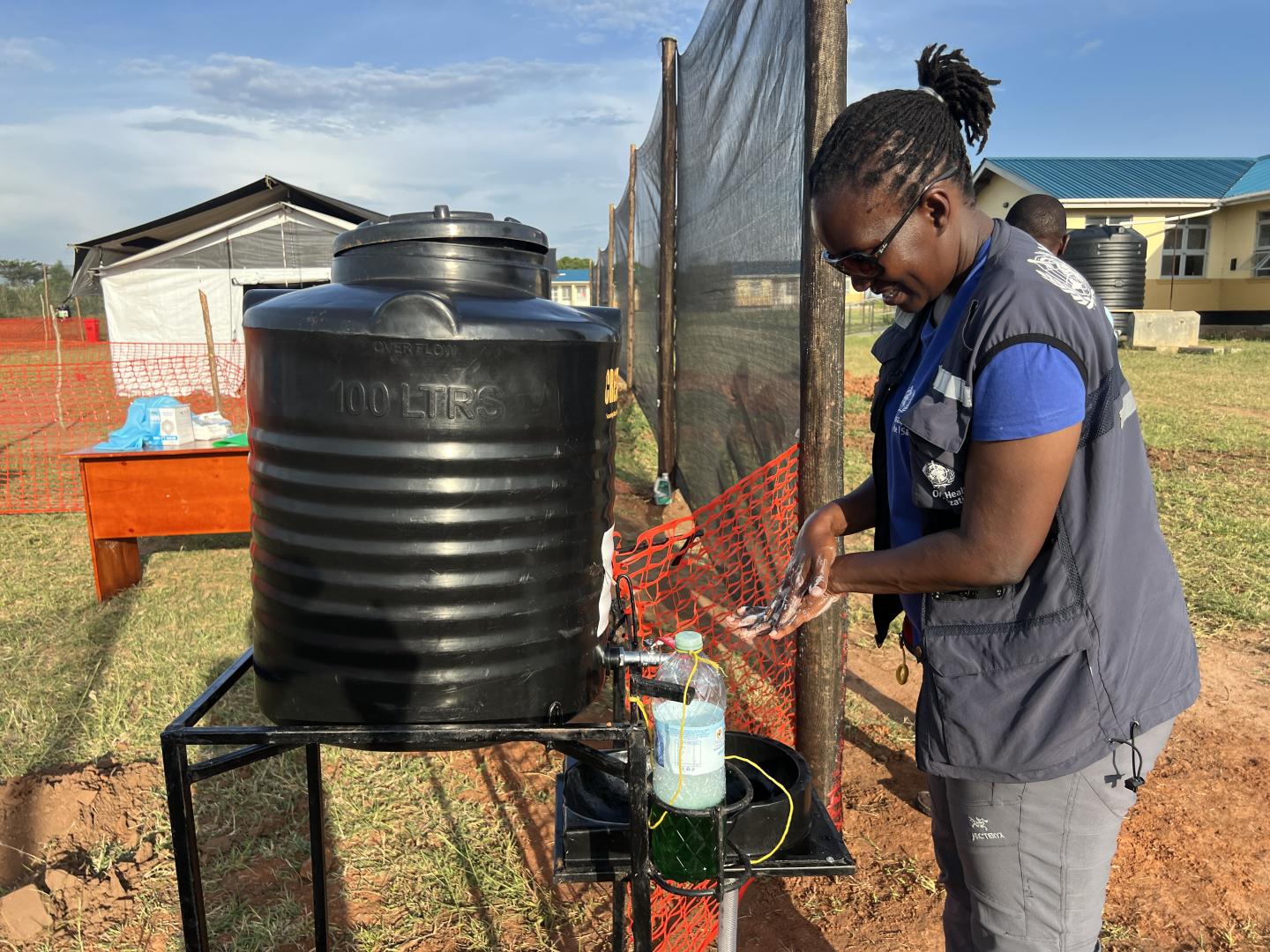
Uganda has entered a crucial 42-day countdown in its battle against the Sudan virus disease (SVD) outbreak, which belongs to the same family as Ebola virus disease. This is a pivotal period that will determine whether the outbreak is officially declared over.
Following the full recovery and discharge of all confirmed cases, the Ministry of Health, with support from the World Health Organization (WHO) and partners, are ramping up efforts to sustain vigilance and prevent any new infections.
WHO Angola Participates in High-Level Cholera Response Mission in Bengo
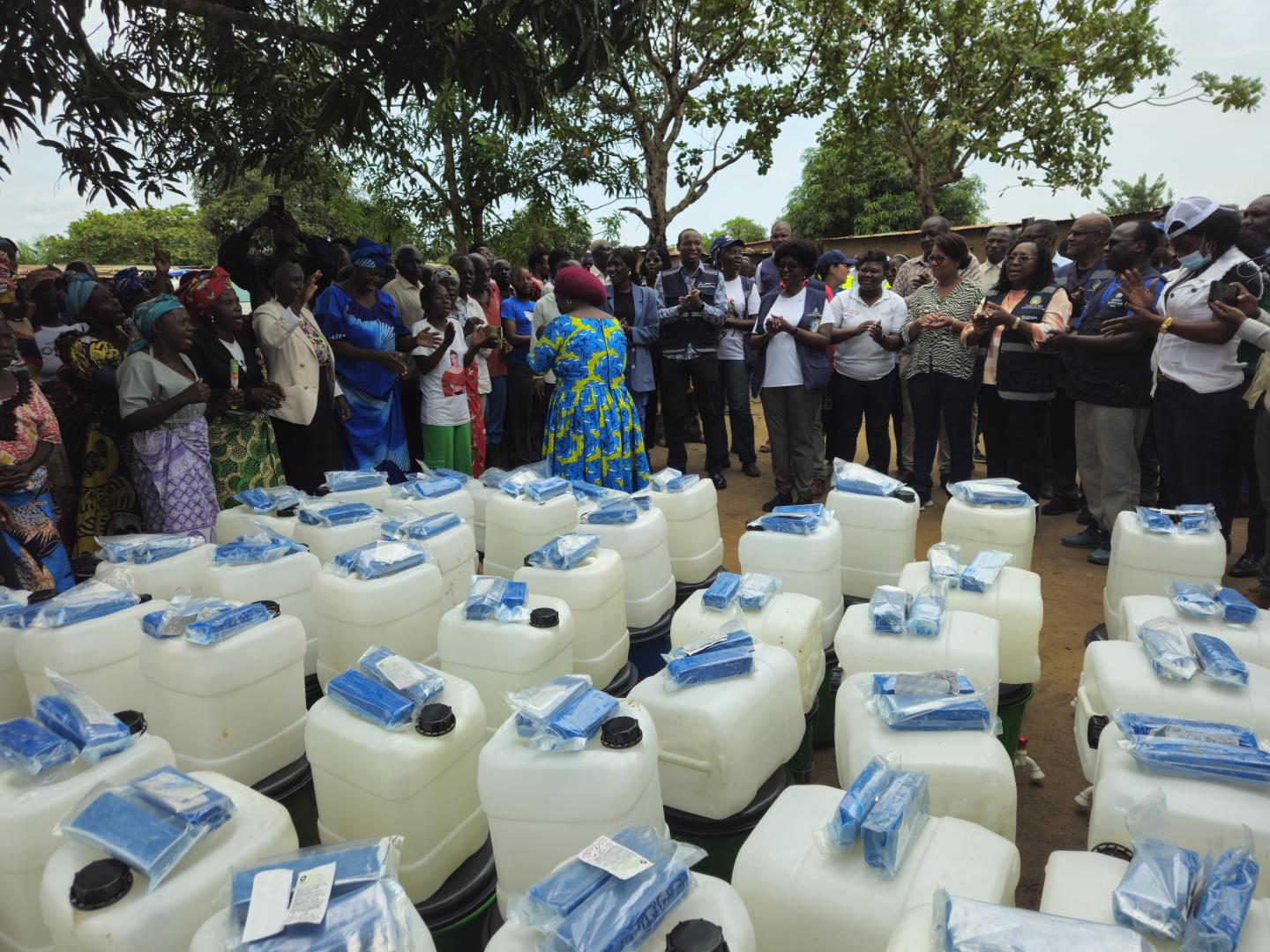
Bengo, 22 February 2025 – The World Health Organization (WHO) participated in a high-level multisectoral field visit to Bengo led by the Minister of Health, Dr. Sílvia Lutucuta, to assess ongoing efforts in the fight against cholera. The visit included the Governor of Bengo, Antónia Nelumba, the Minister of Environment, Ana Carvalho as well as several deputy ministers, and key international partners, including the World Bank, Africa CDC, UNICEF, and the Red Cross.
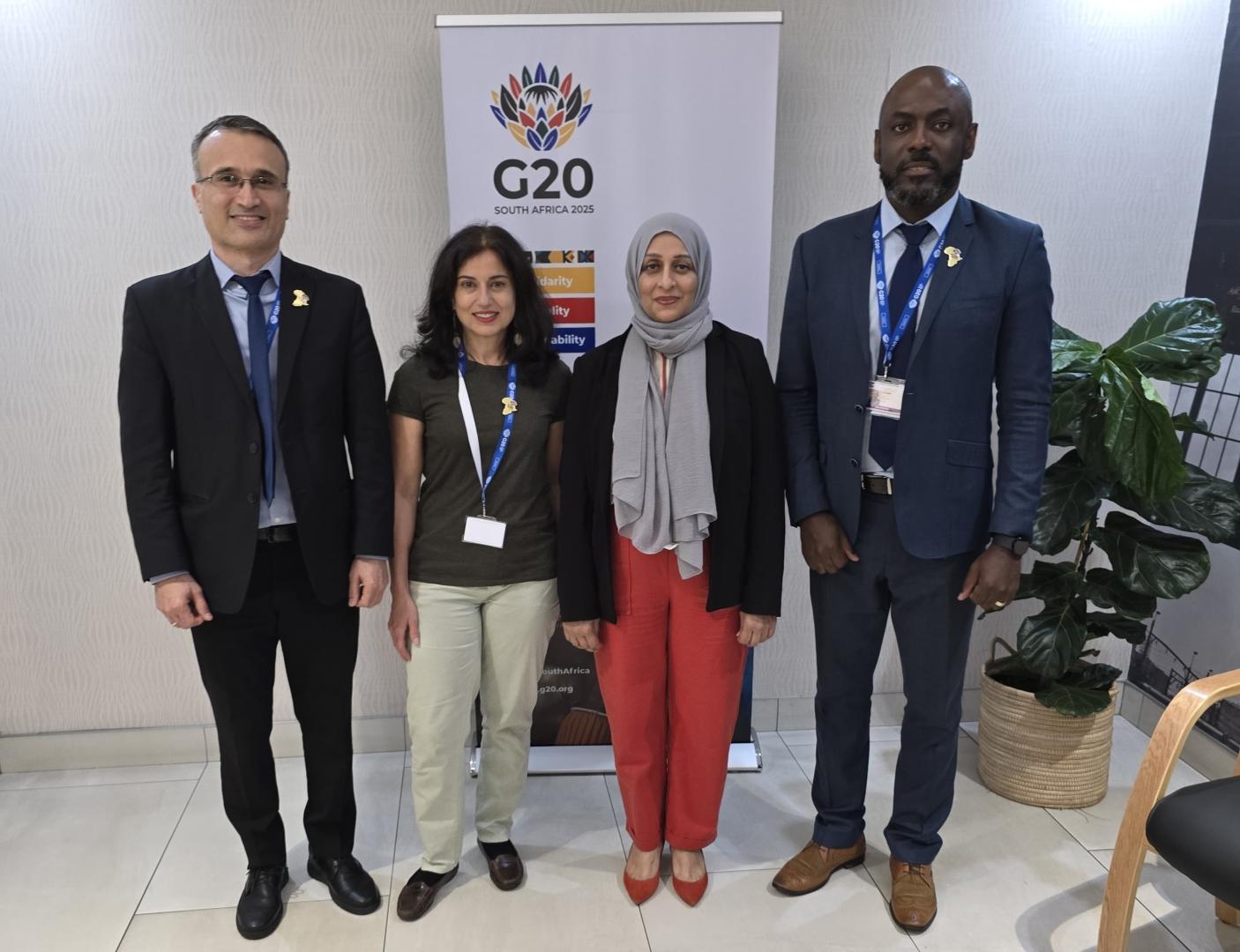
WHO participates in the first G20 foreign ministers’ meeting