
WHO Supports Efforts on the Ground in Response to Cholera in Angola

Luanda, Angola, 25 January 2025 – The World Health Organization (WHO), in collaboration with Angola’s health authorities, is intensifying efforts on the ground to combat the cholera outbreak that has affected the country since 7 January 2025. With 1,016 reported cases and 43 deaths to date, WHO teams are actively supporting surveillance, case management, testing, and community-level interventions.
Reaching Underserved Communities: Cervical Cancer Awareness in Sierra Leone
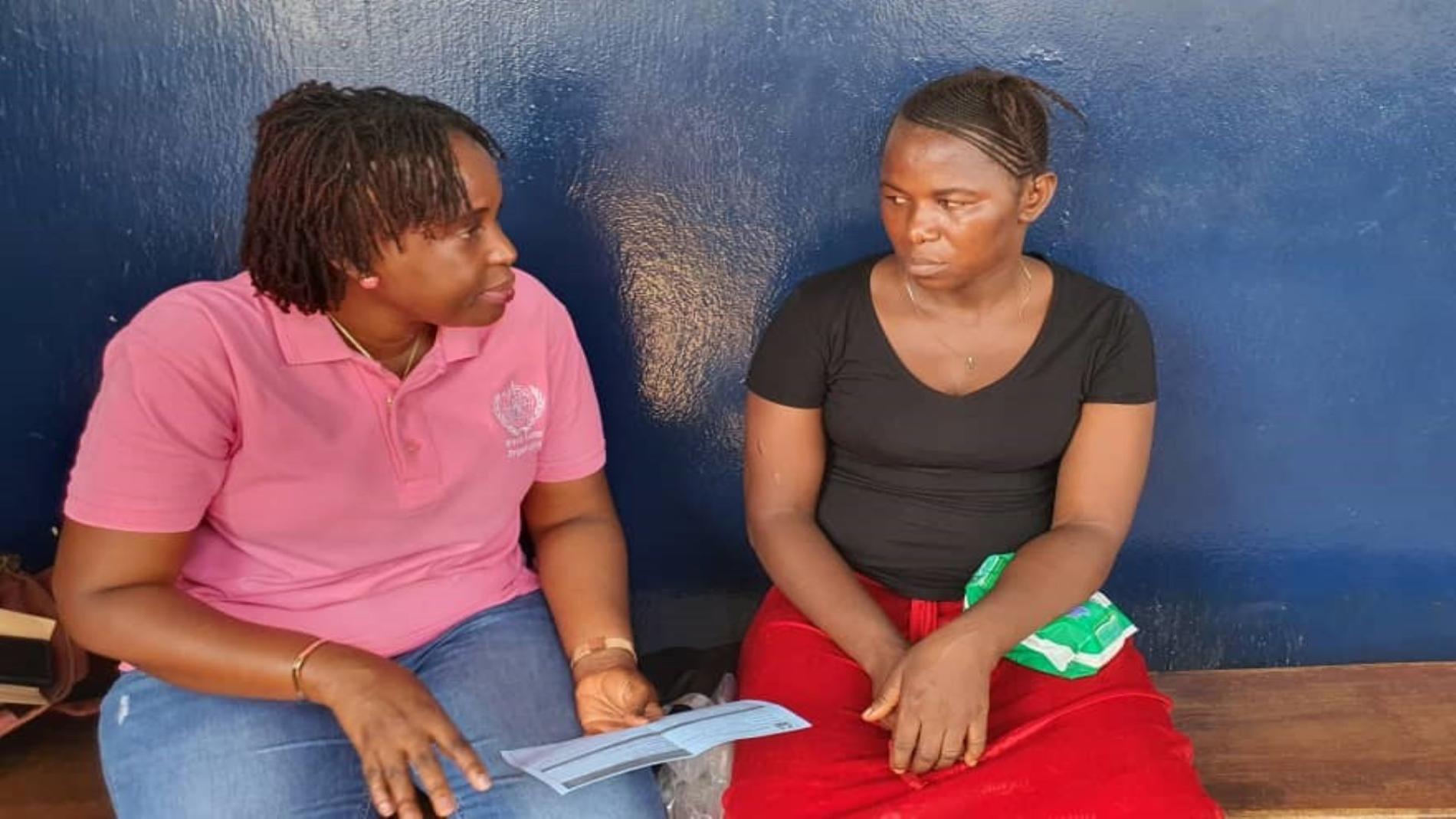
In an ongoing effort to eliminate cervical cancer, the Ministry of Health (MoH), in collaboration with the World Health Organization (WHO) Sierra Leone, organized a crucial screening initiative during Cervical Cancer Awareness Month - January. This initiative focused on underserved communities, encouraging women aged 25-49 to take advantage of essential screening services.
Lesotho concludes Joint Appraisal for GAVI supported immunization programs
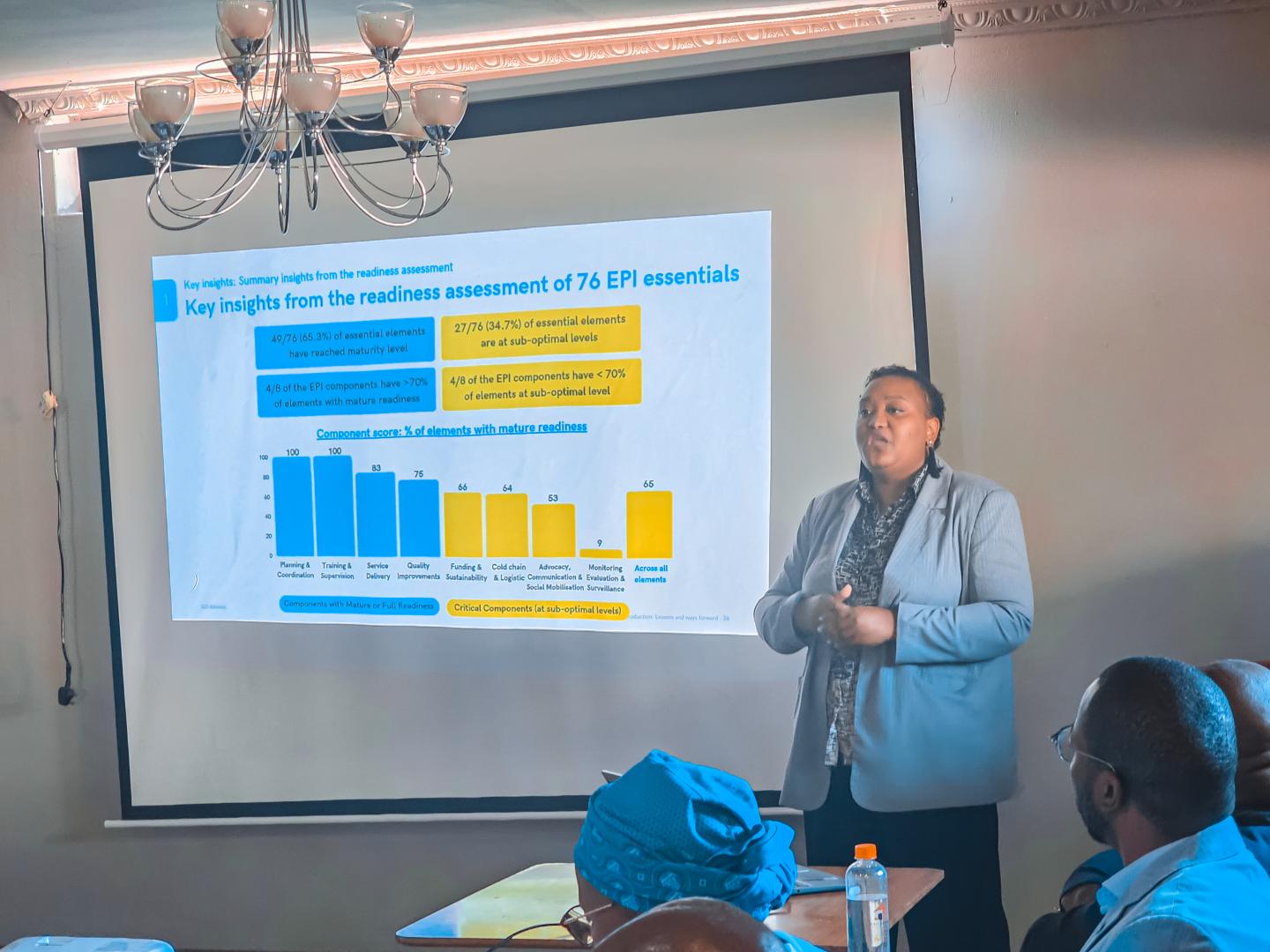
Leribe, Lesotho – Lesotho successfully completed its Joint Appraisal (JA) of GAVI-supported immunization programs, reaffirming the nation’s commitment to protecting its children through equitable access to life-saving vaccines.
The World Health Organization Academy strengthened Cameroon’s preparedness for mass casualty incidents management
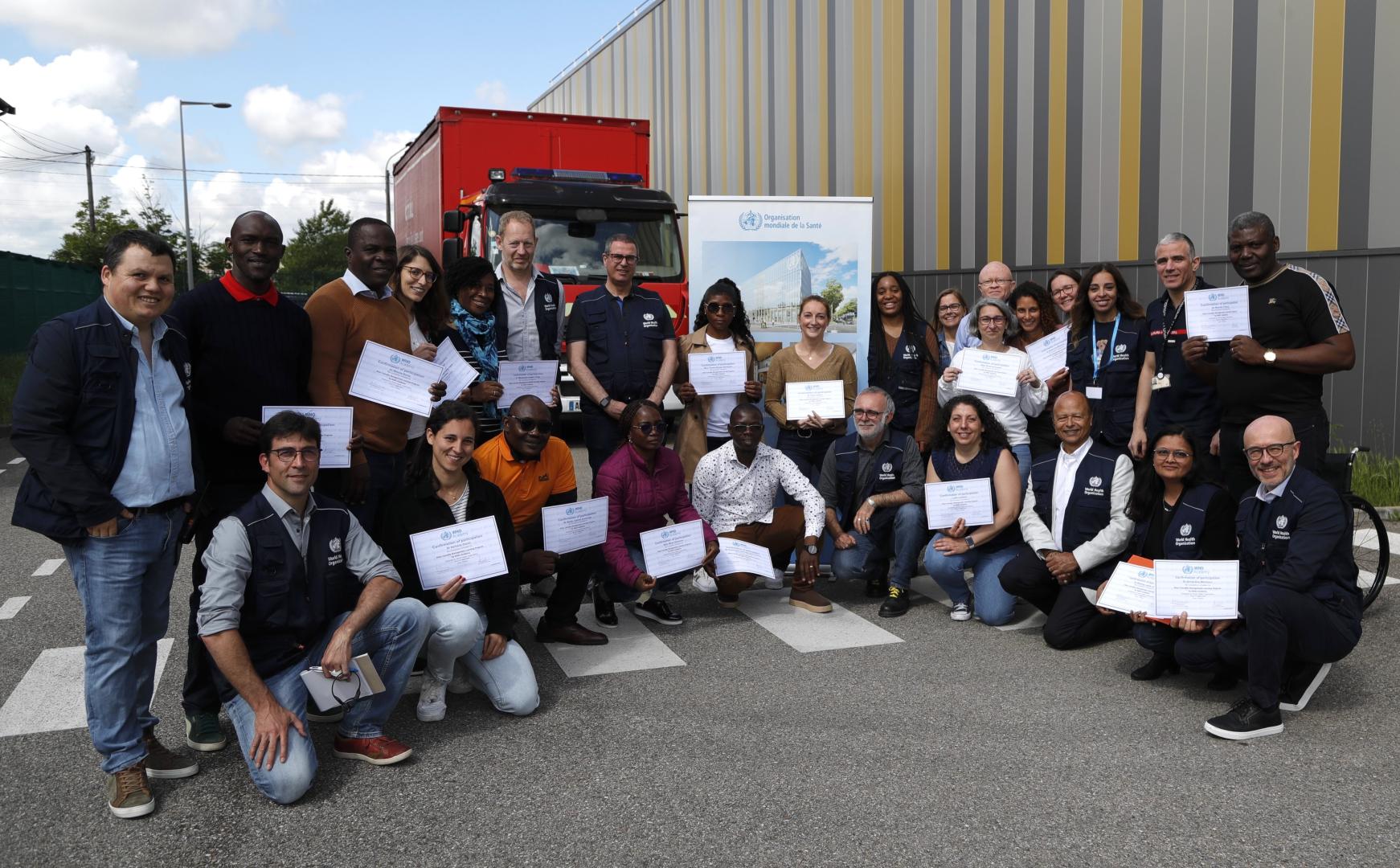
On Monday, January 24, 2022, Vanessa Tchouanzi, a high school teacher, attended the Cameroon-Comoros football match for the Africa Cup of Nations with her friend Véronique at the Olembe stadium in Yaounde. She still vividly recalls the tragic stampede that occurred. Caught in the crowd surge, Vanessa and Veronique lost consciousness but Vanessa was pulled away by a stranger whereas Veronique stayed in the crowd and was later taken to a nearer hospital where she died shortly afterward.
Strengthening Uganda’s medical products regulatory systems for improved health outcomes
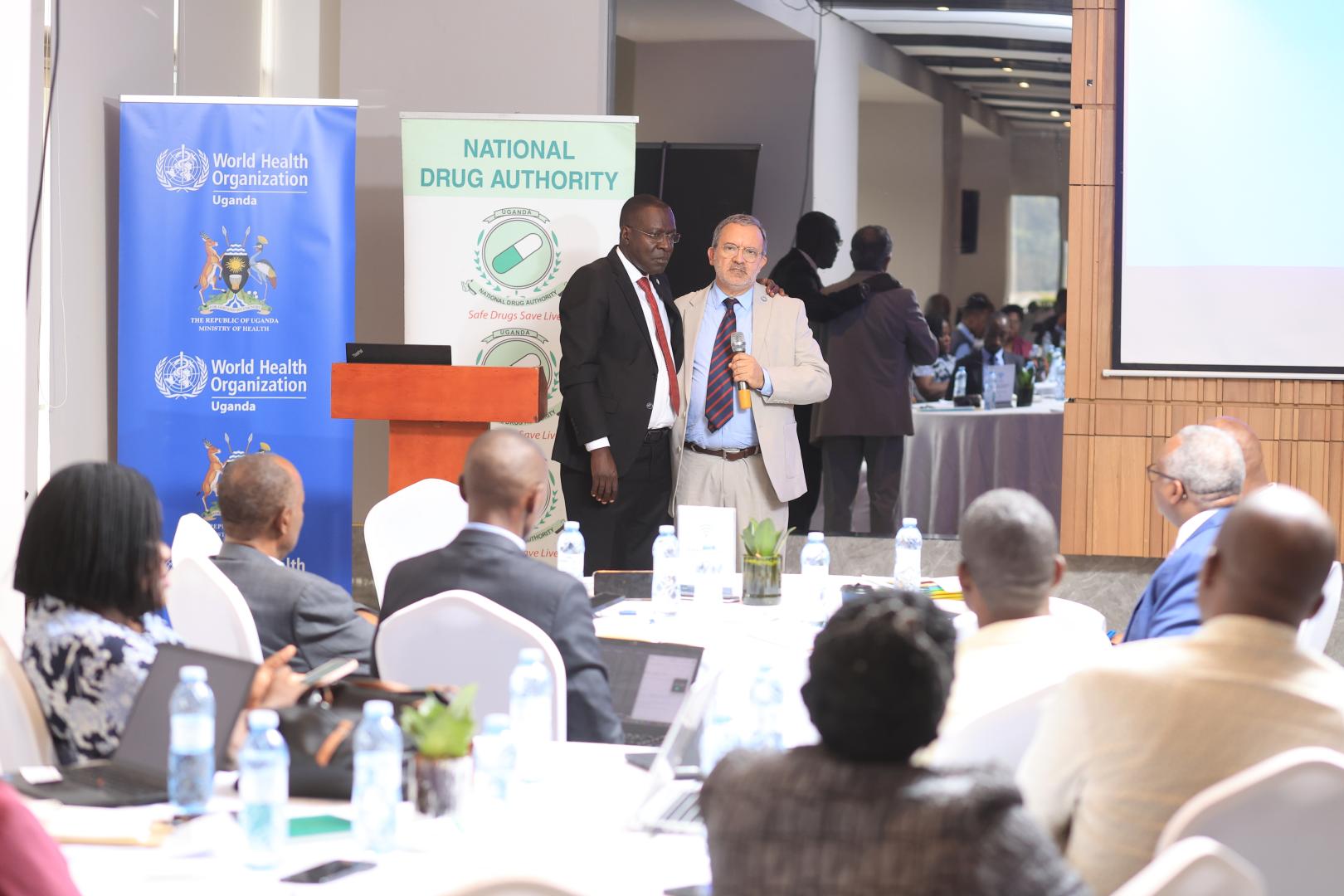
Uganda is set to advance its pharmaceutical regulatory capacity and boost local medical products production in strategic partnership with the World Health Organization (WHO). This initiative follows a high-level mission from WHO’s Regulation and Prequalification Department, at the invitation of the Ministry of Health (MoH).
WHO Director-General Visits Tanzania, Commends Leadership on Health Reforms and Marburg Response
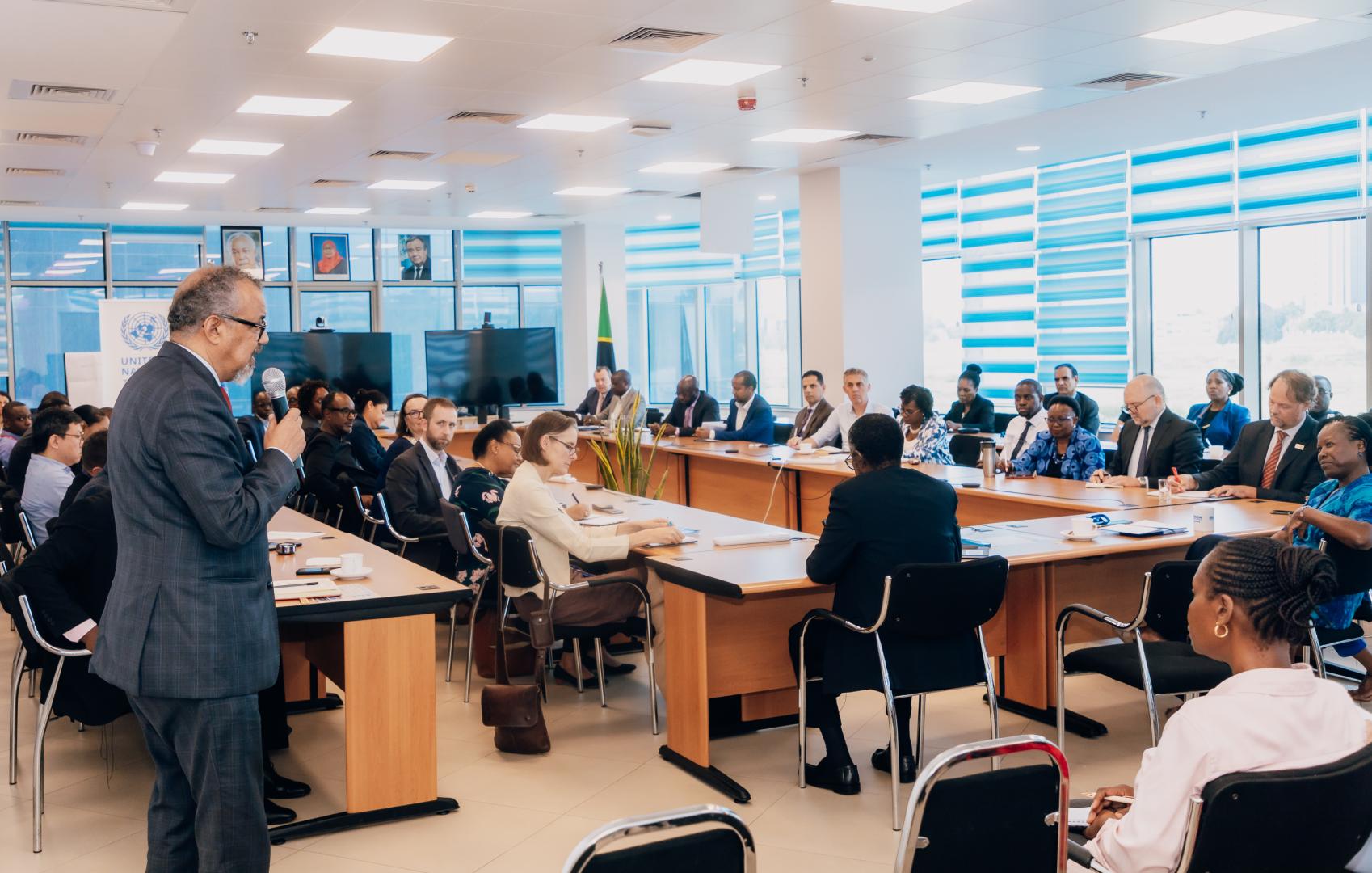
Dar es Salaam - The Director-General of the World Health Organization (WHO), Dr. Tedros Adhanom Ghebreyesus, has concluded a high-level visit to Tanzania, where he met with President Samia Suluhu Hassan, members of the UN Country Team, and international development partners to discuss the country’s health priorities and ongoing response to the recent Marburg virus disease outbreak in the Kagera region.
Diálogo Comunitário em Lago, Niassa, Reforça Soluções para Aumentar a Cobertura Vacinal
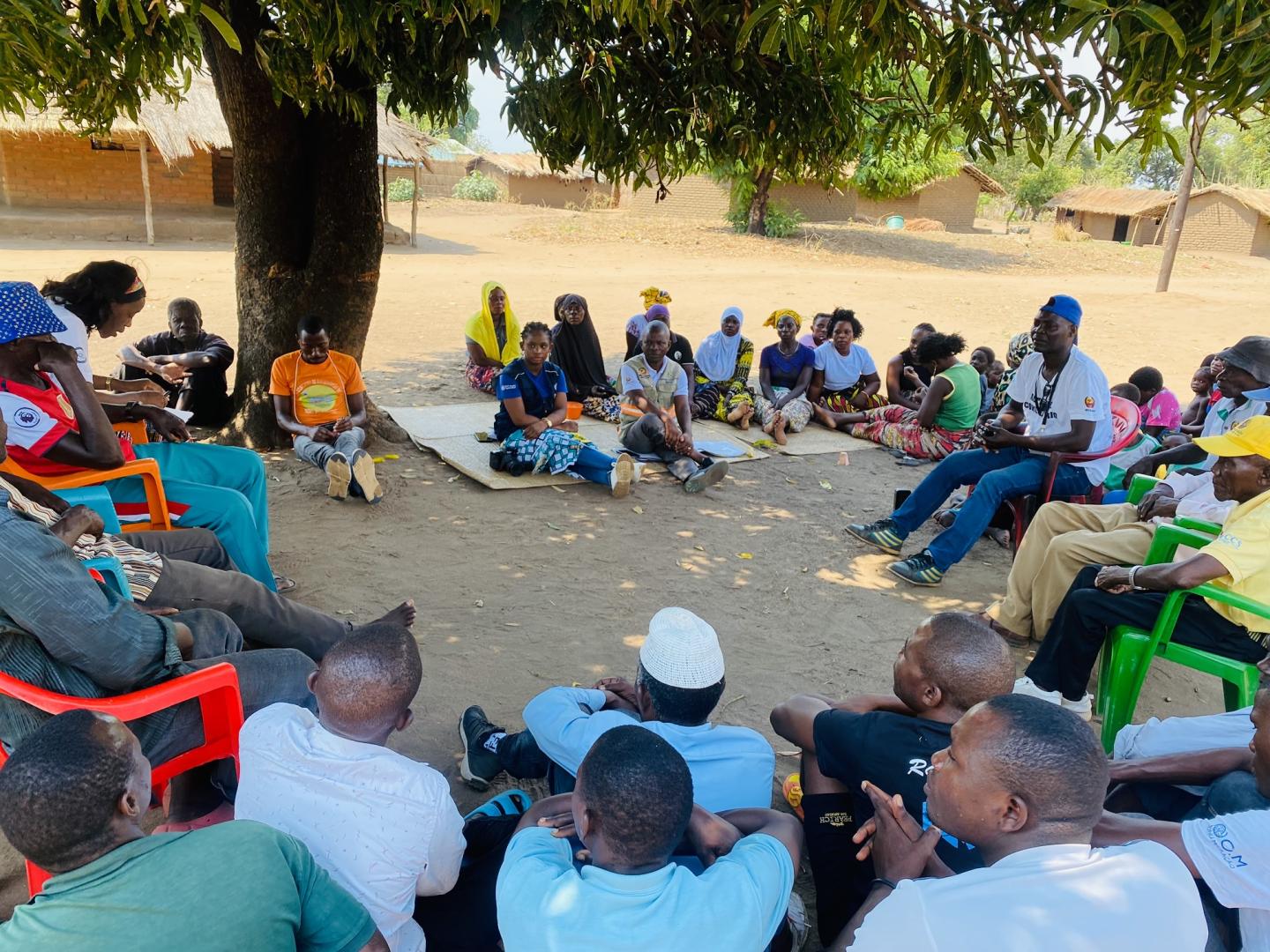
No distrito de Lago, província do Niassa, mais de 40 líderes – incluindo religiosos, matronas, comités de saúde, agentes polivalentes de saúde, representantes da Organização da Mulher Moçambicana e da Organização da Juventude Moçambicana – participaram de um diálogo com o Ministério da Saúde (MISAU) e a OMS.
Tanzania confirms outbreak of Marburg virus disease

Dodoma – Tanzania today confirmed an outbreak of Marburg virus disease in the northwestern Kagera region after one case tested positive for the virus following investigations and laboratory analysis of suspected cases of the disease.
WHO Representative Visits Cholera Hotspot in Luanda with Minister of Health
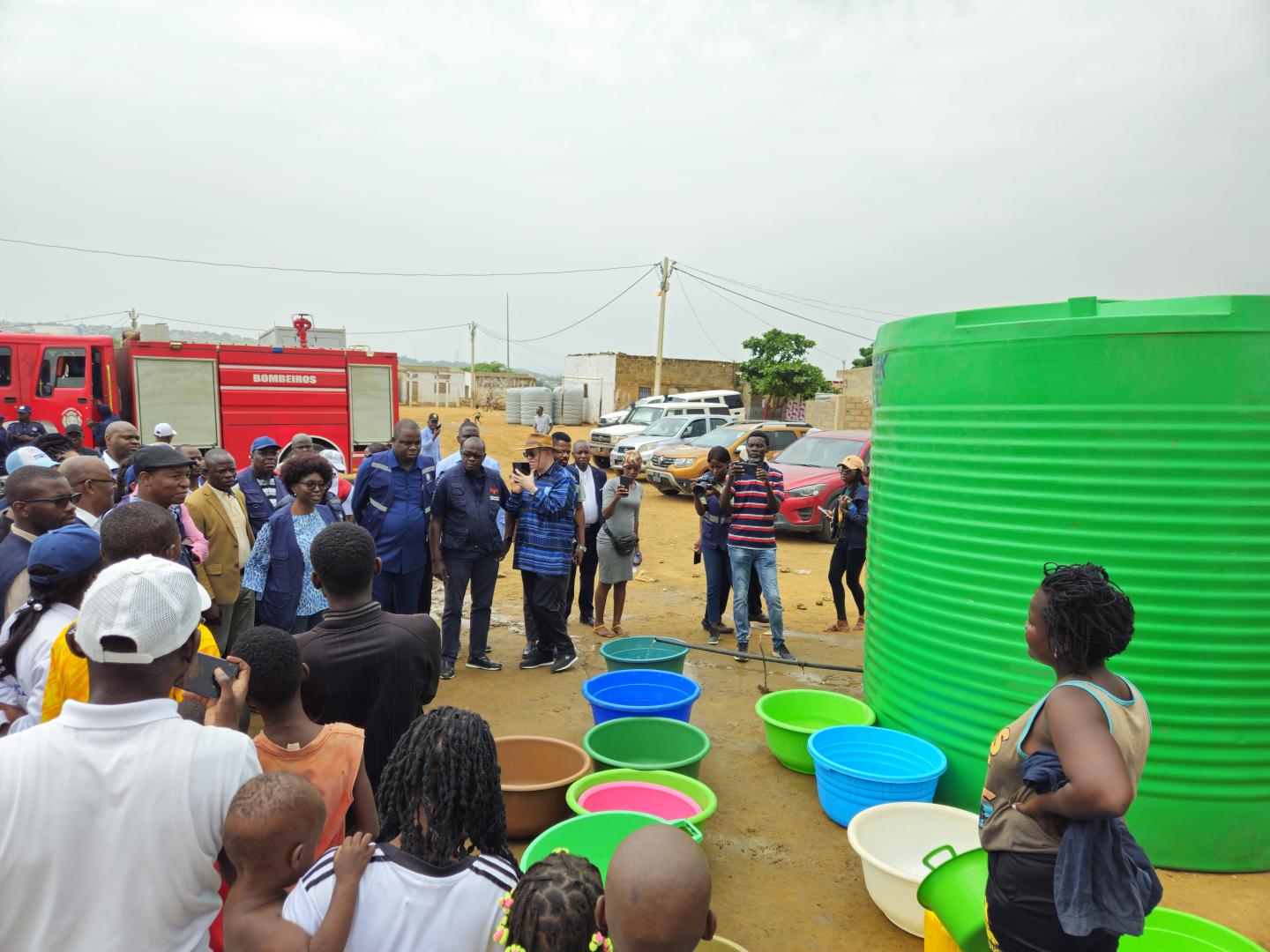
Luanda, Angola – Dr Zabulon Yoti, the World Health Organization (WHO) Representative in Angola, accompanied by a team of WHO staff, joined the Minister of Health today for a field visit to the cholera outbreak hotspot in Cacuaco Municipality. They evaluated the Cholera Treatment Centres (CTCs) set up to manage the crisis and assessed the response at the community level. The government has shown commendable leadership in providing clean water to affected communities, a crucial step in curbing the spread of cholera.
WHO, CDC, and Partners Celebrate the 9th Graduation of Public Health Field Epidemiologists and Laboratory Leadership Fellows in Uganda
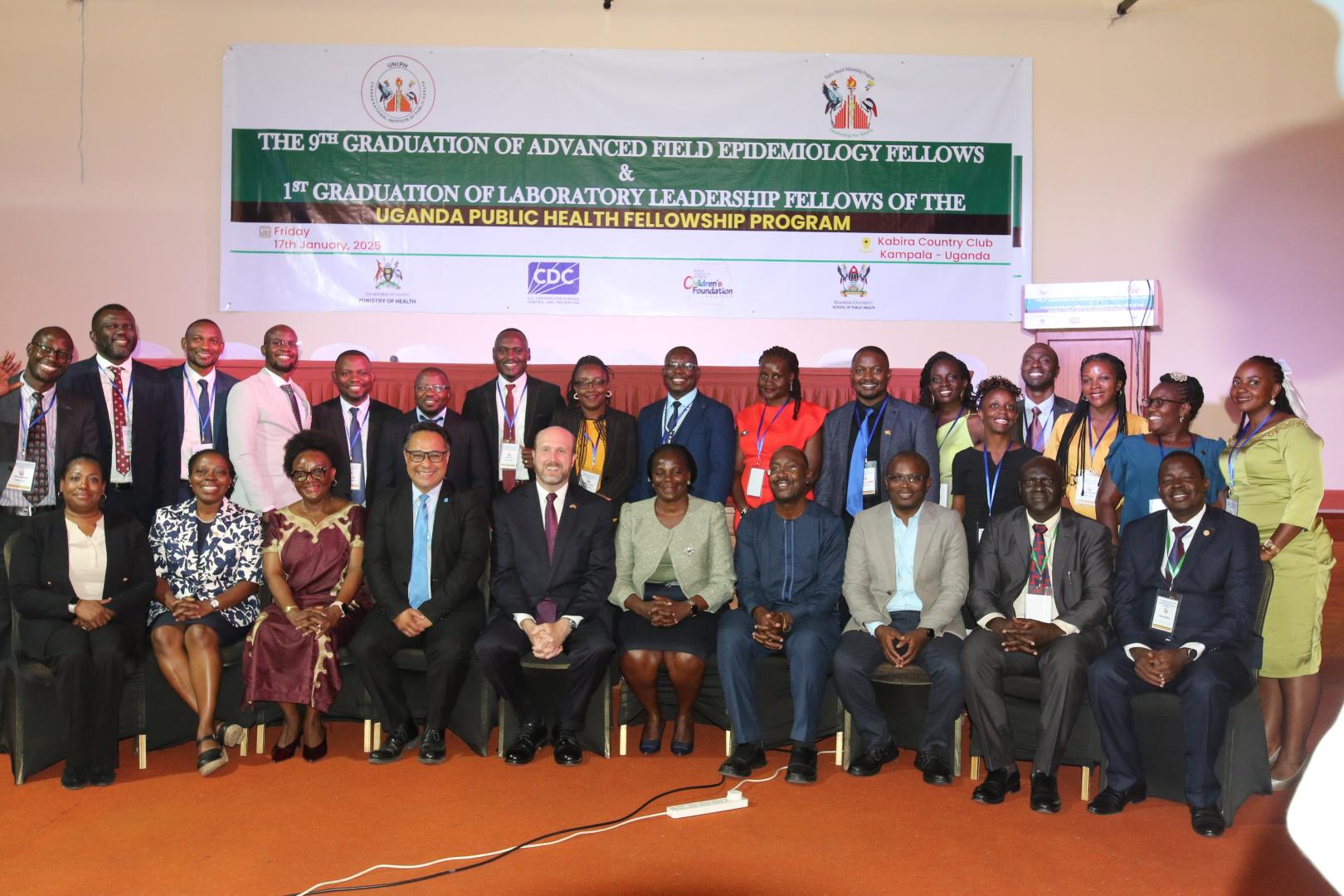
The World Health Organization (WHO), in partnership with the Ministry of Health, the Centers for Disease Control and Prevention (CDC), Baylor College of Medicine Children’s Foundation-Uganda, and Makerere University, celebrated two significant milestones at the Uganda Public Health Institute: the 9th graduation of Public Health Field Epidemiologists and the inaugural graduation of Laboratory Leadership Fellows.