
Uganda deploys national Emergency Medical Team to support mpox response
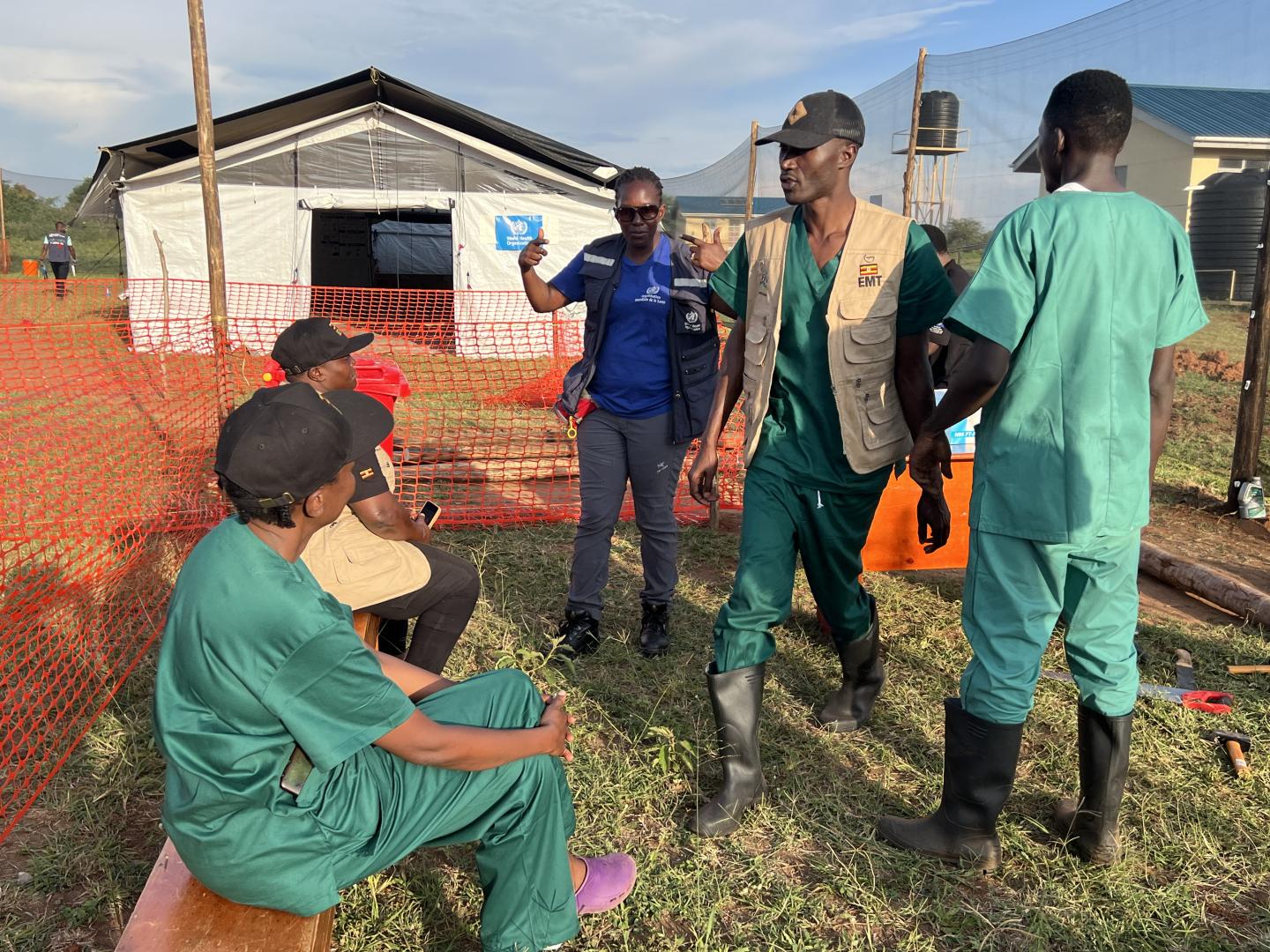
Kampala. The World Health Organization (WHO) with funding from the United States Agency for International Development (USAID) has supported Uganda’s Ministry of Health (MoH) to deploy the national Emergency Medical Team (nEMT) in the mpox outbreak response.
Uganda declared an outbreak of mpox on 24 July 2024, following confirmation of two cases in Kasese District. The outbreak has progressed since the declaration to affect over 70 districts with more than 2,000 cases reported across the country.
WHO, CDC, and Partners Celebrate the 9th Graduation of Public Health Field Epidemiologists and Laboratory Leadership Fellows in Uganda
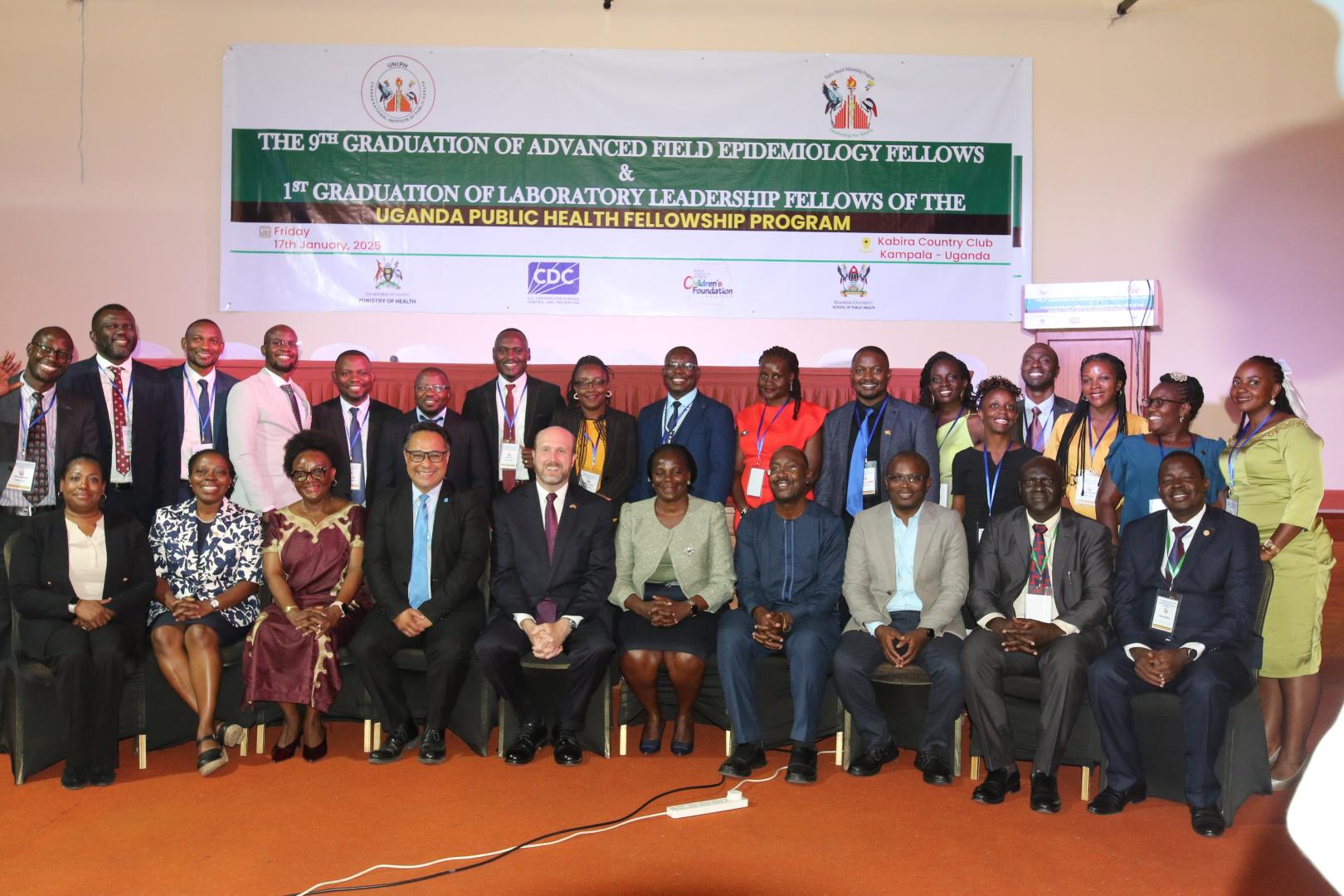
The World Health Organization (WHO), in partnership with the Ministry of Health, the Centers for Disease Control and Prevention (CDC), Baylor College of Medicine Children’s Foundation-Uganda, and Makerere University, celebrated two significant milestones at the Uganda Public Health Institute: the 9th graduation of Public Health Field Epidemiologists and the inaugural graduation of Laboratory Leadership Fellows.
The human papillomavirus (HPV) single-dose schedule elevated the total number of vaccinated girls in Ethiopia to over 13 million
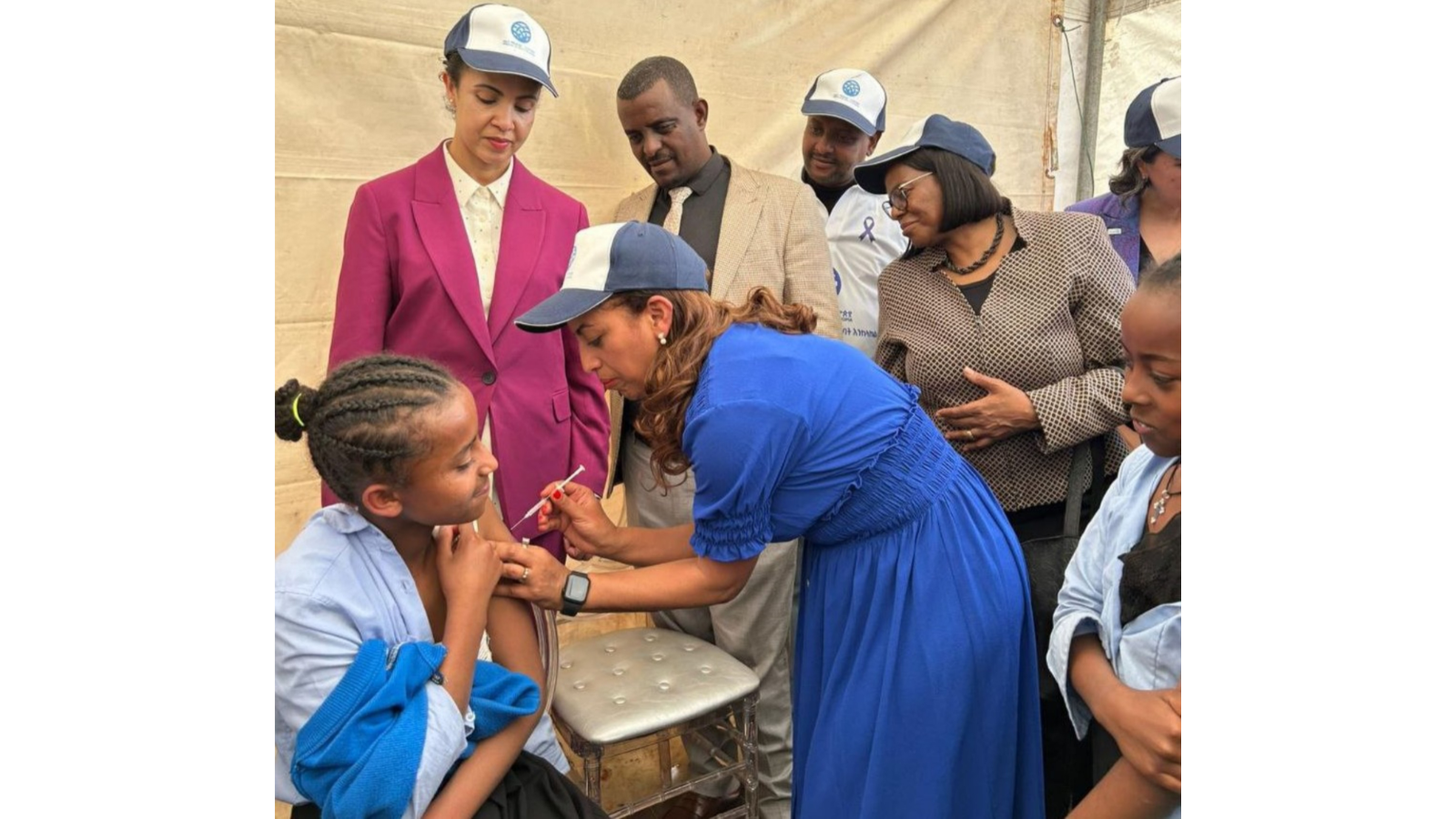
The Ministry of Health of Ethiopia in its effort to prevent cervical cancer and ensure a healthier population conducted the human papillomavirus (HPV) vaccination campaign nationwide with support from Gavi the Vaccine Alliance (Gavi) reaching over 6.8 million Multi-Age Cohort (MAC) 9-14 years girls. The nationwide HPV (MAC) single-dose vaccination was launched on 18 November 2024 by H.E. Dr Mekdes Daba, Health Minister to Ethiopia, and graced by representatives from Gavi, WHO, UNICEF, and other immunization partners.
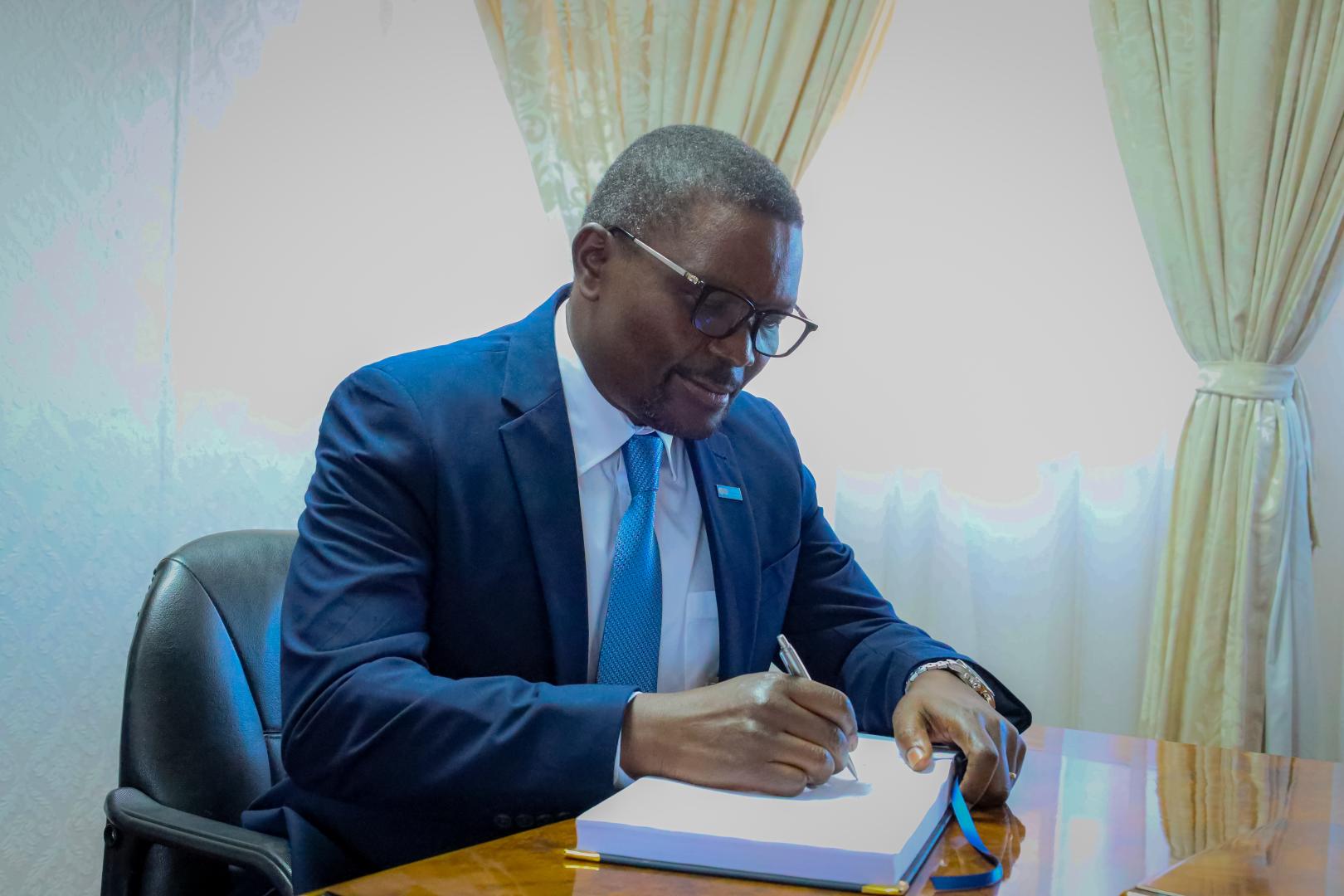
New World Health Organization (WHO) Representative to Lesotho presents credentials
WHO support for Tanzania’s response to suspected Marburg virus disease outbreak

Malawi introduce the VigiMobile AEFI reporting tool
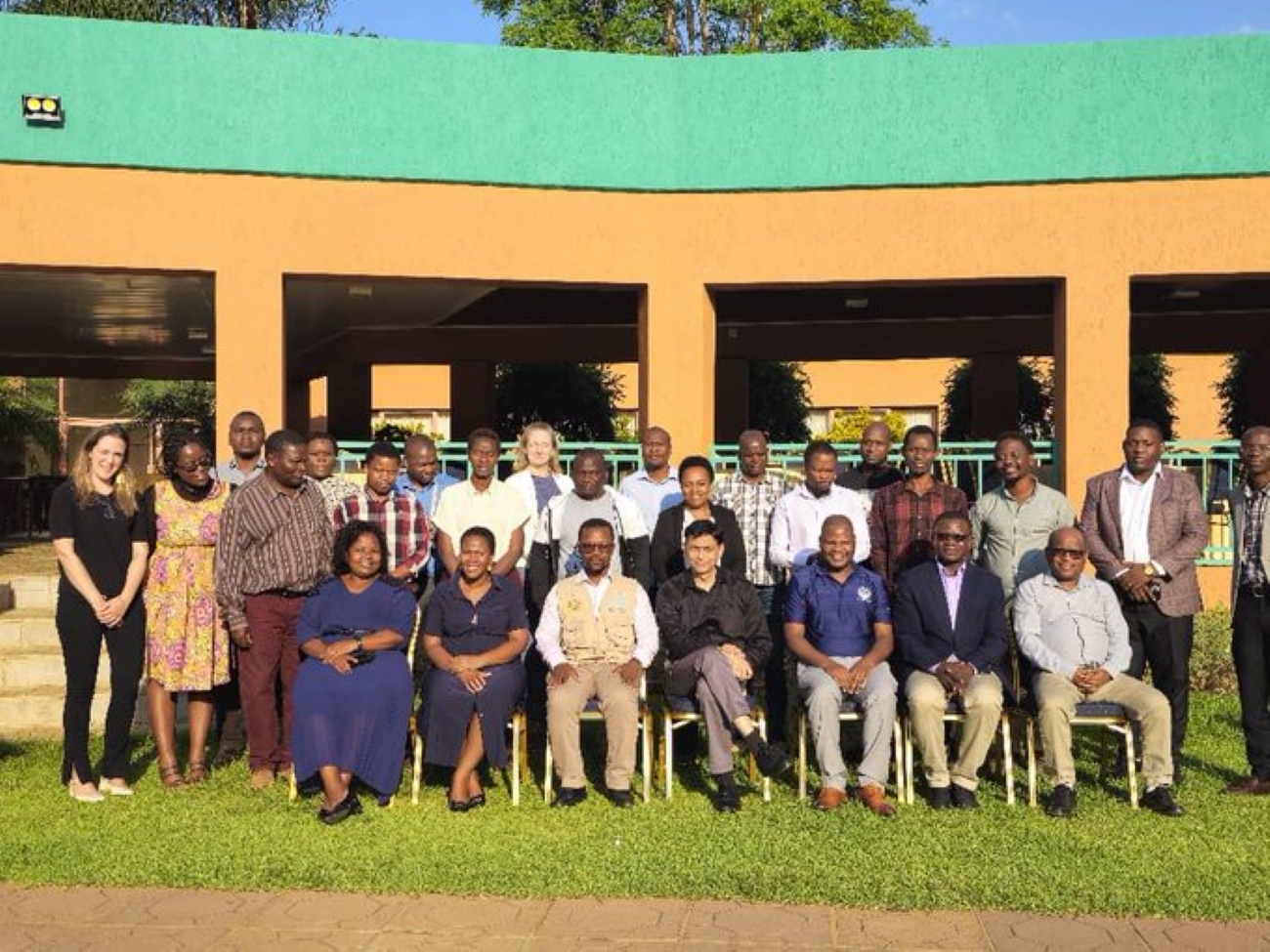
Malawi has become the sixth country to introduce the VigiMobile Adverse Event Following Immunization (AEFI) reporting tool. Over the past years, Malawi has made tremendous strides in improving its vaccine safety surveillance system. This has been shown in its ability to meet the minimum requirement of reporting 1 serious AEFI per million population and the ability to report over 1600 AEFI between January and November 2024.
Health Experts gather in Palapye to finalize the National Malaria Strategic Plan
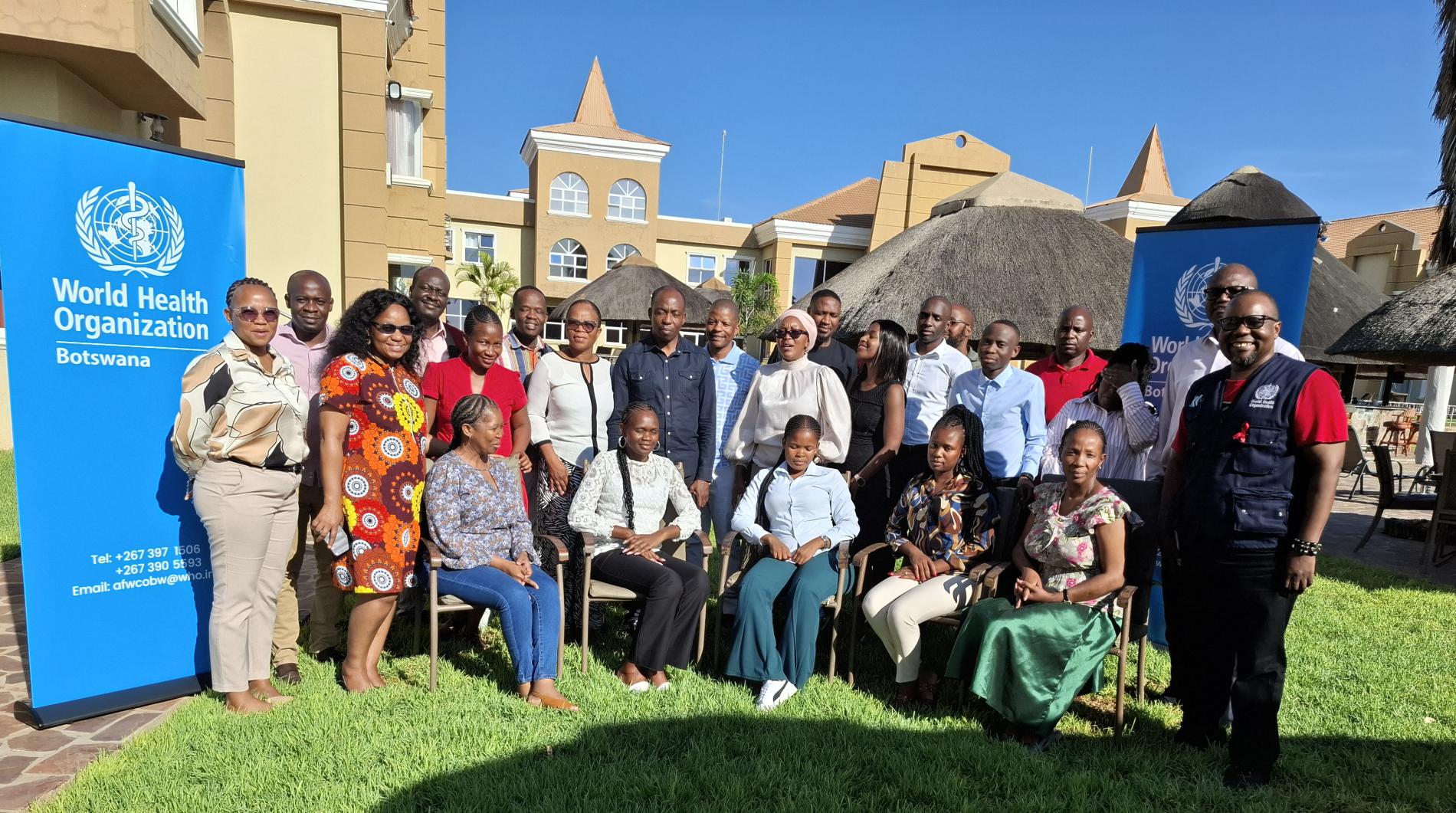
Botswana has ramped up its commitment to malaria elimination, convening a critical workshop in Palapye from December 16–20, 2024, to finalize the National Malaria Strategic Plan (NMSP) for 2025–2029. Supported by WHO Botswana, the five-day workshop brought together health experts, policymakers, and key stakeholders to develop a roadmap for achieving malaria-free status by 2029. Dr.
Addressing Mental Health Challenges for Akosombo Dam Flood Victims
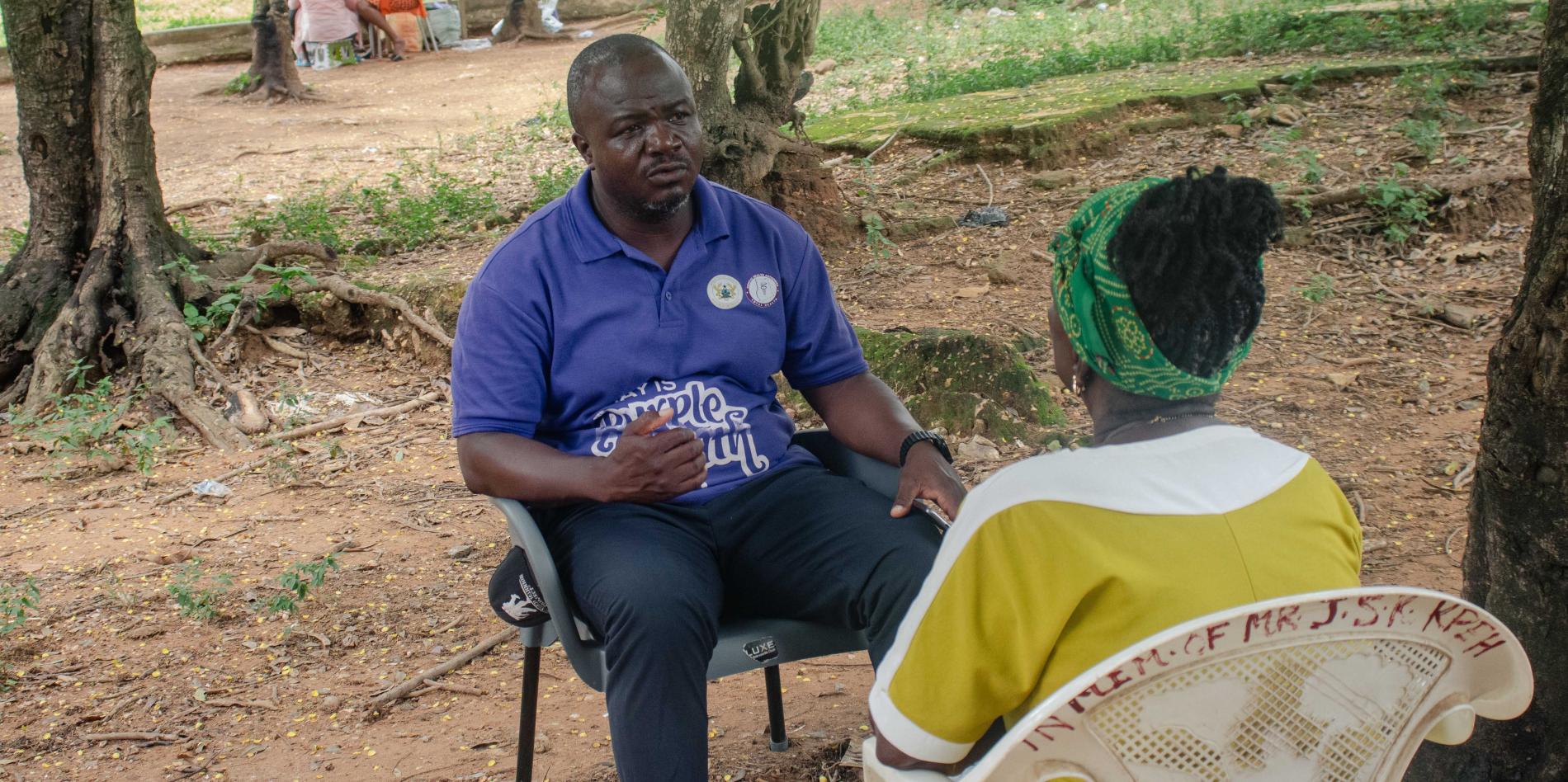
In October 2023, the spillage of the Akosombo Dam caused catastrophic flooding in some districts of the Eastern, Volta, and Greater Accra regions, displacing thousands of people and leaving a trail of destruction. For many, the flood was more than a physical disaster—it was a profound emotional shock. Families woke up to find their homes submerged, their belongings destroyed, and their lives turned upside down.
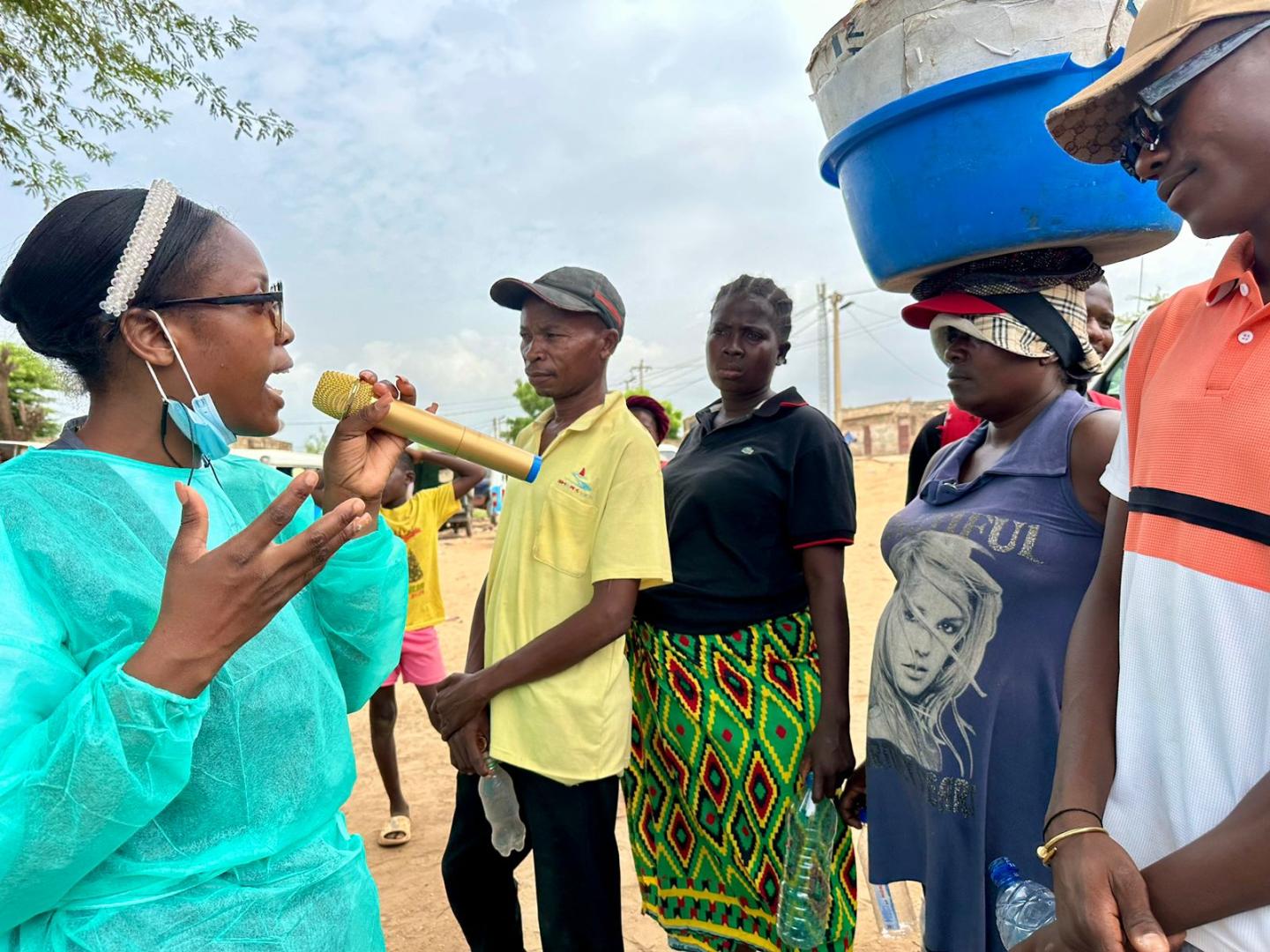
WHO Participates in High-Level Meeting on Cholera Outbreak in Angola
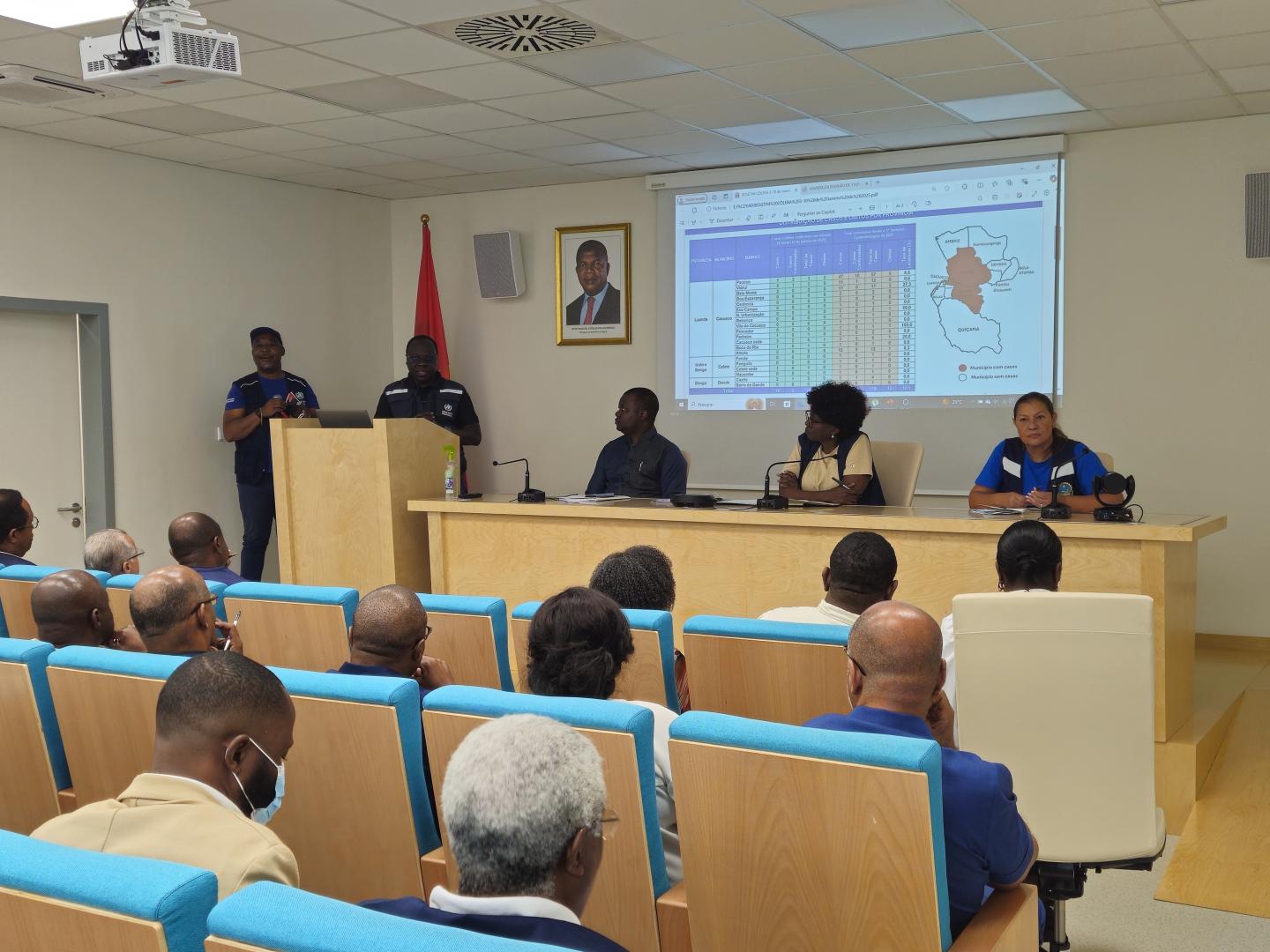
Luanda - On 11 January 2025, WHO took part in a high-level meeting convened by the Minister of Health at the General Hospital of Cacuaco to address Angola’s cholera. WHO commended the Governments actions to effectively coordinate a multisector team, timely detect and respond to the outbreak including promptly sharing information with all relevant authorities in compliance with the International Health Regulations (IHR 2005).