WHO, partners tip over 200 Journalists in Uganda on Mpox and Marburg
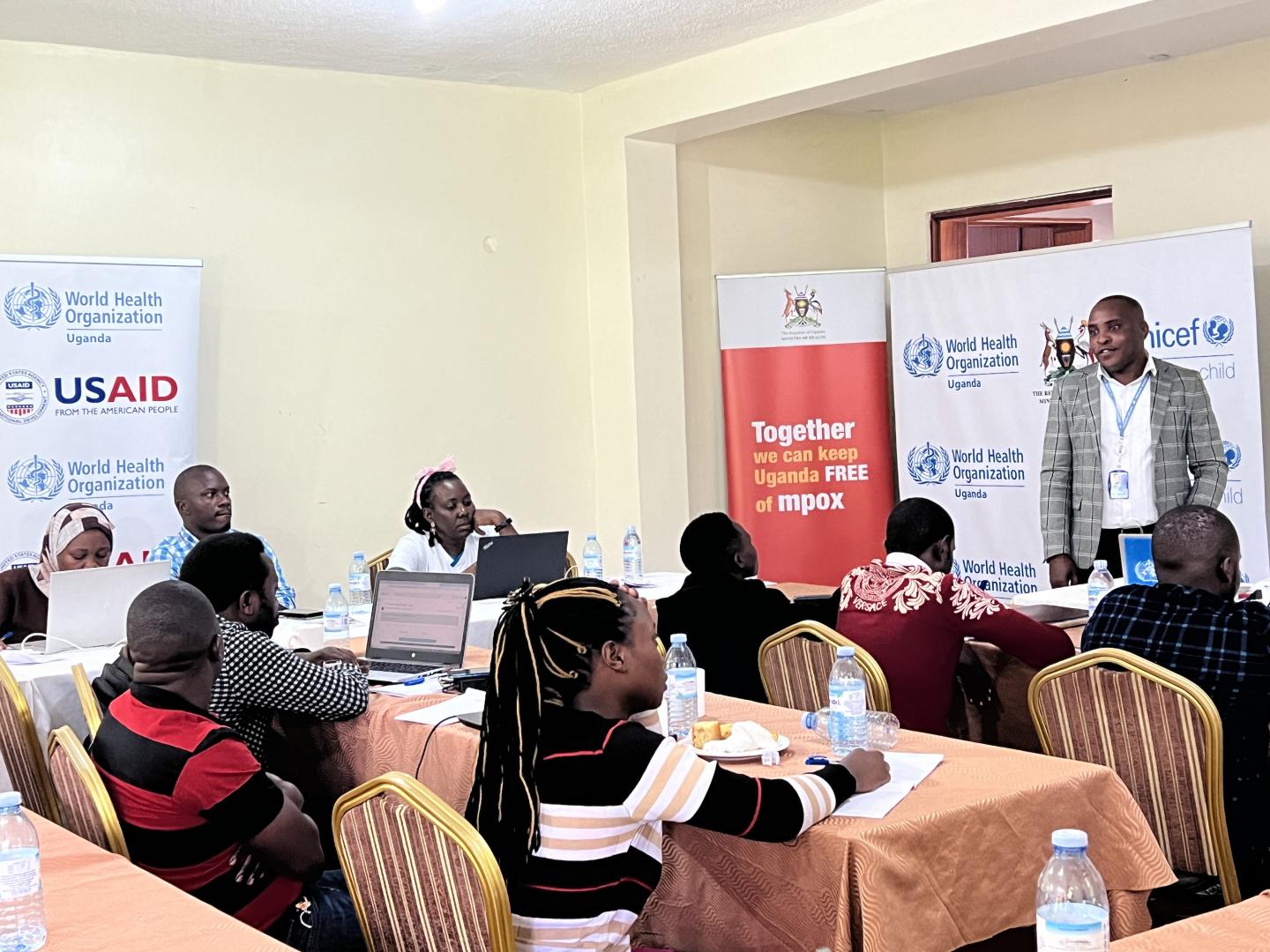
Uganda’s Ministry of Health (MOH), World Health Organization (WHO), United Nations Children’s Fund (UNICEF) in collaboration with the African Centre for Media Excellence (ACME) oriented over 200 journalists countrywide on the mpox outbreak and preparedness for a possible Marburg outbreak. The orientation was conducted in different batches over a three-week period targeting reporters and editors at national and regional levels.
Honoring Victims of Traffic Crashes: Africa Road Safety Day and World Day of Remembrance for Road Traffic Victims
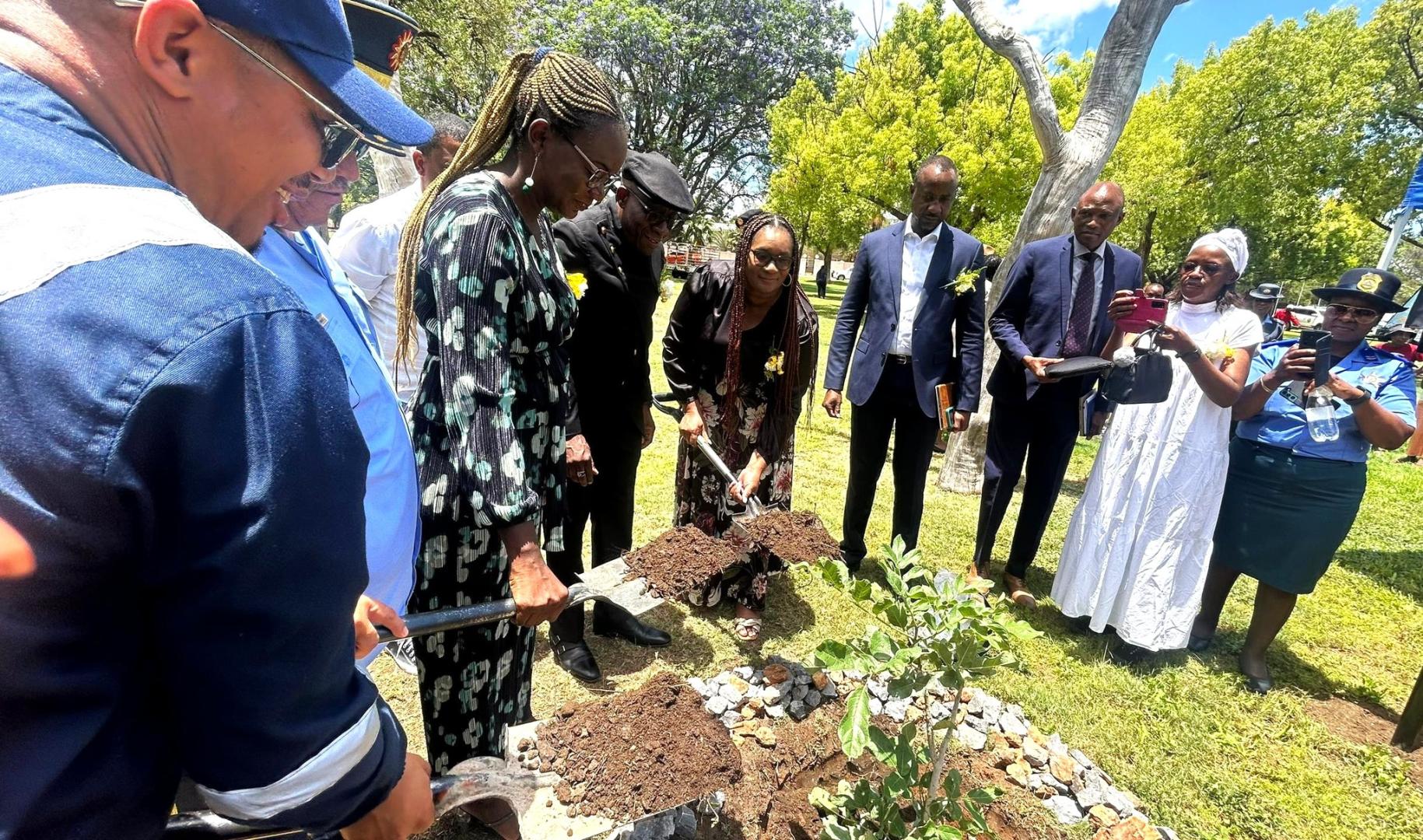
On 17 November 2024, Namibia joined the rest of Africa in commemorating Africa Road Safety Day and the World Day of Remembrance for Road Traffic Victims in Tsumeb, Oshikoto Region. This significant event, observed on the third Sunday of November every year, highlights the urgent need for better road safety measures, the preservation of human life and support for those affected by road traffic crashes. It is a time to remember victims, advocate for improved post-crash responses, and take action to save lives across the continent.
WHO Supports Ghana in Developing Landmark 2023 STEPS Report to Address Non-Communicable Disease Risk Factors
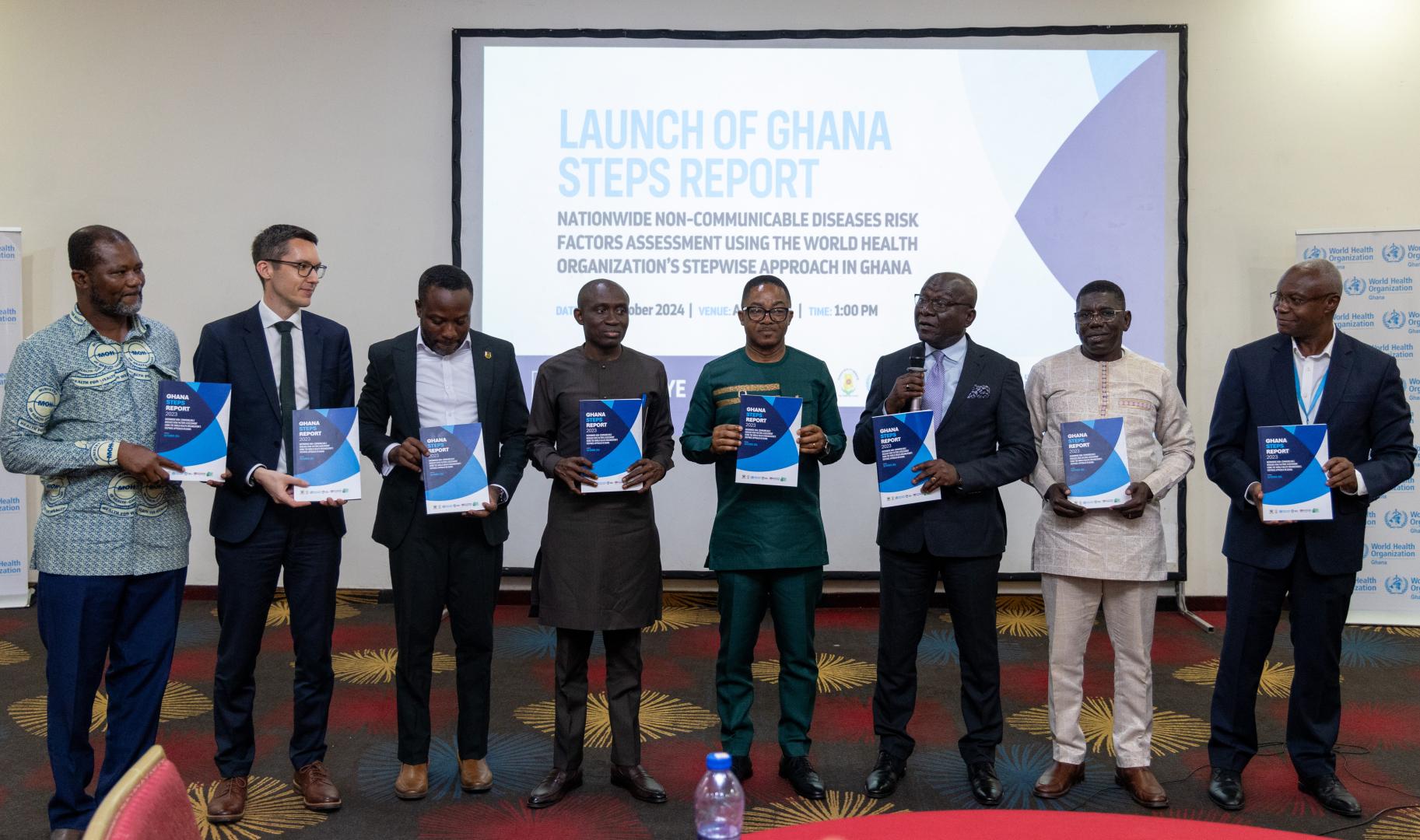
Non-communicable diseases (NCDs) have emerged as one of the most significant health and development challenges of the 21st century. These diseases, which include cardiovascular diseases, cancers, chronic respiratory diseases, and diabetes, are responsible for 41 million deaths each year, with 85% of premature deaths occurring in low- and middle-income countries.
Advancing Diabetes Care in Ghana: WHO’s Collaborative Efforts on the Path to Better Health
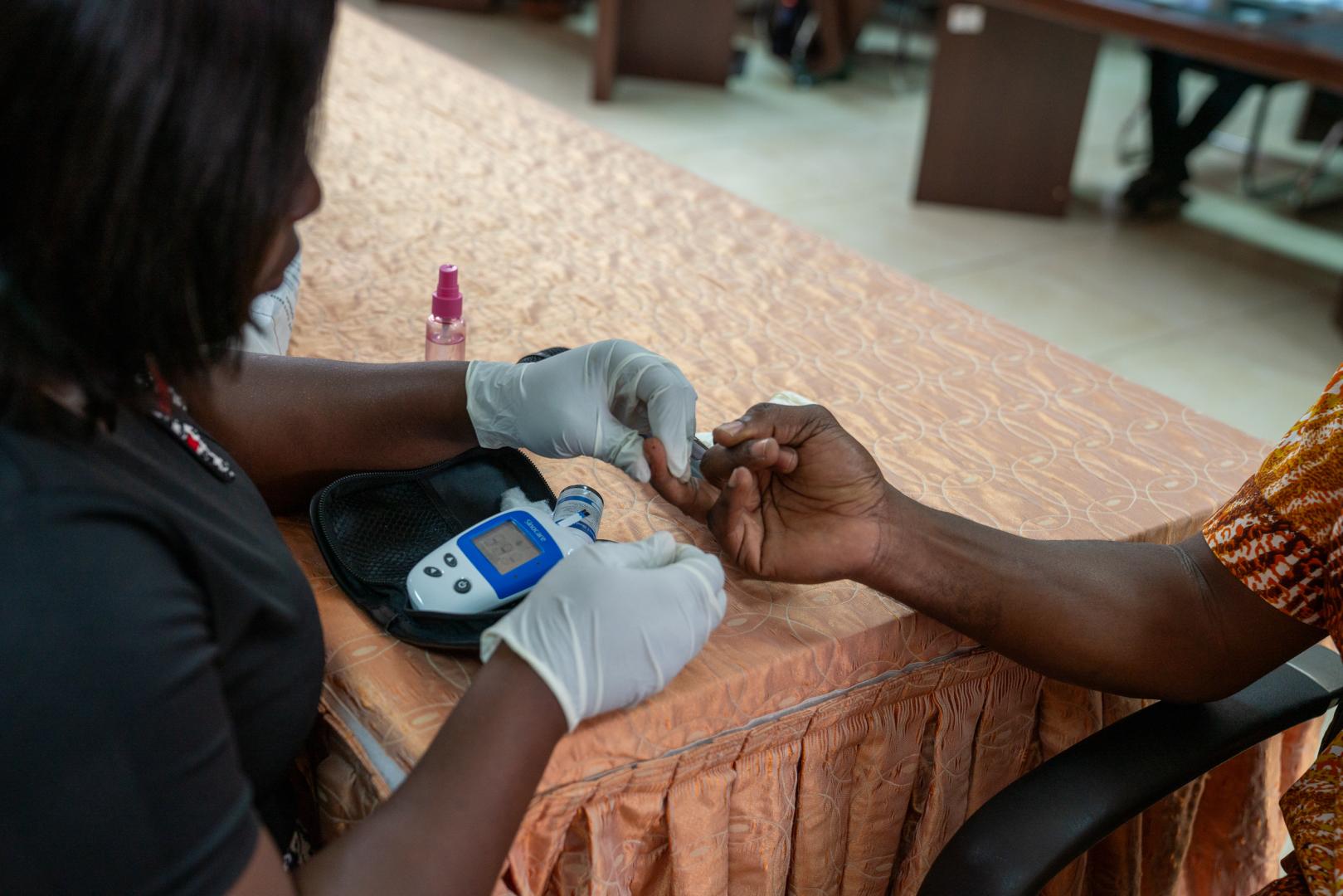
By Dr Joana Ansong, Team Lead for the Universal Health Coverage, Communicable and Noncommunicable
WHO Equatorial Guinea hosts staff retreat to strengthen teamwork and drive progress
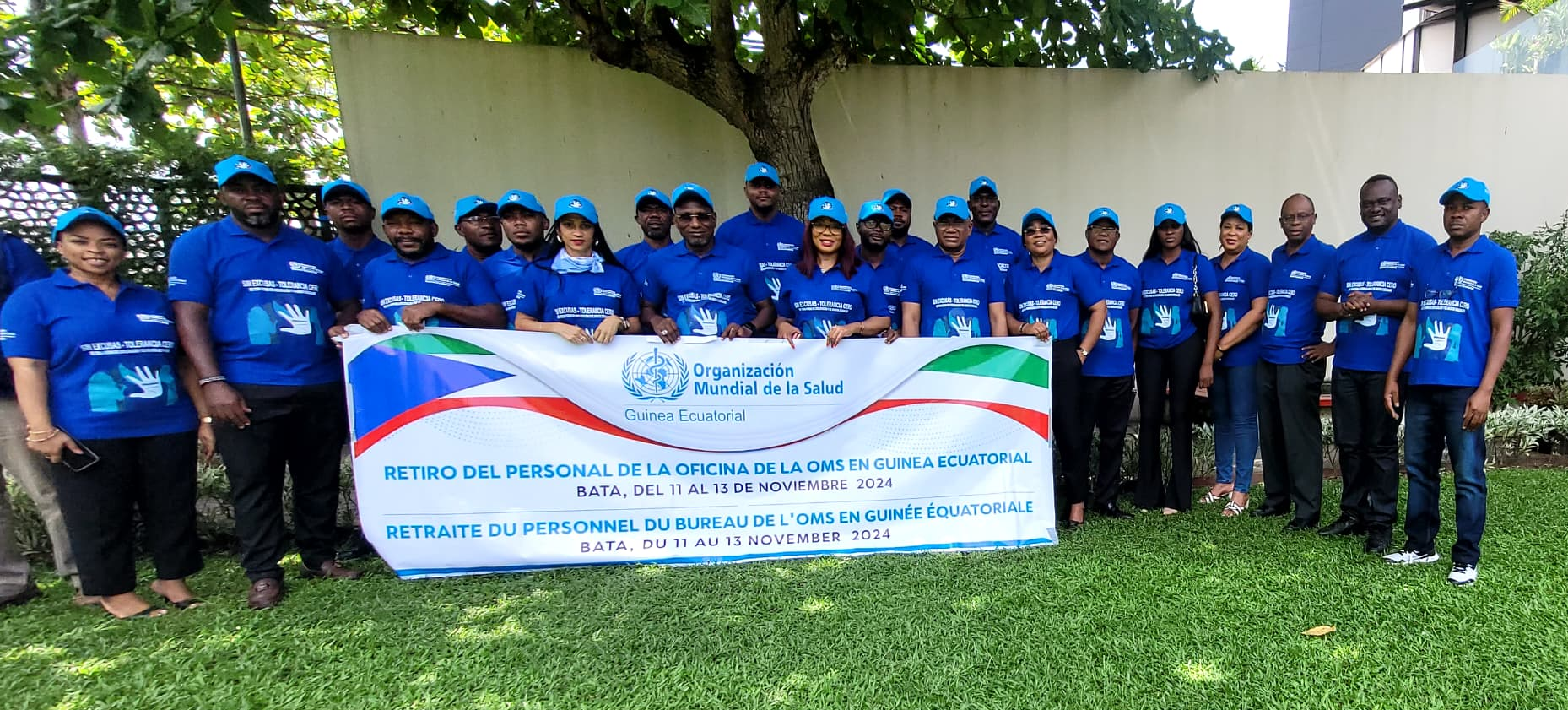
Malabo – WHO Country Office in Equatorial Guinea organized a staff retreat between the 11 – 13 November 2024, in Bata city of the Continental Region to strengthen teamwork and drive progress. The retreat provided staff members an opportunity to discuss progress, address challenges in their work, strengthen partnerships, and explore strategies for career growth and fulfillment.
Prioritise your health by knowing your blood sugar status and living a healthy lifestyle
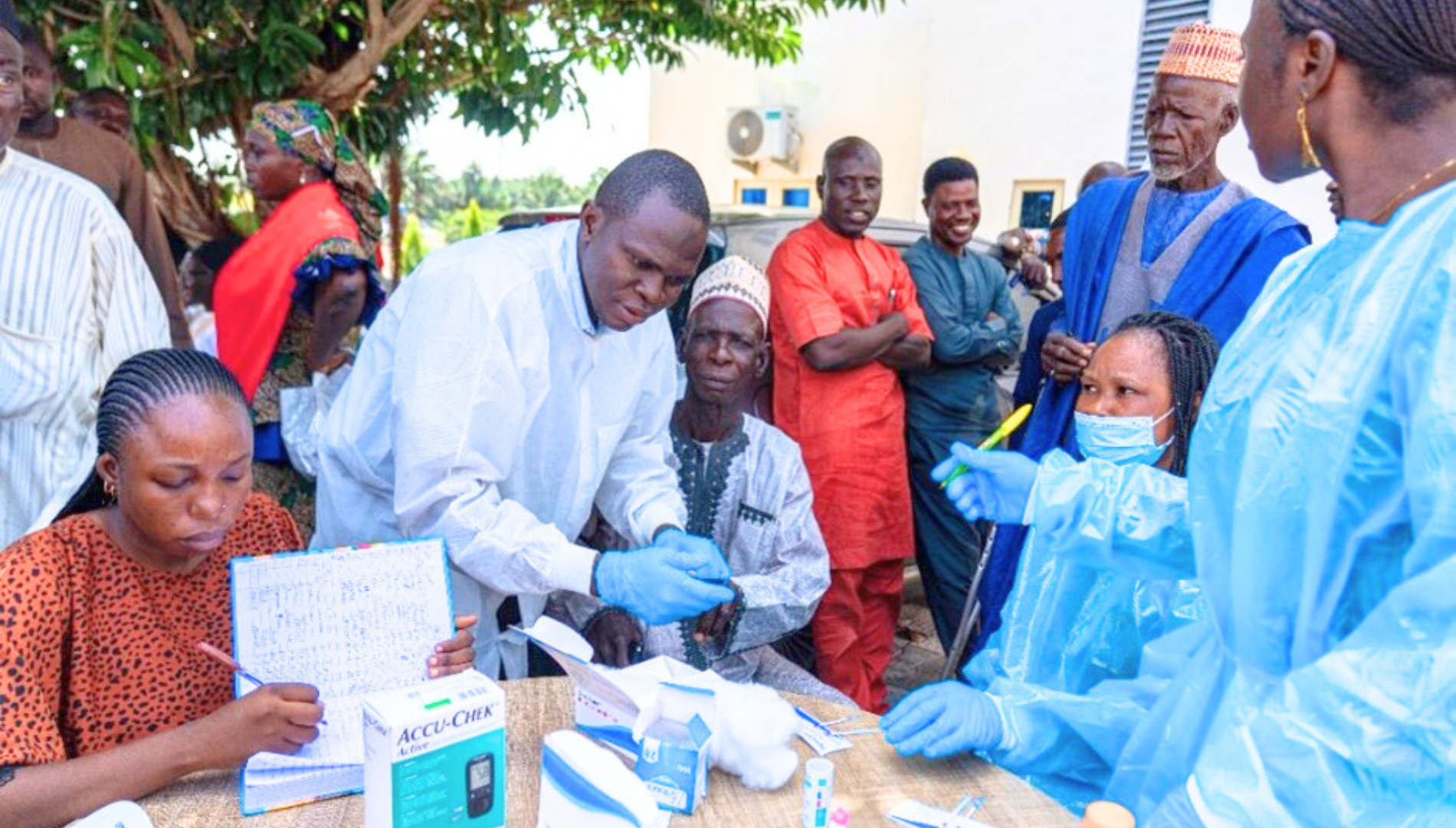
Lagos,18 November, 2024 - When 52-year-old Adeola Akinyemi, a trader residing in Lagos, received her Type 2 diabetes diagnosis ten years ago, her world shifted. The news came as a shock, yet it set her on a journey that would change her dietary and sedentary lifestyle.
“I remember feeling constantly tired, always thirsty, and frequent the toilet at night”, says Adeola. “I was losing weight rapidly despite eating well. It wasn’t until I went for a routine check-up that I discovered my blood sugar levels were dangerously high.”
WHO Uganda Recognized for Excellence at the 2024 Heroes in Health Awards
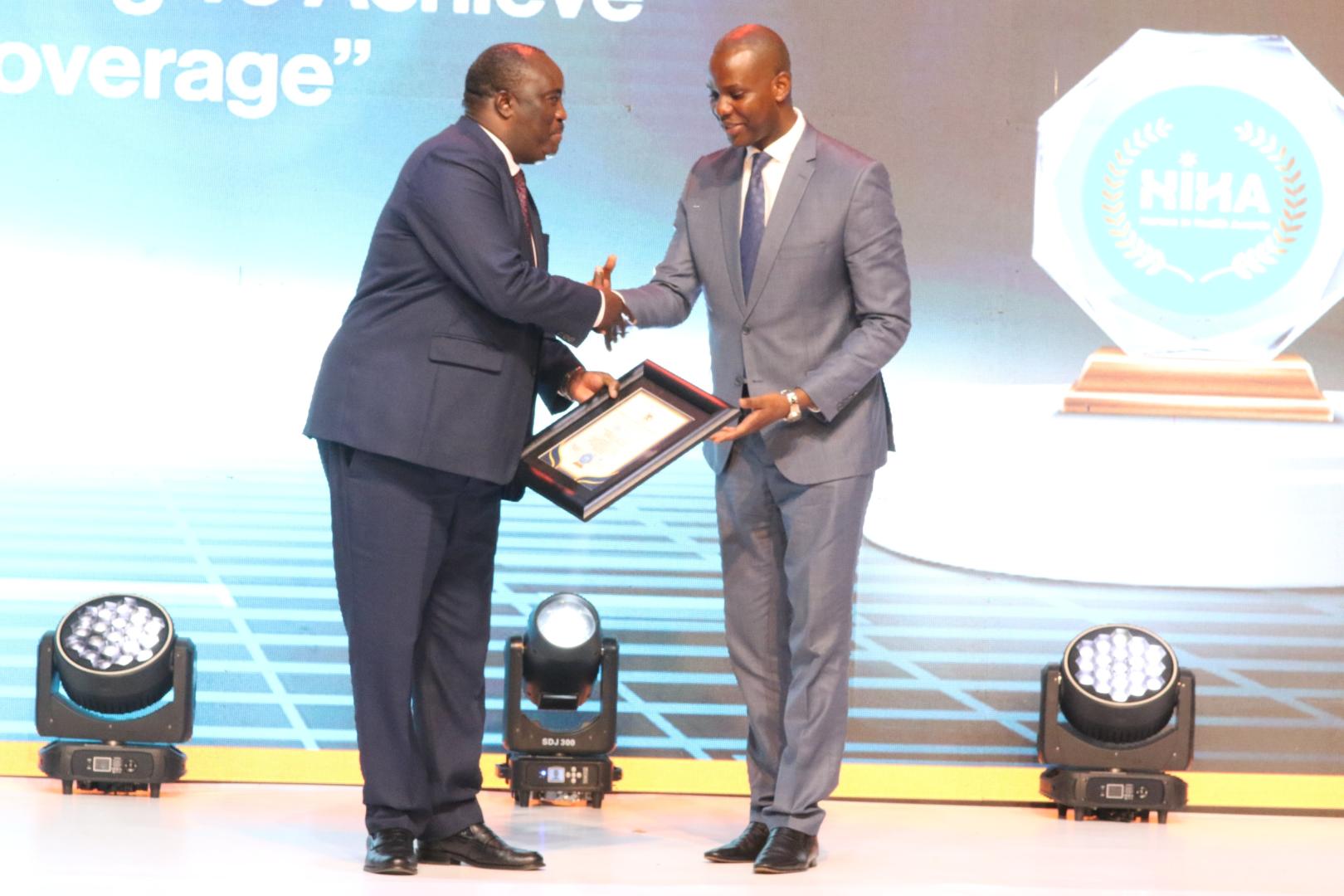
Kampala, Uganda– The fifth edition of the Heroes in Health Awards (HIHA) recognized and celebrated individuals and institutions making exceptional contributions to Uganda’s health sector.
Vaccinate to protect everyone!
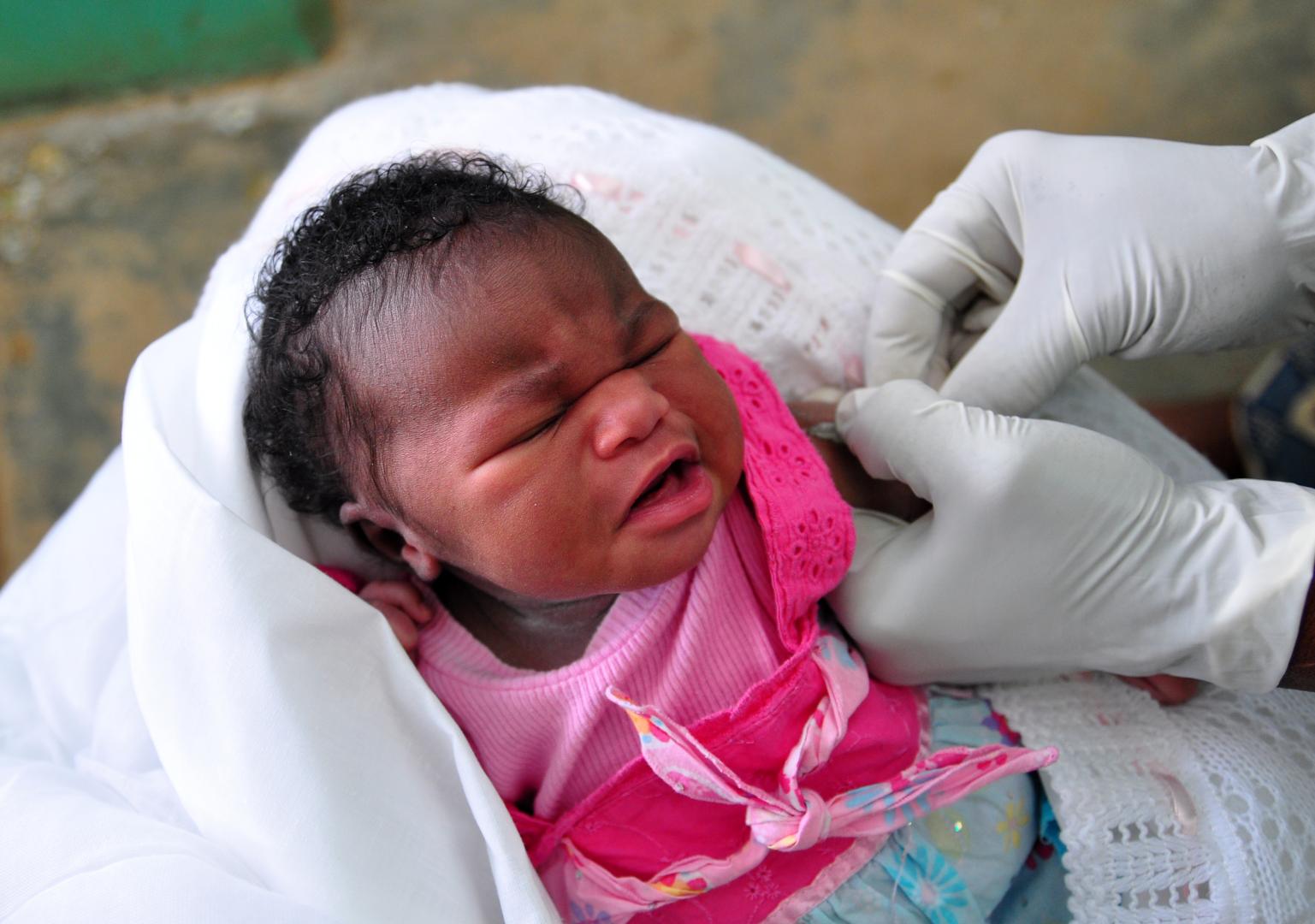
In our constant quest to promote a healthy lifestyle, we still face the challenge of protecting ourselves against pathogens that challenge our immune system. In this context, vaccines emerge as a powerful ally, strengthening our natural defence and reducing disease risk. Exploring the essential role of vaccines in maintaining an entire and healthy life is crucial to understanding how to guarantee energy and vitality in the face of everyday challenges.
WHO delivers essential medical supplies to combat substance abuse in Liberia
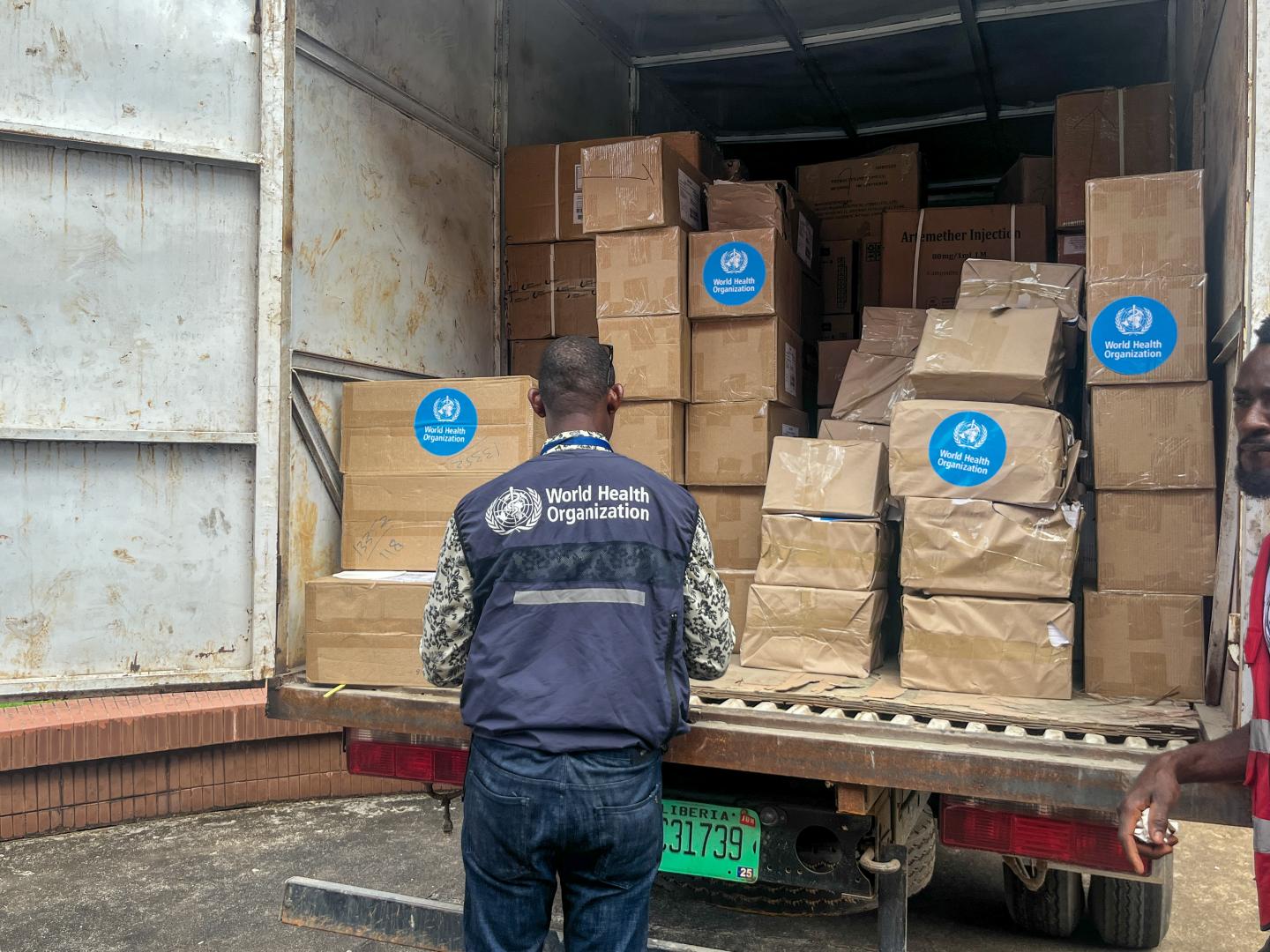
The World Health Organization (WHO) has taken a significant step towards addressing the growing issue of substance abuse in Liberia by donating essential medical supplies to the Ministry of Health (MOH). This timely intervention, supported by the United Nations Peacebuilding Fund, will empower healthcare providers to effectively treat and rehabilitate at-risk youth suffering from substance-use disorders (SUDs).