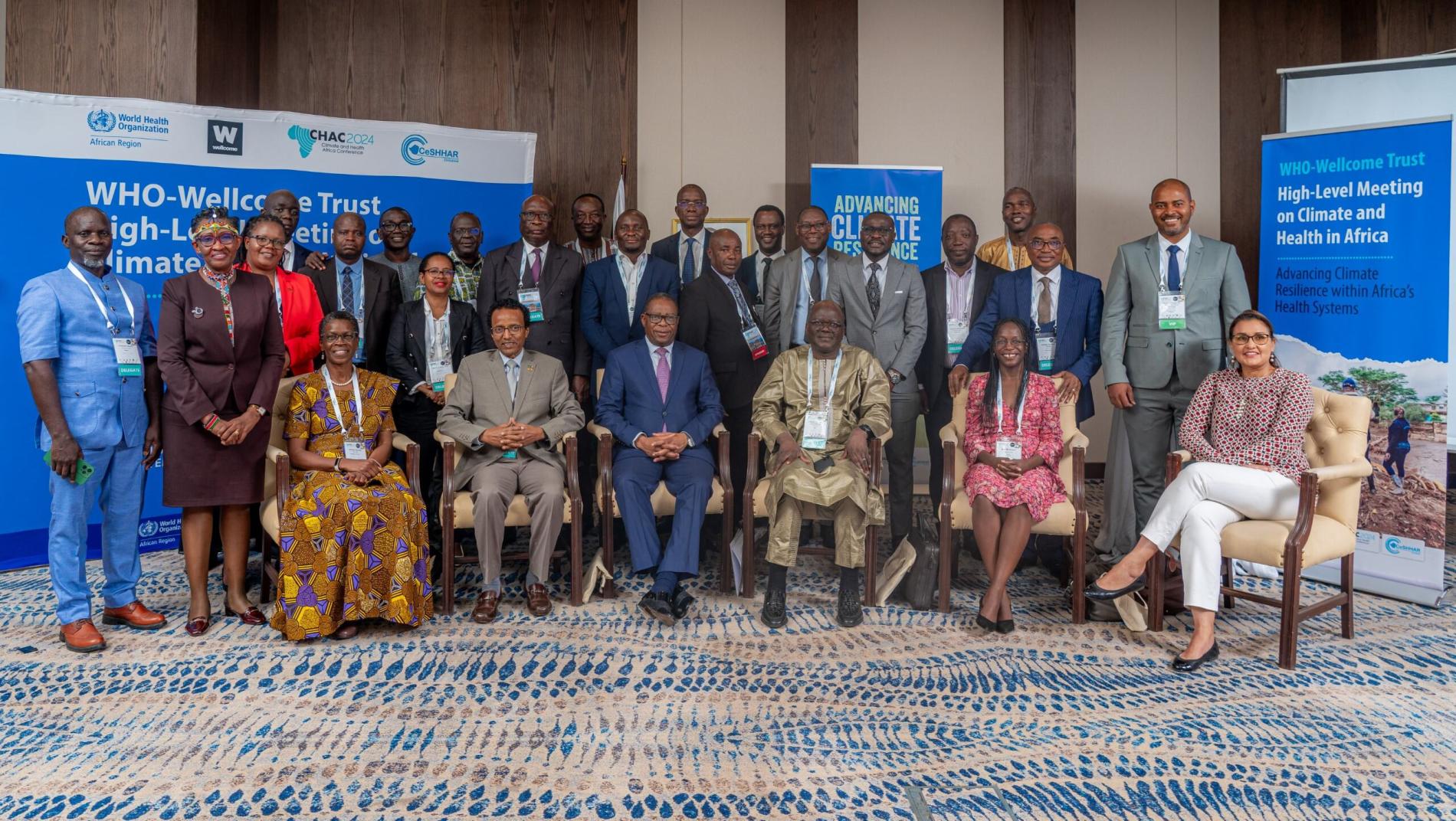
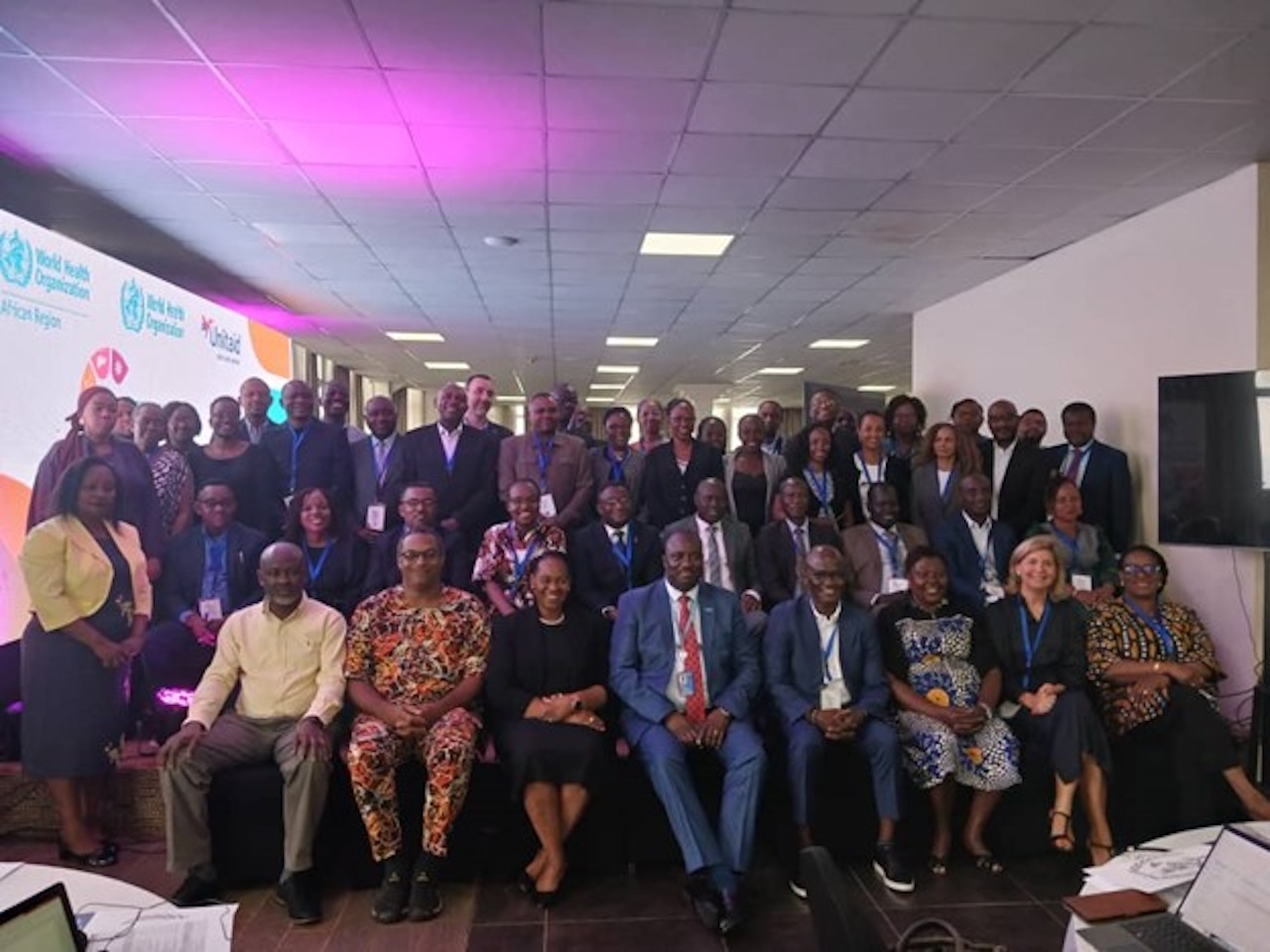
African health ministers, delegates adopt declaration on climate change and health
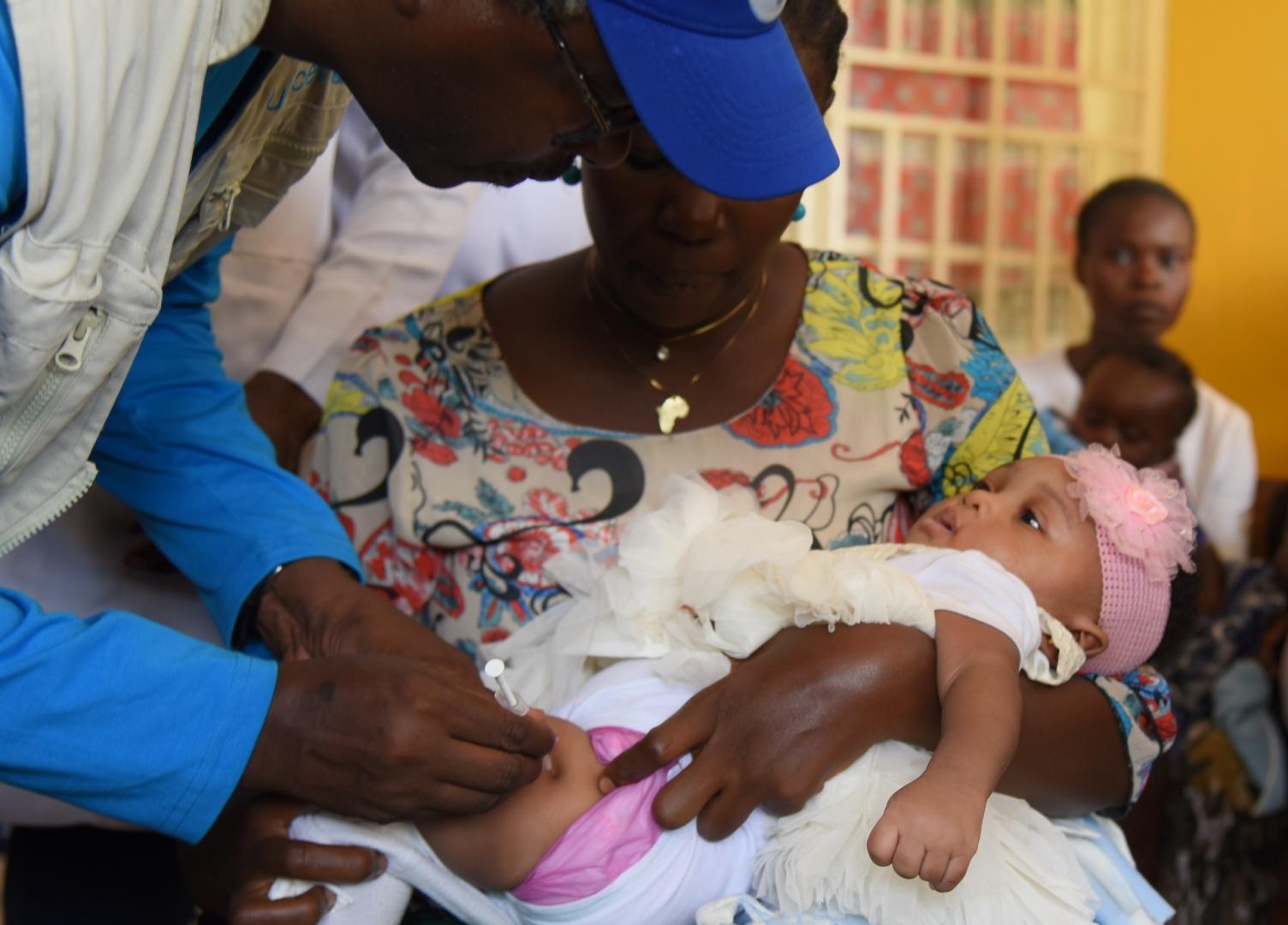
The Democratic Republic of the Congo introduces R21 malaria vaccine
Liberia launches the RMNCAH+N Policy 2024-2031 and the CSS
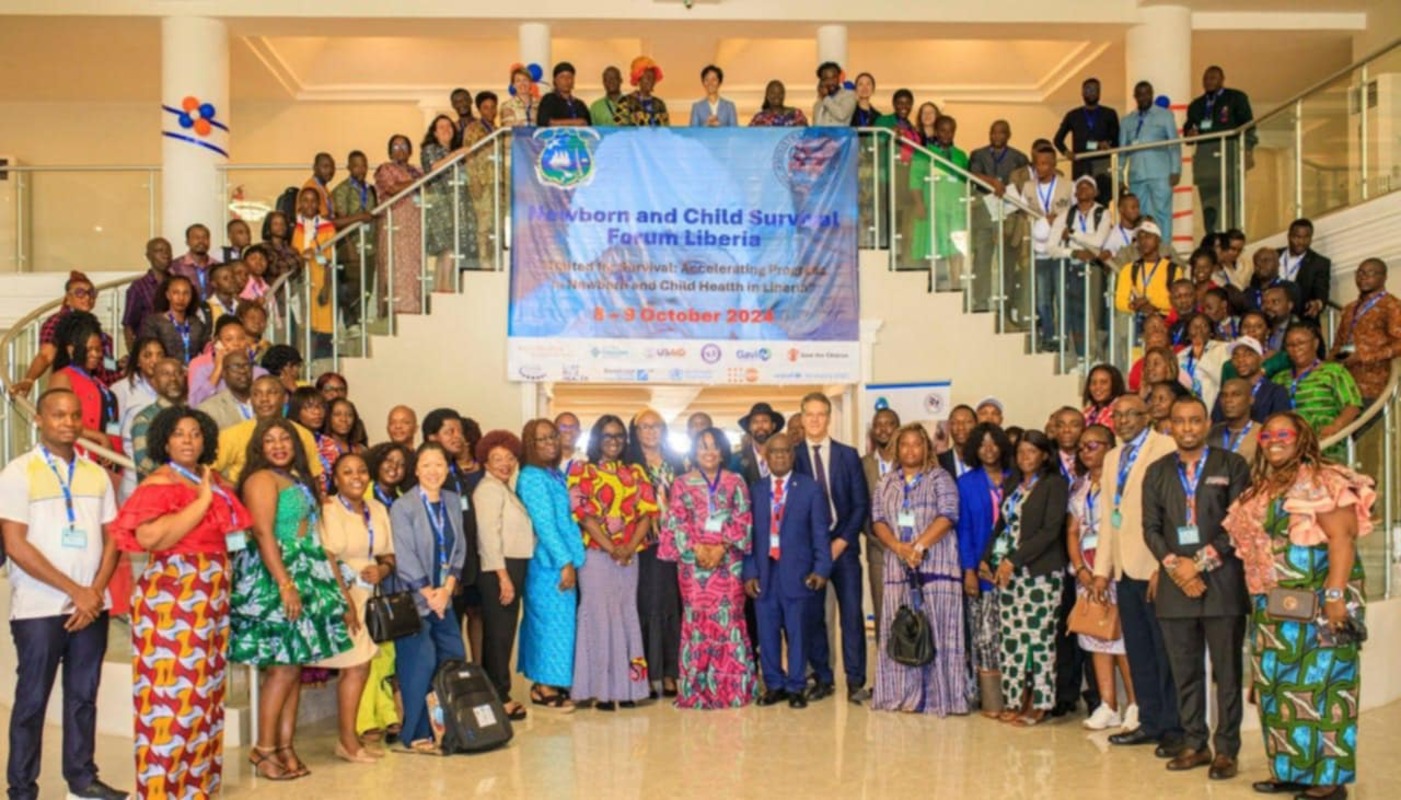
In a bold step towards accelerating the reduction of maternal and child mortalities, the Government of Liberia in partnership with UNICEF, the World Health Organization (WHO), and other partners, launched a comprehensive Reproductive Maternal Newborn Child and Adolescent Health and Nutrition Policy (RMNCAH+N) seven-year policy and the Child Survival Strategy (CSS) and action plan.
HIV Health Experts convene in Mahalapye to assess HIV Drug Resistance in Botswana
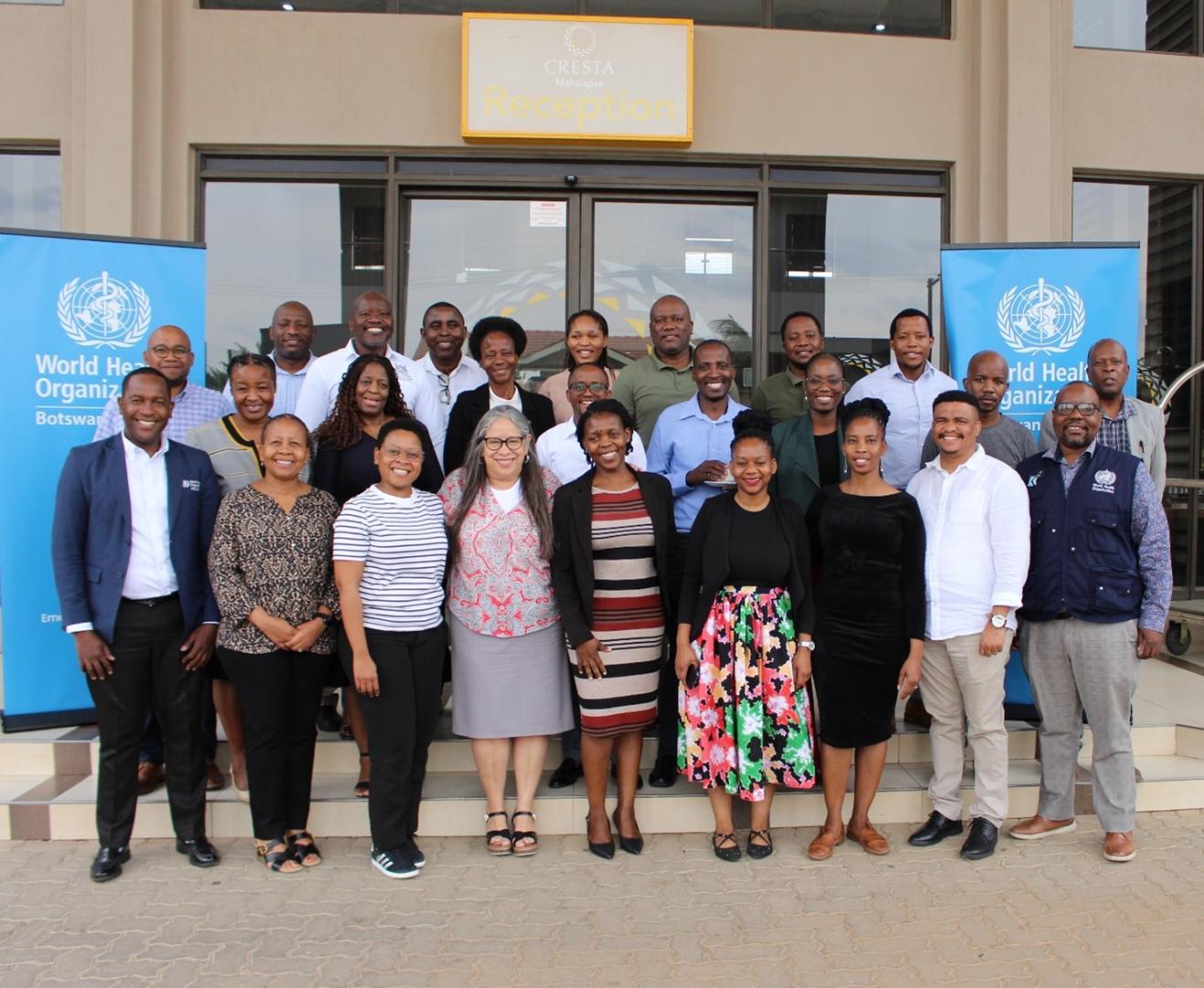
For several years, Botswana has made significant strides in its HIV treatment program, managing to control the spread of the virus effectively. However, with longevity of the program, introduces the potential for the virus to mutate and thus resistance to the current medications not work as effectively to suppress. , thus a growing concern over the rise of drug resistance now threatens this progress.
WHO in Africa, WomenLift Health sign pivotal agreement to strengthen women’s leadership in health

Addis Ababa – World Health Organization (WHO) in the African Region and WomenLift Health today crossed a major milestone, cementing a crucial partnership to bolster investments in women’s leadership in health and promote gender equity in the sector across the region.
HIV and Hepatitis Program Managers meet in Kampala to discuss how to close gaps in programmes and integrate NCDs and Mental Health services
South Sudan declares cholera outbreak in Renk, Upper Nile State

Juba, 28 October 2024—The Ministry of Health has declared a cholera outbreak today in Renk, Upper Nile State. This declaration comes after reports of 44 suspected cholera cases, and six laboratory-confirmed cases on 23 October 2024 in Renk, Upper Nile State. As of 27 October 2024, 49 cholera cases have been reported among refugees, returnees, and local communities.
Over 1 million children benefit from a Mass Drug Administration Campaign in Zimbabwe
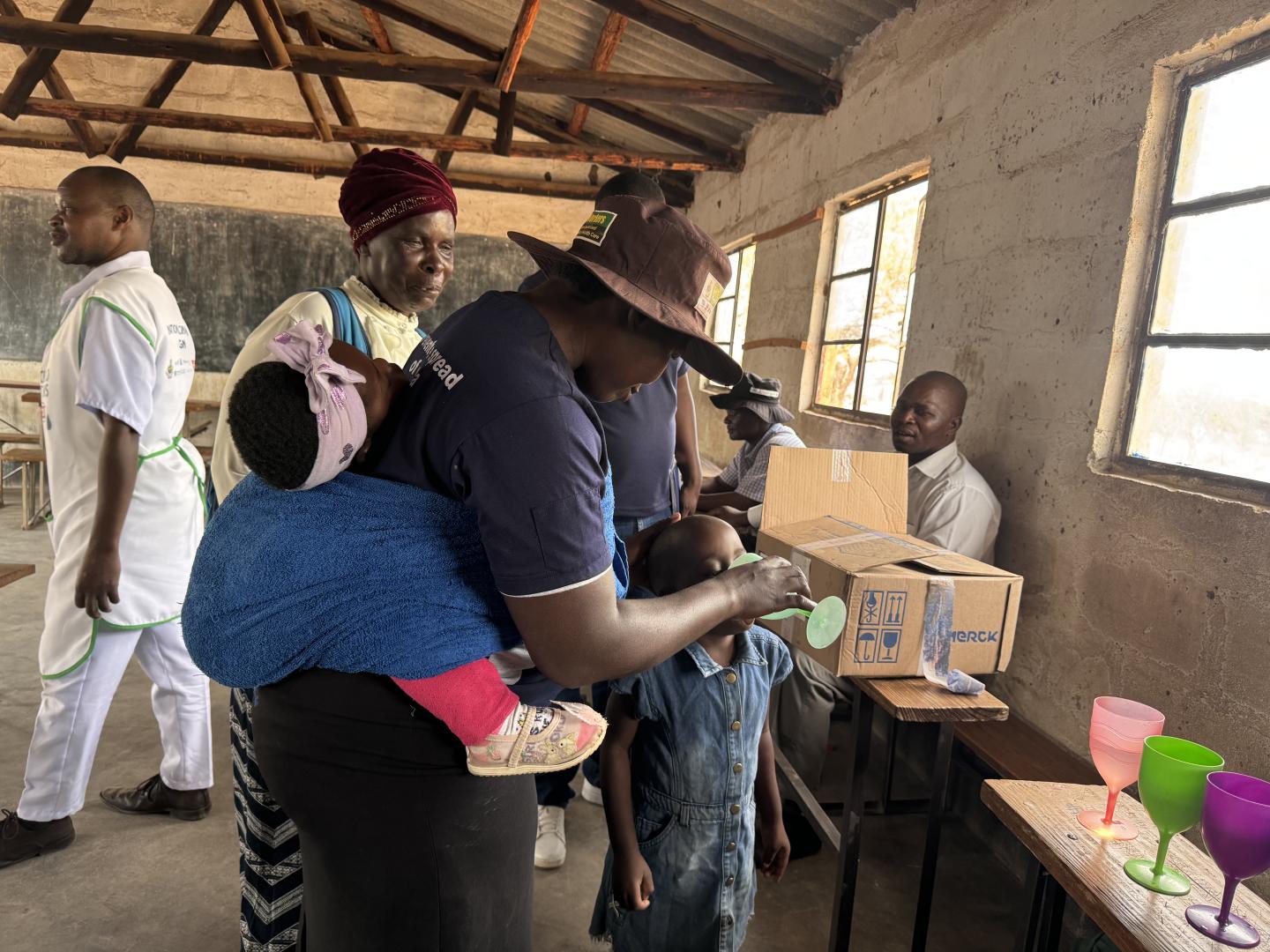
Masvingo - From 14 to 21 October 2024, the World Health Organization (WHO) supported a mass drug administration (MDA) campaign in Zimbabwe aimed at combating neglected tropical diseases (NTDs), specifically schistosomiasis (bilharzia) and soil-transmitted helminths (intestinal worms). This initiative successfully reached 1,306,043 individuals with treatment for schistosomiasis and 1,054,558 for intestinal worms, primarily targeting children under the age of 15 living in vulnerable communities.
Botswana sets sights on enhanced health outcomes with the development of new immunization strategy
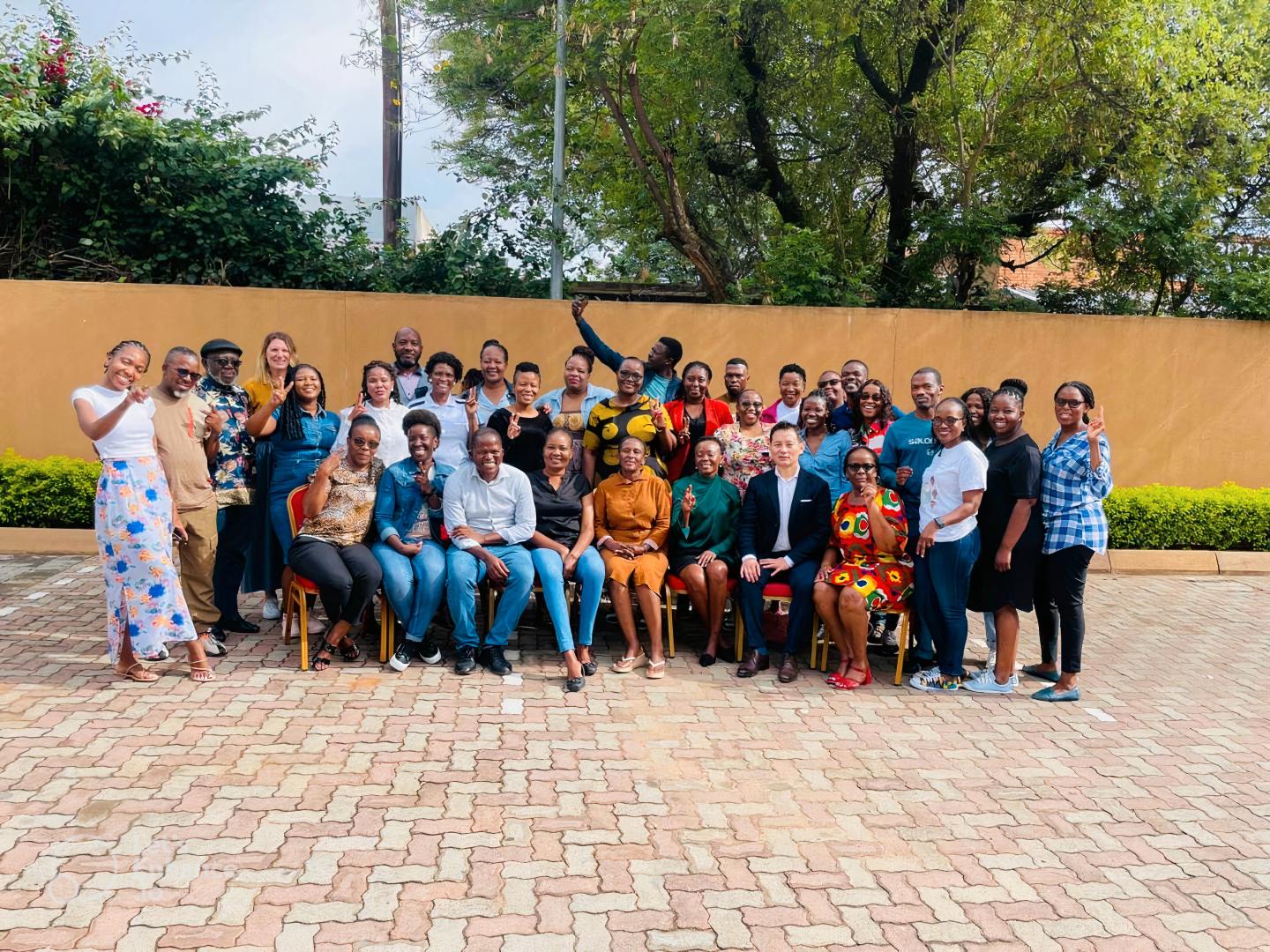
In a bold step toward strengthening public health, Botswana has developed its National Immunization Strategy (NIS) for 2025–2030. Spearheaded by the Ministry of Health's Child Health Division Expanded Program on Immunization (EPI) Unit, with critical support from the World Health Organization (WHO), UNICEF and key stakeholders. The strategy aims to ensure robust protection against vaccine-preventable diseases (VPDs) throughout the life course in alignment with regional and global immunization priorities, such as the Immunization Agenda 2030.
High level advocacy visits of WHO Deputy Executive Director for Mpox response in Uganda
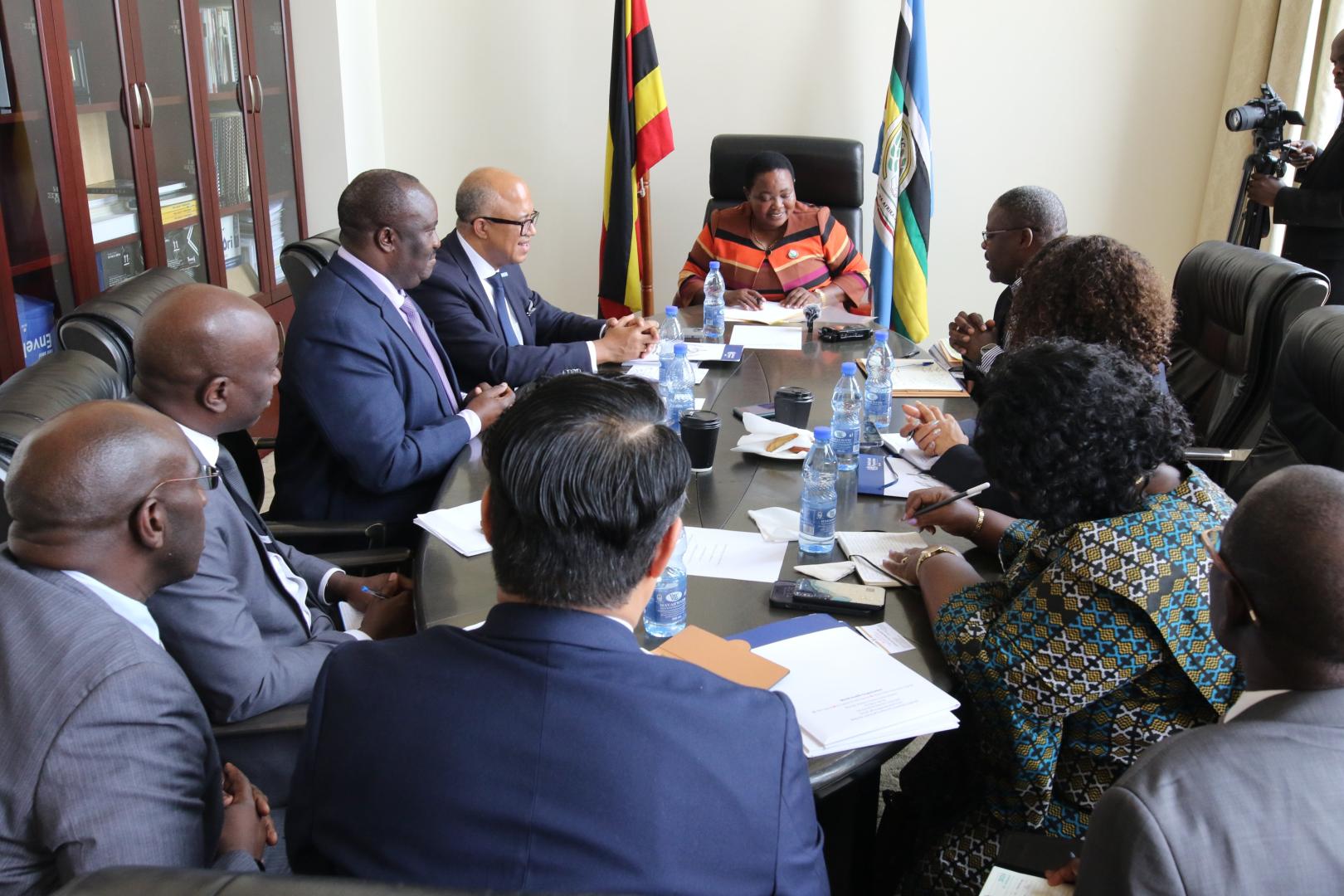
Kampala, Uganda– The World Health Organization Deputy Executive Director of the Health Emergency Programme, Dr. Chikwe Ihekweazu, and the World Health Organization Africa Regional Emergency Director, Dr. Abdou Salam Gueye, concluded a successful two-day advocacy visit to Uganda (24-25 October 2024).