Third Round of Polio Vaccination Campaign Completed in Sierra Leone: Safeguarding Every Child's Future
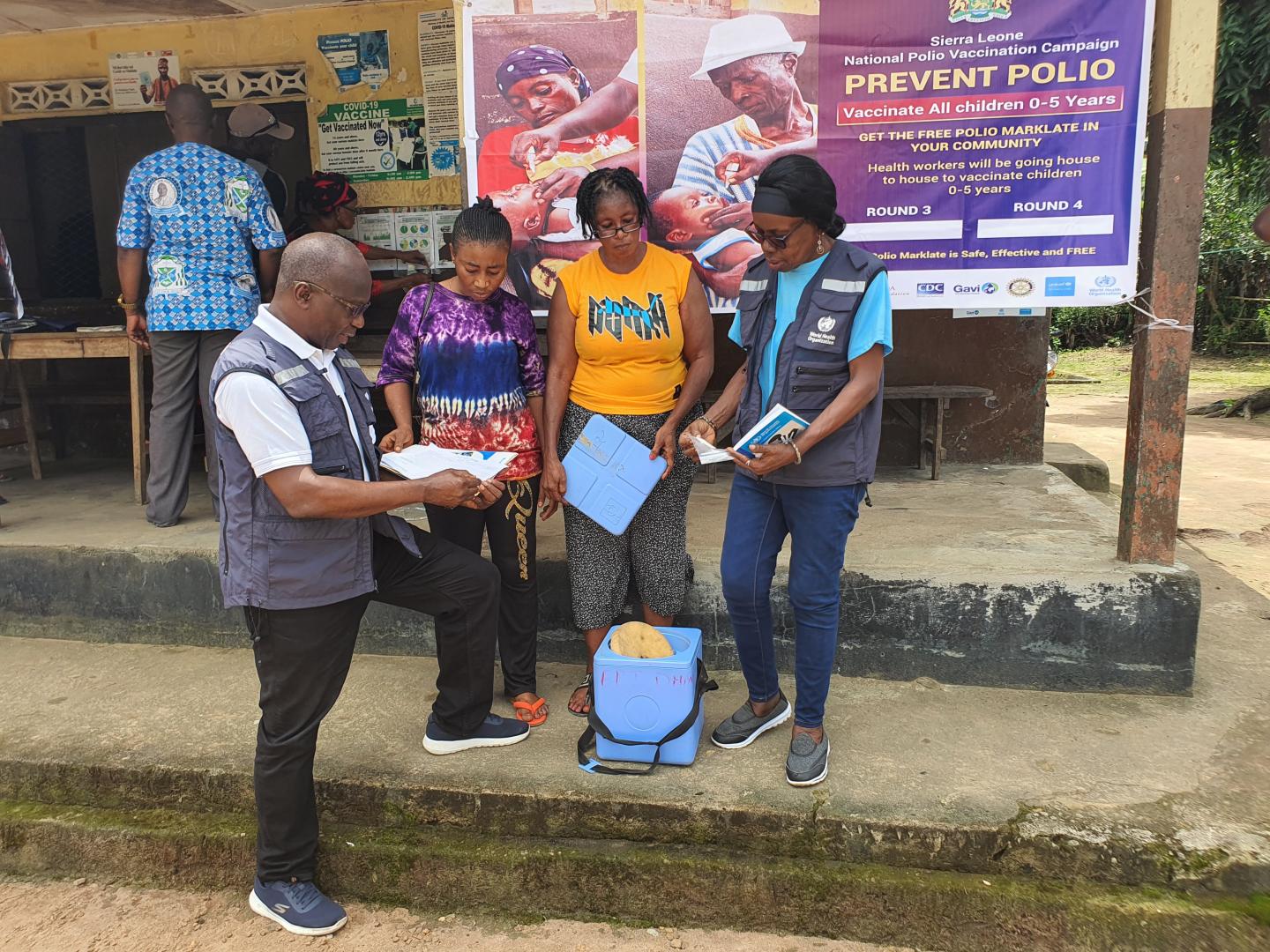
Freetown, Sierra Leone – The Ministry of Health (MoH) and the National Public Health Agency (NPHA), in collaboration with WHO, UNICEF, and other global partners, successfully concluded the third round of the nationwide polio vaccination campaign. Conducted from September 27 to 30, 2024, this phase covered all regions except the Western Area districts, which followed from October 11 to 14, 2024.
Health Development partners discuss Mpox Response and Marburg Readiness in Uganda
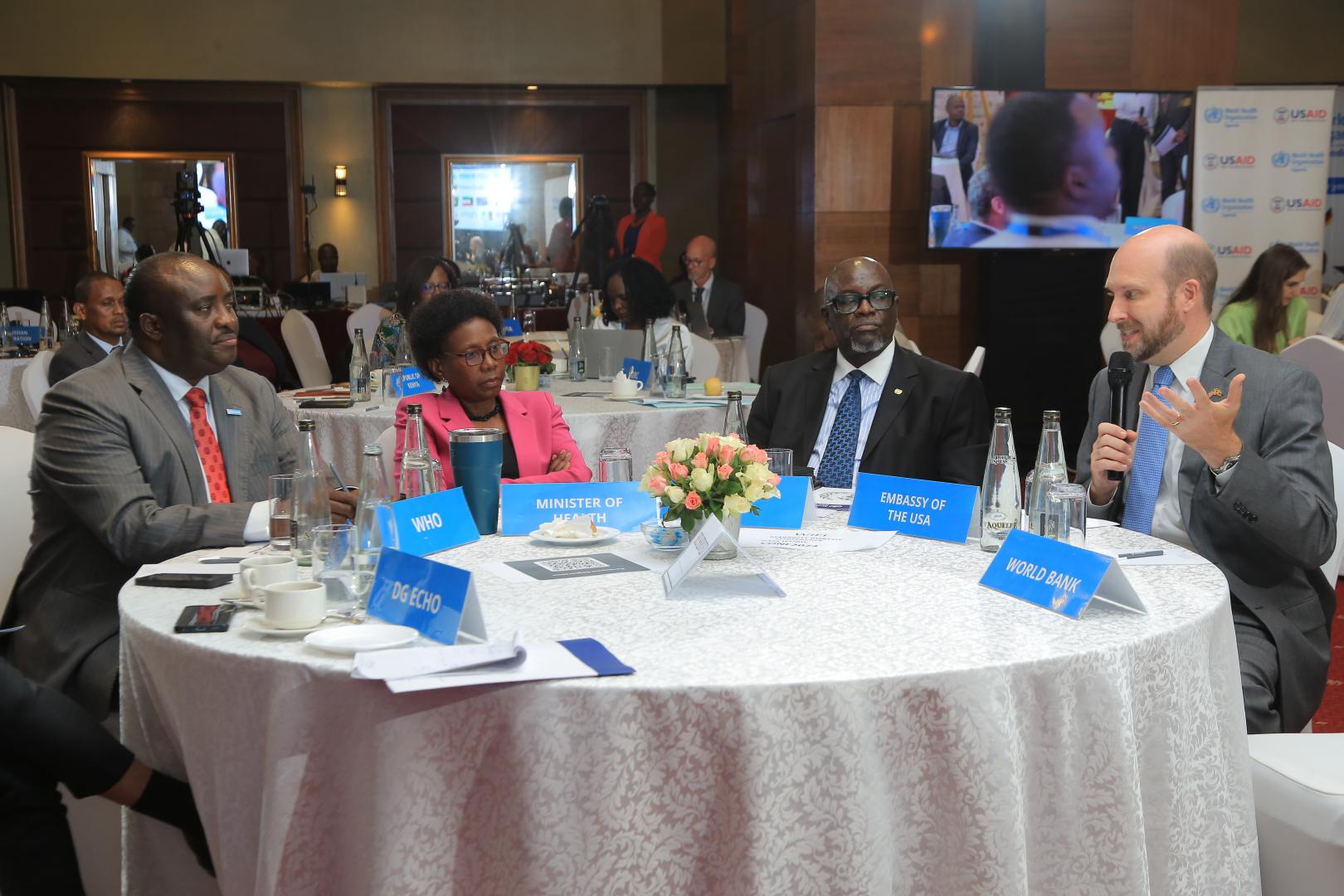
Kampala. Uganda’s Ministry of Health (MoH), with support from the World Health Organization (WHO) today held a high-level partners’ engagement to share information and advocate for collaboration to contain the ongoing mpox outbreak and improve Marburg readiness.
Namibia Joins the World in Addressing Mental Health and Suicide Prevention
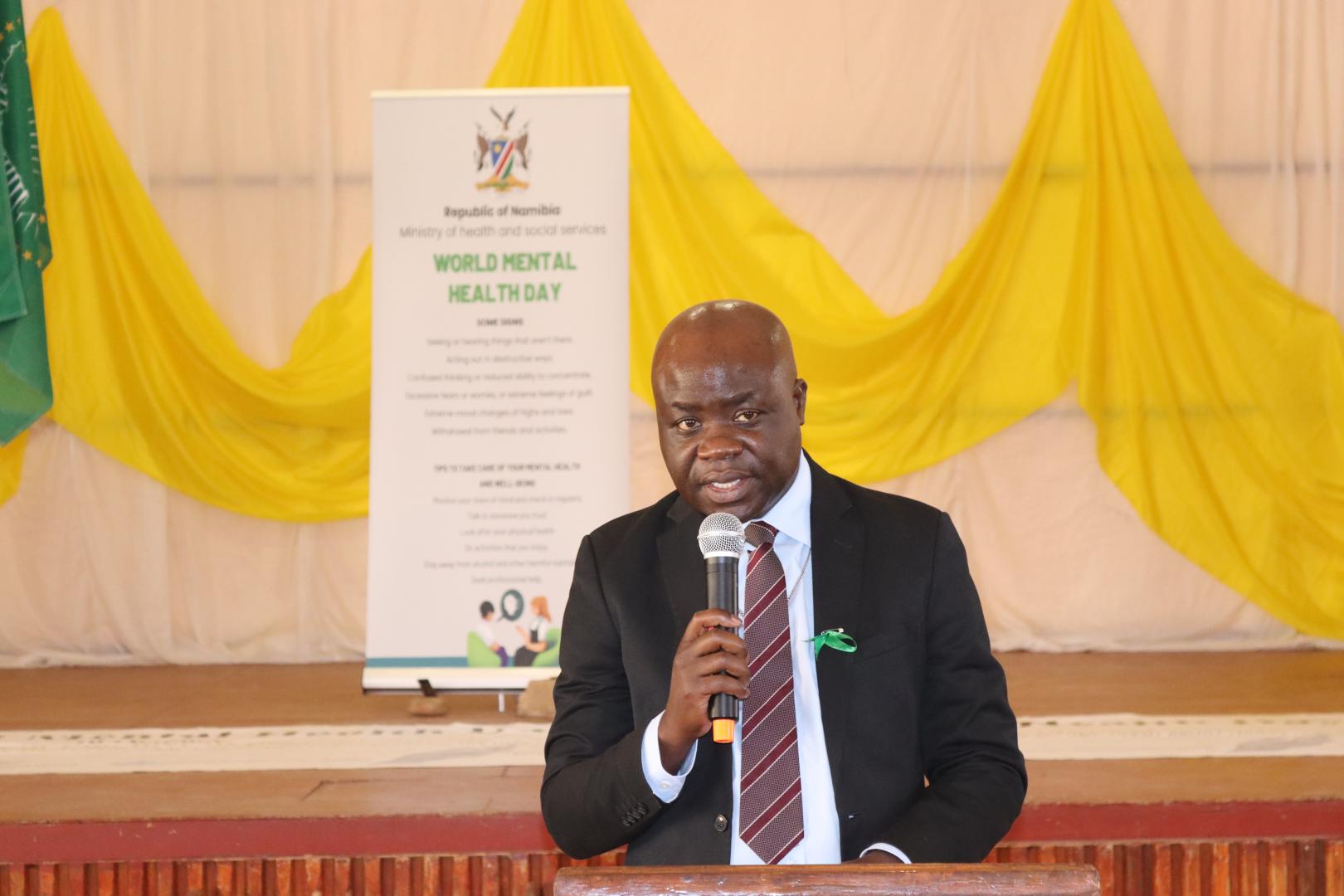
Every year on 10 October, the global community observe World Mental Health Day (WMHD) to raise awareness of mental health issues and mobilize efforts to support mental well-being. Mental health encompasses a state of well-being that enables people to cope with life's stresses, realize their abilities, learn well and work well, and contribute to their communities.
Zimbabwe Reports First Cases of Mpox
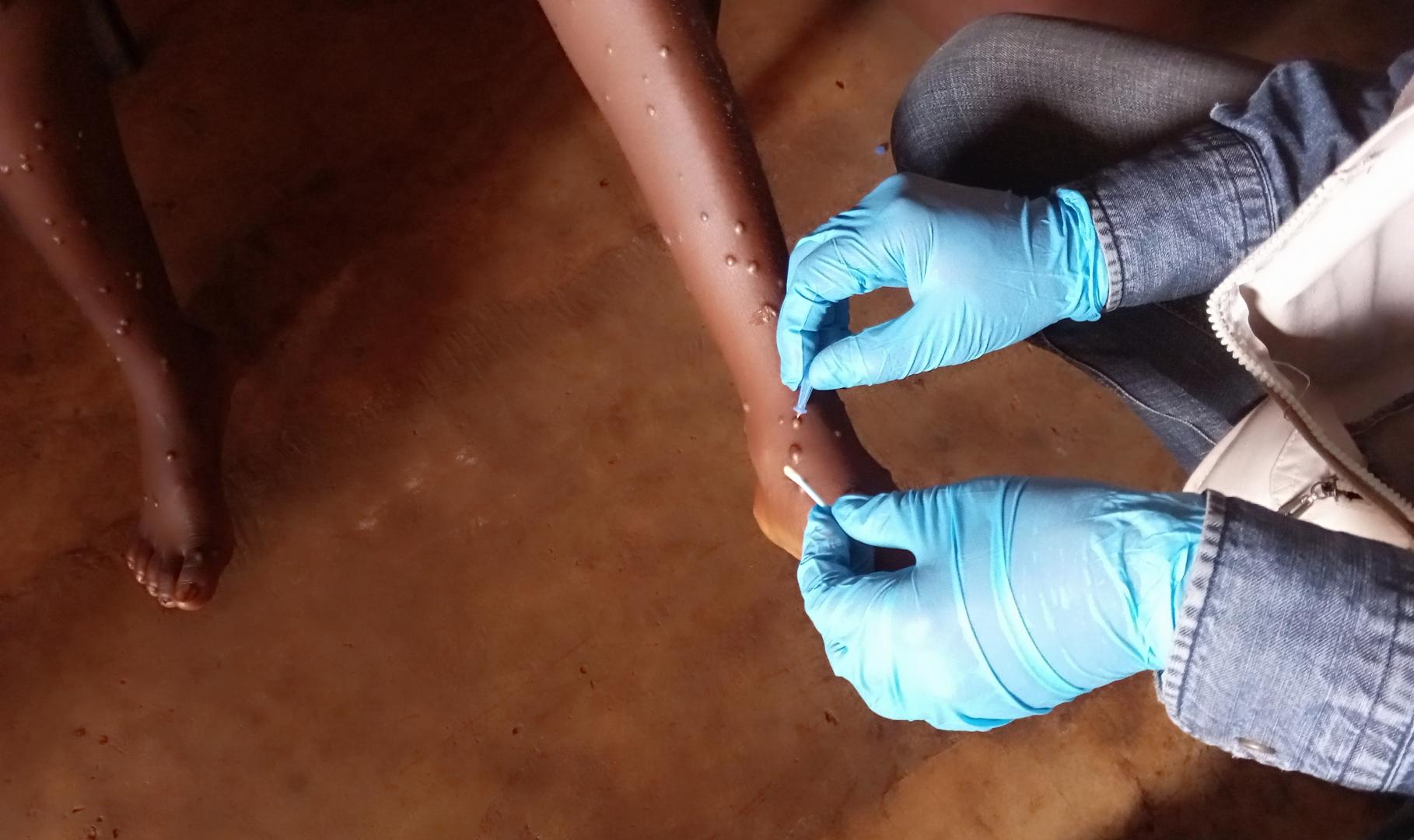
Harare – The World Health Organization (WHO) is closely monitoring the recent reports of two confirmed cases of mpox in Zimbabwe. These cases mark the first instances of the virus in the country.
Zimbabwe develops national one health strategic plan
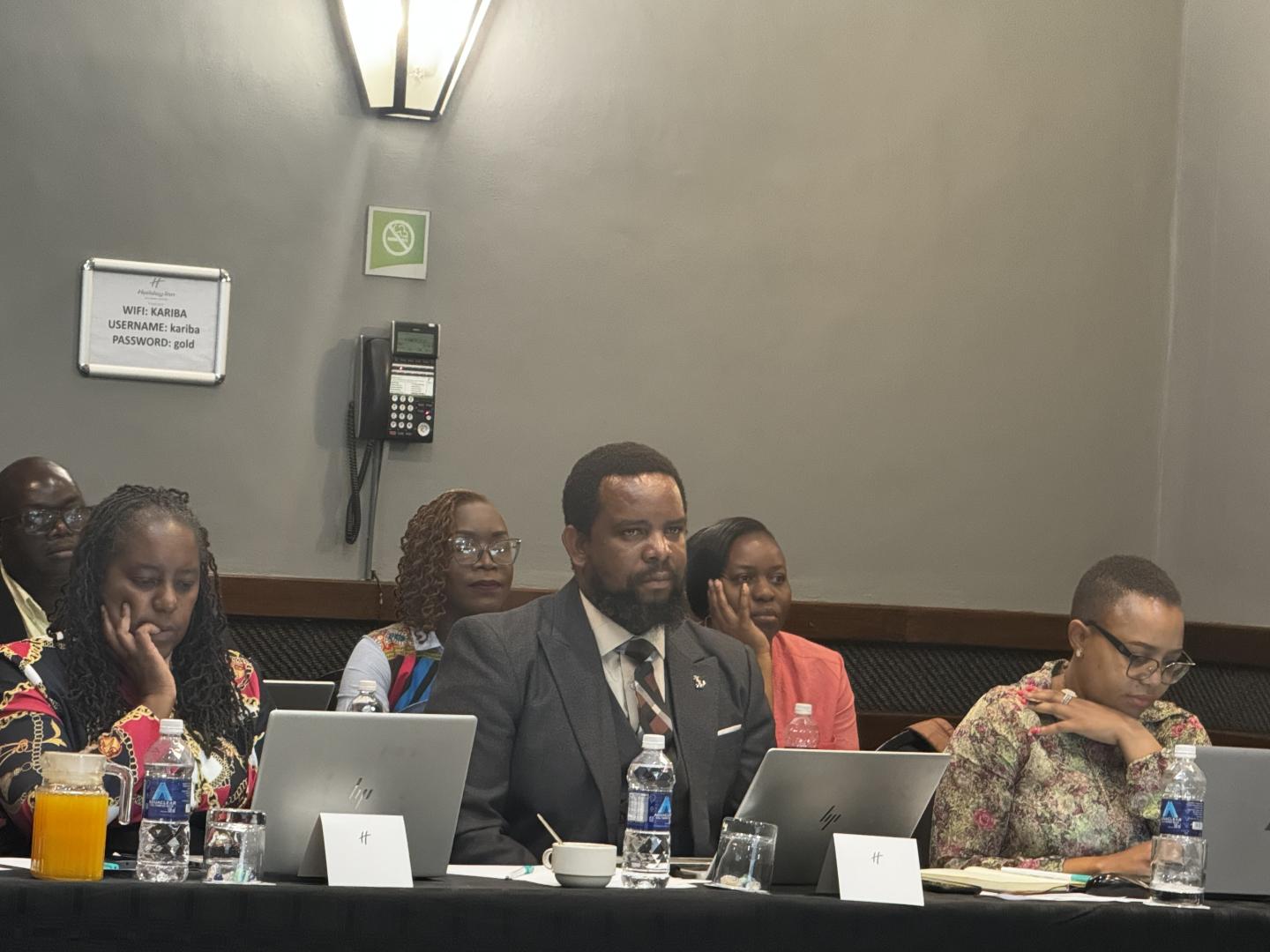
Harare – In a significant step towards strengthening public health and combating emerging health threats, Zimbabwe has convened an inception meeting for the development of its national One Health strategic plan. Led by the Public Health Advisor for the Office of the President and Cabinet, the meeting brought together key stakeholders from human, animal, plant and environment sectors to chart a course for a more integrated and comprehensive approach to health.
Promoting creative expression in the mental health approach
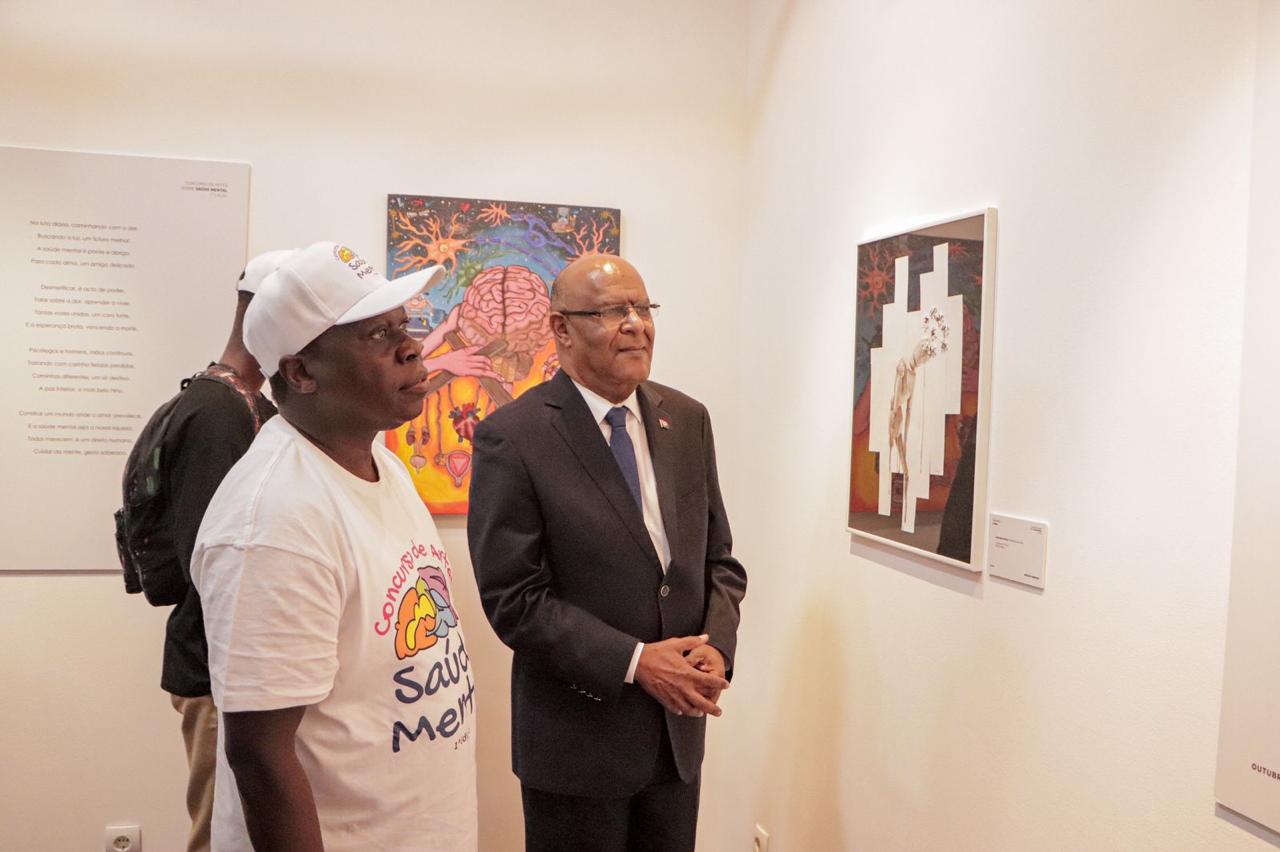
Tito Vicente Samossi Joaquim, artistically known as Tito Vibes, is a young artist who has found a way to express his dreams, struggles, and aspirations for the future in painting. Born in the Santa Tereza neighbourhood of Viana, where, from an early age, his joy was drawing, Tito filled his school notebooks with doodles and drawings that told stories that words could not express.
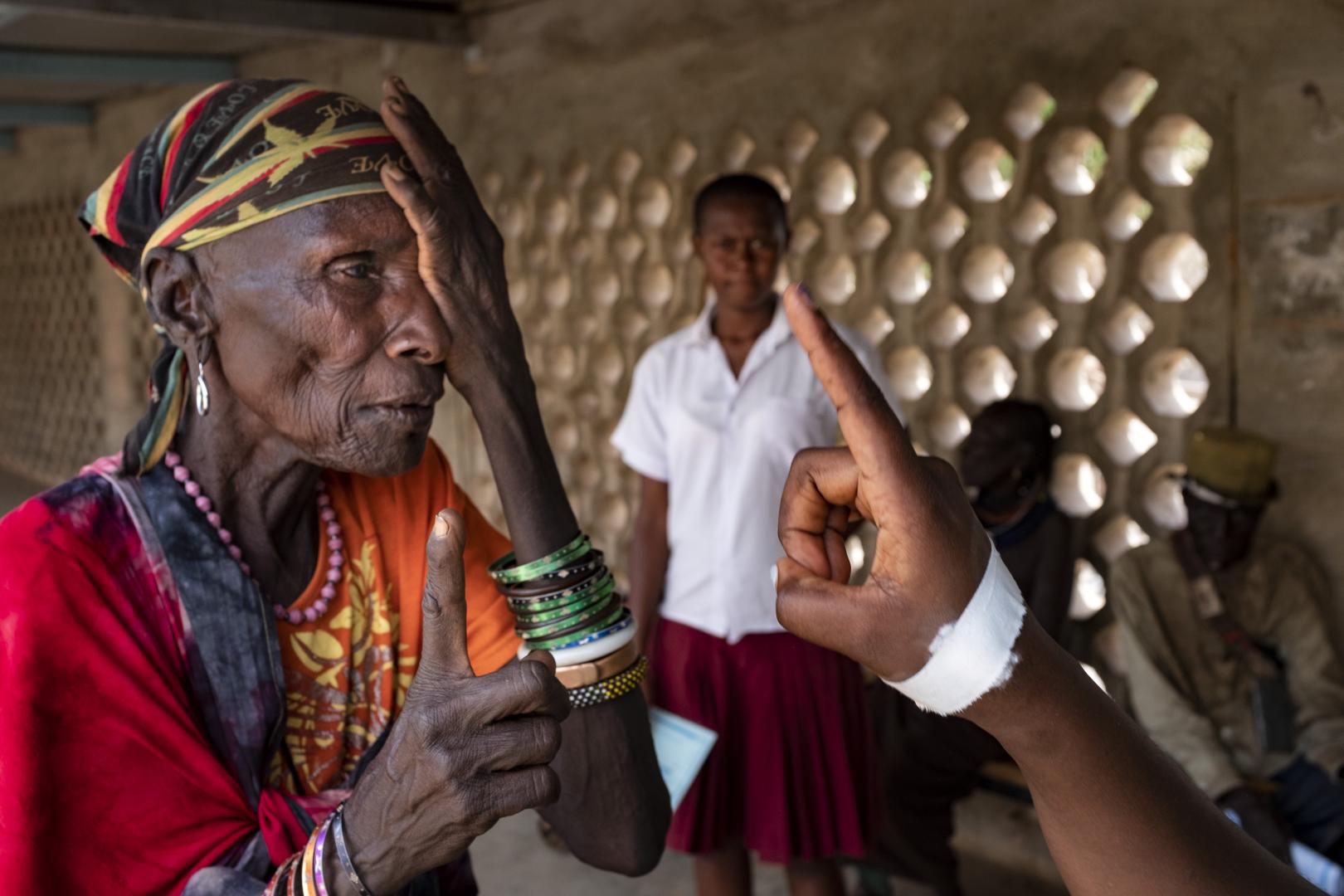
Promising progress on eye health in African region, but challenges remain
Urgent action needed to accelerate mental health progress in African region
Thriving Together: Elevating Mental Health In Our Workplaces
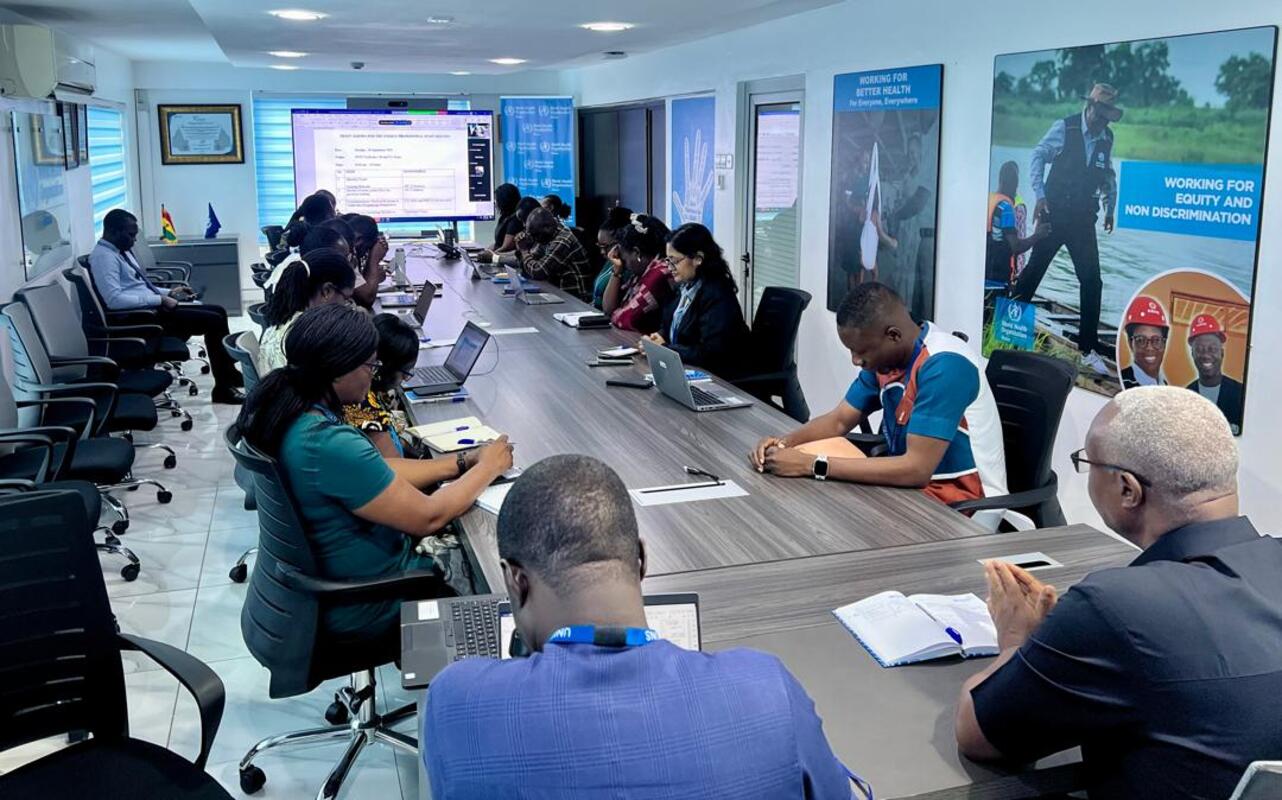
By Dr Leveana Gyimah, WHO Ghana Mental Health Technical Officer and Abdul-Lahie Abdul-Rahim Naa, Communications Officer- WHO Ghana, on World Mental Health Day
Strengthening Zimbabwe’s Expanded Programme on Immunization: Addressing Data Quality Challenges
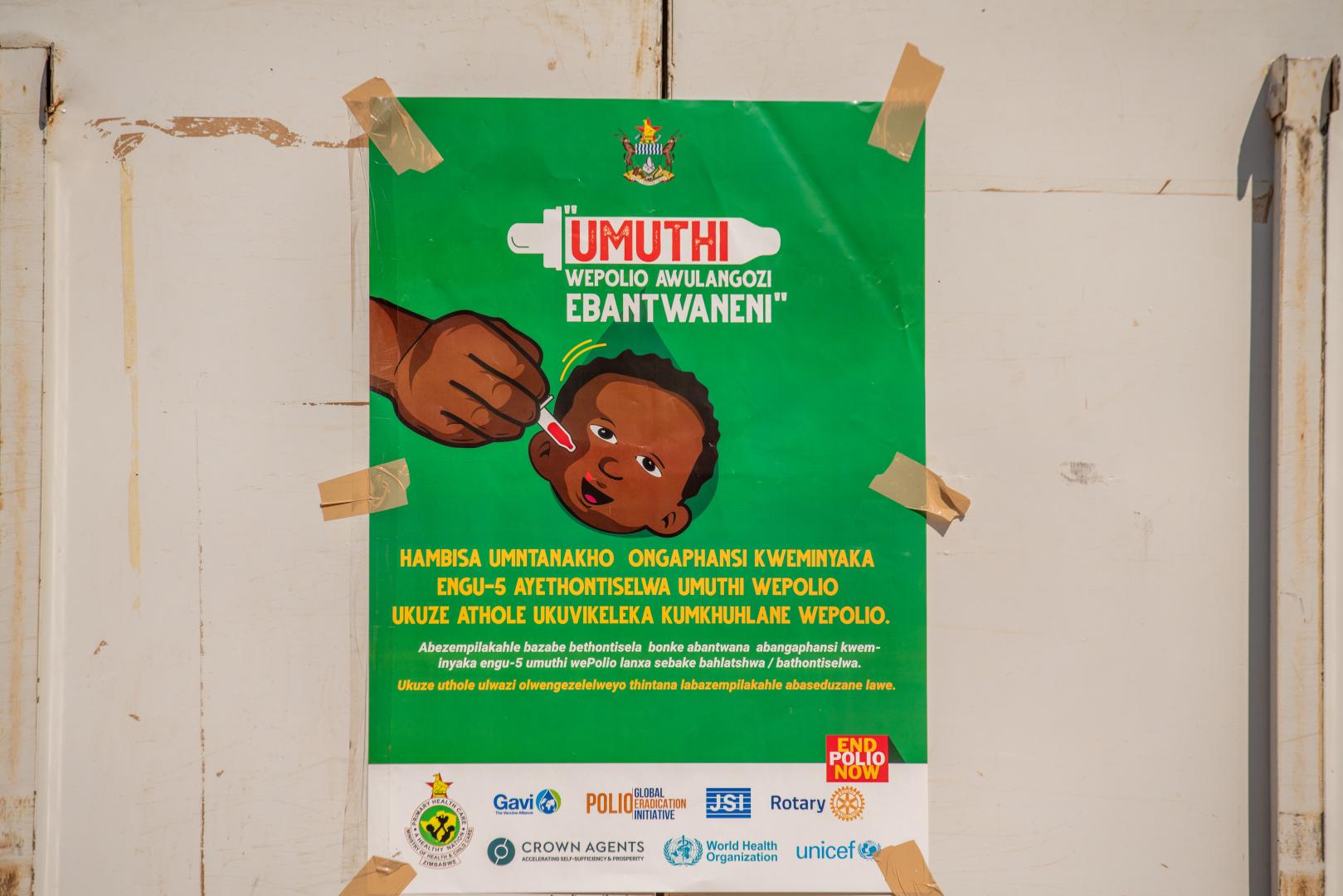
Harare – In public and global health, accurate data is a cornerstone for effective decision-making and disease control. Recognizing the critical importance of high-quality surveillance data, the World Health Organization (WHO), in collaboration with the Bill & Melinda Gates Foundation (BMGF), UNICEF, Gavi and Crown Agents, has embarked on a strategic initiative to improve Ministry of Health and Child Care (MOHCC) data quality at provincial and district levels.