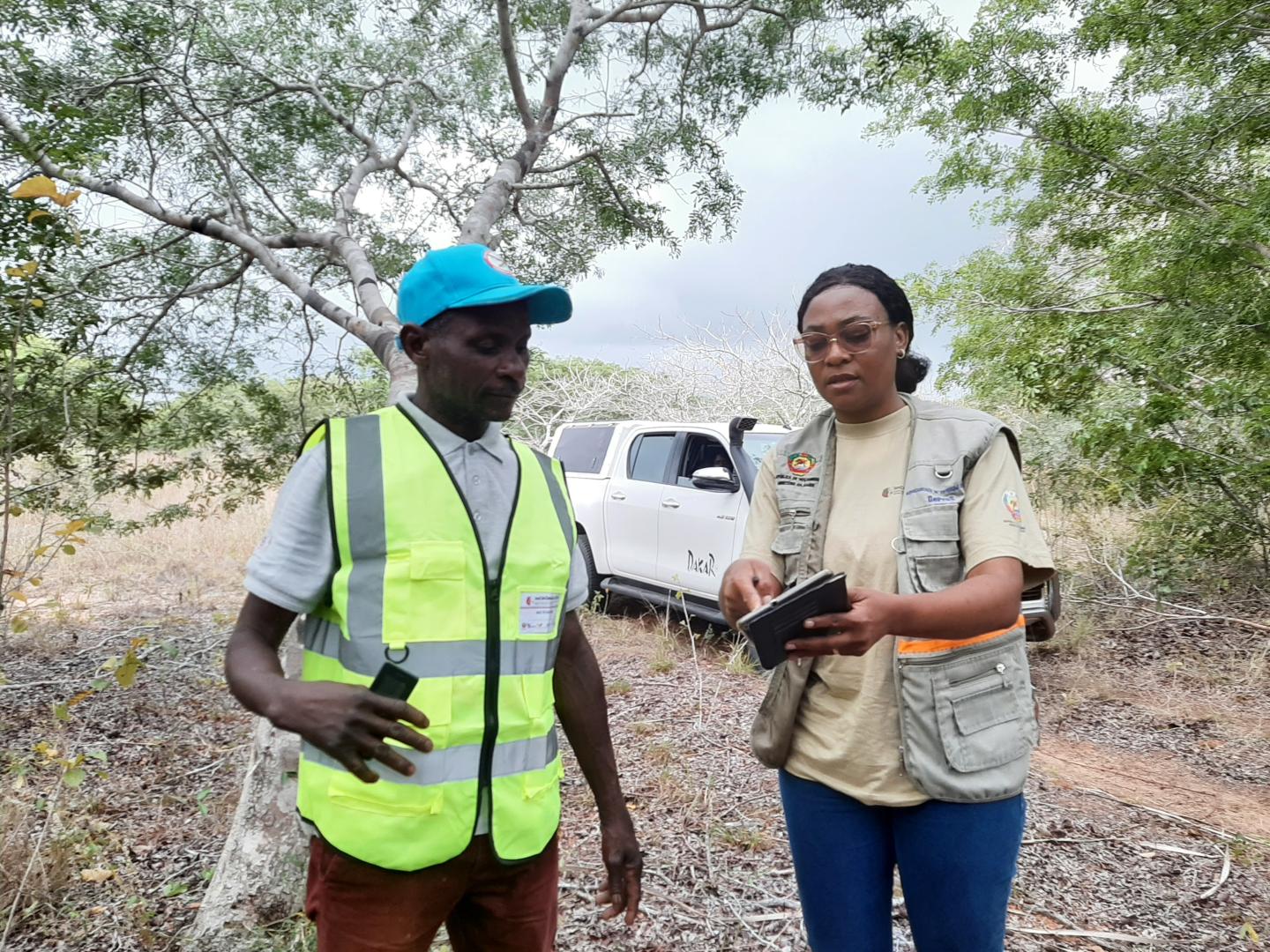
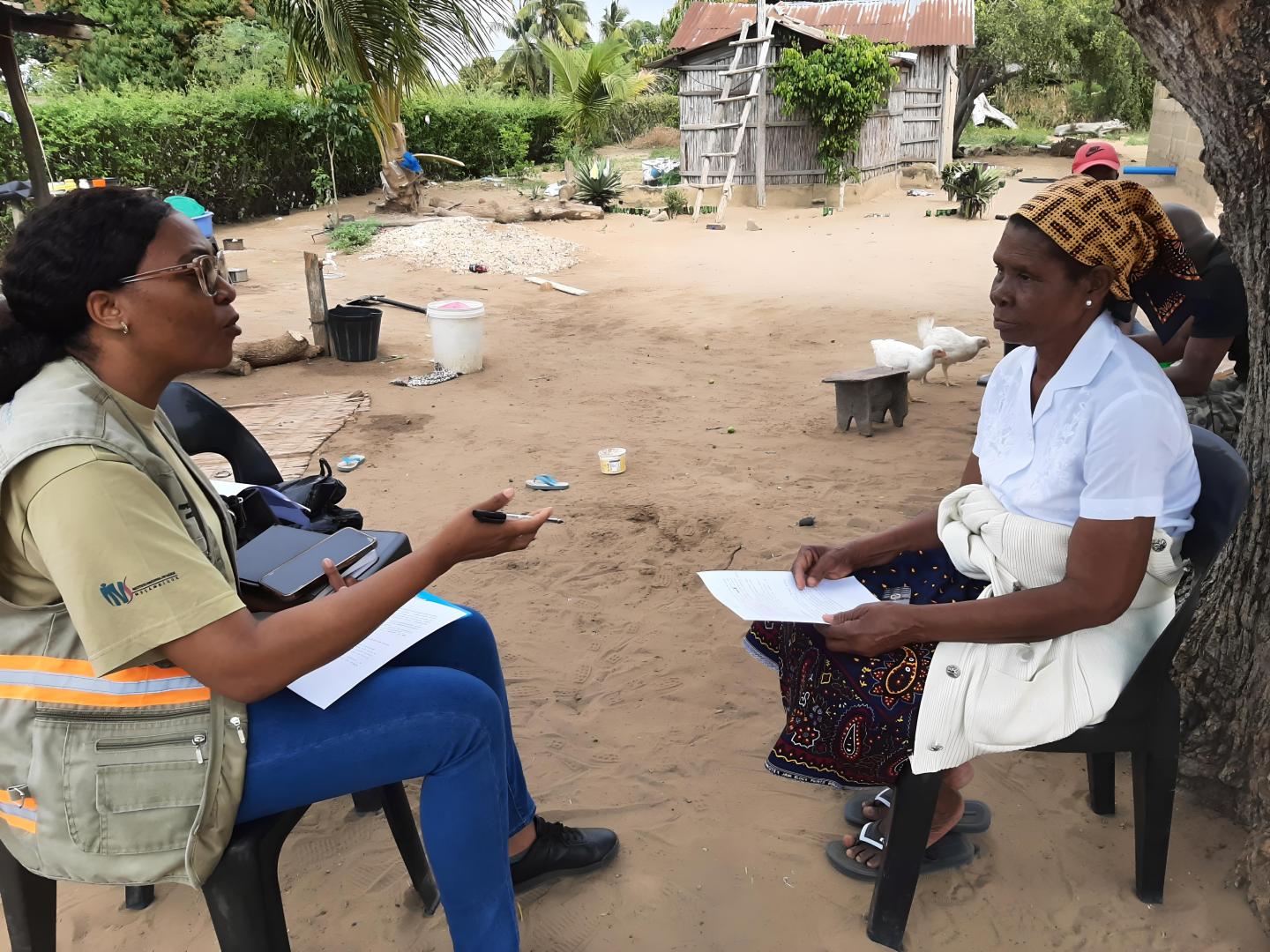
Learn about Anália's Contribution to the Success of the Inhambane InCRÓNICA 2024 Data Collection
Ethiopia Marks World Patient Safety Day 2024, Calls for Improved Diagnostic Safety
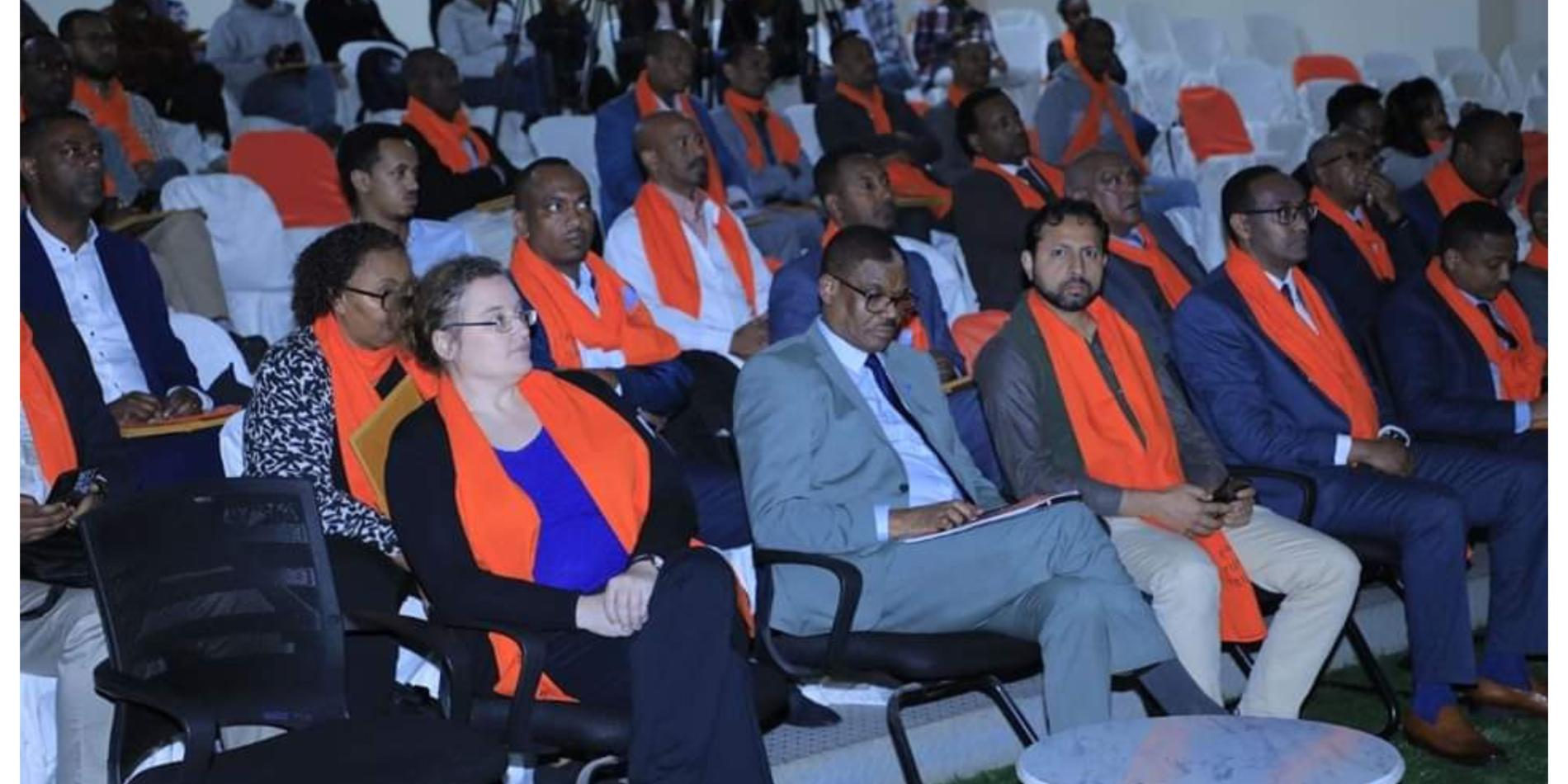
Addis Ababa, September 18, 2024 – Ethiopia’s Ministry of Health, in partnership with the World Health Organization (WHO) and key health sector stakeholders, marked World Patient Safety Day 2024 at St. Paul's Hospital Millennium Medical College with the theme, “Improving Diagnosis for Patient Safety: Get it Right, Make it Safe!”
WHO donates kits to support mpox diagnostics in Uganda
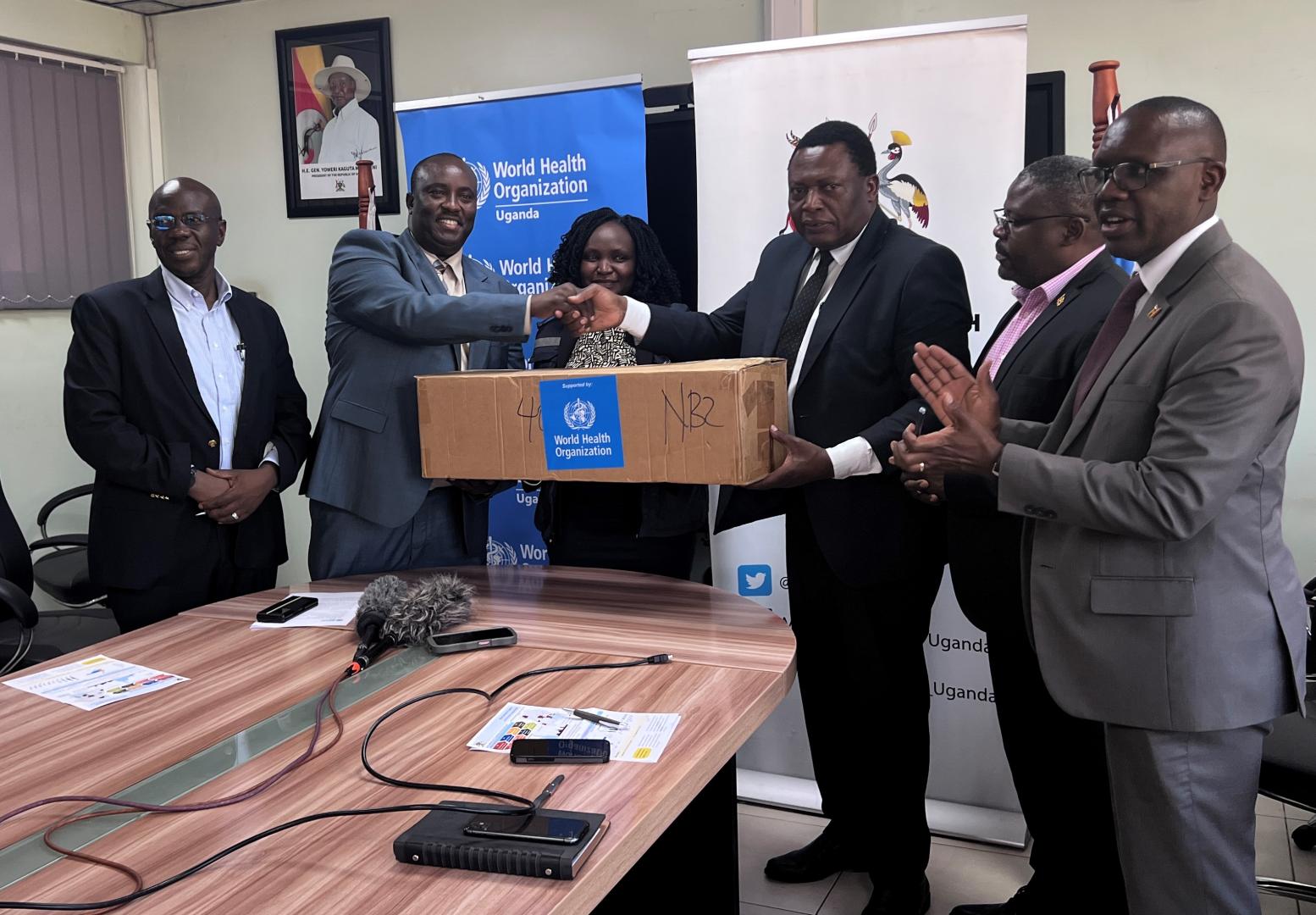
The Ugandan Ministry of Health has today received mpox sample collection kits worth USD 15,135 (equivalent to UgX 56 million) to support accurate and timely diagnostic testing, which is critical in controlling the spread of mpox in the country.
Empowering health journalism in Namibia: A Workshop on Universal Health Coverage and Public Health Reporting
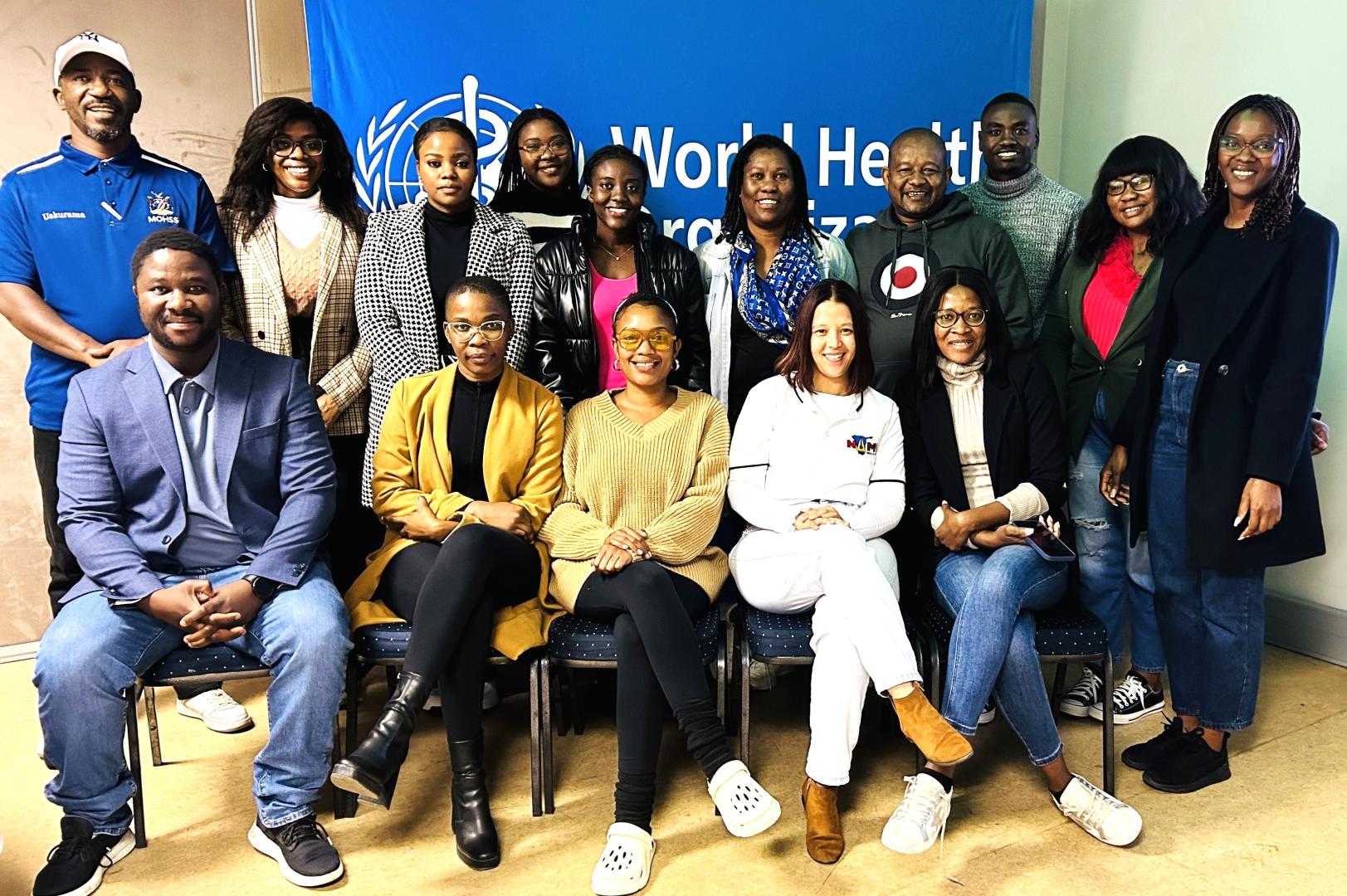
The World Health Organization (WHO) in partnership with the Government of Japan supported the Ministry of Health and Social Services (MoHSS) to conduct a three-day workshop in Swakopmund. Held from 09 – 11 September 2024, the workshop aimed to sensitize and orient the media on ethical reporting on health-related matters including promoting nutrition, emergency response reporting, addressing gender-based violence (GBV) and Universal Health Coverage (UHC). A total of 15 journalists and media practitioners participated and were eager to enhance their understanding of health reporting.
With USAID’s support, WHO is enhancing mpox surveillance in South Sudan
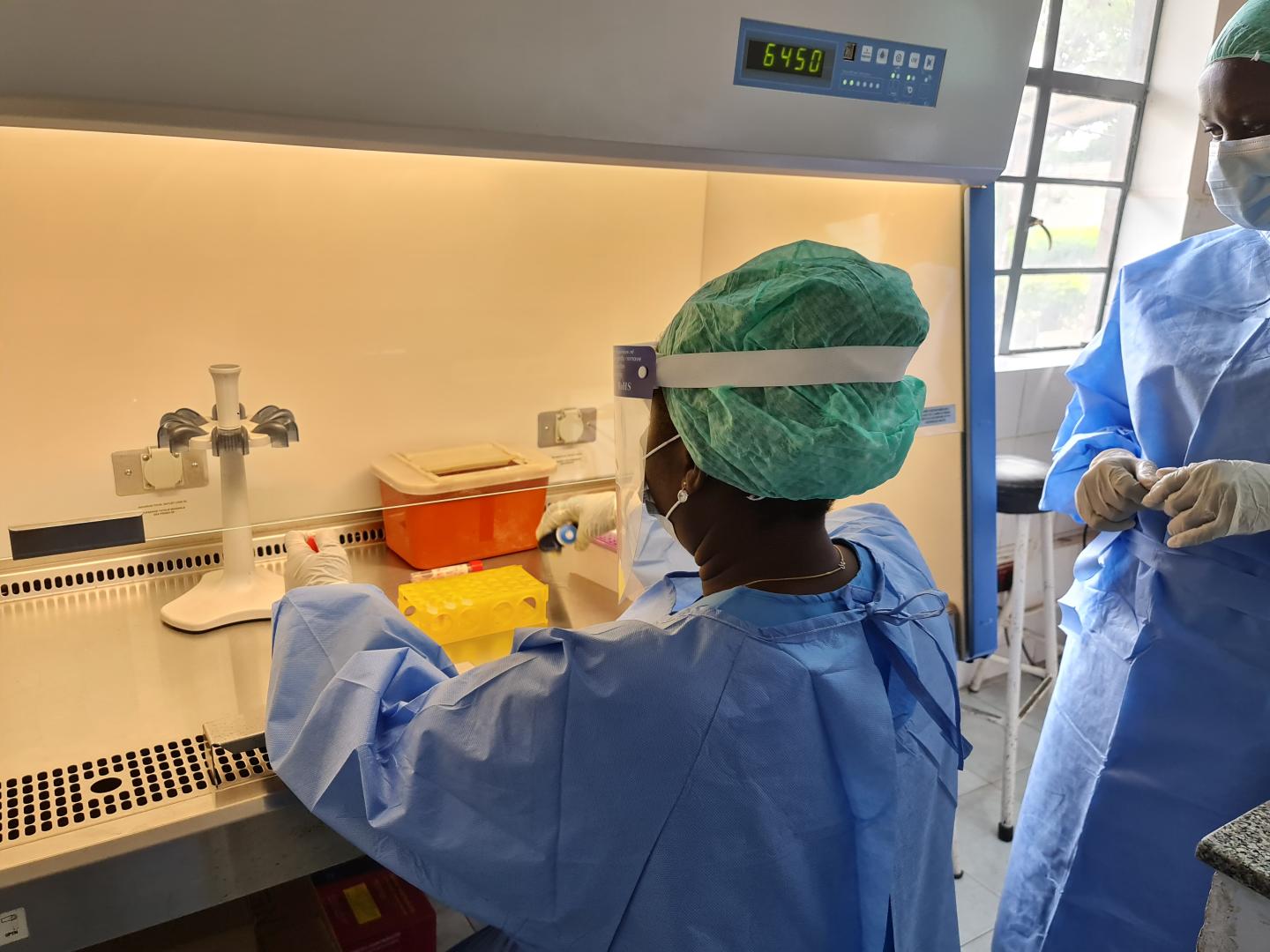
Despite global efforts, mpox remains a significant public health concern, with ongoing cases and outbreaks posing a threat, especially to those with weakened immune systems.
With generous support from the United States Agency for International Development (USAID), WHO has procured advanced polymerase chain reaction (PCR) testing kits to aid mpox detection. These kits equip the National Public Health Laboratory with essential tools to rapidly test and enhance detection of the virus.
WHO Supports Botswana to Establish E-Learning Hub for Emergency Preparedness and Health Programs
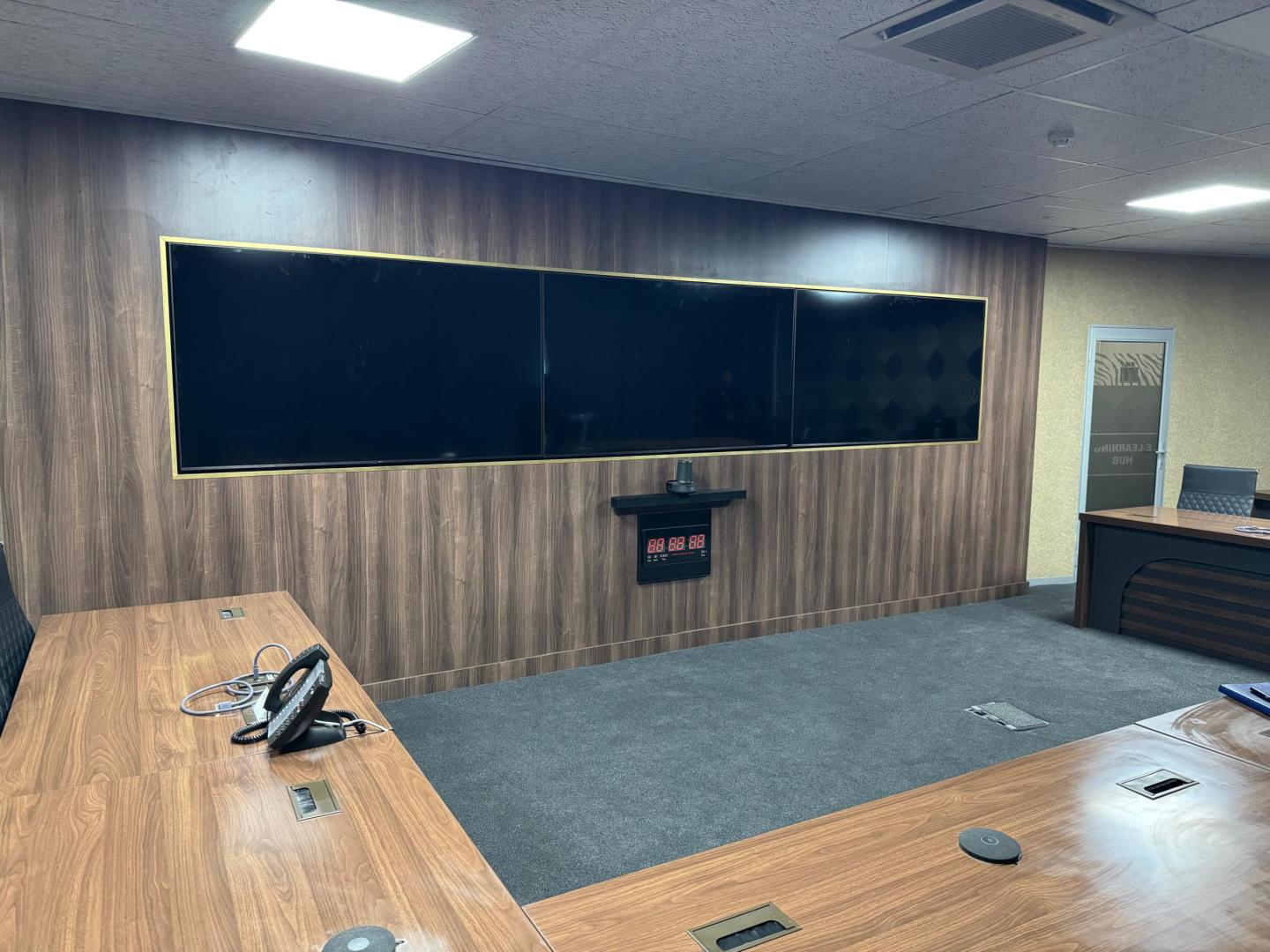
The WHO Country Office has supported the government of Botswana in establishing an e-learning hub to enhance emergency preparedness and support other health programs. With technical assistance from Project ECHO and WHO/AFRO, Botswana was equipped with the necessary digital infrastructure, including learning spokes and IT equipment, to operationalize the e-learning hub.
South Africa Completes Joint External Evaluation to Strengthen Health Security
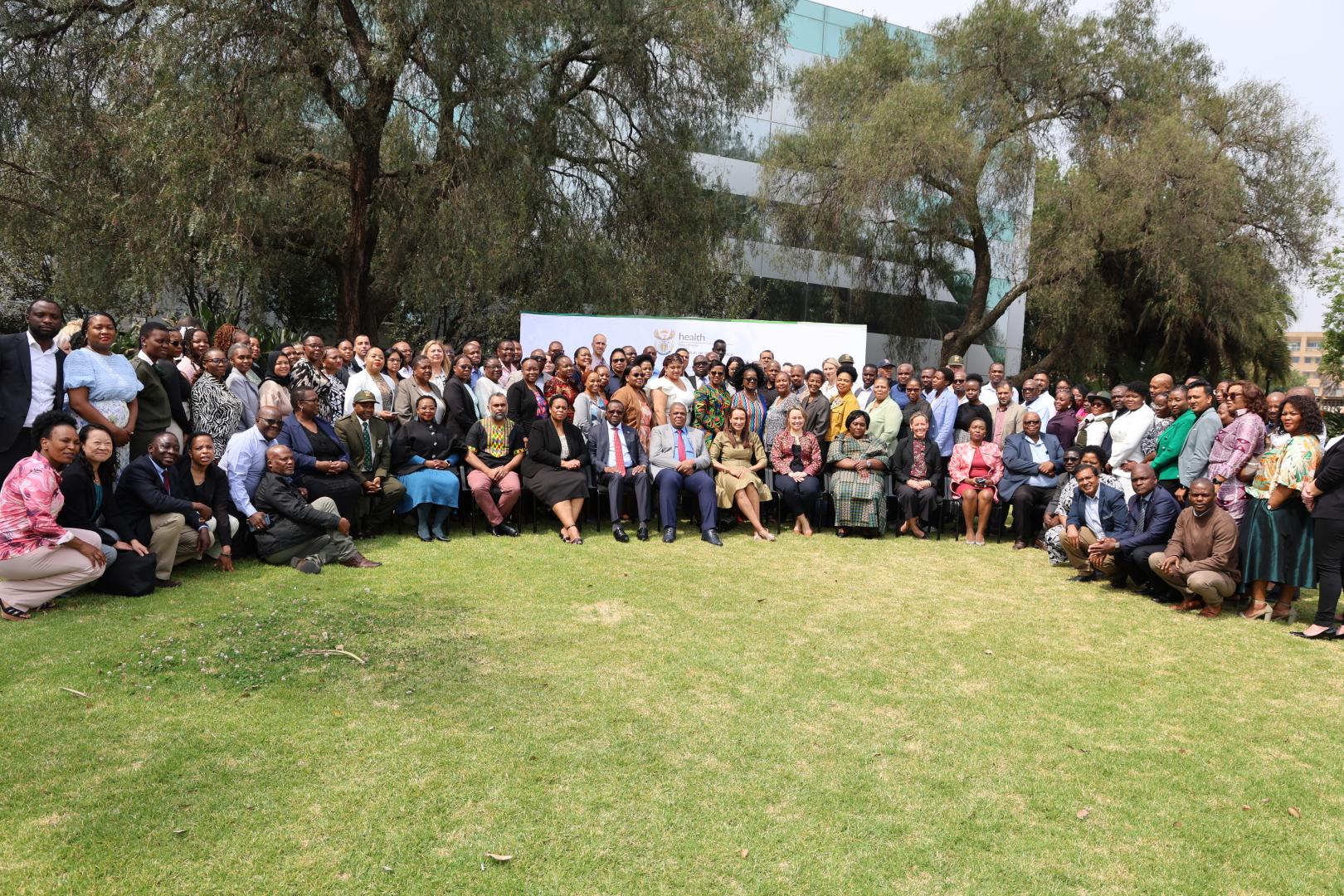
The World Health Organization (WHO) has been supporting countries to conduct internal assessments for monitoring implementation of the International Health Regulation (2005), for purposes of action-planning.
Botswana Observes Patient Safety Day 2024: Emphasizing Accurate Diagnosis for Safer Healthcare
Botswana joined the global community in commemorating Patient Safety Day 2024 with a press briefing under the theme, "Improving Diagnosis for Patient Safety," accompanied by the slogan, "Get it Right, Make it Safe." The event focused on raising awareness of diagnostic errors, which are a significant contributor to patient harm, and highlighted the collective responsibility of healthcare stakeholders in ensuring safer care.
WHO delivers 33.5 metric tonnes of medical supplies to the Democratic Republic of the Congo
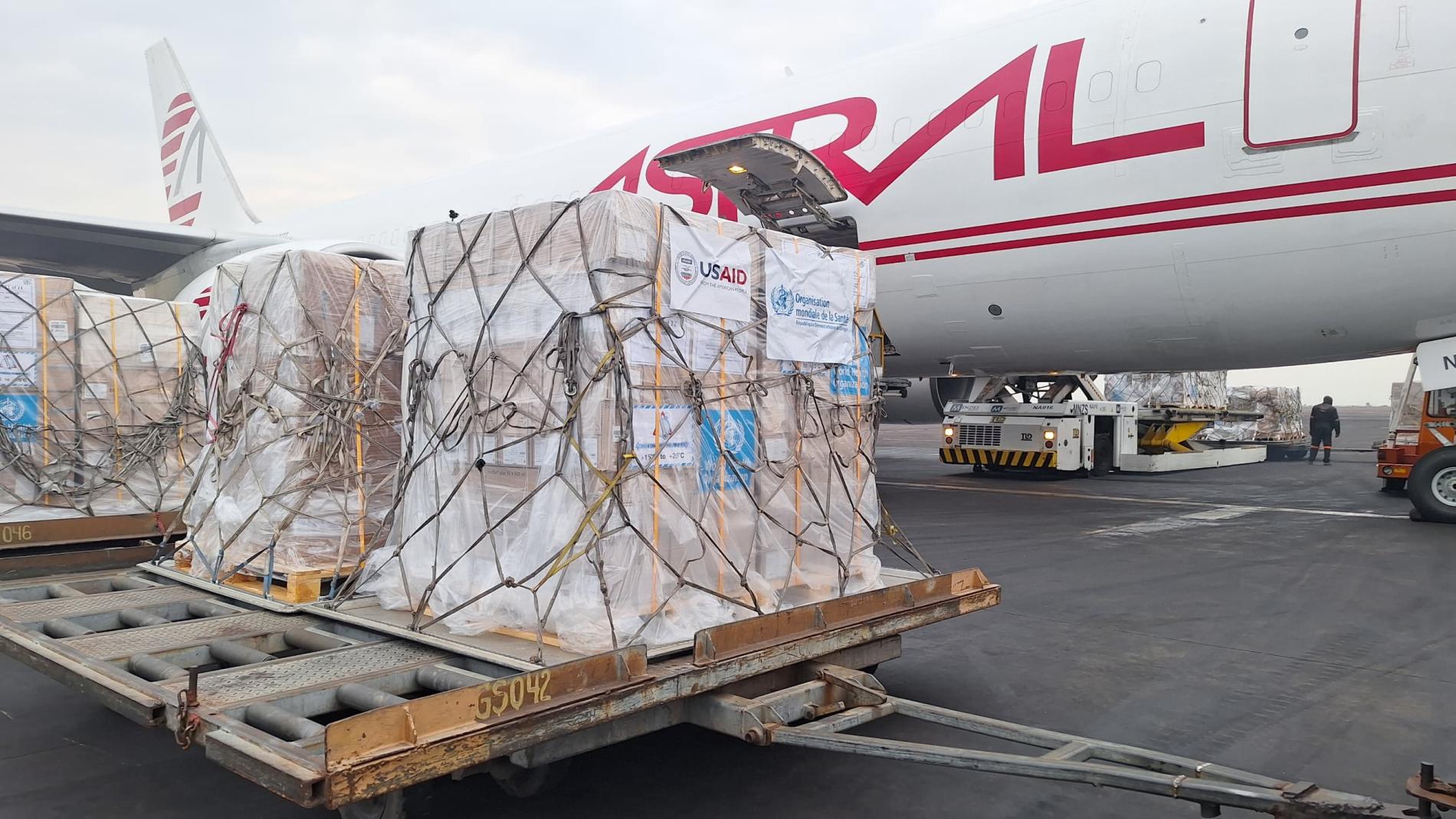
Kinshasa – In its largest air cargo shipment to the African region this year, World Health Organization (WHO) today delivered 33.5 metric tonnes of emergency medical supplies and equipment to the Democratic Republic of the Congo to reinforce mpox outbreak response.
South Sudan undertakes Second Joint External Evaluation to boost health security amidst challenges
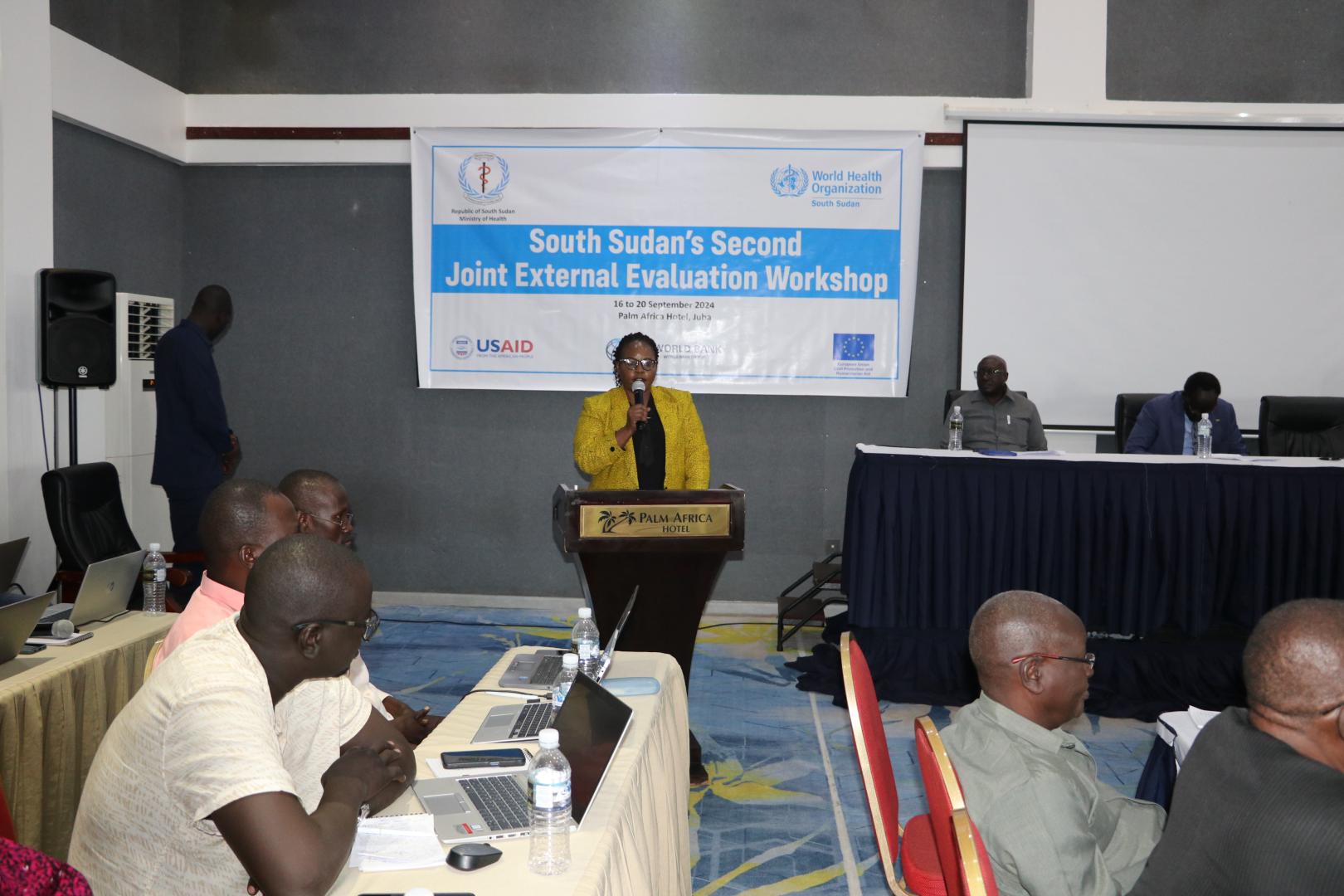
In South Sudan, where challenges like disease outbreaks, limited healthcare access, conflicts, and flooding are frequent, there's a strong push to improve health services.
With support from the World Health Organization (WHO) and other global partners, the country has embarked on its Second Joint External Evaluation (JEE) of the International Health Regulations (IHR) 2005.