Sahel, Lake Chad Basin countries coordinate joint polio eradication plan
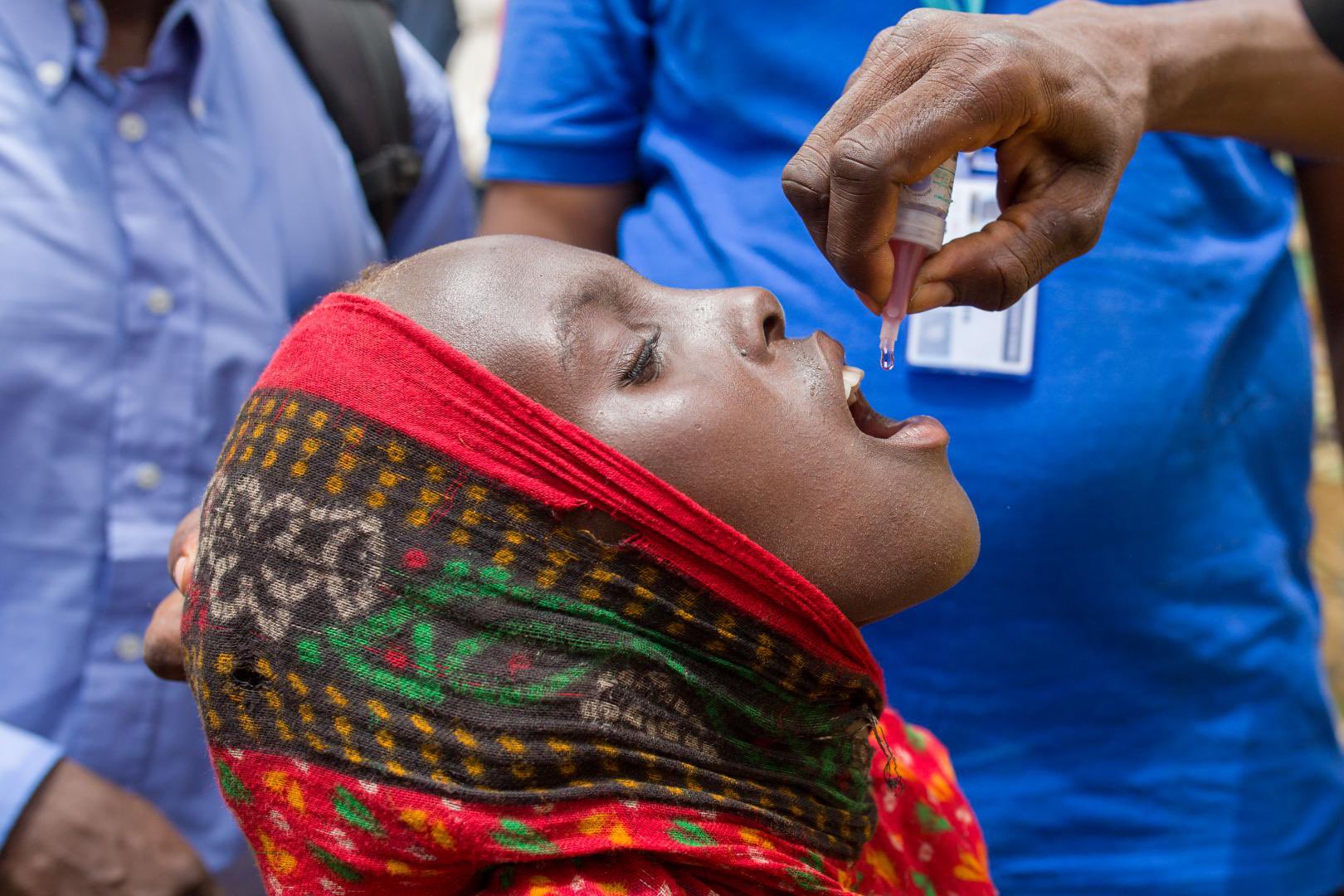
Brazzaville/Dakar — In a significant move to combat the ongoing challenge of variant poliovirus transmission in Central and West Africa, Ministers of Health from the Lake Chad Basin countries and Sahel sub-region have published this week a comprehensive cross-border coordination plan for 2024/2025. This critical initiative aims to bolster joint efforts to eradicate polio and prevent its spread across national borders, ensuring a safer and healthier future for millions of children.
WHO invests in medical students’ research skills to enhance adolescent sexual and reproductive health
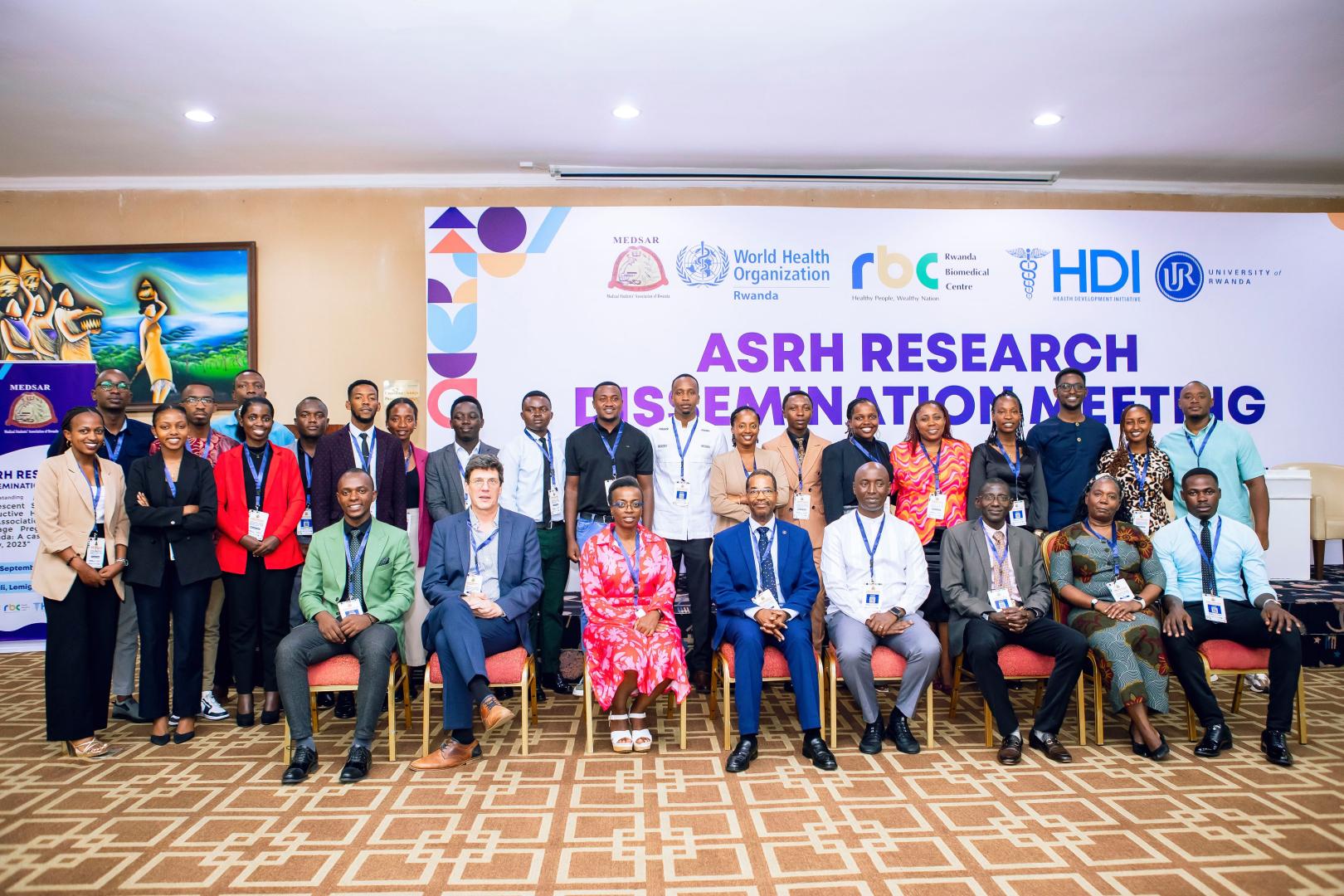
The World Health Organization (WHO), in collaboration with the Rwanda Biomedical Center (RBC), has provided financial and technical support to medical students from the Medical Student Association of Rwanda (MEDSAR) to build their capacity in evidence generation and use. Through a learning by doing approach, 50 medical students were trained in how to conduct operational research by developing research protocols, data collection, data cleaning, analysis and report writing.
WHO Supports Integrated Disease Surveillance and Response Training in Zimbabwe
Mutare - Every year, countries in the African Region report over 100 infectious disease outbreaks and other public health emergencies. To effectively address these challenges, the implementation of Integrated Disease Surveillance and Response (IDSR) strategies is crucial. IDSR provides a framework for strengthening national public health surveillance and response systems at all levels, from the community to the national level.
Safety of patients and healthcare professionals at heart of second national Infection Prevention and Control action plan
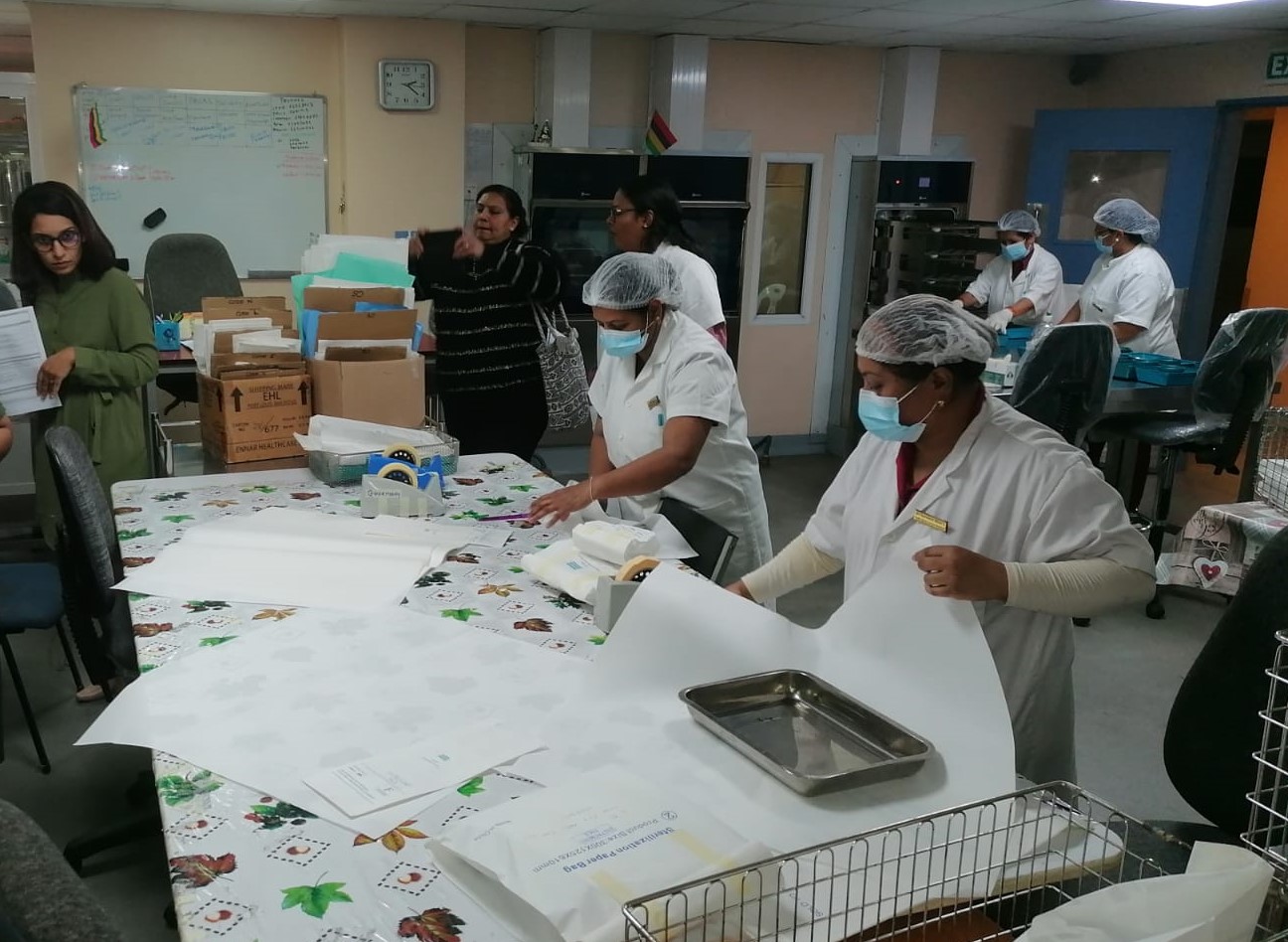
Infection Prevention and Control (IPC), the evidence-based approach to protecting patients and healthcare workers from avoidable infections, is universally recognized as one of the cornerstones of a safe and effective health care delivery system. Thorough implementation of IPC practices not only reduces the risks of hospital-acquired infections (HAIs), it also restricts the spread of antimicrobial resistance (AMR), which is emerging as a global health threat.
Zanzibar unveils a five-year National Action Plan to strengthen Health Security on the island.
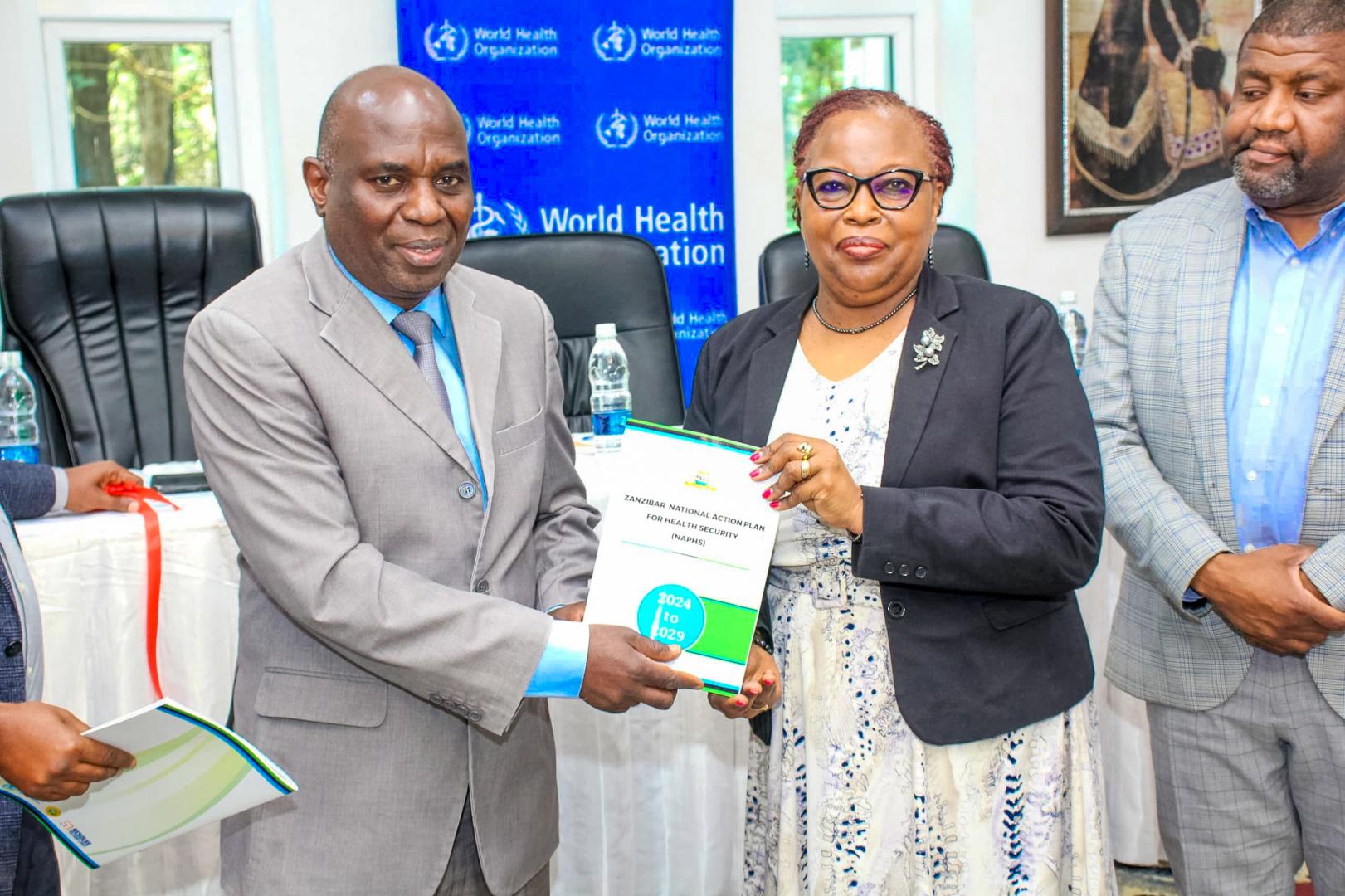
Zanzibar- In a landmark event underscoring its commitment to bolstering public health infrastructure and technical capacities, Zanzibar with support from the World Health Organization (WHO) has launched its National Action Plan for Health Security (NAPHS). This comprehensive five-year strategy aims to fortify the island's capacity to prevent, detect, and respond to public health emergencies, drawing on insights from the Joint External Evaluation (JEE) of International Health Regulations (IHR) core capacities.
WHO pledges support to flood-displaced persons in Borno State as health facilities affected.
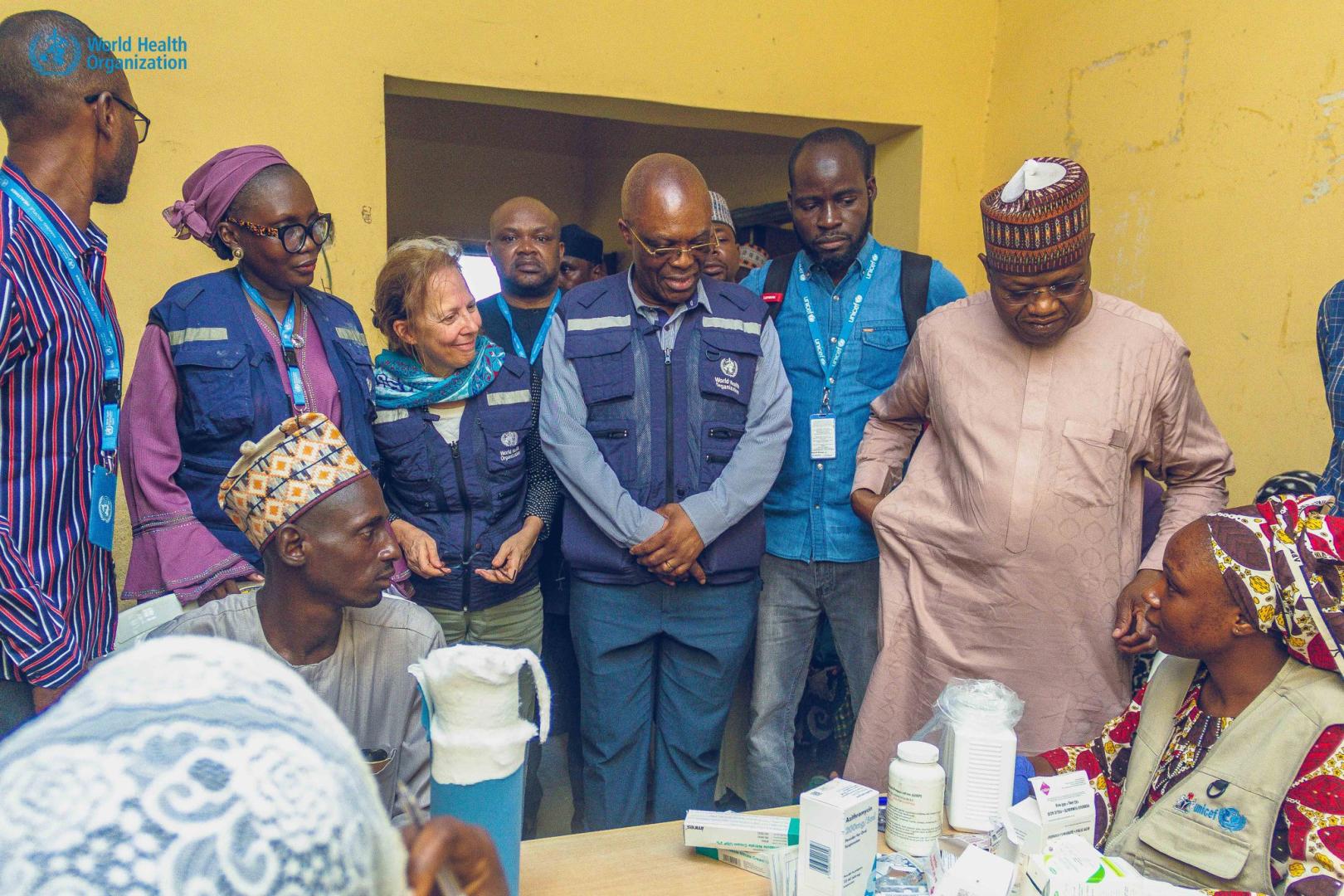
Maiduguri, 14 September, 2024 –Following severe flash floods that displaced thousands and caused significant damage across multiple communities in Maiduguri, the capital of Borno State, the World Health Organization (WHO) Representative in Nigeria, Dr. Walter Kazadi Mulombo, pledged the organization’s unwavering support to those affected.
WHO, AfDB, Japan, UNCERF and USAID donate $1.8 million lifeline targeting cholera and long-term health goals

Harare – In a significant boost to Zimbabwe's healthcare infrastructure, the World Health Organization (WHO) today donated a wide range of medical equipment to the Ministry of Health and Child Care (MoHCC). The equipment, valued close to $1.8 million, was funded by various donors and partners, including the African Development Bank, the UN Central Emergency Response Fund (UNCERF), USAID and the Government of Japan.
Signing of a Memorandum of Understanding (MoU) between the World Health Organization in Angola and the University of Rainha Njinga A Mbande in Malanje
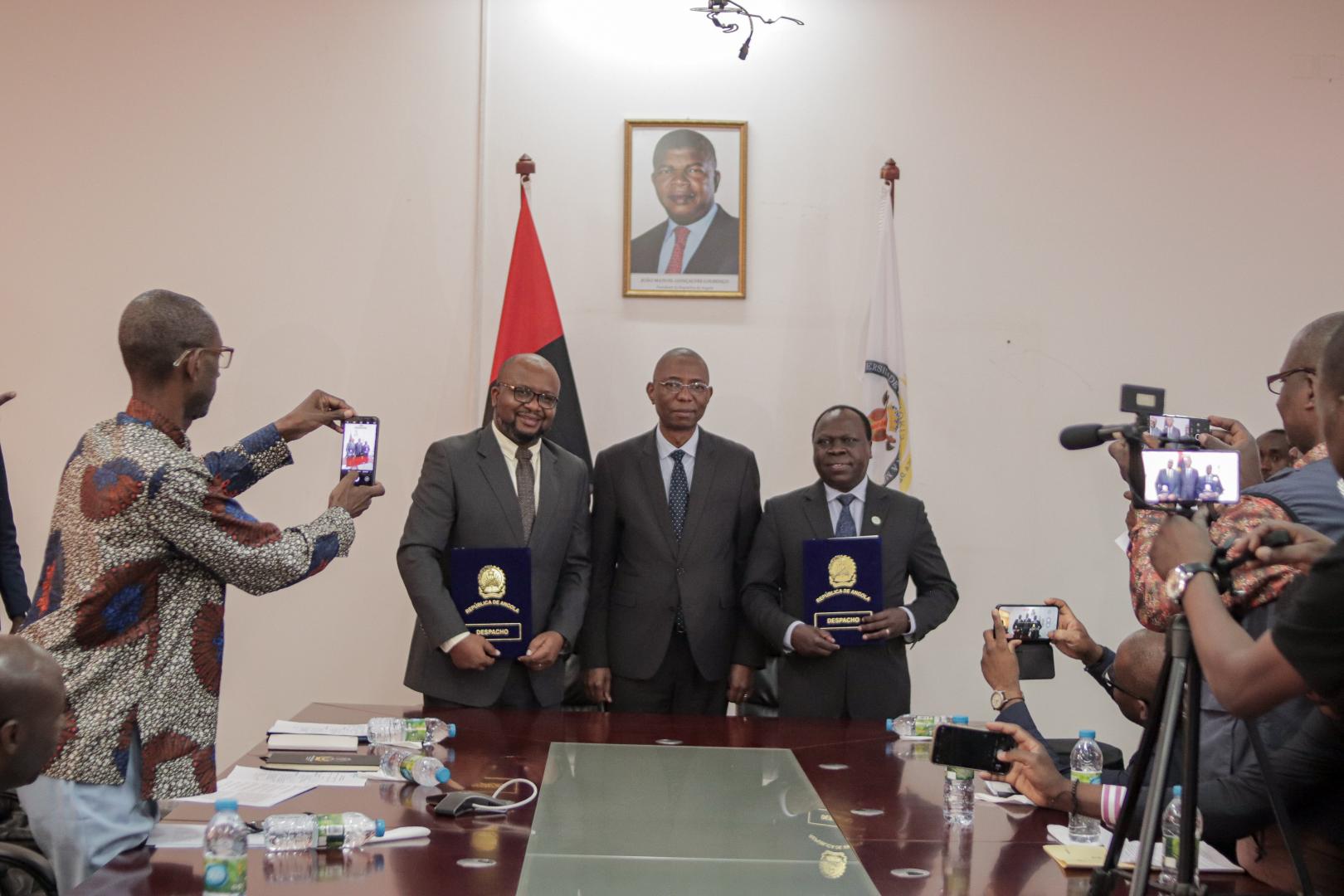
On Thursday, 11 September 2024, a Memorandum of Understanding (MoU) was signed between the World Health Organization (WHO) and the University of Rainha Njinga A Mbande, located in the province of Malanje. This agreement formalizes the existing collaboration between the two institutions, establishing a joint commitment to improve the health sector by strengthening local capacities and implementing initiatives that benefit both the academic community and the general population.
WHO Strengthens Collaboration in Malanje Province: Renewed Partnerships to Promote Health
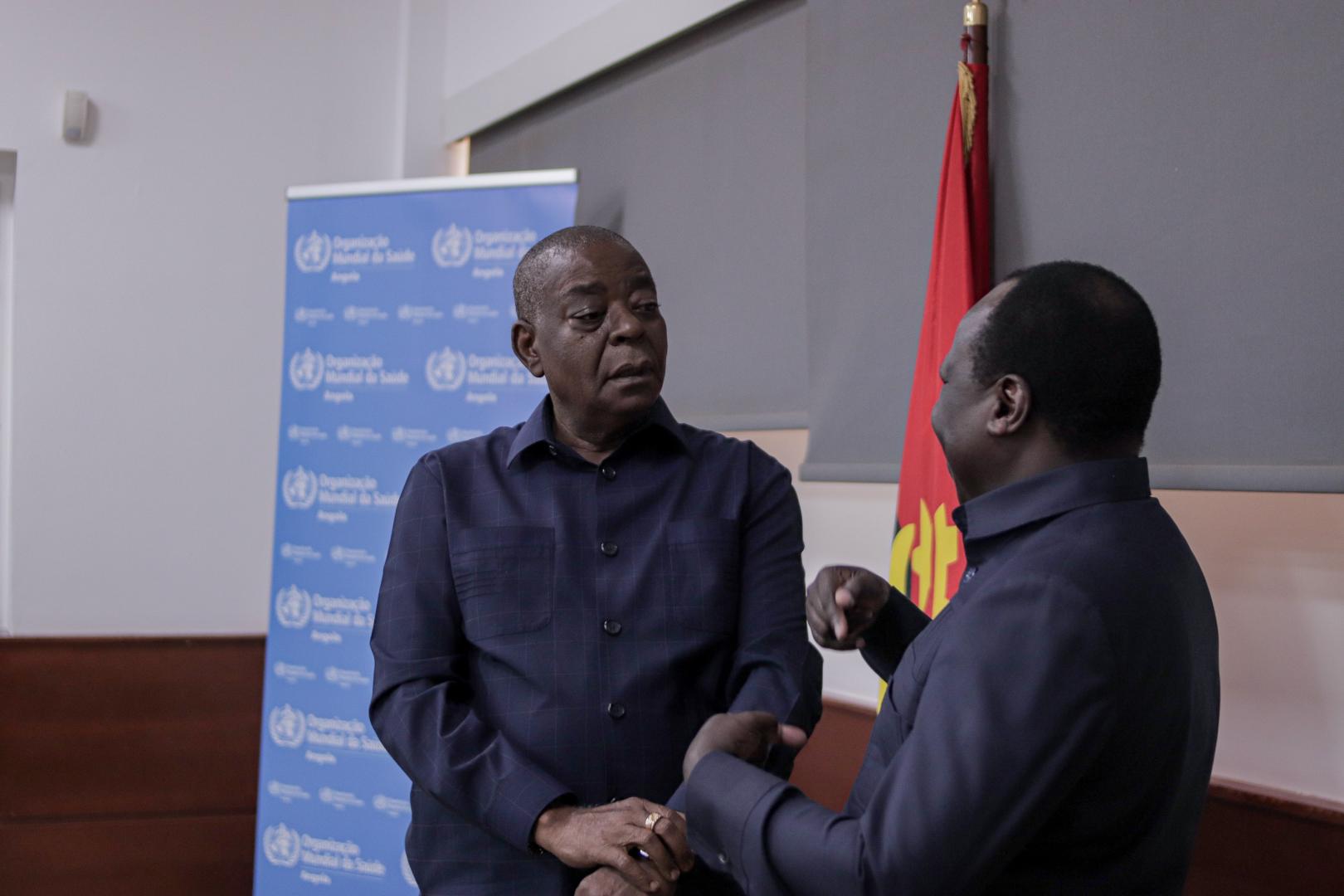
In a bid to enhance cooperation and strengthen health systems at the provincial level, the World Health Organization (WHO) team, led by the WHO Representative in Angola, Dr. Zabulon Yoti, conducted a mission to the province of Malanje from 10 to 11 September. The visit, aimed at reinforcing collaboration between WHO and local authorities, included key discussions with the Governor of Malanje, Marcos Alexandre Nhunga, and the Vice Governor for Social Affairs, Dr. Franco Mufinda, as well as the Provincial Director, Dr.