Government, Partners, and Northern Traditional Leaders Reaffirm Commitment to Nigeria’s Immunisation and Health Services Goals
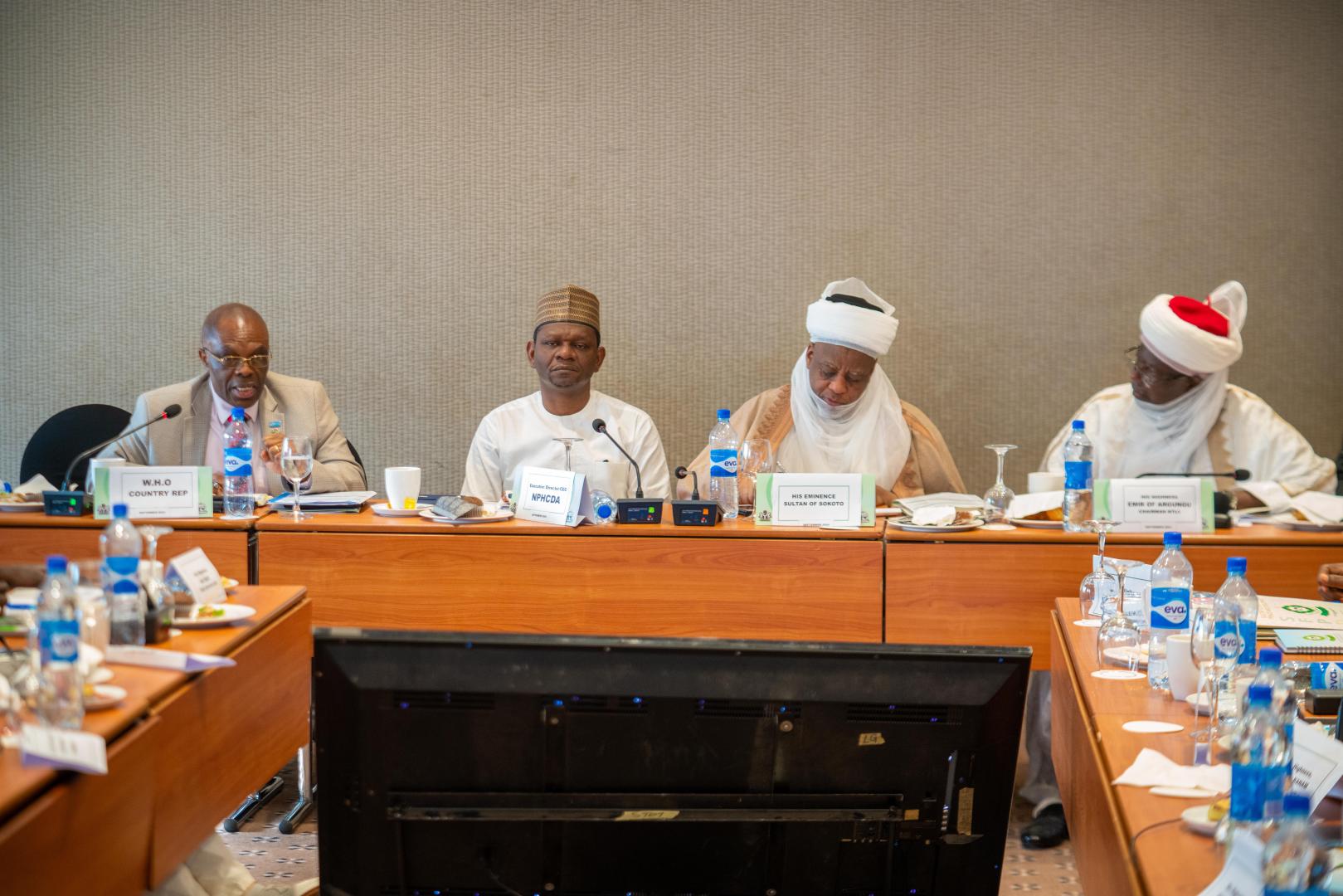
Abuja, 9 September, 2024 -- The World Health Organization Country Representative in Nigeria (WR), Dr Walter Kazadi Mulombo, has reaffirmed the organisation's unrelenting commitment to supporting the government of Nigeria to achieve its goal of stopping all forms of polio transmission and strengthening routine immunisation while building a resilient healthcare system across the country.
Empowering youth to combat tobacco in Uganda: Building champions amongst university student leaders to take charge
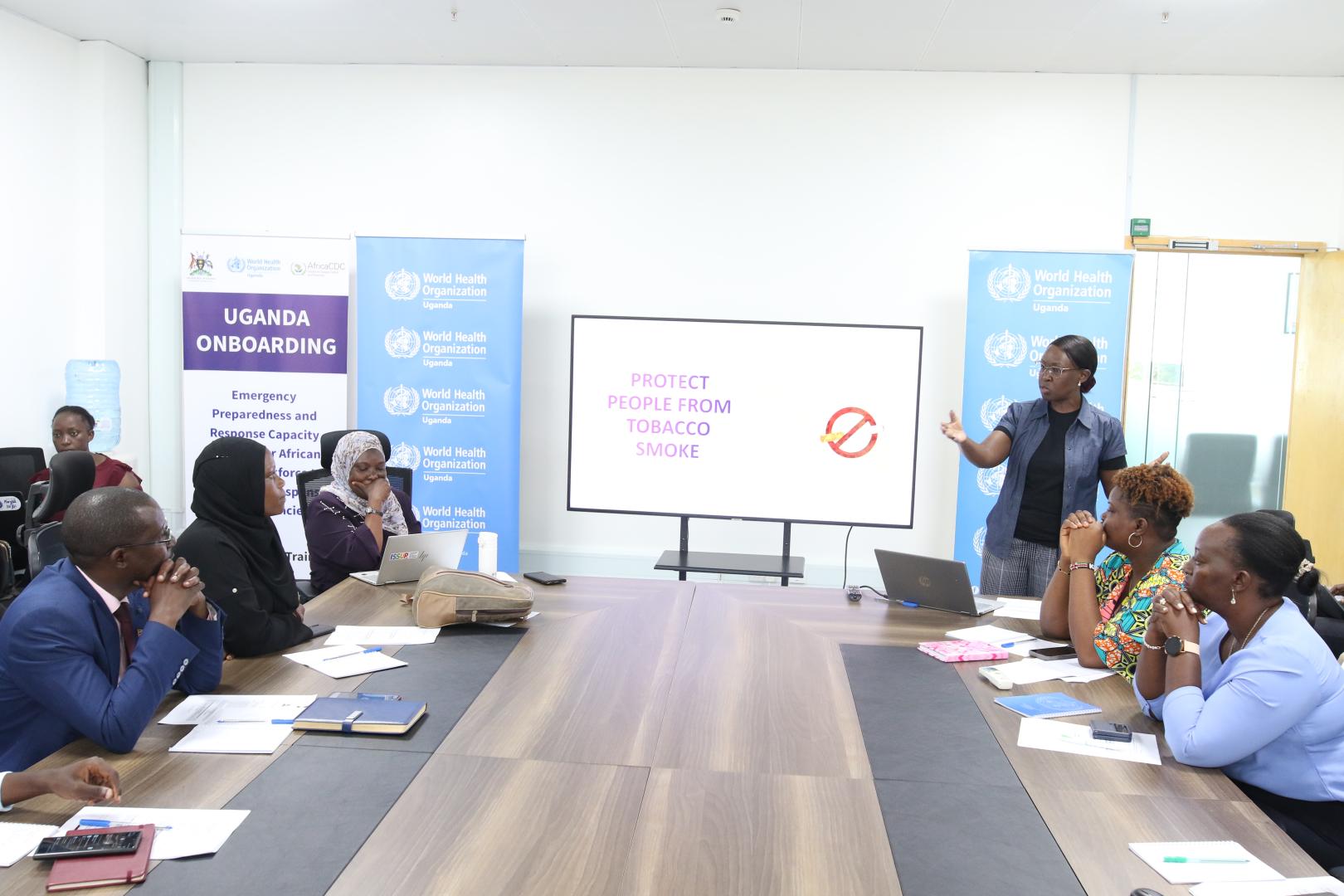
As part of a broader strategy to protect young Ugandans from the dangers of New and Emerging Nicotine and Tobacco Products (NENTPs), the Ministry of Health (MoH), supported by the World Health Organization (WHO), held a groundbreaking workshop in Kampala from September 5-6, 2024. The initiative brought together student leaders from seven Universities in Uganda to discuss the enforcement of Uganda’s Tobacco Control Act 2015, control of tobacco-related harm & its control which includes a ban on NENTPs.
WHO, UK Government, supports Nigeria in developing a strategic approach to managing health workforce migration
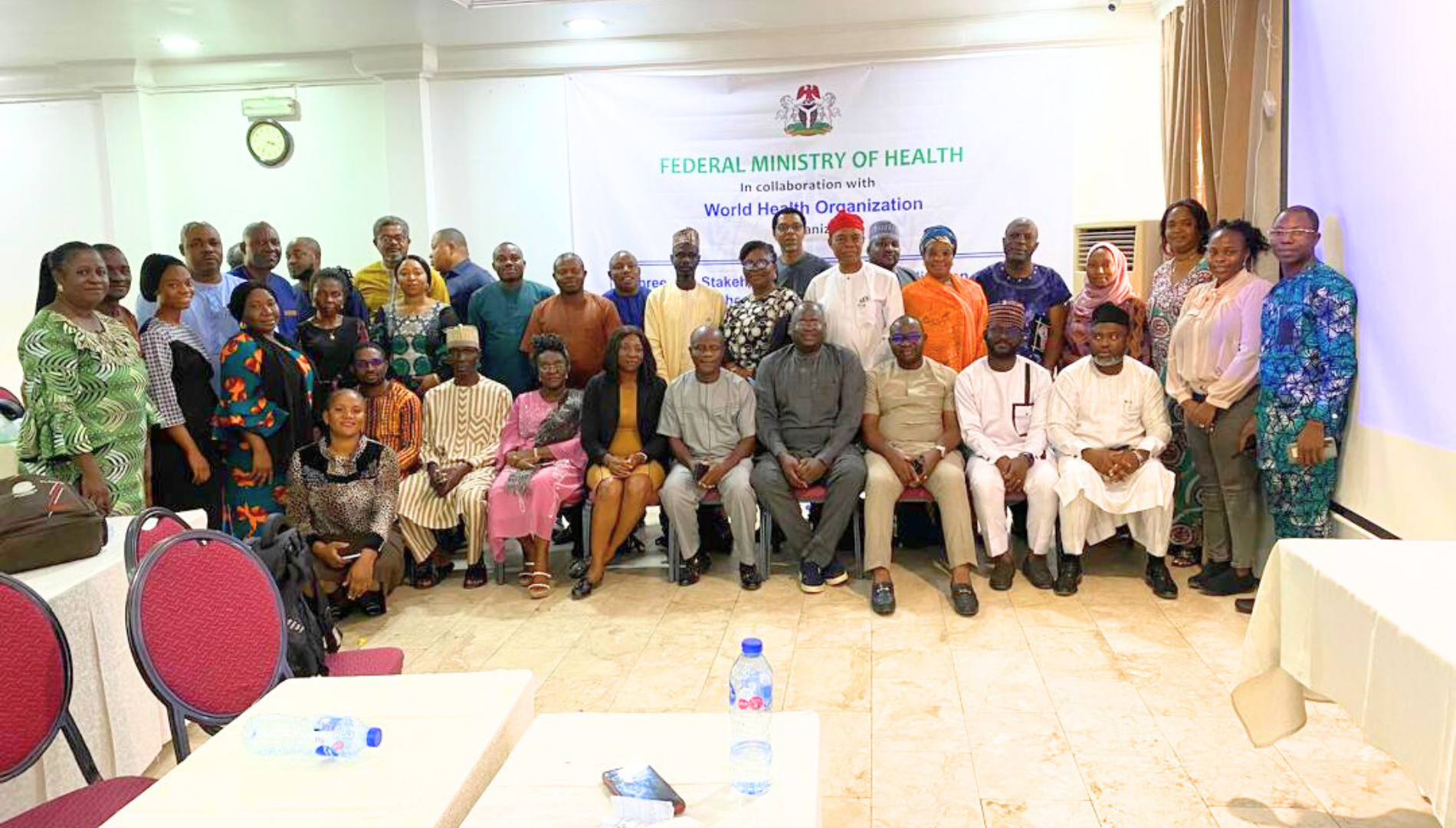
In a decisive move to address the growing concerns over the migration of health professionals, the Nigerian government recently approved a comprehensive "National Health Workforce Migration Policy".
The strategic policy, designed to curb health worker migration, carries significant weight. Its potential to mitigate the issue and bring about a substantial transformation in Nigeria's healthcare system cannot be overstated.
African CDC and WHO launch joint continental plan to scale up mpox outbreak response
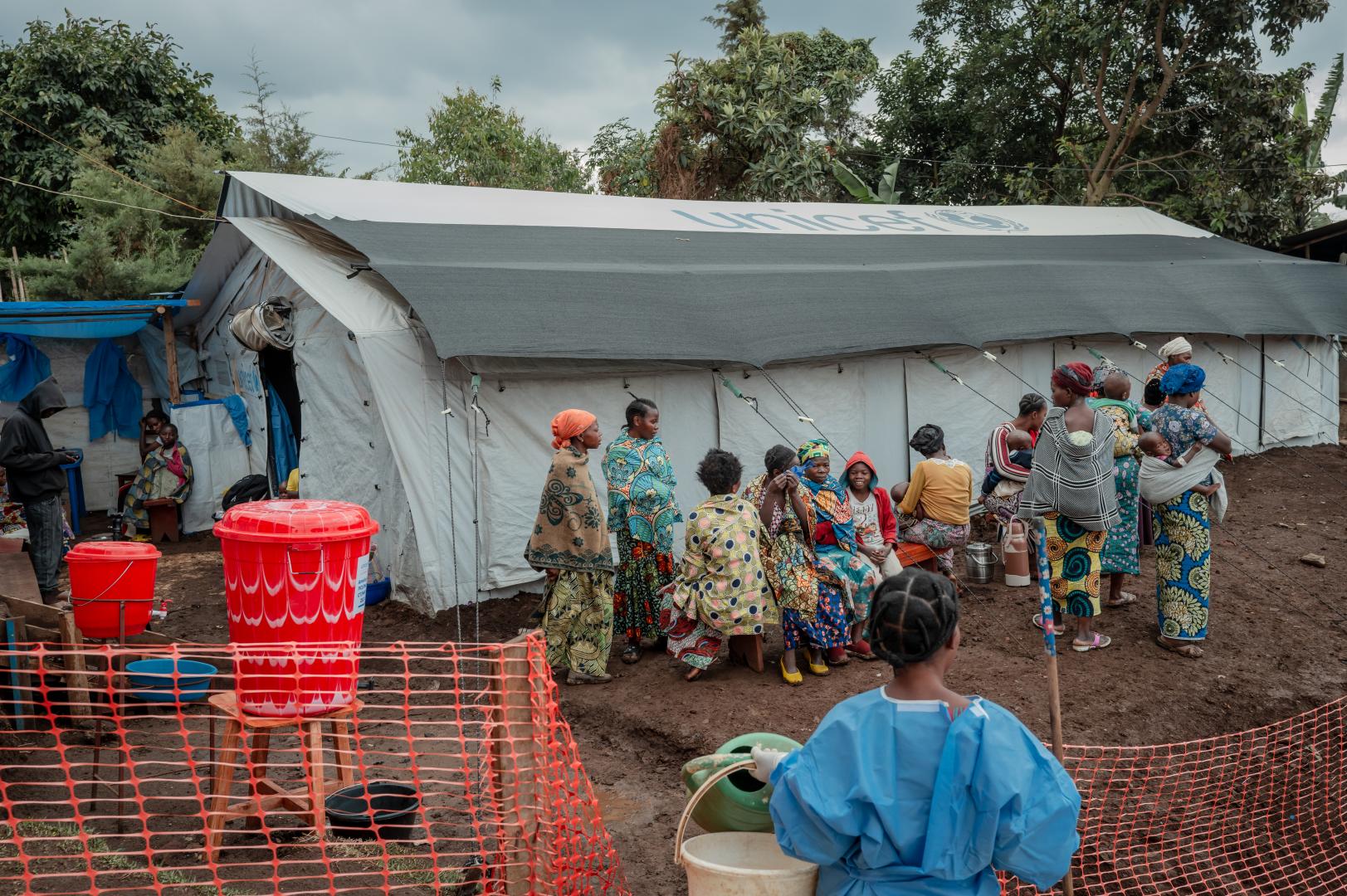
Taking stands at interrupting community transmission of all forms of poliovirus in Nigeria
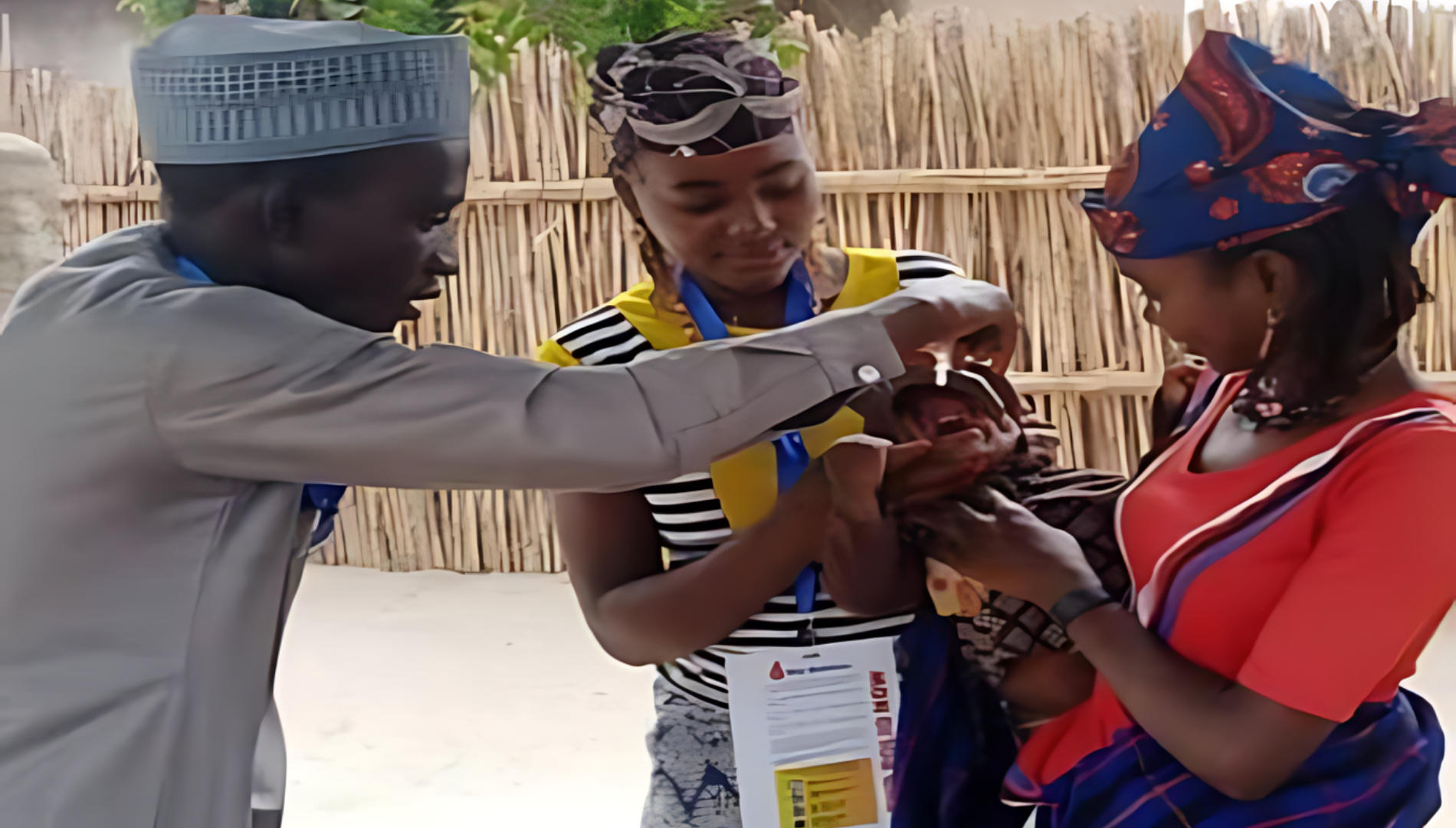
Katsina, 4 September, 2024 - “Before today, my child never received any form of vaccination,” says 27 years old Fatima Abubakar, while presenting her eight-months-old son, Adamu, to the team of vaccinators who had visited the remote Gadare settlements in Batsari Local Government Area (LGA), Katsina State, where she resides.
Giving hope to people living with mental health conditions in Adamawa State
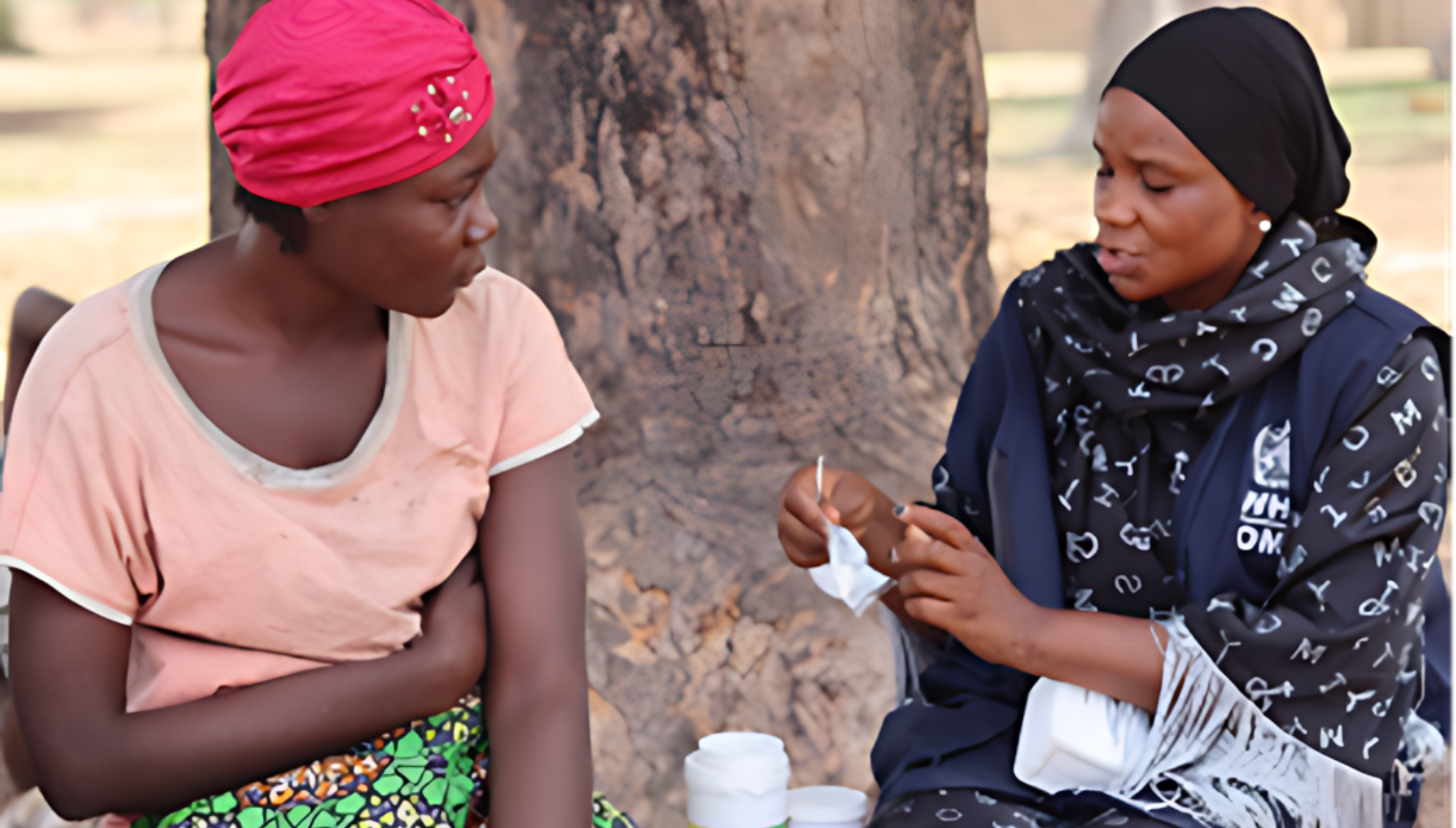
Yola, 4 September, 2024-After giving birth to her fourth child, 28-year-old Ladi Musa, residing in Mararabci Gari, Fufore Local Government Area of Adamawa state, slipped into an emotional crisis.
She was not sleeping well, became withdrawn, cried without cause, and was resentful toward the people around her.
"The feelings started some days after I gave birth to my baby. I wanted to be left alone," she recounted.
Mauritius puts food safety high on the menu
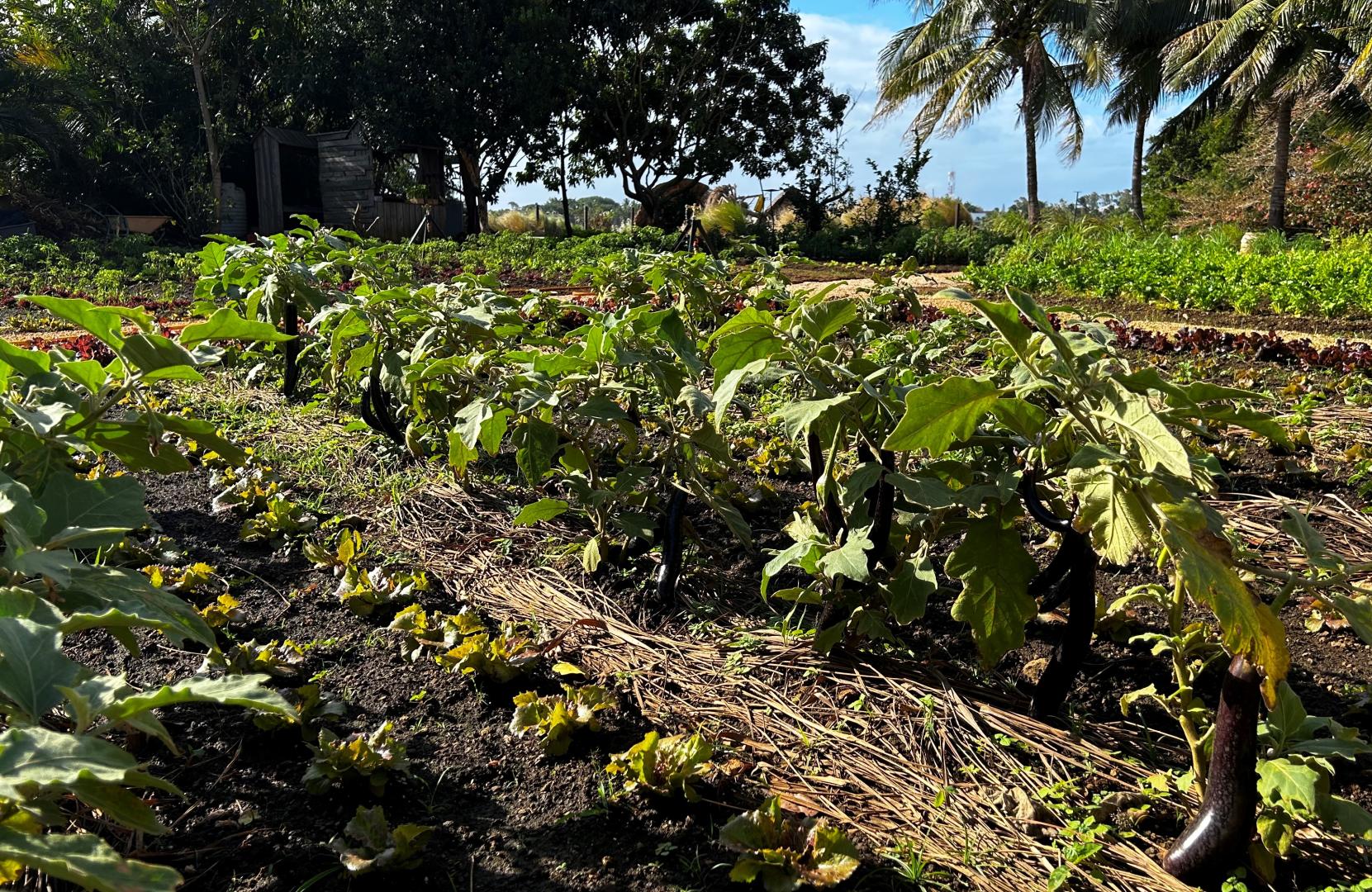
As is the case for many Small Island Developing States, Mauritius imports the large majority of the food its population consumes, whilst also relying economically on exporting certain local foodstuffs. Ensuring the safety of its food imports and marketability of its exports is thus of vital importance to the country. The Ministry of Agro-Industry and Food Security and WHO Mauritius recently convened a workshop for the harmonization the country’s food legislation with Codex standards, an endeavour that carries significant benefits, both in terms of public health and trade opportunities.
Namibia celebrates progress towards eliminating Malaria
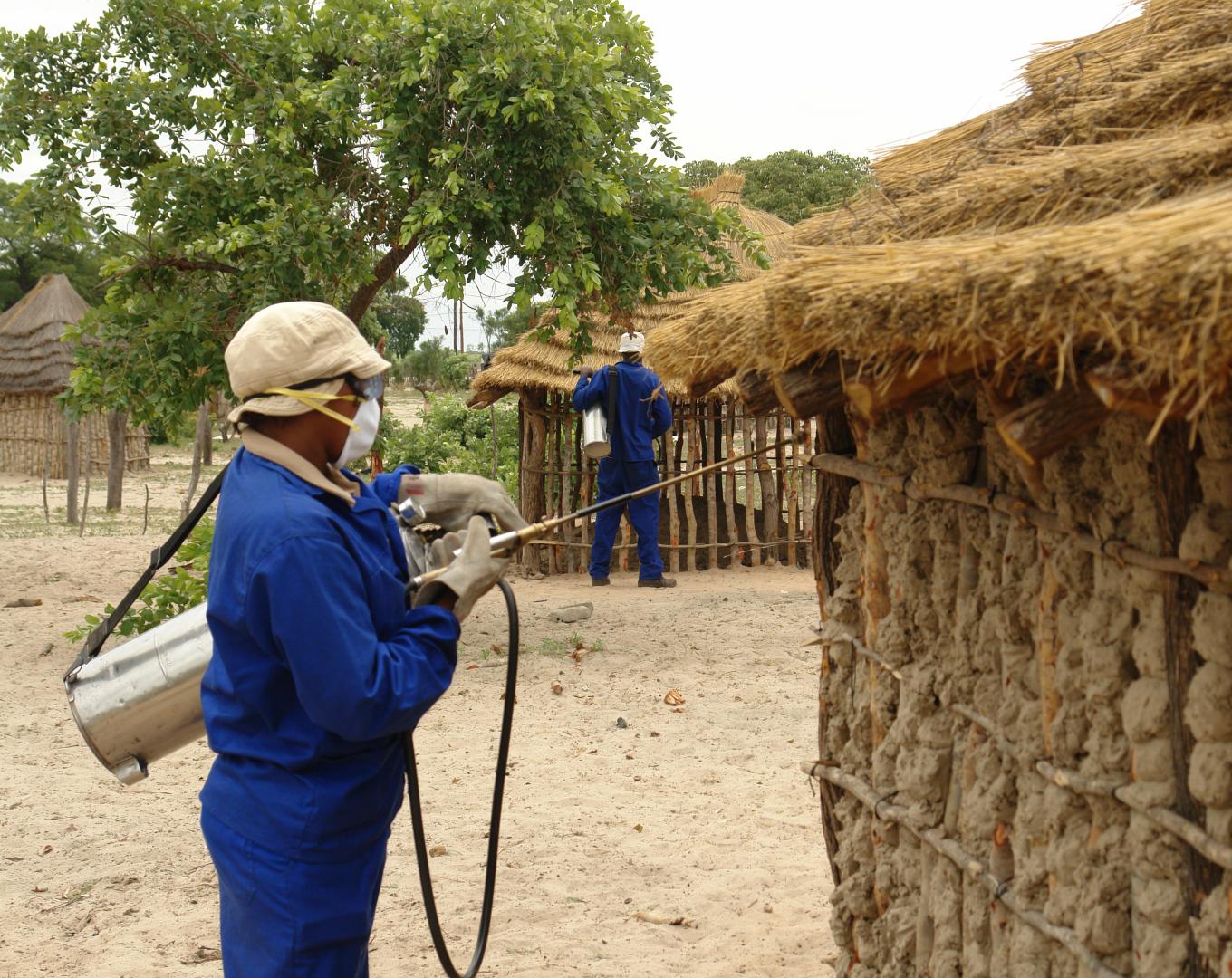
On 25 April every year, the world comes together to share information and experiences on malaria prevention and control, and to celebrate key milestones achieved in the fight against malaria. The Ministry of Health and Social Services (MoHSS) commemorated World Malaria Day at Khorixas, in the Kunene region on 14 August 2024 under the global theme “Advancing health equity, gender equality and human rights” and the national theme “Ensuring safe communities with zero malaria”.
WHO supports Uganda to conduct first Mass Gathering After Action Review for the 2024 Namugongo Martyrs’ Day pilgrimage
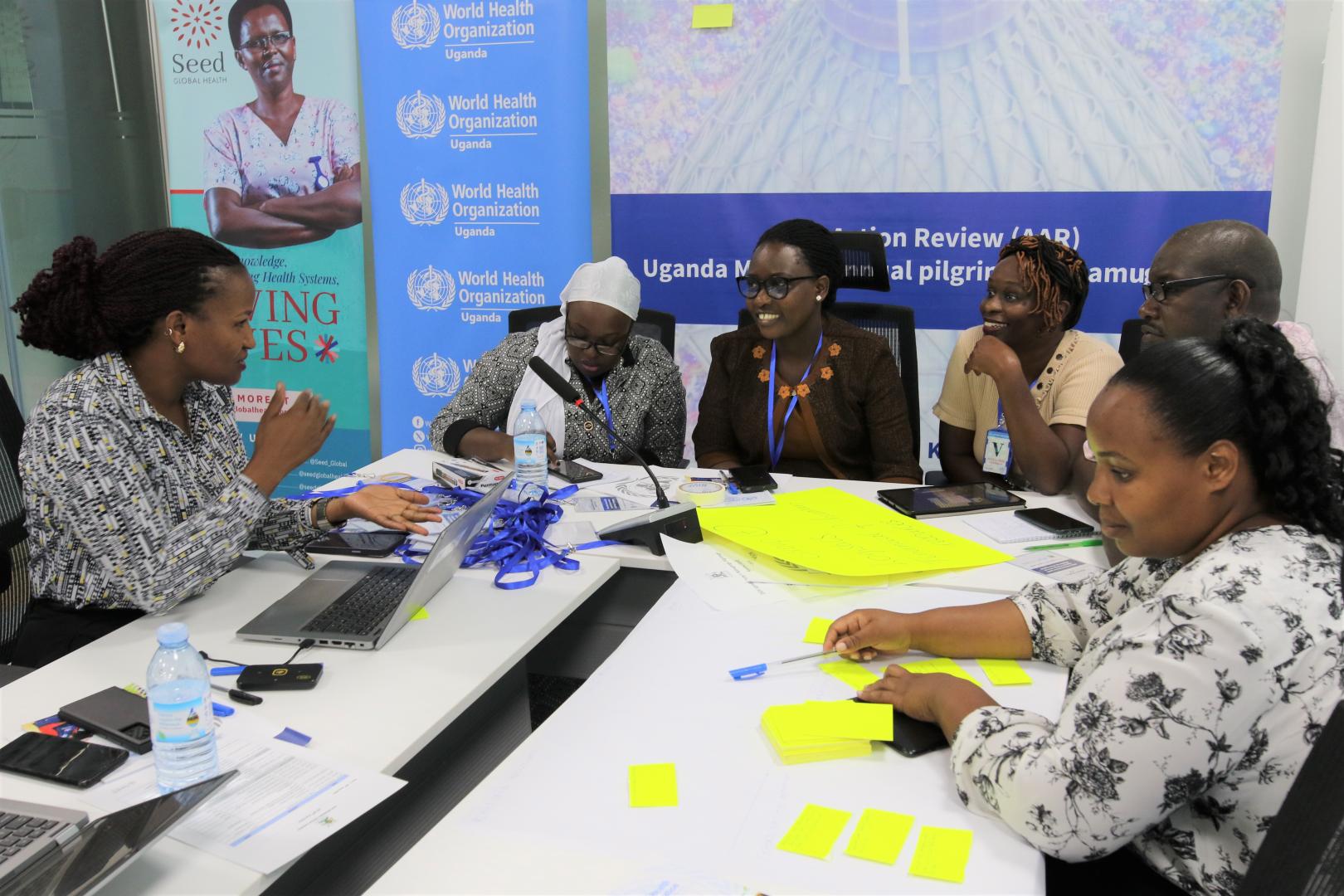
Kampala. Uganda’s Ministry Health, with support from the World Health Organization (WHO), SEED Global Health and other partners conducted the first ever After-Action Review (AAR) for a mass gathering event in the African Region on 29-30 August 2024. The event reviewed the 2024 Uganda Martyrs commemoration gathering in Kampala. The AAR was facilitated by technical officers from the WHO Africa Regional Emergency Hub in Nairobi.