Polio surveillance strengthened in Sierra Leone
To enhance Sierra Leone's polio surveillance capacity, a team of Environmental Surveillance (ES) experts from WHO Regional Office for Africa visited the country to support the Ministry of Health and the National Public Health Agency (NPHA). The mission focused on improving the performance of Environmental Surveillance (ES) sites in Freetown, considering expansions to other towns, and building the capacity of local sample collectors and supervisors.
Uganda's Ministry of Health Launches GLAAS 2024/25 Country Survey
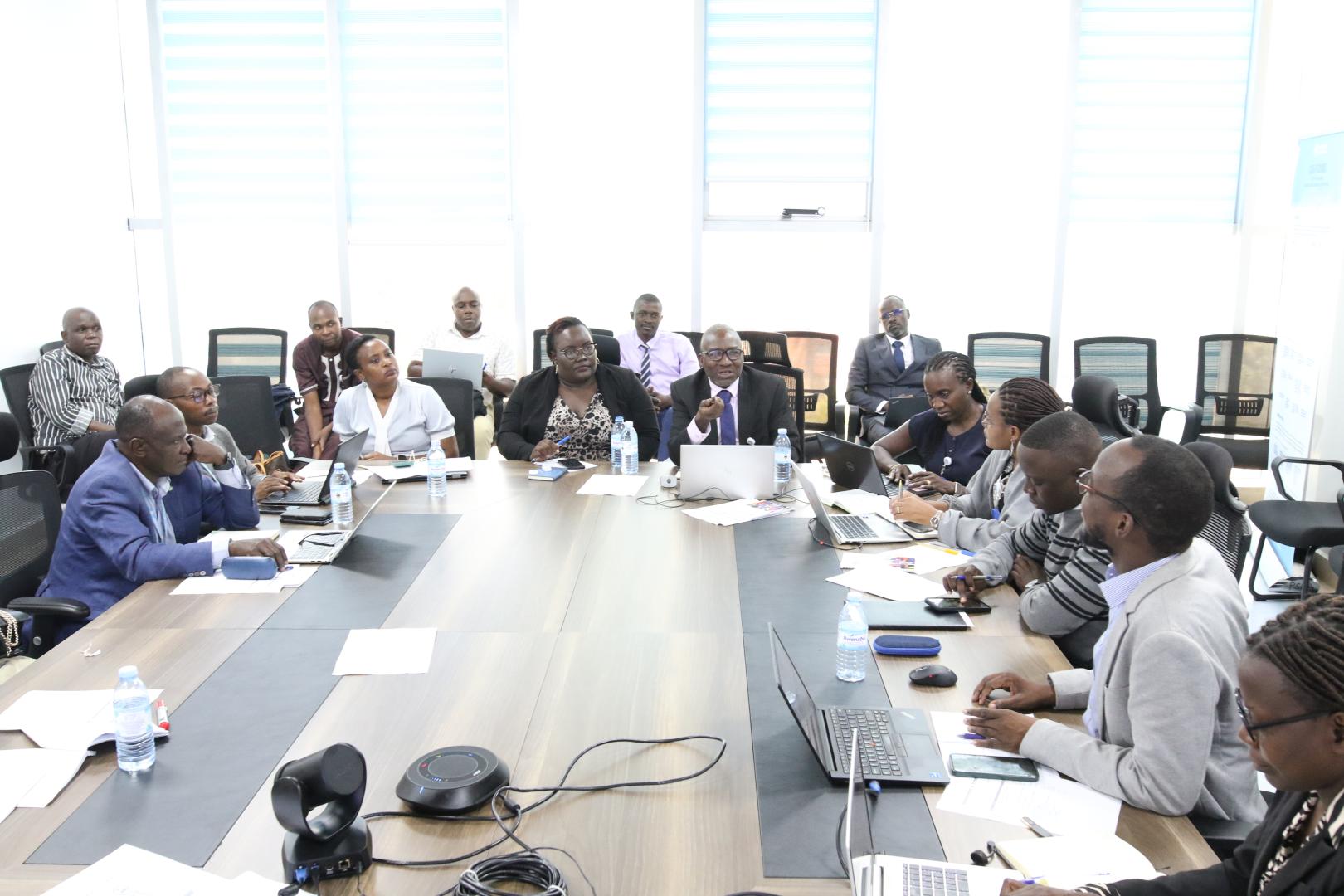
The Ministry of Health (MoH), in collaboration with the World Health Organization (WHO) held an inception meeting with key stakeholders on 27 August 2024 at WHO Country Office to officially launch the UN-Water Global Analysis and Assessment of Sanitation and Drinking-Water (GLAAS) 2024/25 country survey.
Botswana Develops National Policy on Biological Resources and Benefit-Sharing
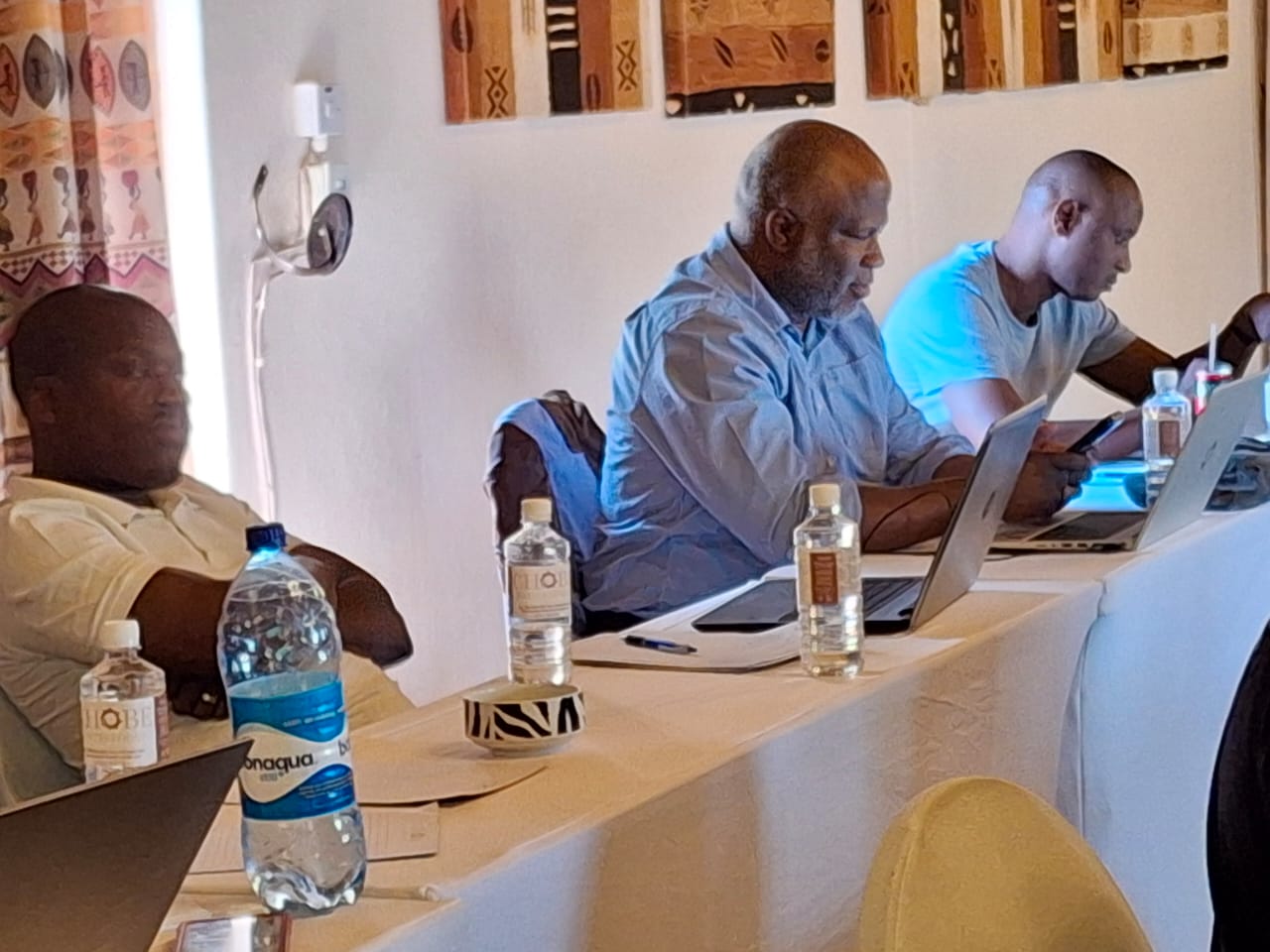
Botswana has taken a significant step toward strengthening the governance of biological resources with the development of its National Policy on Access to Human Biological Material and Equitable Benefit-Sharing. This initiative, driven by the Ministry of Health (MoH) with support from the WHO Botswana Country Office, addresses critical gaps in managing biological resources, data sharing, and benefit distribution in healthcare and research.
The policy development process comprised three key phases.
Empowering Frontline Health Workers to Address GBV In Namibia
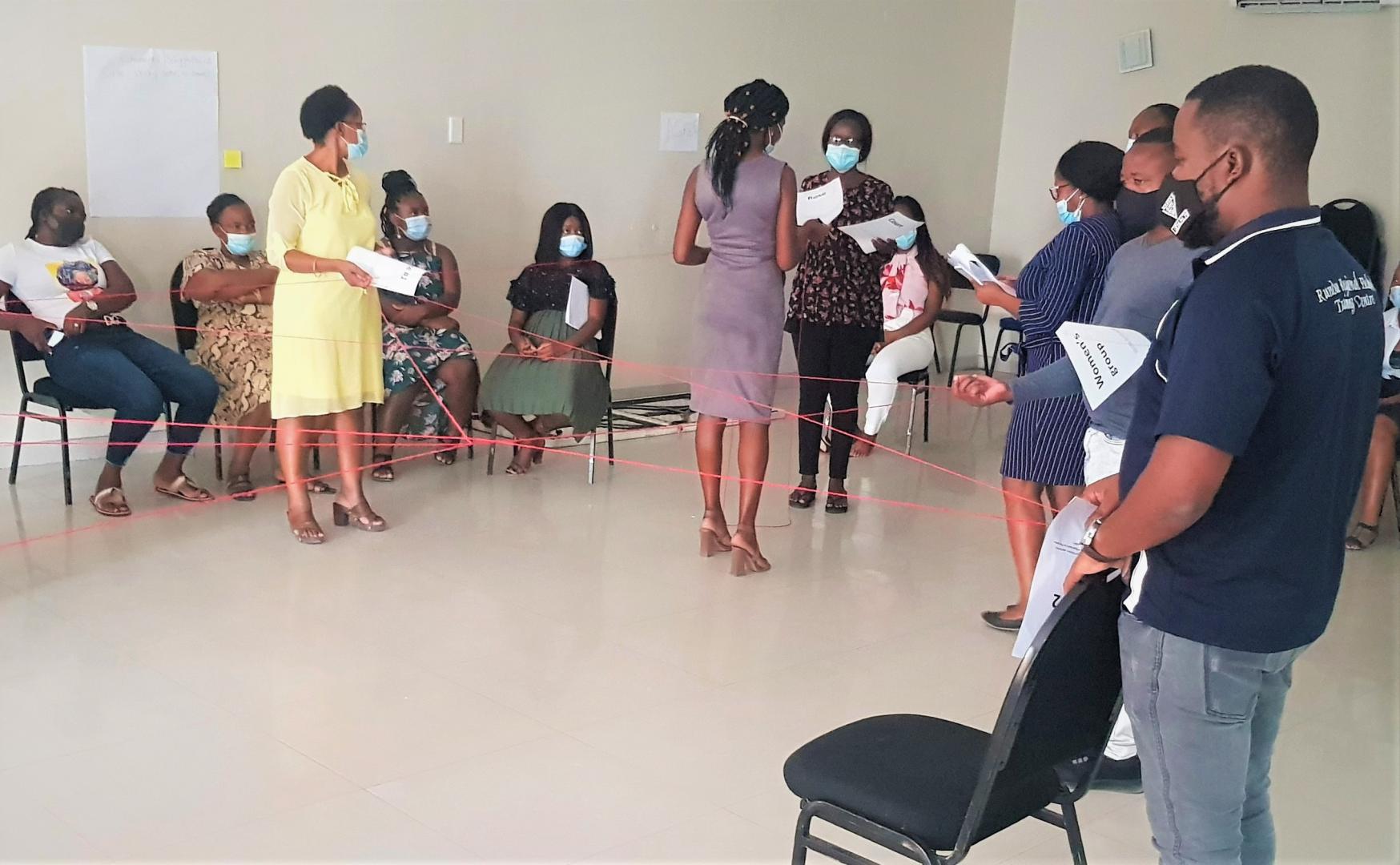
In Namibia, nearly 35% of women are subjected to intimate partner violence and/or sexual violence. The majority do not disclose the abuse but may seek health care because of the abuse. This makes the health sector a critical player in the prevention and response to violence against women.
African health ministers, partners urge equitable access to critical tools to curb cervical cancer threat
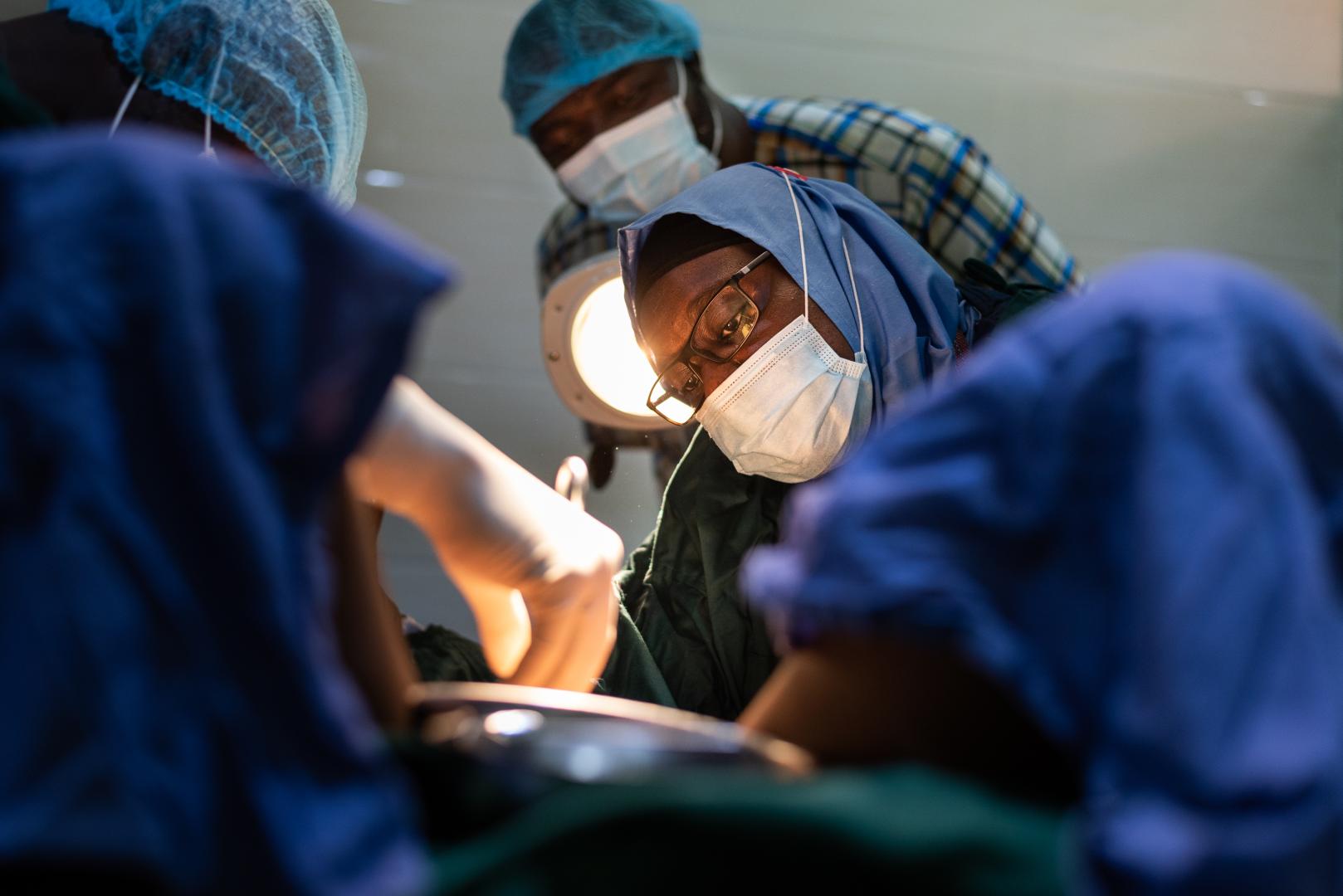
Strengthening Polio Surveillance: Risk Assessment following Detection of Circulating Vaccine Derived Poliovirus type 2
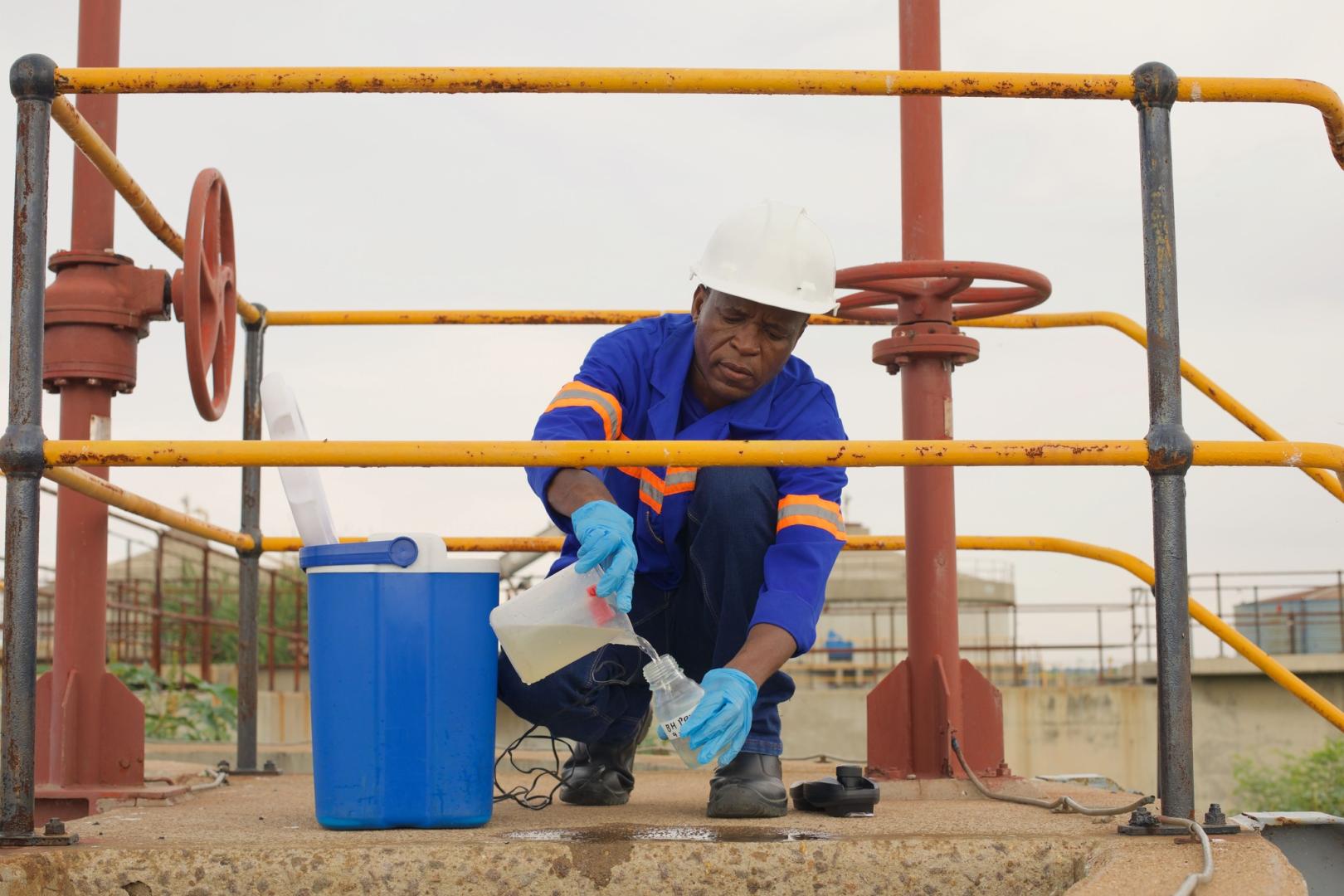
Environmental Surveillance (ES) was introduced in August 2022 to complement case-based AFP surveillance. The first established site for ES was Gaborone, Glen Valley Wastewater Treatment Site. Through this surveillance, the circulating Vaccine Derived Poliovirus type 2 (cVDPV2) was detected on October 4, 2022. Following the country risk assessment, a recommendation was made to conduct a nationwide vaccination campaign using the novel polio type 2 polio vaccine (nOPV2) for all children under the age of 7.
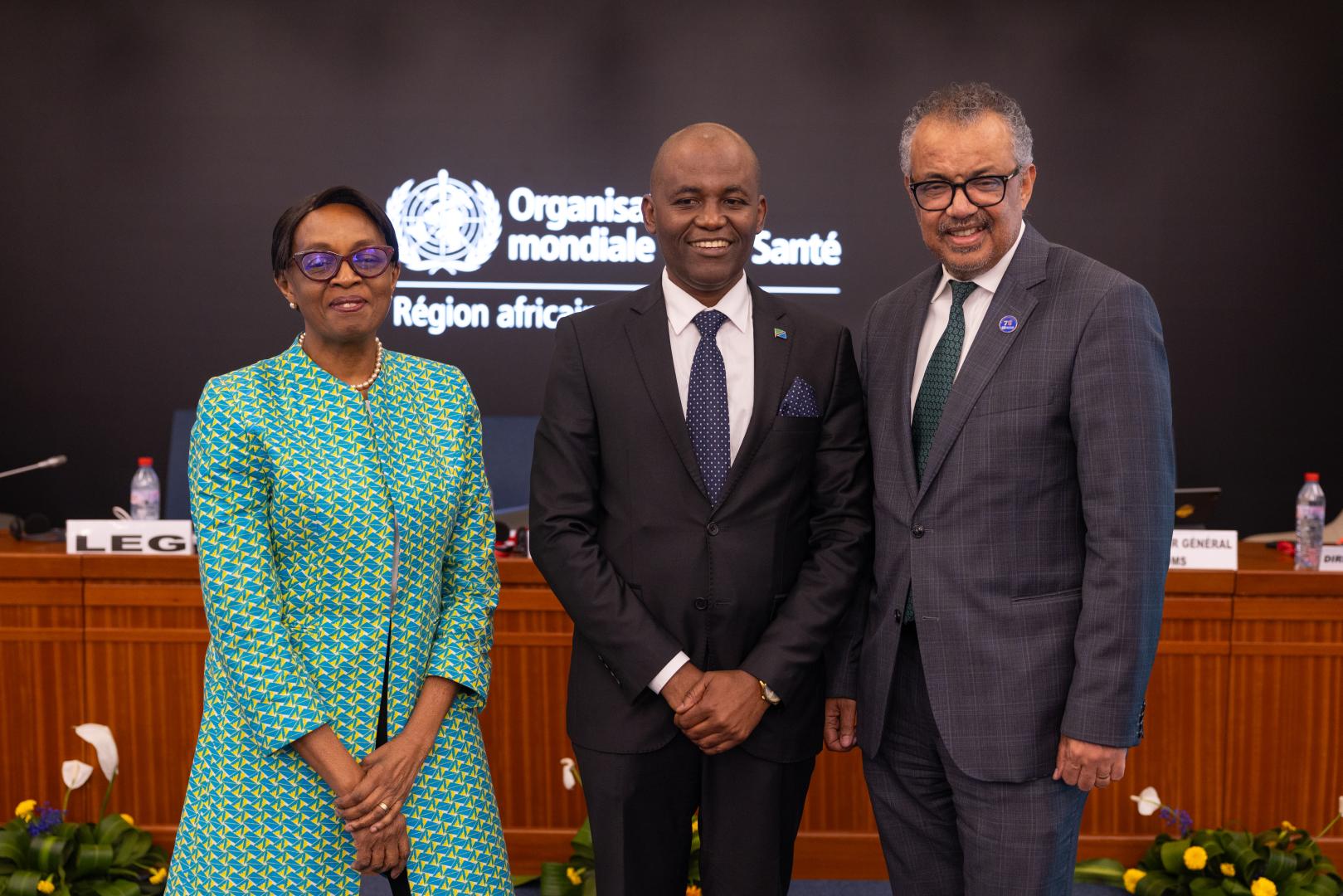
Dr Faustine Engelbert Ndugulile of Tanzania nominated as next director for WHO African Region
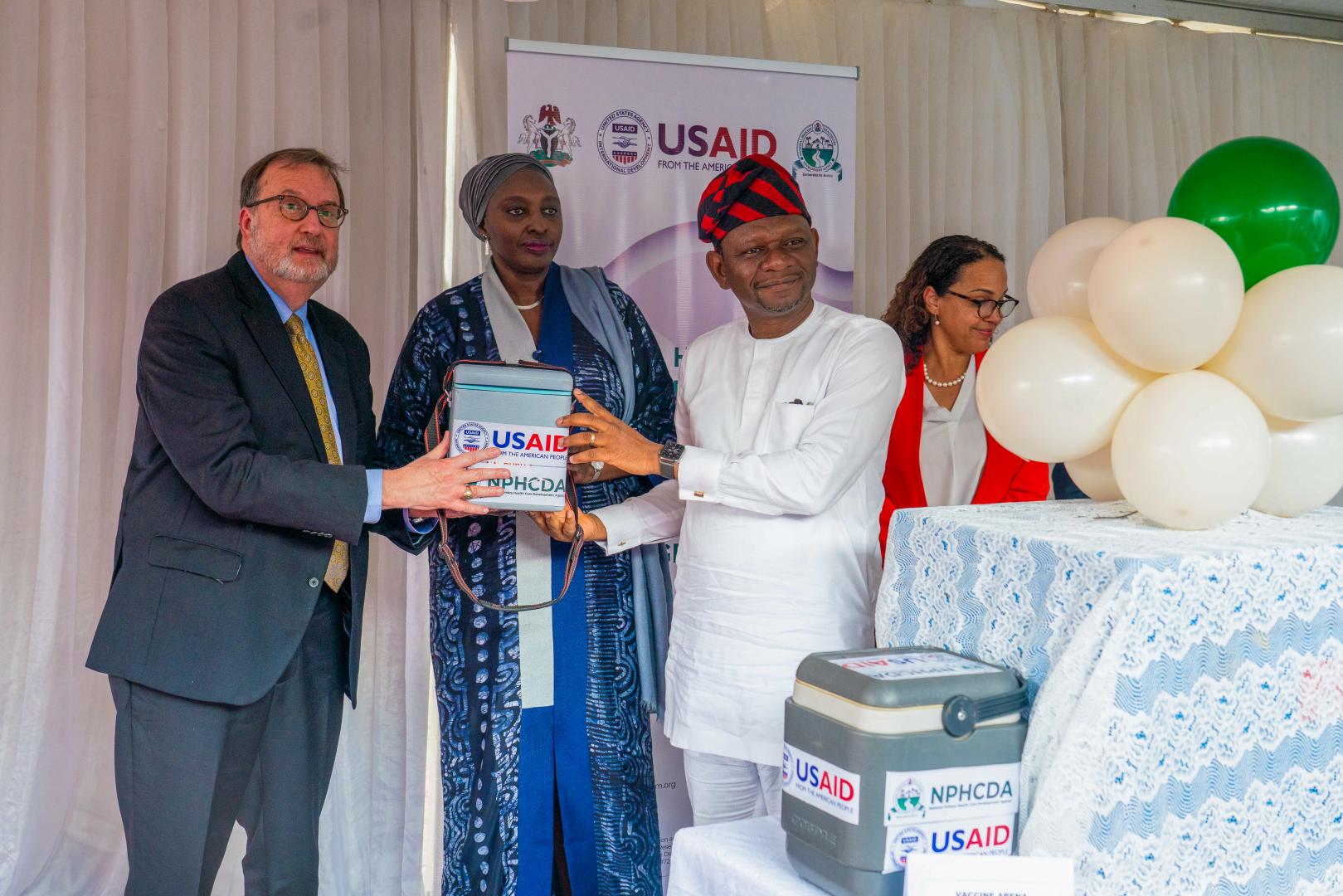
First-ever delivery of mpox vaccines in Africa outside of clinical trials arrives in Nigeria
Fourteen African countries, key partners unite to provide critical resources for health in WHO’s first-ever Investment Round

Brazzaville — In an unprecedented show of unity in support of the World Health Organization, 14 African countries and many partners pledged over US$ 45 million to the WHO Investment Round, a three-month-old initiative aimed at generating sustainable financing for the organization at the centre of the global health architecture.