Raising tobacco taxes is a win-win for governments
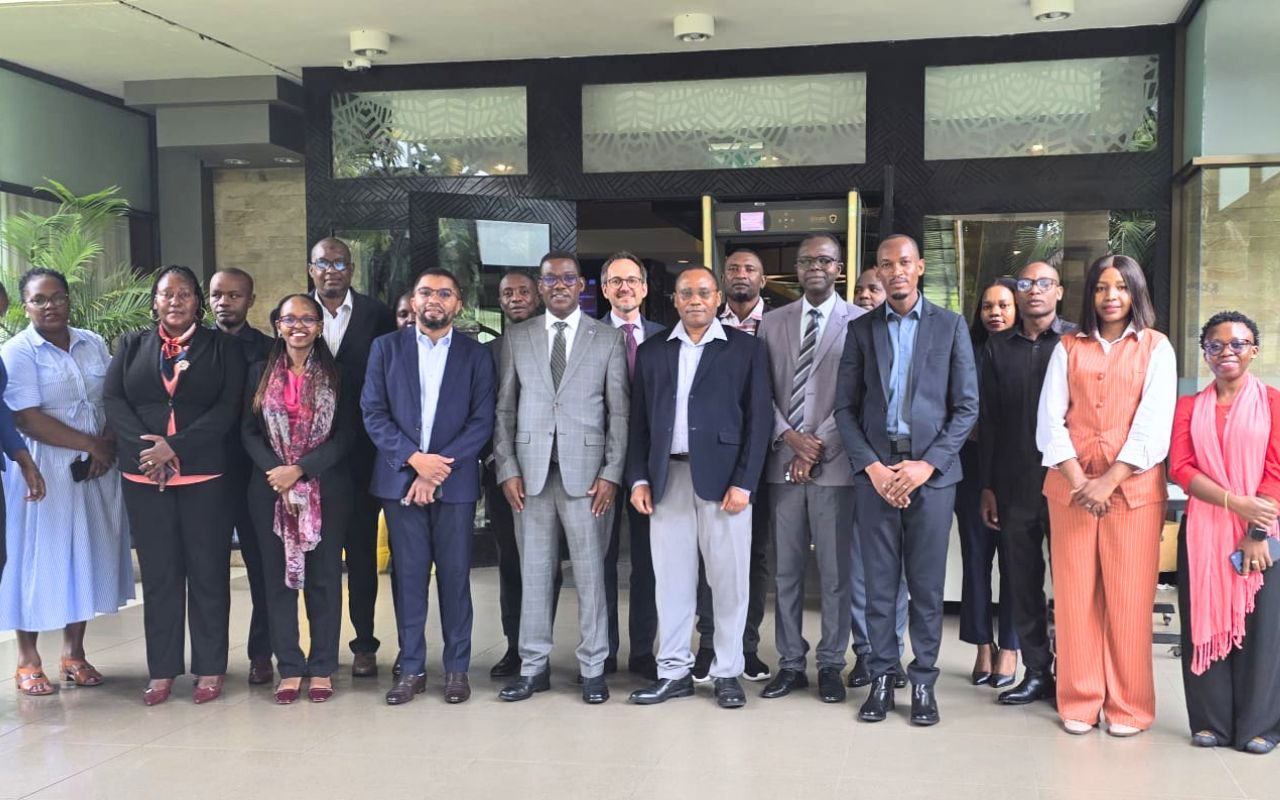
Arusha – The United Republic of Tanzania ratified the World Health Organization Framework Convention on Tobacco Control (WHO FCTC) in 2007, thereby committing to the obligations of this international treaty. The WHO FCTC Article 6 calls on Parties to implement price and tax measures to make tobacco products less affordable, thus protecting the population’s health.
MoH and WHO set to strengthen blood transfusion services in South Sudan
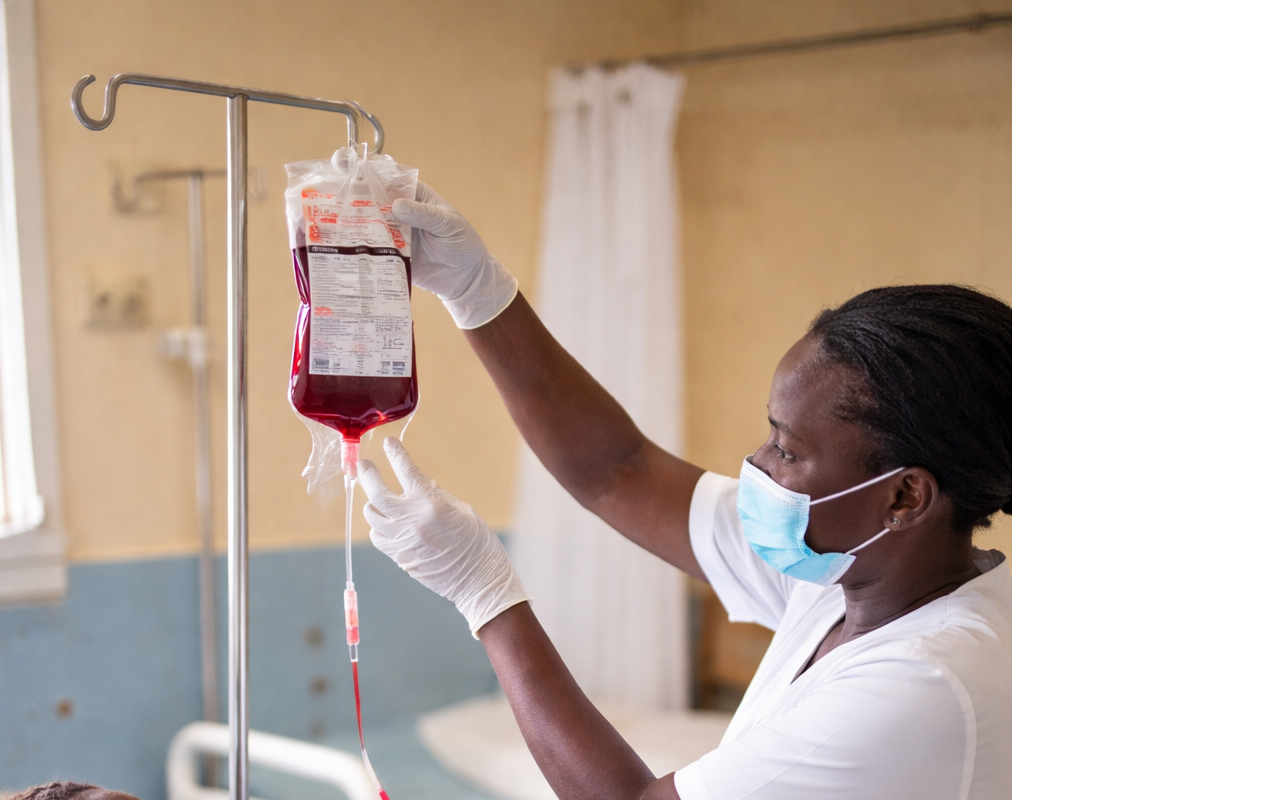
Juba, South Sudan — Every unit of blood carries a story, from the donor who gives, to the National Blood Transfusion Service (NBTS) teams who collect and process it, to the clinicians who use it, and the patient whose life depends on it. For many in South Sudan, that story ends in survival, a mother after childbirth, a child with severe anaemia, or a patient in critical care.
WHO Hands Over Critical Assets to Strengthen Health Systems in Zambia
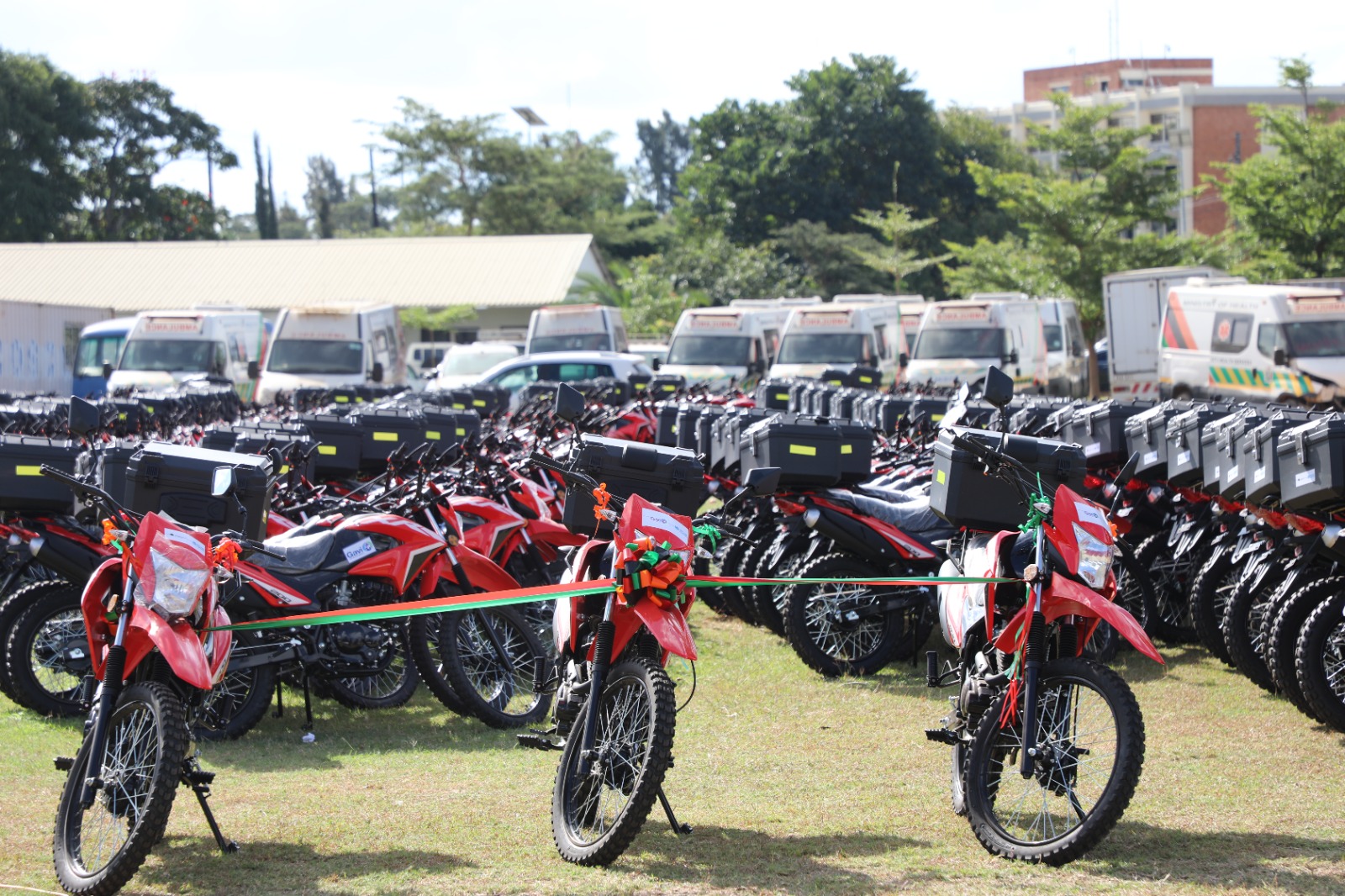
Lusaka, Zambia – The World Health Organization (WHO) Country Office in Zambia has officially handed over essential equipment to the Ministry of Health (MoH) aimed at strengthening national health systems, improving service delivery, and enhancing preparedness and response to public health threats.
The handover included:
South Sudan marks first-ever national celebration of International Labour Day
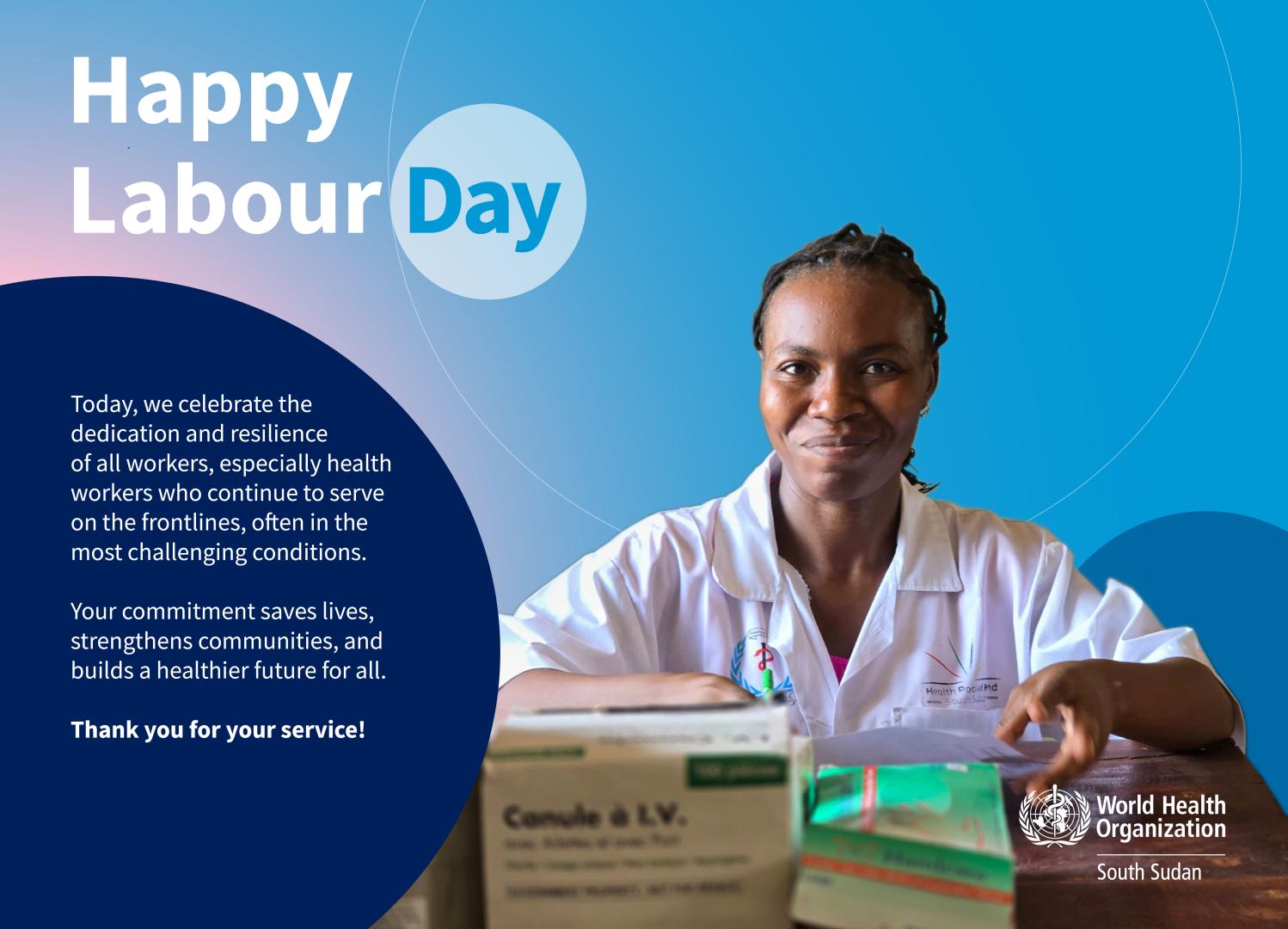
South Sudan today held its first-ever national celebration of International Labour Day, bringing together government leaders, workers, trade unions, and partners at Juba National Stadium.
Observed globally on May 1, Labour Day honors the contributions and rights of workers across all sectors and highlights the importance of safe, fair, and dignified working conditions.
WHO and partners take part in a public march to mark World No Tobacco Day
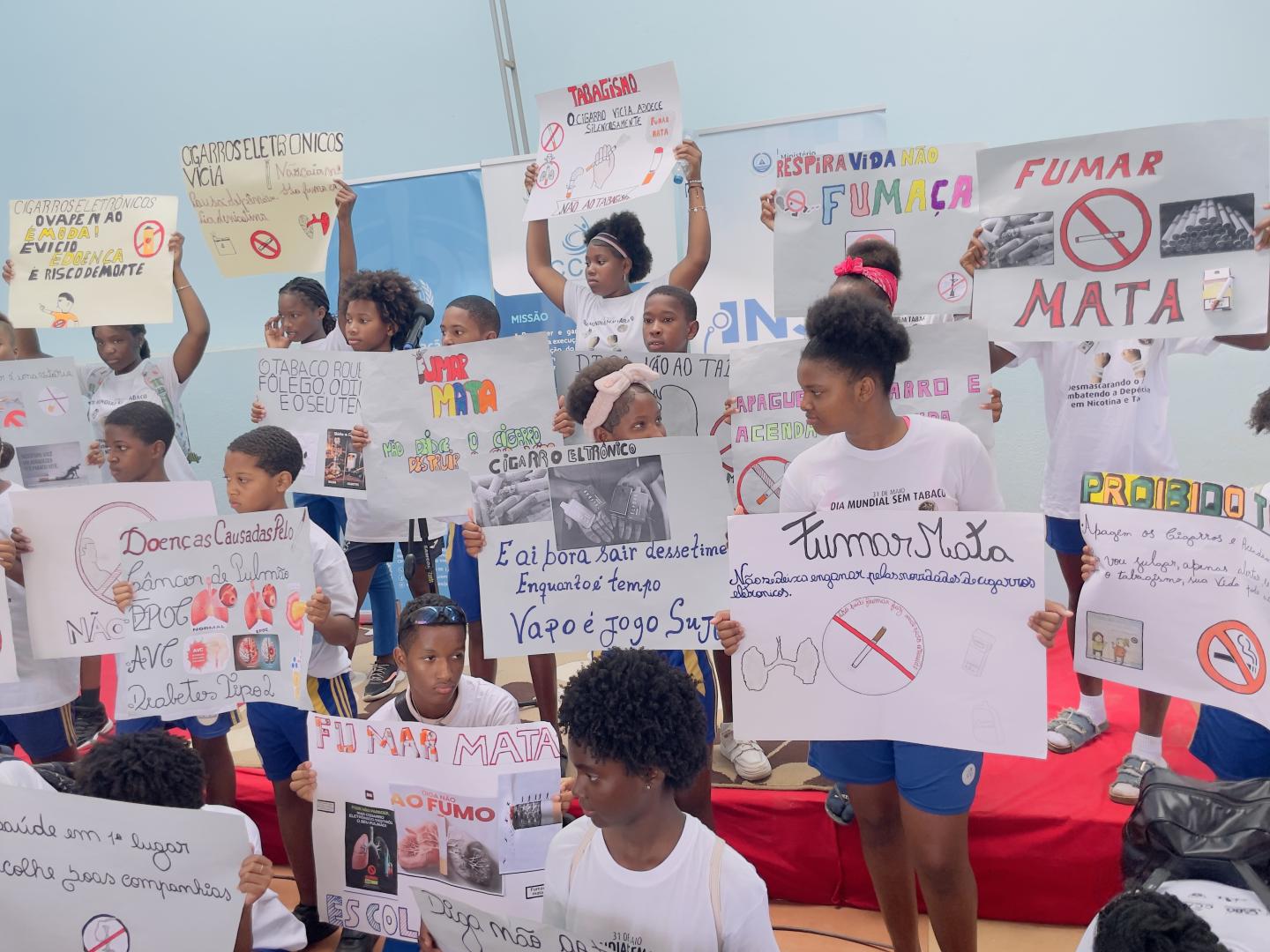
Praia, Cabo Verde. The World Health Organization (WHO), in partnership with the Ministry of Health, through the Coordination Commission on Alcohol and Other Drugs (CCAD), the National Institute of Public Health (INSP) and other partners, took part this Saturday, 30 May, in the civic march marking World No Tobacco Day, observed annually on 31 May. The initiative took place under the slogan “Unmasking the Appeal: Combating Nicotine and Tobacco Addiction”.
Luanda Hosts “Research for Life” Conference to Strengthen the Impact of Scientific Research in Angola
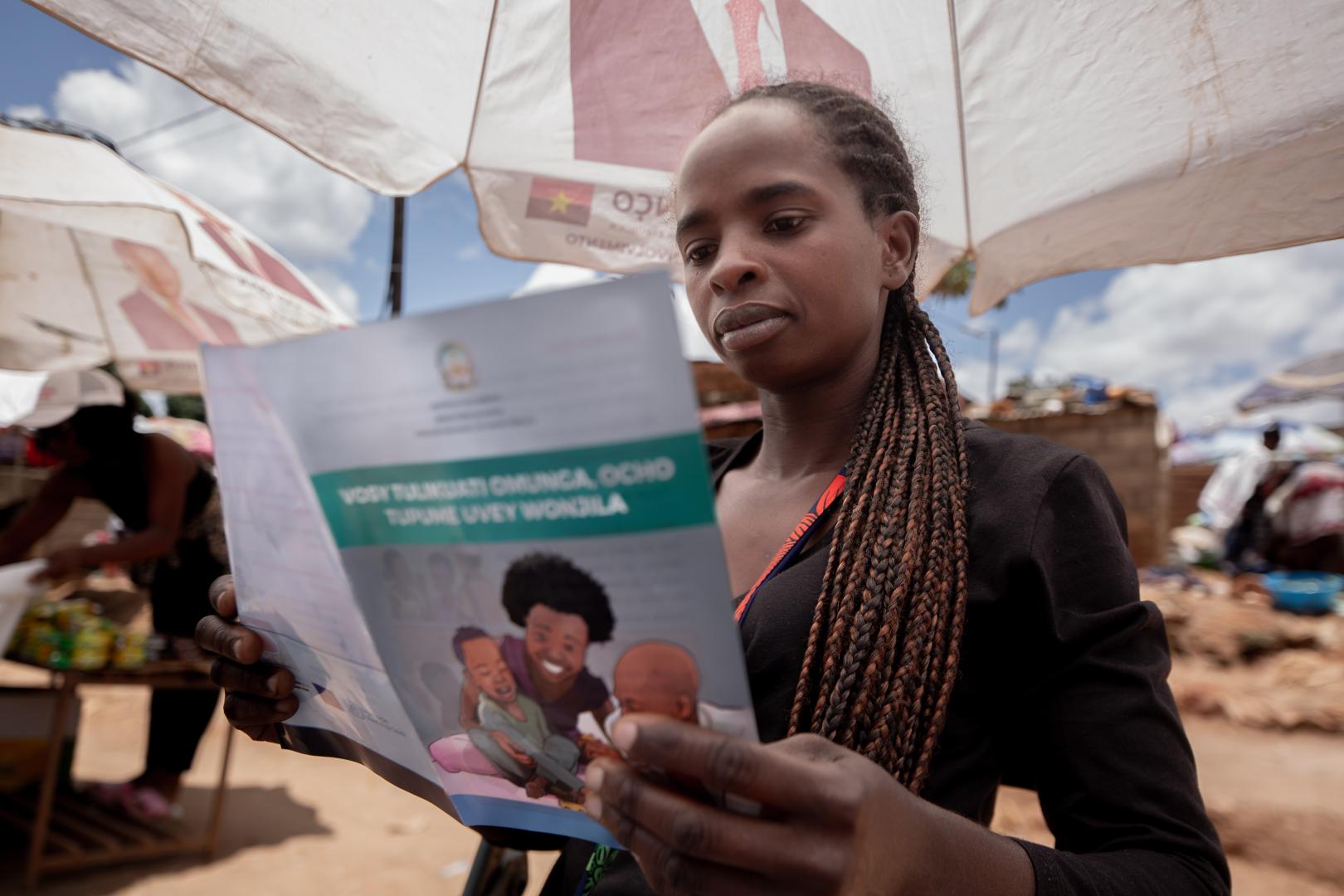
From April 28 to 30, Luanda will host the “Research for Life” conference, a national gathering that highlights the central role of science and research in formulating effective public policies and improving health outcomes.
Where trust turns into protection: The school at the heart of Malawi’s polio breakthrough
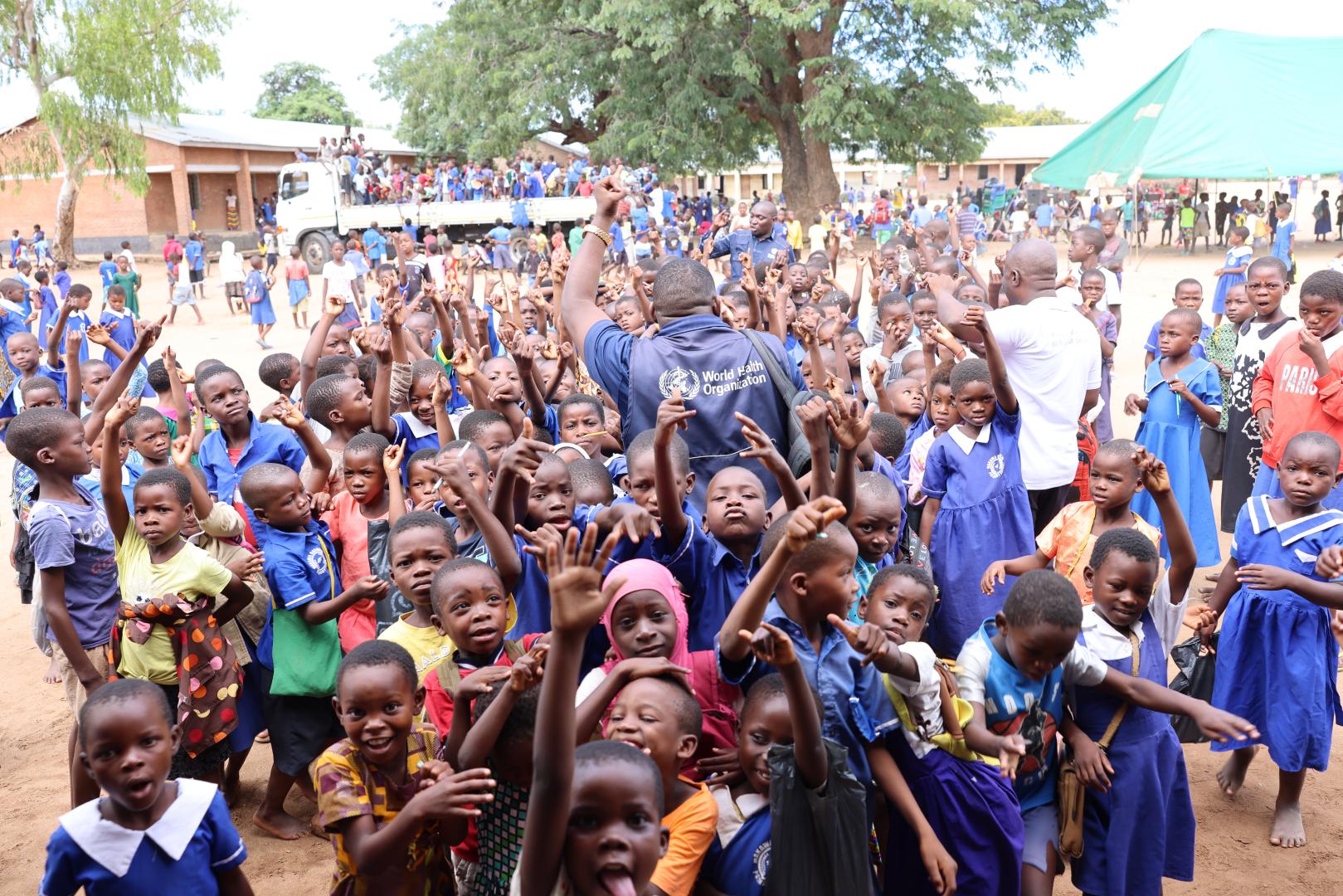
At Makawa Primary School, where more than 5,000 children fill classrooms each day, the morning of 24 March 2026, the first day in Malawi’s round 1 nationwide polio vaccination campaign, carried a quiet urgency and a powerful sense of hope.
By 10 AM, over 1,600 children had already received their polio vaccine. The numbers tell one story. People behind them told another: one of trust, coordination, and a shared commitment to protect every child.
The Government of Burundi introduces the human papillomavirus (HPV) vaccine to protect girls and prevent cervical cancer
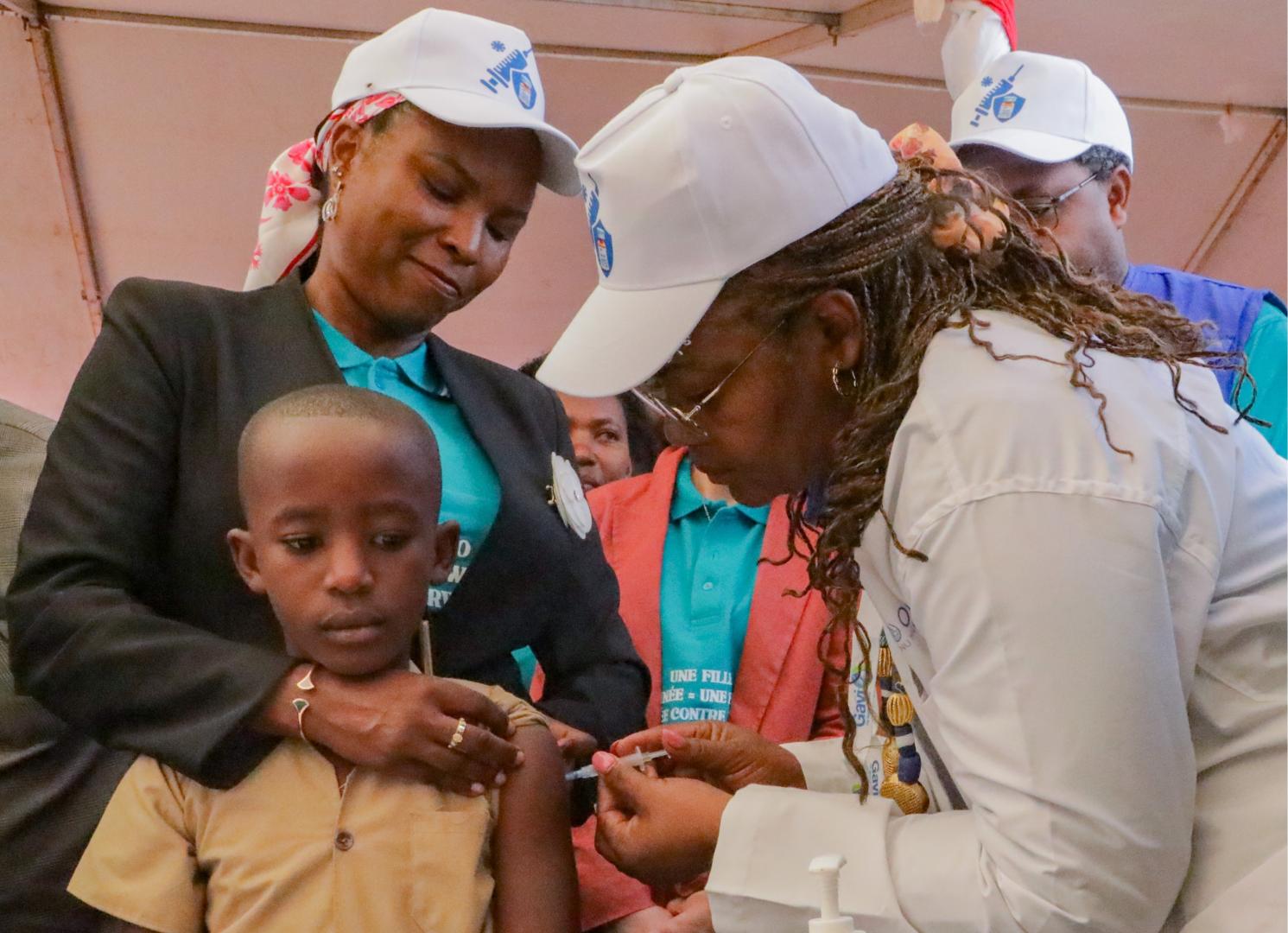
Bujumbura – Under the leadership of the Ministry of Public Health and with the support of the Vaccine Alliance (Gavi), UNICEF, and the World Health Organization (WHO), Burundi has just launched, on April 29, 2026, the vaccine against the human papillomavirus (HPV), which causes cervical cancer.
African Vaccination Week 2026 begins in São Tomé and Príncipe, reaffirming that vaccines work for all
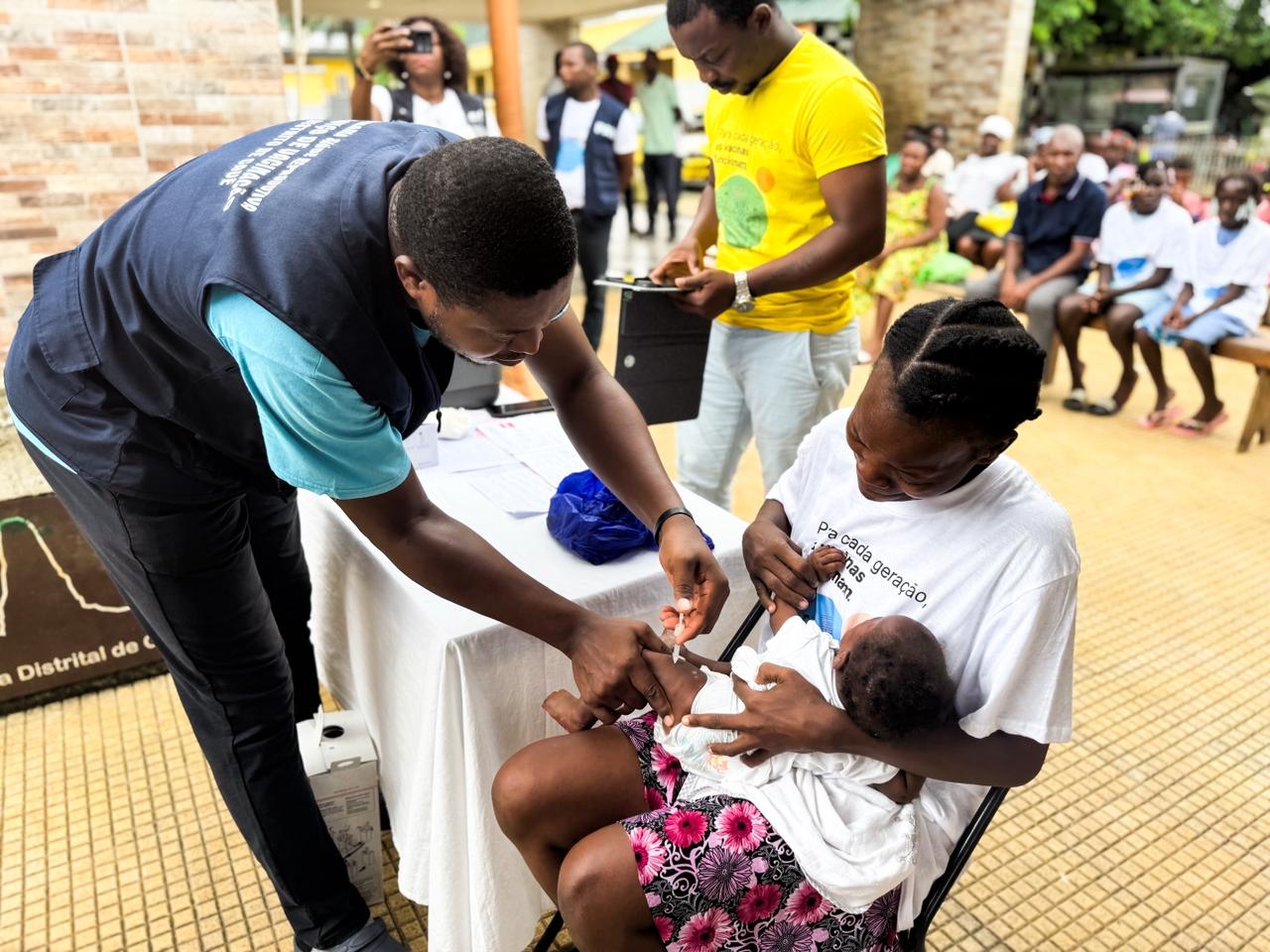
Angolares - On 29 April, the city of Angolares hosted the official launch of African Vaccination Week (AVW) 2026 in São Tomé and Príncipe. Led by the Ministry of Health, the initiative runs from 29 April to 6 May and aims to strengthen routine immunization, reach the most vulnerable populations, and reduce the number of zero-dose and under-immunized children.
Angola Strengthens Its Response to Malaria and Focuses on Vaccination to Save Lives

Even before dawn, Maria left her home in the municipality of Cazenga with her feverish son on her back. The child was promptly treated by health professionals at the Kalawenda Health Center, where the diagnosis confirmed severe malaria. He survived because he received treatment in time. Unfortunately, for many other families, the outcome is different.