Initiative SURGE : le Burkina Faso prépare des experts à répondre aux urgences sanitaires dans les 24 à 48 heures
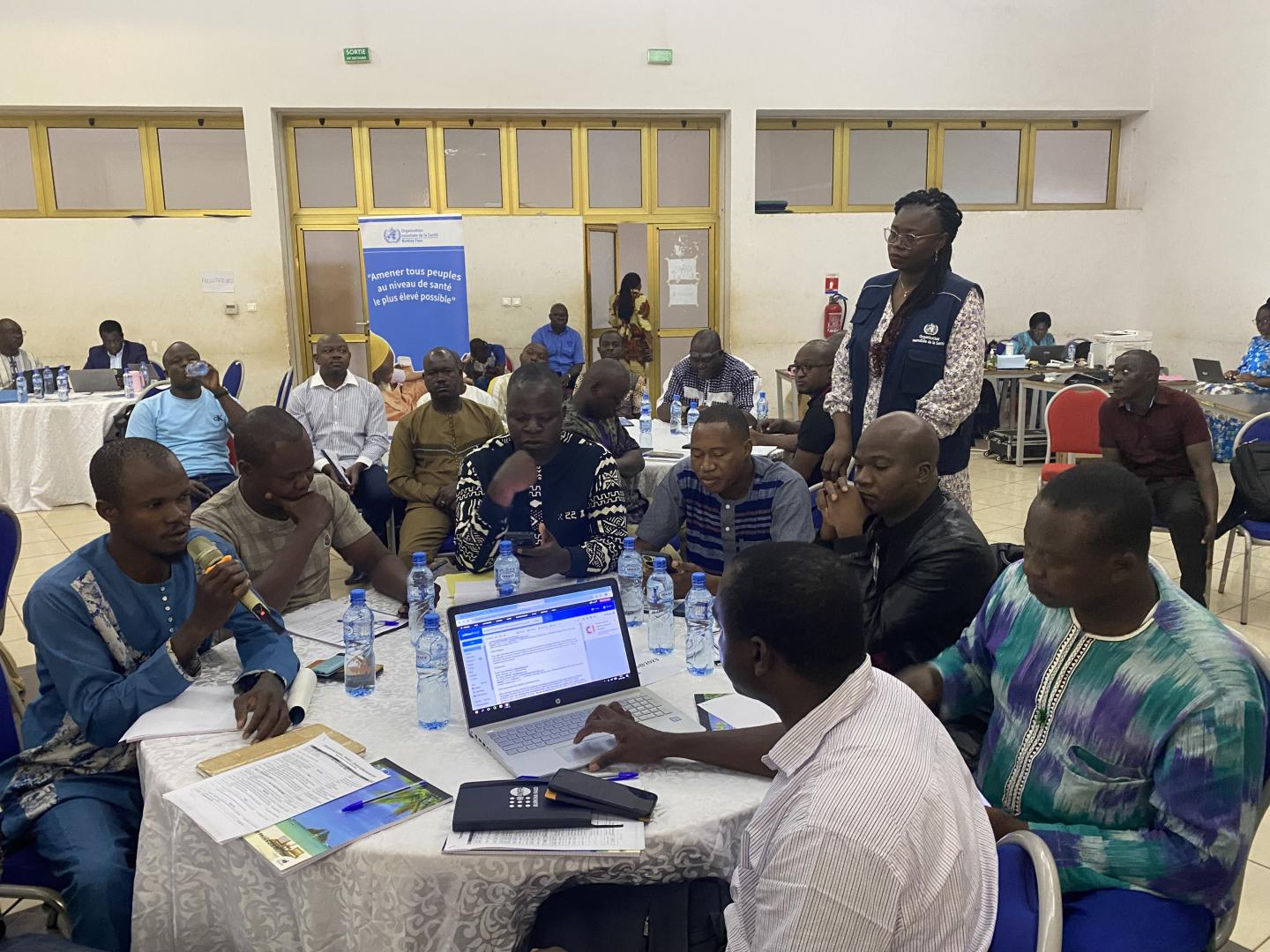
Malgré le ciel couvert et la forte pluie qui s’est abattue dans la ville de Bobo-Dioulasso ce lundi 22 juillet 2024, les cent experts conviés par le ministère de la Santé pour entamer le premier module de formation rentrant dans le cadre de l’initiative SURGE étaient tous à l’heure. C’est au sein des locaux de la maison la Culture de la ville de Bobo Dioulasso que les deux premières cohortes d’apprenants du Burkina Faso ont fait leurs premiers pas entre le 22 et le 28 juillet 2024.
Botswana Achieves Milestone in Polio Eradication: Second IPV Dose Rolled Out Nationwide
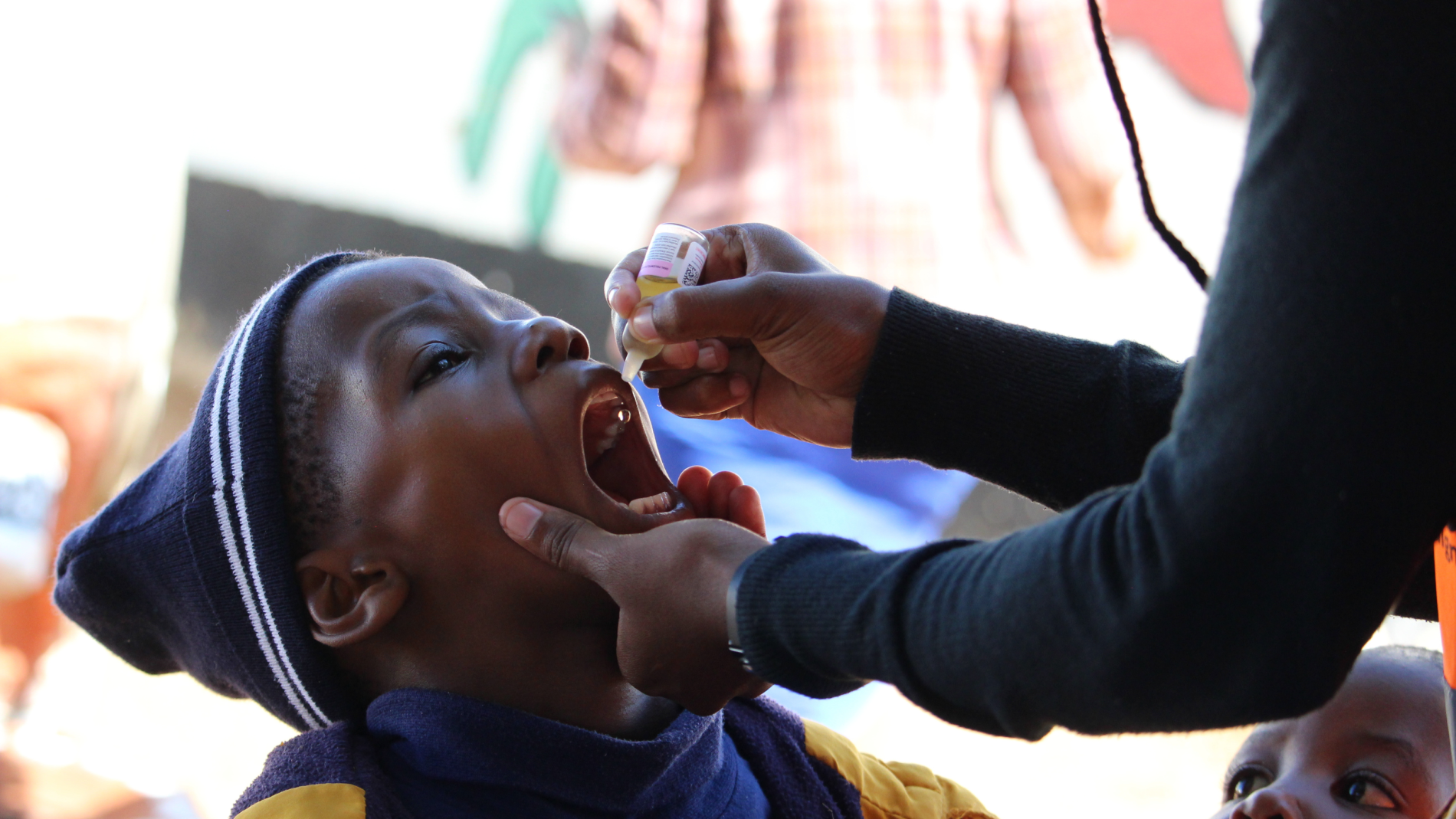
Polio remains a critical global public health concern, particularly with the resurgence of circulating vaccine-derived poliovirus type 2 (cVDPV2). In Botswana, the detection of cVDPV2 in environmental surveillance in 2022 and 2023 highlighted vulnerabilities in population immunity. In response, the Botswana National Immunization Technical Advisory Group, BOTSNITAG conducted a rigorous review of scientific evidence, concluding that introducing a second IPV dose would substantially increase immunity among children under two years of age.
WHO supports Uganda TB and Leprosy Program Performance Review
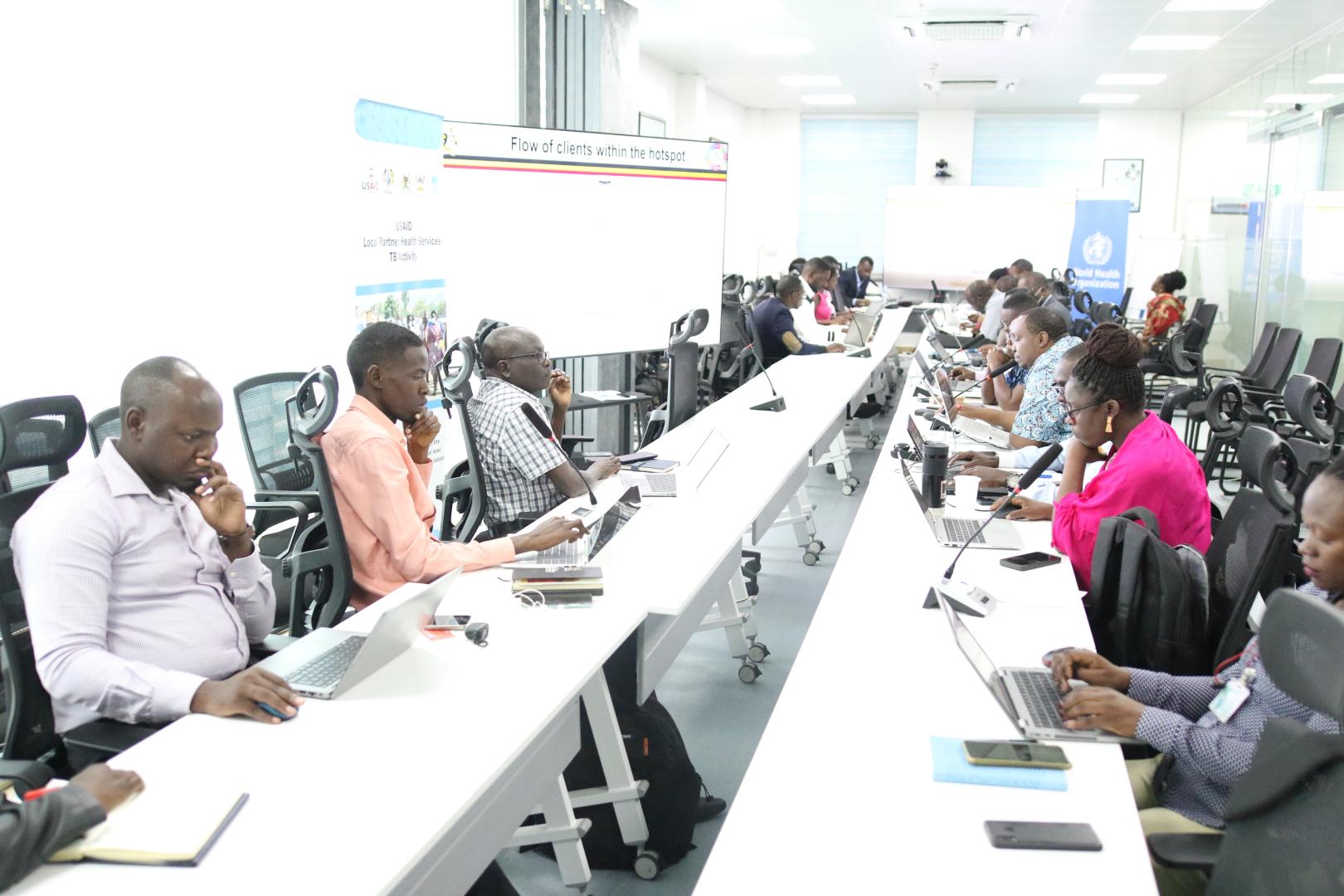
Uganda’s Ministry of Health (MoH), in collaboration with the World Health Organization (WHO), convened a two-day performance review meeting to assess the progress of the TB and Leprosy Program (NTLP) for the second quarter of 2024.
WHO Engages Multi-Country Stakeholders to Explore Sustainable Financing Options for Tobacco Control
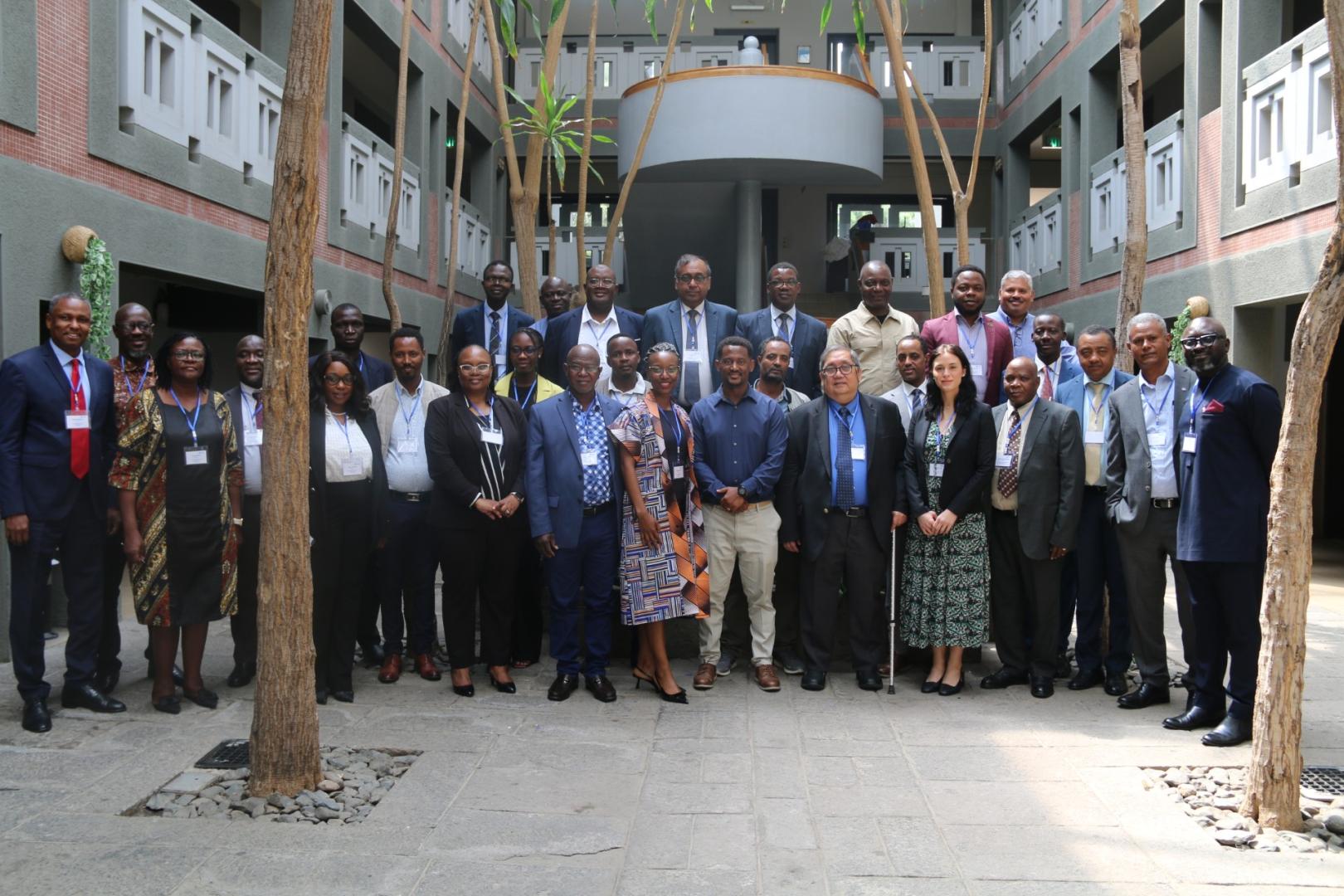
Addis Ababa –World Health Organization (WHO) Headquarters, in collaboration with the WHO Regional Office for Africa (AFRO) and the WHO Ethiopia country office, concluded a three-day meeting focused on sustainable financing mechanisms for tobacco control.
Held from 10 to 12 June 2024, in Addis Ababa, Ethiopia, the meeting gathered representatives from various member states to discuss innovative ways to finance tobacco control policies.
Protecting Angolan children from vaccine-preventable diseases
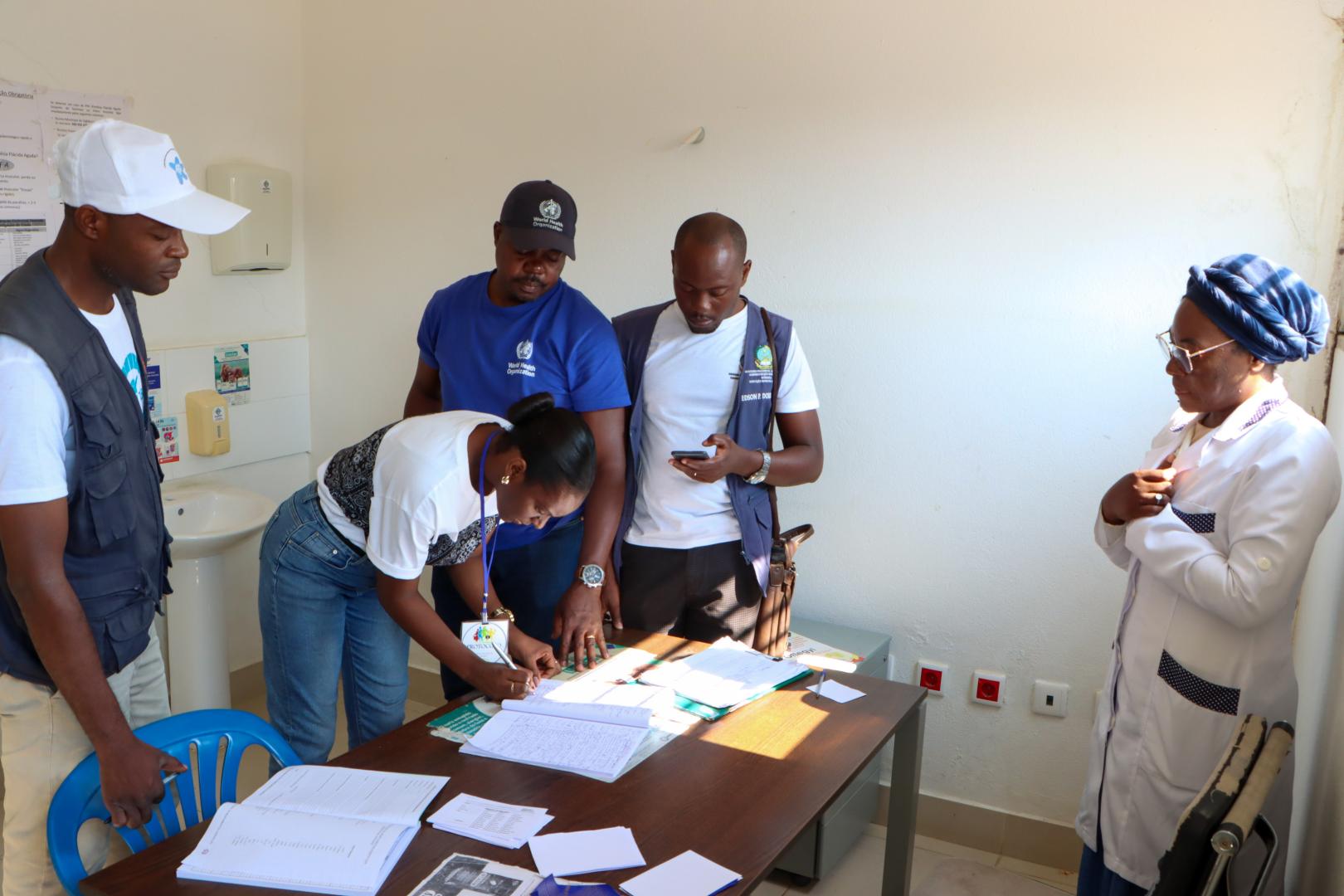
After graduating from medical school in 2012, Fadário had a dream: to help get as many Angolan children vaccinated as possible, to reduce vaccine-preventable deaths.
“It’s time for action - act now to reduce new infections and deaths from viral hepatitis” South Sudan marks World Hepatitis Day 2024
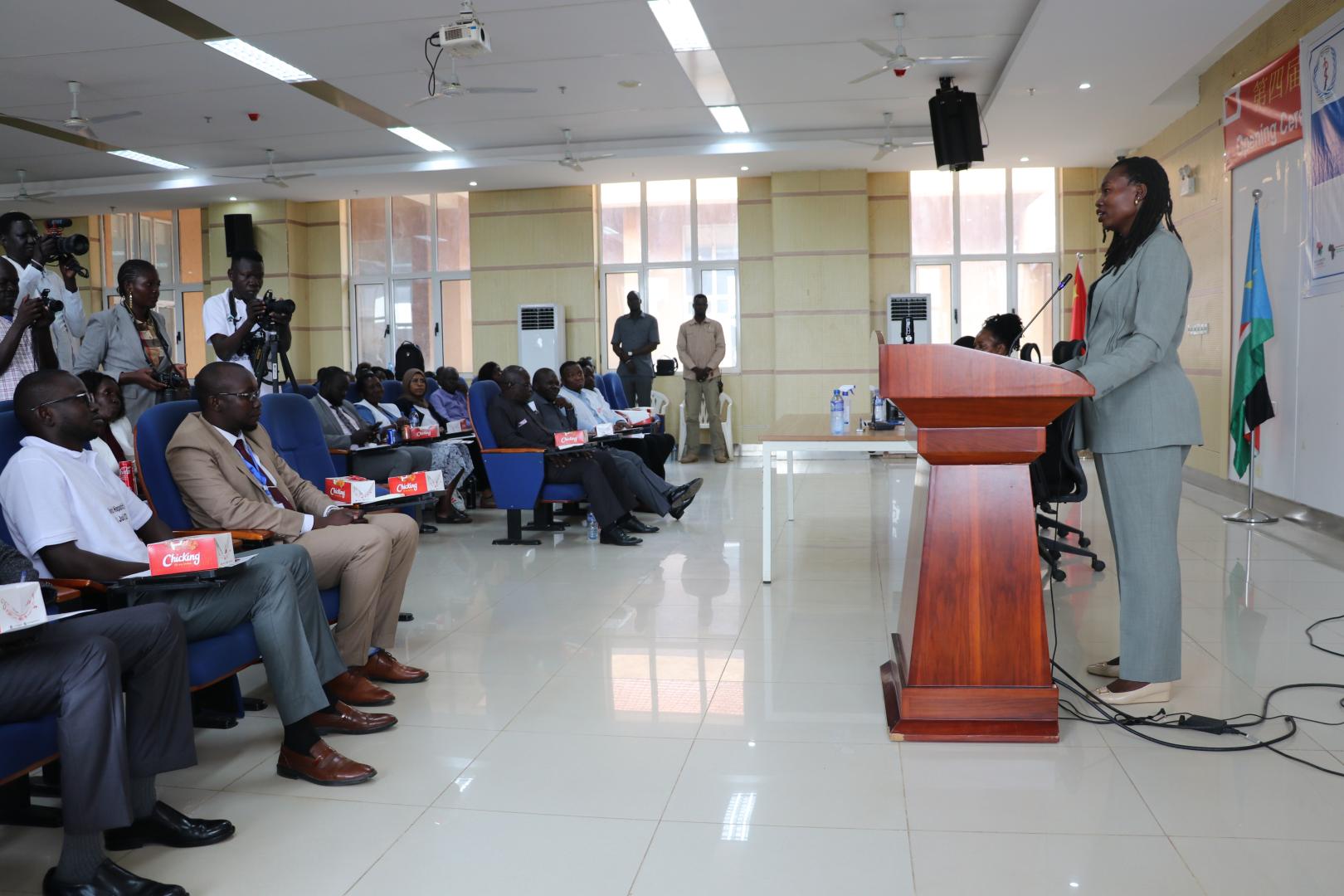
29 July 2024 - With the theme “It’s time for action,” South Sudan joins the global community to celebrate World Hepatitis Day 2024. This day calls on all stakeholders to increase investment and enhance collaboration to eliminate viral hepatitis as a public health threat in the country.
New framework launched to eliminate visceral leishmaniasis in eastern Africa
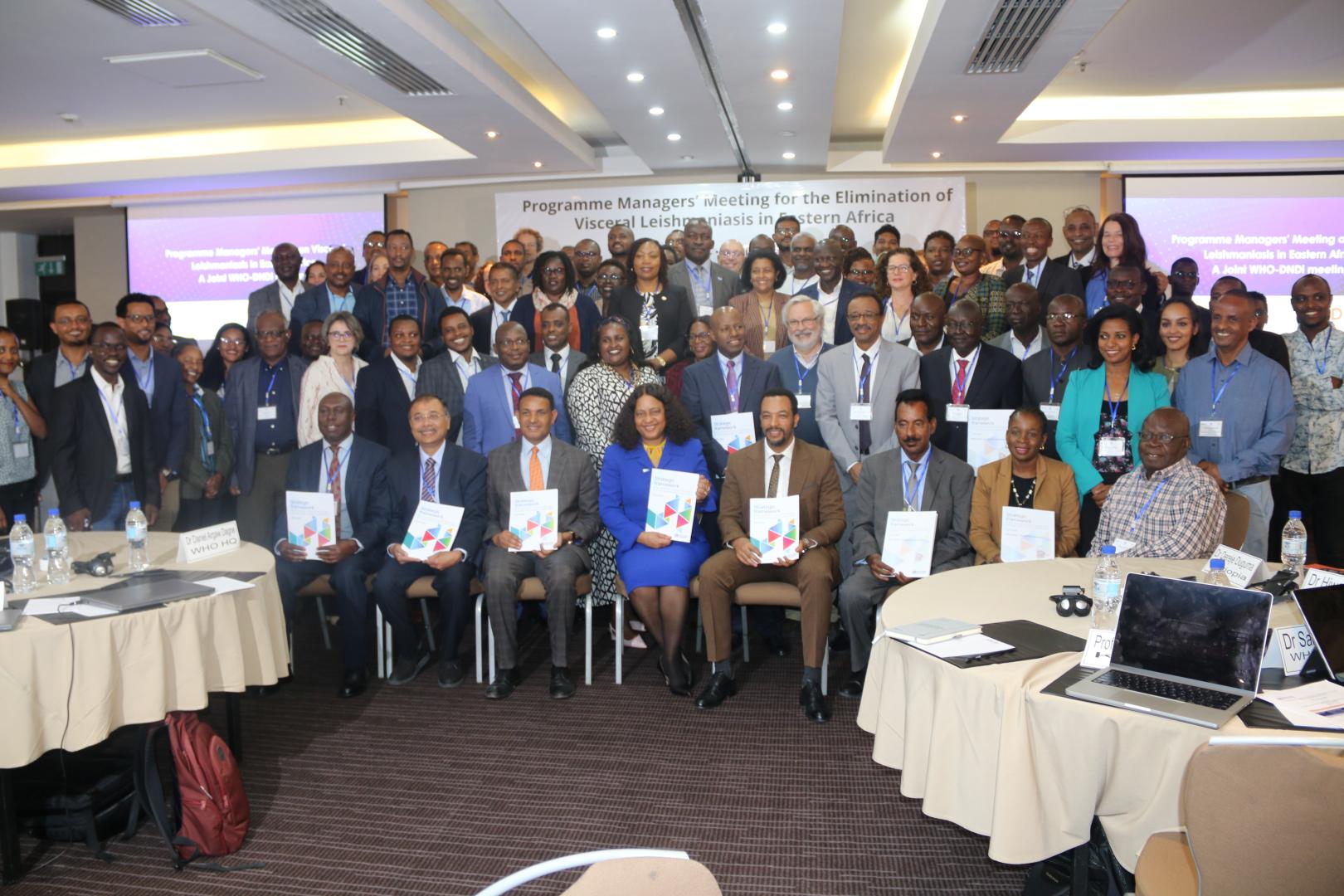
Addis Ababa ‒ A new, comprehensive framework has been launched to guide health authorities, policy makers and other stakeholders towards elimination of visceral leishmaniasis (VL) as a public health problem in eastern Africa.
Tackling the increasing burden of viral hepatitis in South Sudan
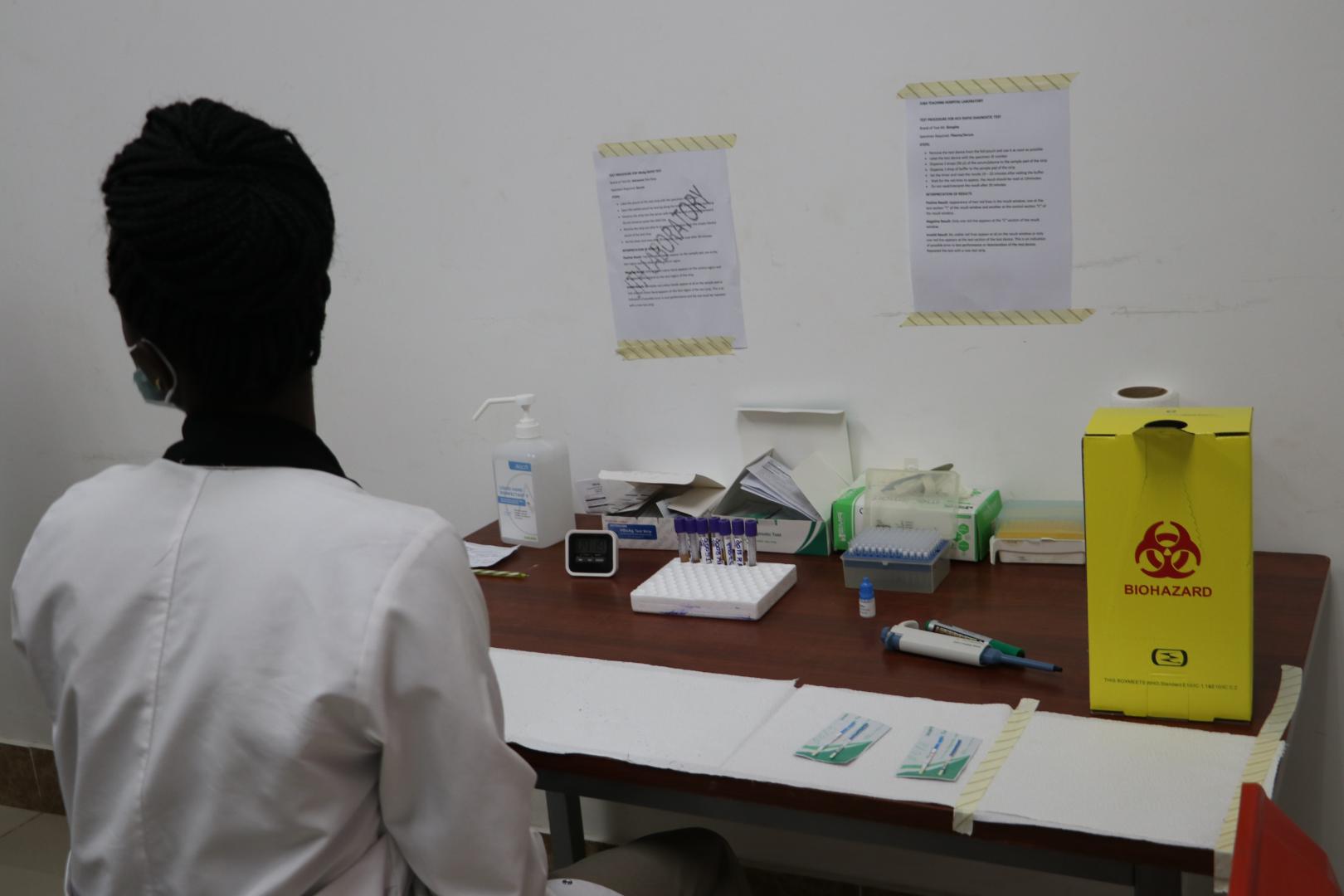
For Michael Akok, a 28-year-old fourth year university student, being diagnosed with viral hepatitis was a devastating blow. He had silently endured life-threatening pain, unaware of his condition until a medical test revealed the truth.
Sierra Leone makes progress towards elimination of lymphatic filariasis (LF), neglected tropical diseases (NTDs)
Sierra Leone makes progress towards elimination of Lymphatic Filariasis (LF), Neglected Tropical Diseases (NTDs)