Uganda’s first national emergency medical team deployment supports measles outbreak in Karamoja region
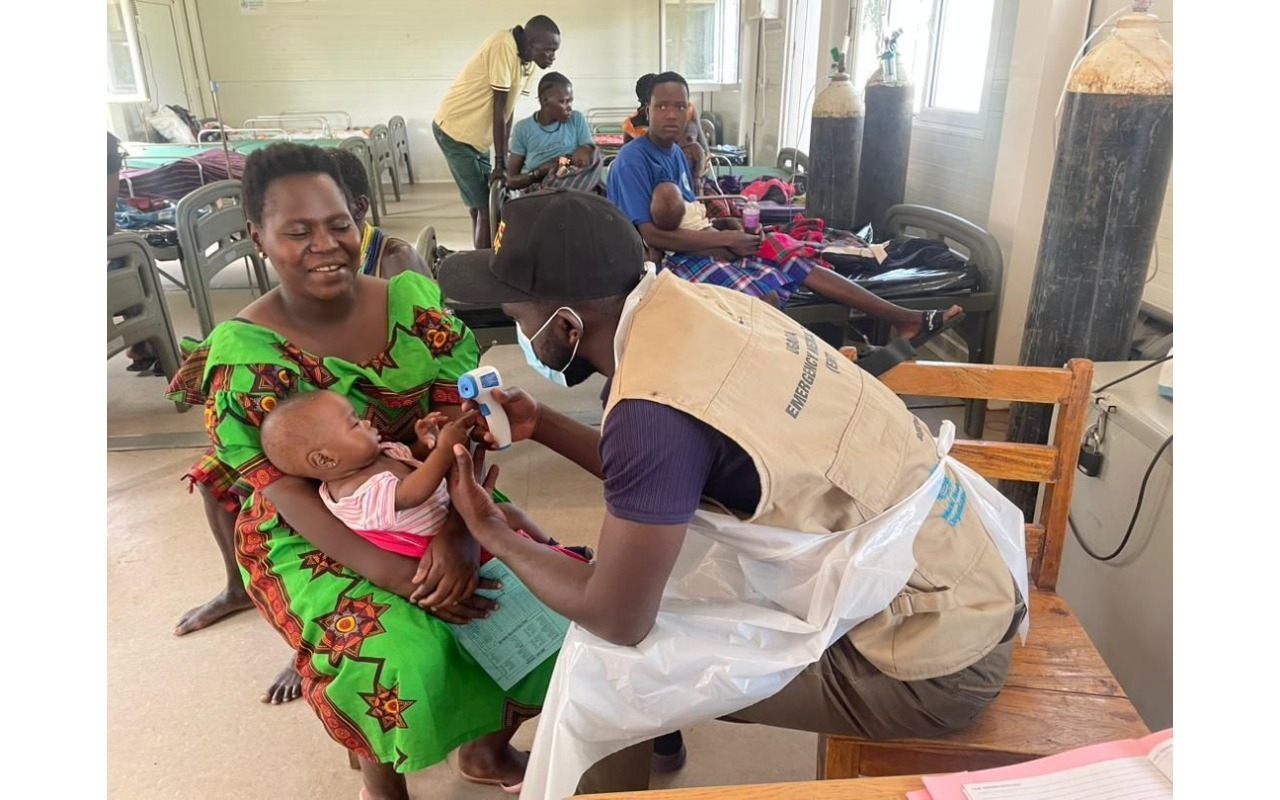
Moroto-Uganda’s Ministry of Health (MoH), with support from the World Health Organization (WHO, Malteser International, and Hiroshima University deployed the national Emergency Medical team (nEMT) to provide critical support in responding to a measles outbreak in Moroto district, Karamoja region, northeastern Uganda.
WHO Country Office Supports Ministry of Health in Pandemic Influenza Preparedness Planning
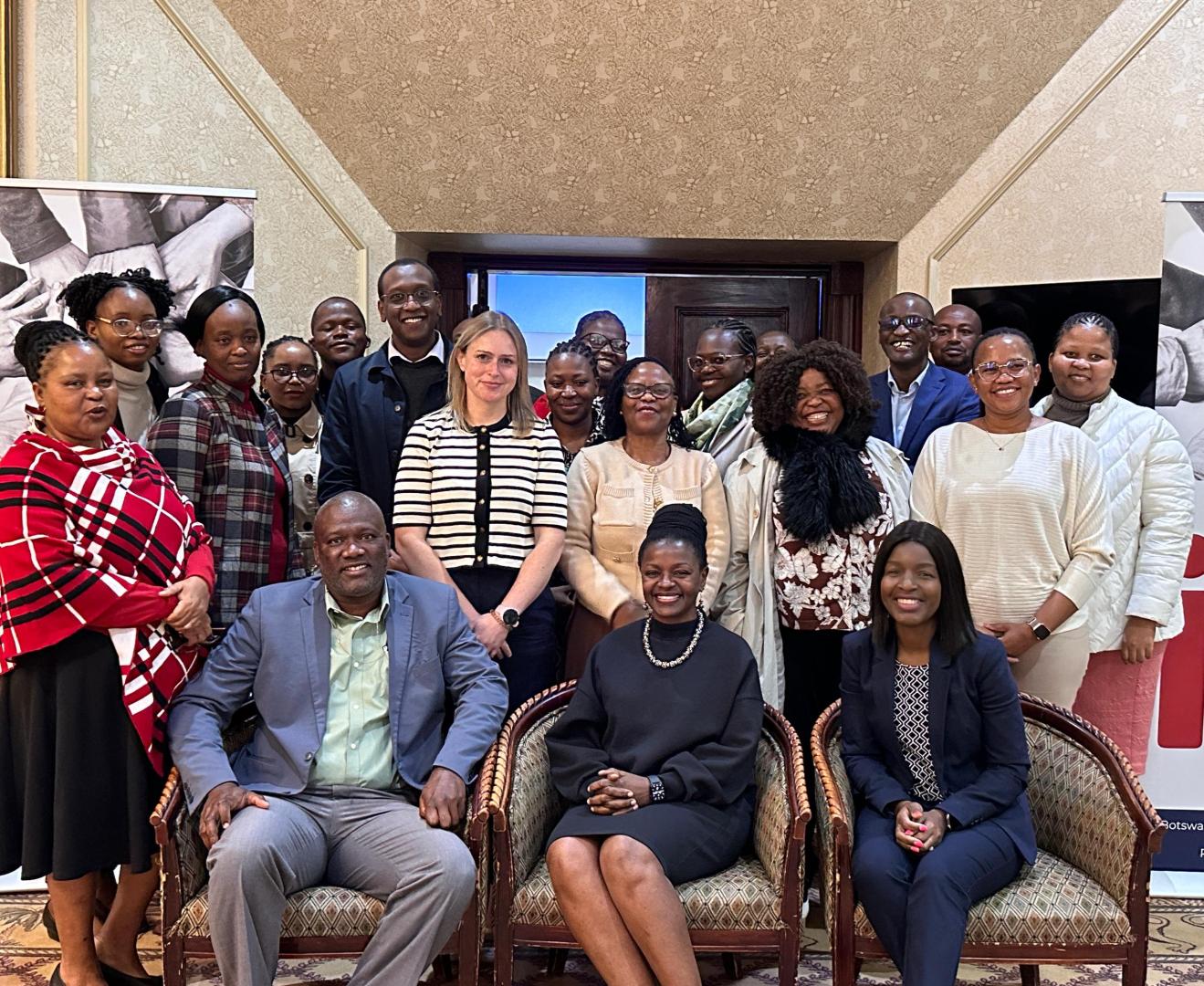
Botswana recognizes the global threat posed by pandemics caused by respiratory viruses, which recur unpredictably and pose significant risks to health, society, and economies. As part of the WHO Africa Region (AFRO), Botswana remains vulnerable to epidemic- and pandemic-prone diseases, including acute viral respiratory pathogens and influenza viruses. The COVID-19 and A(H1N1) pandemics underscored the severe threat posed by respiratory pathogens, exposing critical gaps in preparedness both globally and in Botswana.
Strengthening Regulatory Systems in Botswana
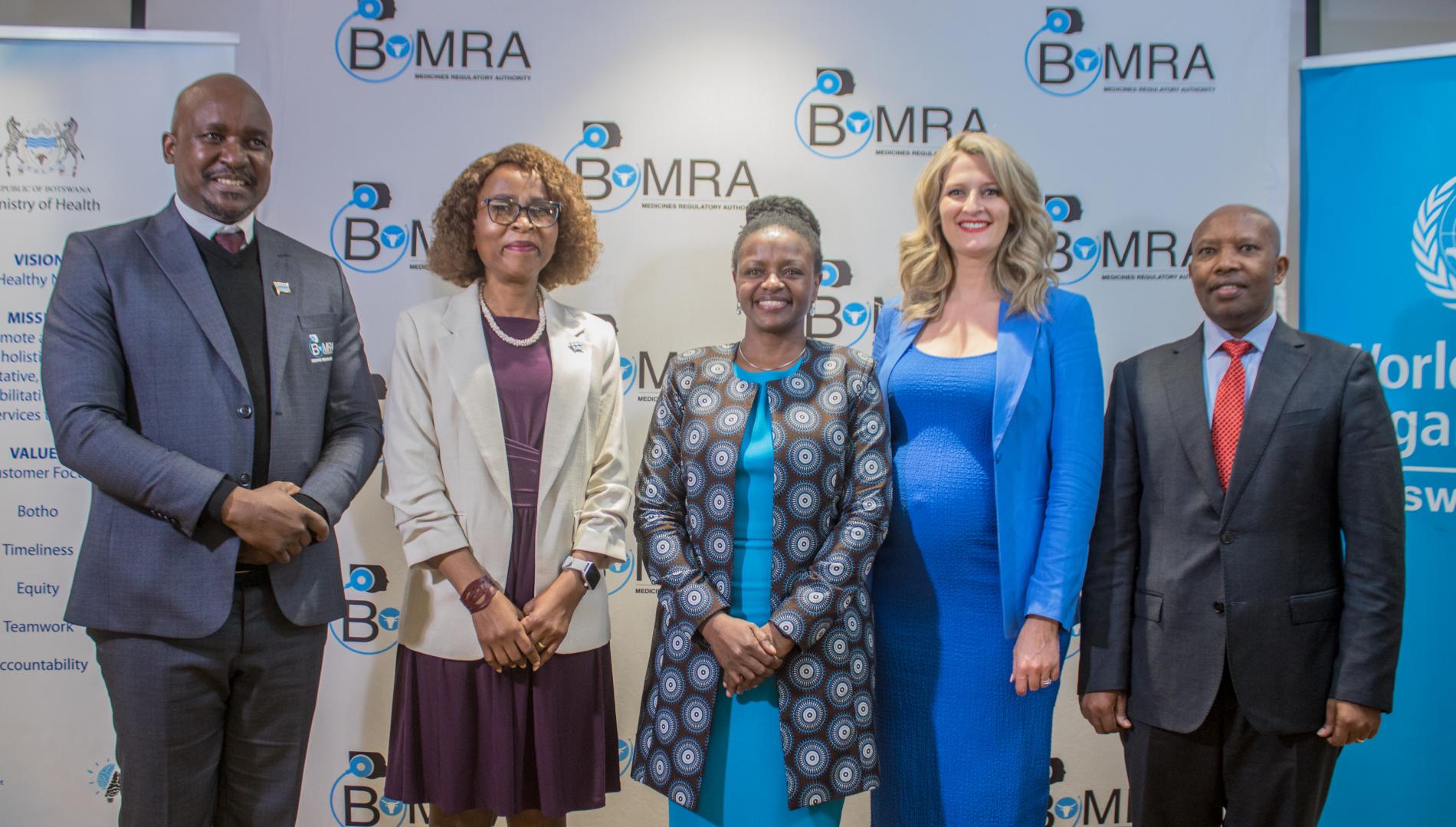
The World Health Organization (WHO) plays a pivotal role in supporting countries in strengthening their regulatory systems, and promoting equitable access to quality, safe, efficacious, affordable medical products, and health products. WHO mandated by Resolution WHA 67.20, supports countries to strengthen regulatory systems by building regulatory capacity in member states consistent with good regulatory practices and promoting regulatory cooperation, convergence and transparency through networking, work-sharing, and reliance.
WHO supports MoHSS to advance Healthcare Quality through the Japan funded project
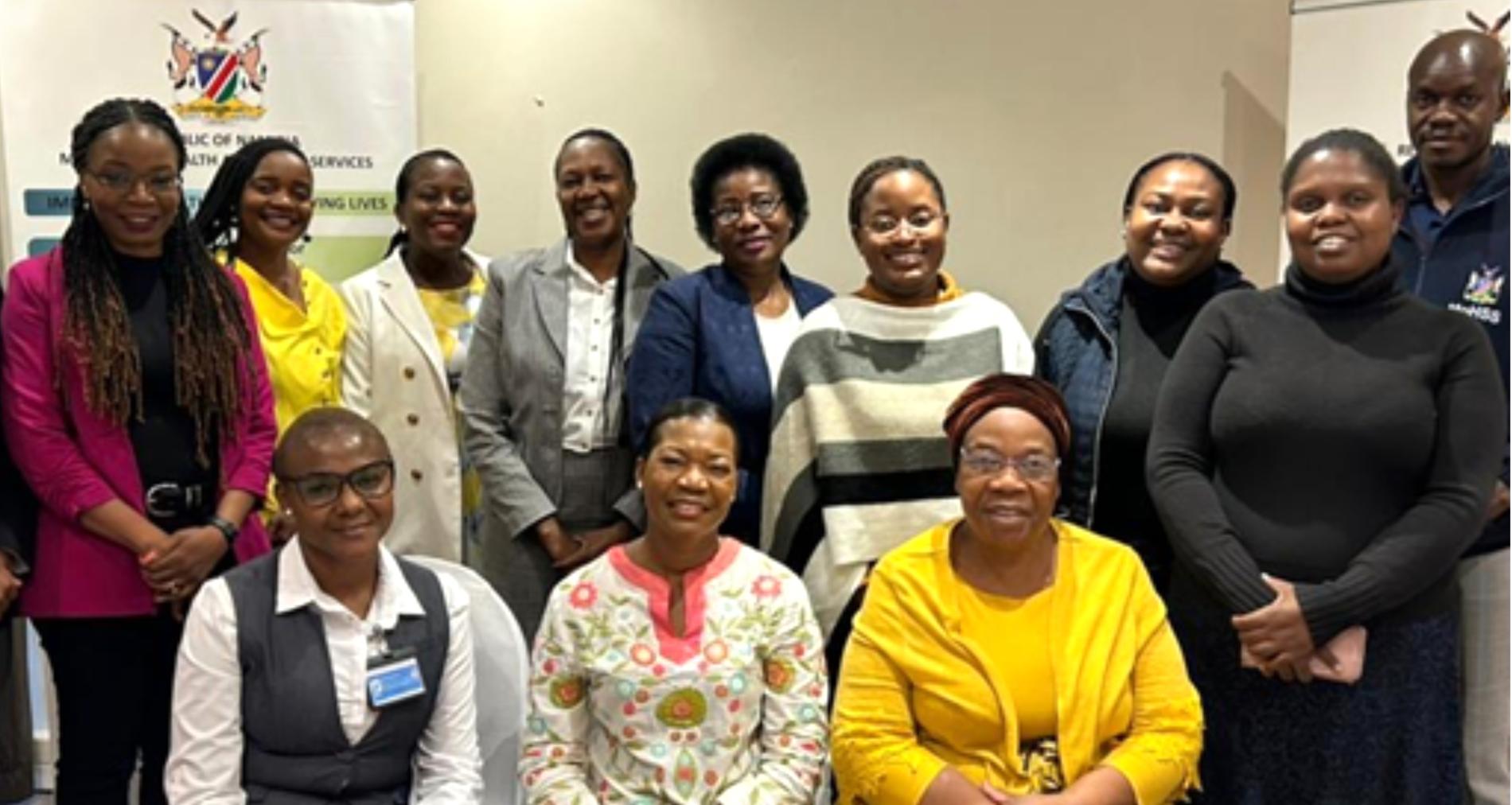
In 2022, the Ministry of Health and Social Services (MoHSS) developed the National Quality Policy and Strategy (NQPS) and the National Healthcare facilities Quality Standards (HQS) to strengthen healthcare service quality in support of its overarching vision and mission. The objective of the Hospital Quality Standards (HQS) in Namibia is to enhance the quality and safety of healthcare services, ensuring consistent, effective, and patient-centered care delivery across all hospitals to improve overall health outcomes.
Health Development Partners in Uganda bid farewell to Dr. Yonas Tegegn Woldemariam
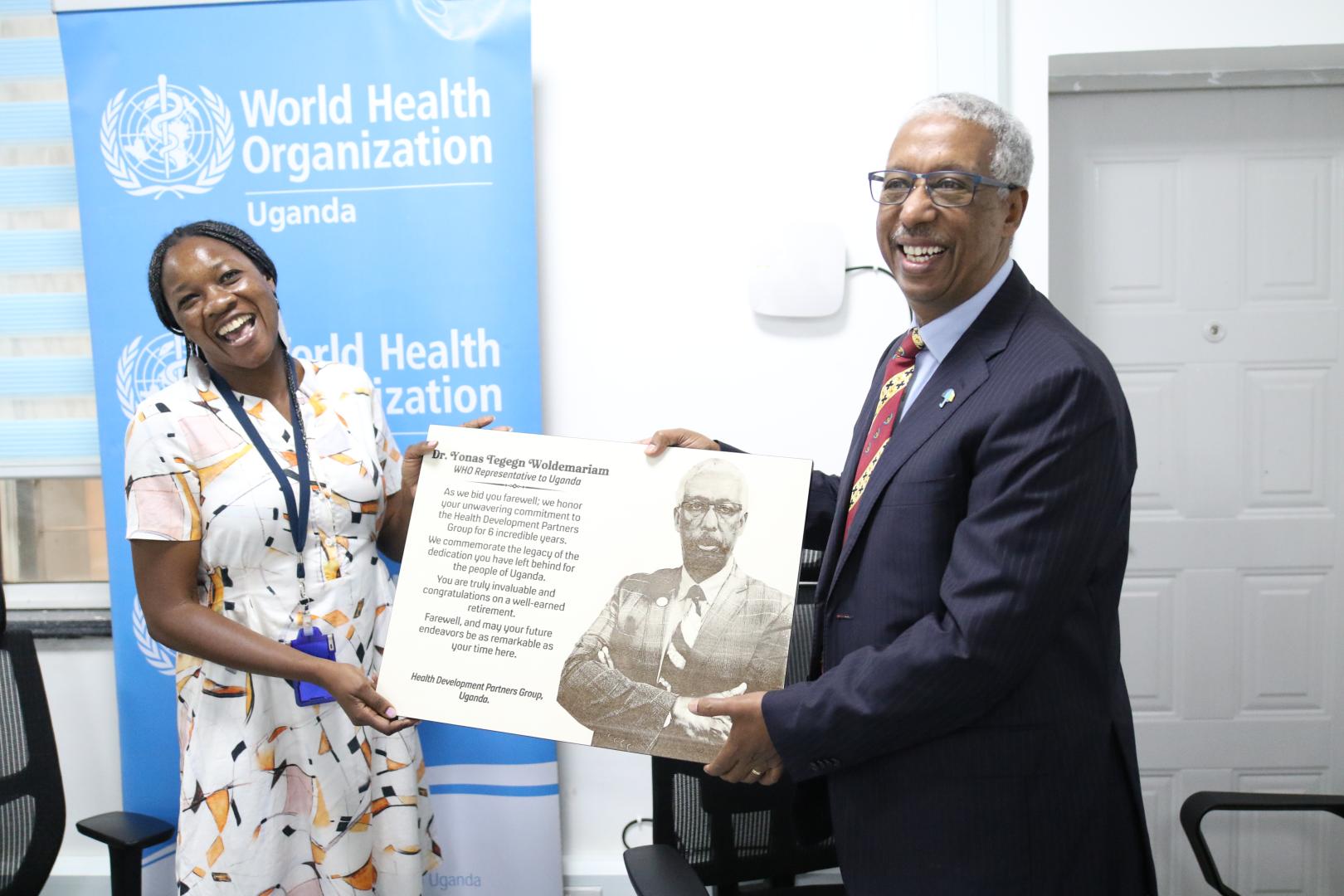
Health Development Partners (HDP) in Uganda bid farewell to Dr. Yonas Tegegn Woldemariam, whose six-year tour of duty as WHO Representative to Uganda comes to an end this month.
Local Health Committees back to the fore of Mauritius’ Primary Health Care approach
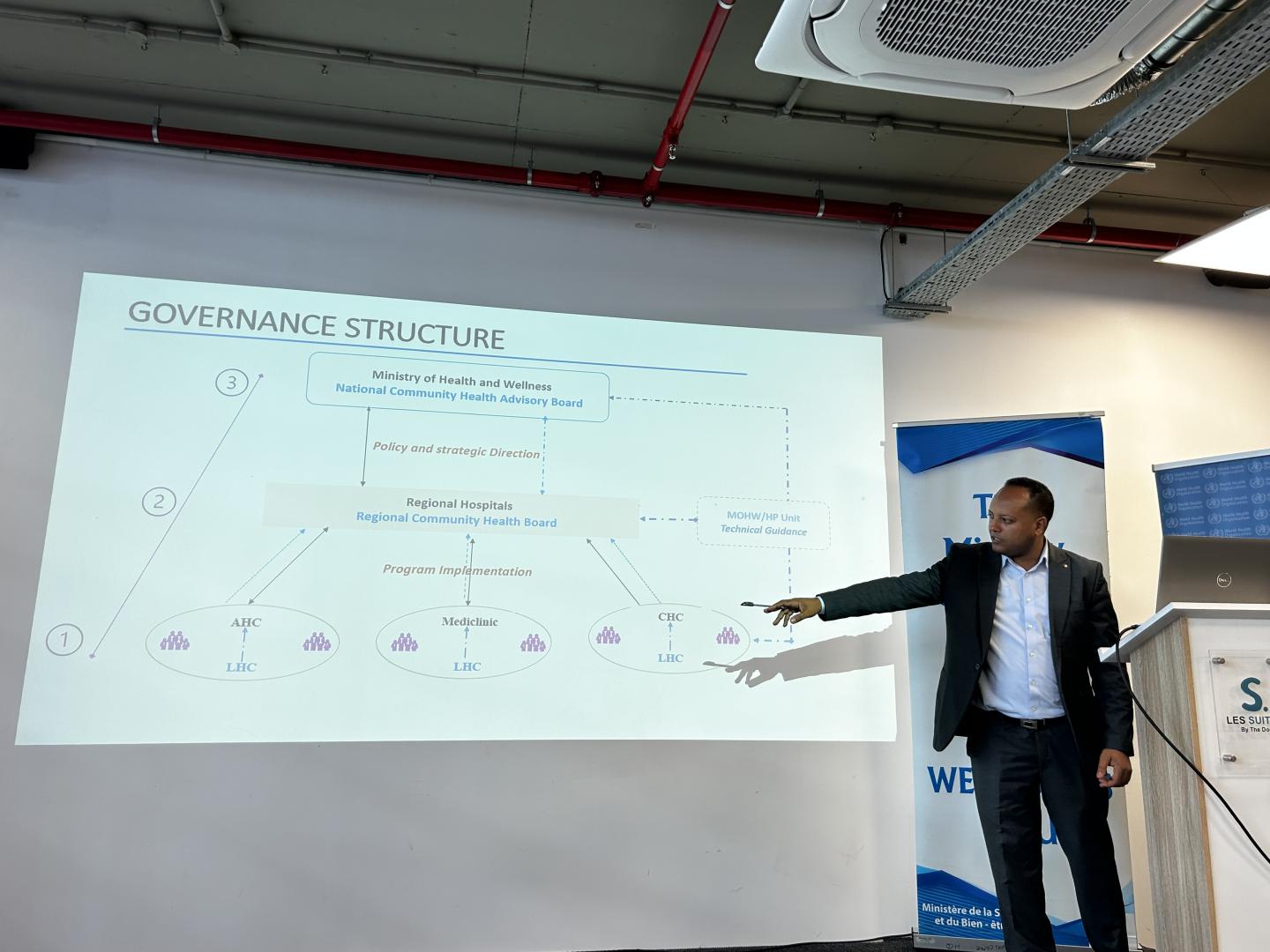
In line with the Mauritian Government’s Health Sector Strategic Plan 2020-2024 which recommends the setting up of Local Health Committees (LHCs) across the country, WHO recently supported the Ministry of Health and Wellness (MOHW) in the preparation and validation of a national policy for LHCs.
Malawi declares end of cholera outbreak
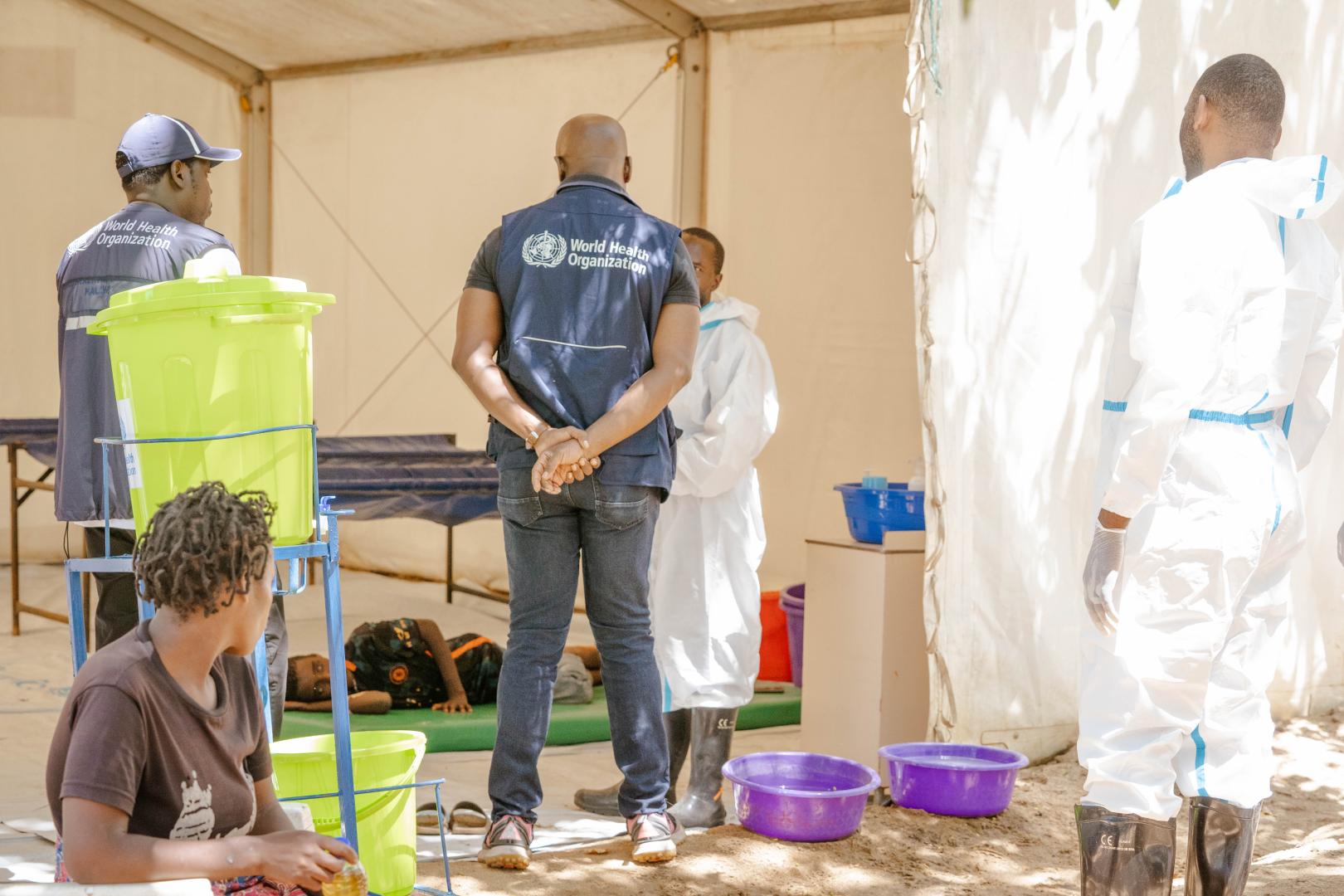
Lilongwe – The Government of Malawi through the Public Health Institute of Malawi has declared the end of a protracted Cholera Outbreak, more than two years after the declaration of the outbreak was made on 3 March 2022.
According to the Secretary of Health in the Ministry of Health, Dr Samson Mdolo, the end of outbreak declaration was made in line with Global Task Force on Cholera Control (GTFCC) guidelines following zero reports of cholera in Malawi for more than four weeks.
Forging Resilience: WHO AFRO Establishes Independent Expert Body to Bolster Africa's Health Security
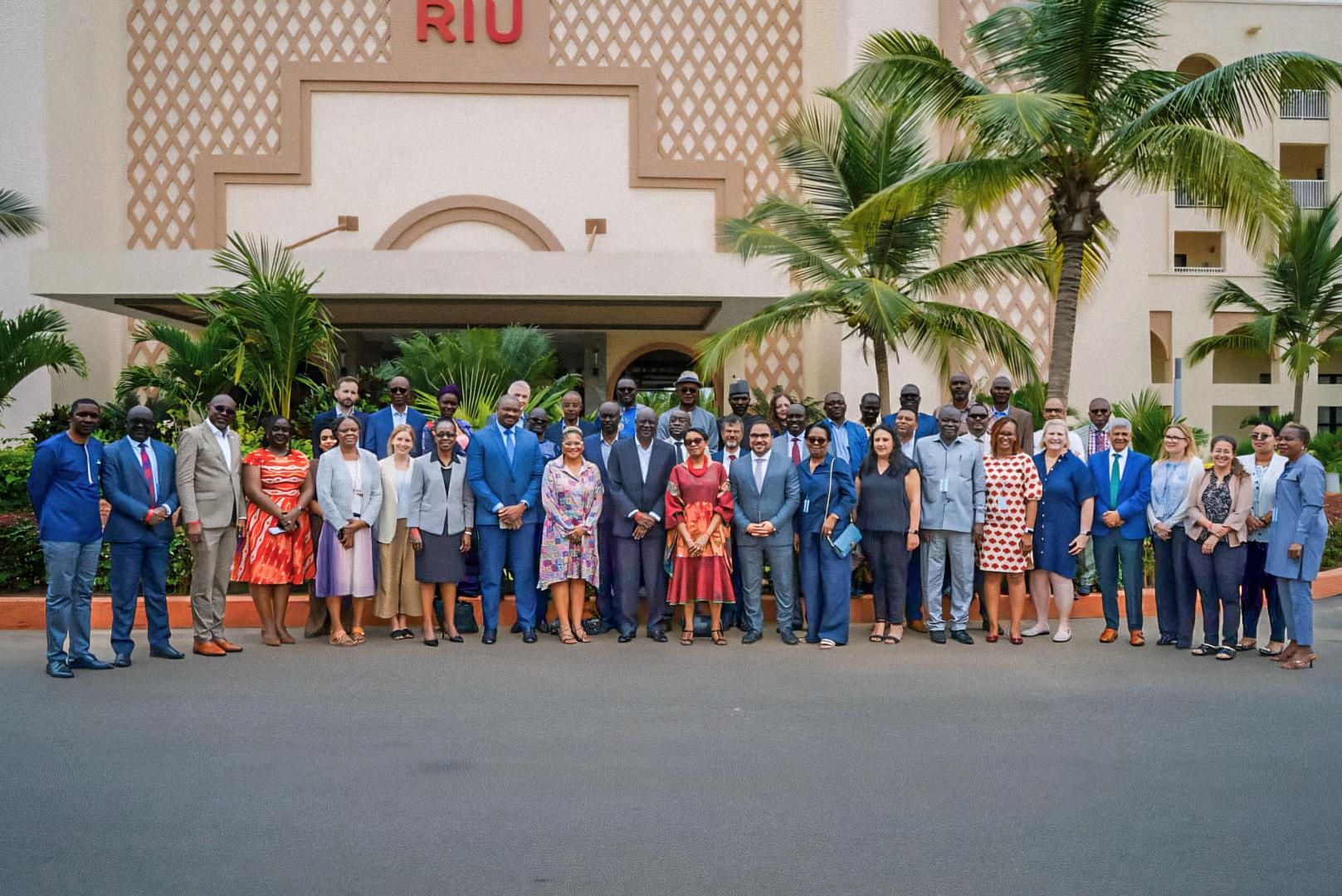
Eswatini Joins Global Health Security Frontline: 24th African Nation to Conduct WHO-Supported EPR Scoping Exercise

Mbabane- The Government of Eswatini, in collaboration with the World Health Organization (WHO), has successfully conducted the Emergency Preparedness and Response (EPR) Scoping exercise. Eswatini ranks as the 24th African nation to complete this exercise.
Road traffic deaths rise in the African region, but down globally, WHO report