Road traffic deaths rise in the African region, but down globally, WHO report

Zimbabwe prepares for ward based mass drug administration for bilharzia, intestinal worms and lymphatic filariasis
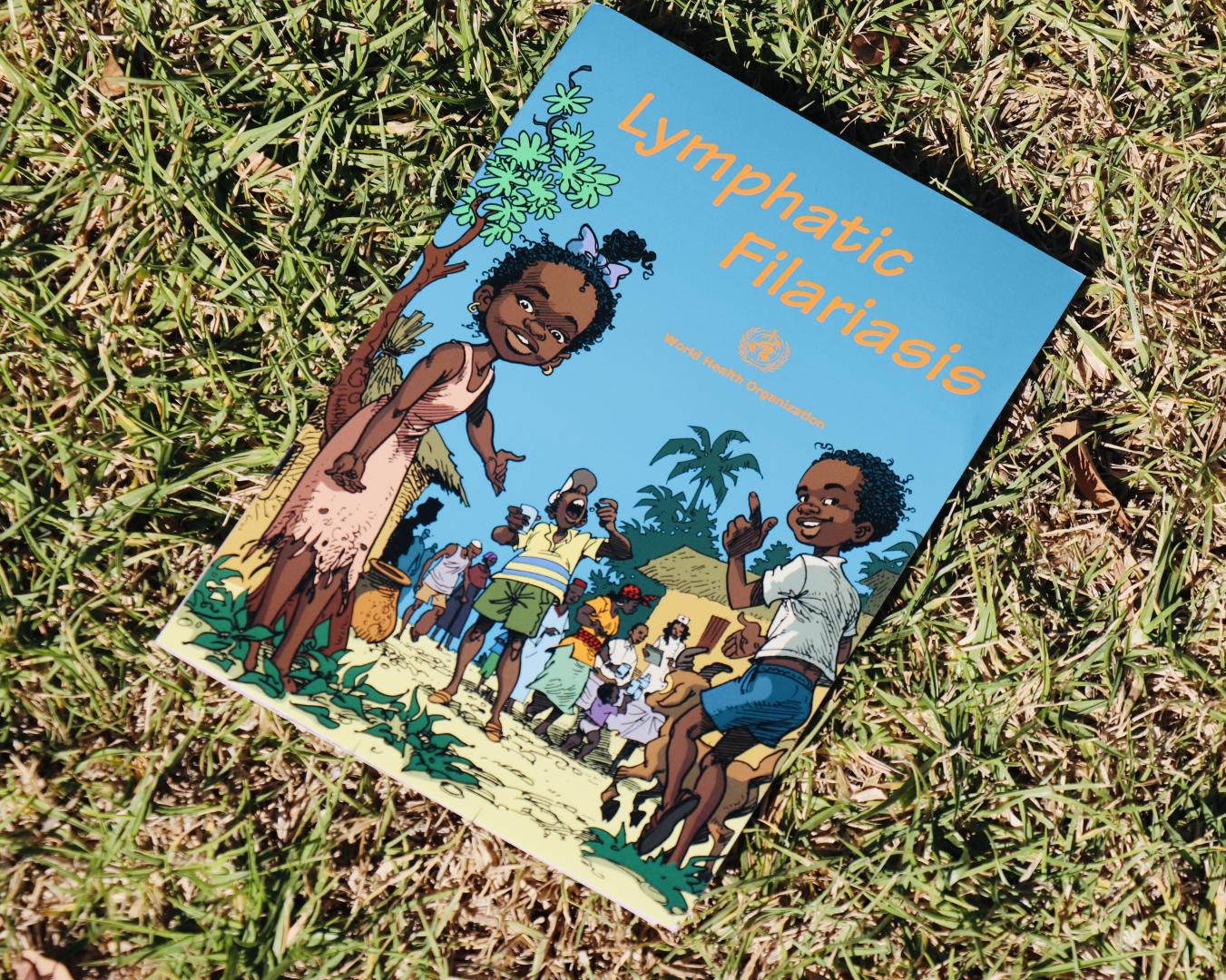
Bulawayo - To tackle the prevalent neglected tropical diseases (NTDs), Zimbabwe is gearing up for a nationwide mass drug administration (MDA) campaign set to commence this September.
Uganda’s Efforts to Save the Life of Children with Malnutrition
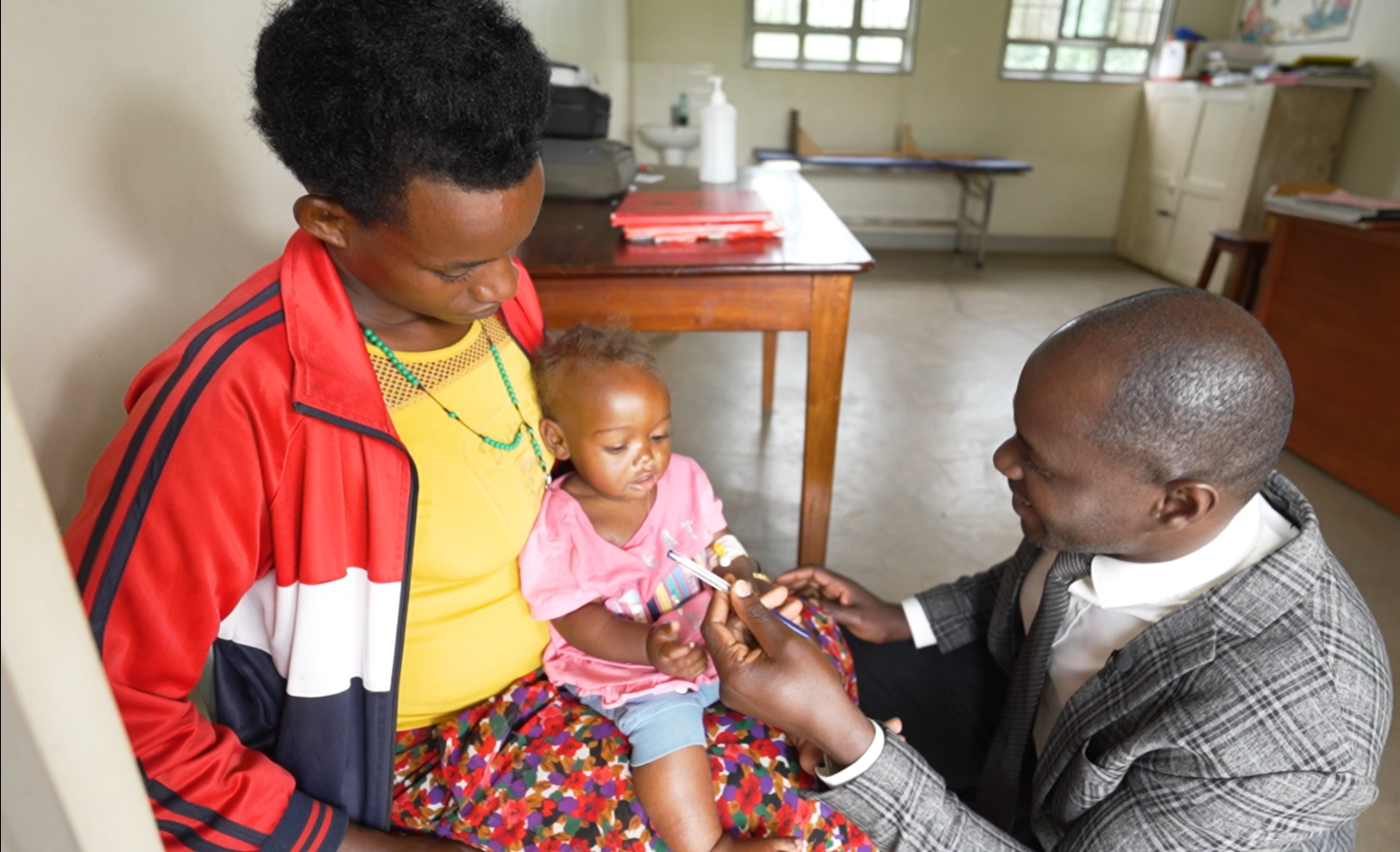
Over 268,000 children in Uganda suffer from malnutrition, specifically wasting. To combat this, the country is enhancing data collection and use in its healthcare facilities and communities through the Nutrition Information System (NIS) project. This is part of the country's broader efforts to generate community-level data to inform decisions for improving population health.
Partnership for progress in advancing health and SDGs in the Niger Delta
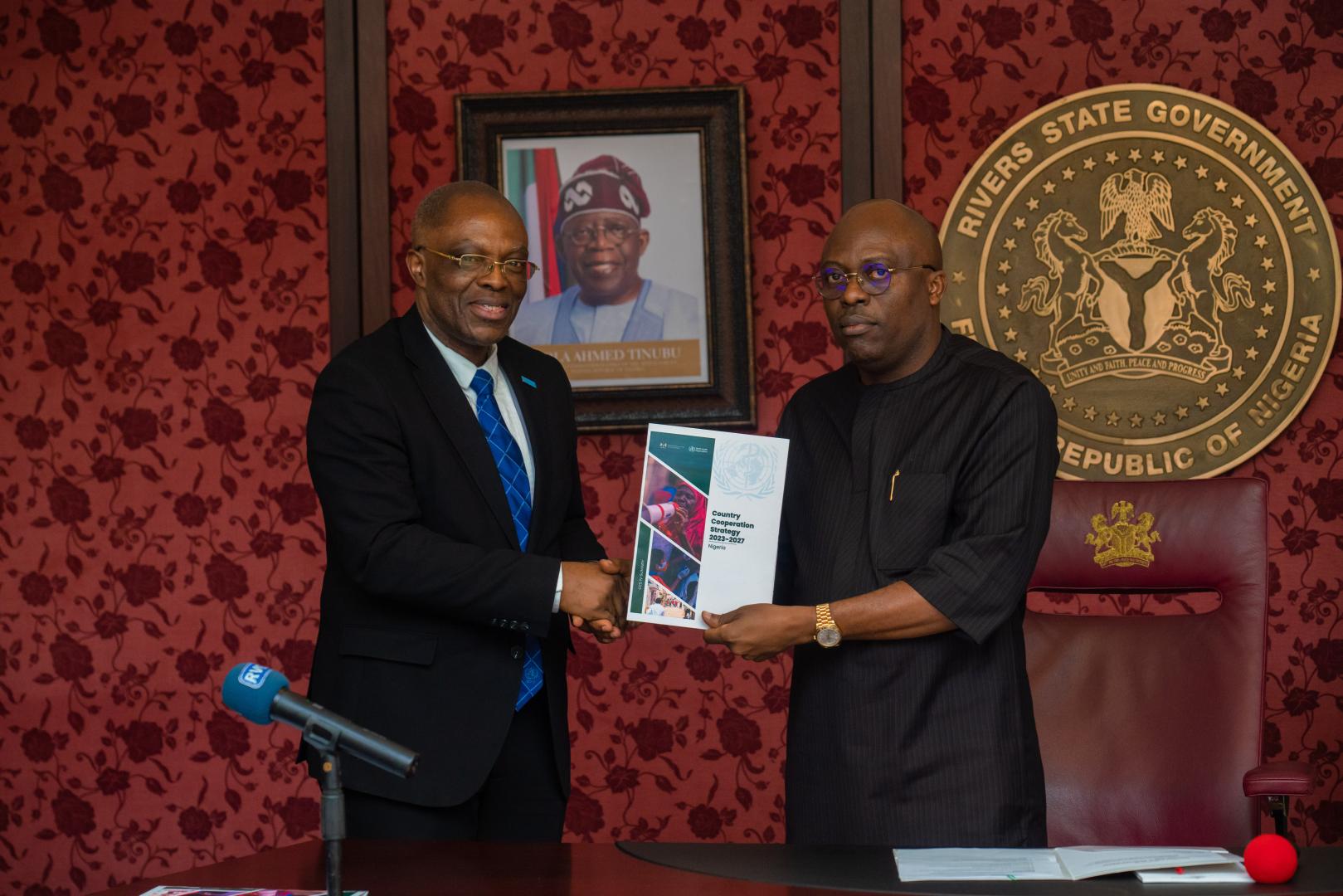
15 July, 2024, Port Harcourt - In a significant move to advance sustainable development and improve public health services for the vulnerable population in the Niger Delta region of Nigeria, the World Health Organization's (WHO) Country Representative, Dr Walter Kazadi Mulombo, recently visited the Niger Delta Development Commission (NDDC) and Rivers State, Governor, Siminalayi Fubara.
Zimbabwe moots introduction of Hepatitis B Birth Dose
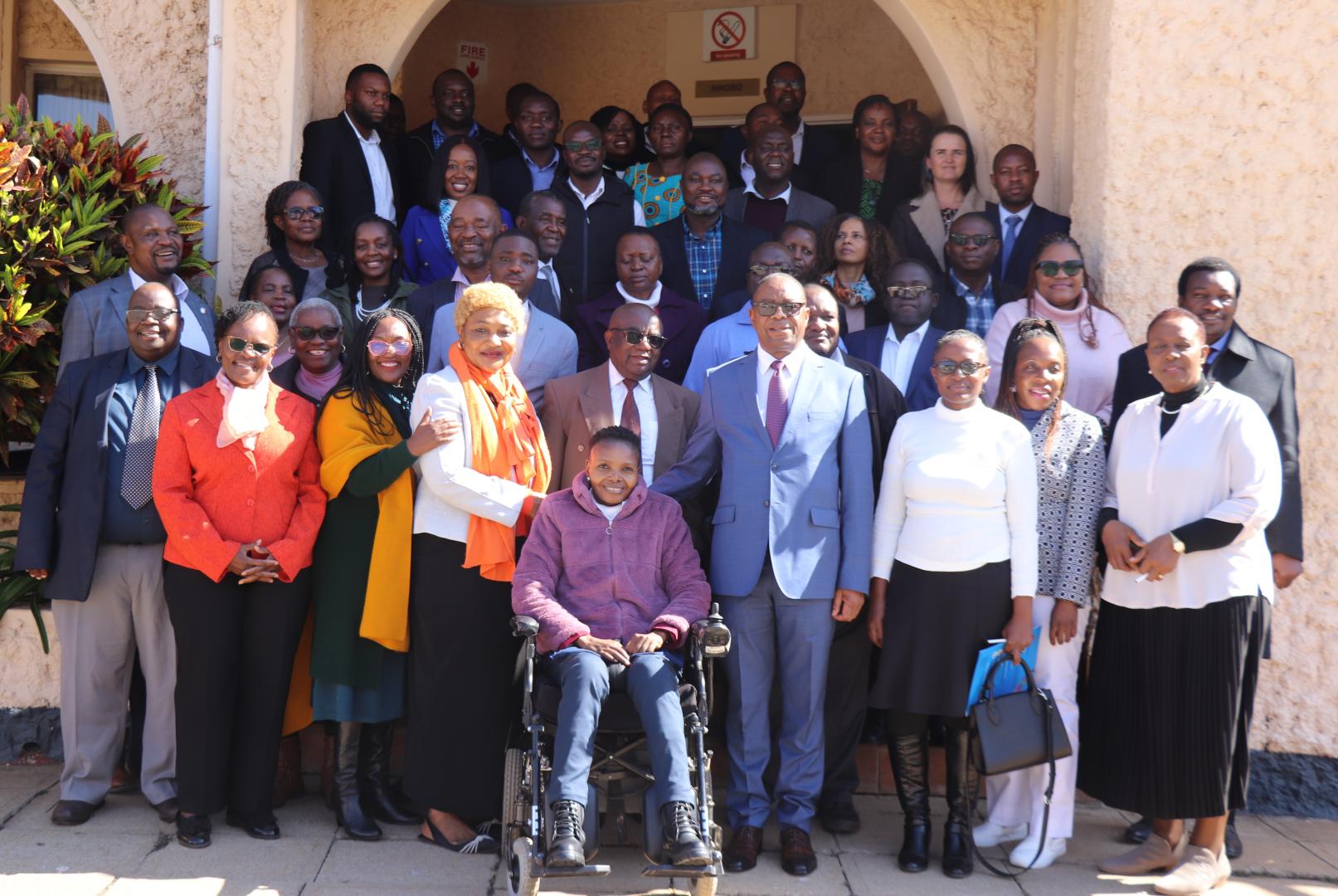
Kadoma - Zimbabwe plans to introduce the universal birth dose vaccination for Hepatitis B, a major step towards achieving the goals of the Triple Elimination of Mother to Child Transmission of HIV, Syphilis and Hepatitis B Virus Plan: 2023 to 2026, the country launched last year. This programme aligns with World Health Organization (WHO) recommendations, which emphasize newborn vaccination within 24 hours of birth as a cornerstone of preventing mother-to-child transmission (MTCT) of Hepatitis B.
WHO carries out mission to eradicate dracunculiasis in Angola

Angola is one of five countries where dracunculiasis has not yet been eradicated. Between 2018 and 2020, human cases were identified in Cunene province, making the country endemic for this disease.
3,455 Community Leaders, Village Health Workers Trained on Event-Based Surveillance
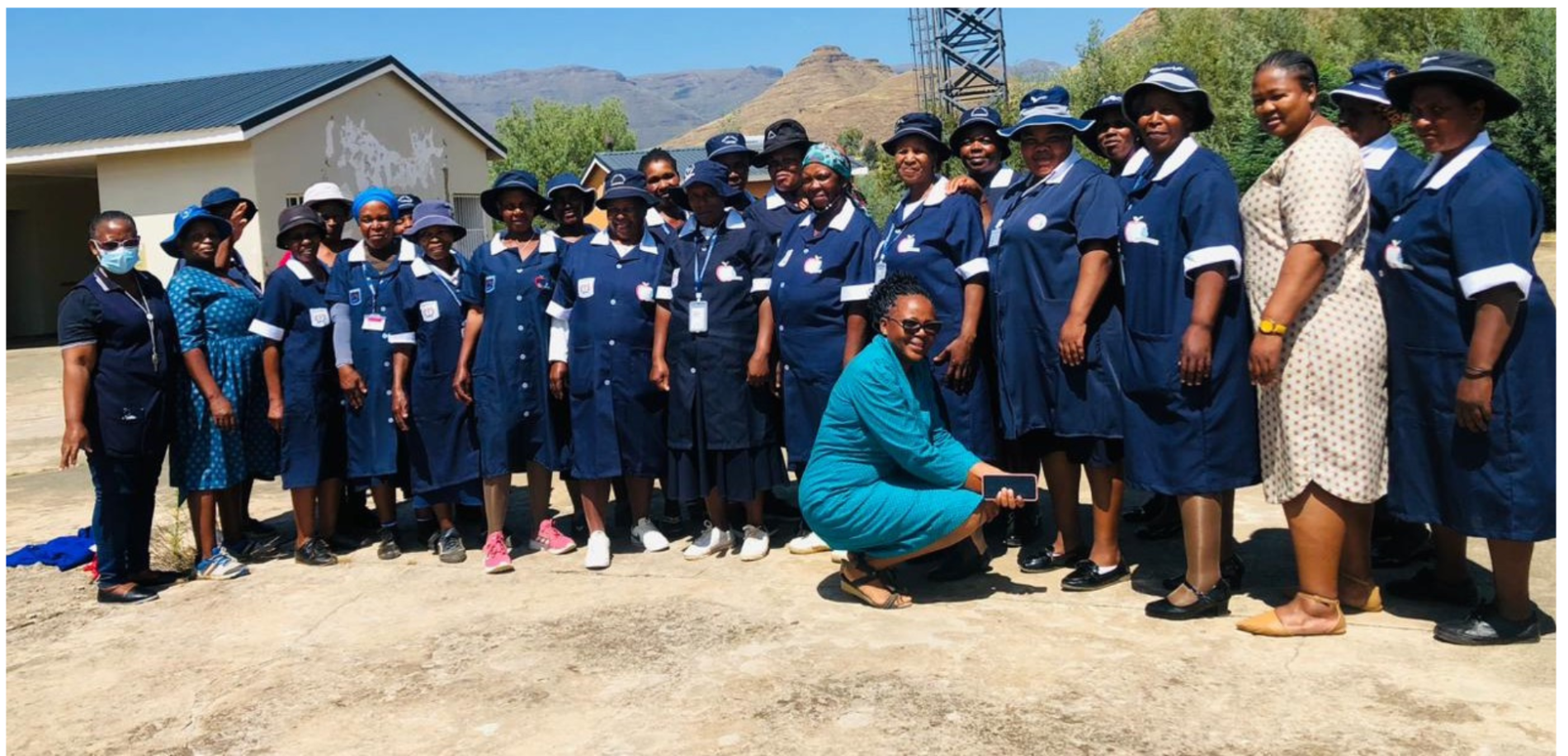
Maseru-To address the delays in detecting and responding to health threats, the World Health Organisation (WHO) recently conducted an event-based surveillance training for 3, 455 community leaders and village health workers in Mohales Hoek, Butha Buthe, Qachas Nek, and Thaba Tseka Districts.
WHO Representative to Namibia courtesy visit to the Minister of Health and Social Services
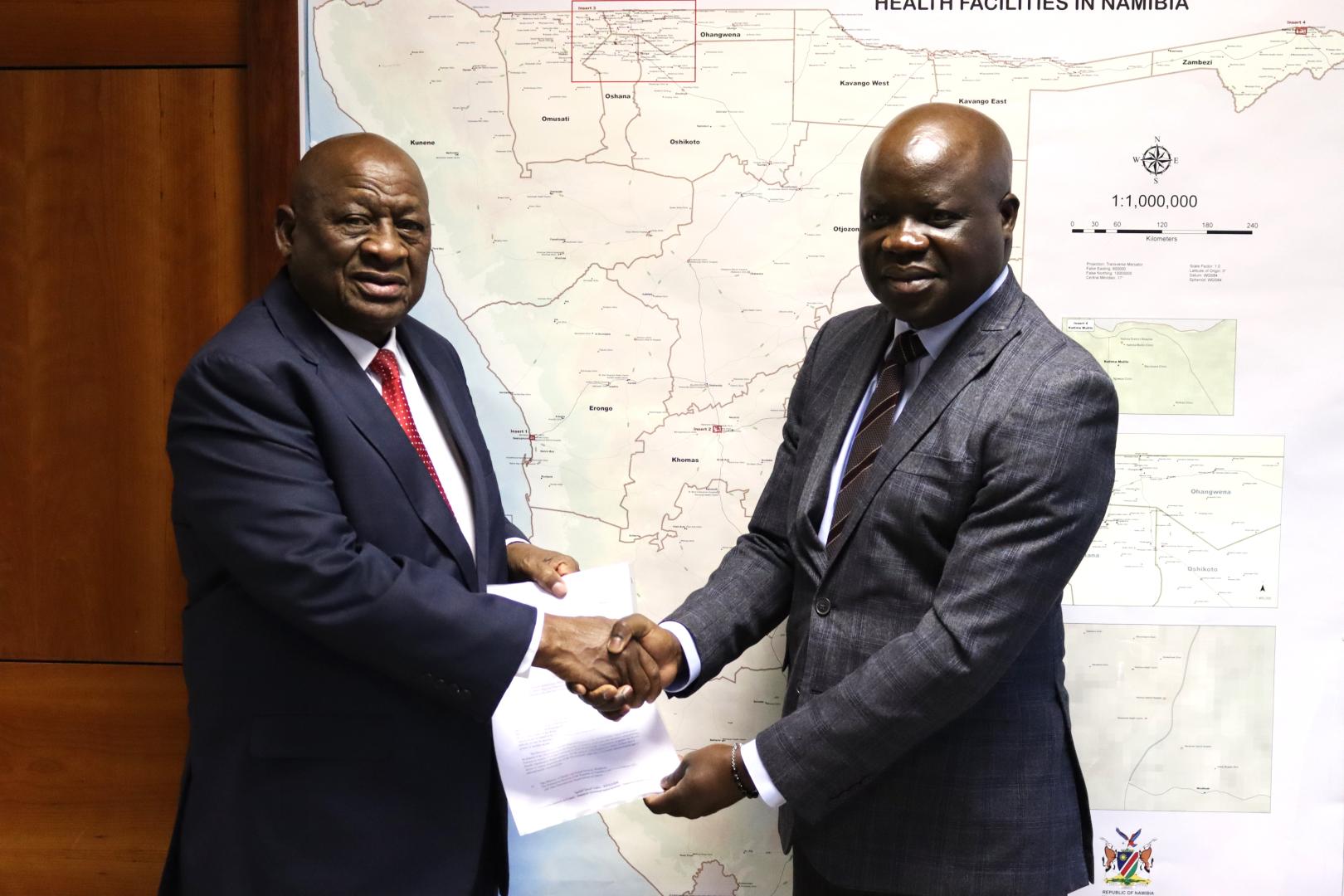
On 20 June 2024, the World Health Organization (WHO) Representative to Namibia, Dr. Richard Banda paid a courtesy visit to the Minister of Health and Social Services, Honorable Dr. Kalumbi Shangula. The meeting aimed to cement the existing partnership between the Ministry of Health and Social Services and WHO under the new leadership and affirm commitments to ensuring health for all.
Strengthening HIV Testing Services Through Three HIV Test Strategy
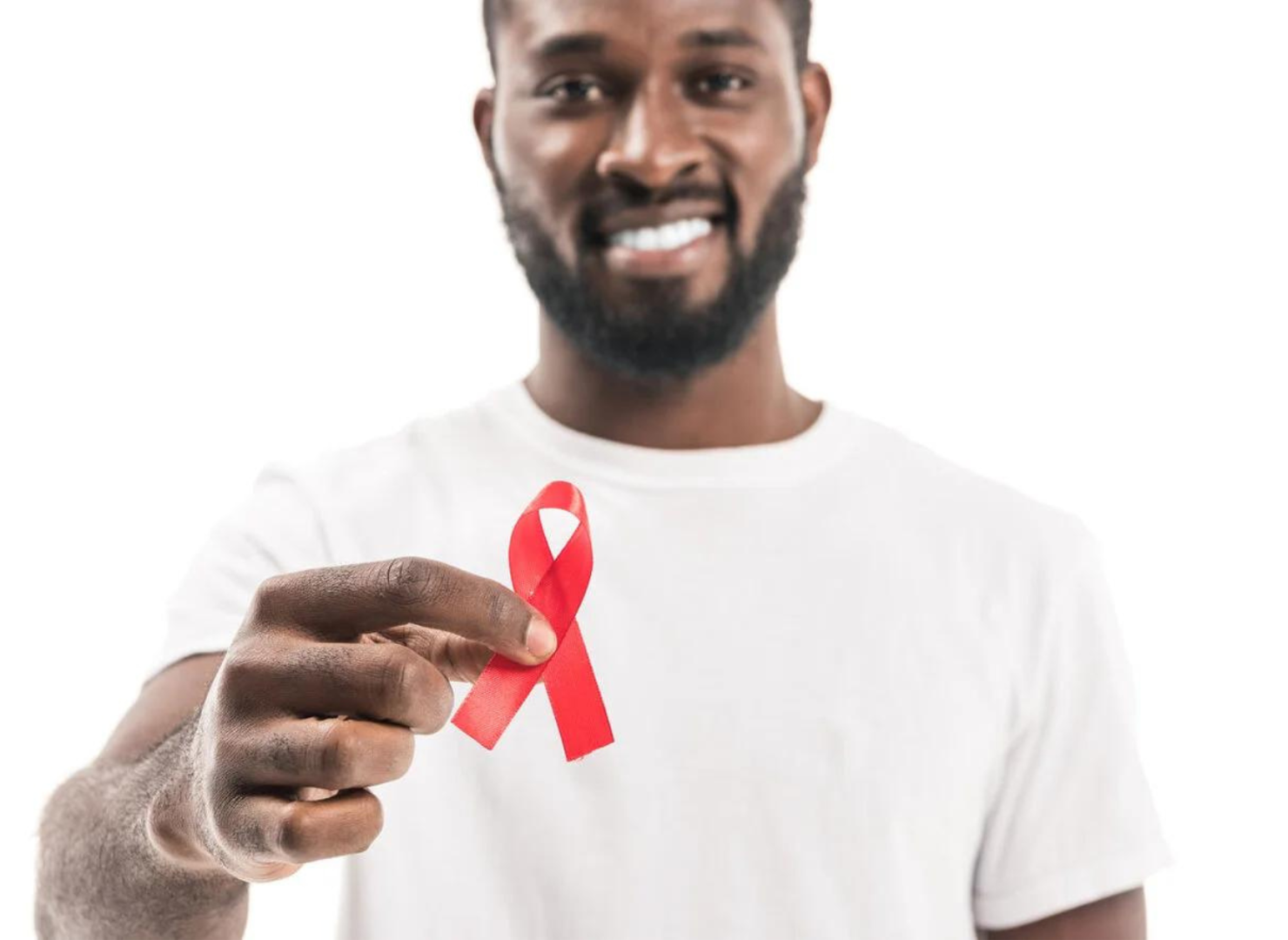
To strengthen the quality of Human immunodeficiency virus (HIV) testing services, Lesotho is transitioning to the World Health Organisation’s (WHO) recommended Three HIV Test Strategy. The Three Test Strategy is an HIV testing strategy in which a person is diagnosed with HIV after three consecutive reactive tests.
12,447 Children Reached With Measles-Rubella Vaccine during Africa Vaccination Week
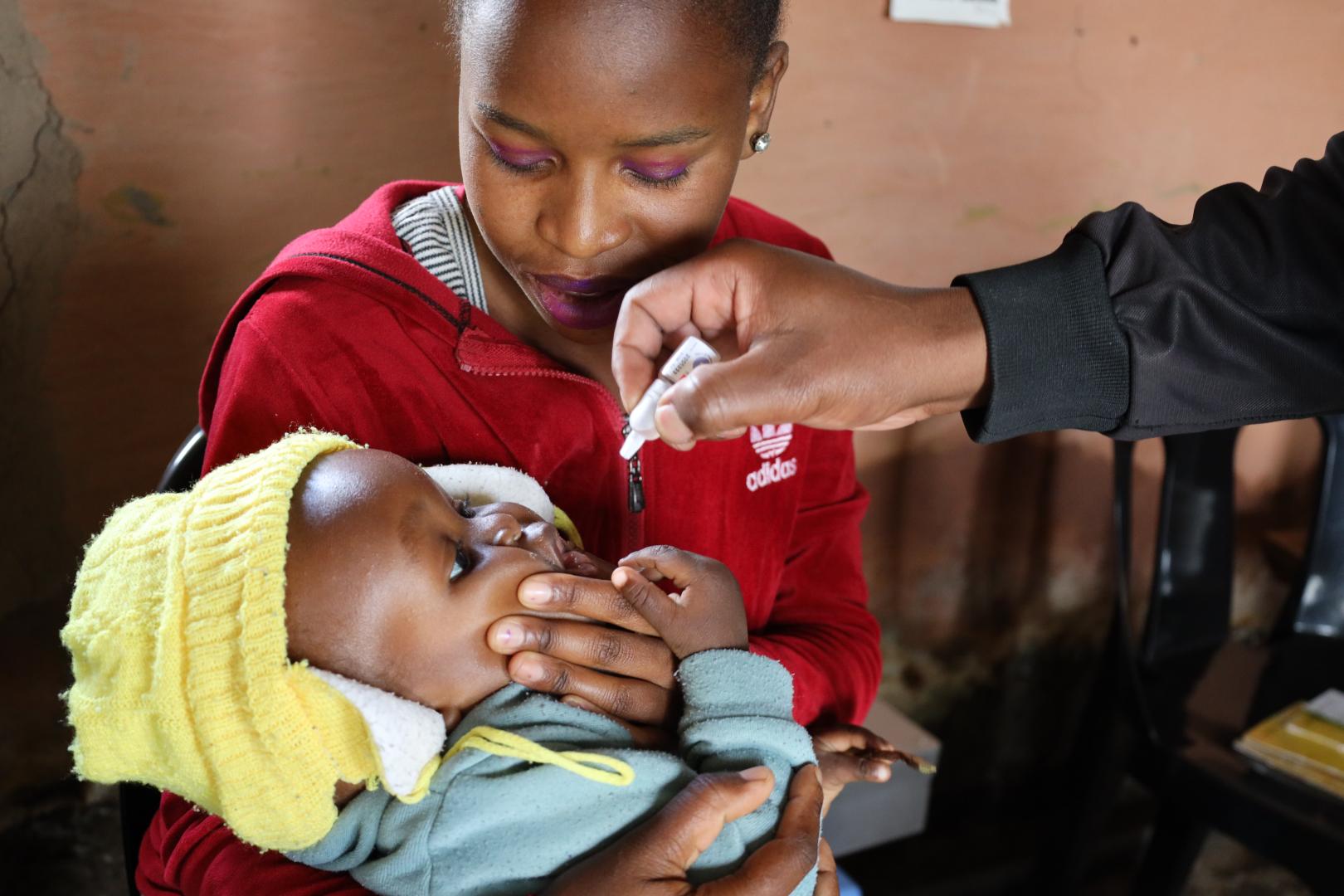
To catch up with the unvaccinated (zero-dose), and under-vaccinated children, the Ministry of Health with support from the World Health Organisation, (WHO) implemented a catch-up vaccination campaign from 29 April to 4th May in all 10 districts. The catch-up vaccination campaign recorded a high turnout in many communities with 12,447 children reached with Measles Rubella(MR).