Zimbabwe moves to tackle heavy postpartum bleeding
Harare – In response to the alarming rates of maternal mortality caused by Postpartum Hemorrhage (PPH), Zimbabwe is adopting the World Health Organization (WHO) E-MOTIVE approach, a pioneering strategy proven to save lives in low-resource settings. Postpartum hemorrhage remains a leading cause of maternal death globally, responsible for a quarter of all such deaths annually.
WHO Donates Motorbikes to Boost Guinea Worm Elimination Efforts in Ethiopia
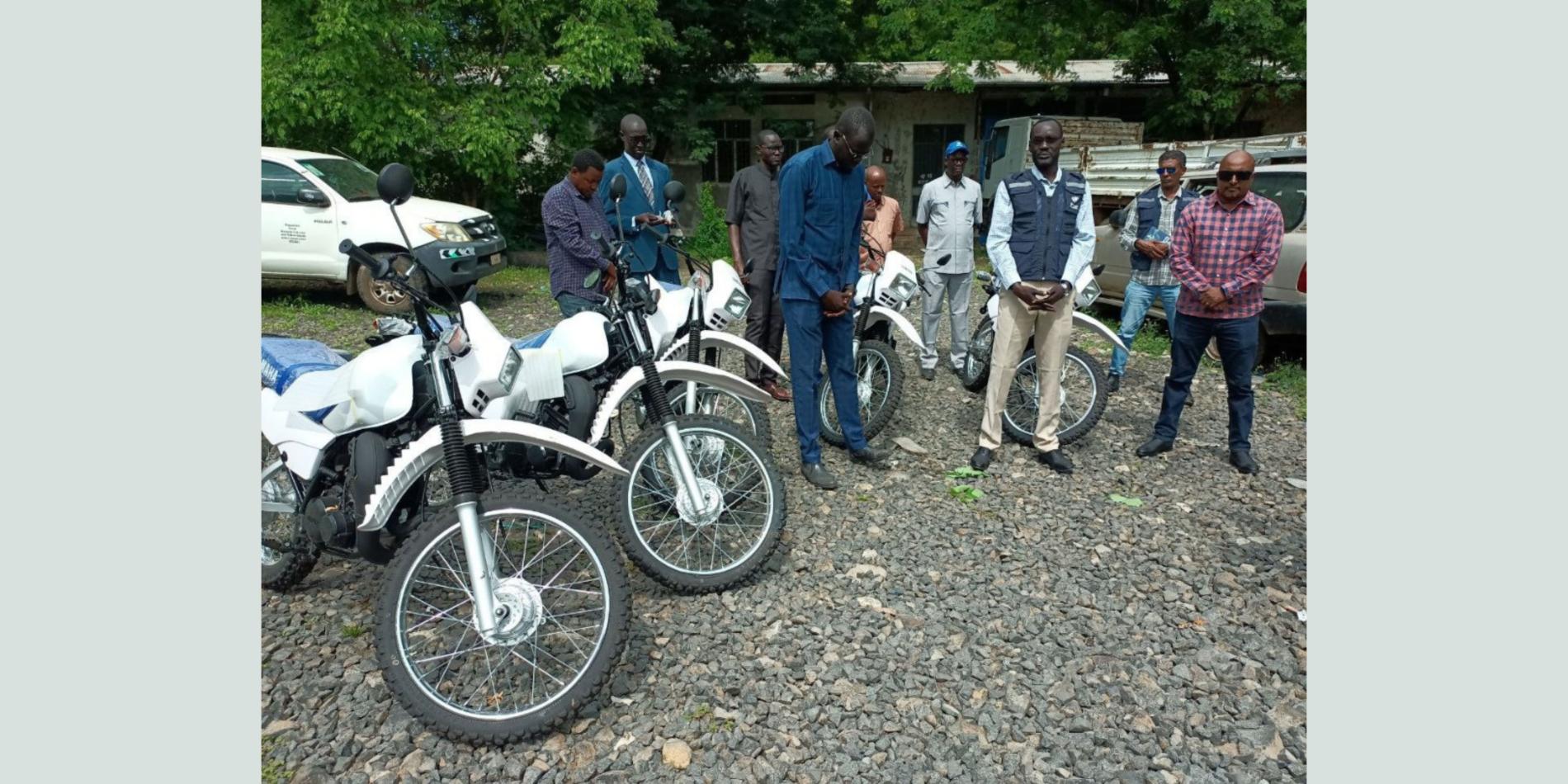
The World Health Organization (WHO) has donated five motorbikes to support Guinea worm disease surveillance and elimination activities in Ethiopia's Gambella region. These motorbikes will be used to intensify efforts in the endemic districts of Gog and Abobo woredas.
The handover ceremony, held on Thursday, June 20th, 2024, at the regional Health Bureau, highlighted WHO Ethiopia's ongoing commitment to eliminating Guinea worm and other neglected tropical diseases.
Renewed Collaboration to Achieve Eradication
Creating a safe space for victims of gender-based violence in Yobe state
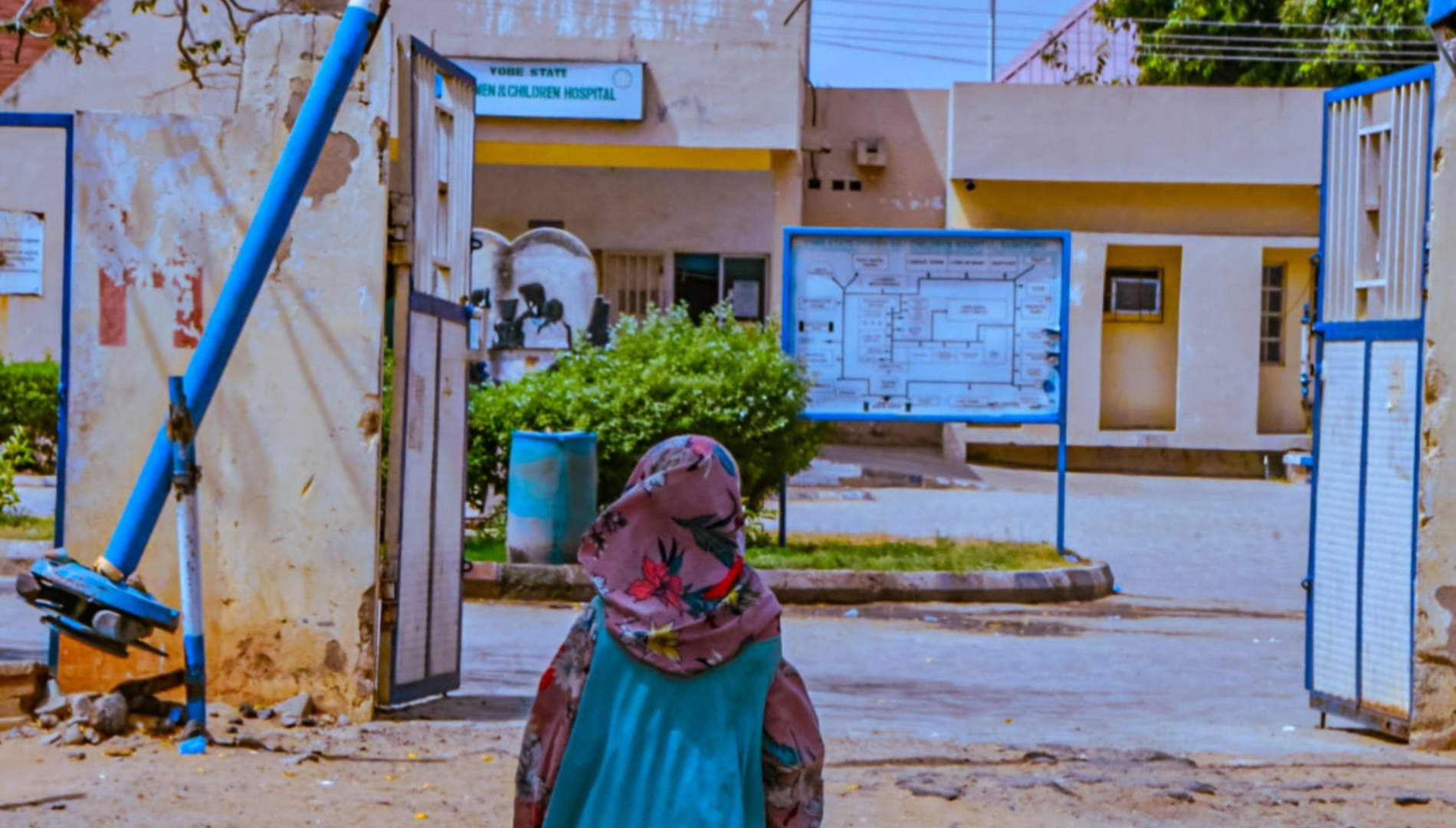
Damaturu, 1 July, 2024 - The first time Amina Tijani (name changed) 17 years old, visited the Women and Children Health Facility in Damaturu, Yobe State, she looked around anxiously and was unsure whether she could share her experience or not. Reassured by the friendliness of the health worker who promised her complete privacy, Amina was able to share her story about her abuse.
“I was asleep when I felt the inappropriate touch. I began struggling and crying, begging him to stop. But he was much stronger and raped me, she says in a shaky voice.
Empowering youth as ambassadors for tobacco control in Sierra Leone
Sierra Leone's youths have emerged as pivotal ambassadors in the fight against tobacco use, with enhanced awareness and advocacy skills aimed at resisting the influence of the tobacco industry. Their growing involvement is key in protecting their health, wellbeing, and making informed decisions about tobacco consumption.
Polio vaccination with nOPV2 vaccine successfully completed in Tigray: Used as an Opportunity to Enhance the Routine Immunization
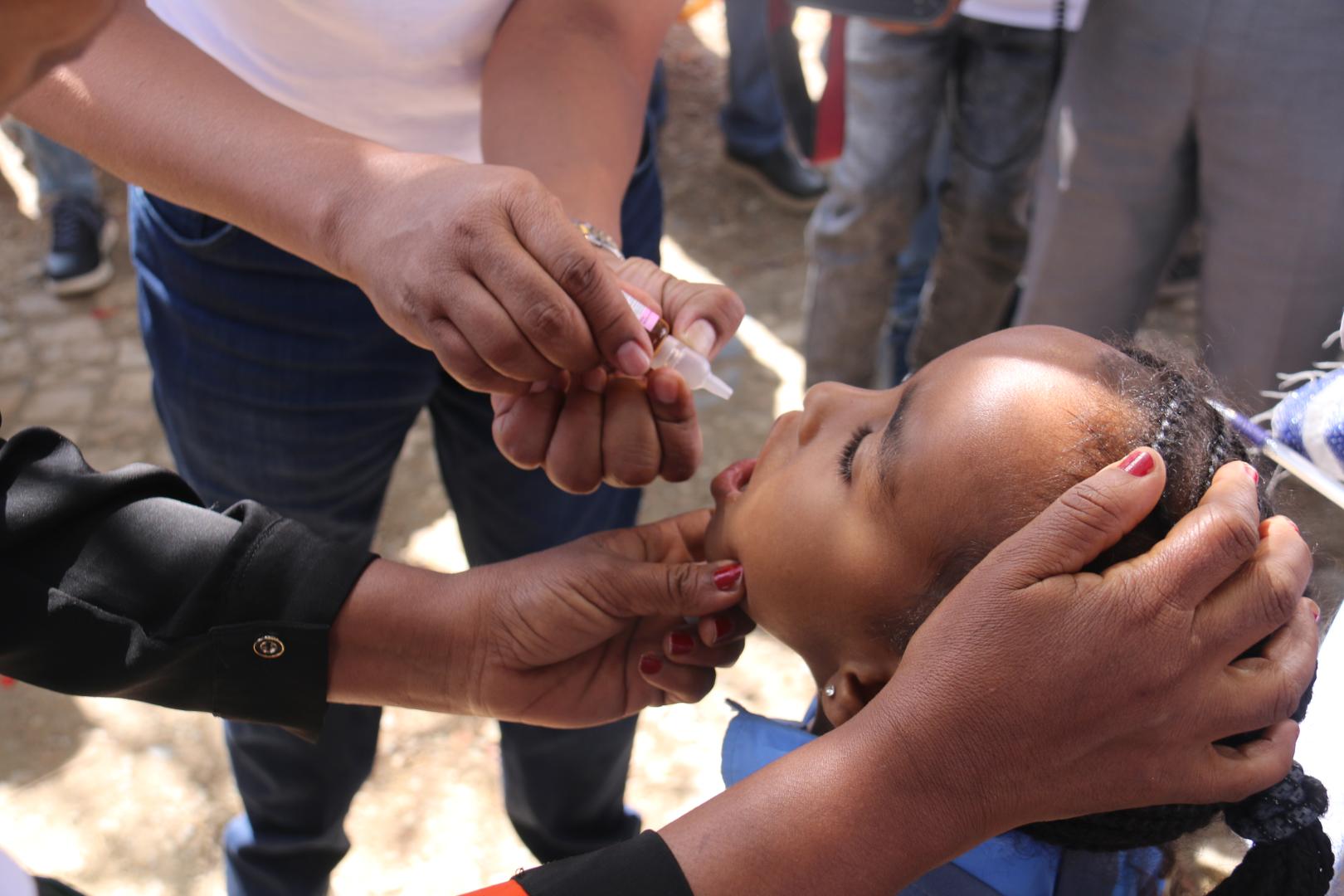
Two rounds of polio vaccination campaigns were conducted using novel Oral Polio Vaccine type 2 (nOPV2) in Tigray region of Ethiopia to prevent transmission and circulation of variant polio viruses. Round one campaign was conducted from 23 - 28 April 2024 in 79 accessible woredas, while second round was from 10 - 15 June 2024 followed by a mop-up vaccination for two days.
Angola Aims to Vaccinate Over 3.7 million Children in the Second Round of the Polio Vaccination Campaign
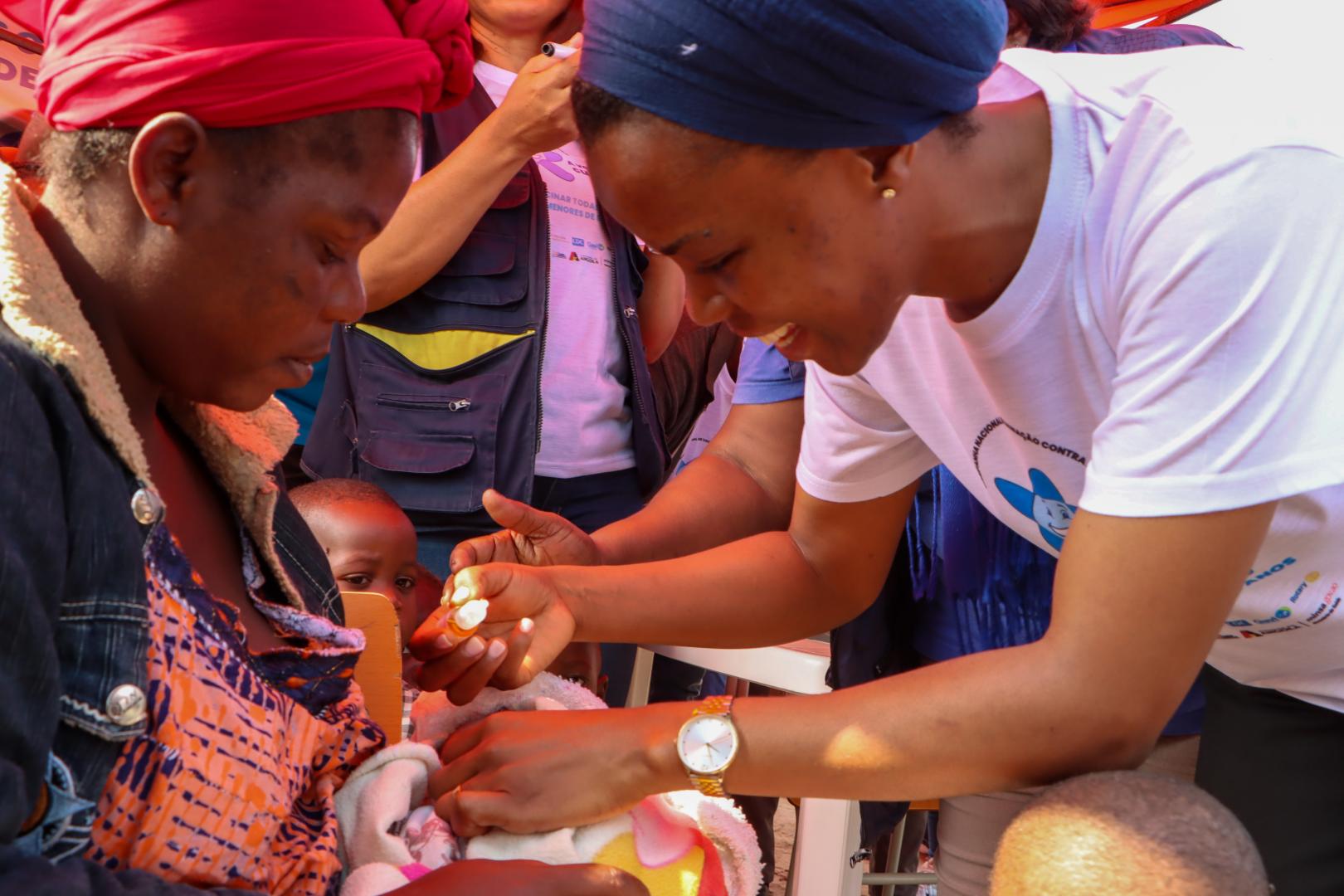
To interrupt the ongoing poliovirus transmission and protect children from childhood paralysis, the Ministry of Health, with the support of the World Health Organization (WHO), UNICEF, GAVI, CDC, BMG, Rotary International, and other strategic partners in the fight against polio, is conducting the second round of the polio vaccination campaign from June 28 to 30, 2024.
WHO supported the 2024 African vaccination week celebrated with a motto “Attention to zero doze and under vaccinated children”
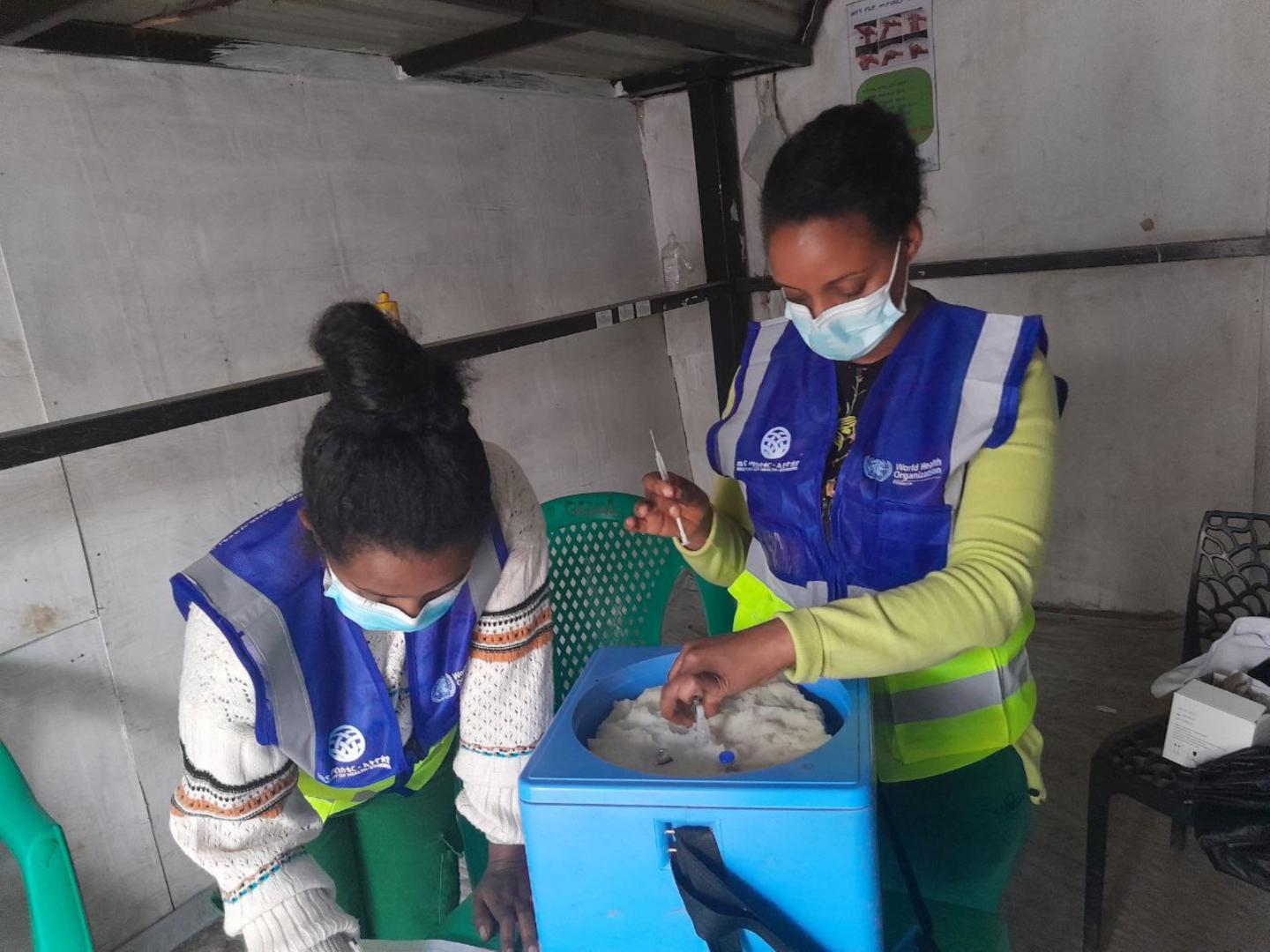
World Health Organization (WHO) Ethiopia Office supported the catchup activities as part of the 2024 African Vaccination Week (AVW) implementation with a motto “Attention to zero doze and under vaccinated children”. Nearly an estimated 194,246 zero dose children were identified from the IDPs community in five regions of Ethiopia including Amhara, Tigray, Somali, Oromia and Afar region.
Success story –Breastfeeding - gains momentum in Sierra Leone
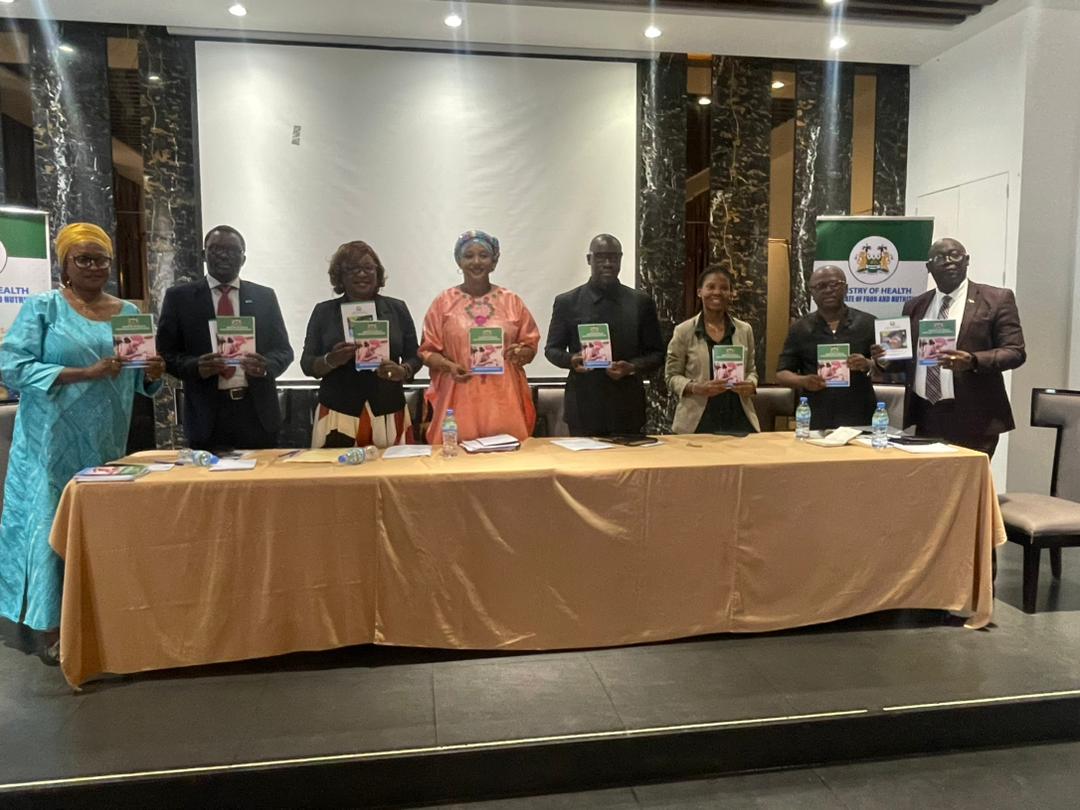
Sierra Leone has made tremendous strides in breastfeeding and has not only reached but surpassed the 2025 WHO global target of 50% for exclusive breastfeeding. According to the 2021 Sierra Leone National Nutrition Survey, the exclusive breastfeeding rate stands at 52.7%.
WHO hands over emergency and infection prevention control equipment to strengthen health systems in Kigoma Region
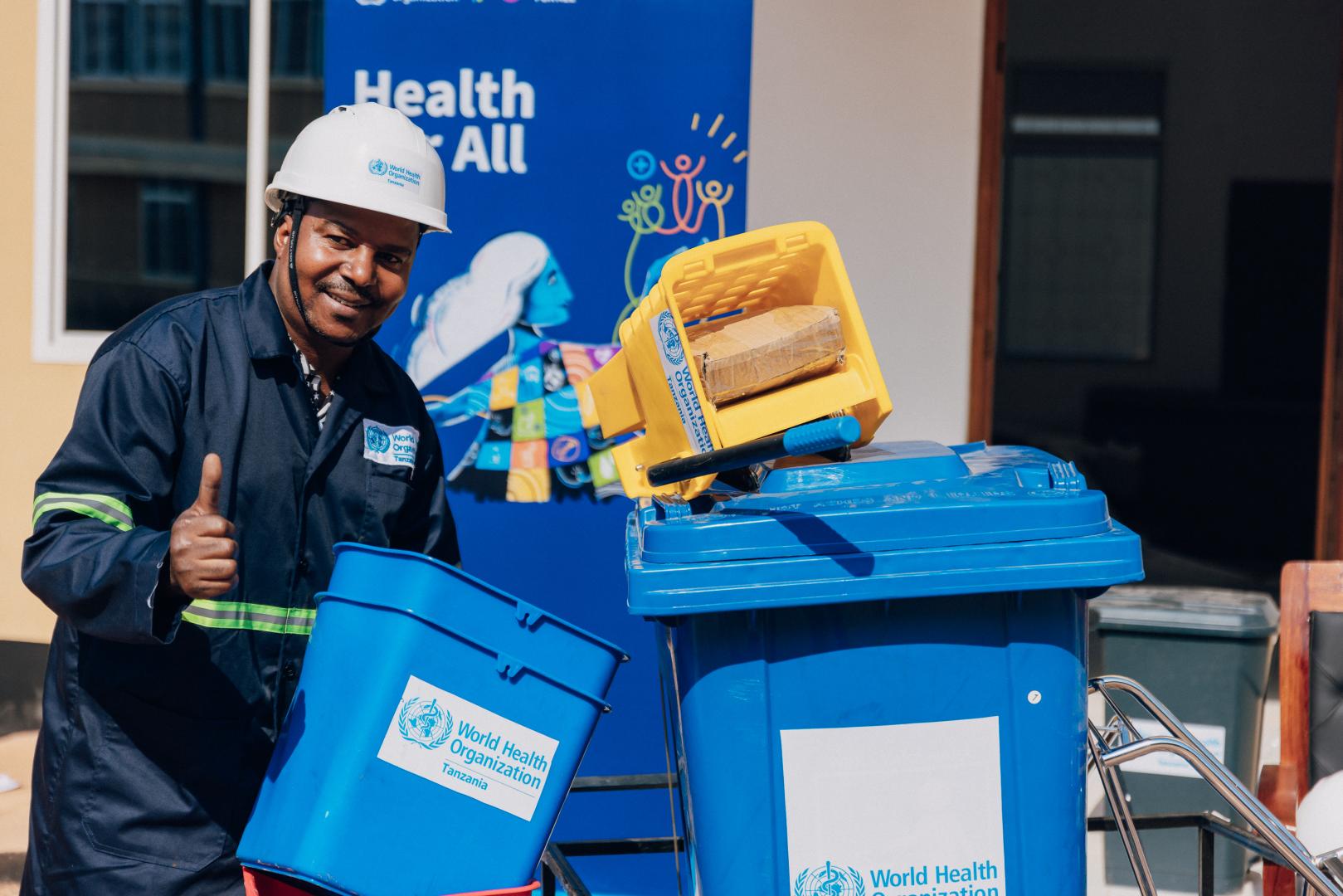
Kigoma - In the Kigoma Region of Tanzania, the World Health Organization (WHO) with funding from the UN Multi-Partner Trust Fund Office has donated equipment and supplies to strengthen infection prevention control(IPC) and WASH in health facilities, and preparedness and response against epidemics .
This is part of the United Nations Kigoma Joint Programme's efforts to work collaboratively with regional and local government authorities, communities, and other stakeholders in the region to bolster human health security in Kigoma.
Health experts discuss work force investments and optimization in Uganda
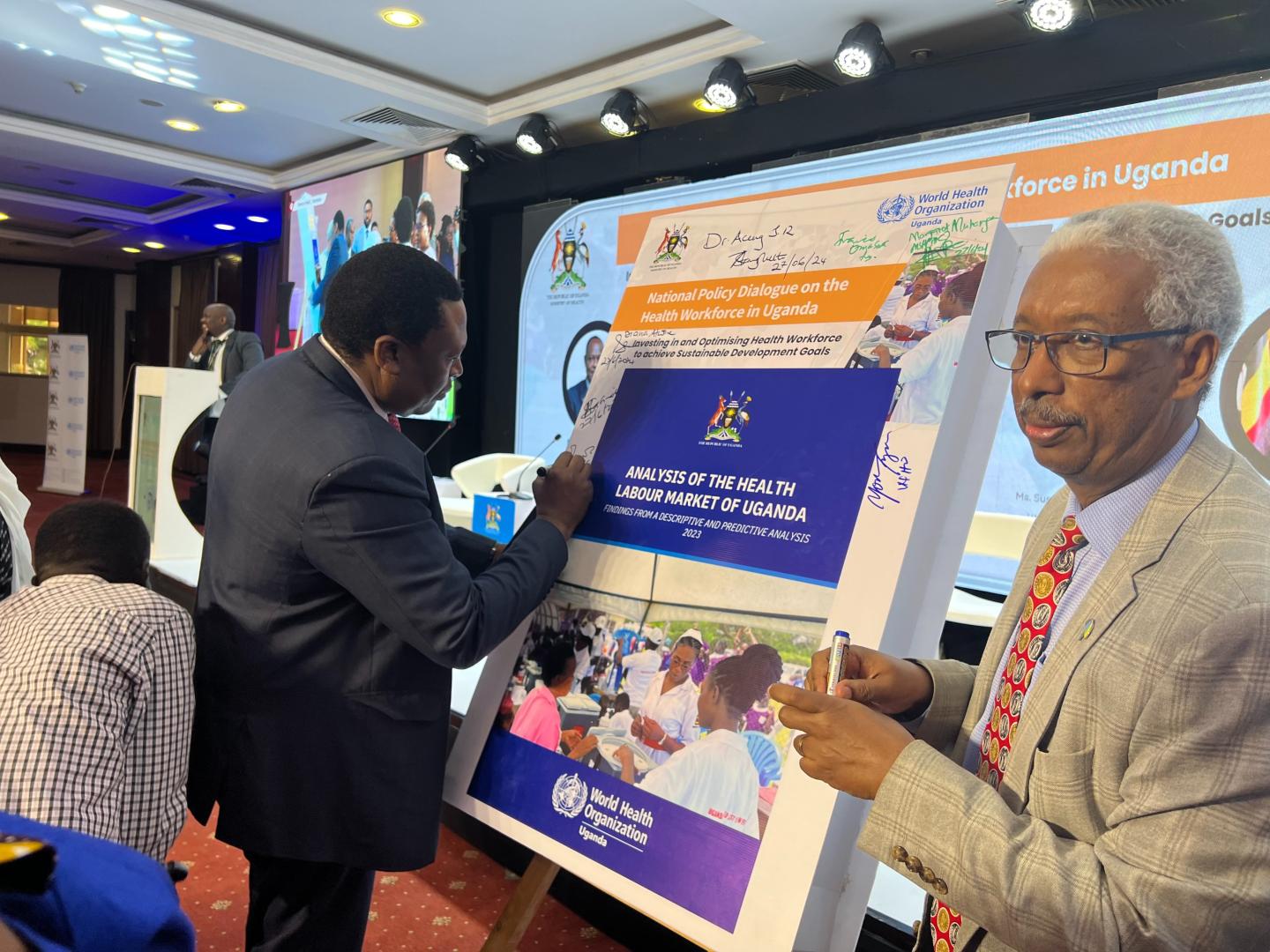
The Uganda Ministry of Health, in collaboration with the World Health Organization (WHO), convened a two-day National Policy dialogue on investing in and optimizing the health workforce to achieve Sustainable Development Goals (SDGs) in Uganda.