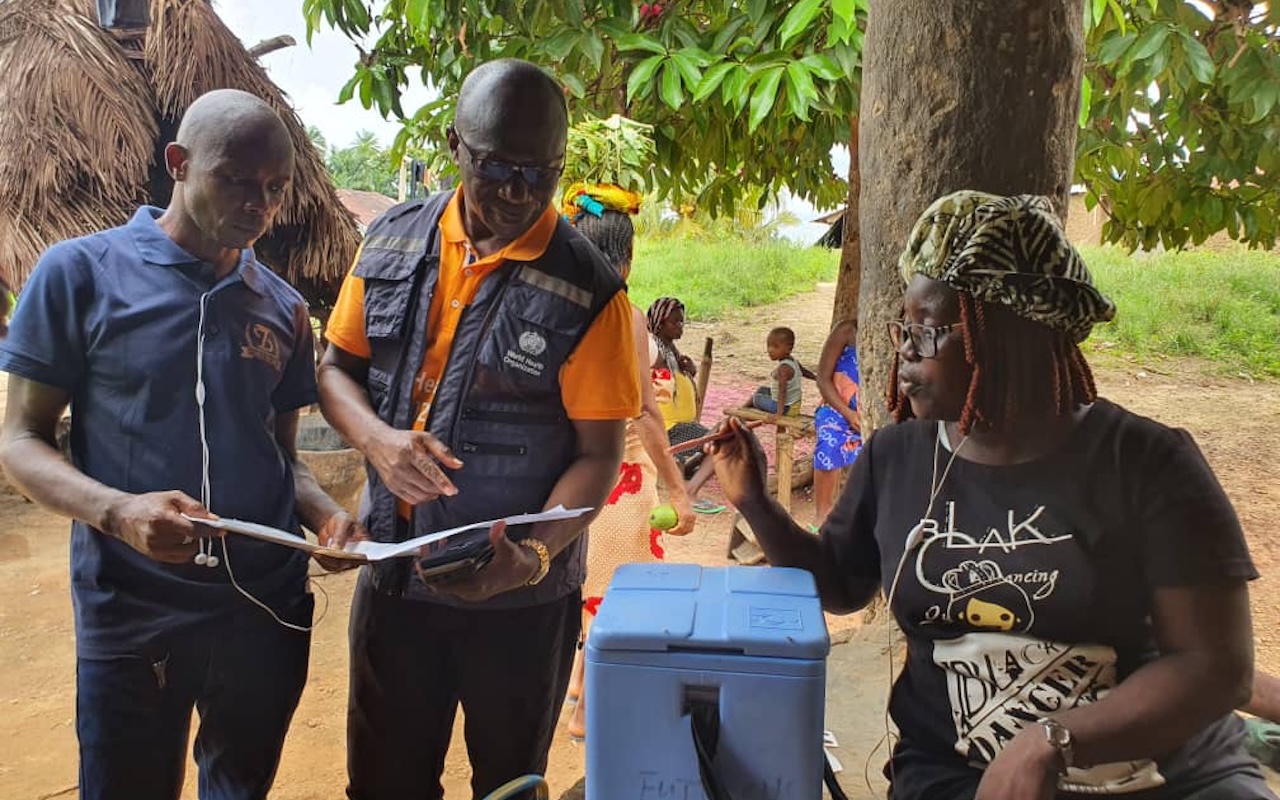
Sierra Leone’s dedicated polio vaccinators hit roads to reach millions of children: Ensuring every child in Pujehun is safe and free from polio
Government of Japan Supports Mental Health Gap Action Programme (mhGAP) Training in Amhara Region, Ethiopia
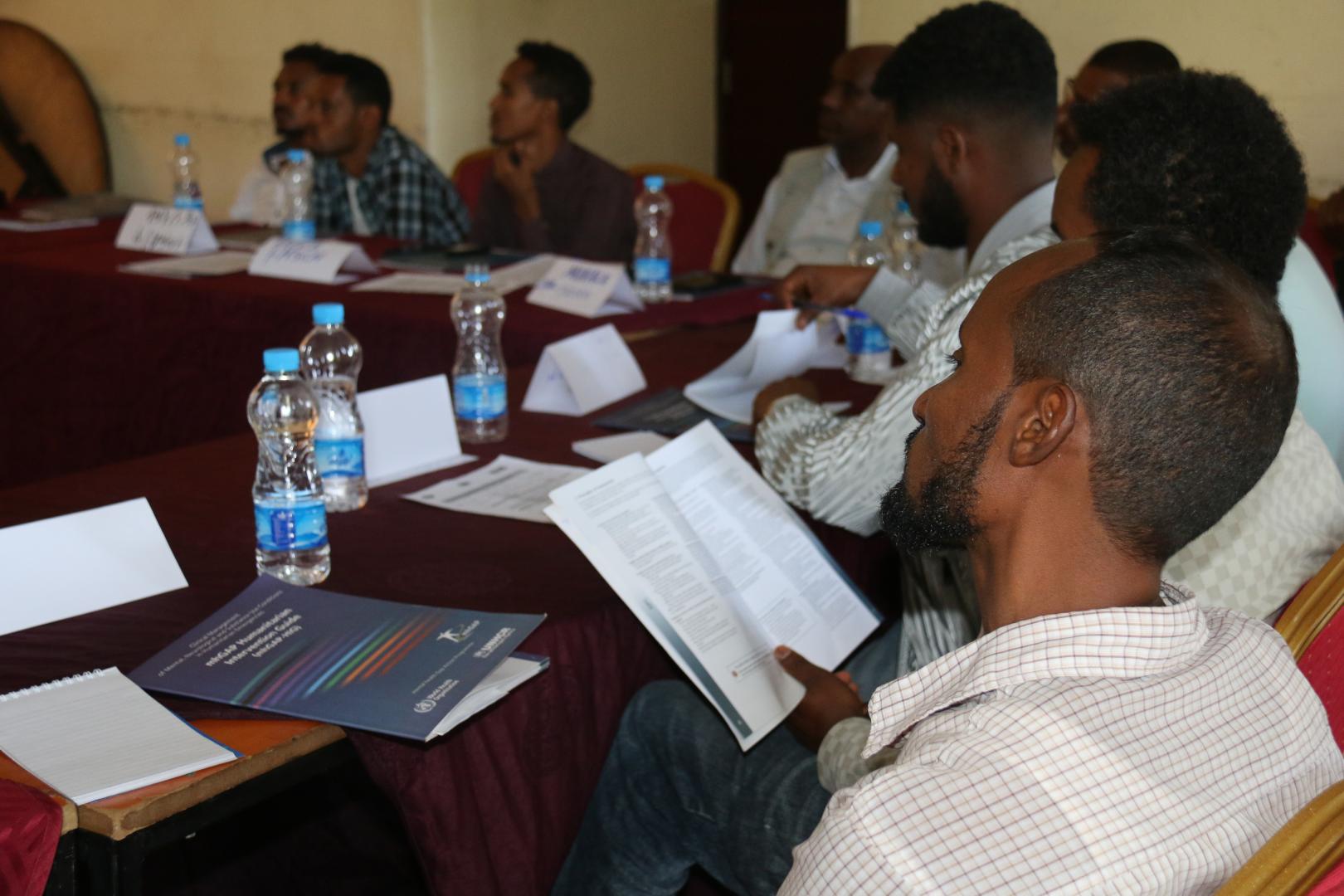
In response to the pressing mental health needs caused by the ongoing conflict and drought in Northern Ethiopia, the Government of Japan, in collaboration with the World Health Organization (WHO), supported task shifting mental health service provision capacity building training for primary care workers. The Government of Japan has generously supported the mhGAP Humanitarian Intervention Guide (HIG) Training of Trainers (TOT) program held in Bahir Dar, Amhara Region, from June 3-7, 2024.
South Sudan's fight against COVID-19 and efforts to safeguard the community from vaccine-preventable diseases
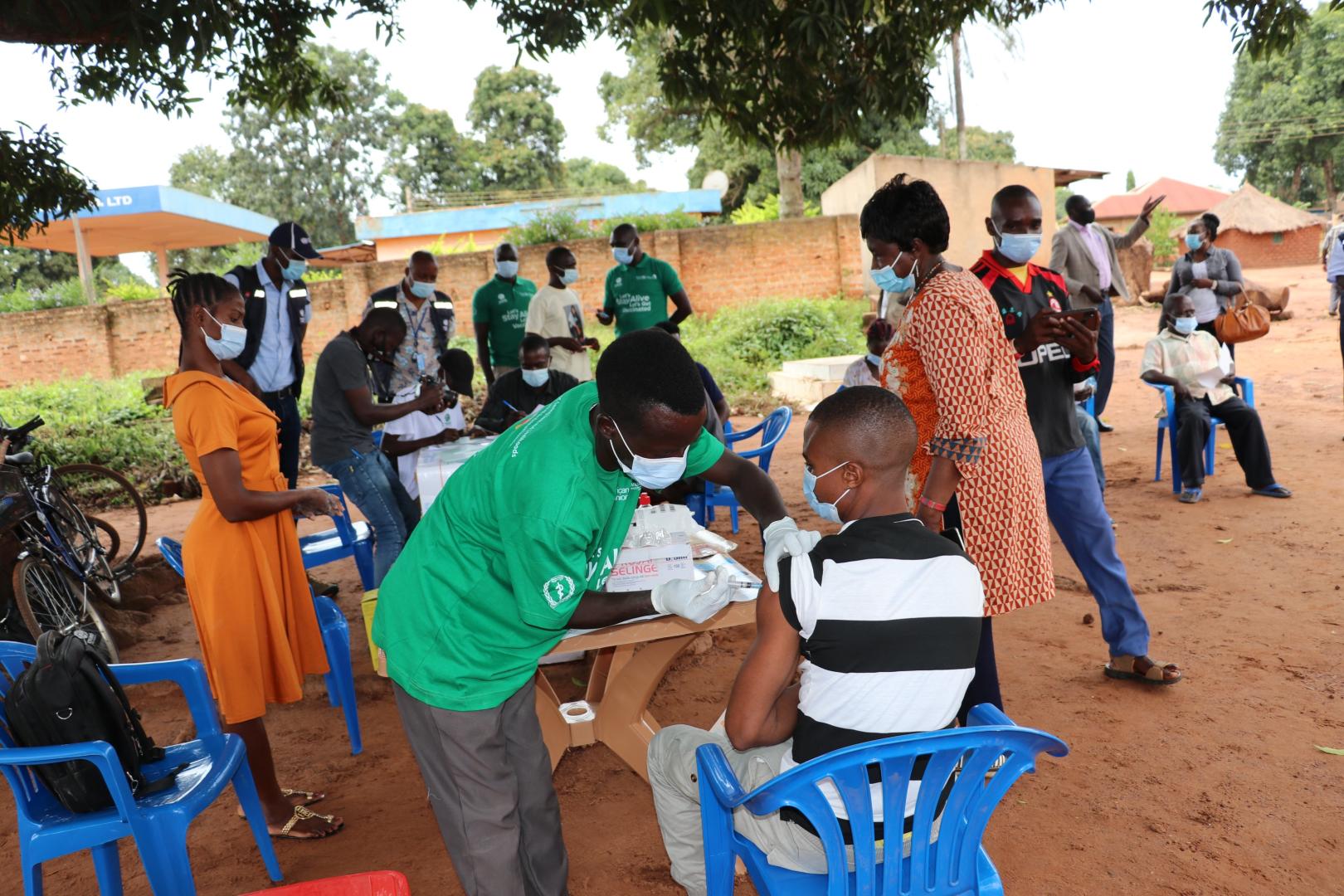
On 5 May 2023, the World Health Organization (WHO) declared the end of the COVID-19 global health emergency, but efforts to fight the virus continue worldwide.
In South Sudan, the Ministry of Health set an ambitious goal to vaccinate over 80% of the population aged 18 and above by the end of 2024. To achieve this, the Ministry of Health included COVID-19 vaccination as part of regular healthcare services. This strategic move ensured that COVID-19 vaccines were readily accessible across various centers, increasing the chances of reaching a broad population.
Namibia’s Public Health Professionals Trained on Behavioral Insight
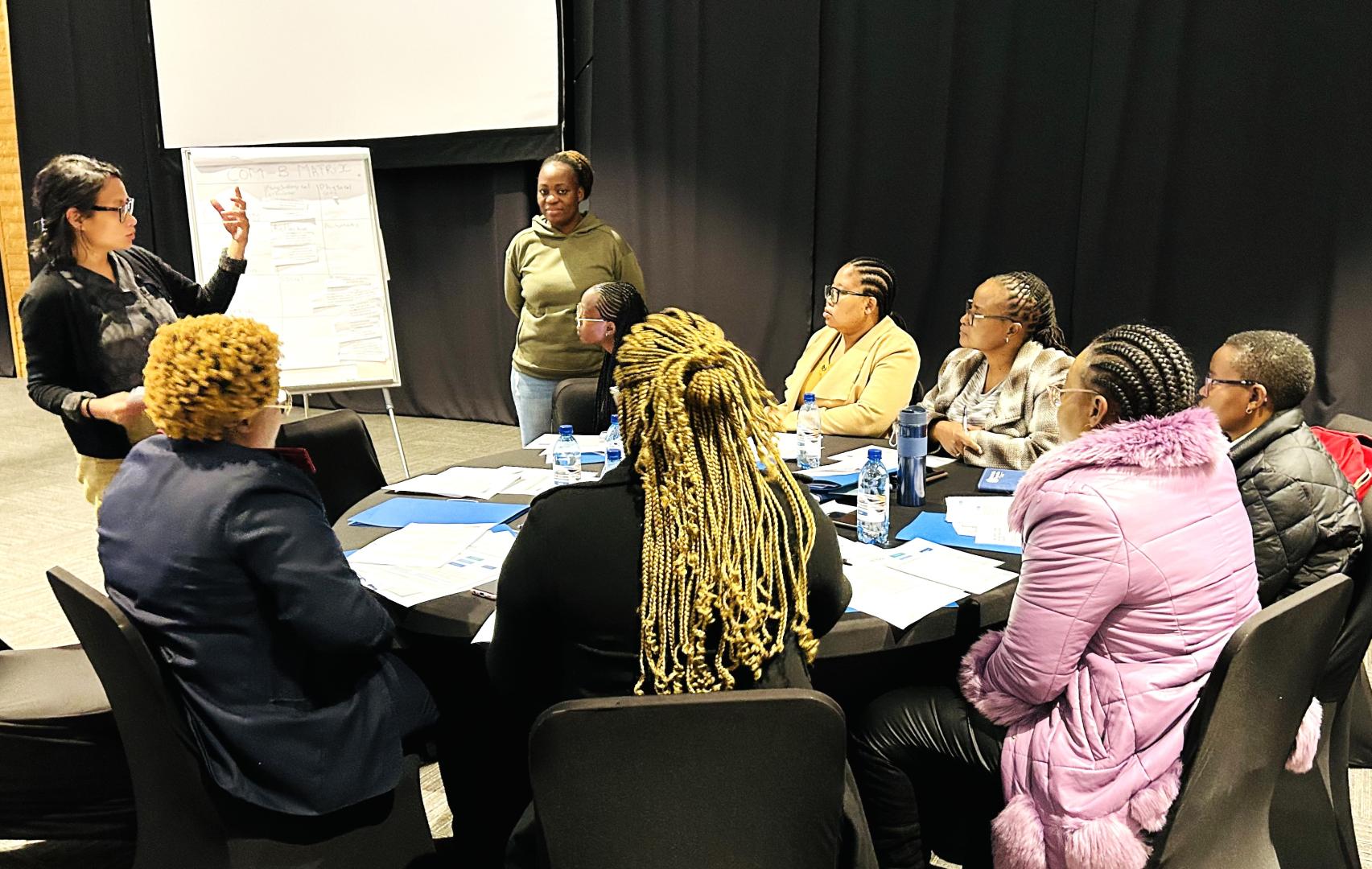
Behaviors are an essential part of our health and wellbeing. These include, among many others, drinking alcohol, smoking, being physically inactive, low vaccination uptake, overuse of antibiotics, and low adherence to treatment plans for diabetes and cardiovascular disease. Behaviors are complex and are affected by individual knowledge and motivation, as well as sociocultural and structural factors.
Using Data to Tackle Acute Malnutrition in Uganda
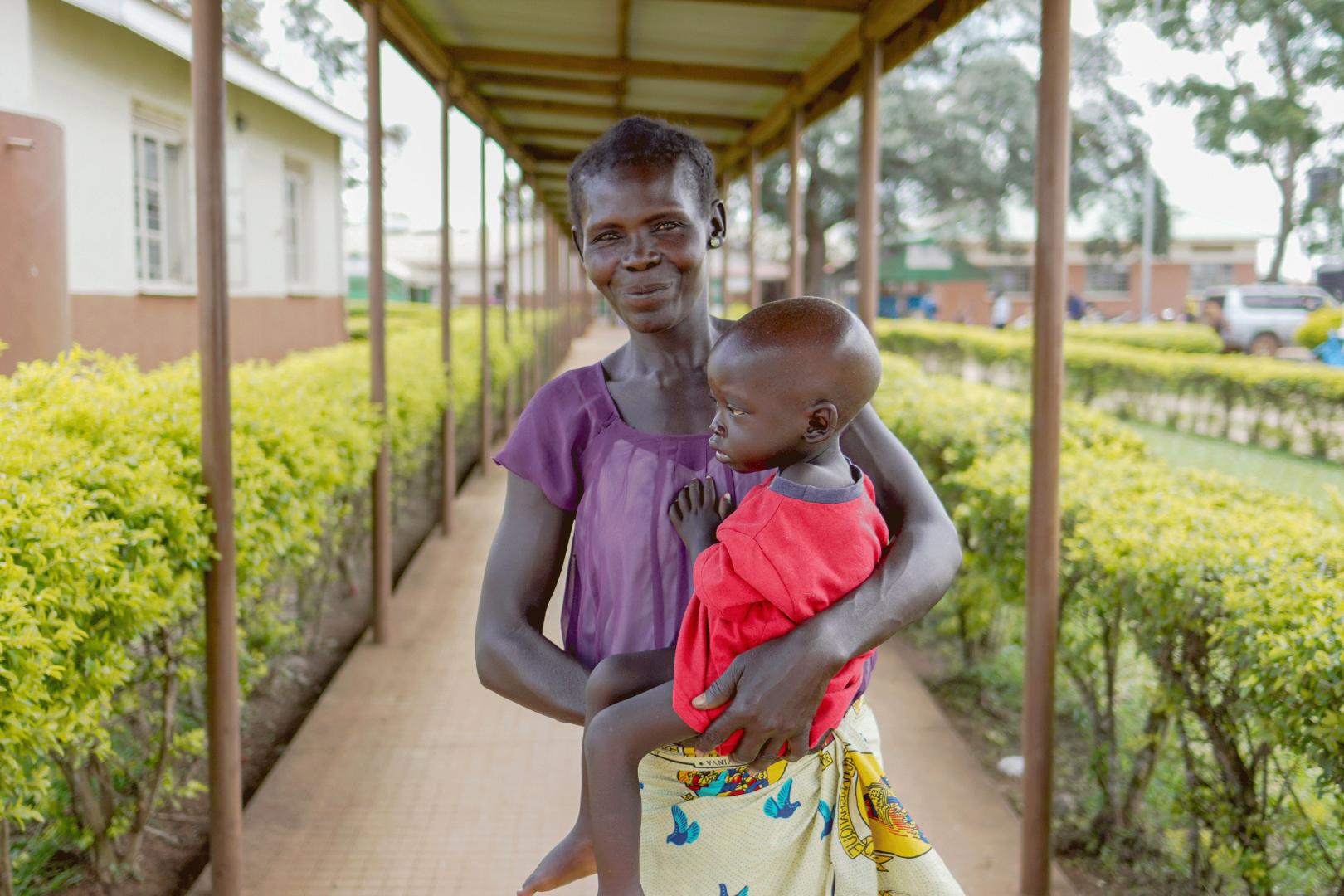
In the West Nile region of Uganda, Dawa Zubeda, a mother of five, has been on a harrowing journey to improve her youngest son's health. Her story mirrors the struggle of many parents facing the harsh realities of severe malnutrition.
Zubeda’s journey to the health facility was fraught with uncertainty and fear. “When I took my son to the hospital, I thought he had malaria. He was weak, with a swollen body and no appetite,” she recalled.
Strengthening Namibia’s Healthcare: A Collaborative Approach to Quality Measurement
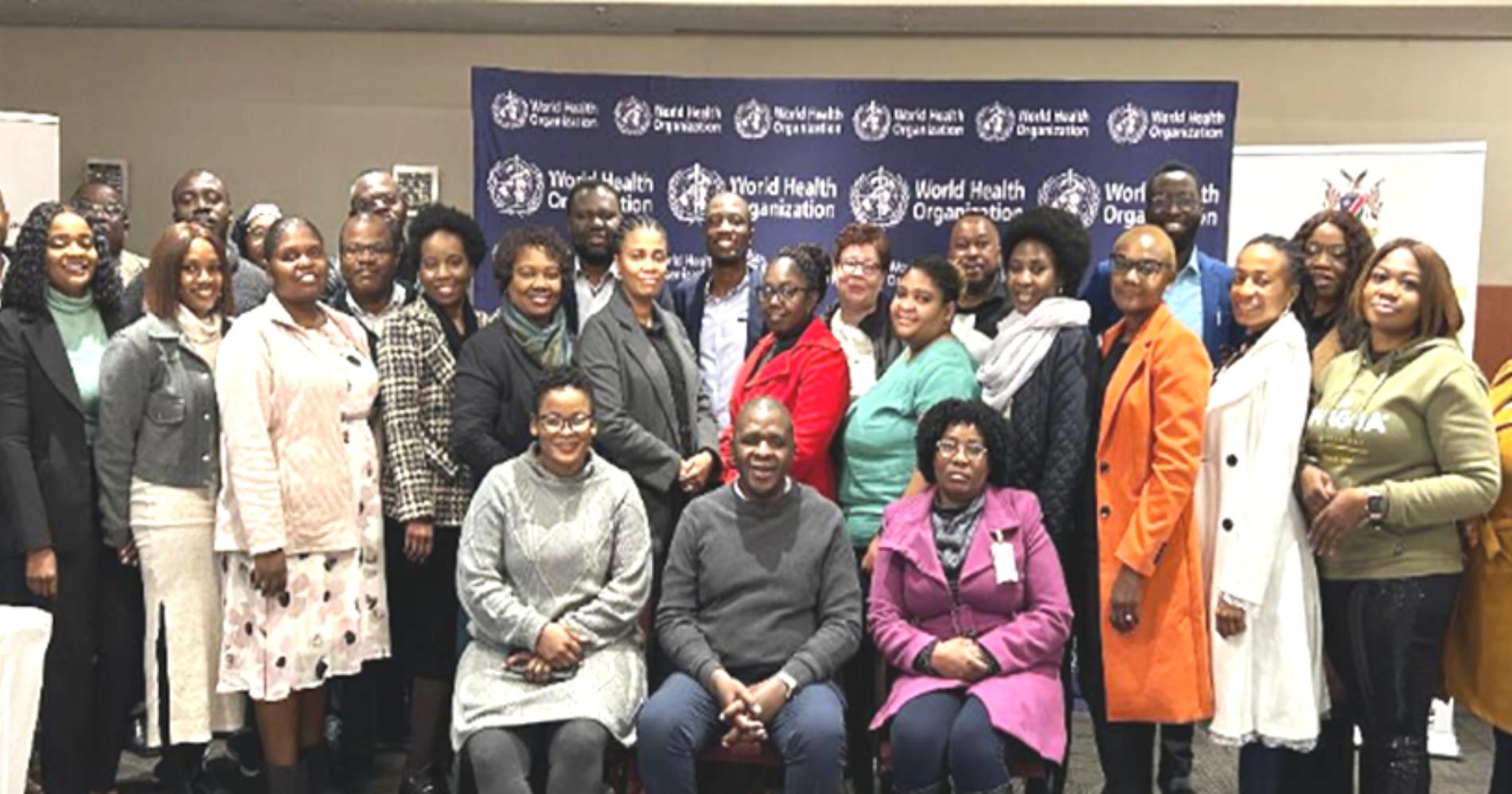
In a concerted effort to enhance the quality of healthcare services in Namibia, the Ministry of Health and Social Services (MoHSS), supported by the World Health Organization (WHO) and other key stakeholders, has made significant steps in the development, launching and dissemination of the National Quality Policy and Strategy (NQPS) in 2022. The NQPS aimed at ensuring that the provision of quality healthcare services is a fundamental principle of the healthcare delivery system in Namibia.
Transforming the Life of Leprosy Patients in Uganda
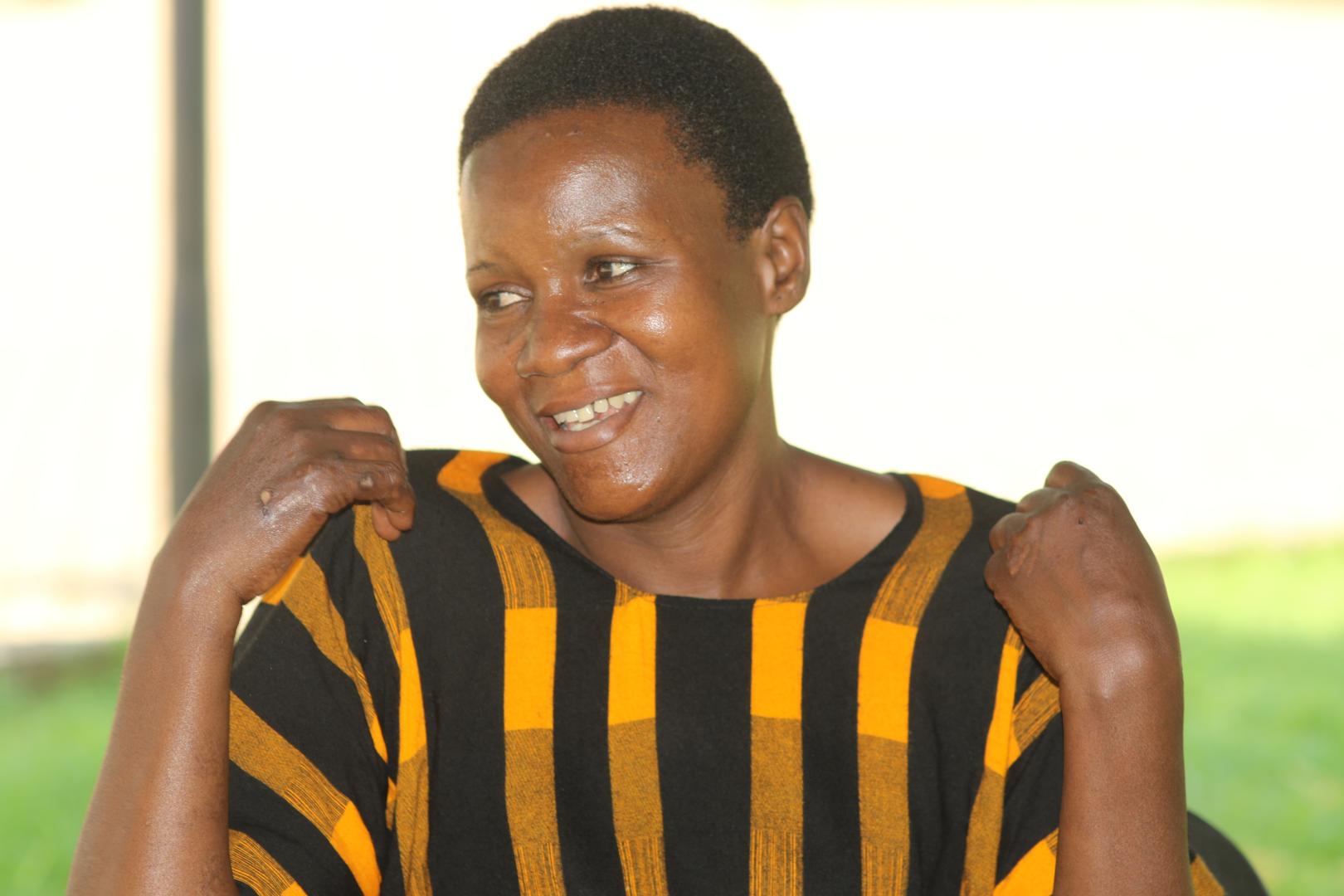
Uganda eliminated leprosy as a public health problem in 1994, a result of combined efforts by health authorities in the country. However, over the years, registered cases of this neglected tropical disease have gradually increased from 121 cases in 2017 to 518 cases reported in 2022.
Recognizing this increment, the stigma and discrimination associated with the disease, Uganda developed and launched a Zero Leprosy roadmap in October 2023, an initiative to integrate comprehensive care for leprosy into existing healthcare services.
WHO Representative to Namibia officially presented his credentials to the Government
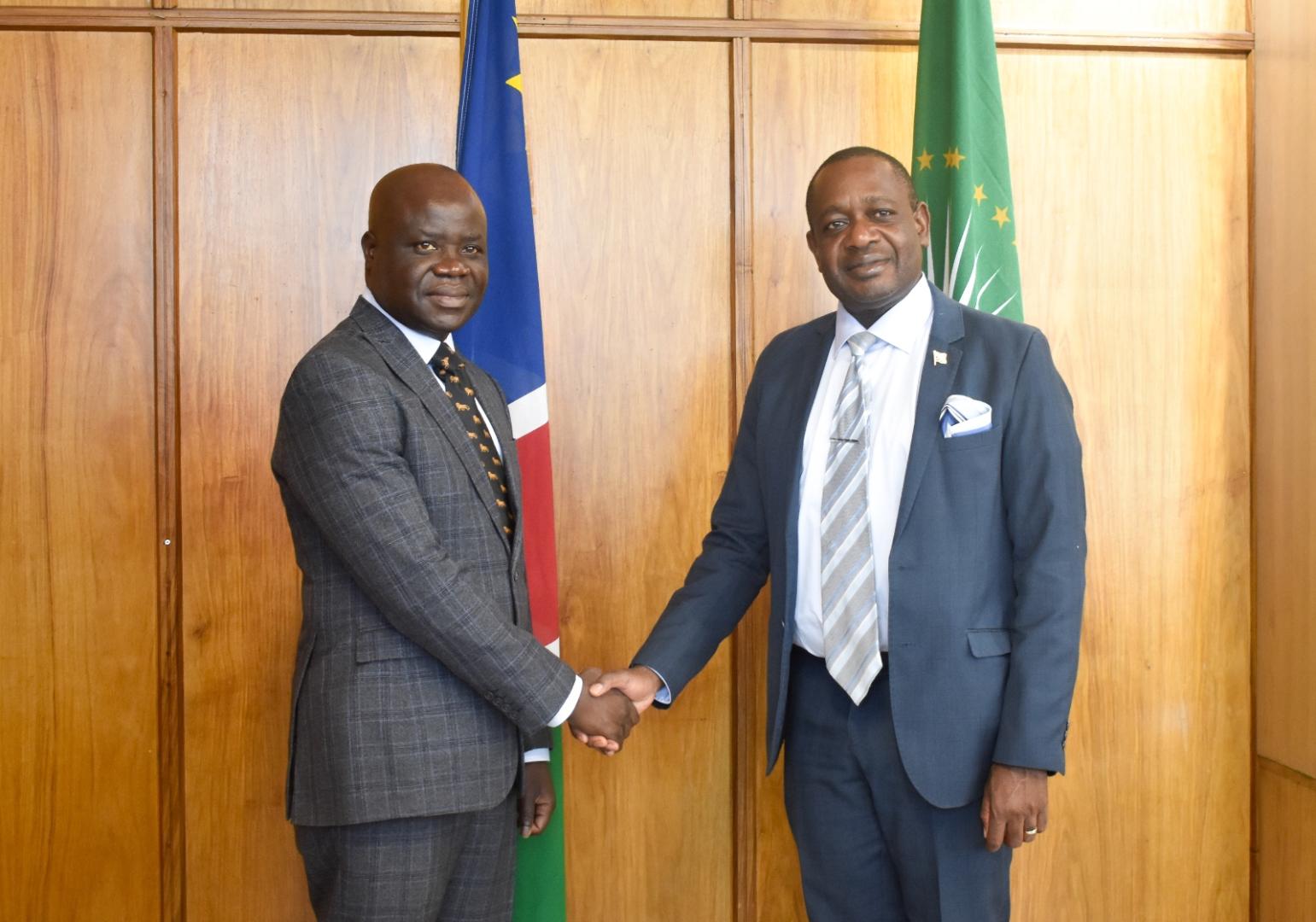
The newly appointed World Health Organization (WHO) Representative to Namibia, Dr. Richard Banda officially presented his credentials to the Minister of International Relations and Cooperation, Hon. Dr. Peya Mushelenga on 13 June 2024.
WHO Experts Engaged with Angolan Parliamentarians in an Advocacy Session on Major Endemics
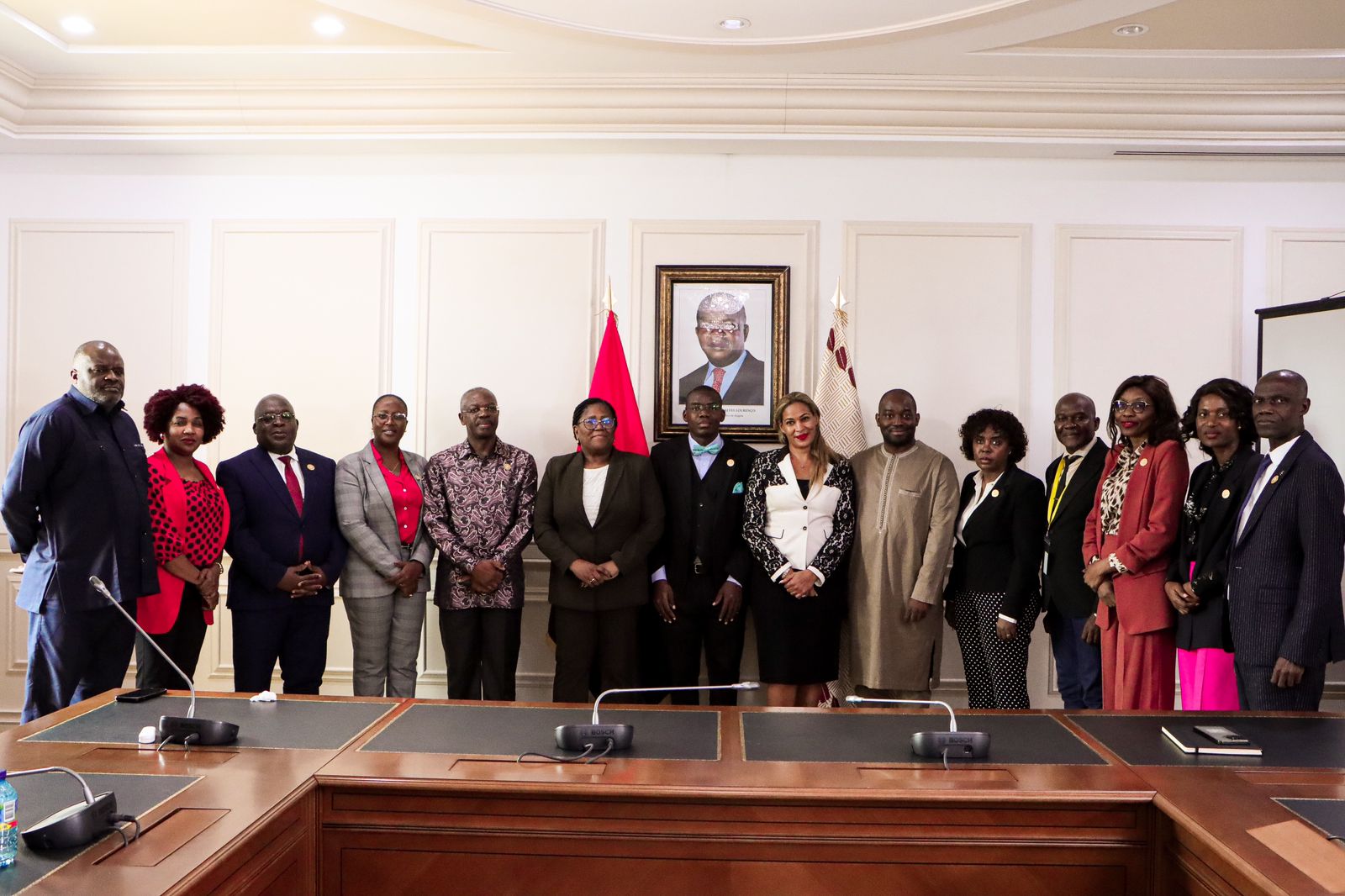
Experts from the World Health Organization in Angola conducted a high-level advocacy session for members of the 6th Commission of the National Assembly of Angola. The event focused on the three major endemics affecting the country: Malaria, Tuberculosis, and HIV/AIDS, aiming to enhance understanding and essential knowledge for making informed and effective decisions.
WHO Africa releases groundbreaking guidance to boost fight against sickle cell disease
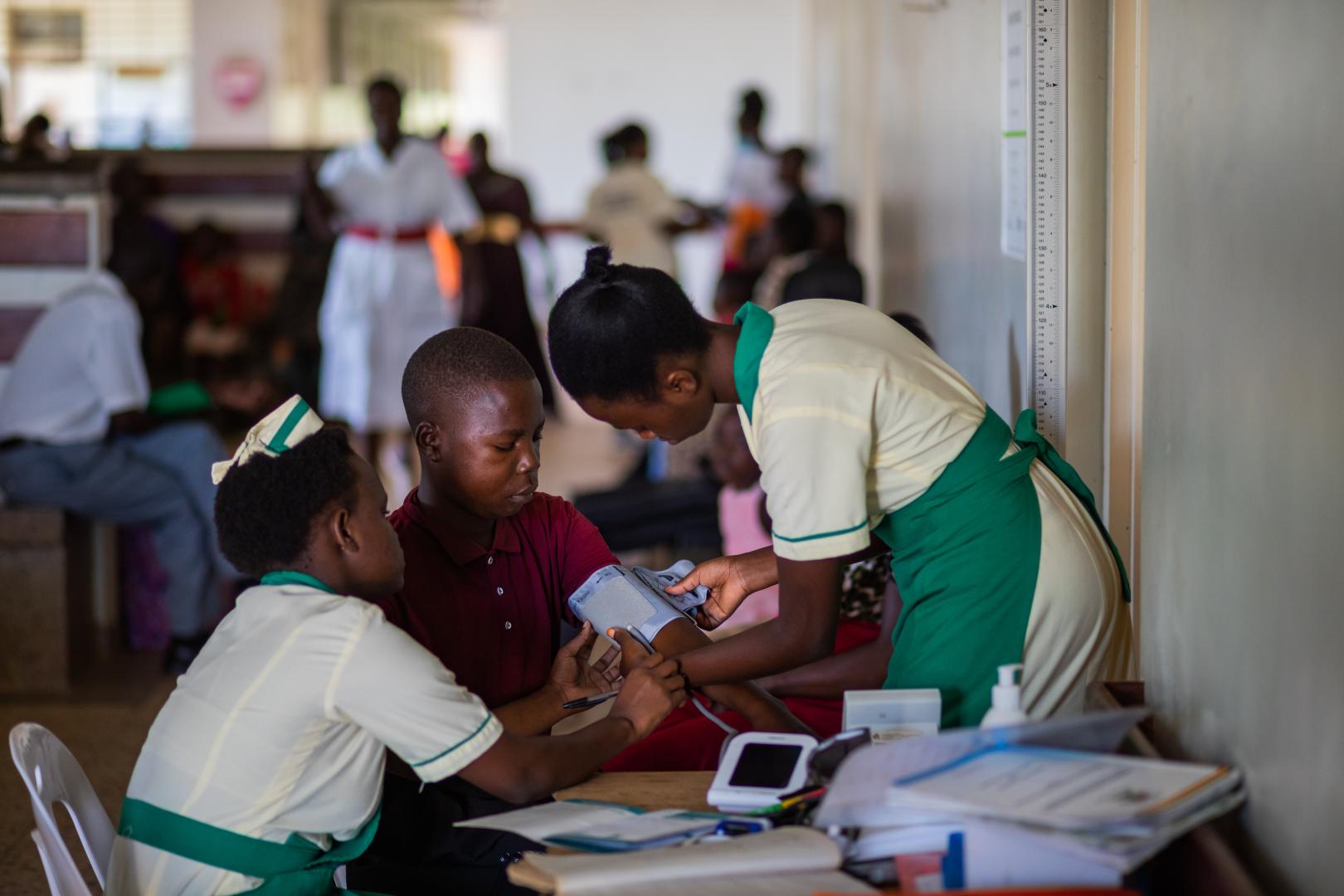
Brazzaville – World Health Organization (WHO) in the African Region today released groundbreaking new guidance to help strengthen efforts to address the growing threat of sickle cell disease in the region.
Significant for their integrated and holistic approach, the new technical documents offer detailed, actionable strategies and insights to support countries to improve quality of care, make treatment more accessible and boost overall health outcomes.