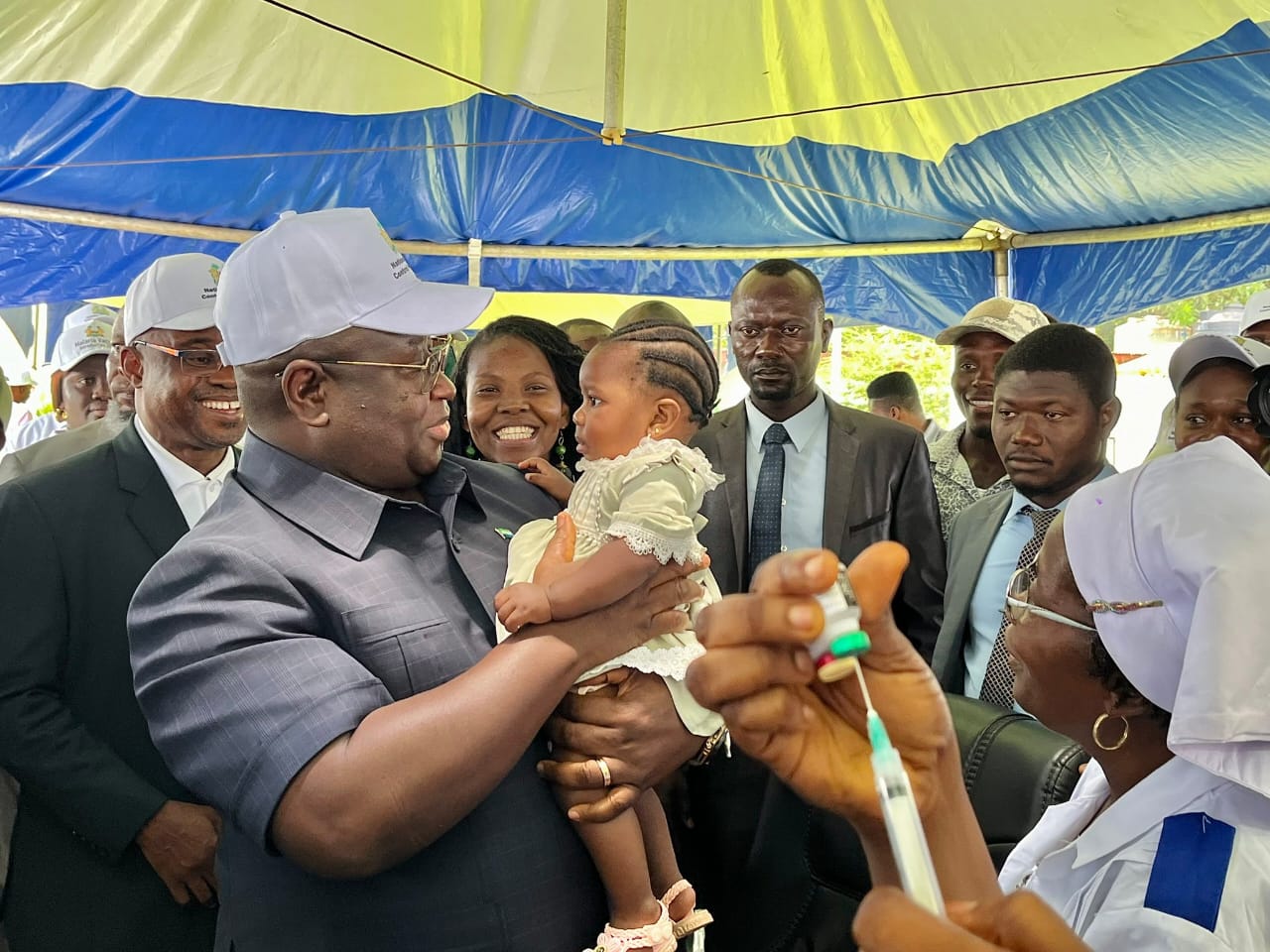
Sierra Leone Introduces Malaria Vaccine
Pioneering charter to drive up investment in Africa’s health workforce
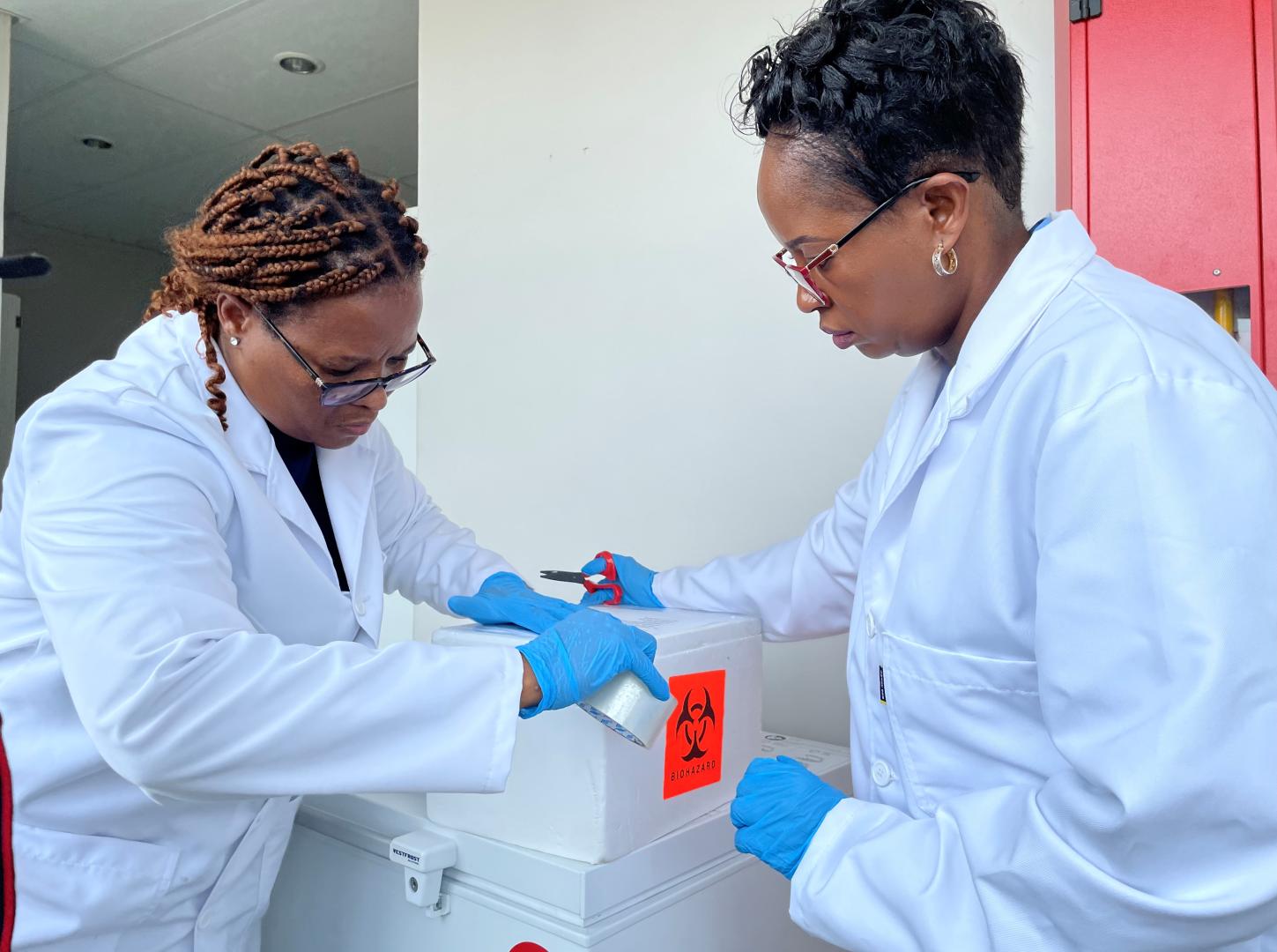
Brazzaville – A pioneering health investment charter, a first for the African region, is set to be launched at the African Health Workforce Investment Forum which will take place in Windhoek, Namibia from 6 – 8 May 2024. Key stakeholders will gather to consolidate efforts to drive up investment to counter critical health worker shortages.
Major step in malaria prevention as three West African countries roll out vaccine
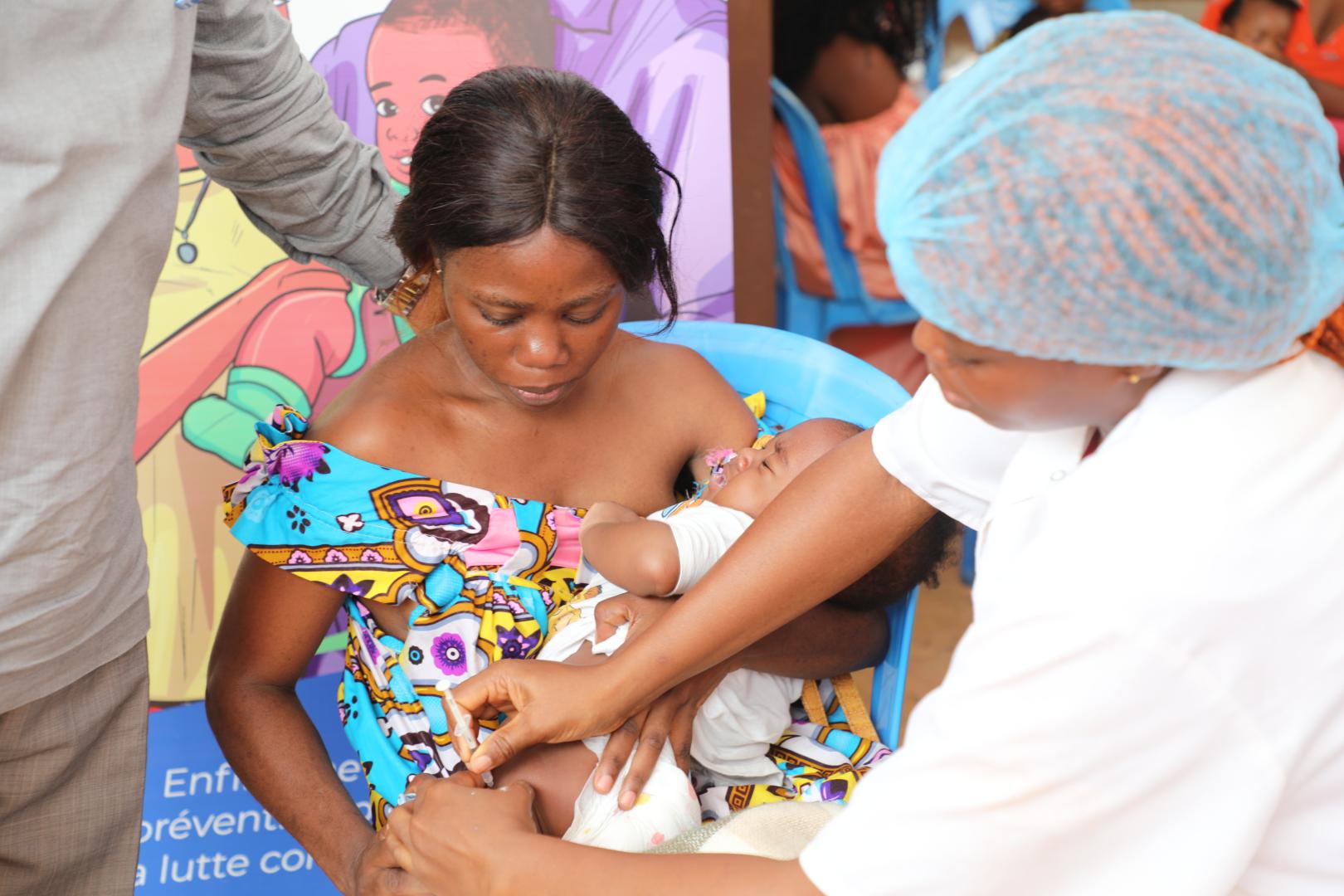
Cotonou/Freetown/Monrovia — In a significant step forward for malaria prevention in Africa, three countries—Benin, Liberia and Sierra Leone—today launched a large-scale rollout of the life-saving malaria vaccine targeting millions of children across the three West African nations. The vaccine rollout, announced on World Malaria Day, seeks to further scale up vaccine deployment in the African region.
Liberia Bolsters its Efforts Against Malaria: Launches RTS,S Vaccine in Rivercess County on World Malaria Day
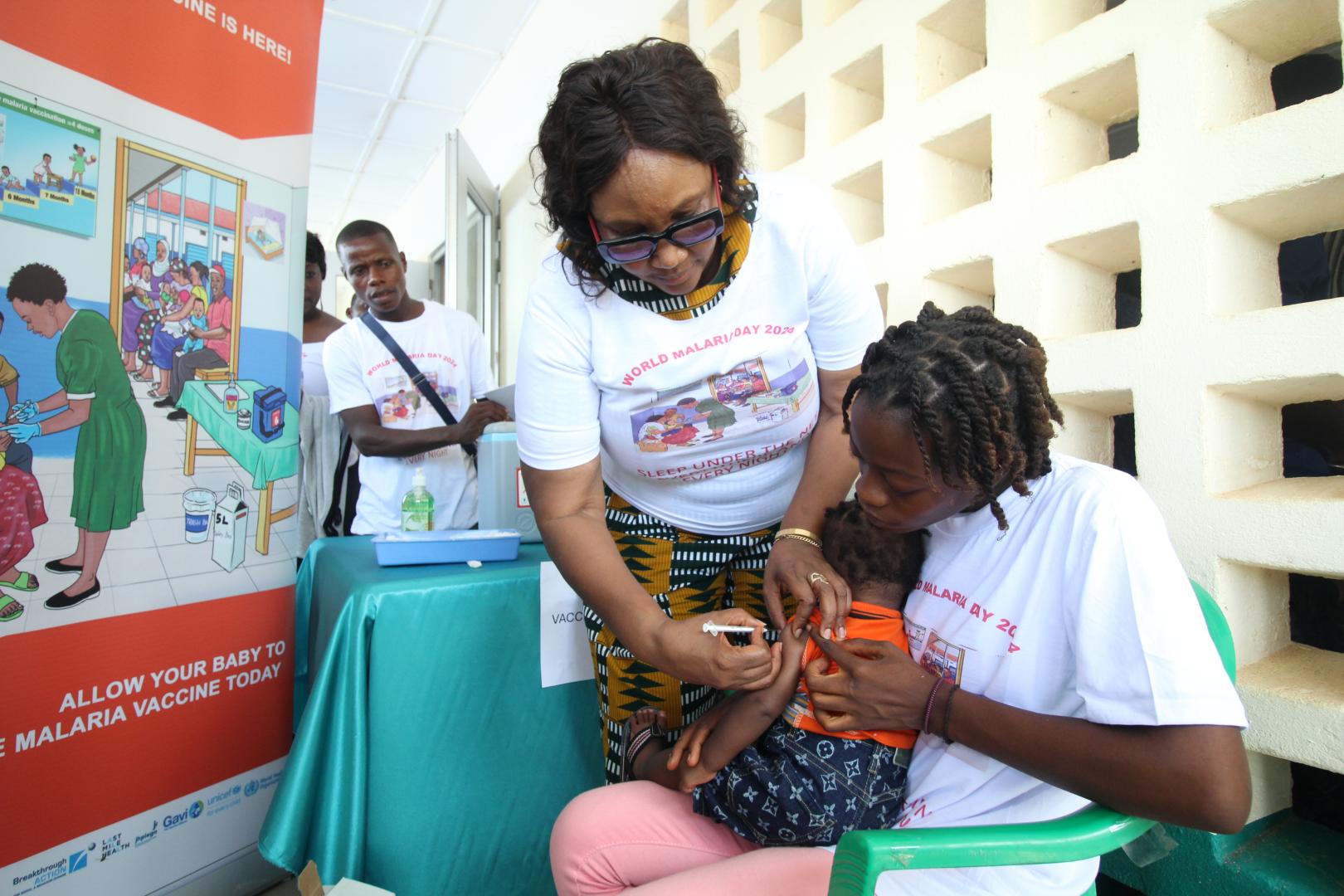
WHO Celebrates World Malaria Day, Highlights Progress and Challenges
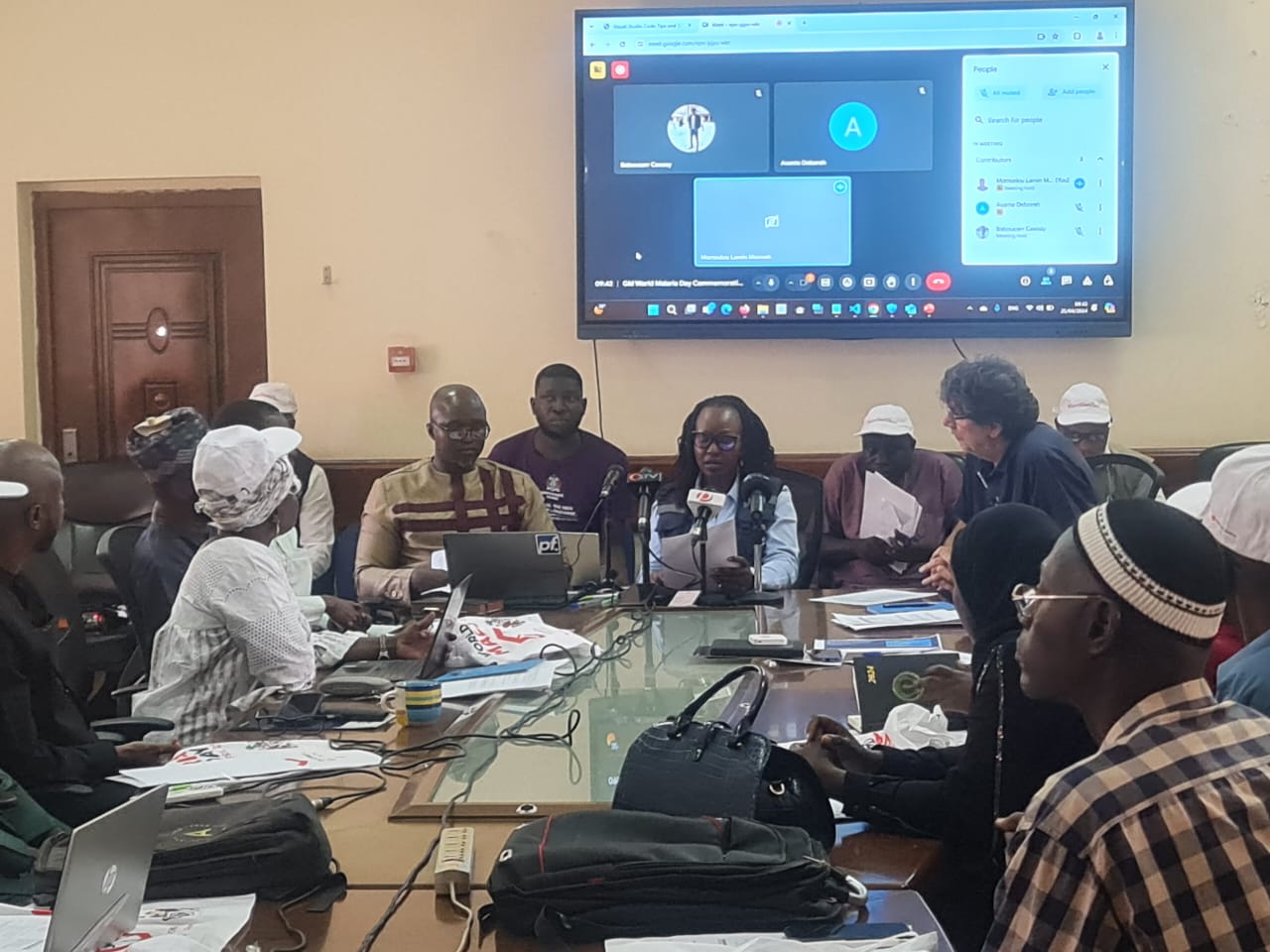
Banjul, The Gambia - In a poignant celebration marking World Malaria Day, WHO Gambia joined hands with the National Malaria Control Program (NMCP) and other key stakeholders to underscore the ongoing battle against malaria. Held at the National Malaria Control Programme complex in Kanifing, the event, themed "Advancing Health Equity, Gender Equality, and Human Rights," focused on the critical need for equitable malaria services amidst the disease's resurgence globally.
Over 50 million lives saved in Africa through expanded immunization programme
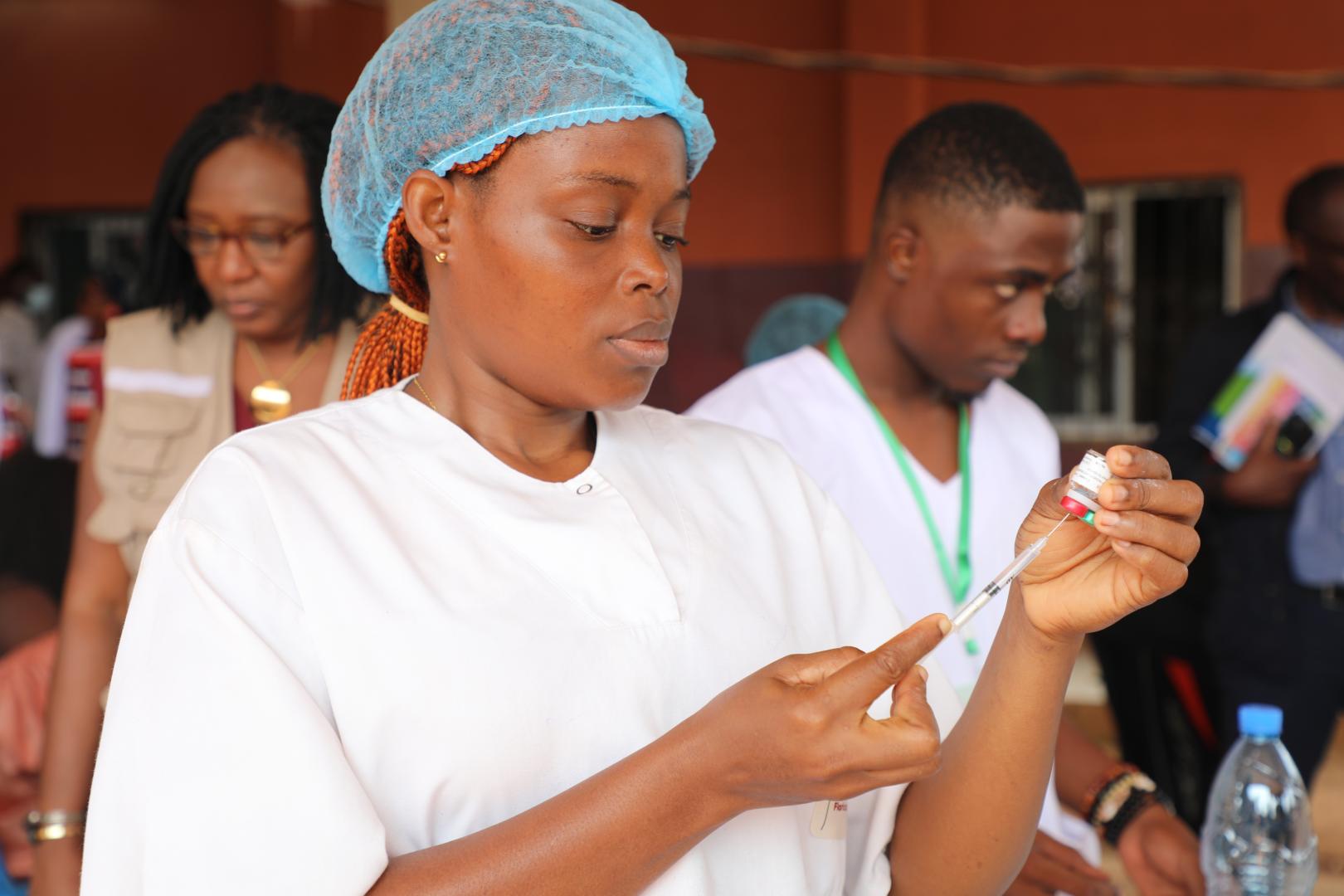
Brazzaville—An estimated 51.2 million lives have been saved through vaccines in the African region over the past 50 years. For every infant life saved over that period, close to 60 years of life are lived, a new report by World Health Organization (WHO) finds.
Madagascar receives a high-level visit from the Global Polio Eradication Initiative (GPEI) to strengthen routine immunisation, fight polio, and increase immunisation coverage
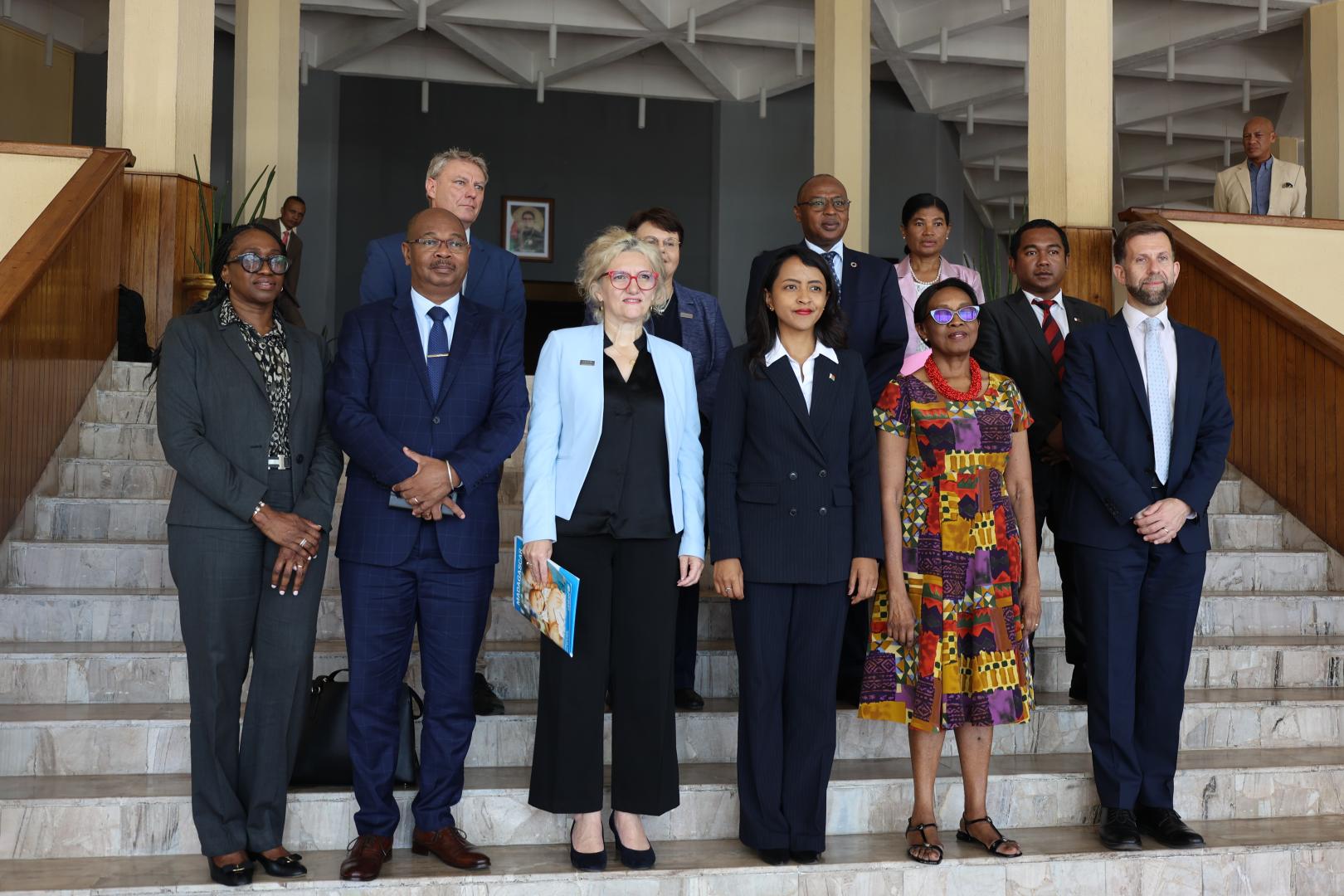
Antananarivo, 24 April 2024 – A high-level delegation of the Global Polio Elimination Initiative (GPEI) is in Madagascar to support the country in strengthening routine immunisation while combatting a polio outbreak in the country.
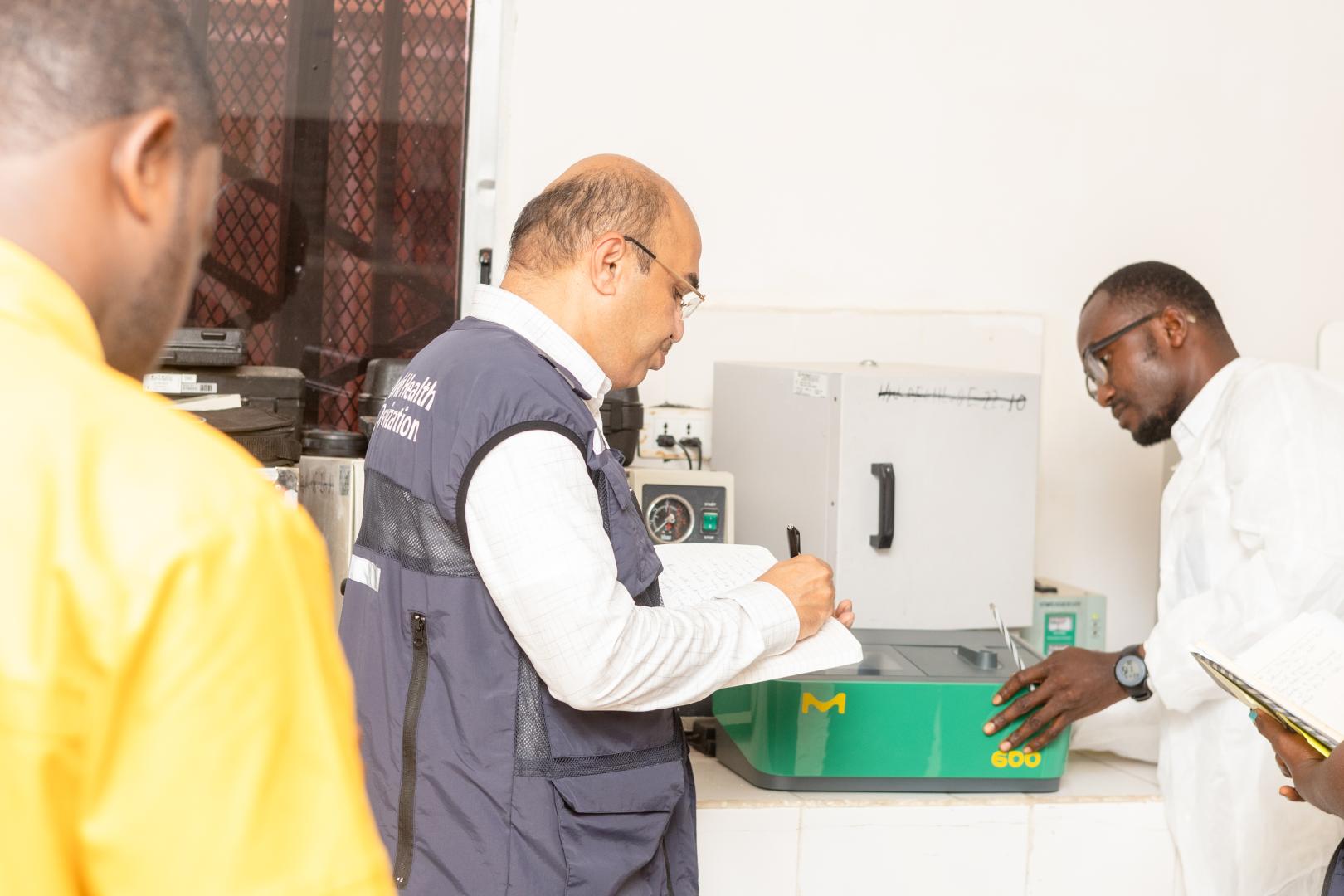
Expanding Liberia's Capacity for Detection & Genomic Surveillance of Epidemic-Prone Pathogens - WHO-HERA Project
Over 5 million girls in Tanzania to receive HPV vaccine to combat cervical cancer
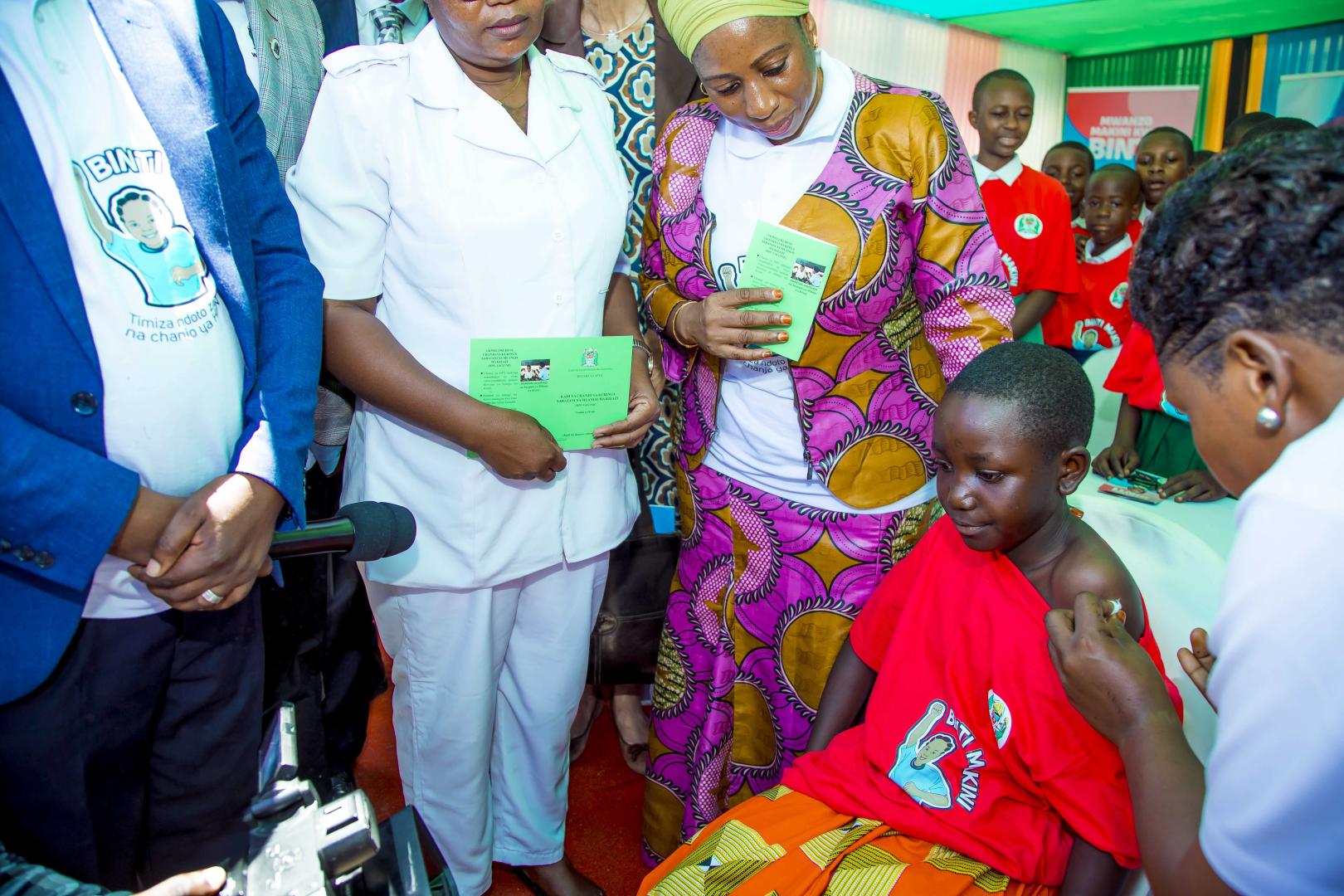
Mwanza/Geneva, – The Ministry of Health of the United Republic of Tanzania, in partnership with Gavi, the Vaccine Alliance (Gavi), UNICEF and the World Health Organization (WHO), today launched the national multi-age cohort (MAC) vaccination campaign against the human papillomavirus (HPV) – the leading cause of cervical cancer. The campaign, which is targeting over 5 million girls aged 9–14 years, will run from Monday, 22 April, to Friday, 26 April 2024.
One walk at a time for the health for all agenda in Tanzania
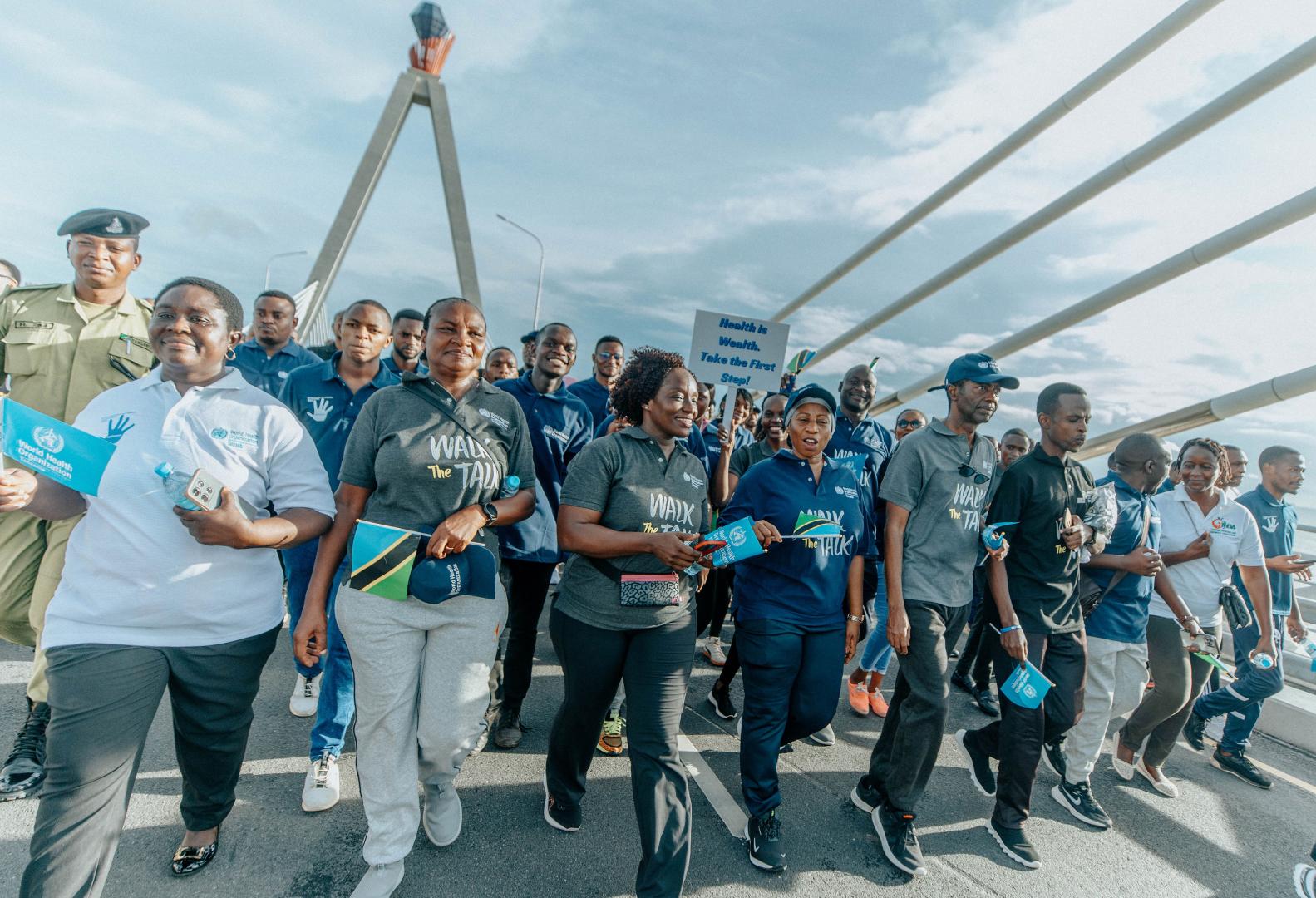
Dar es Salaam: More than 400 people embarked on the walk the talk for health and health outreach activity to climax the commemoration of the 2024 World Health Day organized by World Health Organization (WHO) in close collaboration with the Ministry of Health.