Exploring the meaning of My health, my right
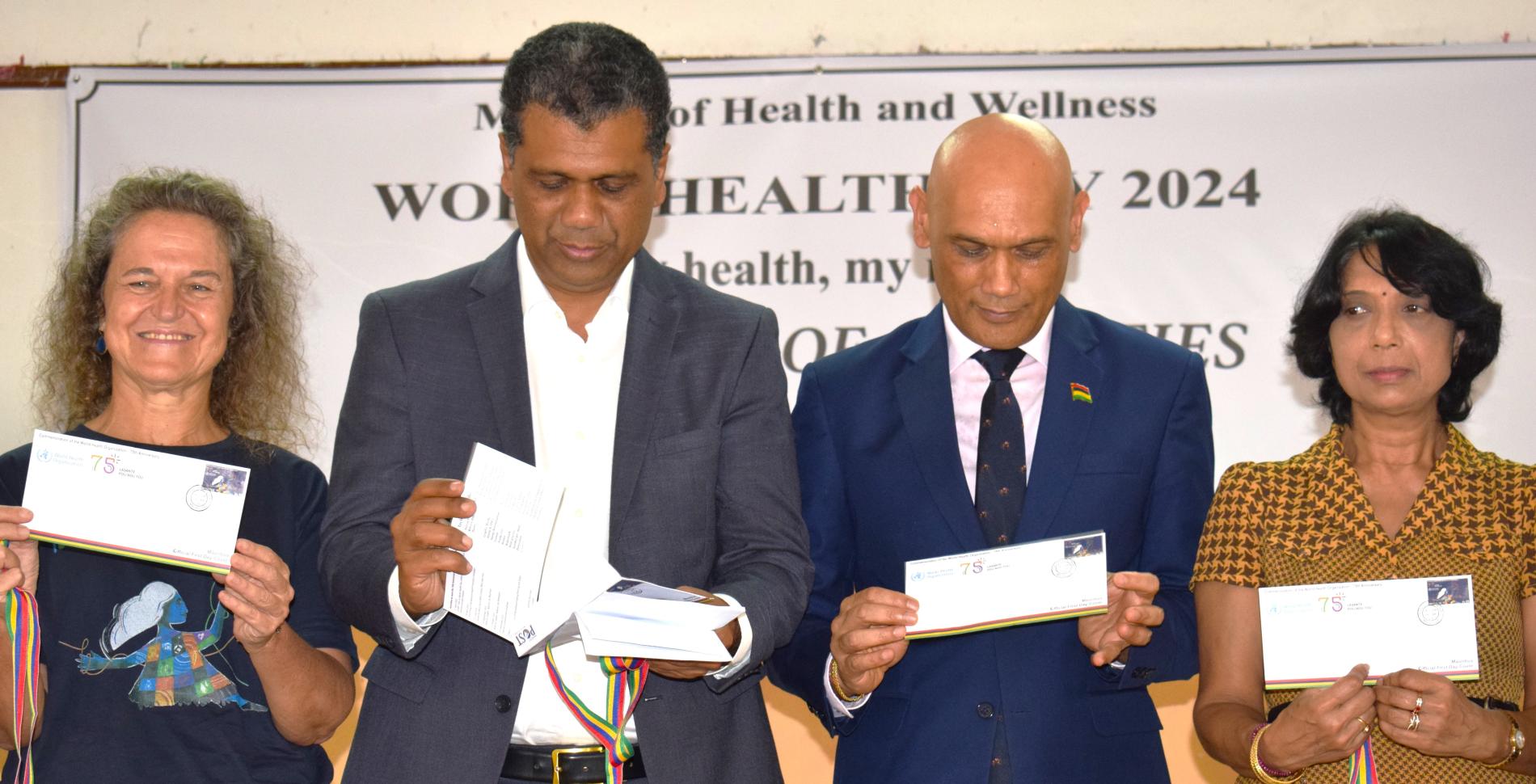
World Health Day 2024 was marked with purpose by member States, WHO Country Offices and their partners the world over, bringing to a close the WHO’s 75th anniversary year celebrations. This year’s activities were guided by the theme, My health, my right, and its message in favour of available, accessible and acceptable health care.
Combatting Yellow Fever Outbreak in South Sudan: Urgent Push Towards Immunization
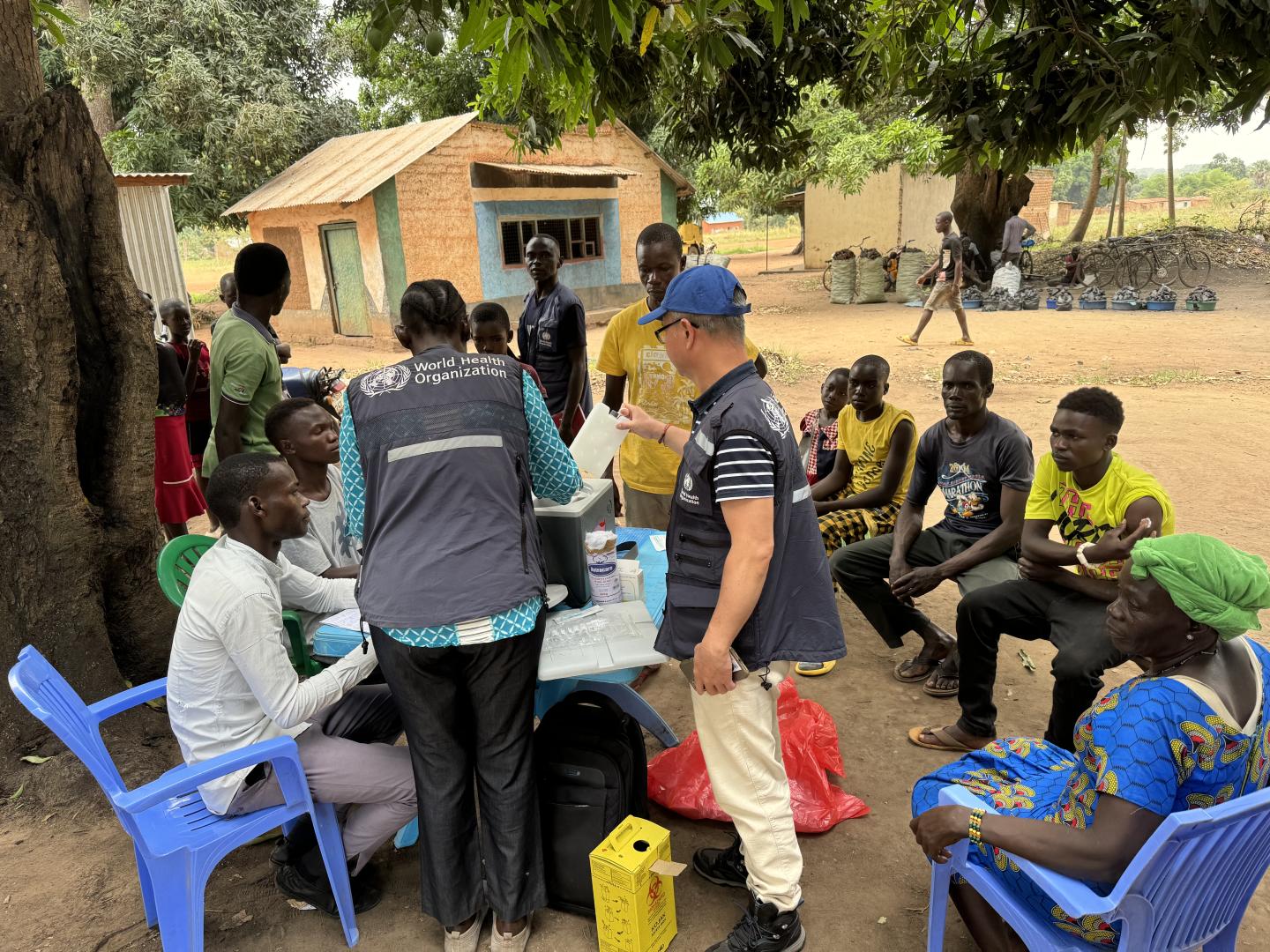
In response to a Yellow Fever outbreak in December 2023, the Ministry of Health, supported by the World Health Organization (WHO), UNICEF and other partners, conducted a yellow fever vaccination campaign in Western Equatoria State. The campaign targeted Yambio, Nzara, Ibba, Ezzo, and Tambura Counties, reaching 465 798 persons with the lifesaving vaccine.
Strengthening mental health services in Borno, Adamawa and Yobe states through primary health care integration
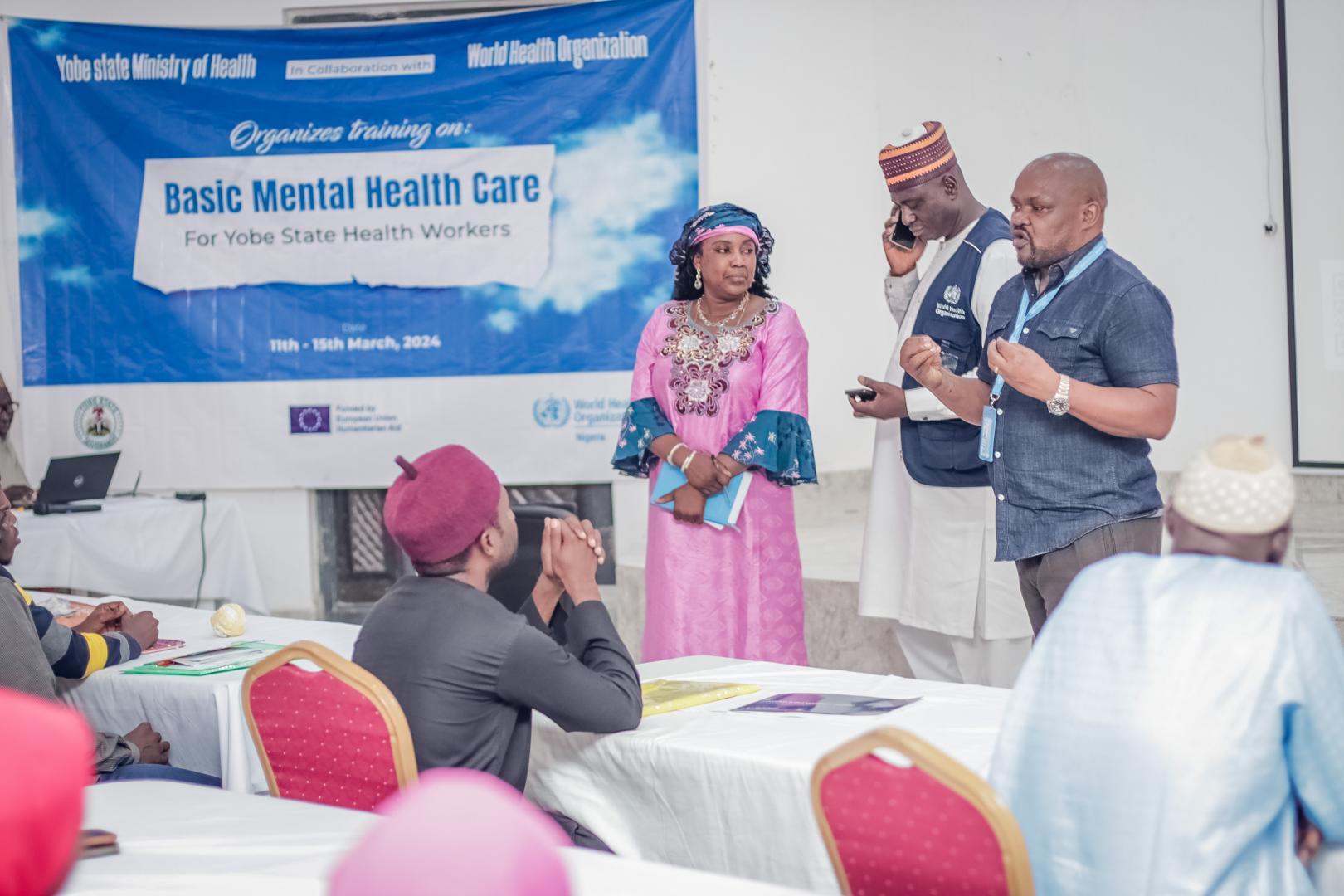
Borno, 19 April 2024 - In the midst of humanitarian crises, the mental health needs of displaced and underserved populations often go overlooked.
Scaling Up Cholera Testing in Zimbabwe: Training Boosts Cholera Testing Rates in Zimbabwe
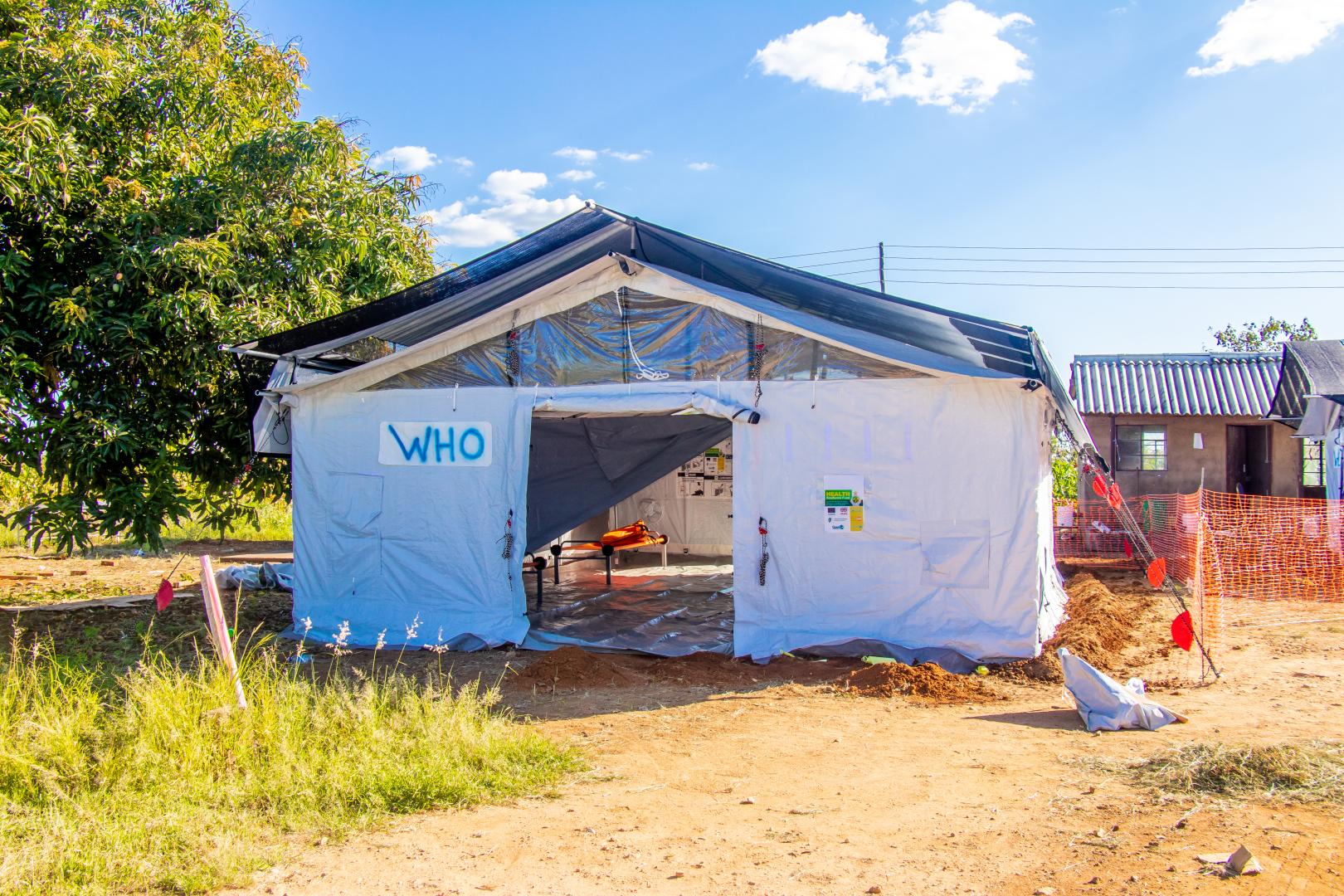
Harare - To ramp up testing for cholera in Zimbabwe, the World Health Organization (WHO) supported the Ministry of Health and Child Care with training of 986 nurses in antigen Rapid Diagnostic Test (RDT) testing. This shift in responsibility, known as task-shifting, addressed the critical staff shortage at rural health centers.
Saving lives and building resilience: what we learn from nutrition in emergencies response in Ethiopia during 2023
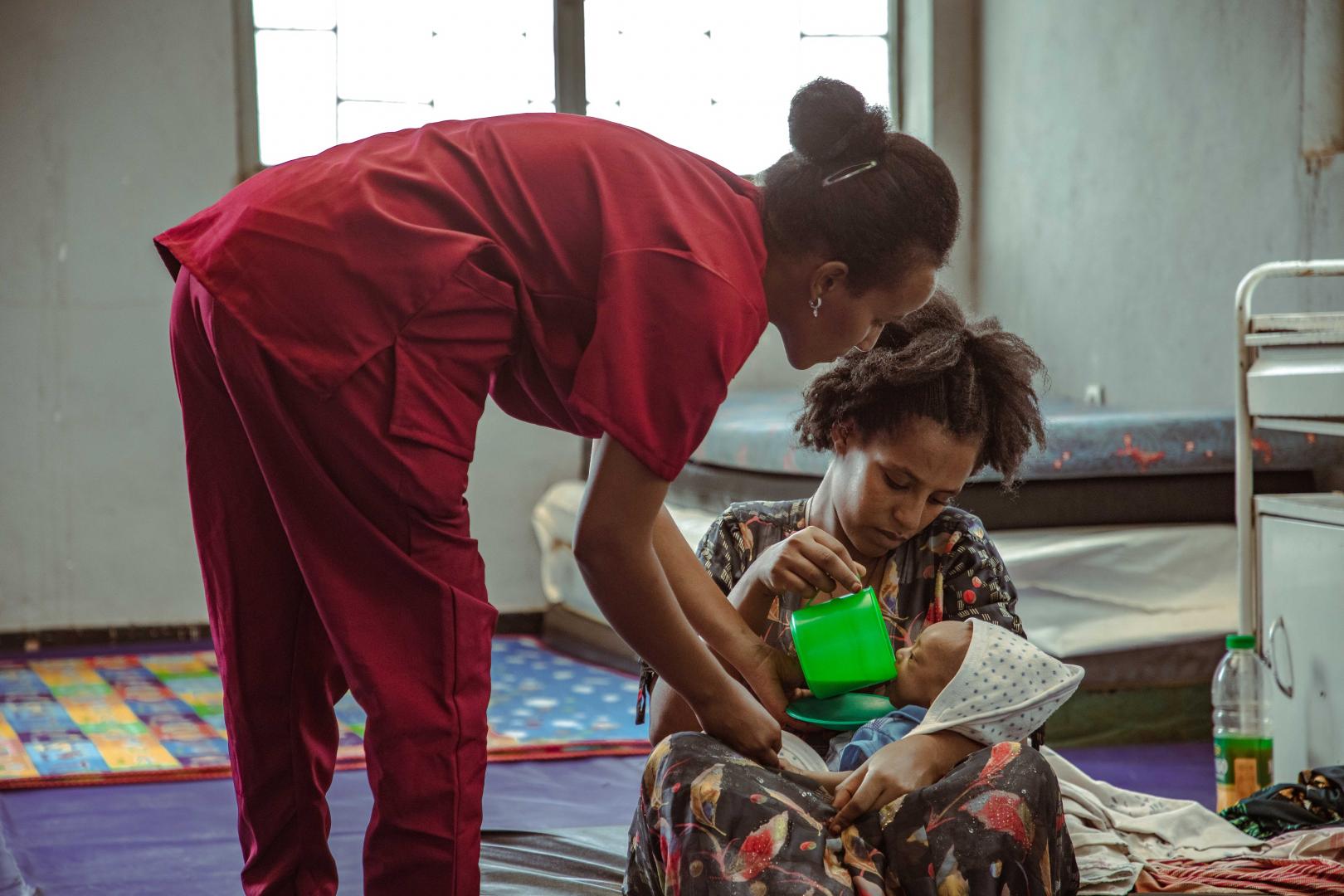
Ethiopia's conflict-affected regions faced many challenges, including communication disruptions, power outages, and supply shortages. As of May 2023, 22.8 million people in Ethiopia faced food insecurity, lacking sufficient food for consumption.
WHO Spearheads Groundbreaking Workshop to Advance Clinical Trial Oversight in West Africa
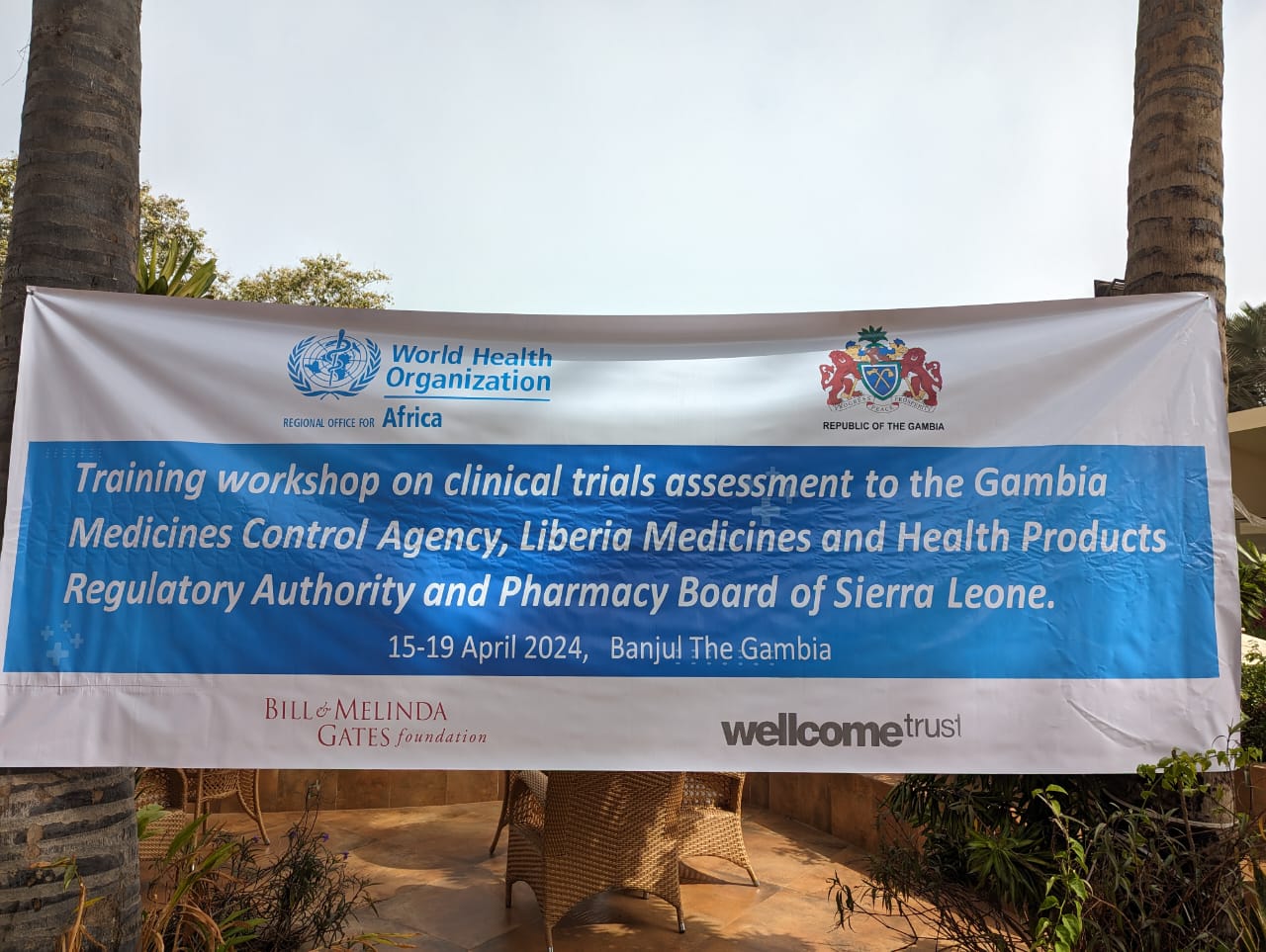
Banjul, The Gambia - In a landmark initiative aimed at bolstering healthcare infrastructure and regulatory capacity in West Africa, the WHO country offices in The Gambia recently convened a groundbreaking workshop on clinical trial assessment for the Medicines Control Agency (MCA) of The Gambia, Liberia's Medicines and Health Products Regulatory Authority, and Sierra Leone's Pharmacy Board.
Combating Measles: a comprehensive community-centered approach in Ethiopia
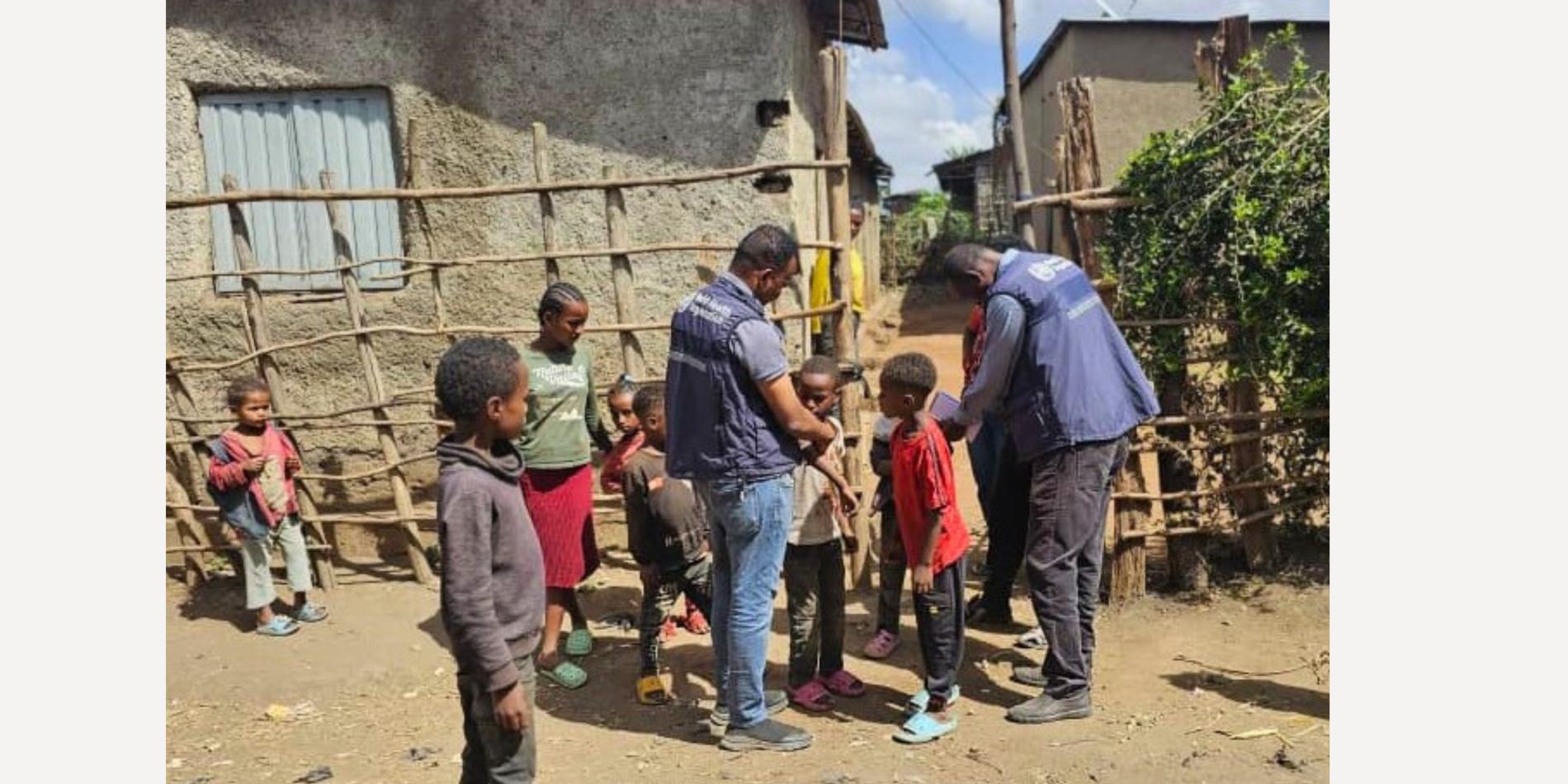
In the districts of Sidama, Central, and South Ethiopia, access to healthcare is often challenging, exacerbated by various health emergencies such as communicable diseases outbreaks, including malaria, measles, and cholera. These regions, particularly in identified hotspot districts, face multifaceted health emergencies like drought, malnutrition, conflicts, displacement, and floods, coupled with poor access to health services and infrastructure.
Tanzania Parliamentarians commit to Strengthening Health Security Preparedness.
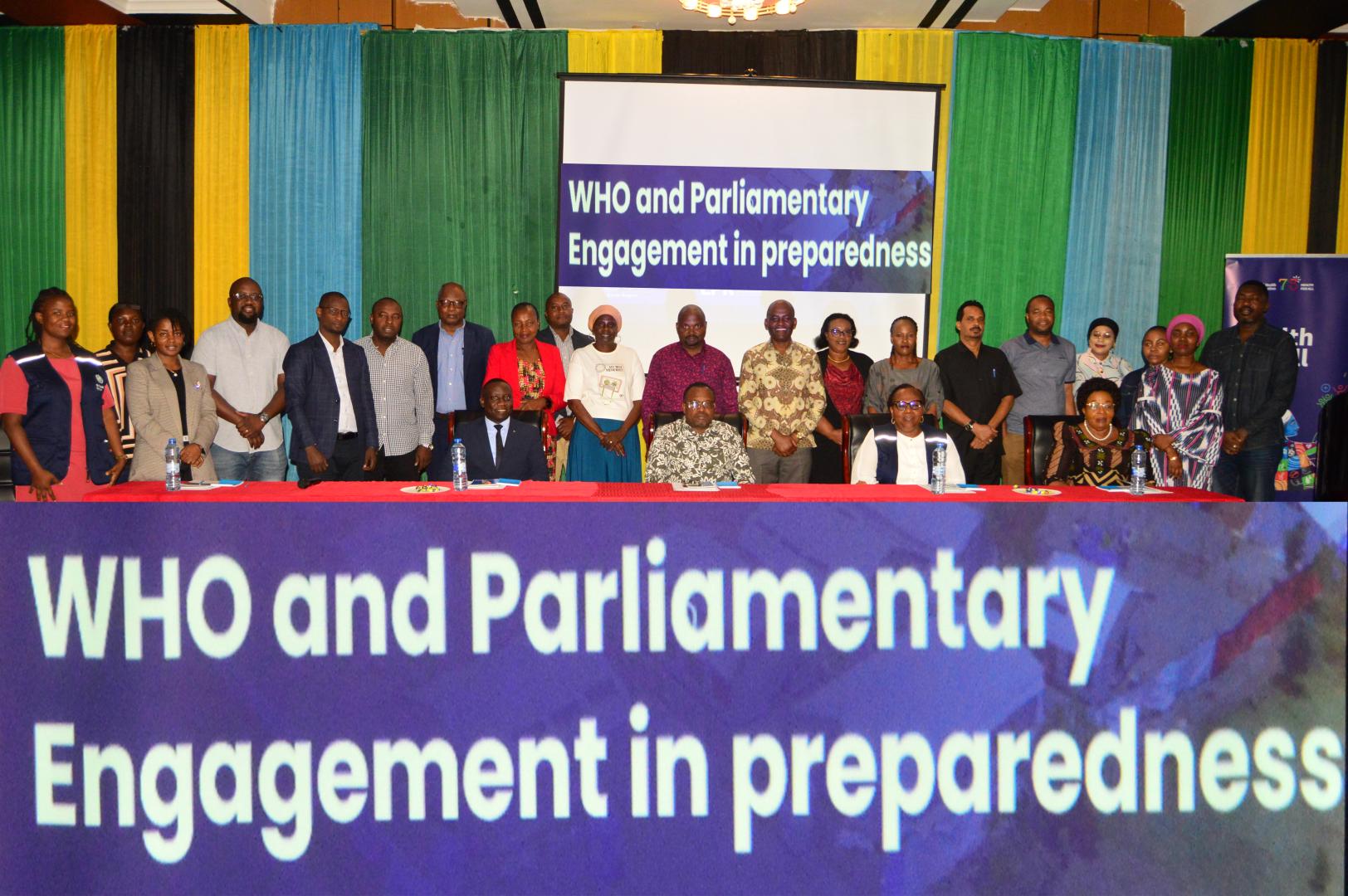
Dodoma- Tanzania Parliamentarians commit to strengthening health security preparedness during an awareness session organized by the World Health Organization (WHO) to keep all parliamentarians abreast with the development in the region and globally, related to health emergency preparedness.
UNICEF and WHO scale up government led cholera response in communities with support from European Union
Lusaka - As cholera continues to impact communities in Zambia, UNICEF and WHO are partnering with ECHO to respond to the current crisis and address the underlying root causes of cholera, especially inadequate access to safe water and sanitation facilities. As part of this intervention, ECHO will contribute USD 1 million to UNICEF and WHO to support the joint efforts towards Zambia’s cholera response.