Cabo Verde contributes to WHO regional training package to strengthen district health management in Africa
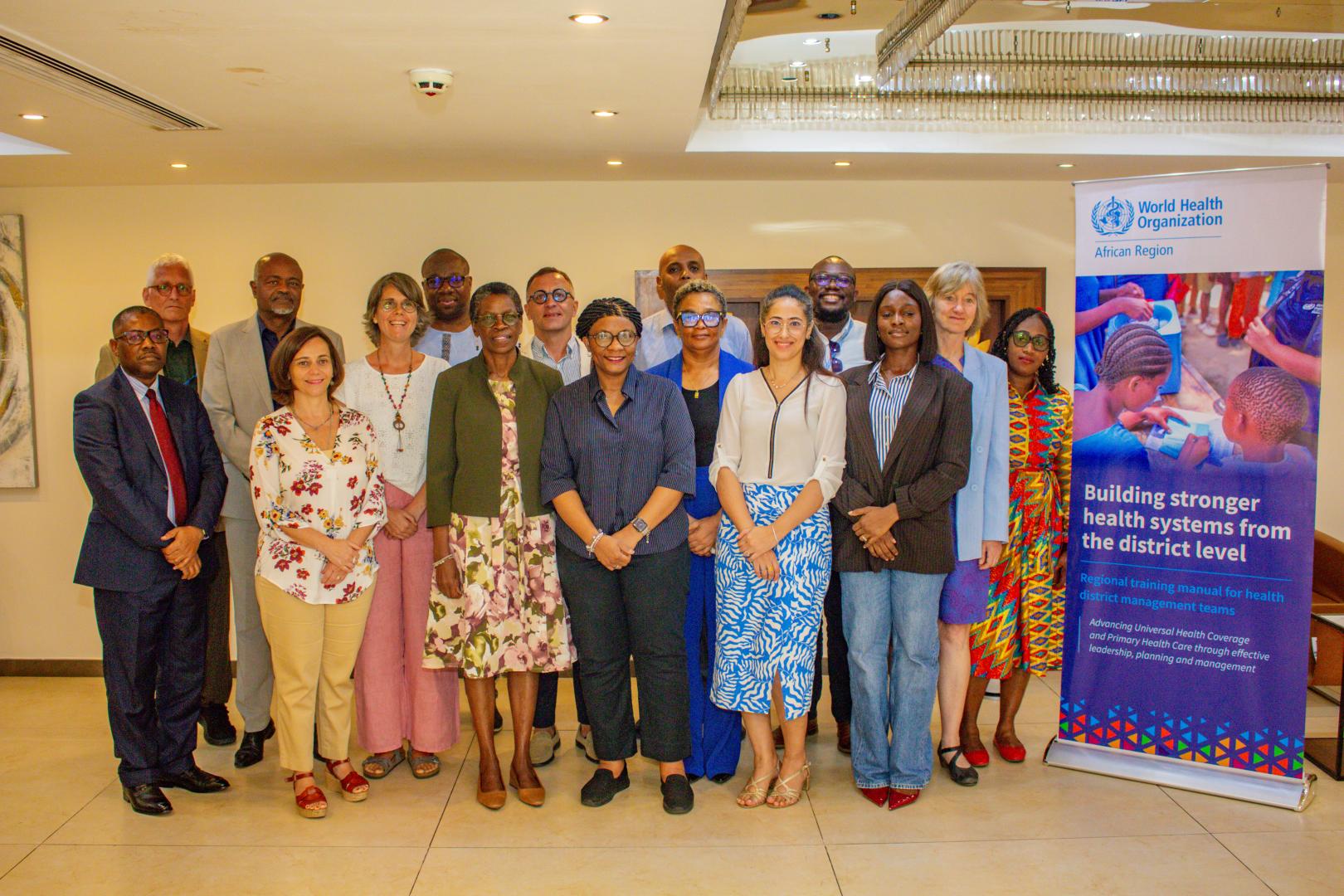
Praia, Cabo Verde. WHO technical experts convened to advance a training package for health district management teams, with active contributions from Cabo Verde and a strong focus on primary health care, integrated service delivery and progress towards Universal Health Coverage.
Malawi Strengthens Emergency Preparedness with Launch of Second AVoHC–SURGE Cohort
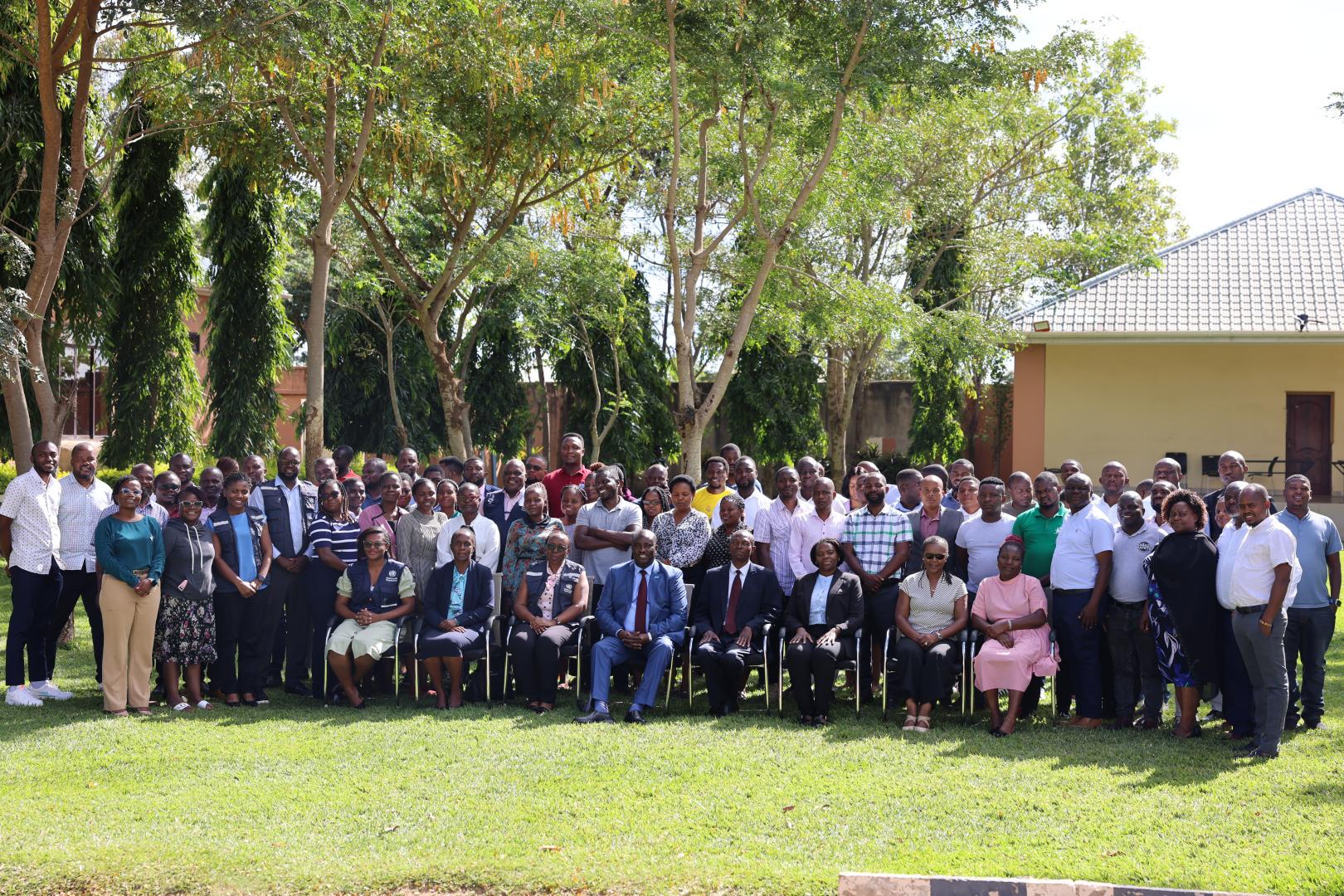
Lilongwe-Malawi has launched the second cohort of emergency responder’s AVoHC Surge training in bid to strengthen its capacity to respond to public health emergencies with support from the Pandemic Fund, World Bank-HEPRR and World Health Organisation,
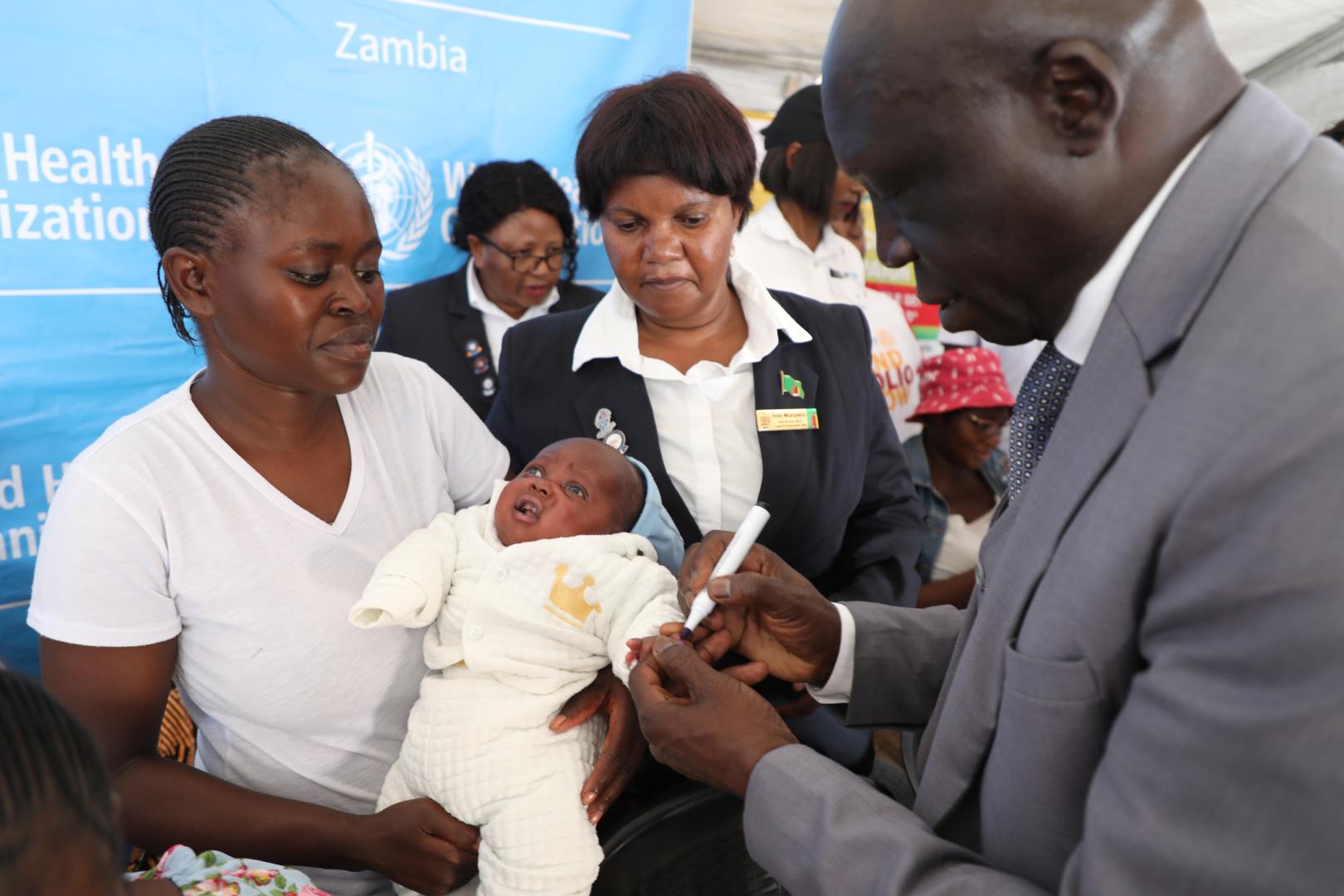
Zambia launches STEPS Survey on Noncommunicable Diseases (NCDs)
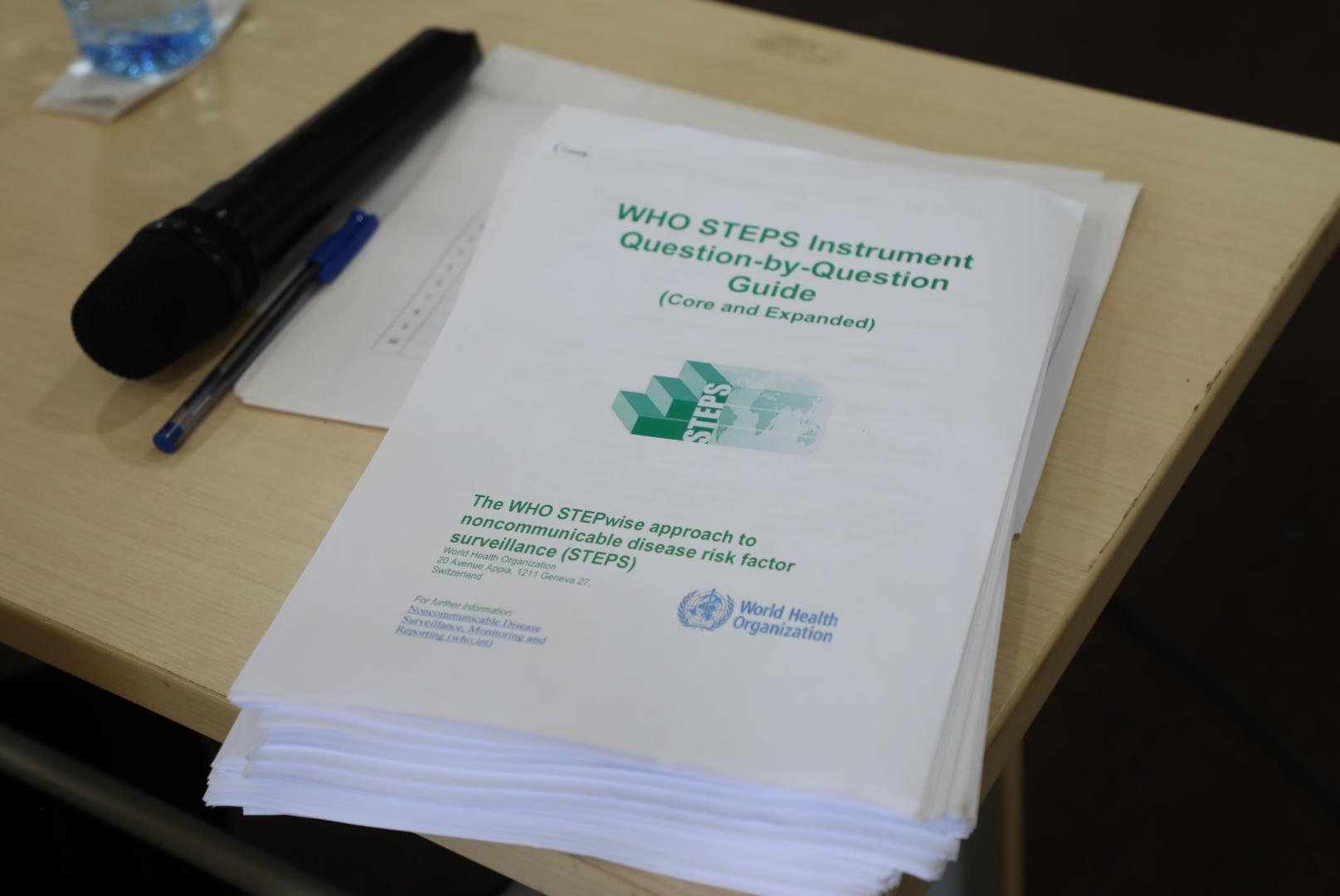
Lusaka, Zambia 21 April 2026
Trusting science to protect tomorrow’s health: An interview with Professor Francine Ntoumi (Congo)
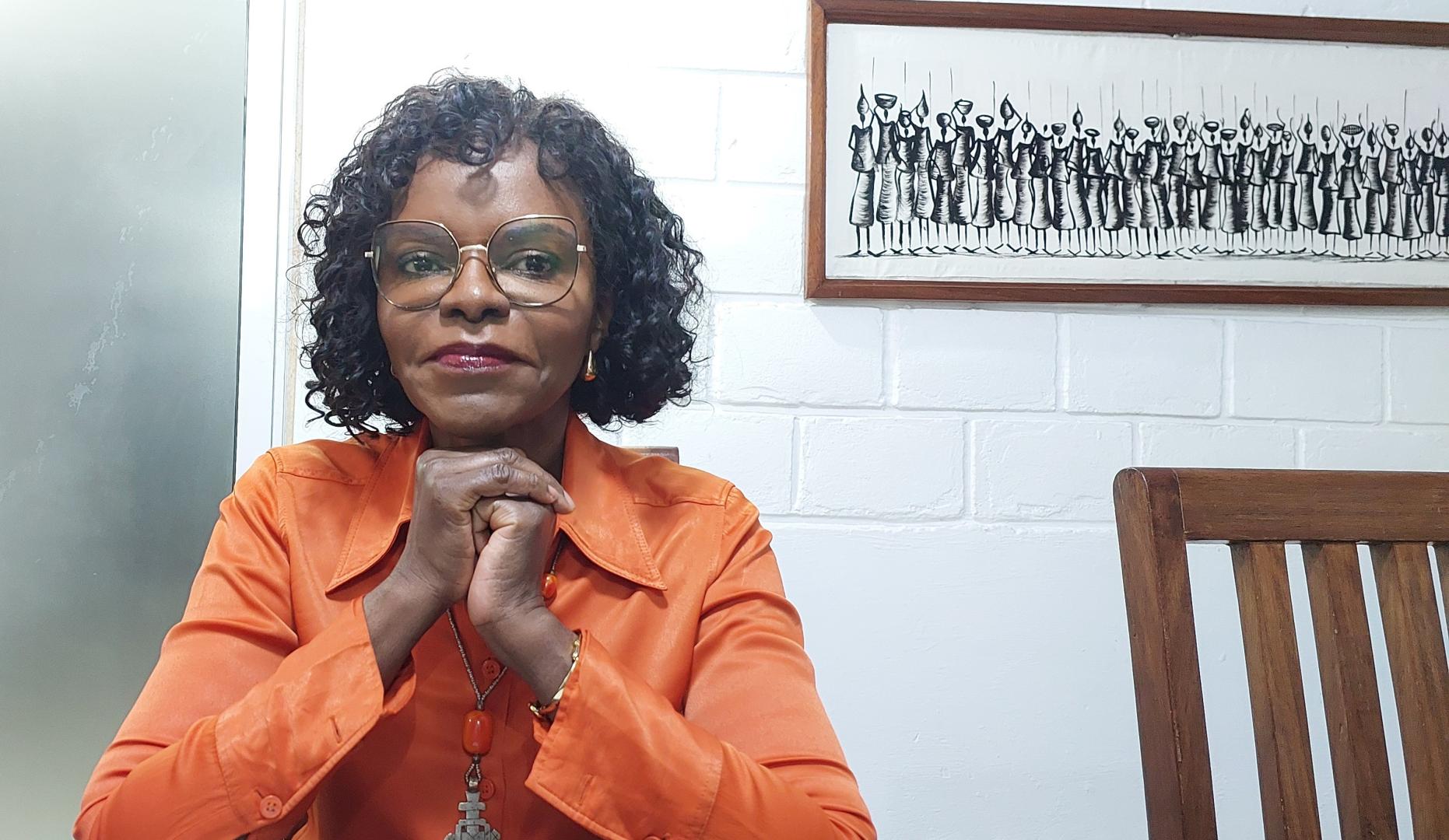
Brazzaville - On World Health Day 2026, under the theme “Together for Health. Stand with Science,” the World Health Organization (WHO) highlights committed individuals who use science to improve people’s lives. In the African Region, these initiatives demonstrate the concrete impact of research.
From Frontline Voices to National Impact: Strengthening Health Systems in The Gambia
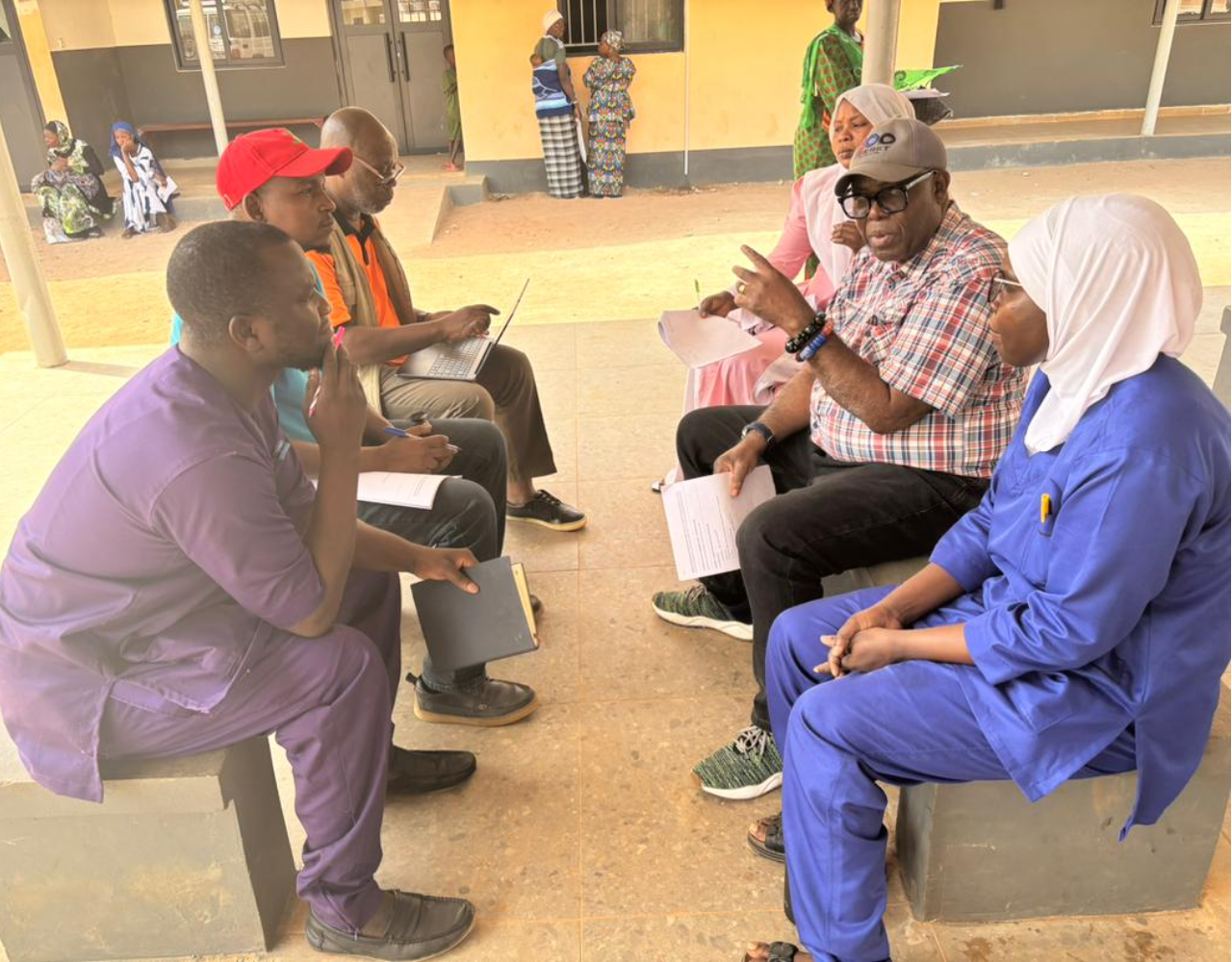
Across various health facilities in the Central River Region (CRR), The Gambia, a quiet but impactful collaboration is unfolding: one that places frontline health workers at the heart of improving health outcomes nationwide.
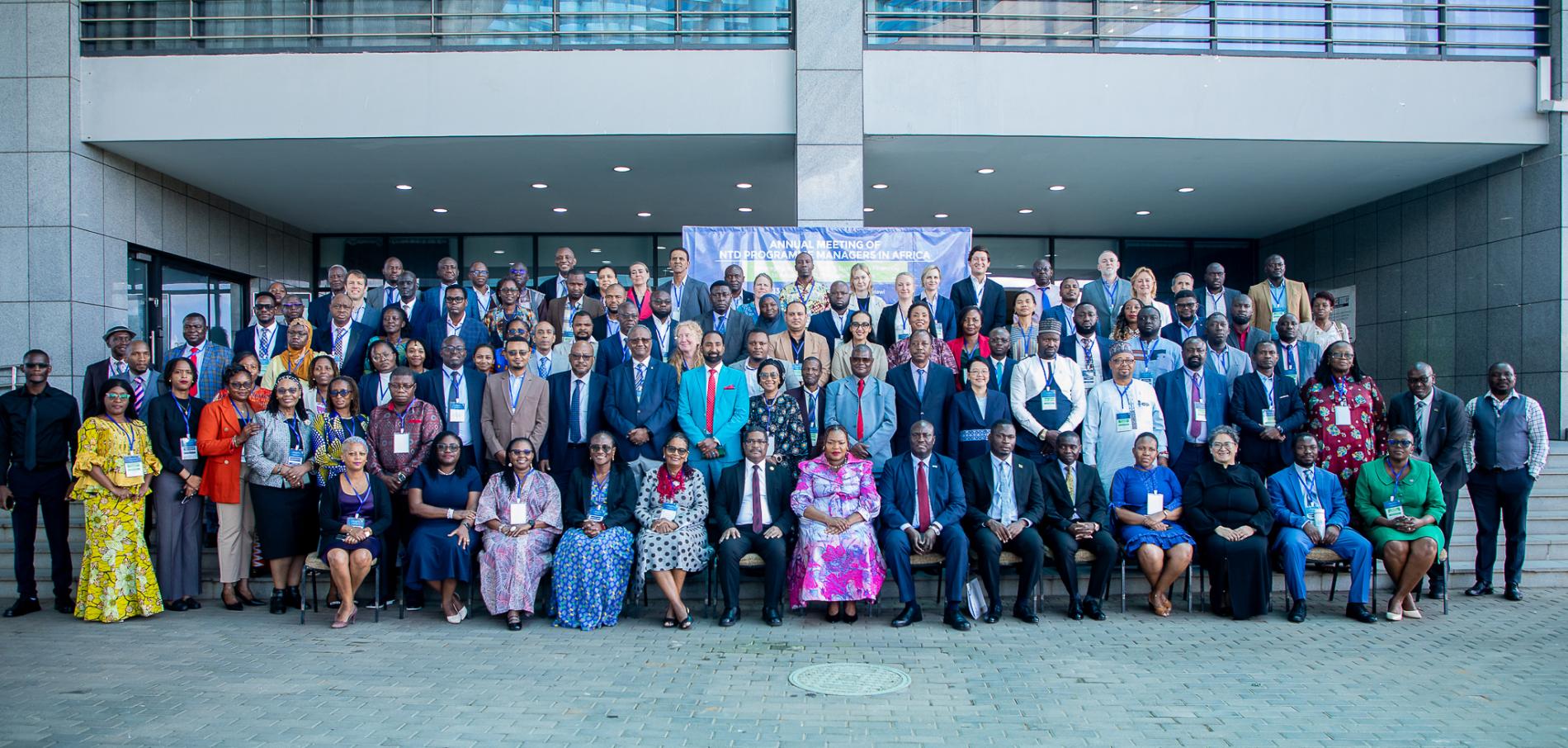
WHO Africa and African Union step up joint action on neglected tropical diseases
Science serving lives: Interview with Dr. Alice Guingané, public health researcher (Burkina Faso)
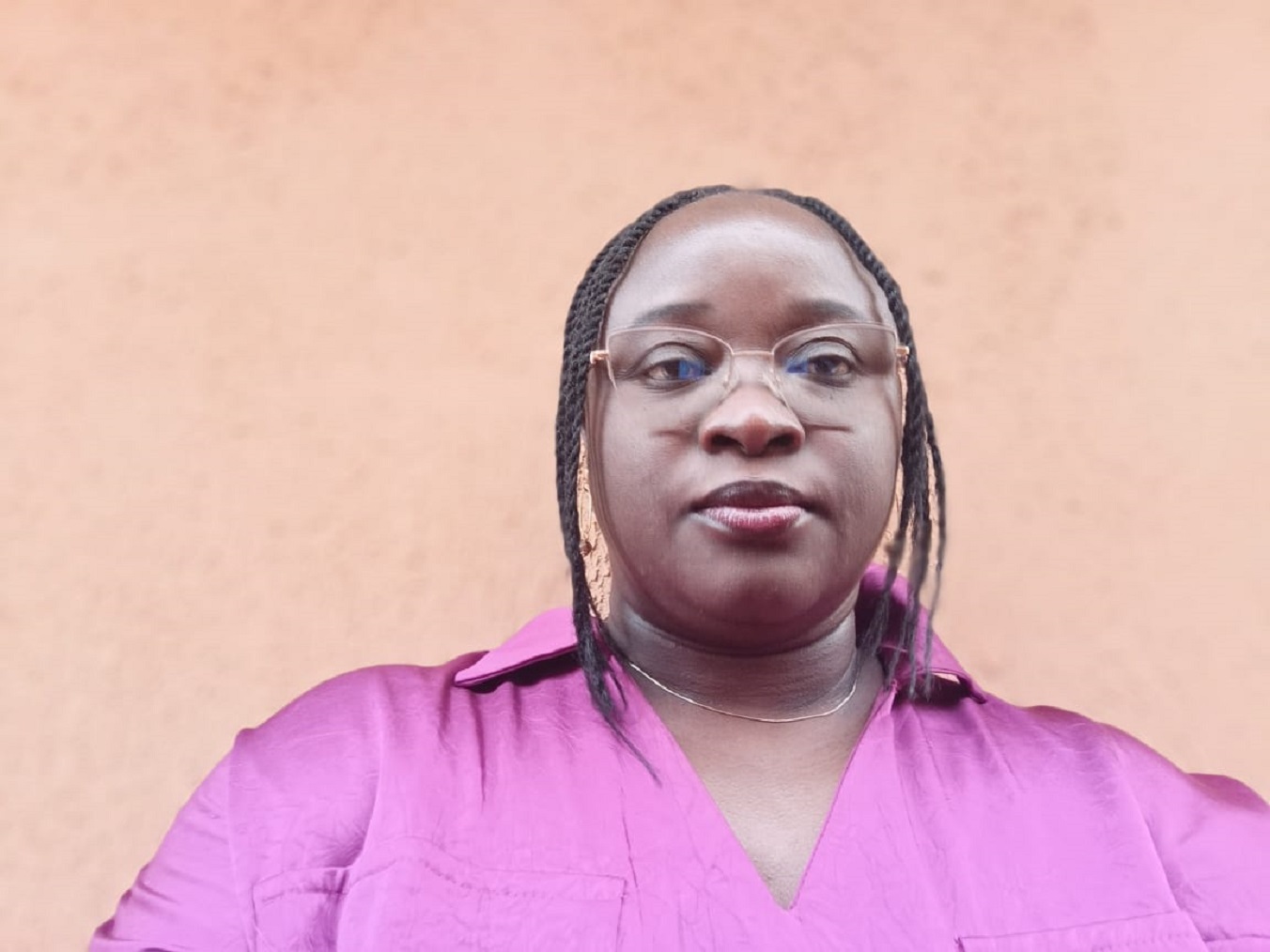
Ouagadougou - On World Health Day 2026, under the theme “Together for health. Stand with science,” the World Health Organization (WHO) highlights individuals using science to improve lives in the African Region.
Dr Alice Guingané, a hepato-gastroenterologist and lecturer-researcher at Joseph Ki-Zerbo University in Ouagadougou, is actively engaged in clinical research and disease surveillance. She emphasises that supporting science saves lives.
Standing with people and evidence: How Nigeria marked World Health Day 2026
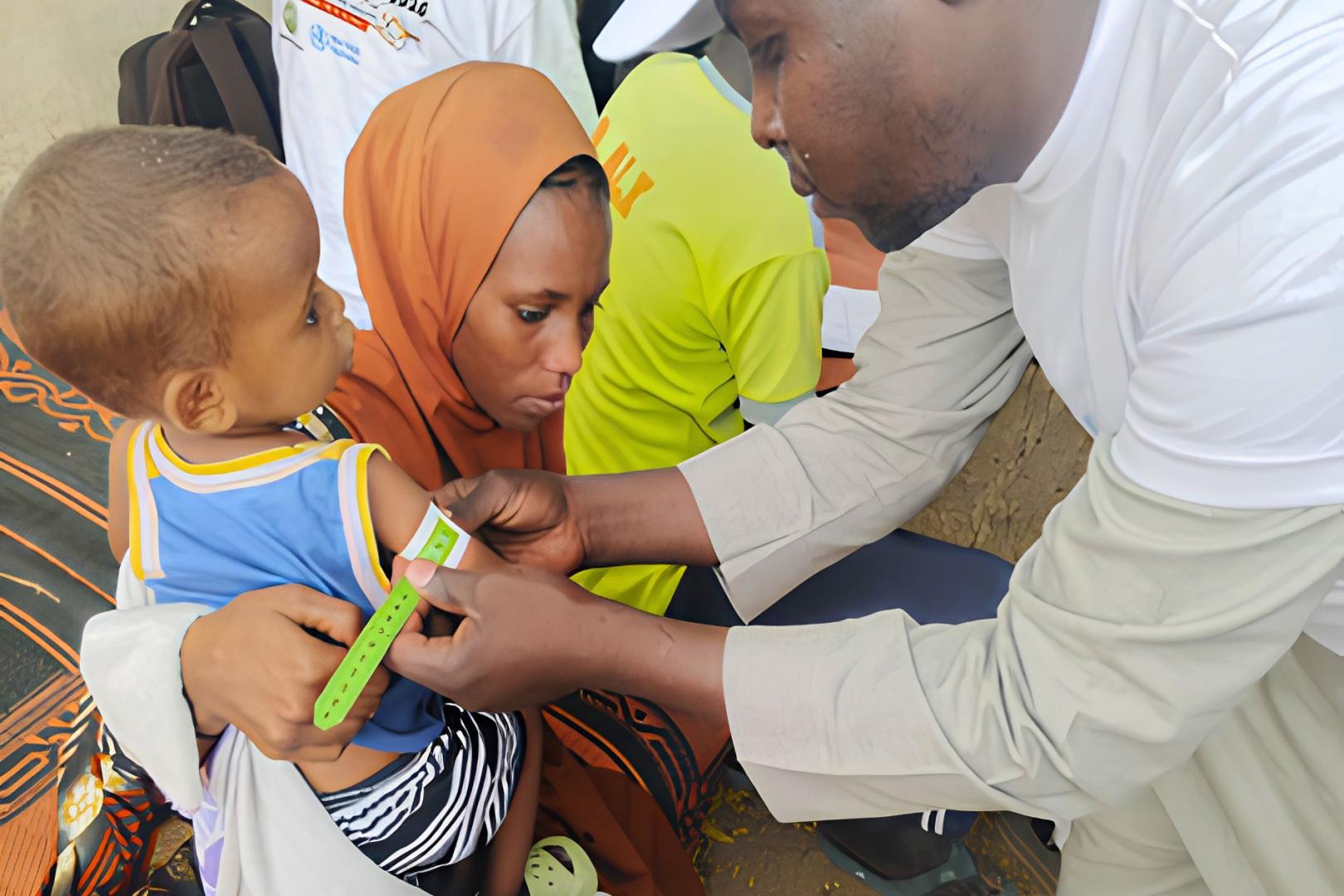
Abuja, Twenty‑seven‑year‑old Godiya Tumba walked several kilometres with her two children to reach a temporary health outreach in Wuro Jabbe, Adamawa State. Neither child had completed routine vaccinations.
“I came because they explained why vaccines matter,” she said. “Nobody had ever told me like this before.”
Her experience reflects a wider reality across Nigeria: science saves lives only when people can access it, understand it, and trust it.
Africa Tobacco Control Partners Meet in Windhoek to Accelerate Action Against Tobacco Harm
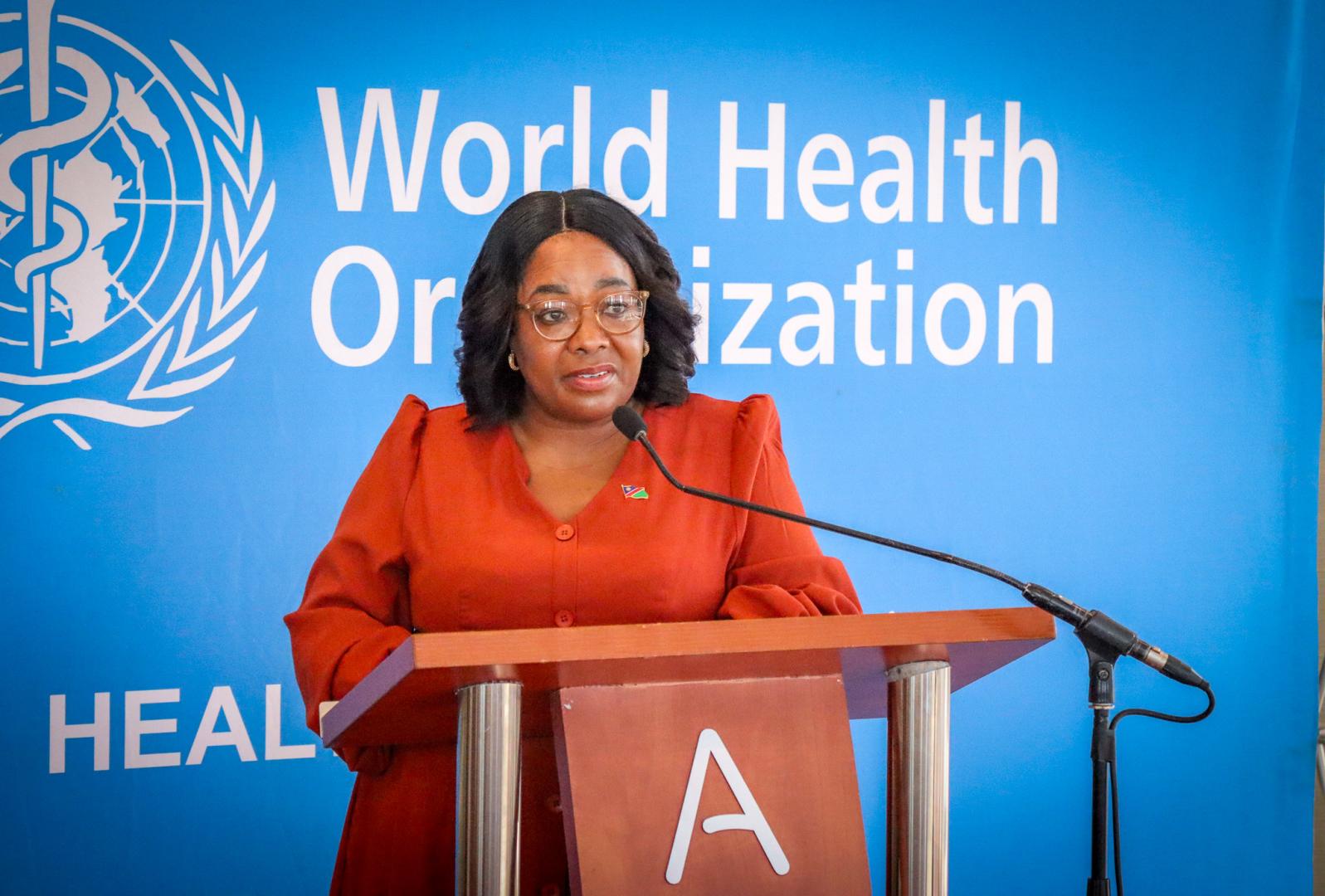
Tobacco control leaders, government representatives, civil society organizations, development partners, and technical experts from across Africa convened in Windhoek this week for the Africa Tobacco Control Core Partners Biannual Coordination Meeting, reaffirming a collective commitment to strengthen tobacco control policies and protect populations from the devastating health and economic consequences of tobacco use.