Polio Outbreak Simulation Exercise (POSE) in South Africa

Polio, a disease targeted for eradication, has been a persistent focus for South Africa. In 2006, South Africa proudly received its polio-free certification, a significant milestone. However, in 2017, this status was rescinded, only to be regained in 2019. The entire African continent achieved Polio Free Certification in 2020. Nevertheless, the unforeseen challenges posed by the COVID-19 pandemic compromised vaccination efforts, leading to a resurgence of vaccine-preventable diseases (VPDs), including polio, in Southern Africa.
Africa to build its own public health institutions to respond better to health emergencies

The World Health Organization (WHO) Director-General, Dr Tedros Adhanom Ghebreyesus says a strategic solution to the equal distribution of vaccines is for developing nations to have their own capacity to produce vaccines. “It is really important to build our own capacity in systems, processes and institutions,” Dr Tedros said during a high-level meeting with Namibia’s Head of State, His Excellency Dr Hage Geingob, on 30 August 2023.
18 students from the Private University of Angola (UPRA) embarked on a transformative journey, lending their youthfulness, energies, and intellect to the national polio campaign in Angola.

In an important collaboration that demonstrates the link between education, leadership, and communal welfare, 18 students from the Private University of Angola (UPRA) embarked on a transformative journey, lending their youthfulness, energies, and intellect to the national polio campaign in Angola.
Dr. Tedros praises Namibia’s public health system…calls for further collaboration

The World Health Organization (WHO) Director-General, Dr Tedros Adhanom Ghebreyesus has commended Namibia for its commitment to Universal Health Coverage. “I would like to thank you for your commitment to Universal Health Coverage for all Namibians,” said Dr Tedros during a meeting with Namibia’s President Dr. Hage Geingob. Dr. Tedros noted that in a country like Namibia where the population density is low, and the settlements are sparsely populated, providing services is a challenge.
Liberia Commences its Second Joint External Evaluation (JEE) for the International Health Regulations (IHR) Core Capacities

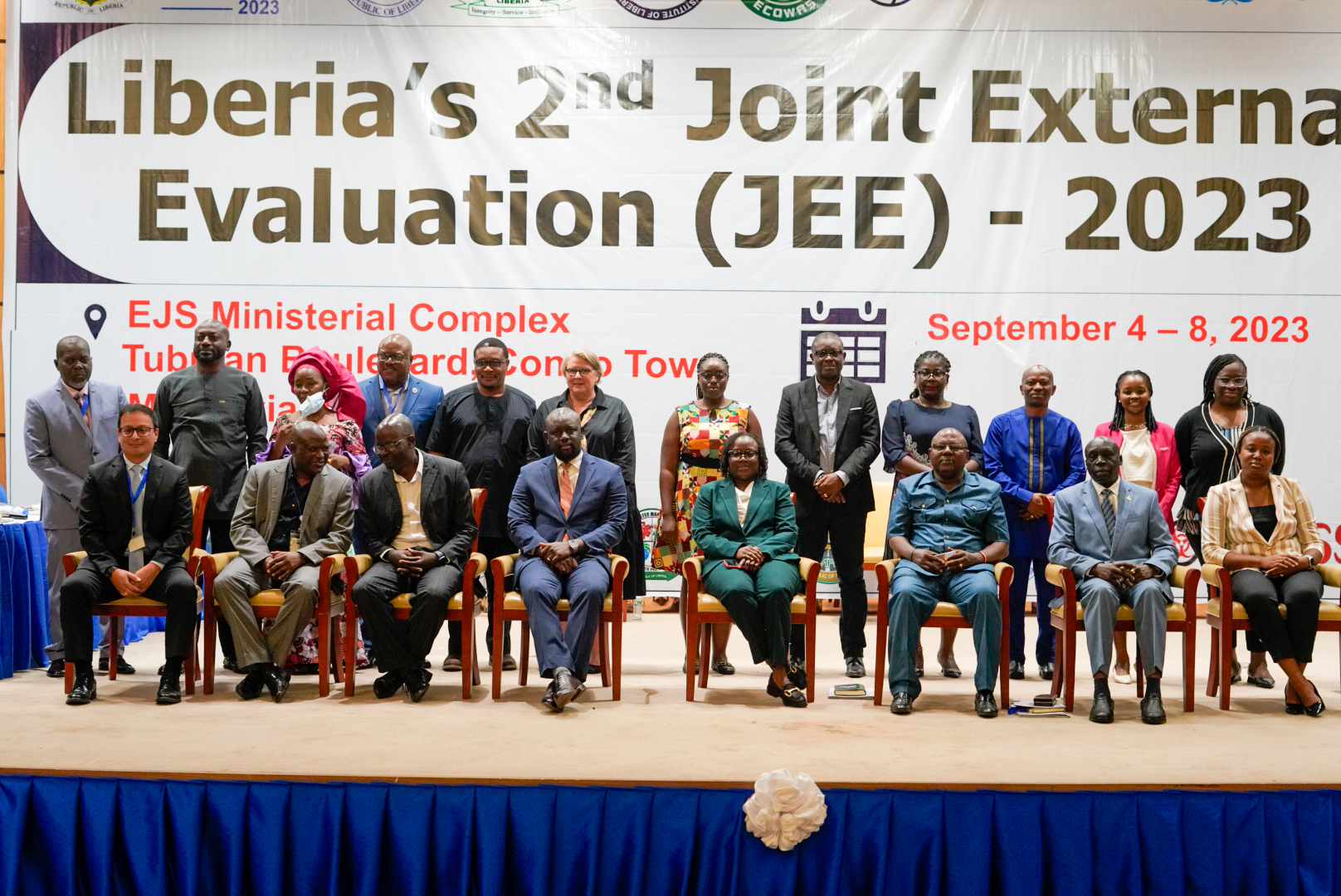 Monrovia, Liberia - September 5, 2023 - Yesterday, Liberia embarked on its second Joint External Evaluation (JEE) exercise, marking a significant step in assessing the country's capabilities to prevent, detect, and respond to public health threats in accordance with the Int
Sierra Leone’s determination to stem maternal and child mortality
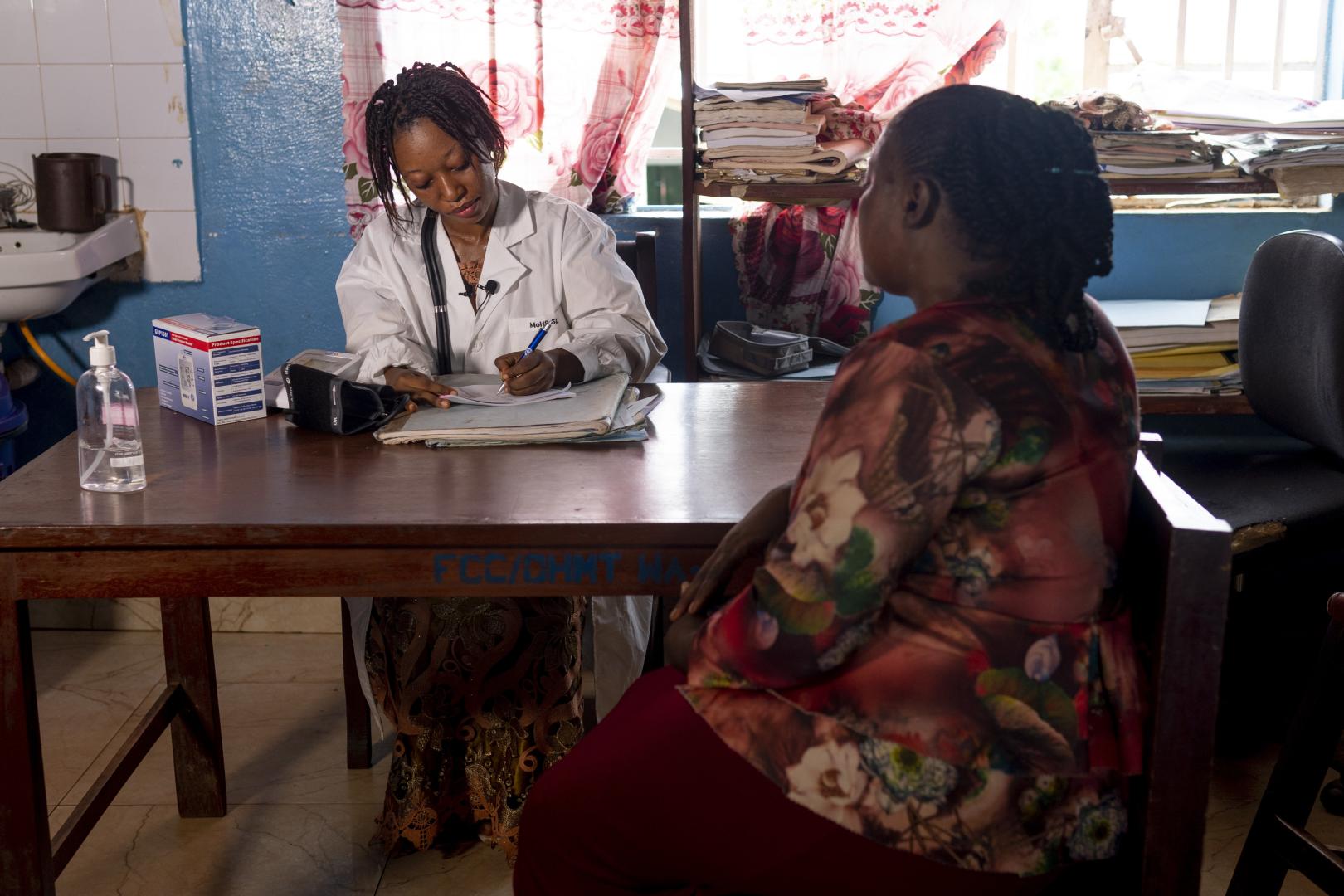
Freetown ‒ Sierra Leone has one of the highest rates of maternal mortality in the world, with 717 mothers dying annually for every 100 000 live births as of 2019 (DHS, 2019). One of the primary contributing factors is delayed first visits to health facilities by mothers-to-be. Provision of quality preconception, antenatal, intrapartum and postnatal care to all mothers in also inequitable. High out-of-pocket expenditure for accessing basic care, as well as inadequate delivery of patient-centered care at both primary and secondary levels, compound the challenges.
Ghana’s Dr Asamoa-Baah named Public Health Champion

Off-track cervical cancer progress risks 70 000 deaths every year in Africa
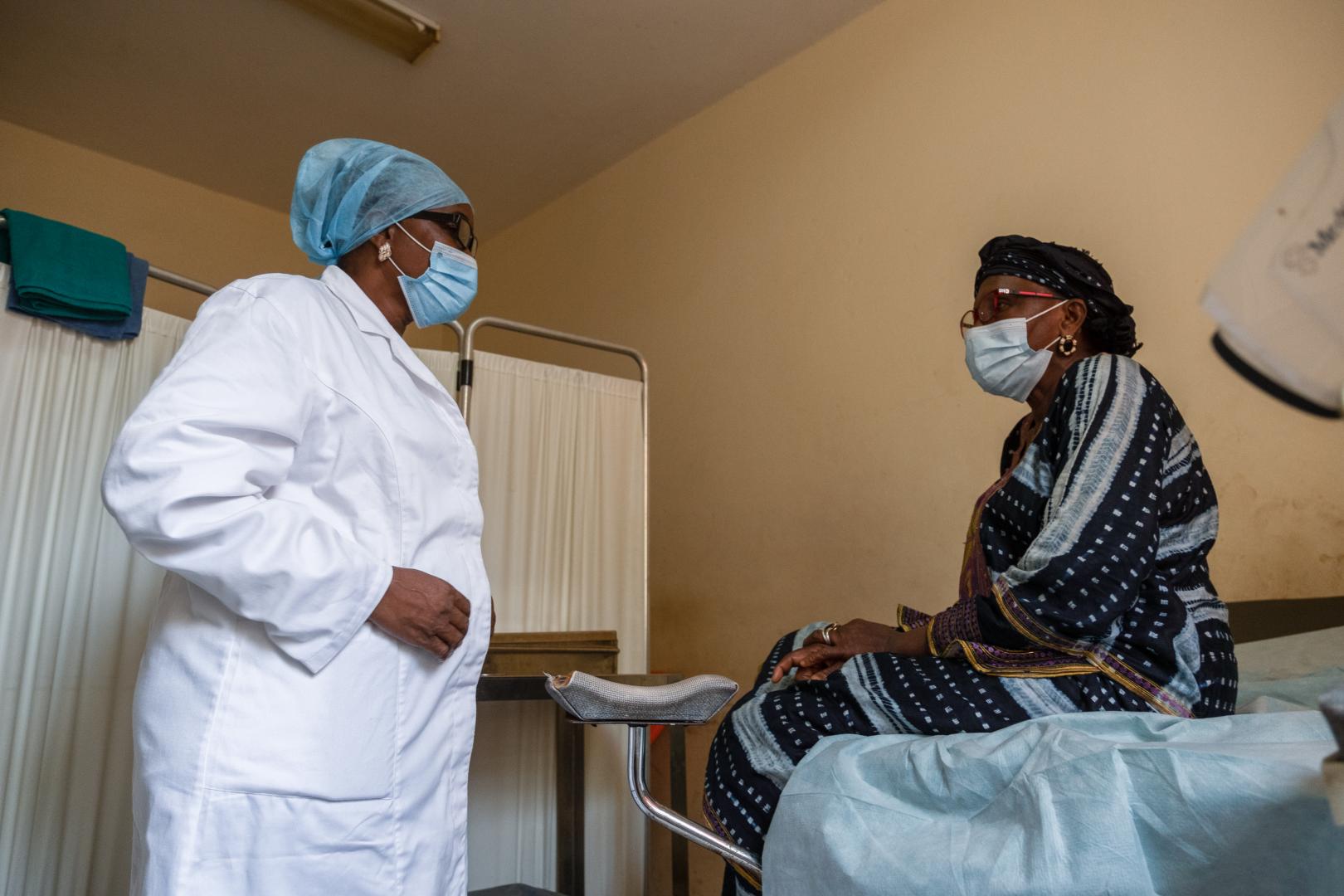
An integrated COVID-19 and the Human Papillomavirus (HPV) vaccination campaign in Tigray completed

Ethiopia introduced Human Papillomavirus (HPV) vaccine for girls aged 14-year-old in 2018 and COVID-19 vaccine in March 2021. Since then, HPV vaccination has been provided as two doses to girls aged 14 years with a six-month interval and the COVID-19 vaccine to all people aged 12 years and above.
Tigray region was not able to participate in the nationwide integrated HPV and COVID-19 vaccination campaign which was conducted few months ago due to competing priorities. Tigray region launched similar integrated COVID-19 and HPV the campaign on 15th August 2023.
Cholera Outbreak Response and After-Action Review

South Africa's multisectoral response to the Cholera Outbreak has culminated in successful containment within 165 days of the cholera outbreak official declaration. The initial cases were reported in Gauteng, with both patients having a history of travel to a neighboring country grappling with a cholera outbreak. Subsequently, the outbreak rapidly spread, affecting 17 out of 52 districts across five provinces, including Gauteng, Free State, Mpumalanga, North-West, and Limpopo.