Ghana identifies priority areas to strengthen cholera prevention and control
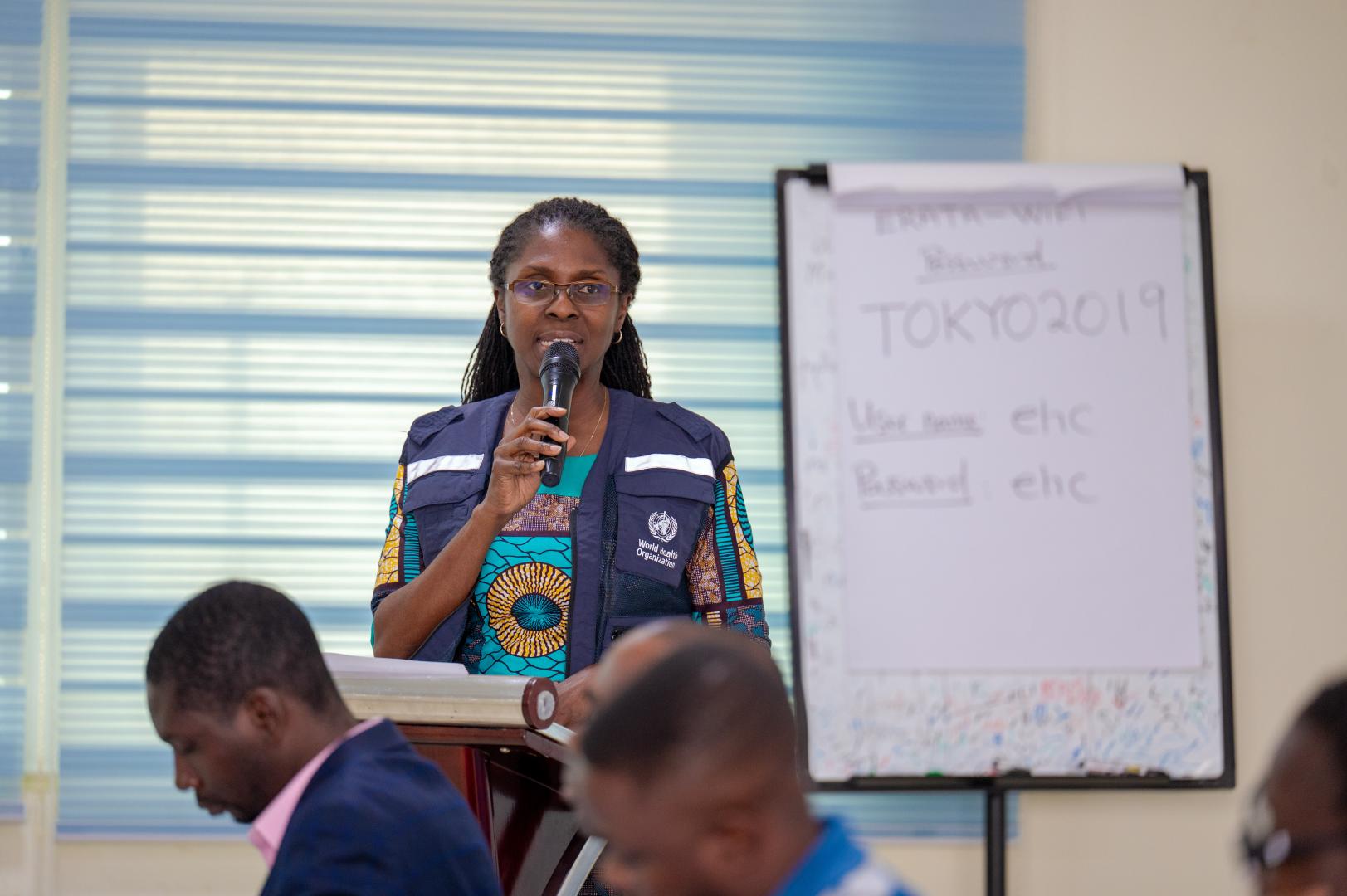
Ghana has taken a major step toward preventing and controlling cholera by identifying high-risk districts for targeted, multi-sectoral interventions. With technical support from the World Health Organization and funding from Global Task Force on Cholera Control (GTFCC), the country conducted a Priority Areas for Multi-sectoral Interventions (PAMI) exercise in March 2026, aligned with the GTFCC Roadmap to End Cholera.
Ethiopia marks World TB Day 2026 with renewed commitment to End Tuberculosis
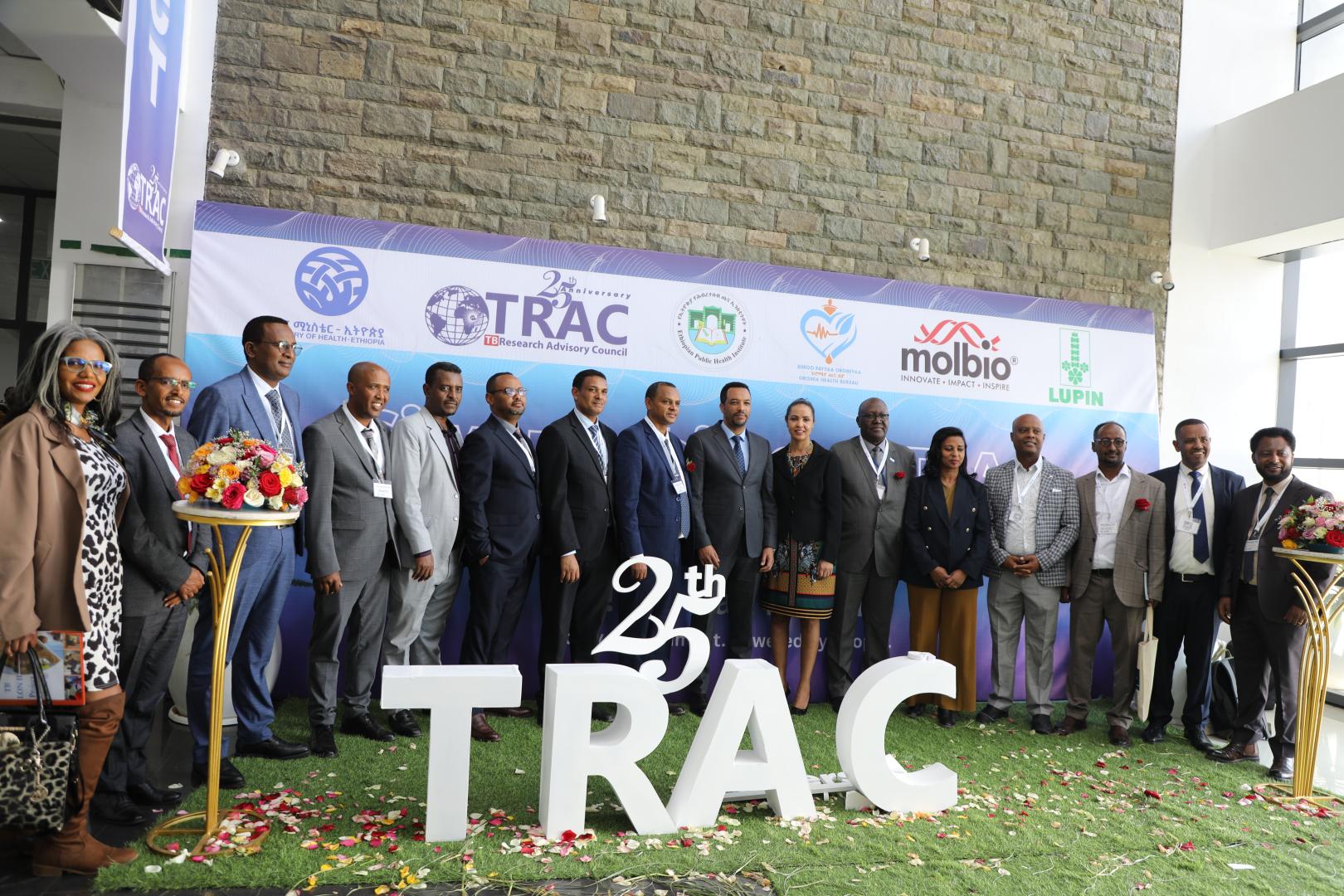
Ethiopia commemorated World TB Day 2026 from 27-29 March 2026 through a three-day national event, bringing together government leaders, researchers, partners, civil society organizations, and TB-affected communities to accelerate action to end tuberculosis (TB)
This year’s commemoration, held under the theme “Yes! We Can End TB: Led by countries, powered by people,” featured the National Tuberculosis Research Conference organized by the Oromia Regional Health Bureau in collaboration with the Ethiopian Public Health Institute.
Nigeria introduces long‑acting HIV prevention option to strengthen national response

Abuja – Nigeria has introduced lenacapavir, a new long‑acting injectable medicine for HIV prevention, marking a significant step in the country’s efforts to reduce new infections and advance national HIV goals. The Federal Ministry of Health and Social Welfare launched the intervention with support from World Health Organization (WHO), the Global Fund, United States President’s Emergency Plan for AIDS Relief (PEPFAR) and partners.
Nigeria intensifies tuberculosis response to close detection gaps
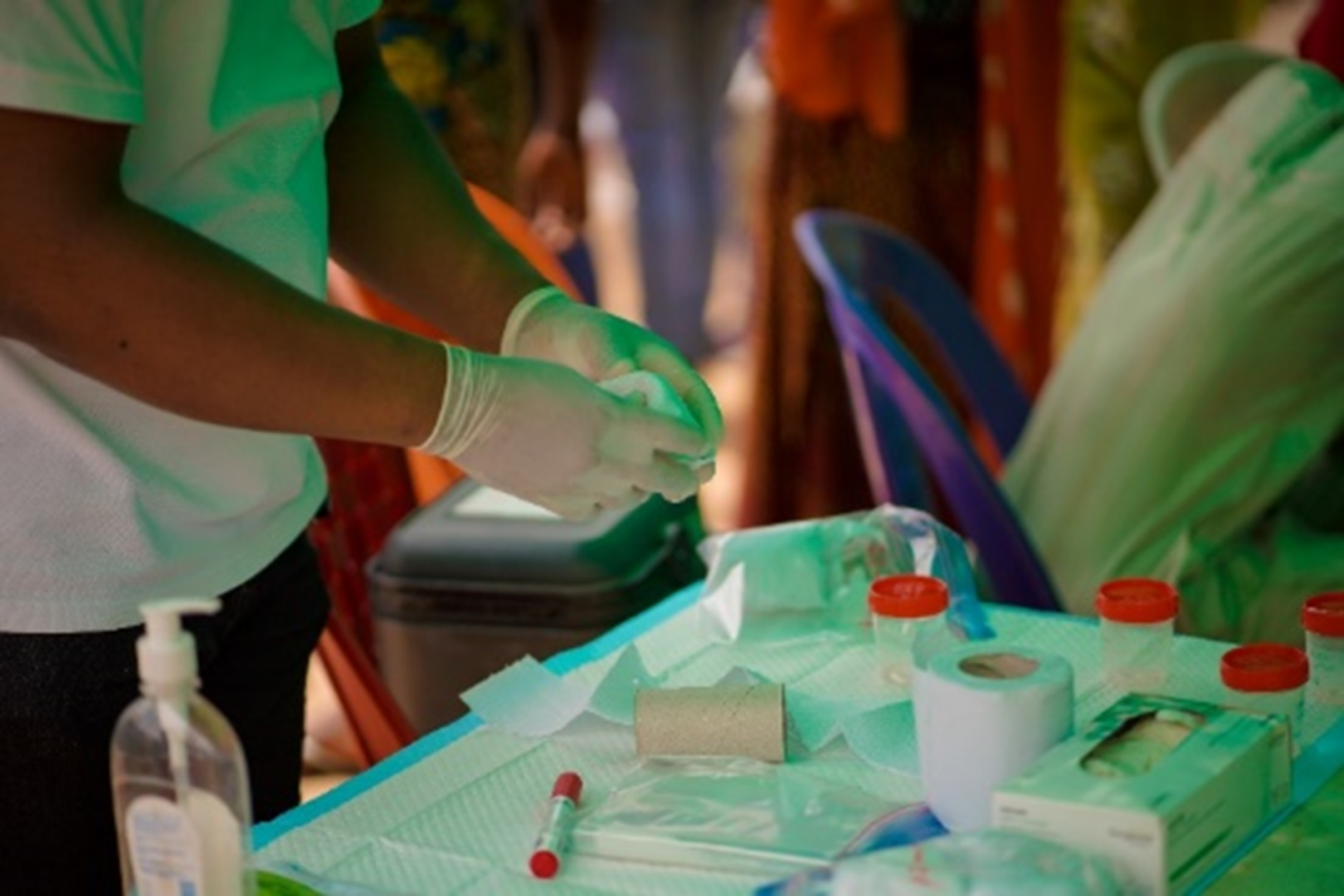
Abuja, Nigeria – With technical support from the World Health Organization (WHO), Nigeria is closing tuberculosis (TB) detection gaps, expanding access to testing and treatment, and strengthening services for vulnerable populations.
A case that shows the impact
In Nasarawa State, 21‑year‑old Gwamkat Rifkatu (name changed) developed a persistent cough that her family initially dismissed as minor. Weeks passed without improvement, leaving her weak and unable to work.
WHO signs Work Plan with the Government of Cabo Verde for 2026–2027
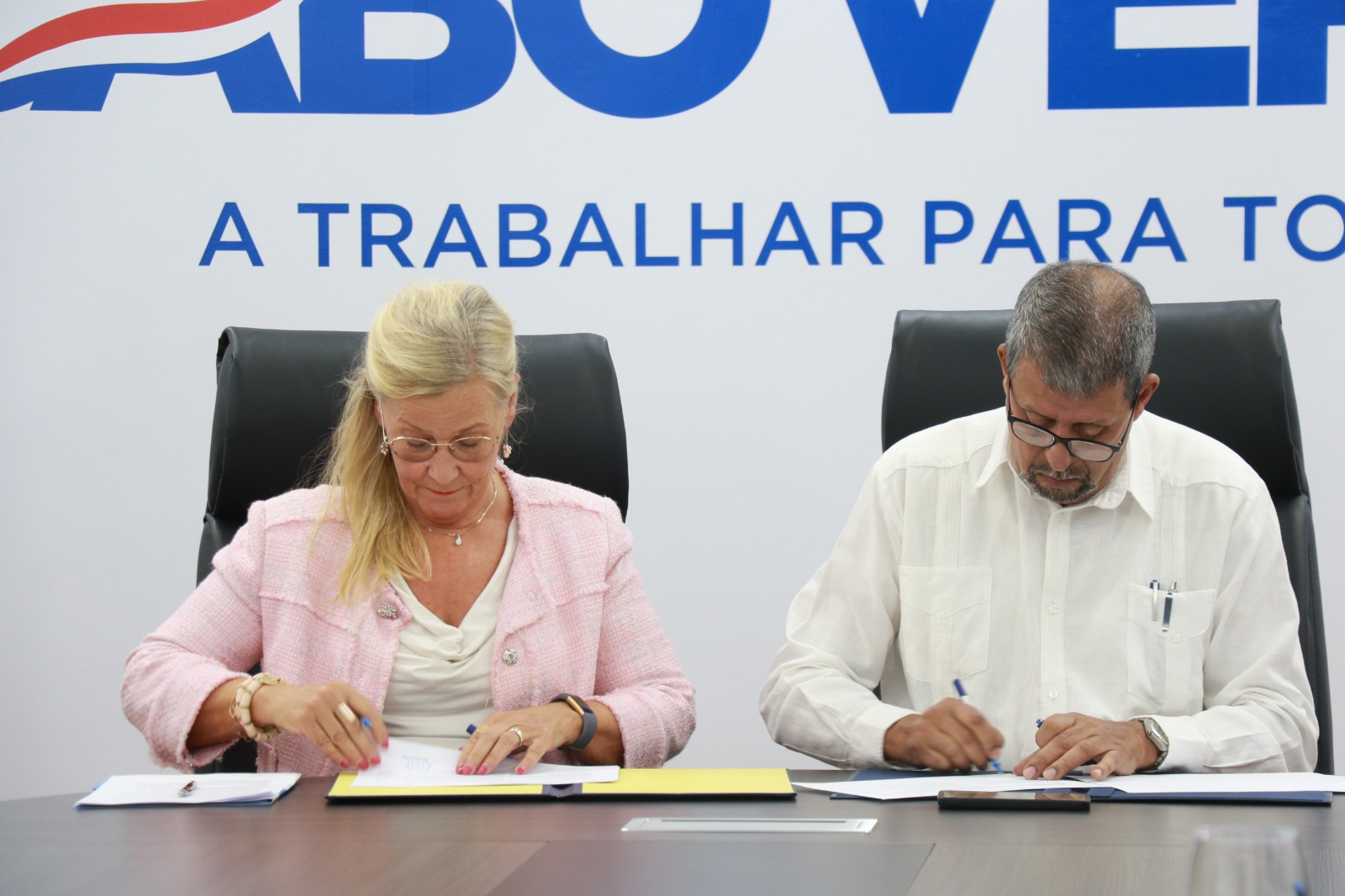
Praia - The document that will guide the World Health Organization (WHO) activities in Cabo Verde for 2026–2027 was signed on 31 March 2026 by the Minister of Health, Jorge Figueiredo, and the WHO Representative, Ann Lindstrand.
WHO Guinea-Bissau and the Embassy of China discuss opportunities for strengthened health cooperation
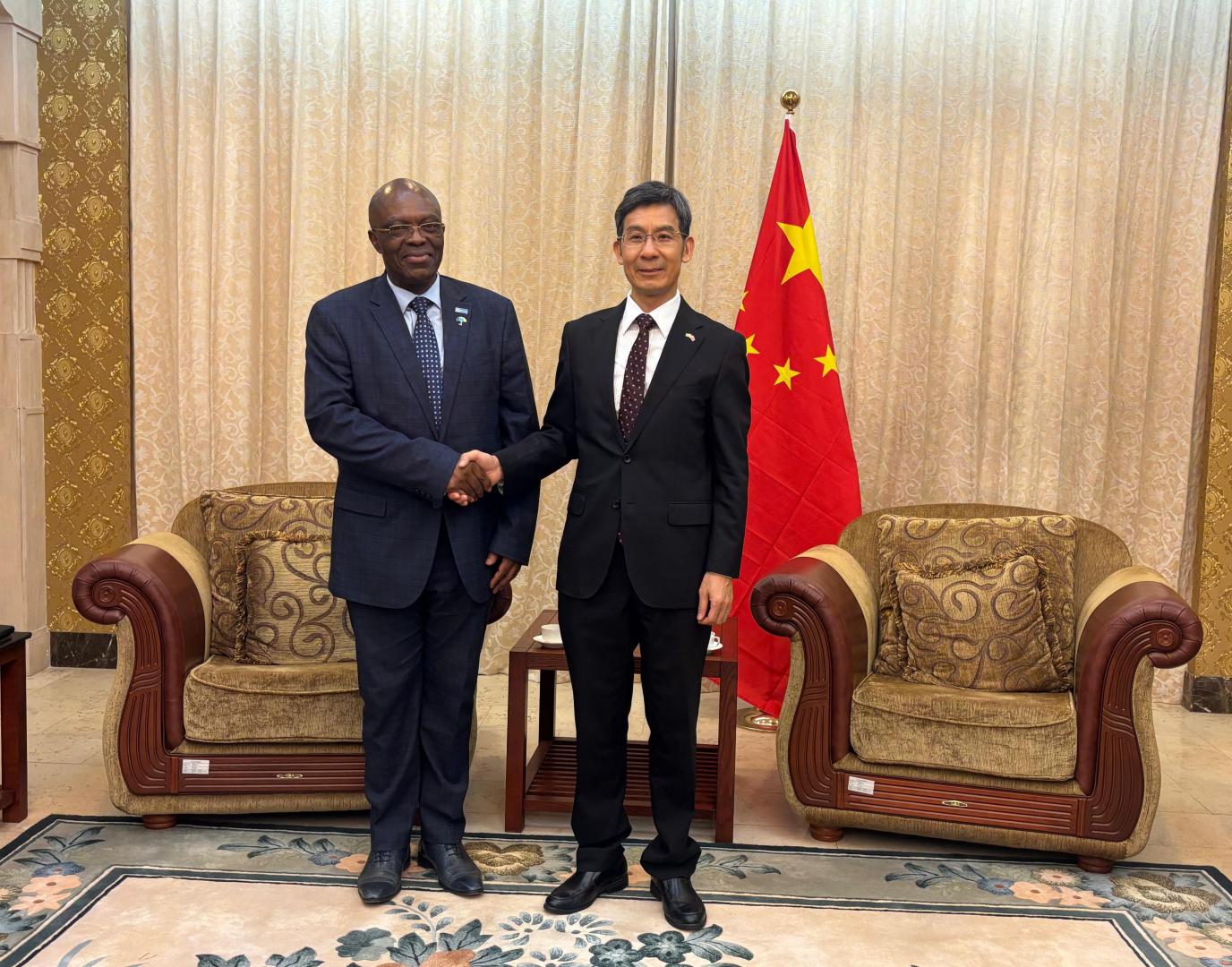
Bissau—On 31 March 2026, Dr. Walter Kazadi Mulombo, Acting WHO Representative in Guinea-Bissau, met with H.E. Mr. Yang Renhuo, Ambassador of the People’s Republic of China to Guinea-Bissau, to discuss opportunities for strengthened collaboration in support of national health priorities.
A shared commitment to public health
Lesotho rolls out Lenacapavir
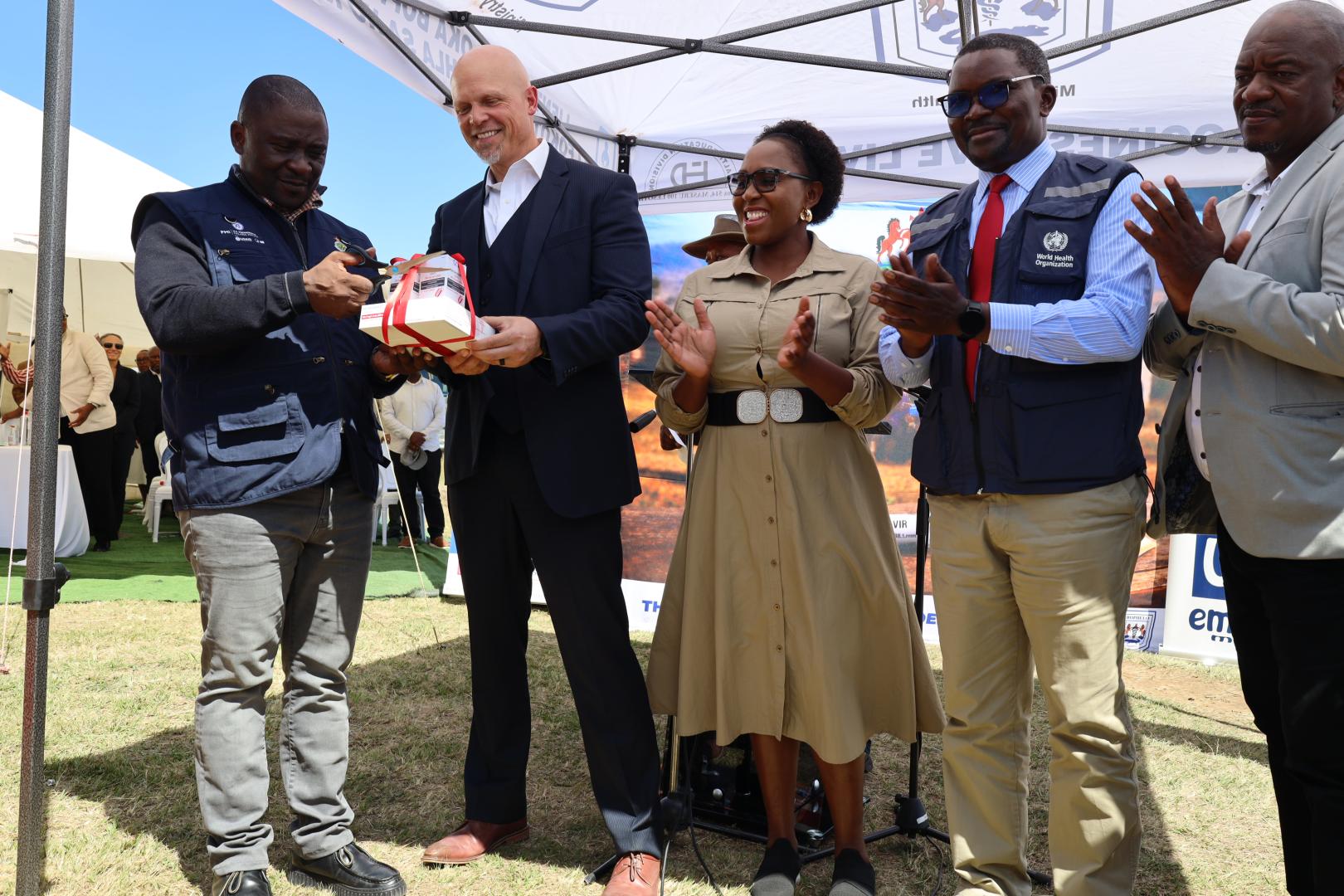
Maseru—For 35-year-old Mokeseng Habasisi, being the first man in Lesotho to receive Lenacapavir, a groundbreaking long-acting HIV prevention injection, was a remarkable and life-changing moment.
“I am happy to be amongst the first recipients stepping forward to embrace new prevention methods”, says Habasisi.
WHO supports strengthening pharmacovigilance in Cabo Verde
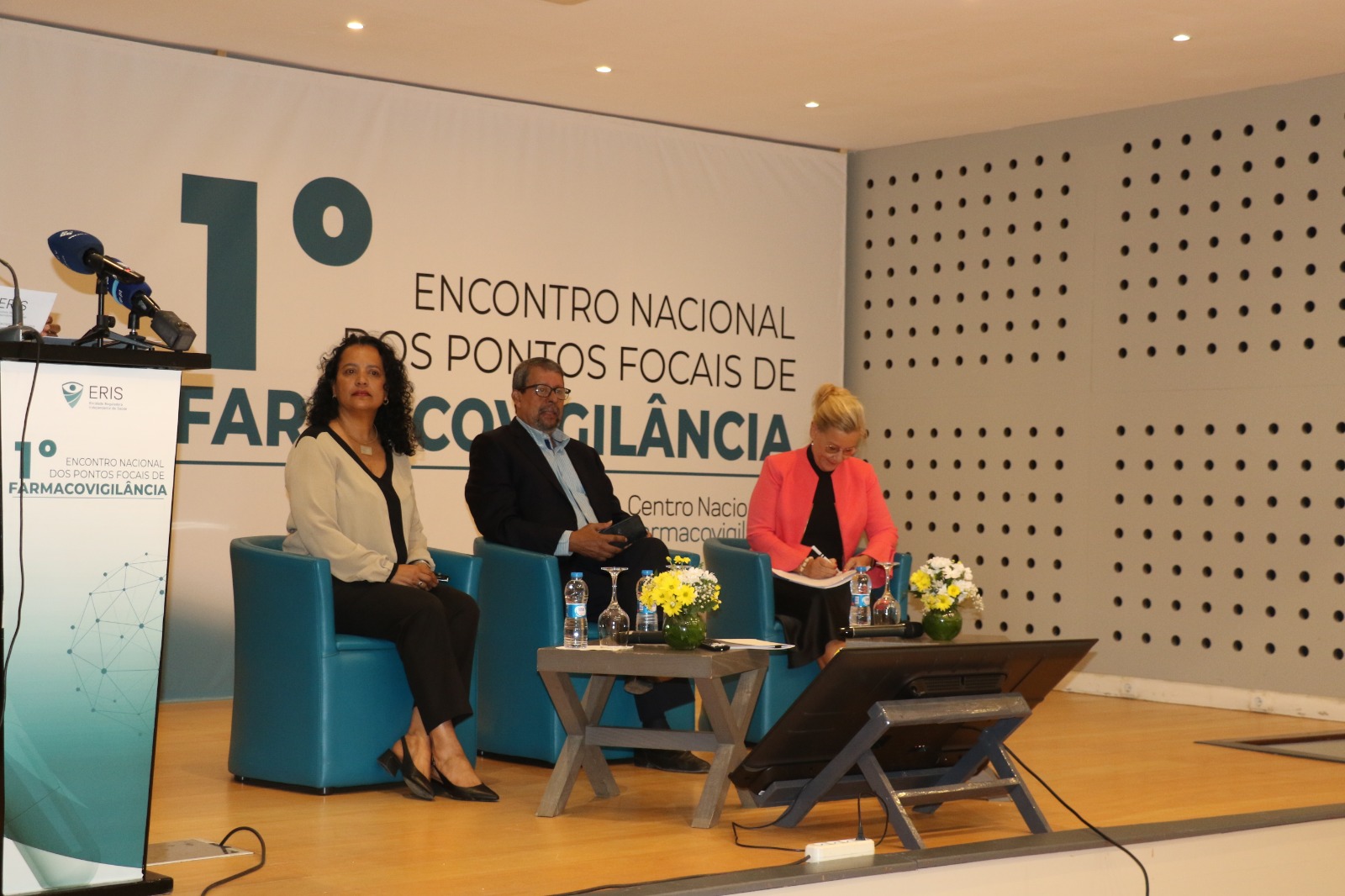
Praia, Cabo Verde — The World Health Organization (WHO) actively participated in the First National Meeting of Pharmacovigilance Focal Points, held on 25–26 March 2026, playing a central role in strengthening national capacities and promoting best practices for medicine safety.
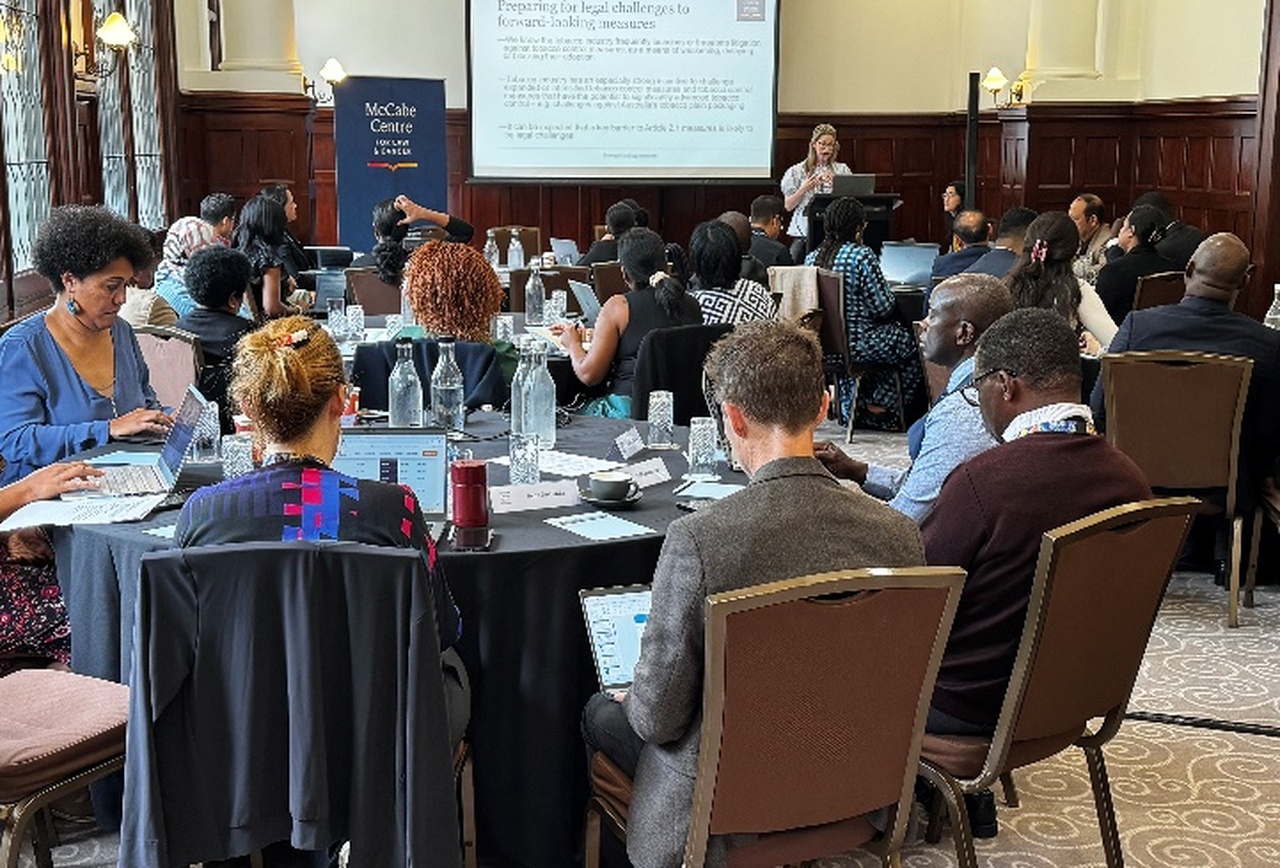
WHO AFRO Strengthens Legal Capacity for Tobacco Control Through Advanced Training Partnership with McCabe Centre
Tackling the malaria surge: Namibia steps up response with WHO support

Namibia is stepping up its fight against malaria following a sharp rise in cases in early 2026, with health authorities and partners working around the clock to contain the outbreak and protect at-risk communities.
A worrying rise in cases
After years of steady progress in eliminating malaria, the country is now experiencing a resurgence. Heavier and unusual rainfall has created ideal conditions for mosquitoes to breed, enabling the disease to spread more rapidly, including in areas that previously had little or no transmission.