Africa’s advances in maternal, infant mortality face setbacks: WHO report
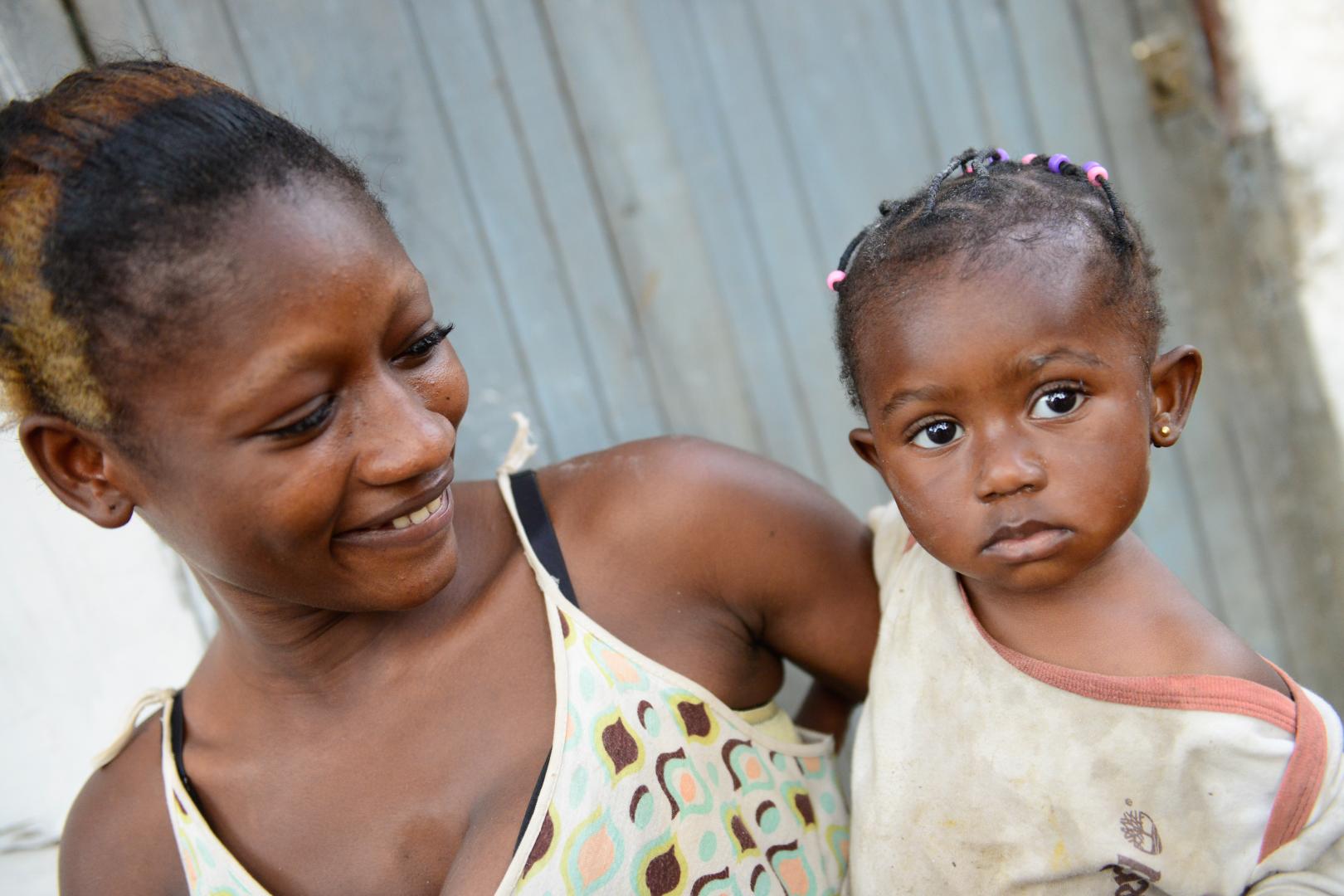
Managing HIV In The Midst Of A Health Emergency

Akwii Magdalena is a seven-year-old girl enrolled in a primary school class in Kapelebyong District from the Karamoja Region of Uganda. The third of three children, Akwii is living with HIV just like the 87,719 children affected by the disease in the country.
WHO Ethiopia scales up interventions to respond to gender-based violence in conflict affected regions of Ethiopia

World Health Organization (WHO) has donated a field vehicle and an ambulance to Afar Regional Health Bureau. The ambulance was procured with funding from the United Kingdom’s Foreign, Commonwealth & Development Office as part of its support to improving essential health service delivery at war-affected health facilities in northern Ethiopia, with a focus on sexual and reproductive health services, and will be used for reproductive, maternal and child health services at Dupti Hospital, including for survivors of gender-based violence (GBV).
Malawi expands access to the malaria vaccine

Lilongwe, Malawi. The World Health Organization (WHO) congratulates the Government of Malawi for the launch of expanded delivery of the first malaria vaccine – RTS,S/AS01 (RTS,S) – which will enable thousands more children at high risk of malaria illness and death to benefit from the additional malaria prevention.
Malawi launches oral cholera vaccination campaign to contain cholera
Ensuring a policy framework for healthy ageing in Namibia
The Ministry of Health and Social Services with support from WHO held a National Consultation meeting on 15-17 November 2022, on the National Policy on the Rights, Protection and Care of Older Persons in Namibia to review and make recommendation on the draft policy. By 2050, the number and proportion of people aged 60 years and older in the population are estimated to increase from 1 billion (2019) to 2.1 billion globally. In Africa, this increase is estimated to be 220 million compared to 65 million in 2018.
WHO convenes Africa regional policy dialogue on investment and protection of health workforce

Ethiopian Emergency Medical Teams' first deployment provides support to drought-affected areas

The first cohort of WHO-trained emergency medical teams (EMT) provides critical support to the drought emergency response in Somali Region, Ethiopia
South Sudan commemorates International One Health Day

With the theme ‘collaboration for a better health outcome’, South Sudan celebrates International One Health Day to create awareness and enhance better understanding of human, animal and environmental health in strengthening collaboration and coordination for health emergency preparedness and response.
Ethiopia commemorates World Antimicrobial Awareness Week, launches Sector-Specific Plan on Antimicrobial Resistance Prevention and Containment

Ethiopia is commemorating the 2022 World Antimicrobial Awareness Week (WAAW) through a series of events that are aimed at raising the awareness of health professionals and the community in general on Antimicrobial Resistance (AMR), its hazards, containment and prevention.
The country has also launched Sector Specific Plan on Antimicrobial Resistance prevention and containment which is the first of its kind in the World Health Organization African Region.