Strengthening Partner Coordination for Health Security
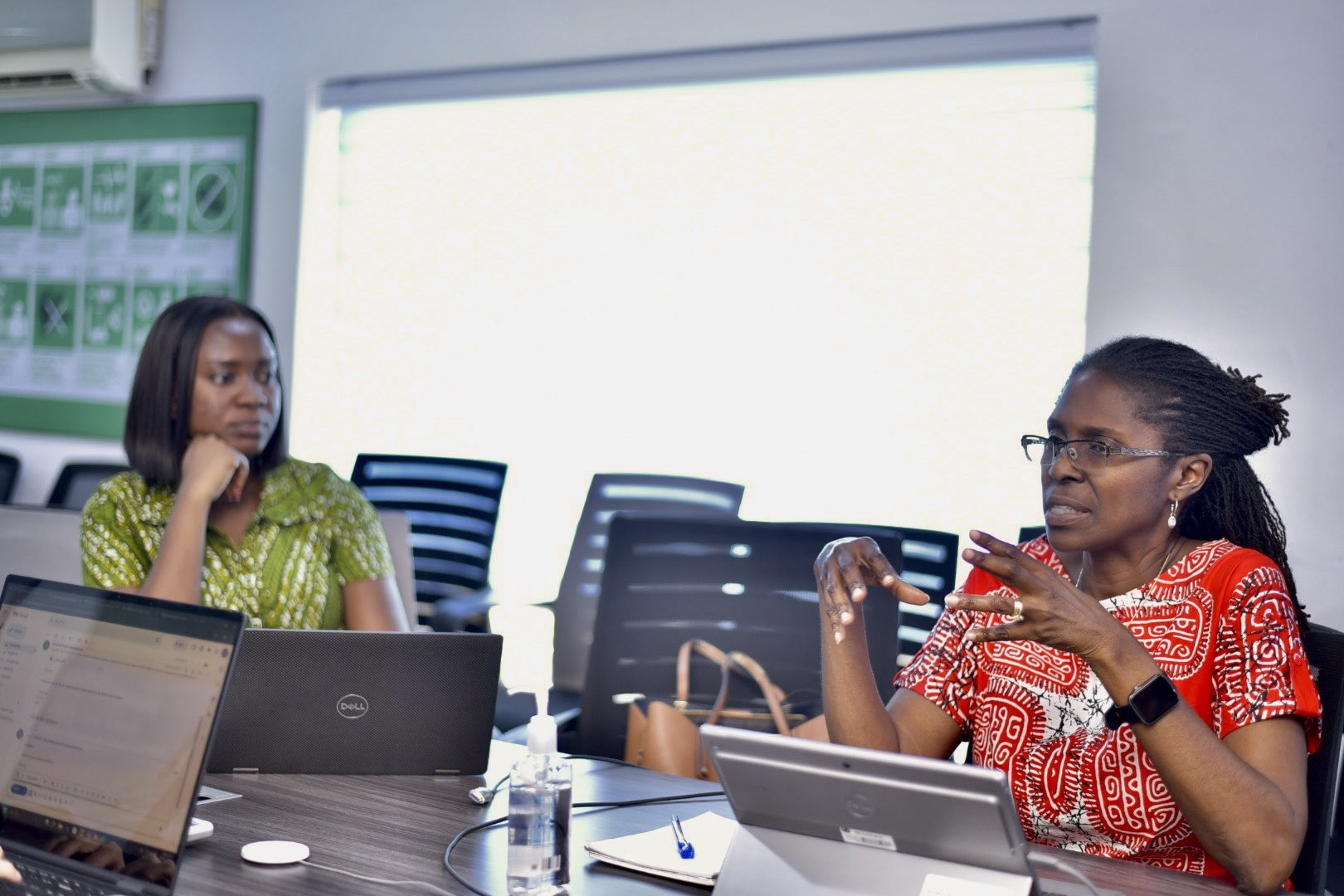
Ghana, like many countries in the WHO Africa Region, remains vulnerable to public health emergencies due to underlying vulnerabilities and challenging health systems. Between 2022 to 2025, the country has responded to several disease outbreaks including meningitis, dengue fever, cholera, Marburg virus disease, Lassa fever and mpox. These outbreaks placed considerable pressure on the public health system, often disrupting the delivery of essential health care in the most affected areas.
Tanzania Strengthens Leadership in IHR Implementation and Health Emergency Preparedness
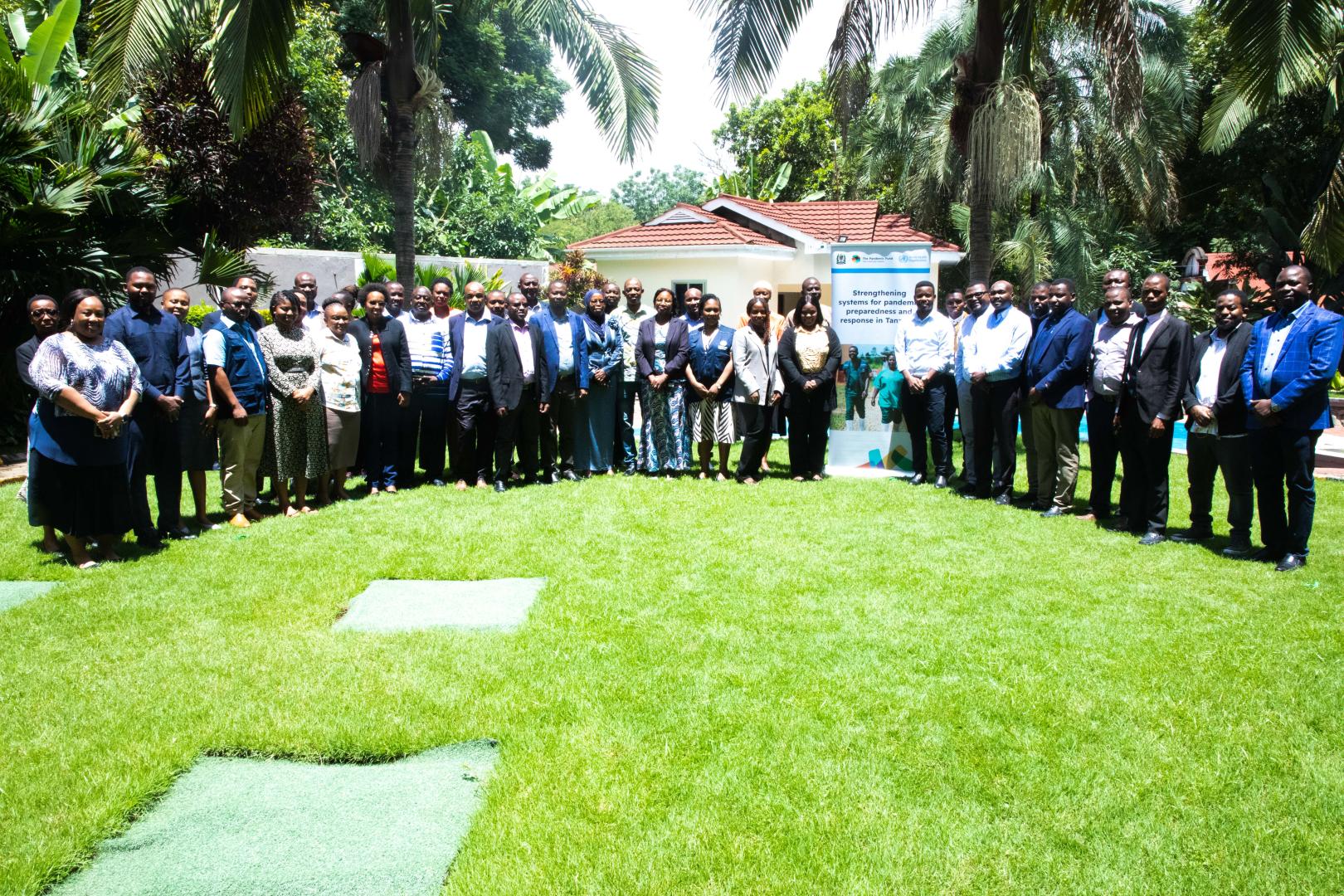
Arusha - With support from the Pandemic Fund, the Government of the United Republic of Tanzania, through the Ministry of Health and in collaboration with the World Health Organization (WHO) and partners, convened an International Health Regulations (IHR) Technical Working Group (TWG) meeting in Arusha. The meeting brought together key stakeholders to review progress and prioritize actions to strengthen national systems for public health emergency preparedness and response.
Guinea-Bissau validates draft law and clinical guidelines for safe abortion care, advancing the protection of women’s health and rights
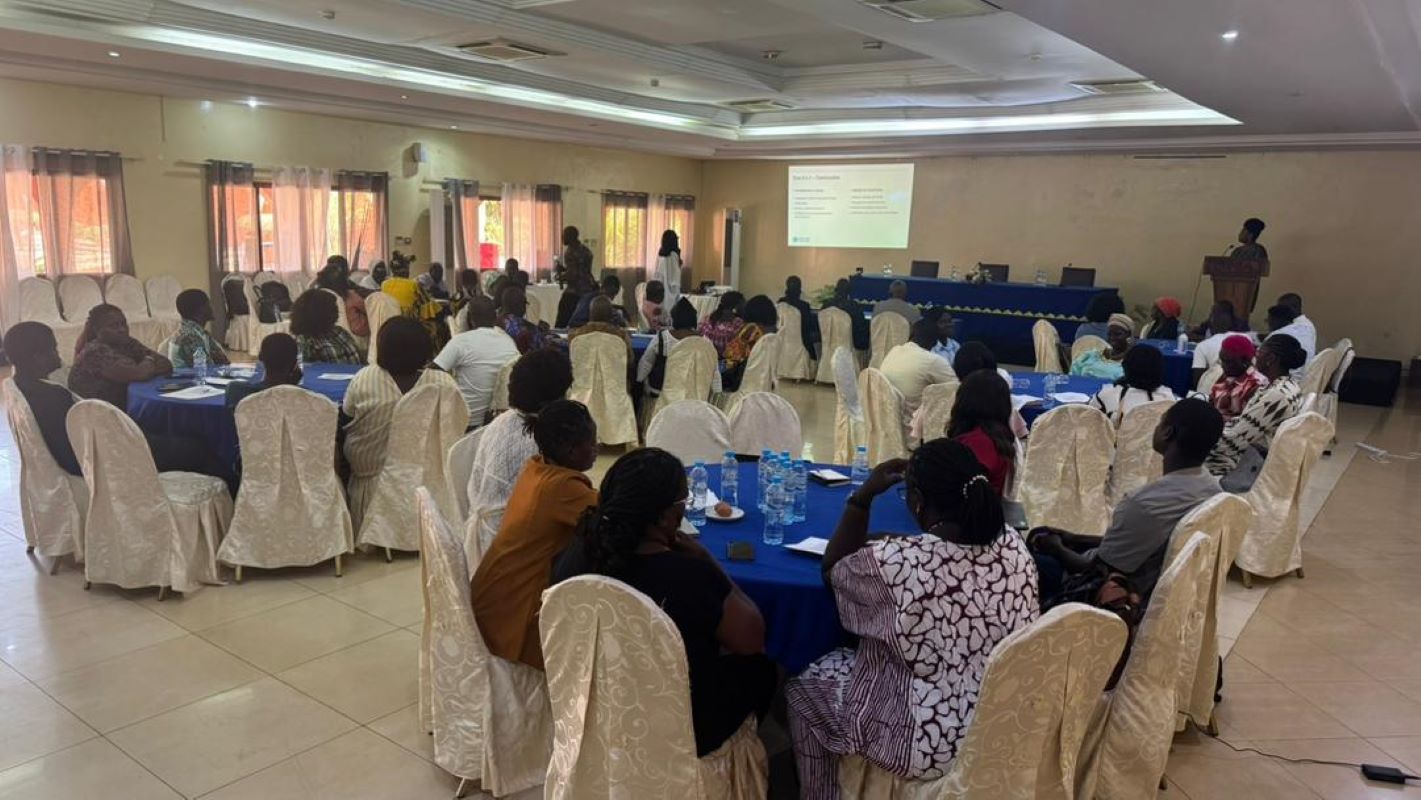
Bissau—Guinea-Bissau has taken an important step in strengthening maternal health and women’s rights with the technical validation of the Draft Law on Safe Abortion Care and the corresponding Clinical Guidelines, during a national Seminar held from 25 to 27 March in Bissau.
Kenya launches 5-year health security plan to strengthen health emergency readiness
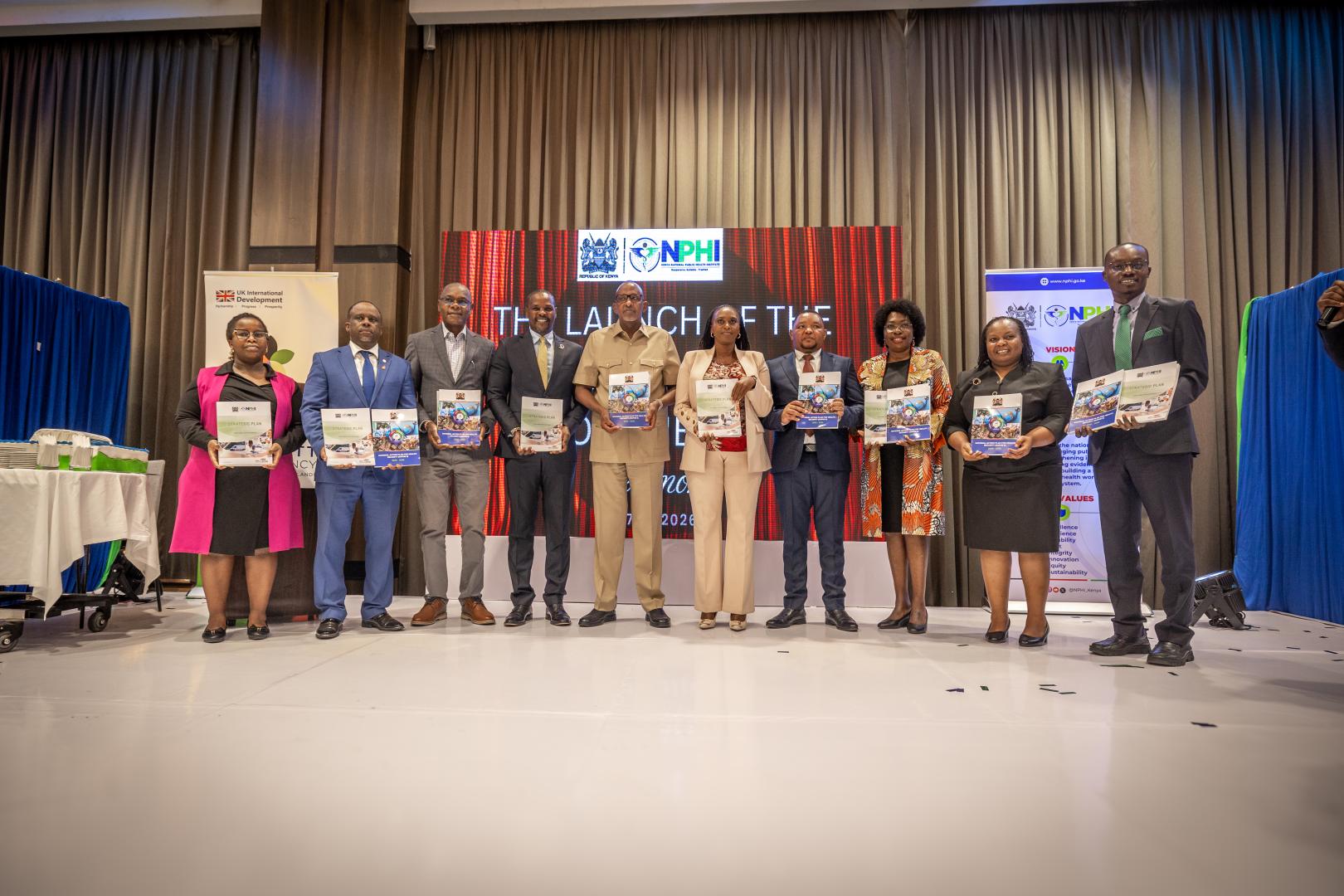
Nairobi- Kenya has launched its Second National Action Plan for Health Security 2026–2030, marking a significant step toward strengthening the country’s ability to prevent, detect, and respond to public health threats.
Namibia aims to reform Mental Health policy and legislation
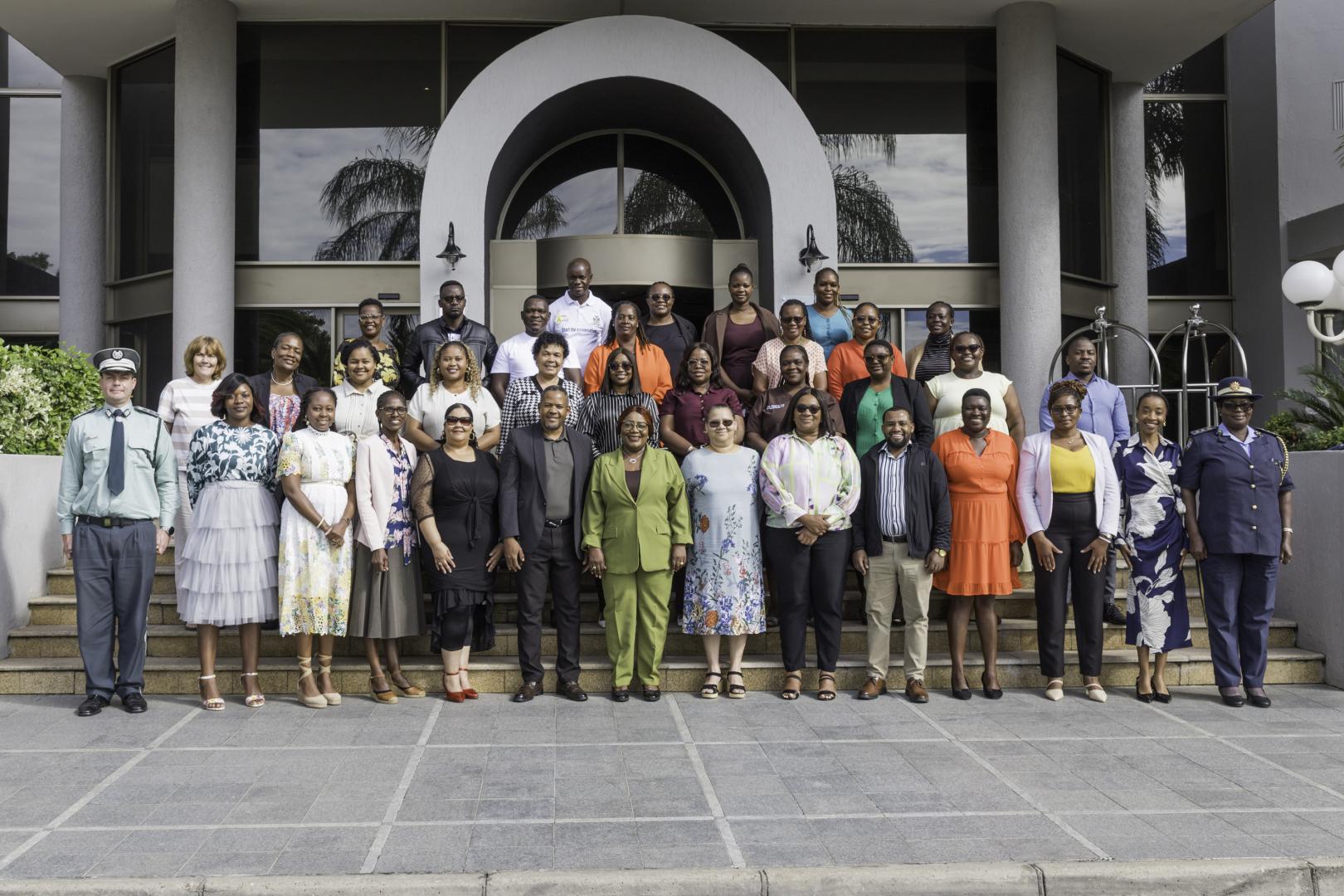
The Ministry of Health and Social Services (MoHSS), with technical support from the World Health Organization (WHO), has convened a national stakeholders’ meeting to review the 2005 National Mental Health Policy and to develop a comprehensive implementation plan.
Bringing care for severe noncommunicable diseases closer to communities in Eswatini
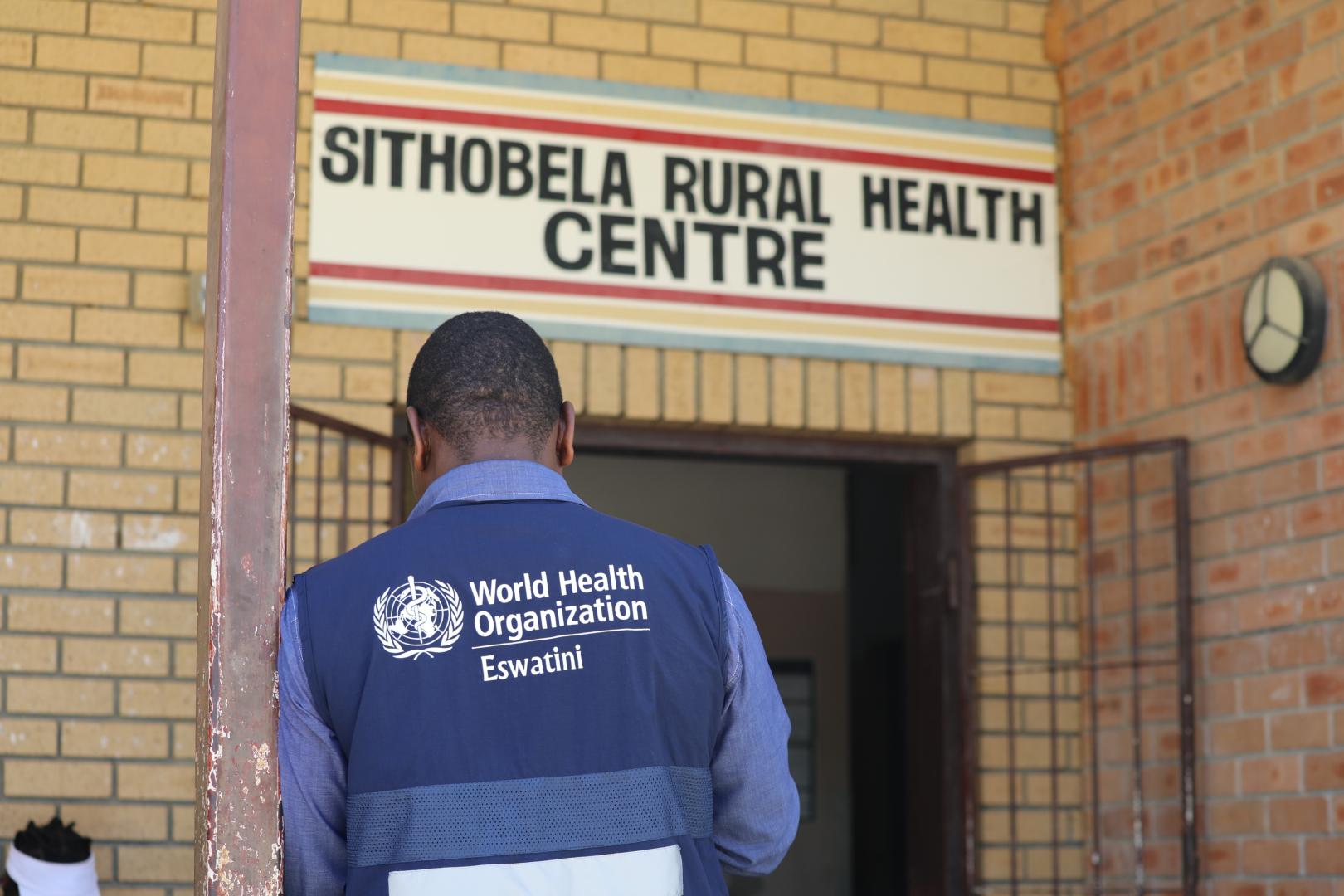
Mbabane— In a major move to increase access to care for severe noncommunicable diseases such as type 1 diabetes, sickle‑cell disease, and rheumatic and congenital heart diseases, Eswatini is preparing to implement the World Health Organization (WHO)’s PEN‑Plus model.
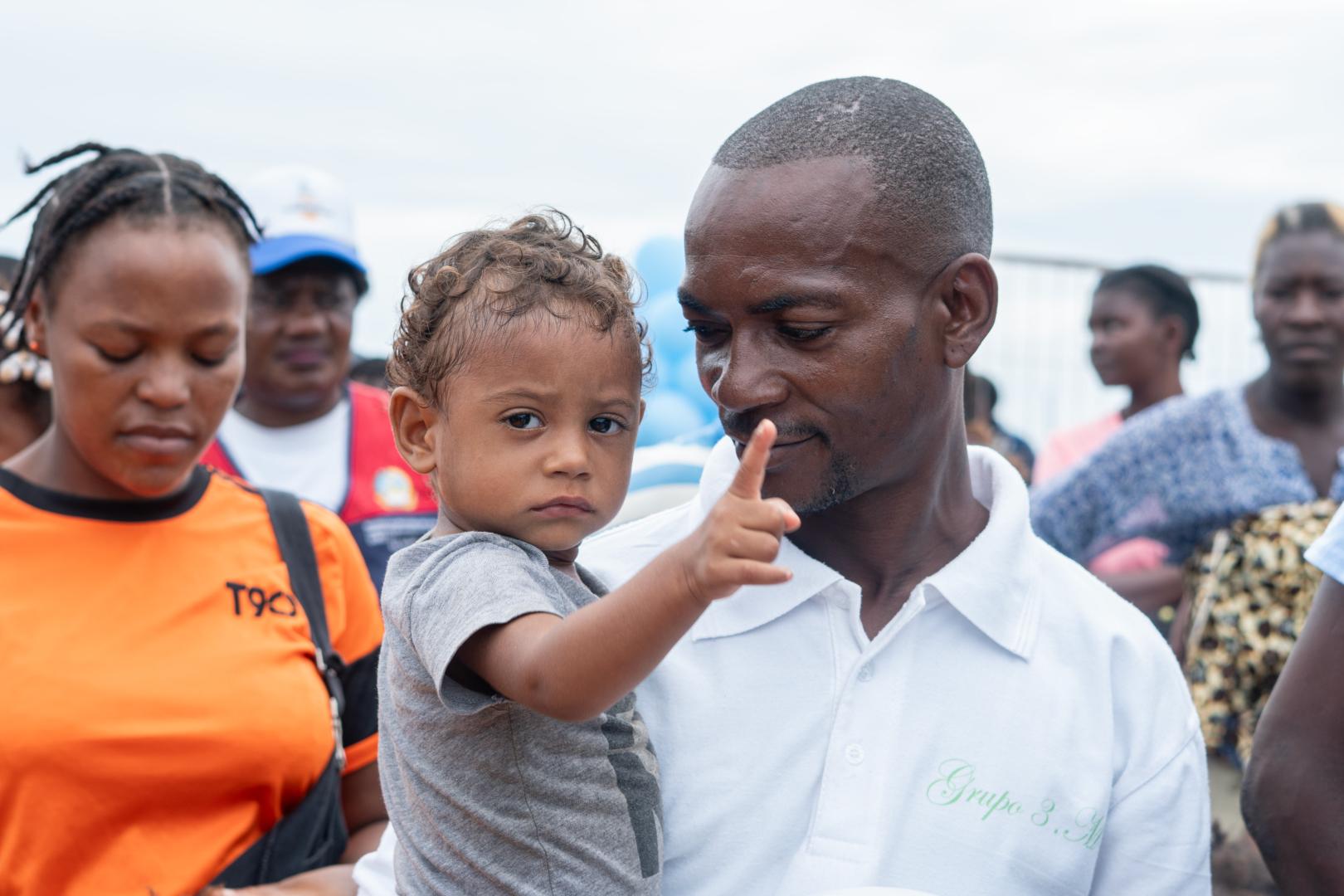
Angola Launches National Campaign to Vaccinate More Than 9 Million Children Against Polio
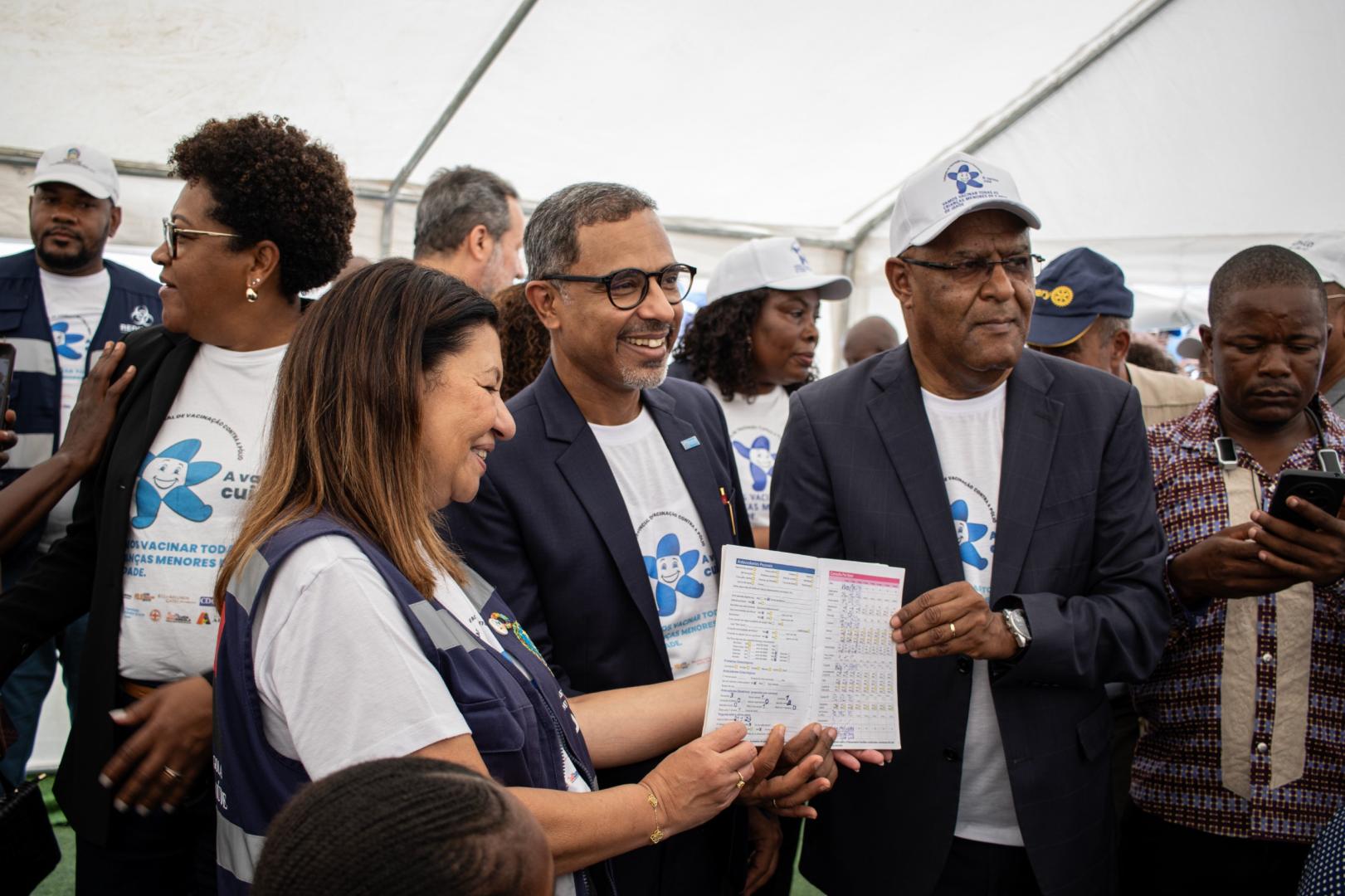
The national polio vaccination campaign was officially launched today in the municipality of Belas, an initiative aimed at protecting more than 9 Millon children under the age of 5 across the country.
The campaign runs from March 26 to 28, 2026, and mobilizes vaccination teams across the country with the goal of interrupting the transmission of polio in Angola.
WHO supports Mauritius in undertaking a comprehensive Health Labour Market Analysis
South Africa Launches Health Financing Progress Matrix Report in Pretoria
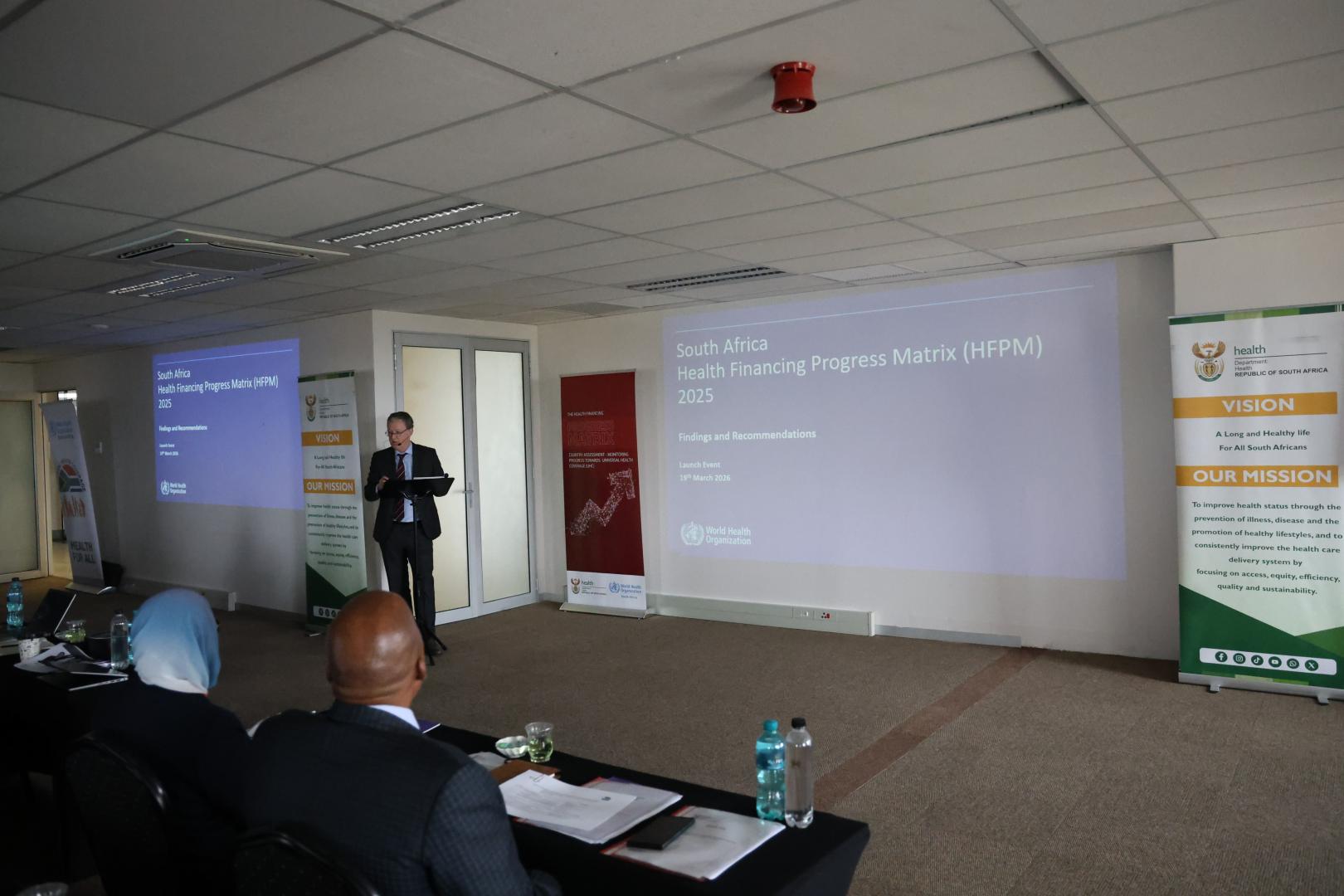
Pretoria, 19 March 2026 — South Africa’s National Department of Health jointly with World Health Organization Country Office in South Africa convened partners to launch the inaugural edition of the Health Financing Progress Matrix (HFPM) report in Pretoria. The event shared the HFPM findings and opened dialogue on practical options to strengthen health financing in support of Universal Health Coverage (UHC), with an emphasis on the use of evidence, focus on equity and sustainable progress, and strengthening planning for UHC.
United for Protection: Vaccination to Ensure a Polio-Free Future
By: Dr Indrajit Hazarika, WHO Representative in Angola