Flooded roads, lifesaving care: how CERF support saved a child in Fangak County, Jonglei State
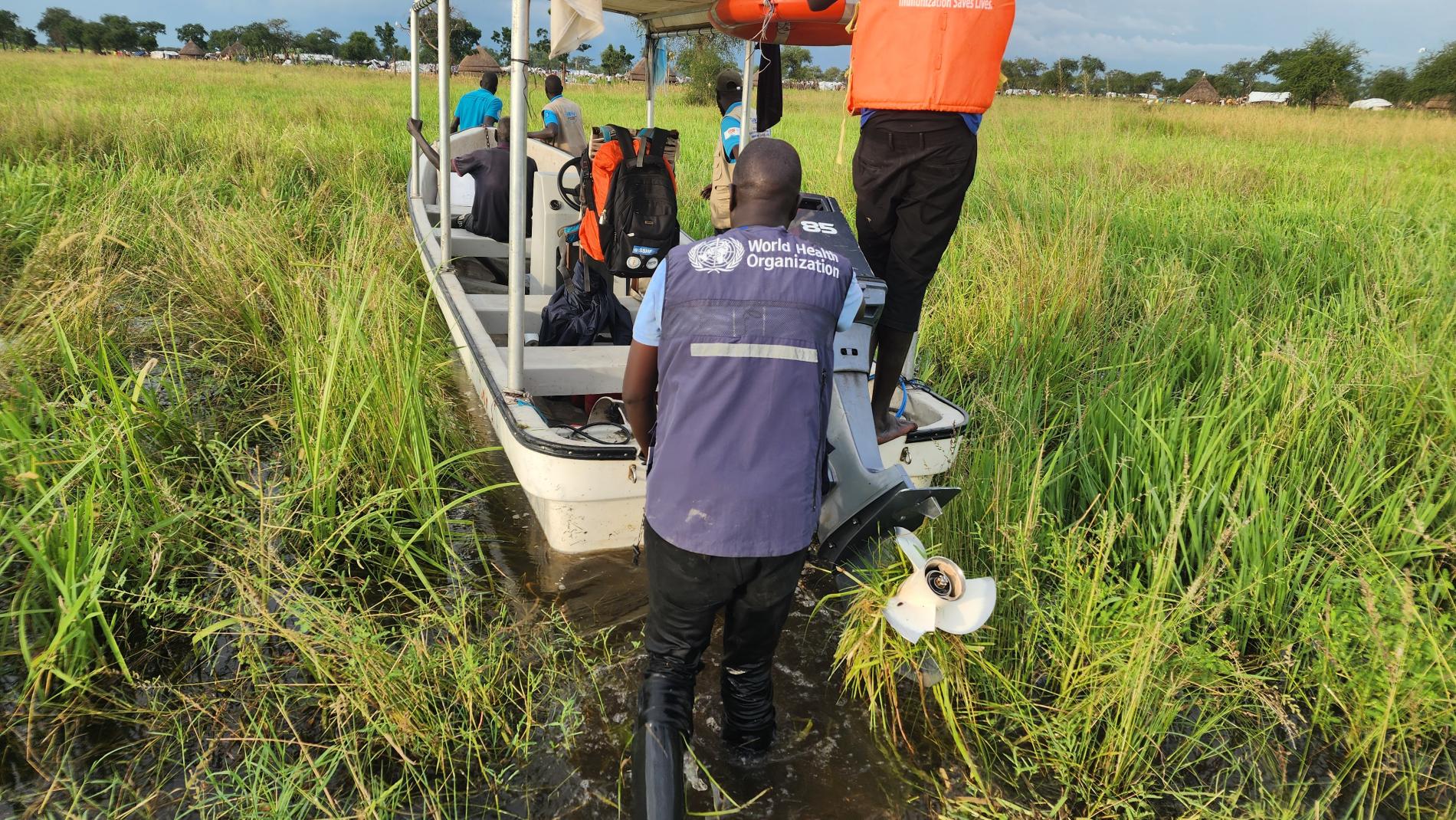
Juba- When severe flooding submerged large parts of Fangak County in Jonglei State, entire communities were cut off from basic services. Roads disappeared under water. Health facilities were damaged or became inaccessible. Families were stranded without transport. For many, even a minor illness could turn life-threatening.
For 33-year-old Mary from Pajiok village in Patia Payam, Fangak County, 23 September will forever remain etched in her memory, a day marked by panic andpain. Her three-month-old baby boy had accidentally fallen into a basin of hot water at home.
South Sudan, WHO seal landmark deal for permanent WHO Headquarters
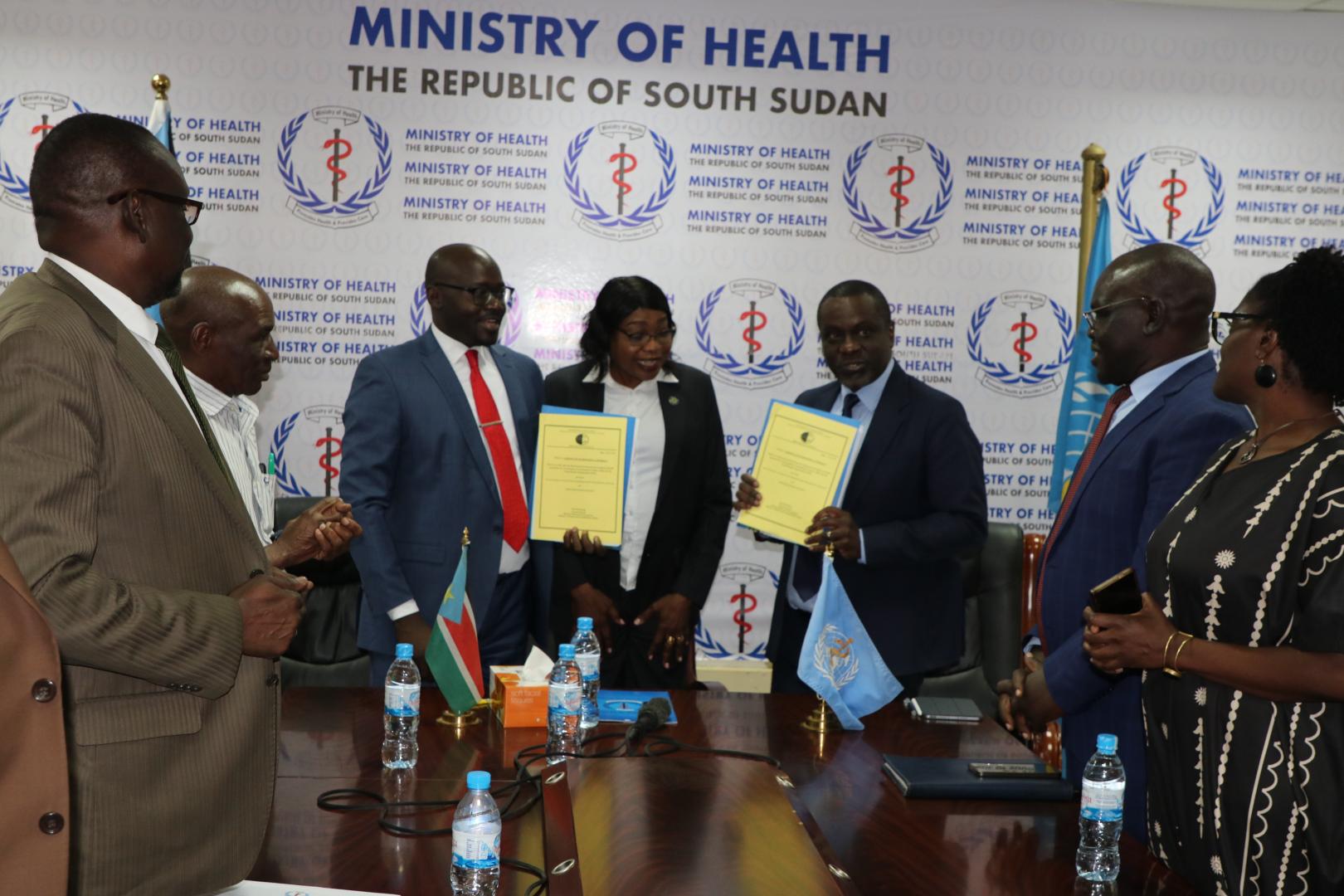
The Ministry of Health (MoH) - Republic of South Sudan and the World Health Organization (WHO) have signed a landmark land agreement paving the way for the construction of a permanent WHO country office in Juba, signaling a strengthened and long-term partnership to advance healthcare delivery across South Sudan.
WHO strengthens the capacity of the Ministry of Public Health of Guinea-Bissau to respond to a mass casualty fire incident in Bafatá
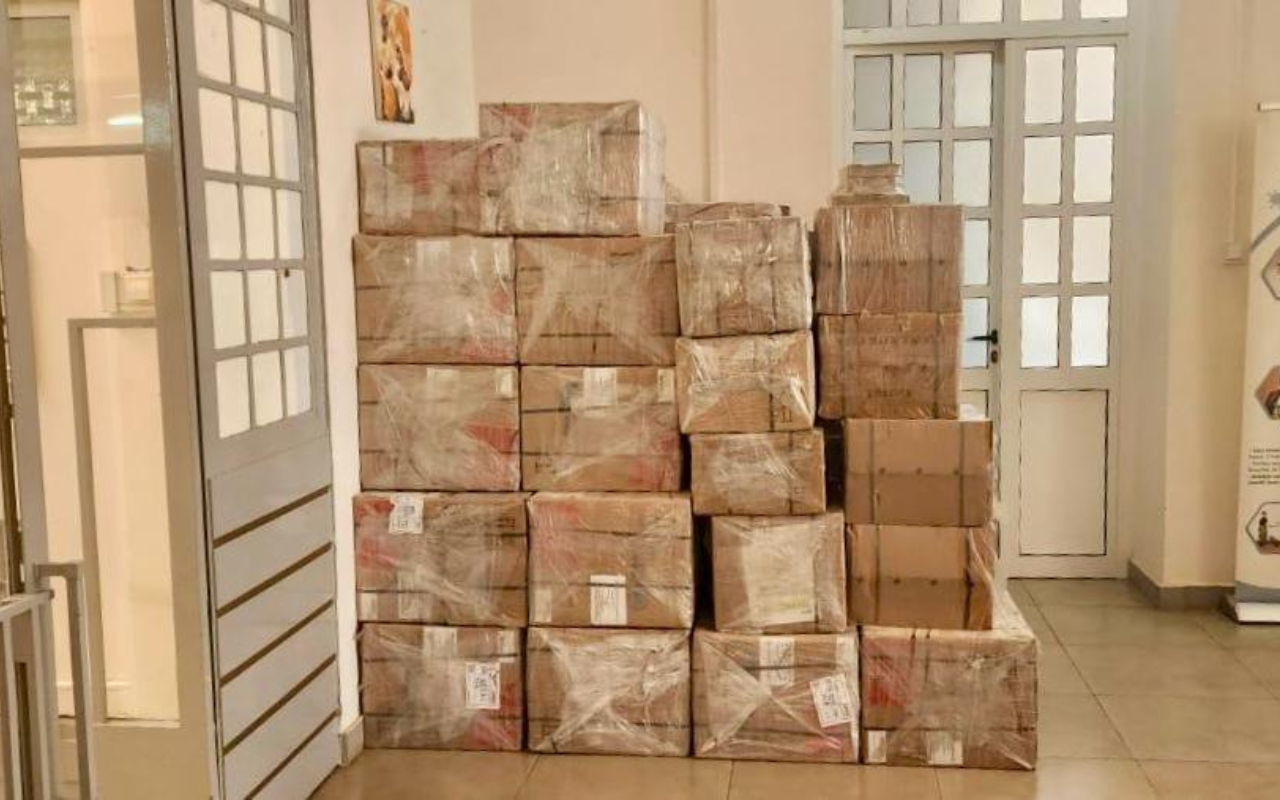
Bissau–Within the framework of Guinea-Bissau’s all-hazards emergency preparedness, readiness, response and resilience efforts, the acting WHO Representative in Guinea-Bissau donated a consignment of medical kits intended to treat victims of a blast that triggered a devastating fire emergency with multiple casualties. The fire occurred in the city of Bafatá on 13 February 2026, resulting in 160 injuries and four deaths.
Newly released 2025 scorecard unveils progress and setbacks on health and gender equality across Southern Africa
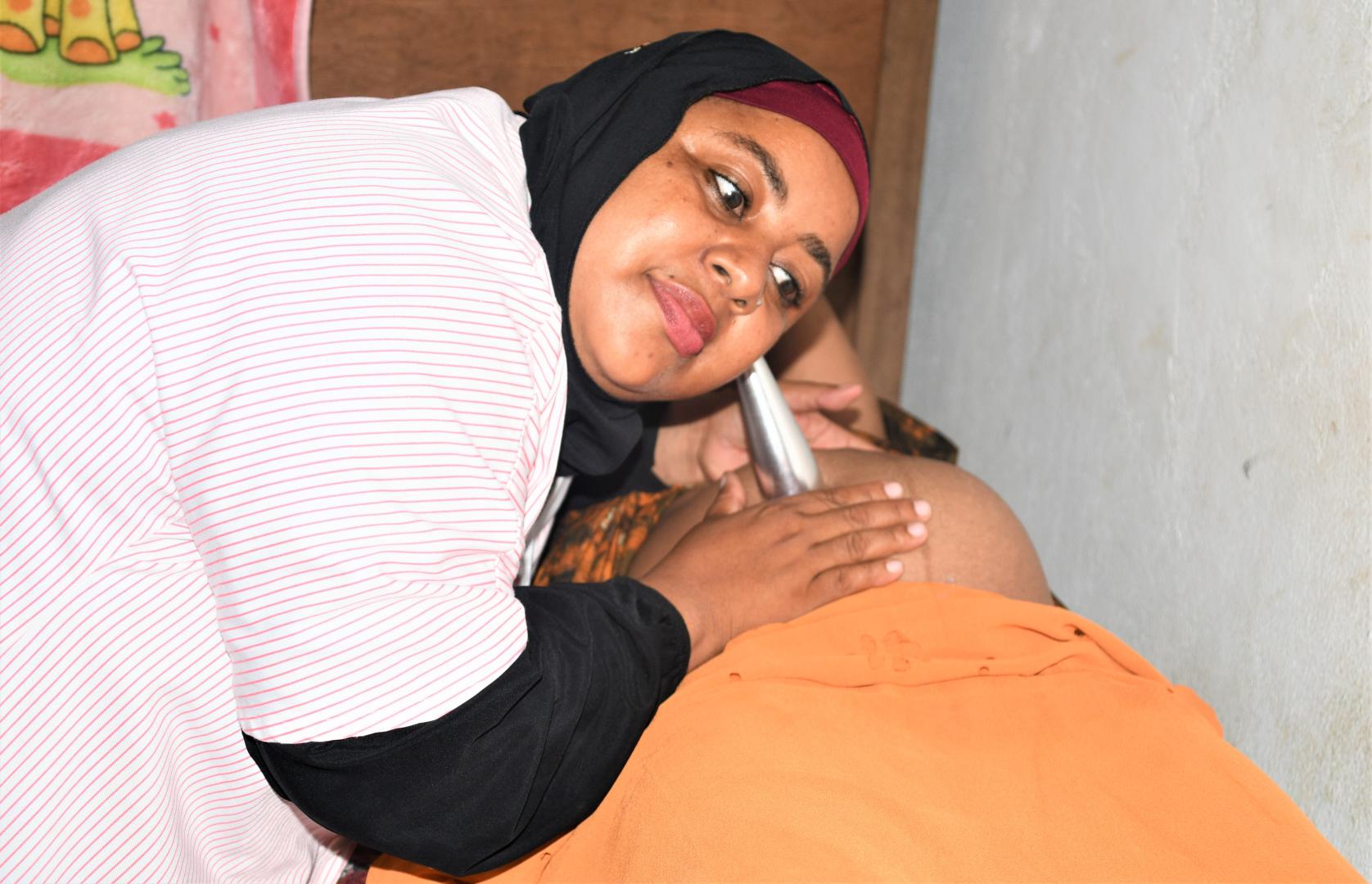
Ghana Leads Africa in Advancing a People-Centred Approach to Address Antimicrobial Resistance
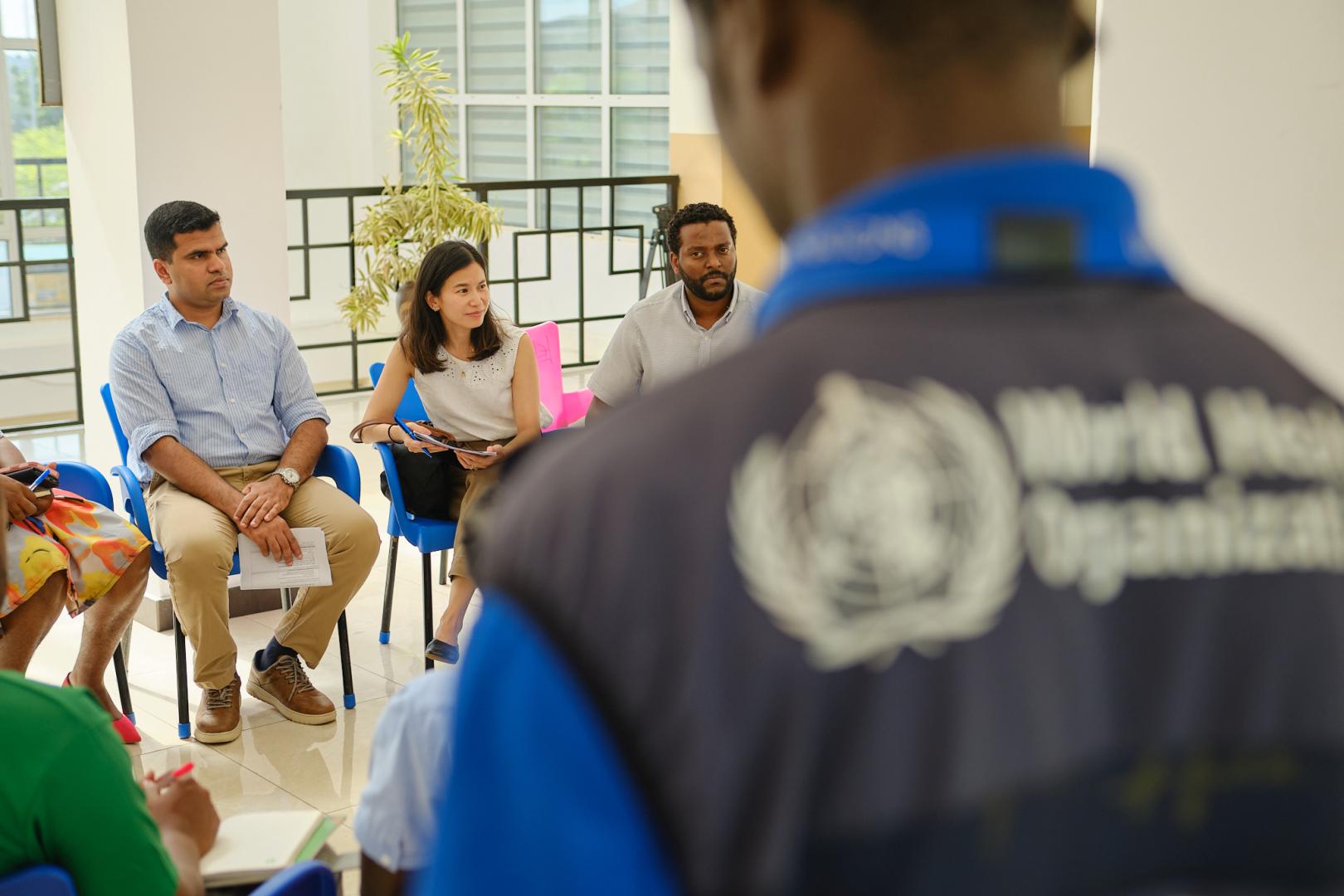
When a child’s bloodstream infection no longer responds to prescribed antibiotics, or a mother’s minor wound turns life-threatening despite treatment, it is not because the medicines are no longer working but the germs causing the infection have changed and the antibiotics are no longer effective. This silent crisis, known as antimicrobial resistance (AMR), is one of the world’s top ten global health threats.
Health Systems 2050 roundtable explores South Africa’s future readiness
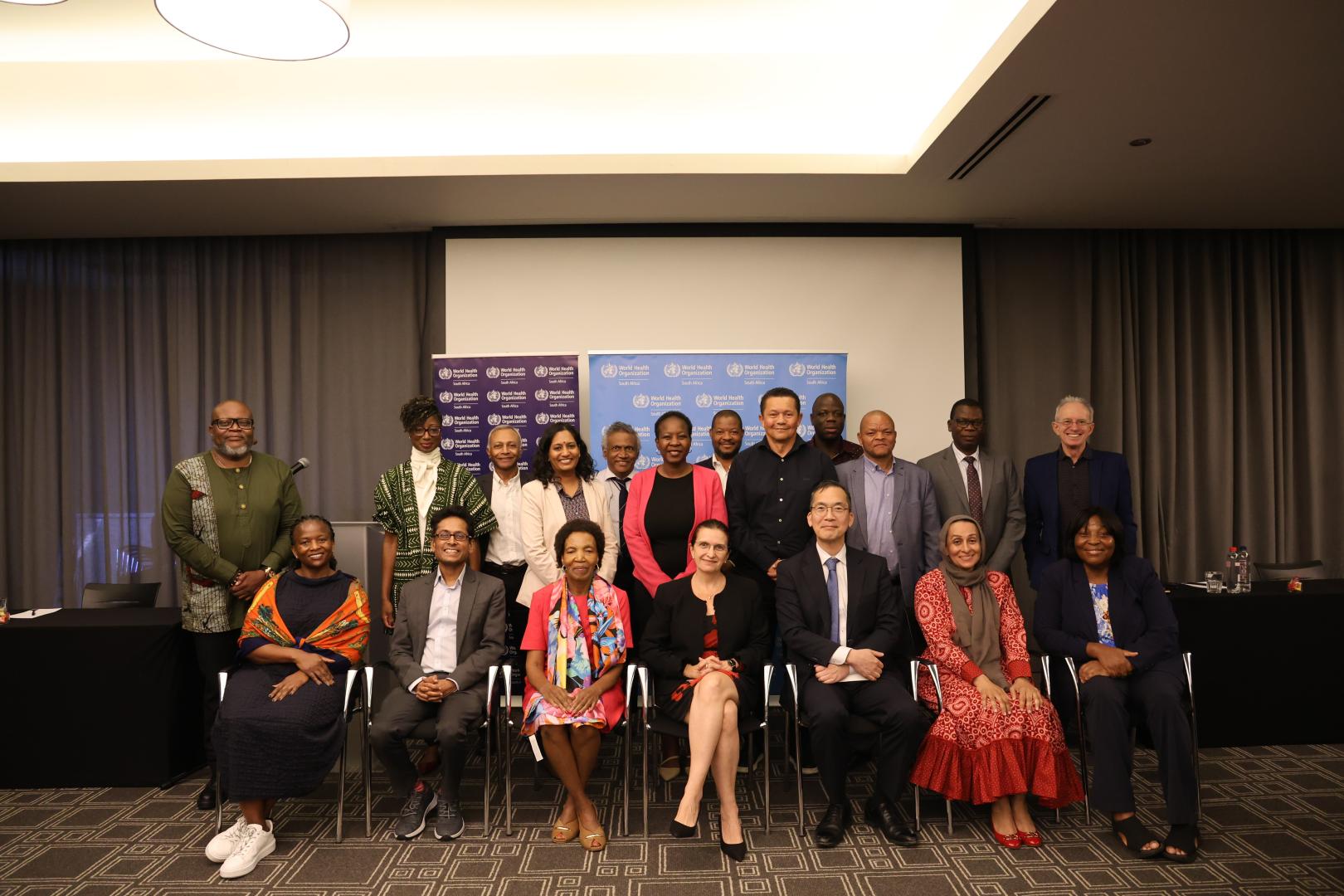
Pretoria, South Africa — 20 February 2026, The World Health Organization (WHO) Country Office in South Africa, together with the Alliance for Health Policy and Systems Research, convened an expert policy stakeholders’ roundtable, to examine how major global trends are reshaping health systems and what this means for global and South Africa’s future.
Kenya builds capacity to produce its own vaccines
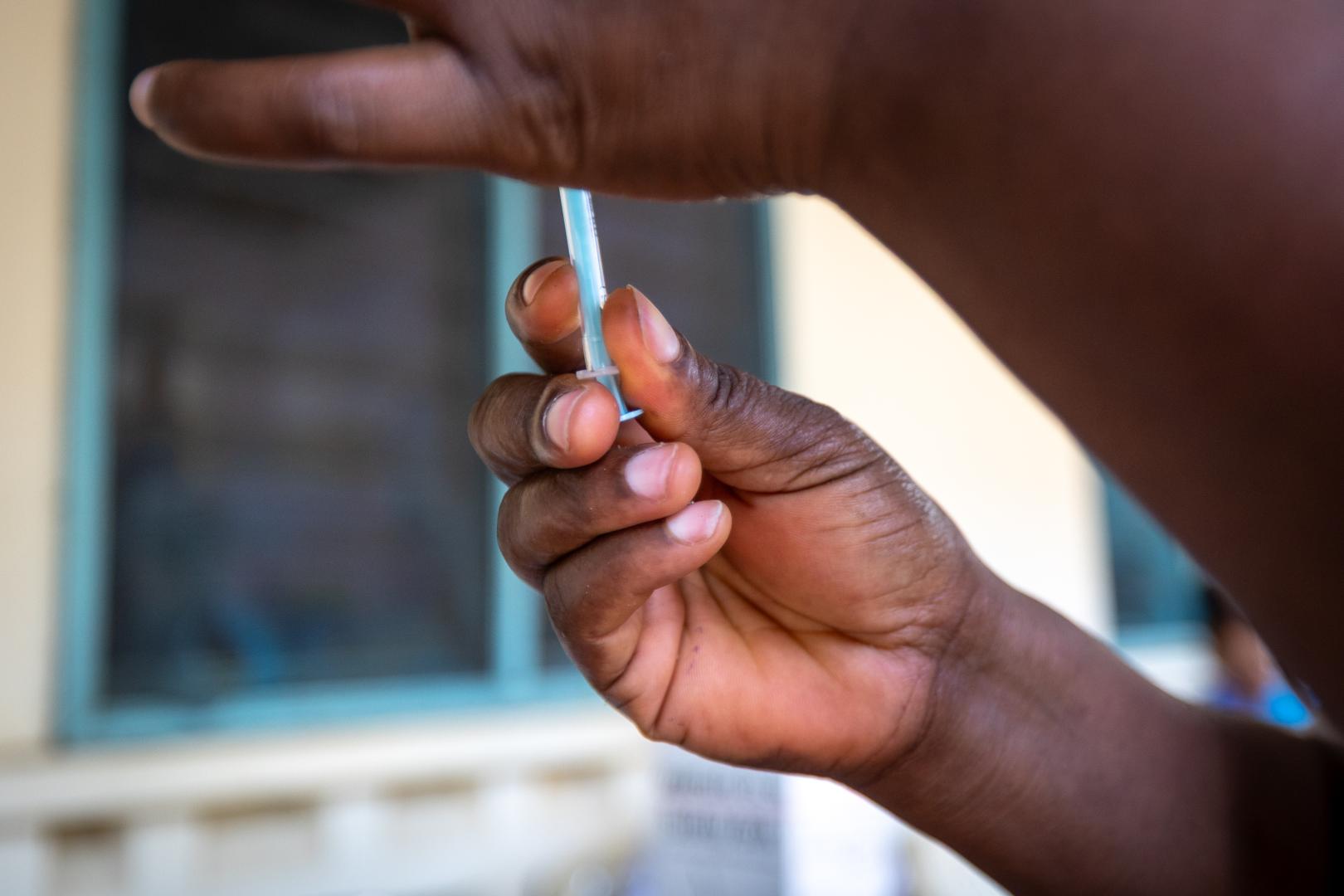
Nairobi—According to the World Health Organization, Africa produces less than 1% of the vaccines it consumes, yet it carries a disproportionate share of the world's infectious disease burden. Efforts to shift this reality are now under way in Kenya.
WHO convenes global experts in Brazzaville to strengthen clinical care for filovirus diseases
WHO and Novo Nordisk Foundation partner to advance health workforce education in Kenya
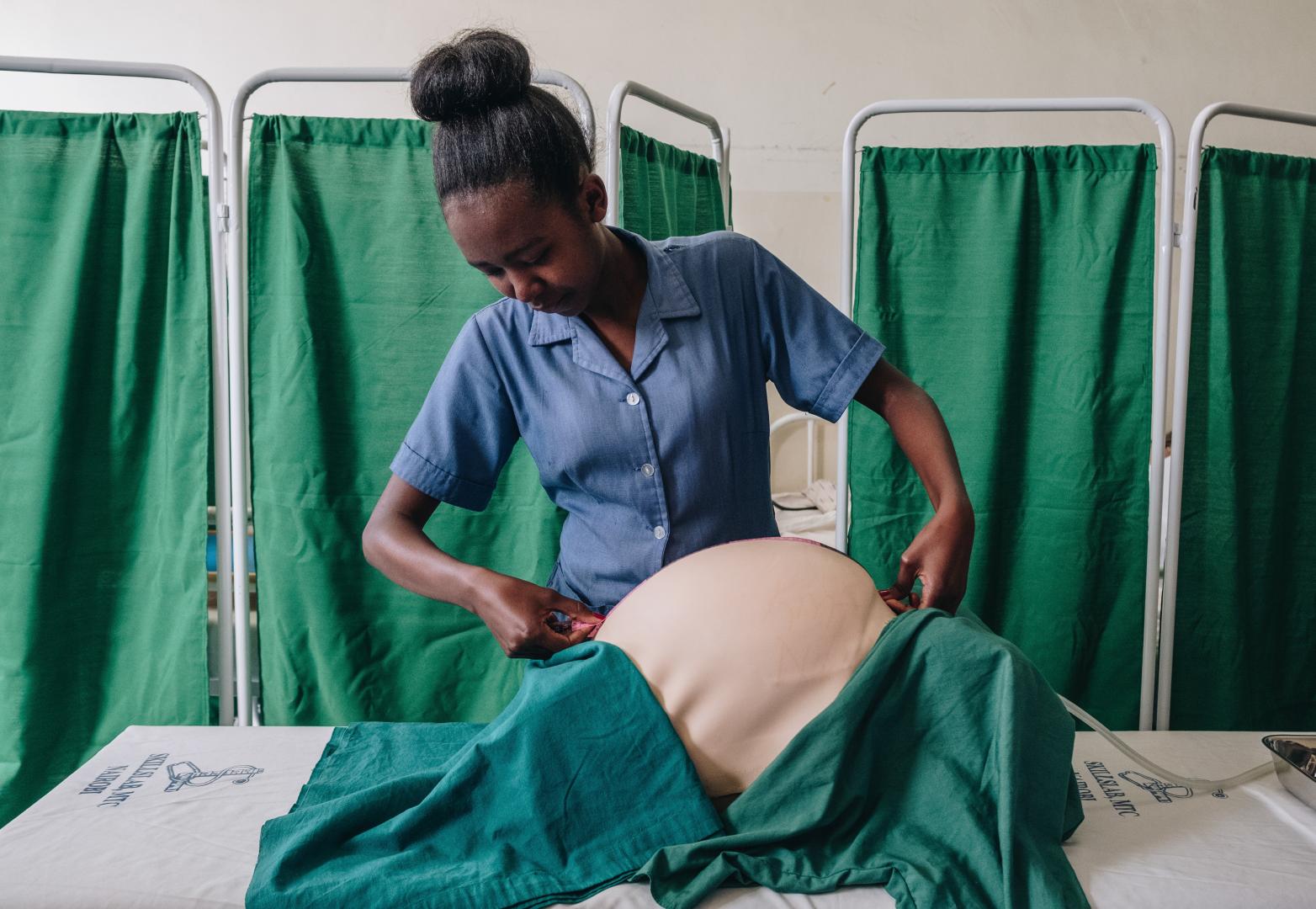
Nairobi—Kenya has made notable progress in health workforce production, including a doubling of nurses, doctors, and other health professionals over the past decade. However, findings from the Health Labour Market Analysis also identify persisting and emerging gaps in the availability of health workers. The analysis projects that to meet the population's health needs, more than 114,000 additional health professionals across 31 different roles will need to be trained, employed, and retained within the health system by 2031.
Ethiopia Dialogues on Progress Towards Building a Competent, Responsive, and Equitably Distributed Health Workforce for Universal Health Coverage
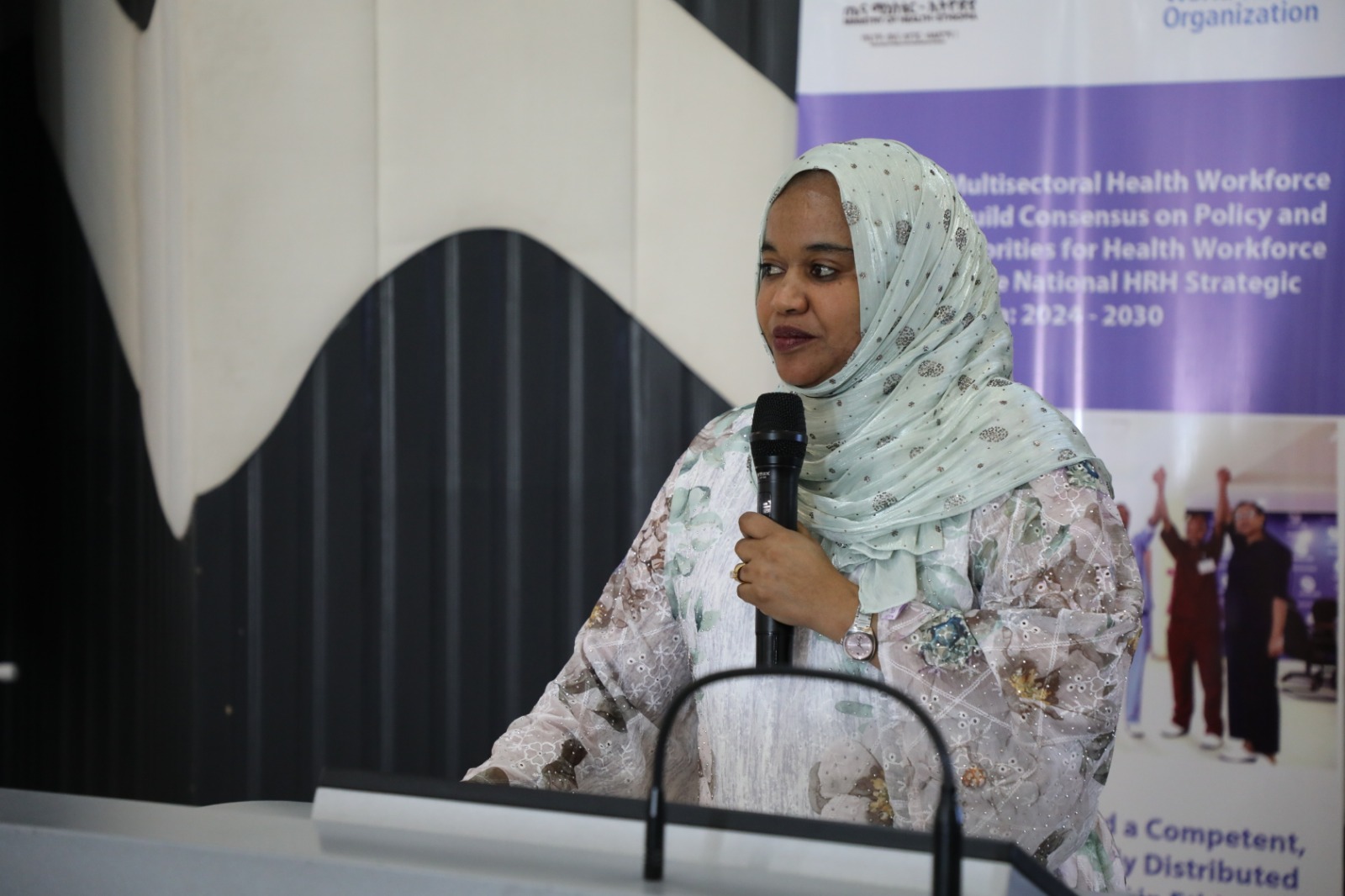
Addis Ababa, Ethiopia – 18 February 2026 – The Federal Ministry of Health, in collaboration with the Ministry of Education and with technical support from the World Health Organization (WHO), has launched a series of High‑Level Multisectoral Dialogues focused on aligning national priorities, investments, and policies for health workforce development. This work is supported by funding from the United Kingdom Department for Health and Social Care (DHSC).