Private sector support key in achieving Zero Malaria in Ghana

In 2019, out of the 229 million cases and 409 000 malaria deaths globally, 11 countries contributed to these statistics with 10 of these countries being in Africa including Ghana.
Second Training of Trainers on Infection Prevention and Control
WHO Rwanda launches the fourth Country Cooperation Strategy 2021-2024

Kigali, 28 May 2021 – The World Health Organization (WHO) Rwanda Country Office (RCO) launched the fourth WHO Country Cooperation Strategy (CCS). The strategy launched provides a roadmap for WHO support to the Government of Rwanda for the next four years (2021-2024).
WHO collaborates with Legislators to improve universal health coverage and health security.

Abuja May 28, 2021- Legislators from the National Assembly, State Houses of Assembly and the Federal Capital Territory (FCT) converged at the Transcorp Hilton Abuja from 23-25 May 2021 for the Fourth Legislative Health Summit.
Africa urgently needs 20 million second doses of COVID-19 vaccine

More Nigerians are embracing skin-to-skin care to reduce hypothermia in newborns

Abuja, May 26, 2020 - At Kwali General Hospital Abuja post-natal ward lies Abdul Shuaibu, a 34year old civil servant holding his newly born baby - his second child, on his chest. This is becoming a familiar sight at the hospital in recent times. He was observing the 60-minute skin to skin Kangaroo Mother Care (KMC) usually done by mothers.
Change Management Retreat- WHO Nigeria staff re-commit to excellence and results focus

Abuja, 25 May, 2021 - World Health Organization in Nigeria has concluded a retreat to improve the alignment of staff around the goal of becoming an agile organization that is engaged for transformation and cultural change.
The Government of Korea partners with WHO to support Maternal Health and Child Health Delivery in Busoga Sub-region, Eastern Uganda

Busoga sub-region in eastern Uganda typifies the social and economic challenges that poor countries are constantly grappling with. Situated in the eastern part of the country and comprising 11 districts with a population of 3,918,500 people, the sub-region is ranked third poorest in the country by the Uganda Bureau of statistics.
Rule of law is key to curbing non communicable diseases
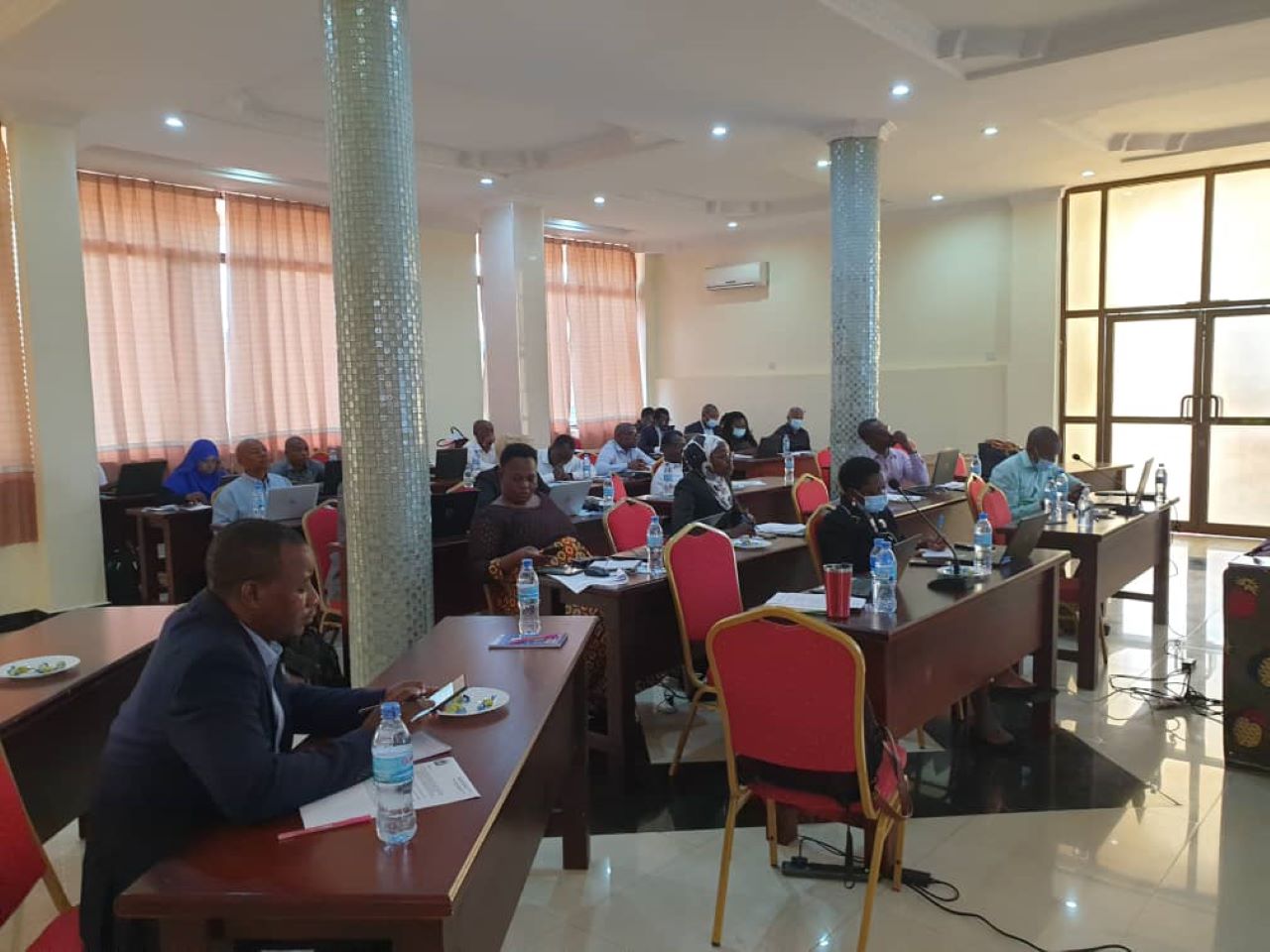
24-26 May 2021, Morogoro: Non-communicable diseases (NCDs) account for widespread illness and disability, and over 70 per cent of all deaths worldwide, killing 41 million people worldwide every year. Key risk factors include unhealthy diets and physical inactivity, increasing the risk of life-threatening conditions such as diabetes and heart disease to men, women, girls, and boys of all income levels. Overall, unhealthy diets pose a greater risk to morbidity and mortality than do unsafe sex, alcohol, drug, and tobacco use combined.
