Changing the narrative on suicide: an engagement with the media
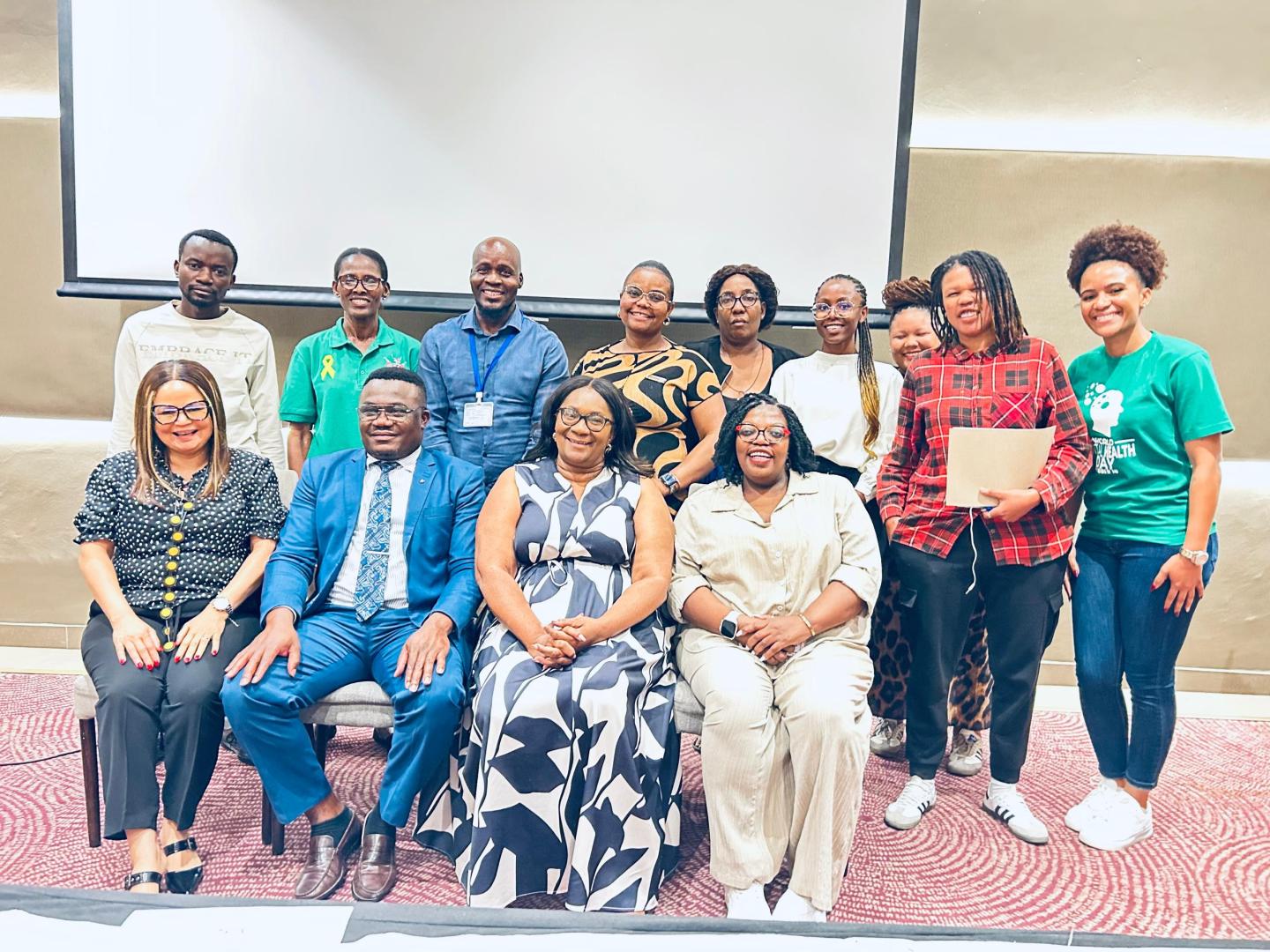
Windhoek—During an engagement with media houses on responsible reporting of suicide and suicide attempts, the Ministry of Health and Social Services reported that 1474 Namibians had lost their lives by suicide over the past three years.
Nigeria refines Polio Eradication Strategy as WHO strengthens support toward 2026 targets

Abuja, Nigeria’s efforts to interrupt circulating variant type 2 poliovirus (cVPV2) by 2026 gained renewed momentum as the World Health Organization (WHO) Polio Eradication Programme (PEP) held its annual strategic retreat. The two day meeting brought together WHO zonal and state coordinators to review progress, identify operational gaps, and refine strategies to better support government-led eradication efforts in the year ahead.
WHO and ECSA-HC strengthen regional health cooperation through Memorandum of Understanding

Brazzaville/Arusha—Today World Health Organization (WHO)’s Regional Office for Africa (AFRO) and the East, Central and Southern Africa Health Community (ECSA-HC) signed a Memorandum of Understanding (MoU) to strengthen collaboration in advancing health outcomes and resilient health systems across the East, Central and Southern African region.
Accelerating oral health reforms to attain universal health coverage in Tanzania
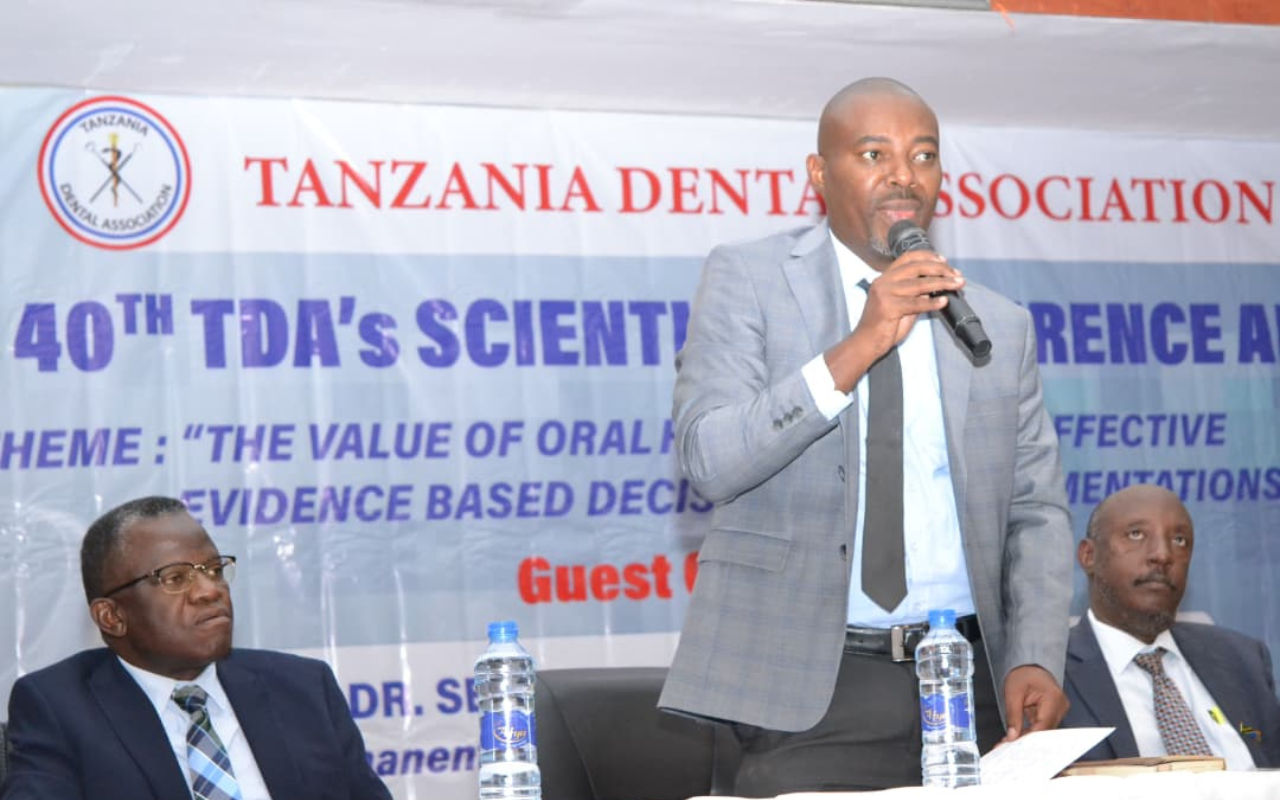
Dodoma—Oral health remains a global concern, affecting approximately 3.7 billion people. Tanzania, like many African countries, had long faced persistent challenges in this area. While the prevalence of certain conditions, such as dental caries, was comparatively lower than in neighboring countries, periodontal disease remains widespread, impacting an estimated 57.4% of children and 62.8% of adults. These high rates are often linked to limited access to dental care.
Ethiopia Launched National Strategy to Combat Substandard and Falsified Medical Products (2026–2030)
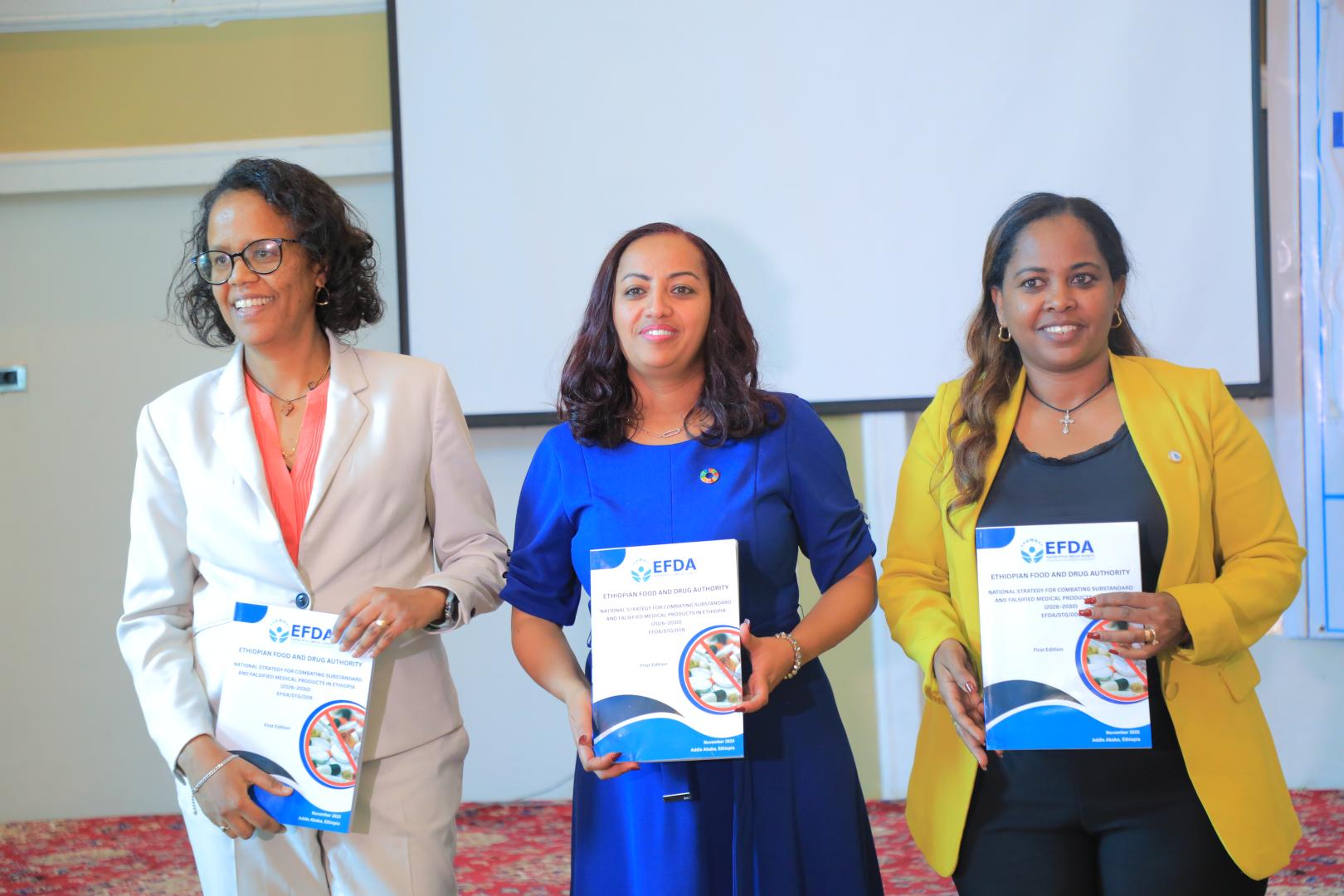
The Ethiopian Food and Drug Authority (EFDA) officially launched the National Strategy for Combating Substandard and Falsified (SF) Medical Products (2026–2030) at a high-level event attended by senior government officials and key stakeholders. H.E. Ms. Heran Gerba, EFDA Director General, delivered welcoming remarks, followed by an opening address from H.E. Dr. Mekdes Daba, Minister of Health. The event also featured H.E. Ms.
Tanzania strengthens emergency preparedness: Advancing the establishment of national Emergency Medical Teams
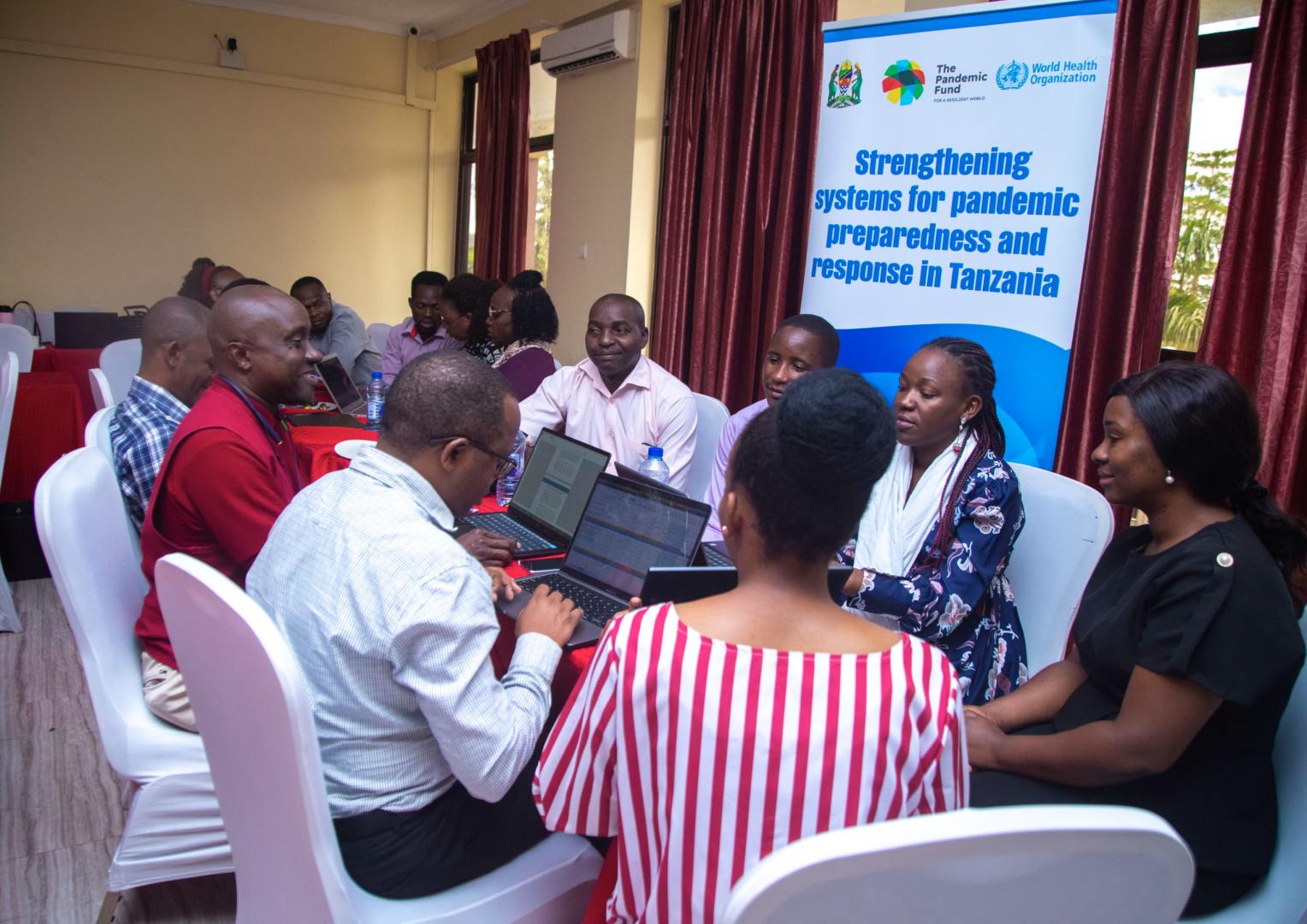
Dodoma—Tanzania has taken a major step toward strengthening its capacity to respond to public health emergencies and disasters through the successful completion of a three-day Emergency Medical Teams (EMT) Awareness Orientation Session. The high-level engagement brought together senior government officials, leaders, technical experts, and partners to advance the establishment of nationally coordinated EMTs in line with World Health Organization (WHO) standards.
Members states renew commitments on diphtheria response across Africa
Protecting children to promote learning in Angola: Results of the National School Deworming Campaign
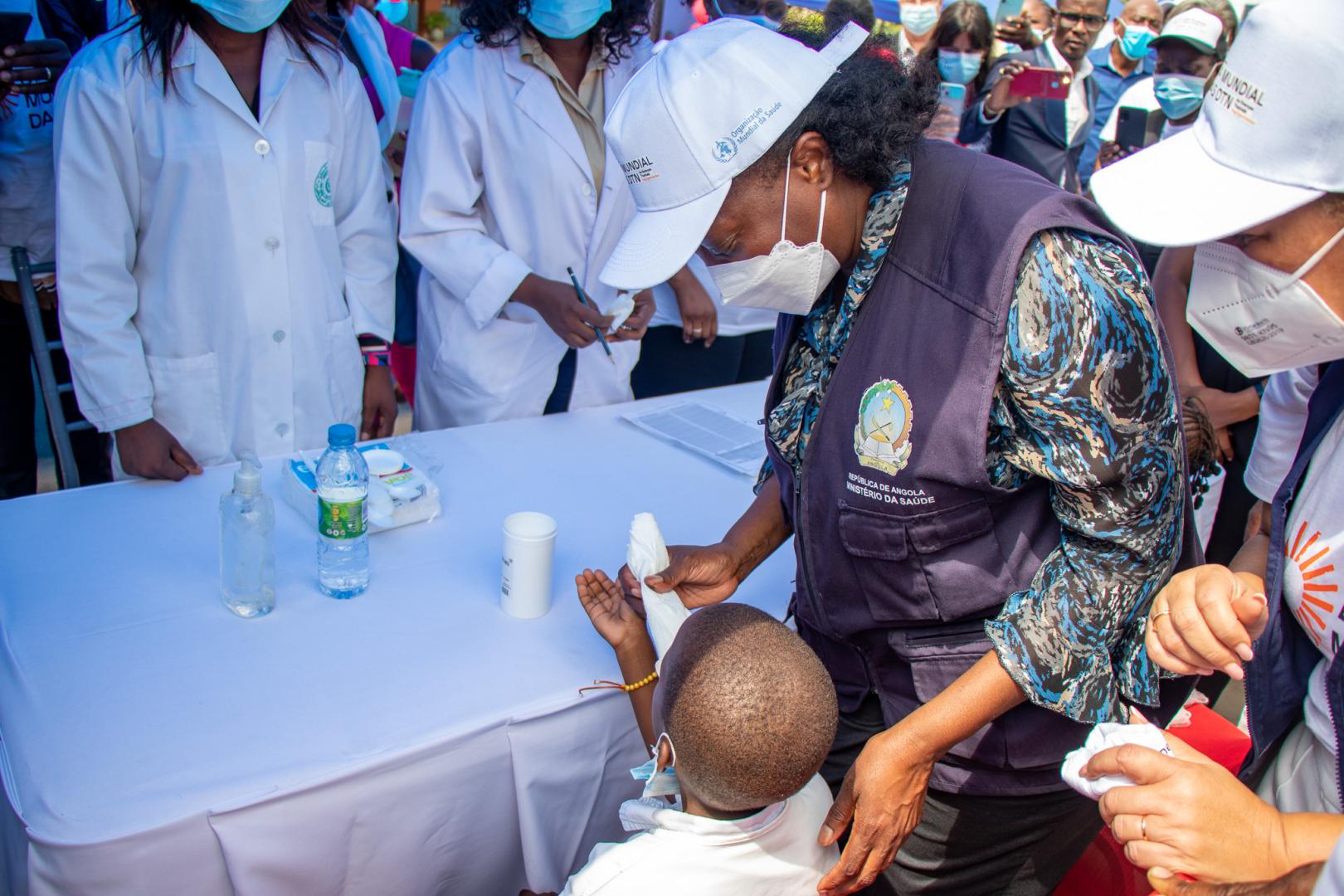
In Angola, schistosomiasis (SCH) and soil-transmitted helminthiasis (STH) remain significant public health challenges, affecting children's nutritional status, learning ability, and school performance, particularly in endemic regions.
WHO technical mission supports strategies for preventing and controlling antimicrobial resistance in Angola
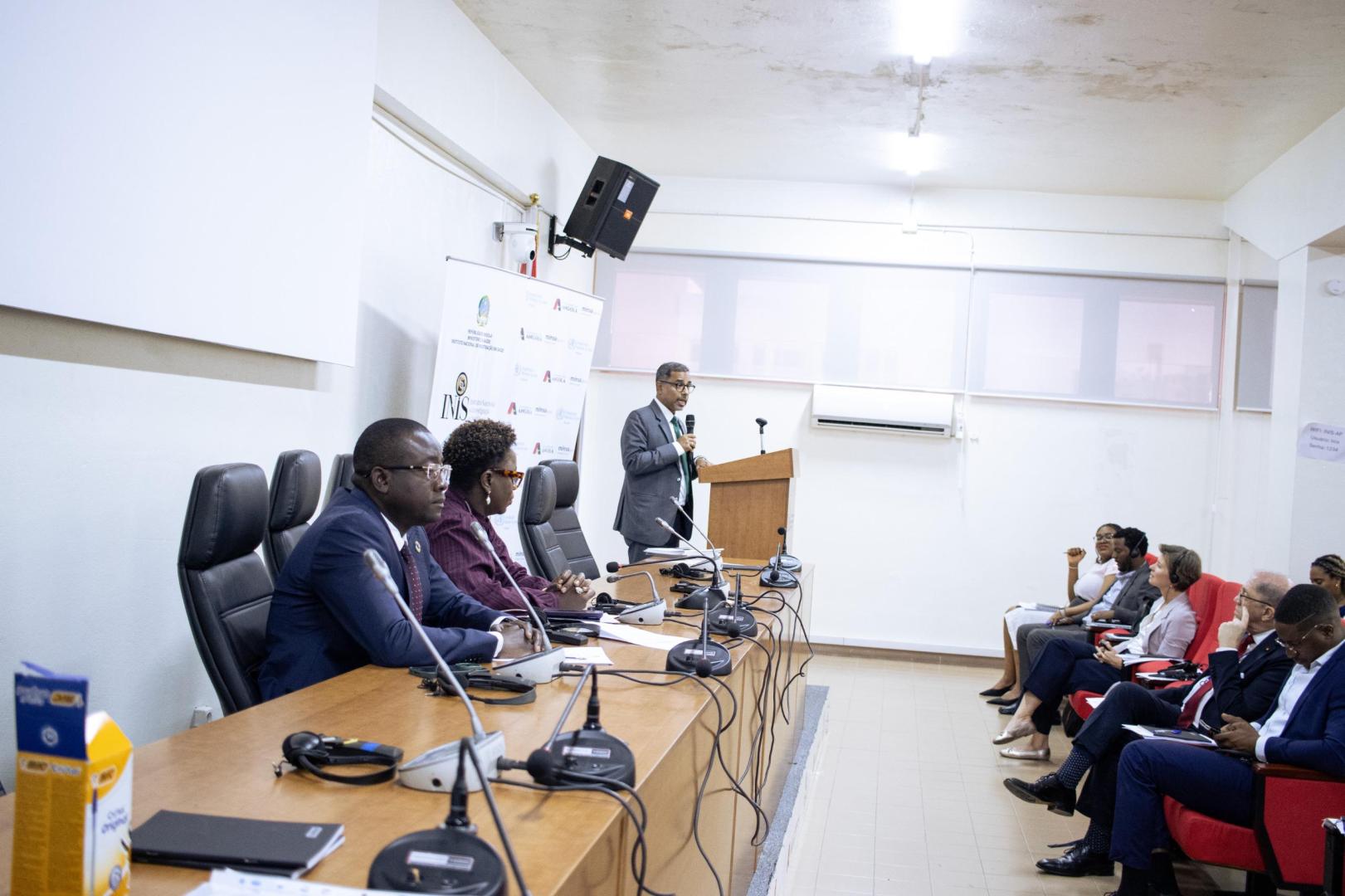
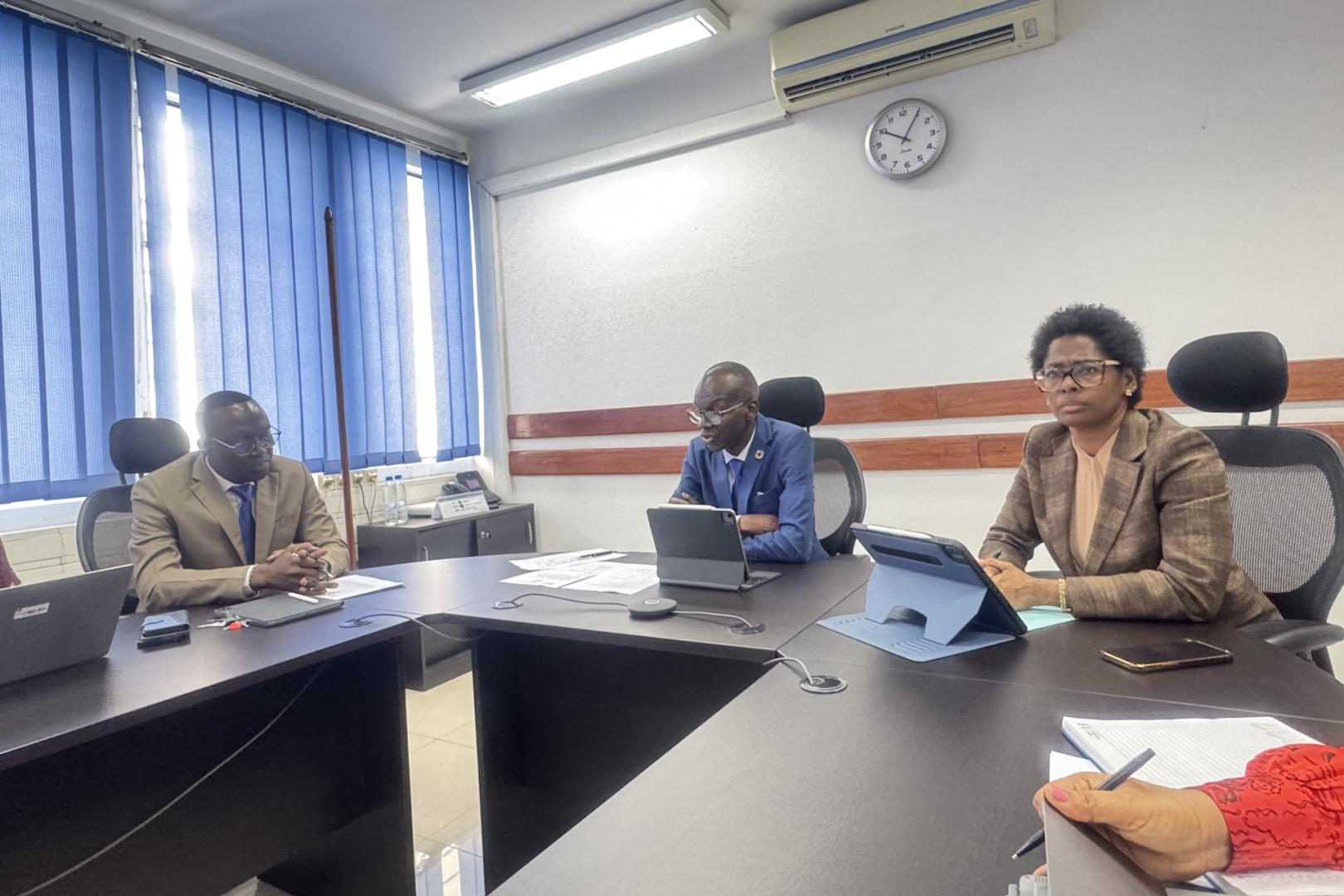
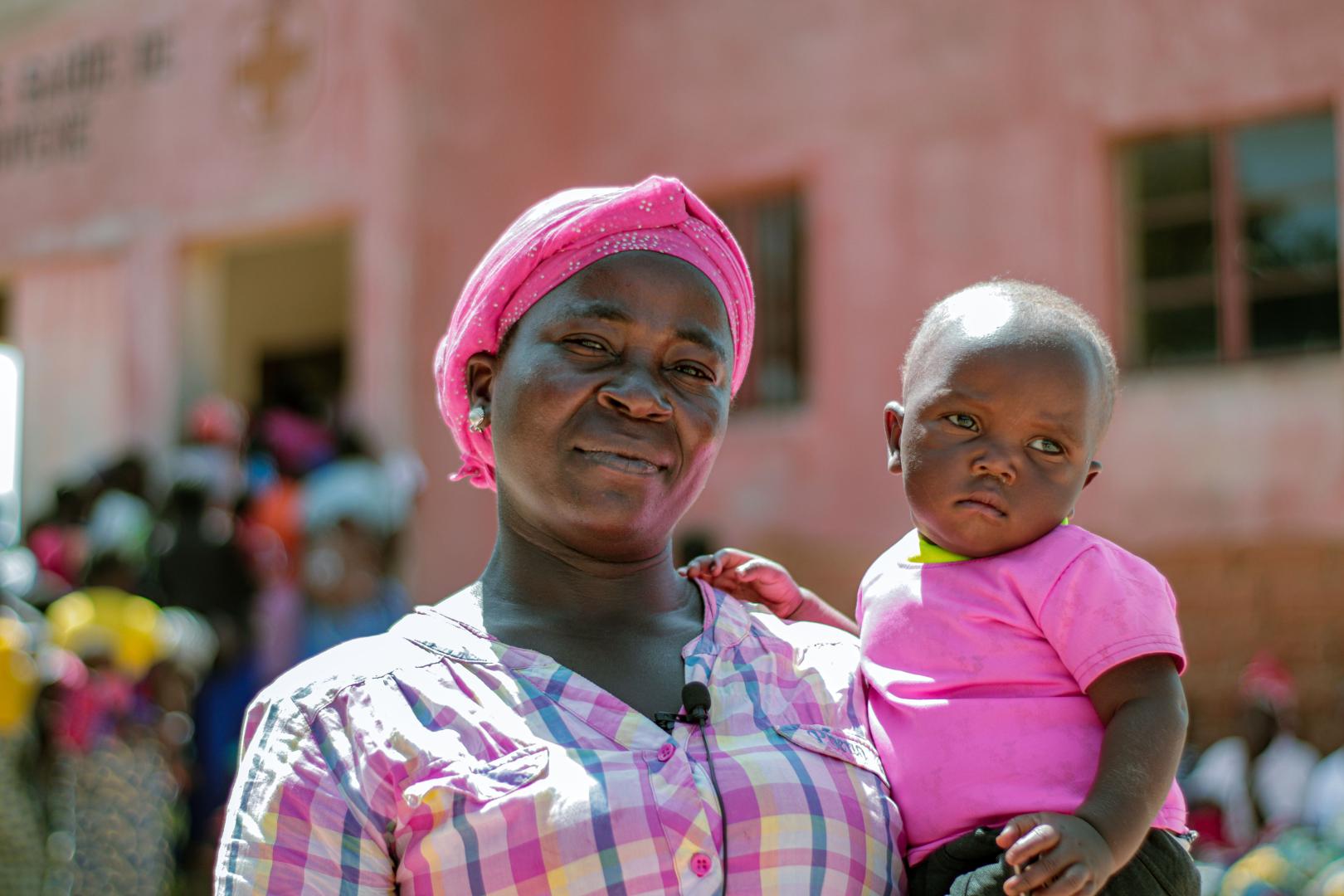
Angola strengthened the institutional capacity of the national response to antimicrobial resistance (AMR) through a joint technical mission organized by the Ministry of Health, with specialized support from the World Health Organization (WHO), involving experts from Headquarters, the Regional Office for Africa, and the WHO Office in Angola.