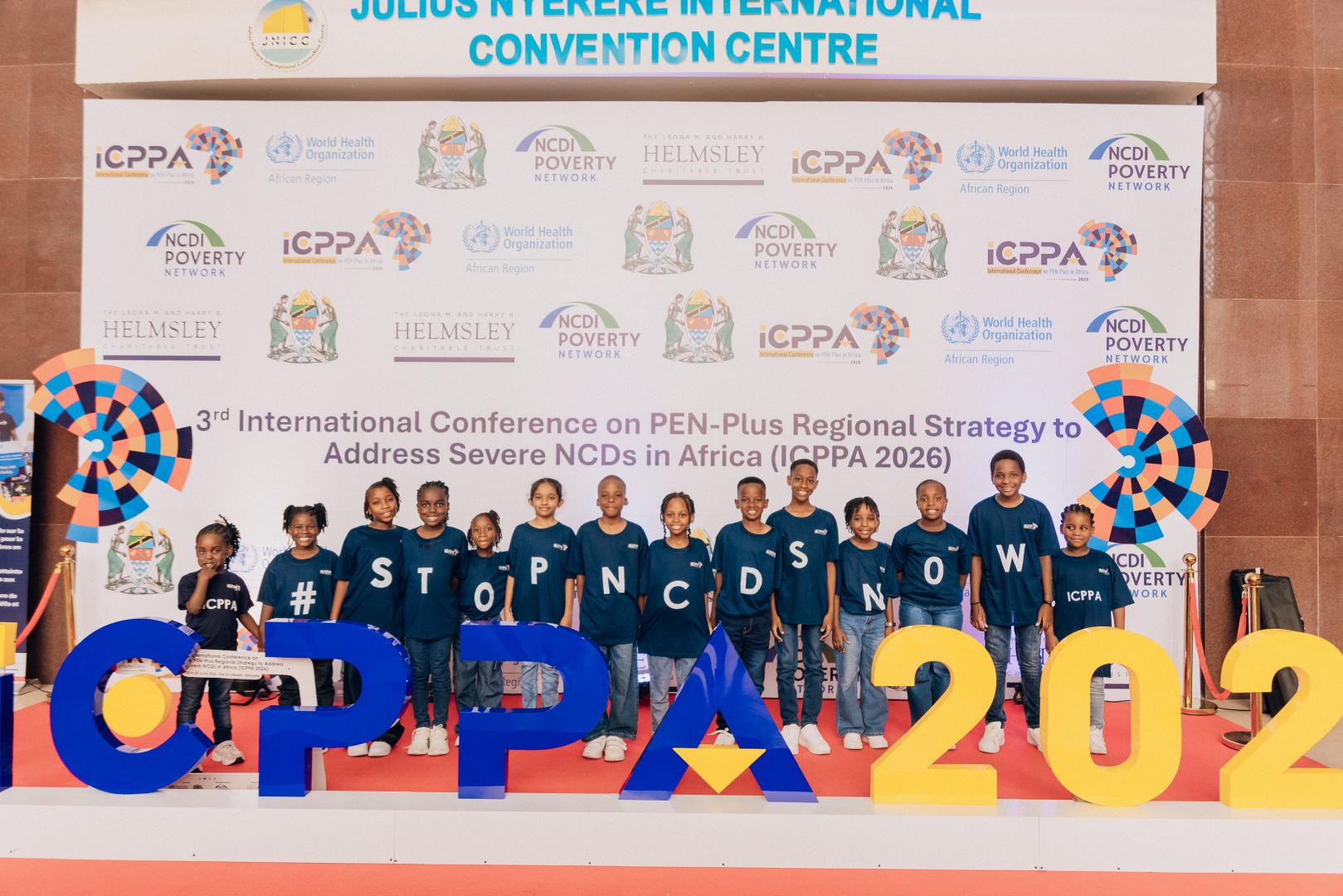
On the road to 2030: Health experts renew commitments to transform care for severe noncommunicable diseases in Africa
Huíla Launches Innovative Project to Strengthen Prevention and Early Diagnosis of Breast and Cervical Cancer
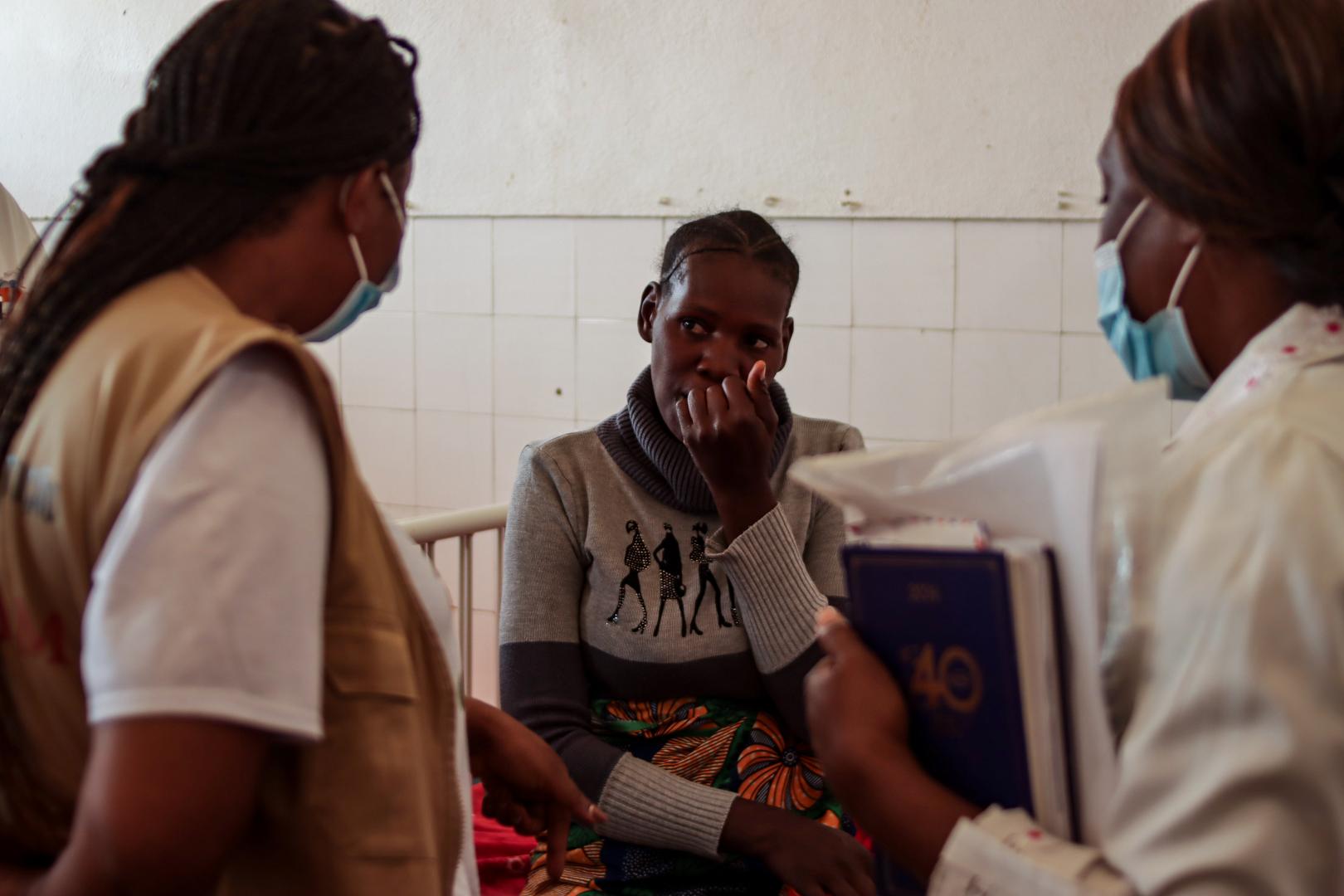
At a time when late diagnosis continues to jeopardize the survival of thousands of women, the province of Huíla is taking a decisive step by strengthening cancer prevention and early detection. The launch of the Breast and Cervical Cancer Prevention and Early Detection Project, funded by Roche and with technical support from the World Health Organization (WHO), marks a concrete shift in how these diseases are addressed, combining scientific knowledge, local capacity-building, and closer engagement with communities.
WHO convenes regional leaders to accelerate progress towards ending TB in Africa
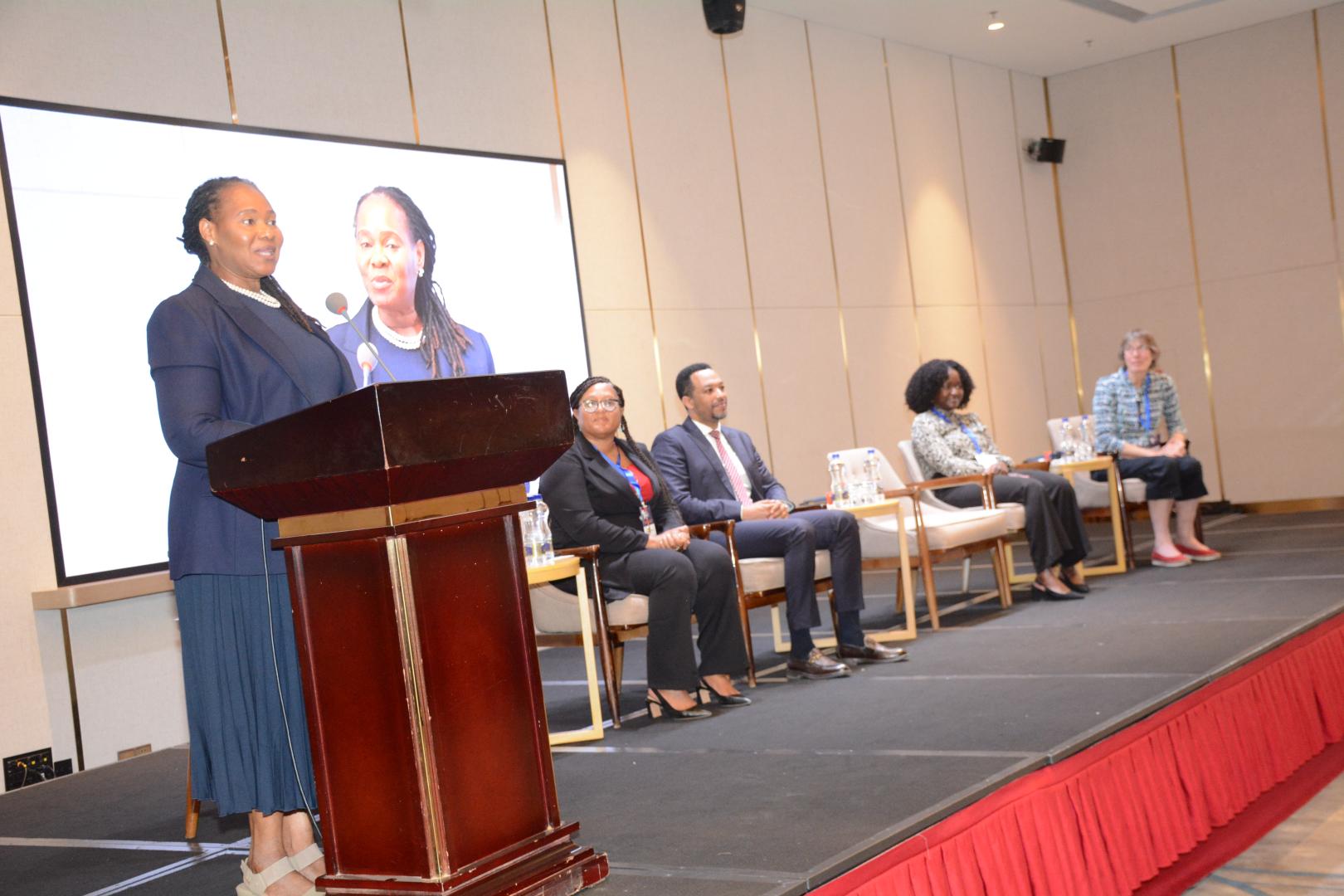
Botswana strengthens health workforce planning through WISN technical mission
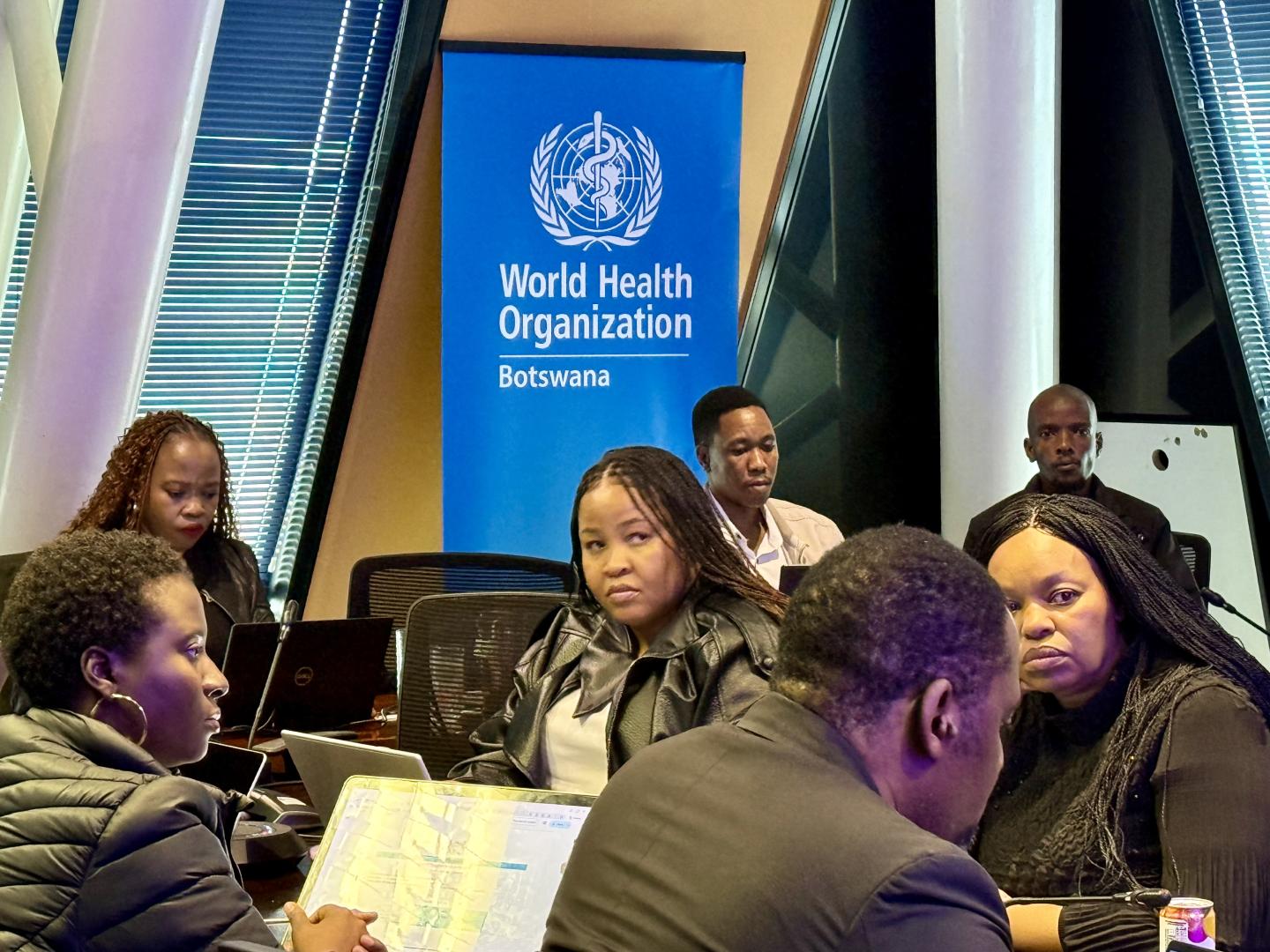
Botswana has taken an important step towards evidence-based health workforce planning through the successful implementation of a five-day Workload Indicators of Staffing Need (WISN) technical mission from 15-19 June 2026. Convened by the Ministry of Health, Department of Human Resources and Administration with technical support from the World Health Organization (WHO), the workshop brought together national, district, and facility-level stakeholders to improve the quality, analysis, and use of health workforce data.
For Every Generation, Vaccines Work
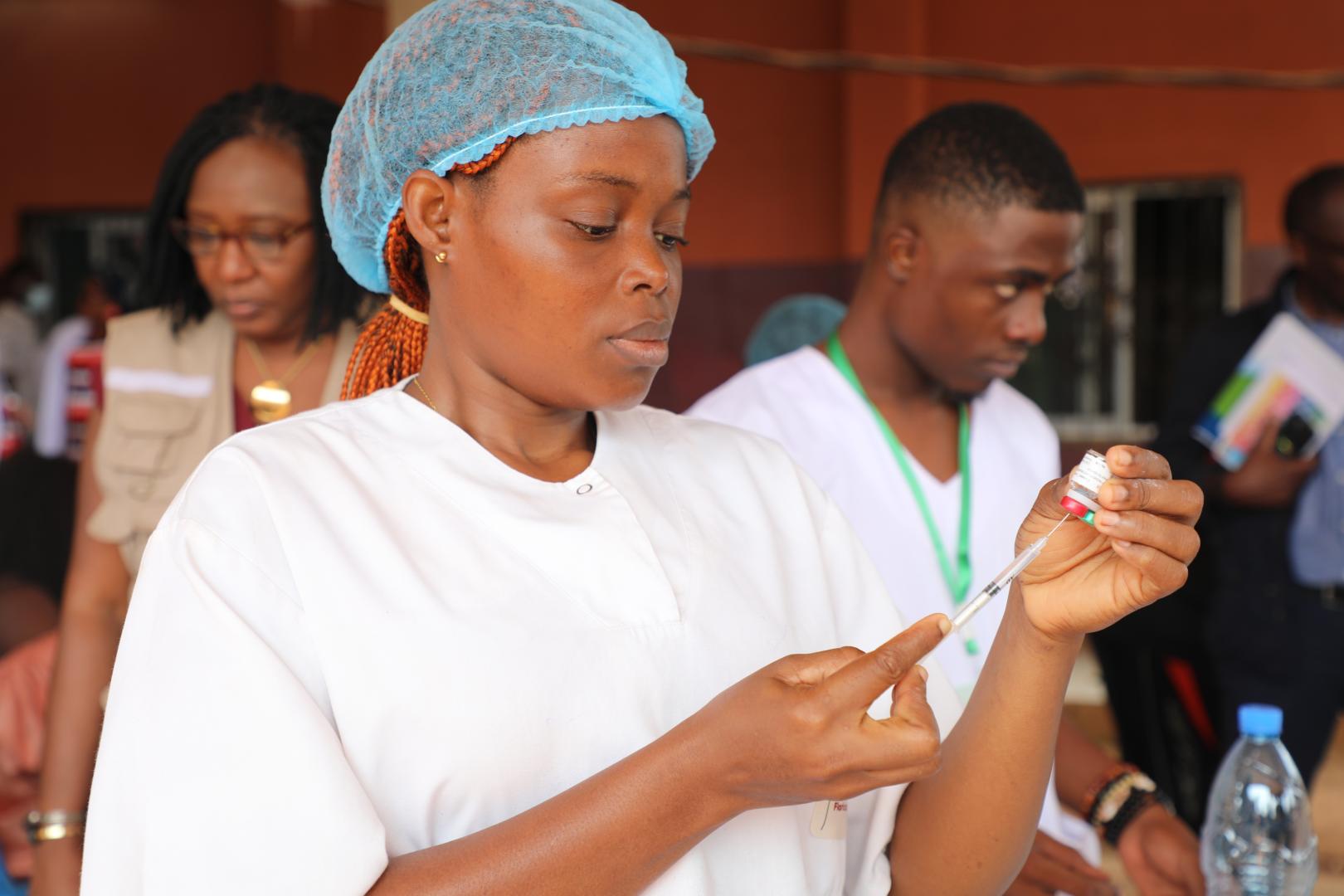
Brazzaville—Africa Vaccination Week 2026 concluded under the theme “For Every Generation, Vaccines Work,” The theme is more than a slogan; it is a reality that our continent has now proven in real time — and a reminder that immunization remains one of the surest foundations of Africa’s future. The lingering question is whether we will build systems strong enough to ensure that every child, in every community, benefits from them.
From Sewage Sample to Swift National Action: How Uganda Stopped a Silent Polio Threat
In May 2026, Uganda formally closed a polio outbreak that had been detected two years earlier, marking a major public health achievement and demonstrating the power of preparedness, coordination, and rapid response.
The story, however, began quietly.
Nationwide Polio campaign reinforces child health protection in Botswana
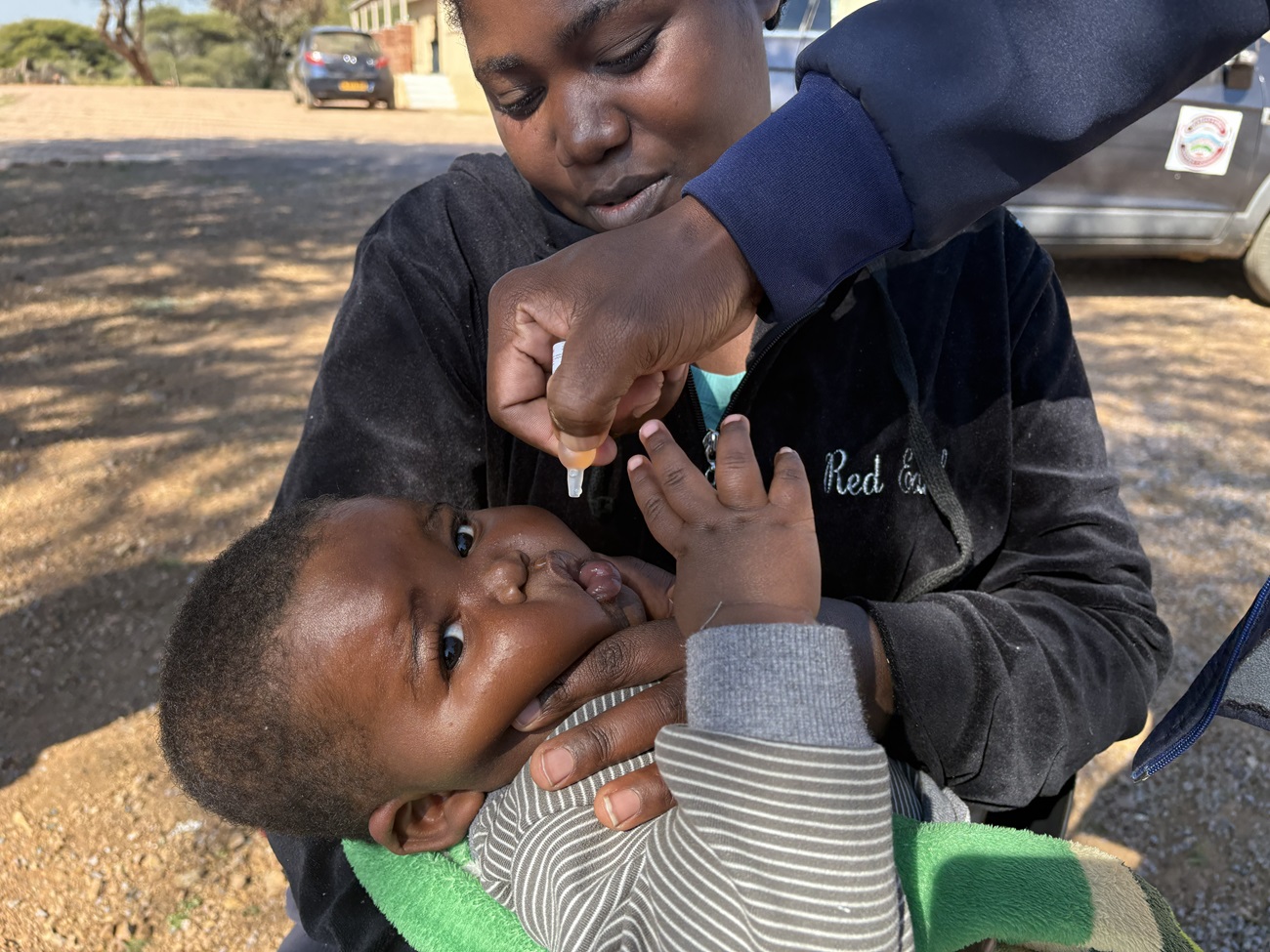
In response to the continued circulation of vaccine-derived poliovirus (cVDPV) in neighboring countries, Botswana implemented two rounds of Polio Supplementary Immunization Activities (SIAs) to strengthen population immunity and protect its polio-free status. The campaign was prompted by identified immunity gaps among children, sub-optimal surveillance indicators, declining routine immunization coverage in some districts, and the presence of zero-dose children who had not received any vaccinations.
WHO takes part in the University of Santiago’s Scientific Conference with a conference on technology and humanization in healthcare
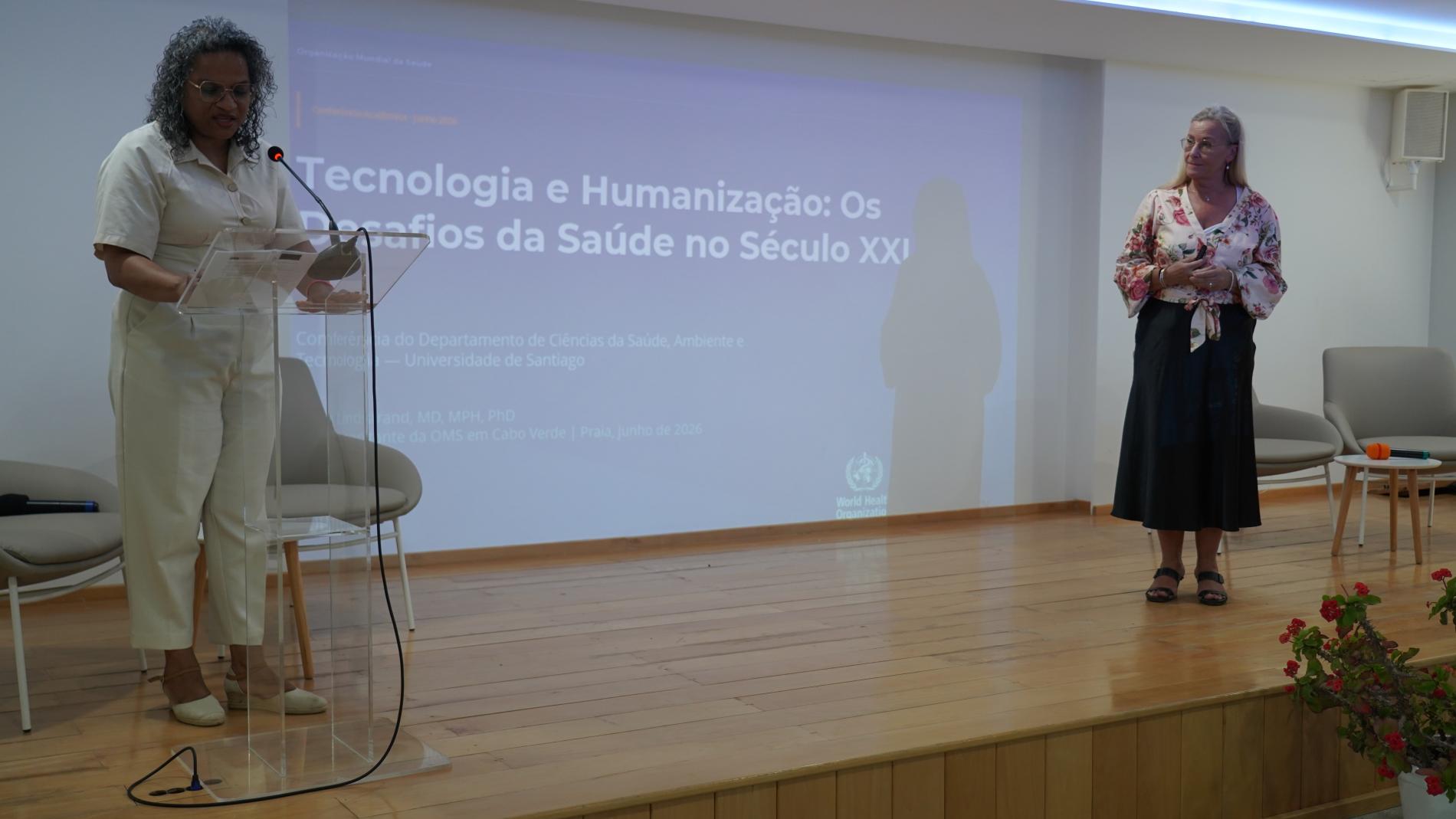
Praia, Cabo Verde. The World Health Organization (WHO) in Cabo Verde took part in the conference organized by the Department of Health Sciences, Environment and Technologies at the University of Santiago, which took place from 16 to 18 June in Praia and Assomada.
Providing Ebola protection among inmates in Democratic Republic of the Congo
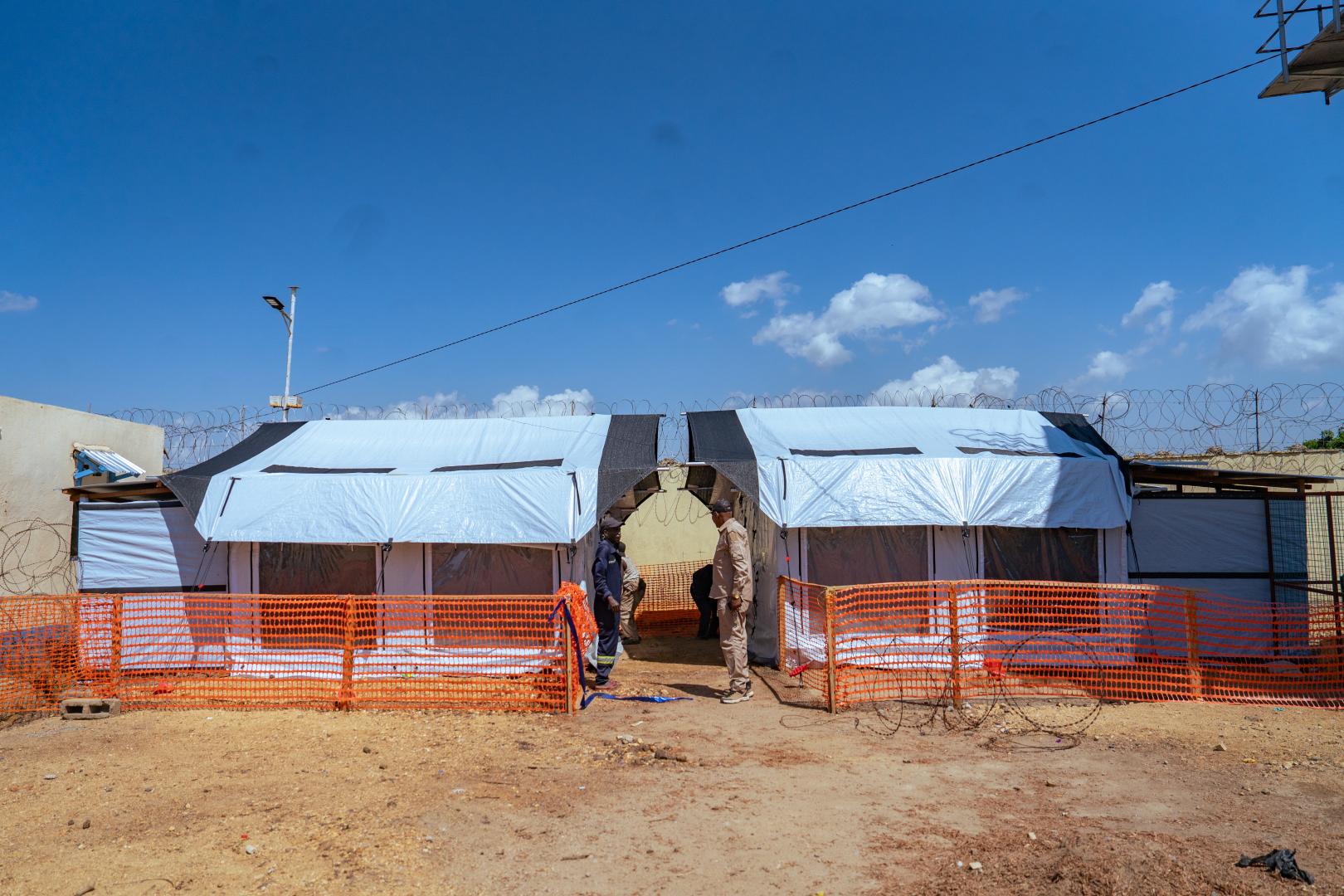
Bunia, Democratic Republic of the Congo—Behind the blue walls of Bunia Central Prison, where more than 2000 inmates live in close quarters, an Ebola isolation and care unit has been established to provide safe clinical care, protect the health of inmates and staff, and help prevent the spread of the virus as the health authorities in the Democratic Republic of the Congo work to end the ongoing Bundibugyo virus disease outbreak.
Regional Initiative in Dakar targets critical data quality gaps to strengthen polio eradication efforts across Africa
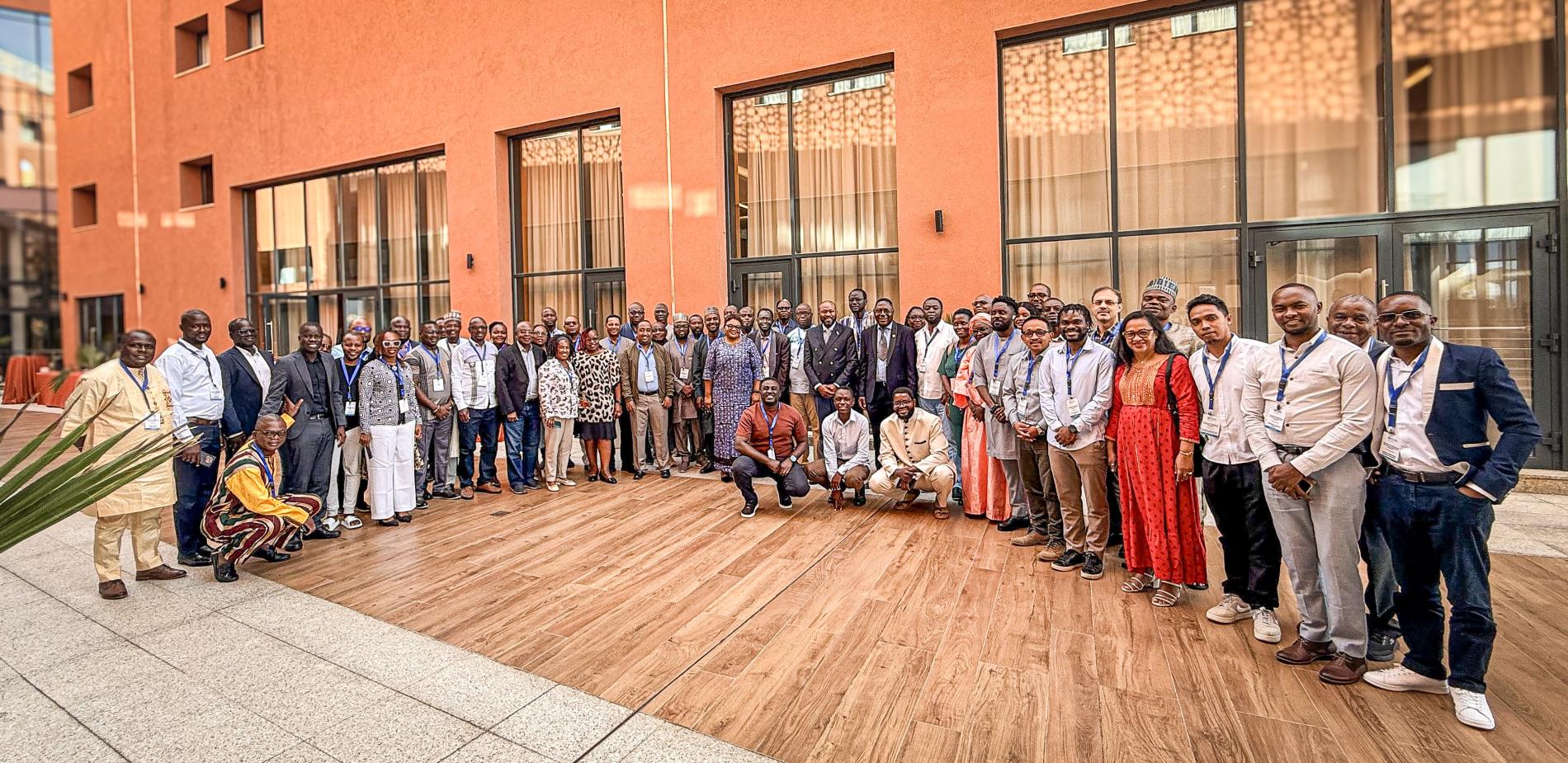
Dakar – More than 80 experts from 19 African countries work together in Dakar to improve the quality, consistency and use of polio surveillance and outbreak response data, a critical step toward strengthening disease detection, guiding vaccination campaigns and protecting children from polio across the region.
The effort takes place at the Polio Data Quality Assessment and Workstream Coordination Workshop, held from 8 to 19 June 2026 and organized by the Polio Eradication Programme (PEP) of the World Health Organization Regional Office for Africa (WHO AFRO).