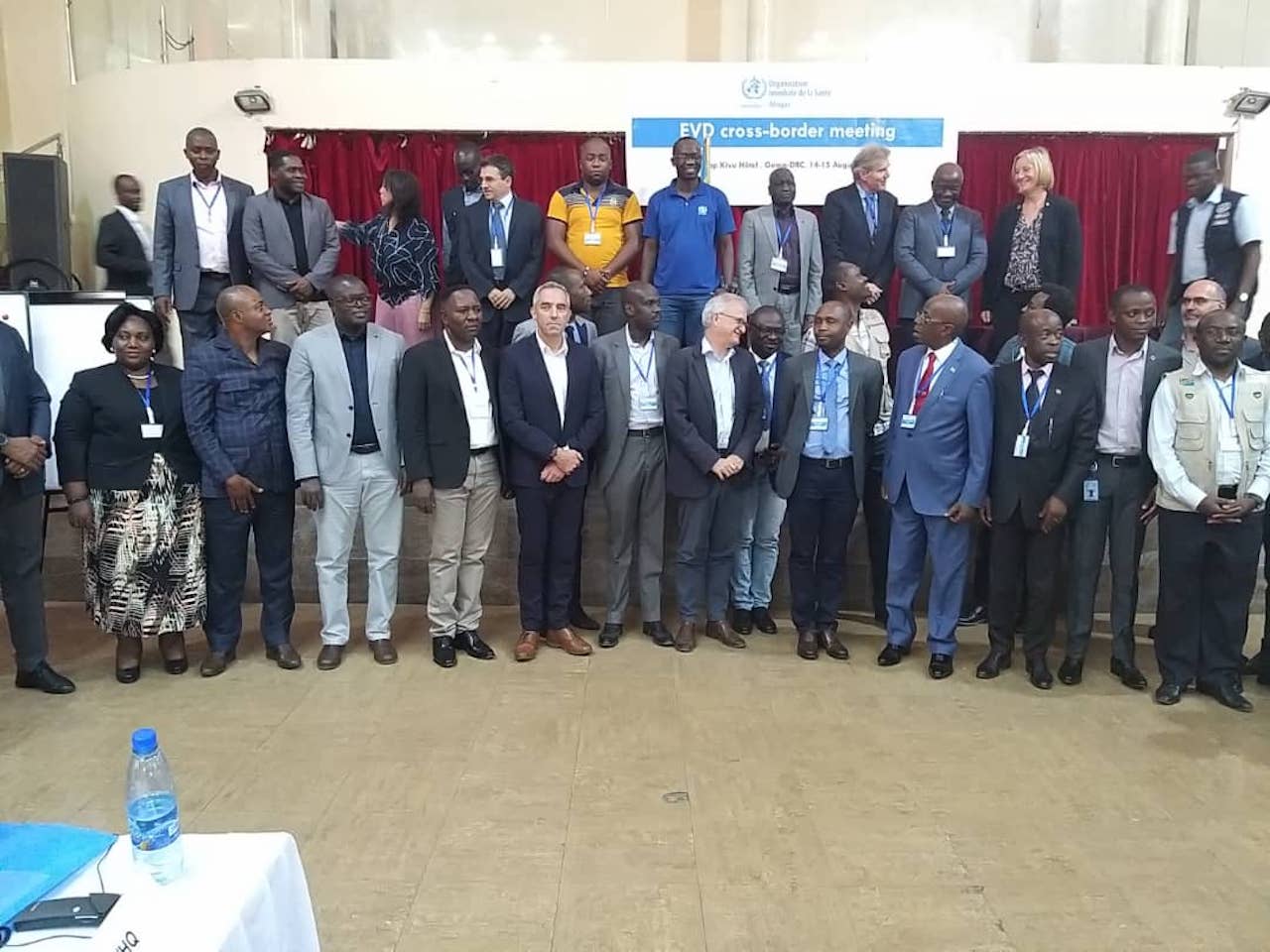
Neighbouring countries to the Democratic Republic of Congo join forces to halt potential Ebola transmission at their borders
Namibia continues to strengthen its emergency preparedness and response

WHO is in the process of supporting the Namibian government strengthen its capacity for assessing and analyzing health risks and to integrate the results in its emergency preparedness and response plans. A workshop held in May 2019 to map the country’s vulnerability to all hazards and how these risks will be managed from a multi-sectoral perspective is part of a process which started in 2016 with a Joint External Evaluation (JEE) of the International Health regulations in response to an invitation by the Namibian government.
WHO takes health care closer to internally displaced and conflict-affected population in South Sudan’s Tambura State

“I was called to help a pregnant woman in the IDP camp”, says Dr Tony Tombe, a doctor with the WHO mobile medical team. “When I reached the camp, a woman was heavily pregnant and visibly in pain and labour. There was no other skilled person around to attend to her delivery. I rushed her to the nearby Zamoi primary health care unit where we proceeded to safely deliver the baby girl.
Zamoi primary health care unit had been nonfunctional for a long time, upon our arrival with medicines we were able to re-open the facility where she received life-saving care.
New WHO scorecard shows poor progress of the viral hepatitis response in the African region
Confirmation of case of Ebola virus disease in Uganda

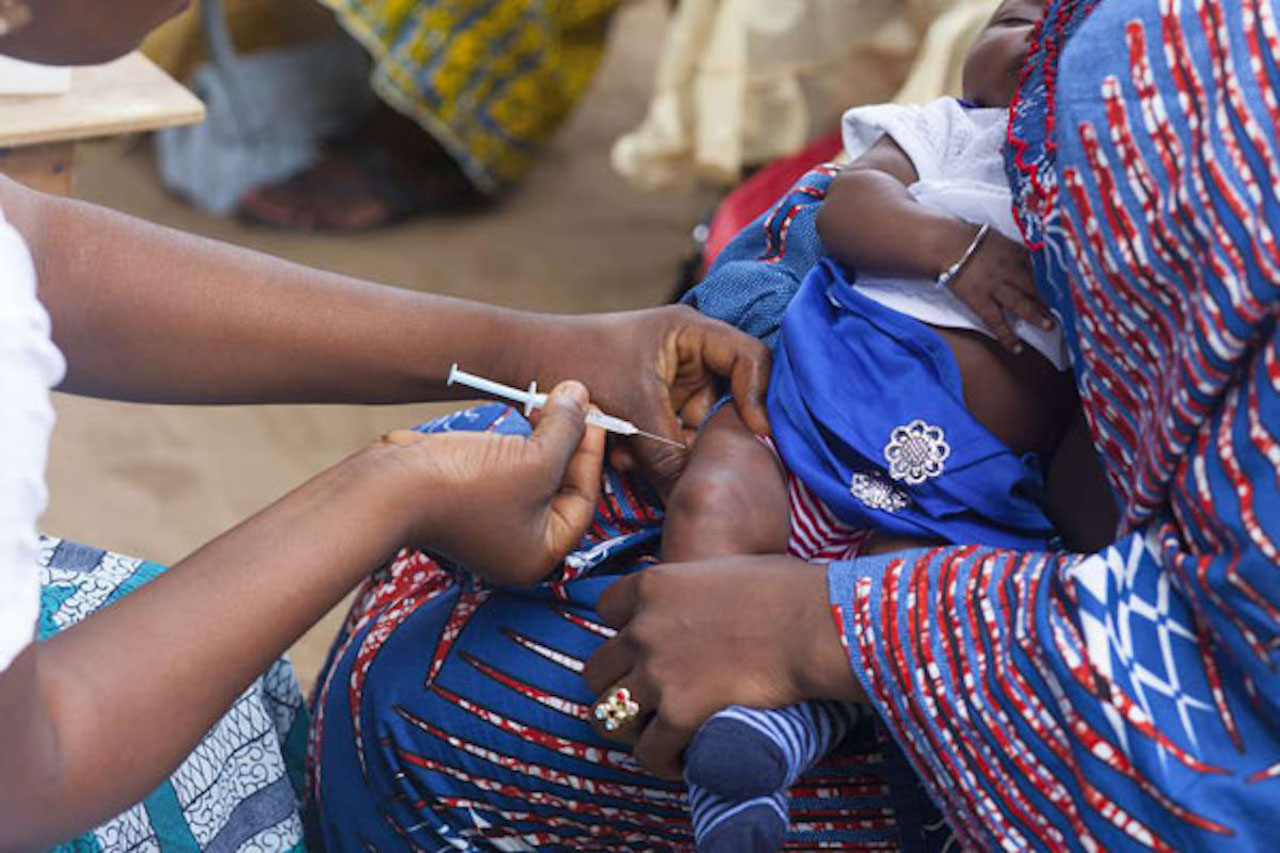
Kampala, 11 June 2019 - The Ministry of Health and the World Health Organization (WHO) have confirmed a case of Ebola virus disease in Uganda. Although there have been numerous previous alerts, this is the first confirmed case in Uganda during the Ebola outbreak ongoing in the neighbouring Democratic Republic of the Congo (DRC).
Cameroonian scientist champions African-led research for Africa
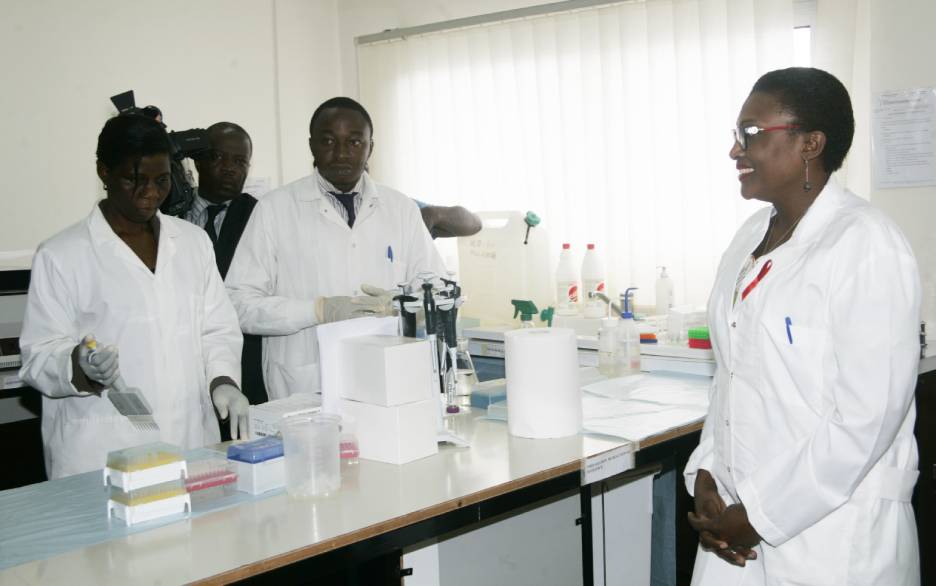
Algeria and Argentina certified malaria-free by WHO
Health for all Namibians

Namibia joined the rest of the world in commemorating the World Health Day under the theme ‘universal health coverage: everyone, everywhere’. The protracted Hepatitis E outbreak was the central theme in the speakers’ messages reiterating the urgency to provide water and sanitation services to the urban poor especially those living in informal settlements.
World TB Day 2019

Global leaders met in September last year to set a roadmap for accelerated action to end TB in line with the sustainable development goals. This year’s World TB Day theme ‘It’s time’ – puts the accent on the urgency to act on the commitments made by global leaders to: scale up access to prevention and treatment; build accountability; ensure sufficient and sustainable financing including for research; promote an end to stigma and discrimination, and promote an equitable, rights-based and people-centered TB response. Despite being declared a major p
Namibians run for Health

The World Health Organization (WHO) in Namibia in collaboration with the Windhoek City Runners Club (WCRC) hosted the first ‘Walk/Run for Health’ event on Saturday, 27 April at Daan Viljoen police checkpoint. The event was held to celebrate World Health Day, which took place earlier this month, as well as the 71st Anniversary of WHO.