
Strategies to reverse tobacco usage in Africa in the spotlight

PEN-Plus Meeting in Kigali – The management and treatment of non-communicable diseases at primary levels strengthened

The management and treatment of non-communicable diseases at primary levels will be in the spotlight from 29 July 2019 to 1 August 2019 when the WHO Regional Office for Africa (WHO/AFRO) and the Ministry of Health Rwanda will be holding a Regional Consultation in Kigali.
Ethiopia joins global efforts to end cholera by 2030

23 July 2019: Addis Ababa – The responsibility to eliminate cholera in Ethiopia – a country where almost a third of the population has sub-standard water supplies – lies with stakeholders at all levels, from ministries to partners and non-governmental organizations.
This was the message to delegates at a recent high level briefing with sectoral ministries, regional health bureaus, partners and donors on a multi-sectoral approach to eliminating cholera from Ethiopia by 2030.

WHO and the Africa Centres for Disease Control and Prevention call on countries in the region to work together on the Ebola response

Cabo Verde sets the bar for ending mother-to-child transmission of viral hepatitis
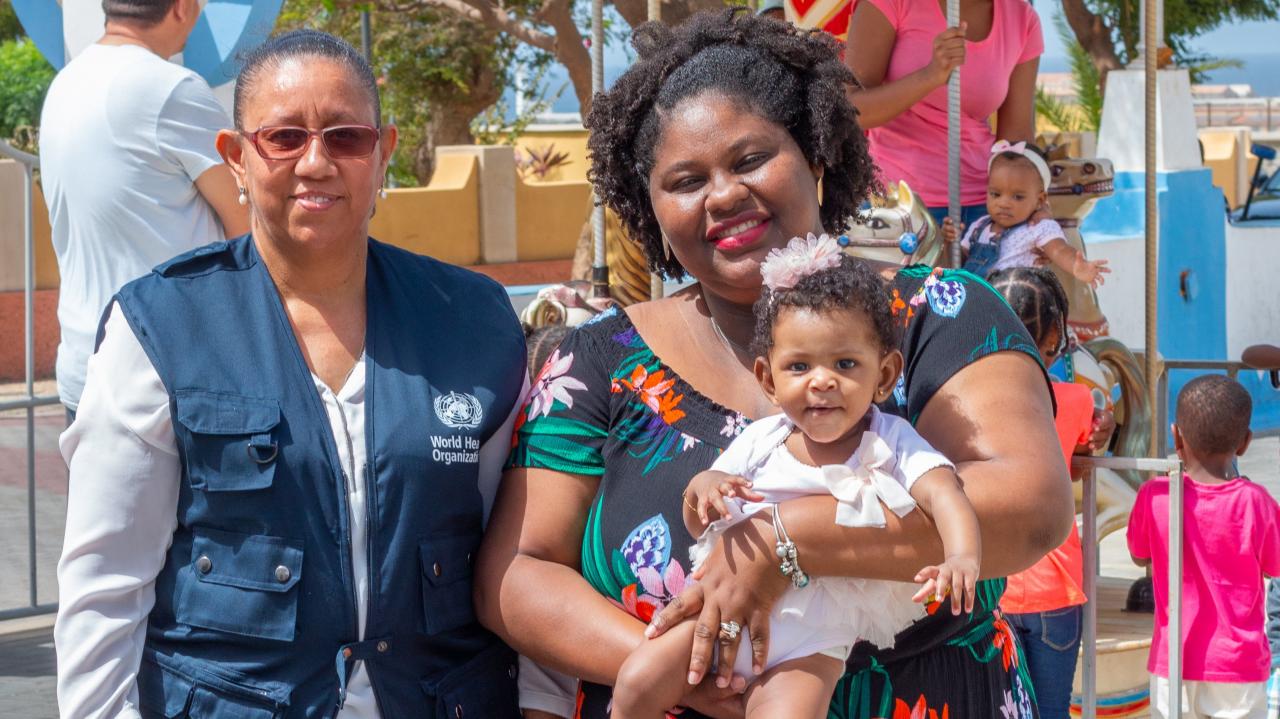
“Vaccinating is protecting who you love the most. Everyone should do it,” implores Orisa Brito, a mother of three children living in Praia, the capital of Cabo Verde. Her youngest child, Lila, is a healthy 5-month-old who received a dose of hepatitis B vaccine within hours of her birth and is due for another dose in a month.
Ethiopia joins global efforts to end cholera by 2030
23 July 2019: Addis Ababa – The responsibility to eliminate cholera in Ethiopia – a country where almost a third of the population has sub-standard water supplies – lies with stakeholders at all levels, from ministries to partners and non-governmental organizations.
This was the message to delegates at a recent high level briefing with sectoral ministries, regional health bureaus, partners and donors on a multi-sectoral approach to eliminating cholera from Ethiopia by 2030.
The Executive Secretary of SADC hosts the WHO Representative as he bids farewell
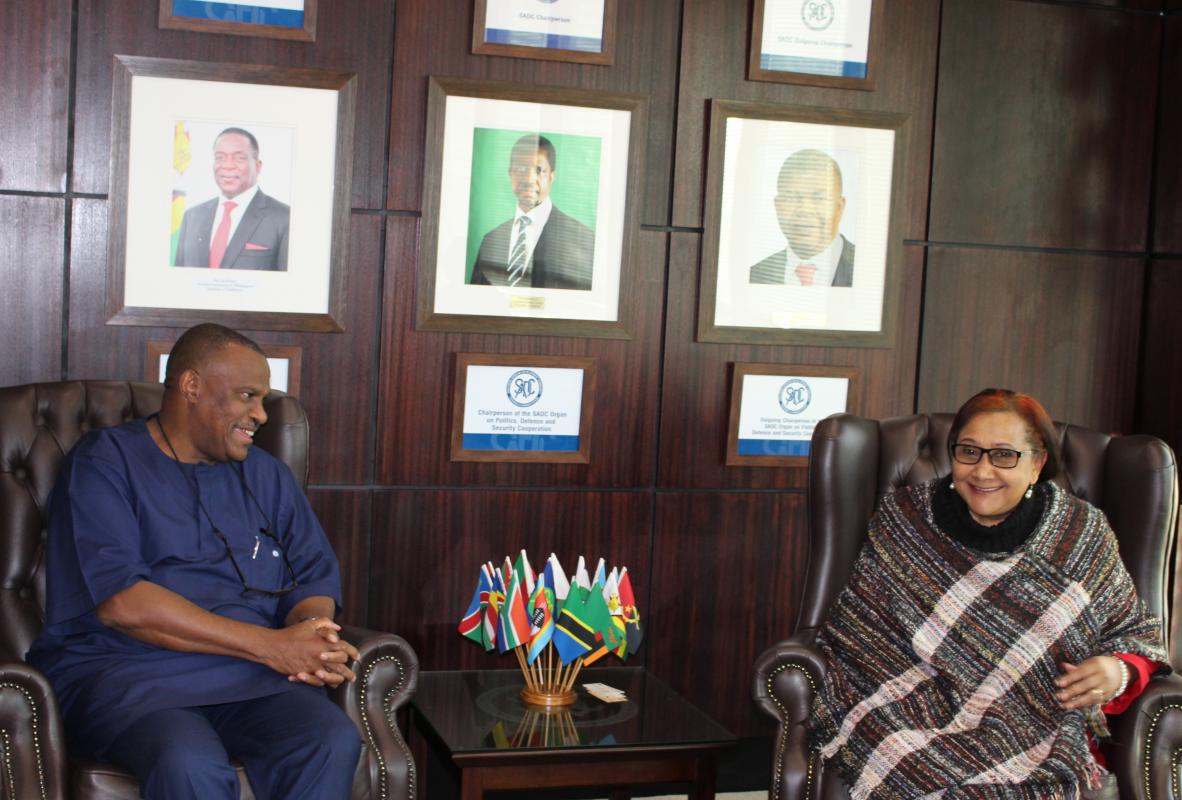
Gaborone, Botswana - 26 July 2019: Dr Stergomena Lawrence Tax, The Executive Secretary of the Southern Africa Development Community (SADC), this morning, hosted Dr Martins Ovberedjo, the WHO Representative to Botswana (WR), who was bidding her farewell as he completes his tour-of-duty in Botswana. Dr Ovberedjo has served in Botswana since January 2016 and he is leaving on re-assignment to Eritrea.
WHO’s Data Tool improves Ebola Surveillance, Contact Tracing and Decision Making in Uganda

Kasese, 26th July 2019: - The recently introduced Go.Data, a software tool for outbreak investigation and contact tracing has revolutionized data collection, collation and analysis which are critical in disease outbreaks situations.
For instance in the recent Ebola Virus Disease (EVD) outbreak in Kasese district, western Uganda, the tool enabled frontline health workers and District Health Teams (DHTs) to handle information management for contact follow-up and reporting in real-time.
Countries strategize their plan on Integrated Community Case Management (iCCM) to end preventable child death
