Advancing Health Equity for people with disabilities in Tanzania
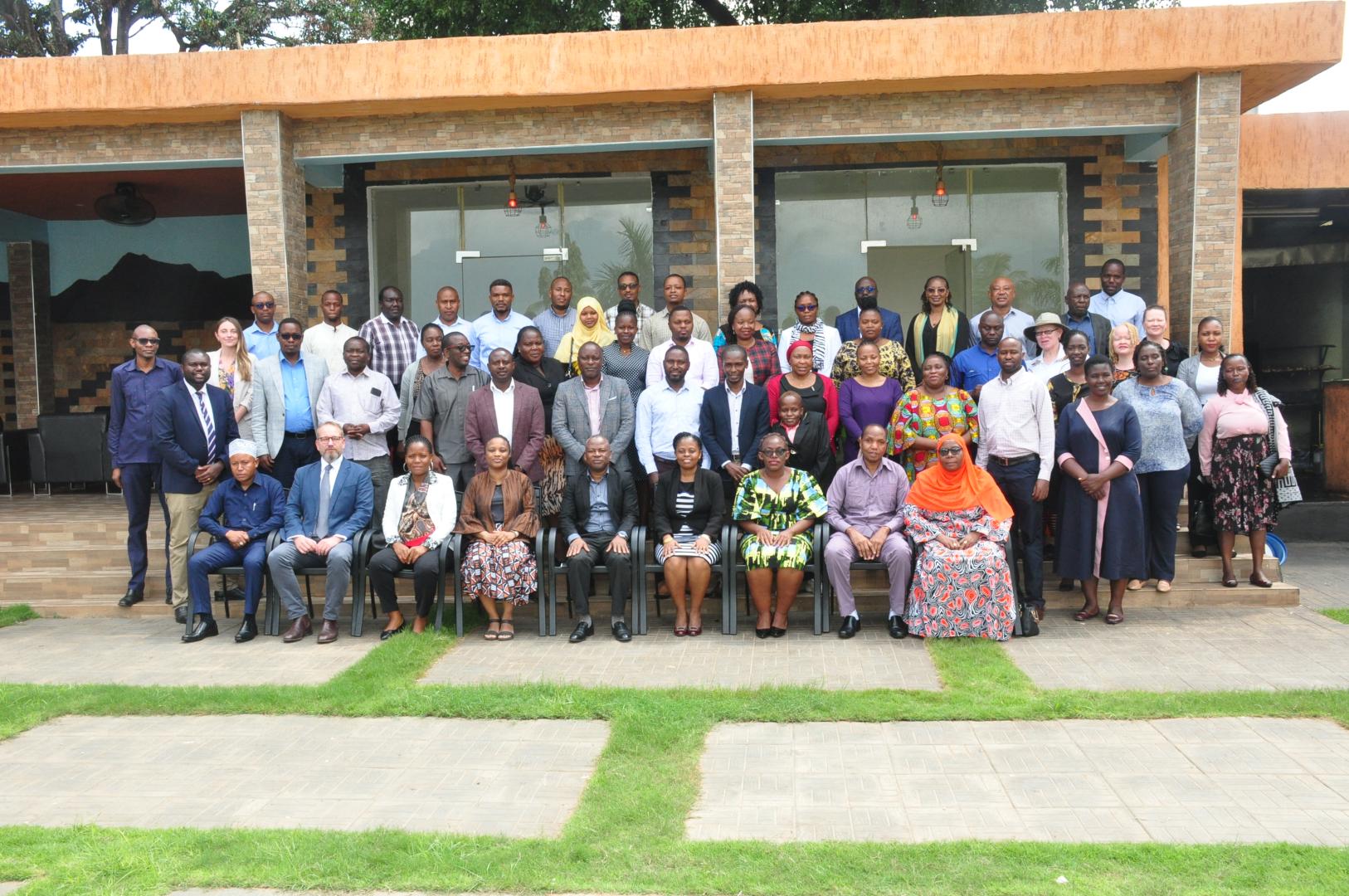
Dar es Salaam—Tanzania’s health system is strengthening its ability to routinely identify and respond to the health needs of persons with disabilities through the use of disability-disaggregated data, an important step towards more equitable, inclusive and accountable Universal Health Coverage (UHC).
Act now: Protect our present, secure our future
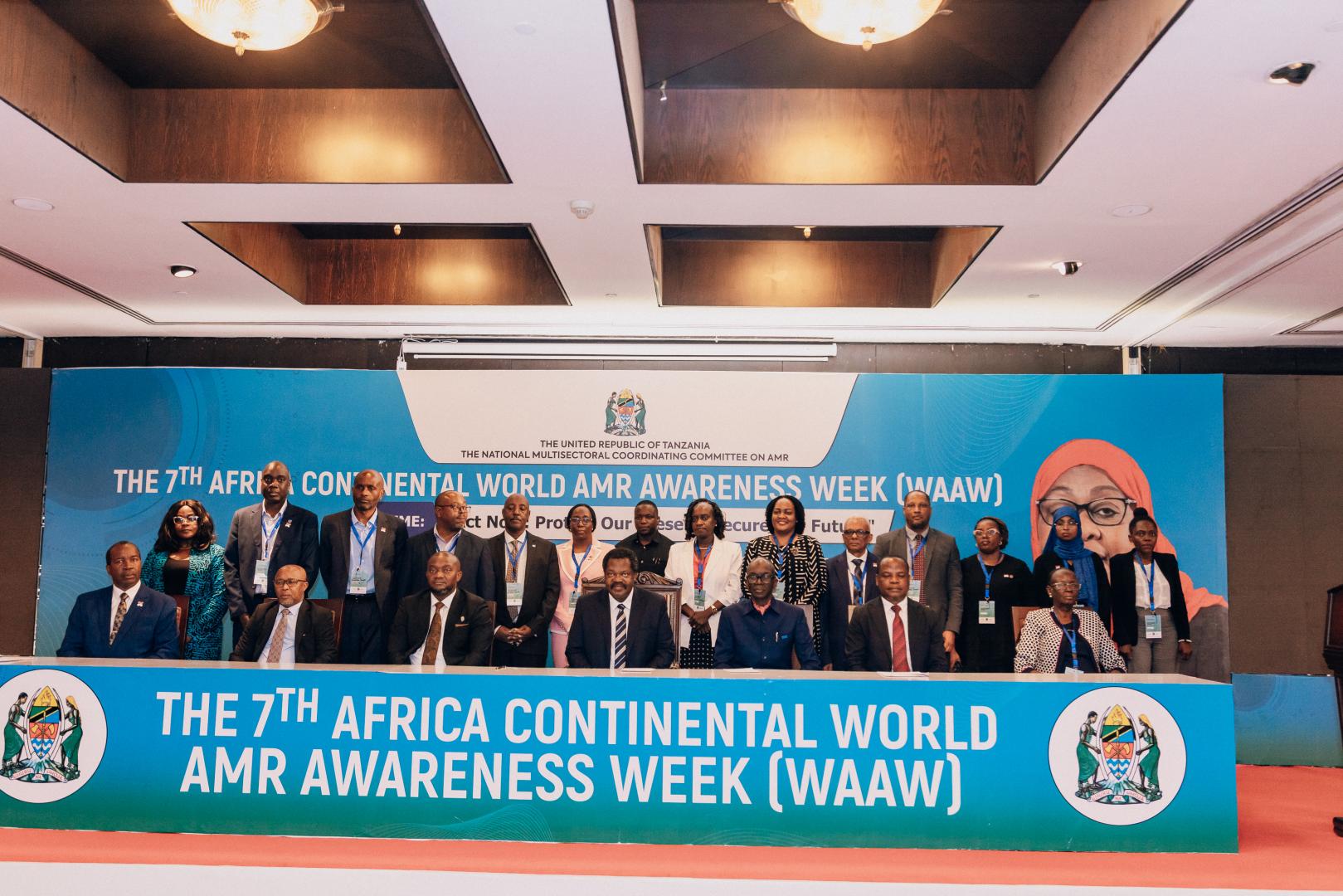
Congo hosts Africa’s first simulation exercise on antimicrobial resistance surveillance

Brazzaville—Health officials from the Republic of the Congo and World Health Organization (WHO) experts today conducted a simulation exercise on antimicrobial resistance (AMR), making the country the first in the region to host such an activity to provide practical, hands-on experience on assessing how well countries can detect, report and respond to drug-resistant infections.
Malawi, Mozambique, Zambia and Zimbabwe Chart $18.6M Climate-Resilient WASH Plan to Protect Health and Water Security
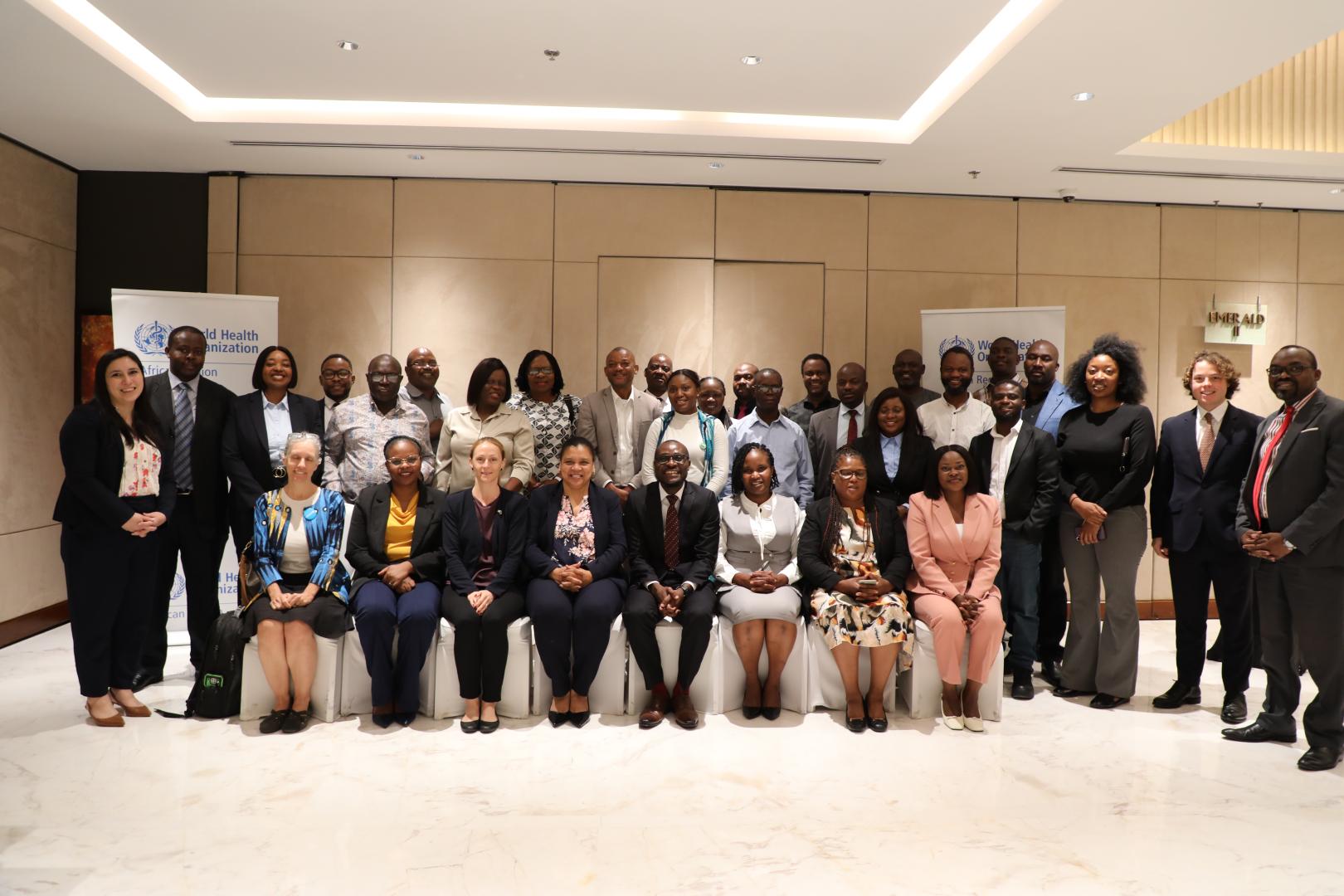
WHO convenes proposal writing workshop to advance climate-resilient WASH solutions for countries
Lusaka, Zambia - As floods, droughts, and rising temperatures threaten water security, energy, and public health across Southern Africa, governments and partners are taking bold steps to protect vulnerable communities through climate-resilient Water, Sanitation, and Hygiene (WASH) systems.
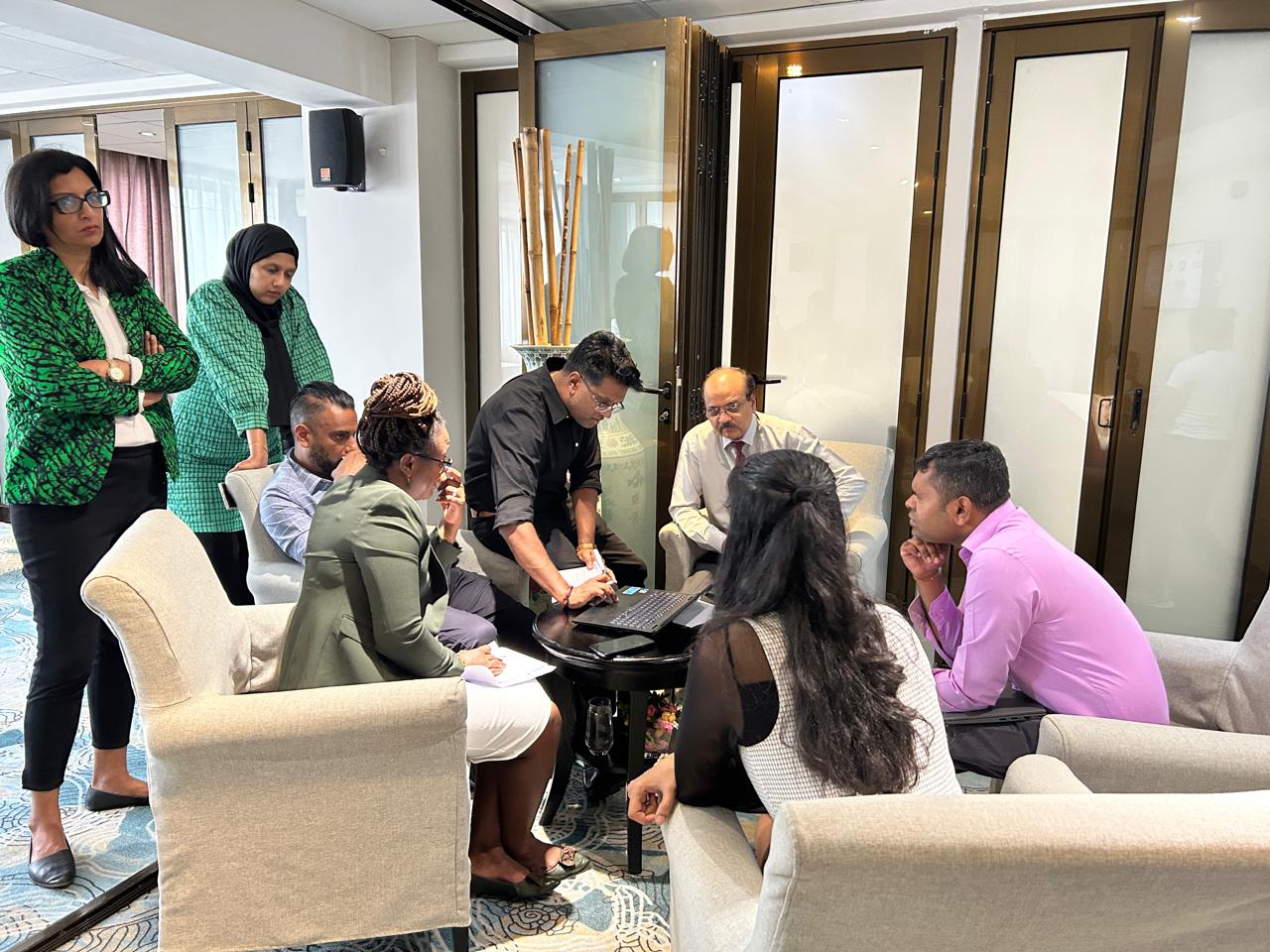
WHO supports Mauritius in strengthening its National Health Security
WHO hands over two ambulances and oxygen equipment to strengthen emergency referrals in The Gambia
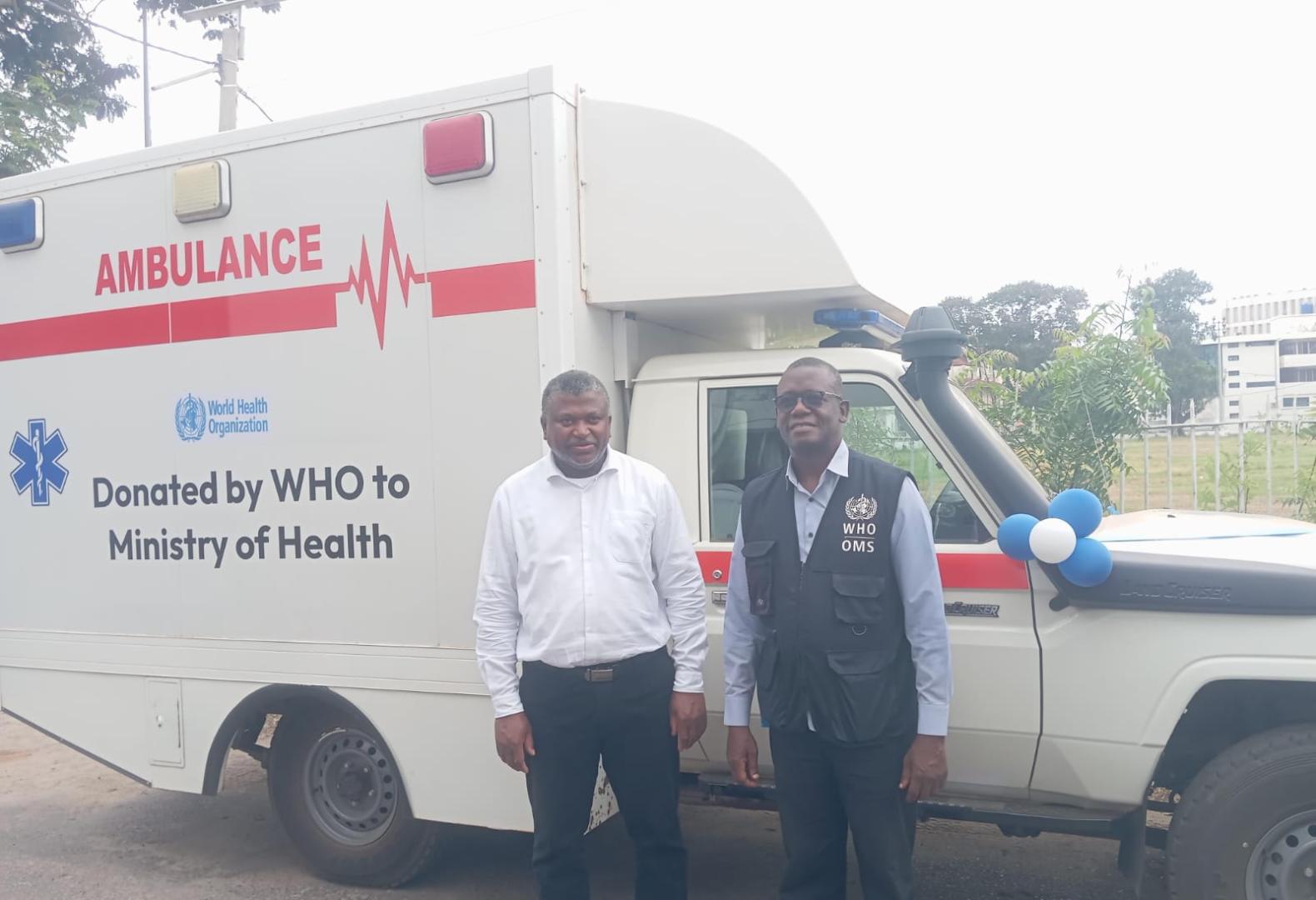
Banjul — The World Health Organization (WHO) has handed over two fully-equipped ambulances and oxygen concentrators to the Ministry of Health (MoH), boosting The Gambia’s capacity to provide timely emergency referrals and lifesaving care.
The donation, valued at approximately USD 200,000 (about GMD 15 million), was presented during a ceremony attended by the Honourable Minister of Health, Dr Ahmadou Lamin Samateh; the WHO Representative, Dr Nathan Bakyaita; senior MoH officials; and frontline health workers.
The support includes:
Polio response programme bolsters Ebola outbreak control
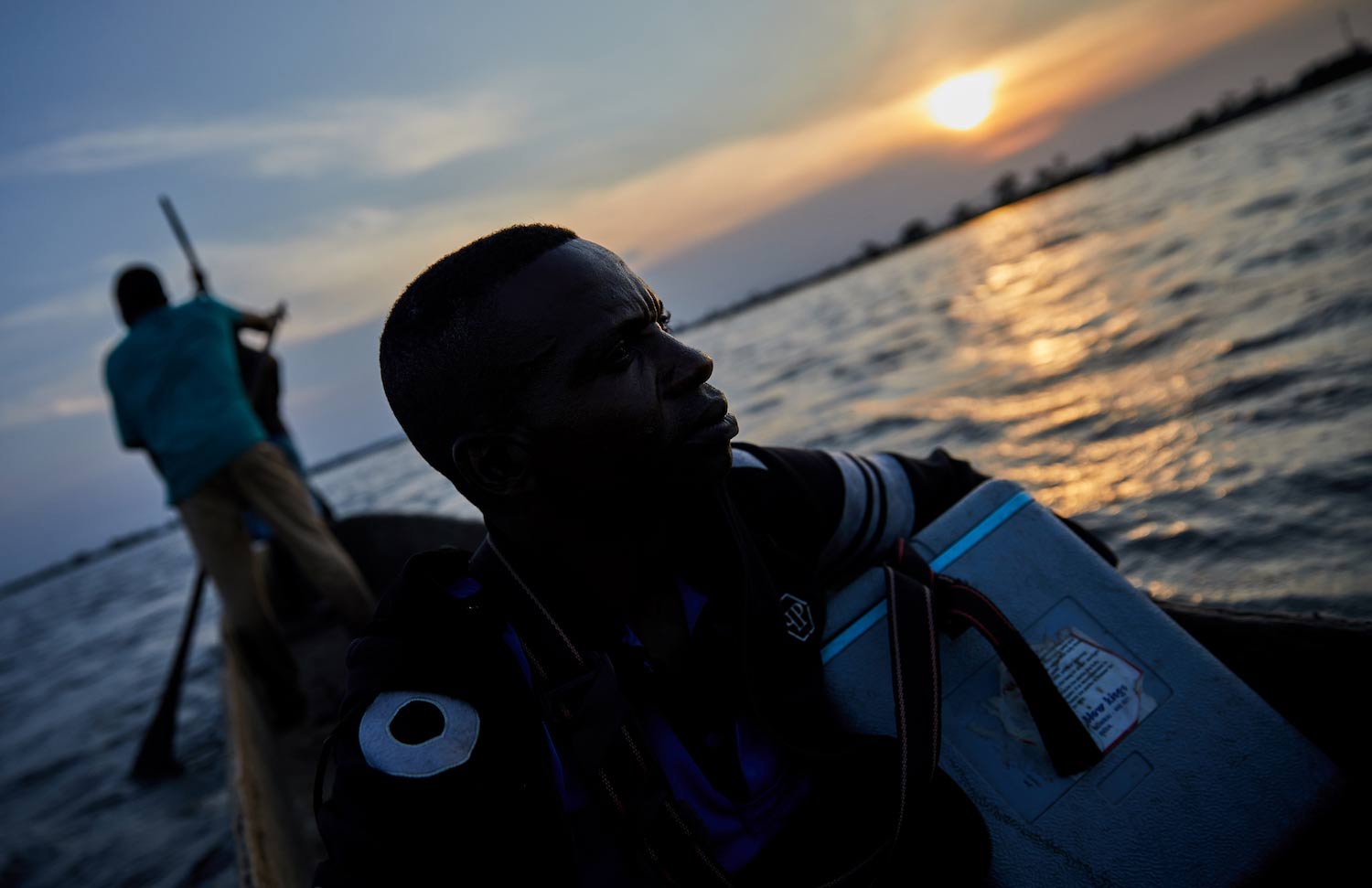
Kinshasa—The Democratic Republic of the Congo has declared the end of its latest Ebola outbreak, thanks in part to the trusted infrastructure and expertise of the national polio eradication programme.
Nigeria Launches First National Antimicrobial Resistance Survey
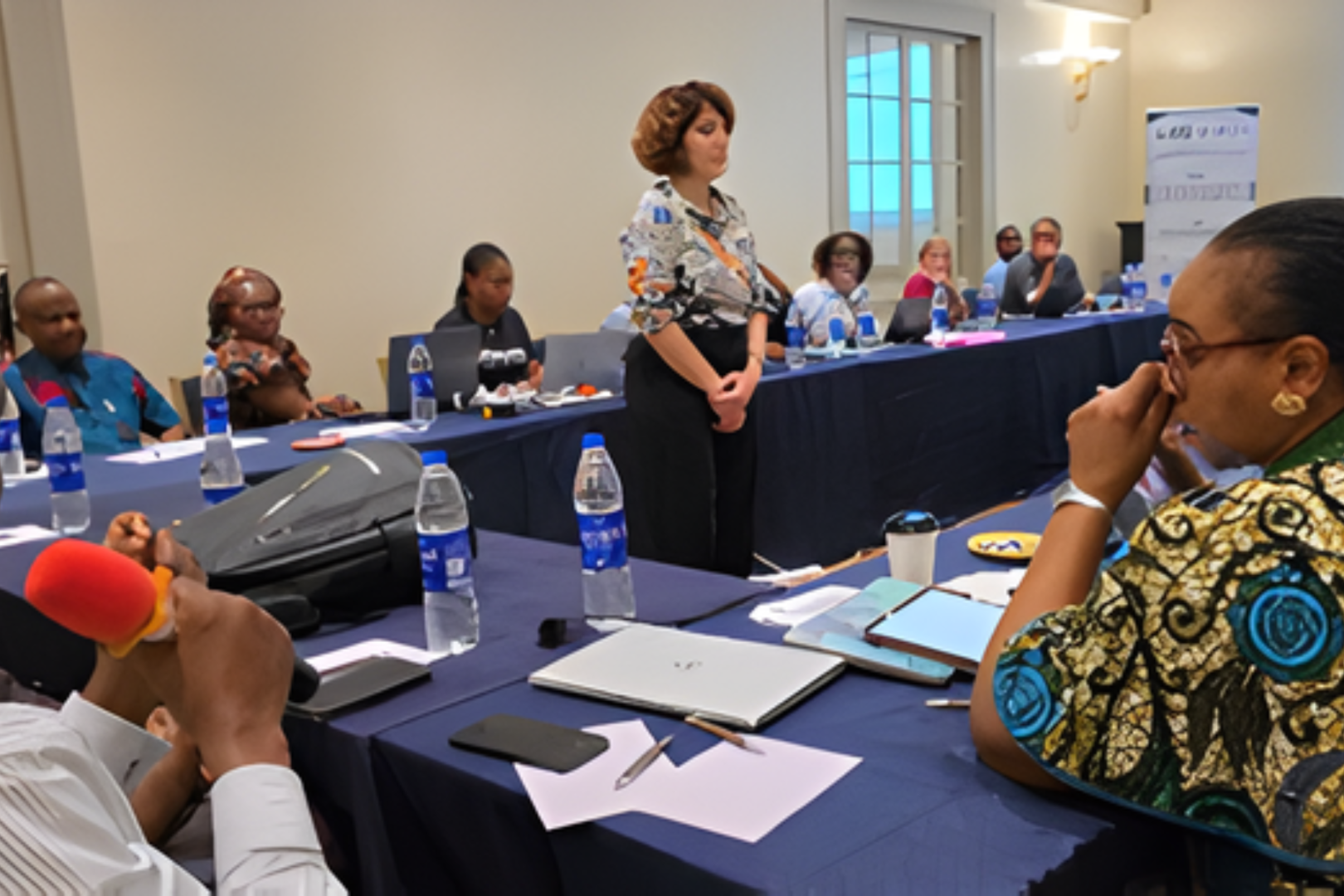
Abuja, Nigeria has launched its first nationally representative survey on antimicrobial resistance (AMR), marking a milestone in the country’s public health response. Supported by the World Health Organization (WHO) and partners, the initiative will generate critical data to guide evidence-based policies, improve patient outcomes, and strengthen health system resilience.
São Tomé and Príncipe: Putting vaccination at the forefront in a changing world
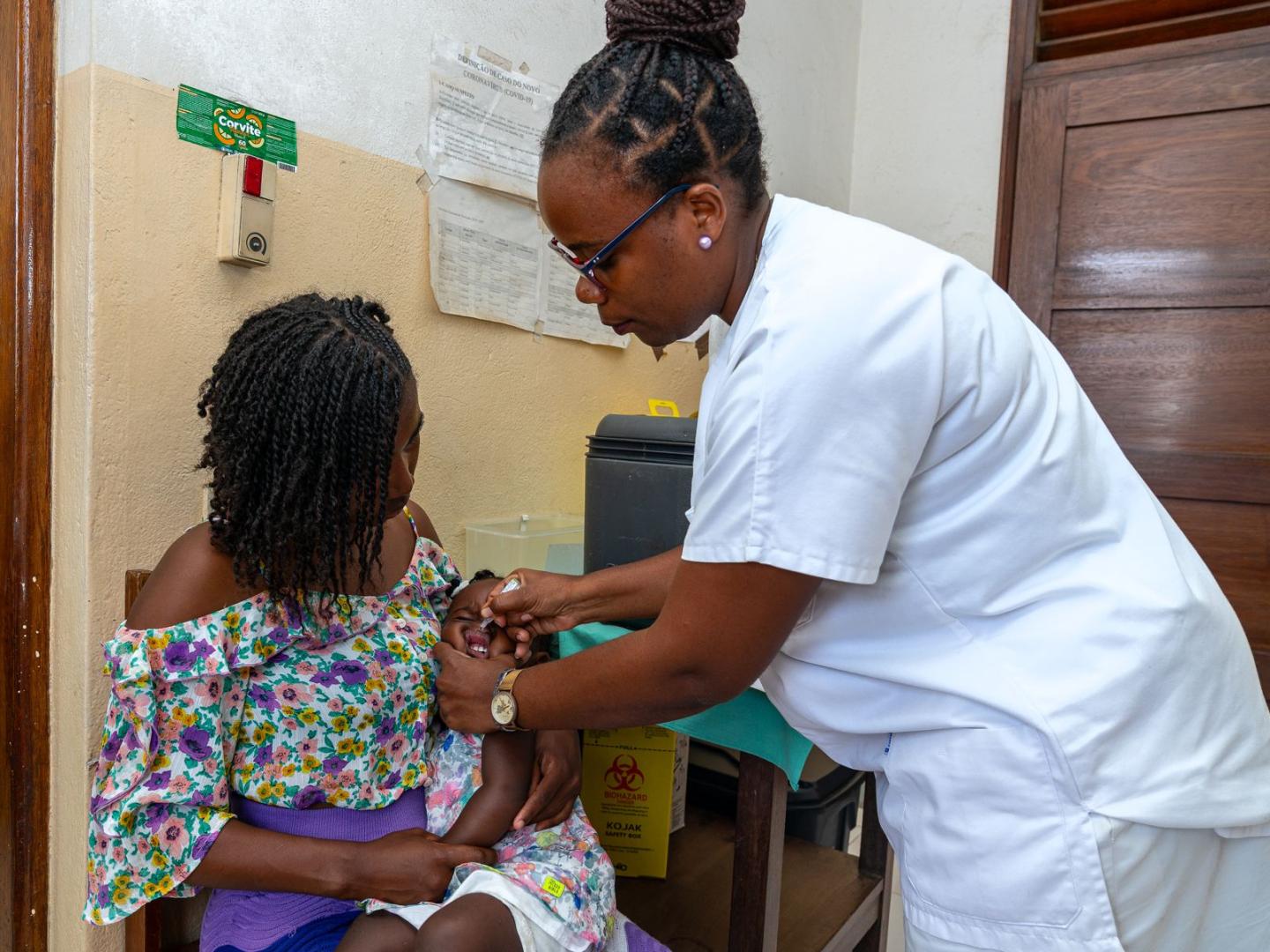
São Tomé —At the maternal and child health centre of Agua Grande in the country’s capital, São Tomé, it’s vaccination day. By 9:00, the benches are filled with mothers cradling their babies and fathers watching over older children, while health booklets pass quietly from hand to hand amid the conversations. In the adjacent rooms, nurses prepare the vaccines, call families one by one and carefully record the data. Calm and trust fill the space.
Early health preparedness protects families during seasonal floods in Adamawa State

Yola, In flood-prone Adamawa State, north-east Nigeria, early health preparedness helped protect thousands of vulnerable people from preventable disease outbreaks during the 2025 rainy season.
Through a government-led intervention coordinated by the Adamawa State Ministry of Health (SMOH) with technical support from the World Health Organization (WHO), health teams were deployed ahead of peak flooding in seven high-risk local government areas: Yola South, Yola North, Numan, Girei, Lamurde, Fufore and Demsa.