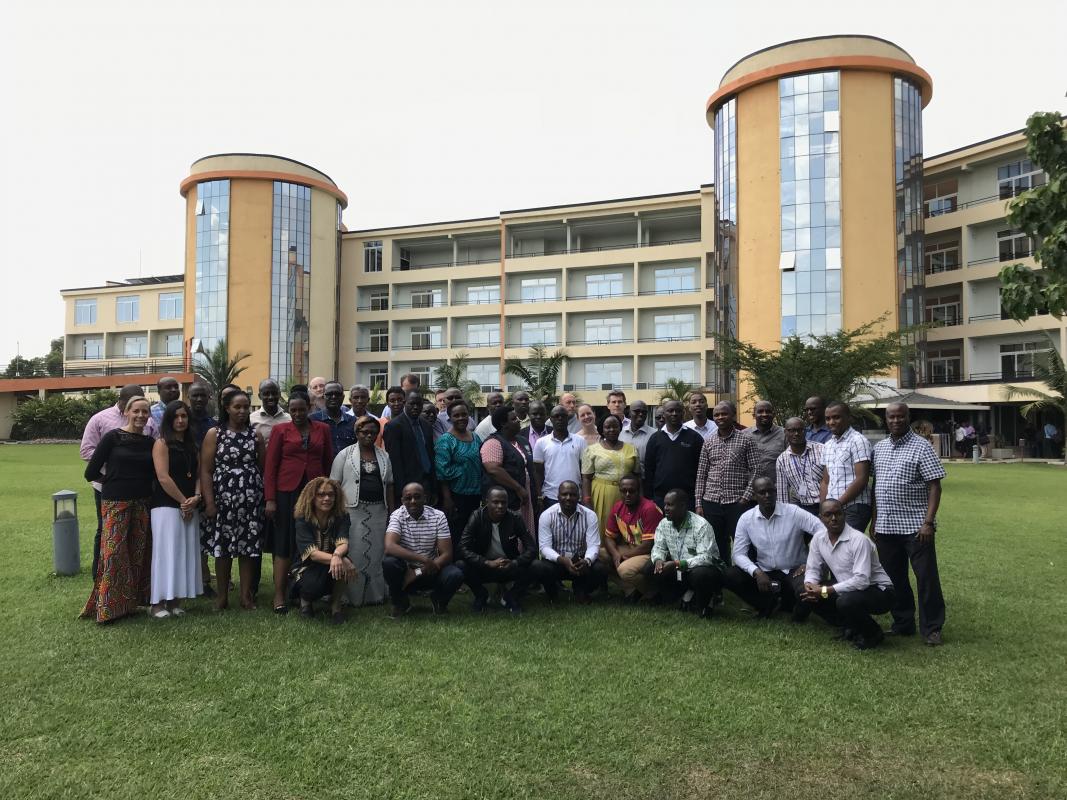
Ebola – Rwanda completes the revision of its National Contingency Plan
South Sudan strengthens the country’s capacity to detect, investigate and respond seasonal and pandemic Influenza

Digital messaging taking “too late” out of cancer diagnosing in Zambia

WHO scales up Lassa fever response in affected states

Abuja, 1 February 2019 - The World Health Organization (WHO) is scaling up response to the Lassa fever outbreaks in states across Nigeria to strengthen rapid containment of the disease. WHO is mobilizing experts to intervene in investigations, contact-tracing, risk communication and plans are underway to strengthen efforts to further assist Nigeria in controlling the Lassa fever outbreak.
On 21 January 2019, the Nigeria Centre for Disease Control (NCDC) declared an outbreak of Lassa fever following an increase in the number of cases.
Uganda’s Disease Surveillance System Proves to be Effective in Detecting and Follow up Ebola Contacts Suspected Cases

Kampala, 31st January 2019: - Uganda’s disease surveillance system was recently put to a rigorous test when two people, contacts of confirmed Ebola Virus Disease cases in DRC crossed into the country through Kasindi Point of Entry (PoE) on 20th January 2019.
WHO expresses sadness over the death of a colleague working in the Democratic Republic of the Congo

The World Health Organization was saddened to hear this morning about the sudden death of a dear colleague in Beni, the Democratic Republic of the Congo. The colleague was deployed from a neighbouring country to Beni to work in the Ebola response, where he supported the administrative team. The exact cause of death is still under investigation, but a preliminary medical report has ruled out Ebola and violence.
Currently, there are 500 WHO staff deployed in the DRC to support the Ebola response.
WHO Supports Botswana To Strengthen System Operations Towards Malaria And Other Vector Borne Disease Elimination
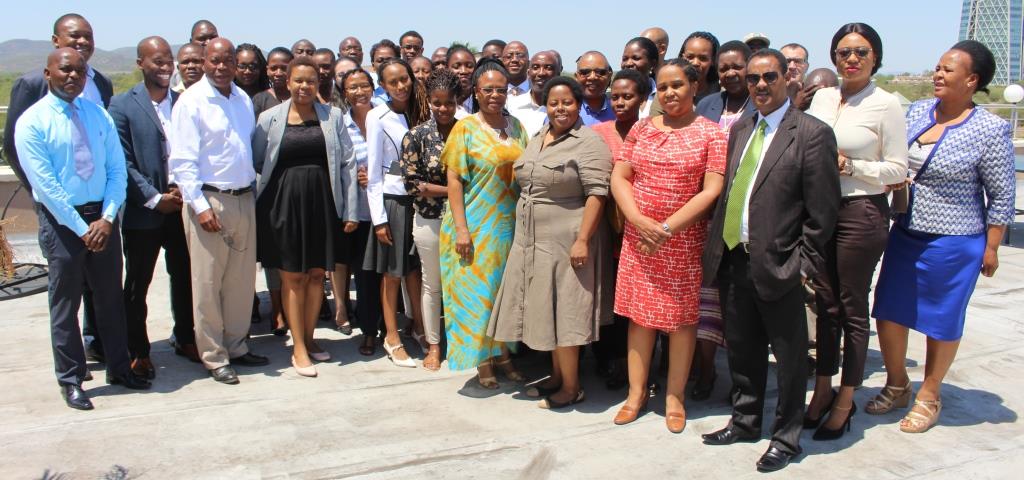
The Government of Botswana has demonstrated commitment to accelerate malaria and other vector borne disease (VBD) elimination. WHO supported the Ministry of Health and Wellness (MoHW) to develop a draft Integrated Vector Management (IVM) strategic plan 2019-2023. This strategic document is intended to facilitate better planning and implementation of vector control aiming at malaria and other VBDs elimination in the country.
President Buhari launches WHO’s Revised Third Generation Country Cooperation Strategy

Abuja, 25 January 2019 – In an historic event held at the Presidential Villa, the President of the Federal Republic of Nigeria, General Muhammad Buhari launched the World Health Organization (WHO) revised third generation Nigeria Country Cooperation Strategy (CCSIII).
South Sudan vaccinates health workers against Ebola

Uganda Launches Health Sector Integrated Refugee Response Plan 2019-2024

Kampala, 26th January 2019: - The Government of Uganda launched the Health Sector Refugee Response Plan 2019-2024, (HSIRRP 2019-2024). This is a five-year plan that advocates for the provision of integrated services for both refugees and refugee-host communities in all the refugee-hosting districts.
The HSRIIP is intended to address the needs of refugees and the host communities and ensure access to quality health services for both through improvement of staffing of refugee-hosting districts to 95% of the public staffing norms.