Better value, better health: Value for money (Vfm) briefing for WCO staff in Tanzania

Dar es Salaam, 31 October 2018: In its 13th General Programme of Work (GPW13), the World Health Organization is setting forth an ambitious agenda with measurable goals and a strategy to bring the world on track to achieve the health-related Sustainable Development Goals. To meet the SDG goals WHO will do all it can to support countries. This is what the GPW13 is about.
Uganda and DRC bordering districts agree to intensify cross-border surveillance to tackle Ebola

Kasese 3rd December 2018:- As the Ebola Virus Disease (EVD) outbreak spirals in the Democratic Republic of Congo (DRC), Uganda and DRC have resolved to increase cross-border surveillance on both sides of the Uganda-DRC border. This was the consensus during a cross-border meeting among health officials from the two countries, held at Kasindi- Lubiriha immigrations office, in DRC.
PanPrep Project: Strengthening cross border emergency preparedness measures for the East African Community

WHO is working with the East African Community (EAC) Secretariat and the Deutsche Gesellschaft fur Internationale Zusammenarbeit (GIZ) under the “Support to Pandemic Preparedness in Region” (PanPrep) project to examine methods of testing preparedness assumptions through the use of cross-border simulation exercises.
WHO has been selected to plan, coordinate, implement and evaluate two simulation exercises, including one tabletop and one full-scale exercise. Both exercises are designed to test cross border preparedness measures in the EAC region.
The Ministry of Health Eritrea launches the National Measles Rubella Vaccination and vitamin A supplementation campaign for children under 15
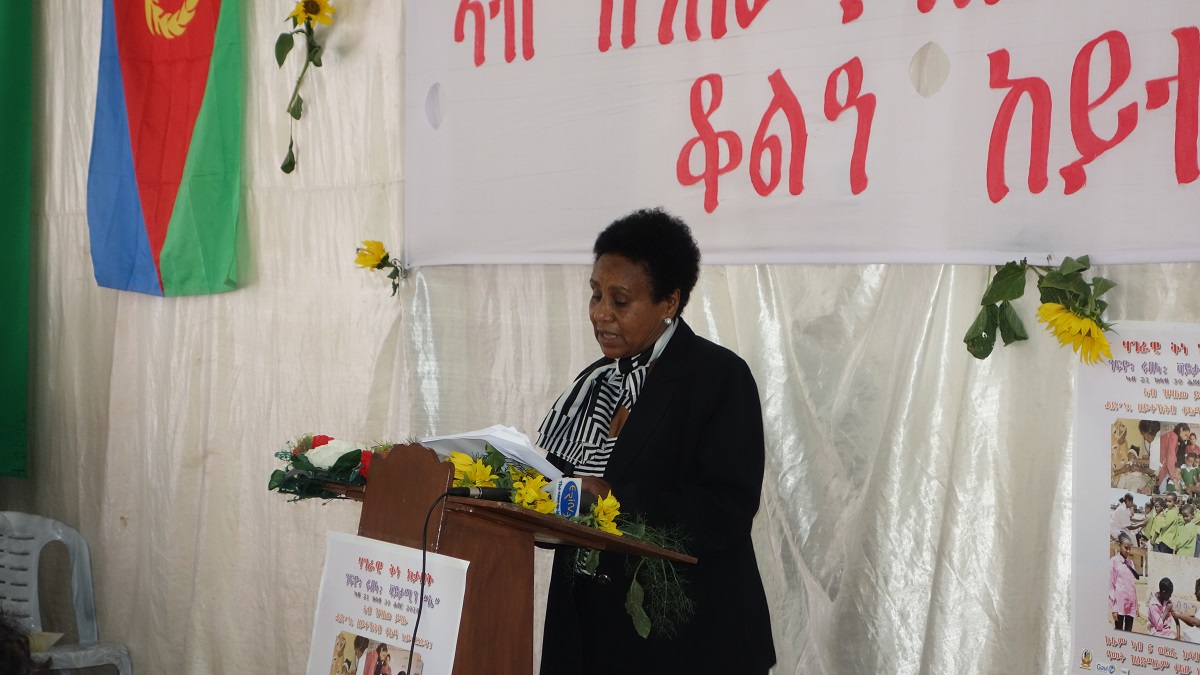
After months of preparation, MOH together with their partners WHO and UNICEF conducted a National Measles Rubella vaccination campaign from the 19 to 30 November 2018.
Denial and none Adherence to Treatment almost cost Moses “Supercharger” Nsubuga his life
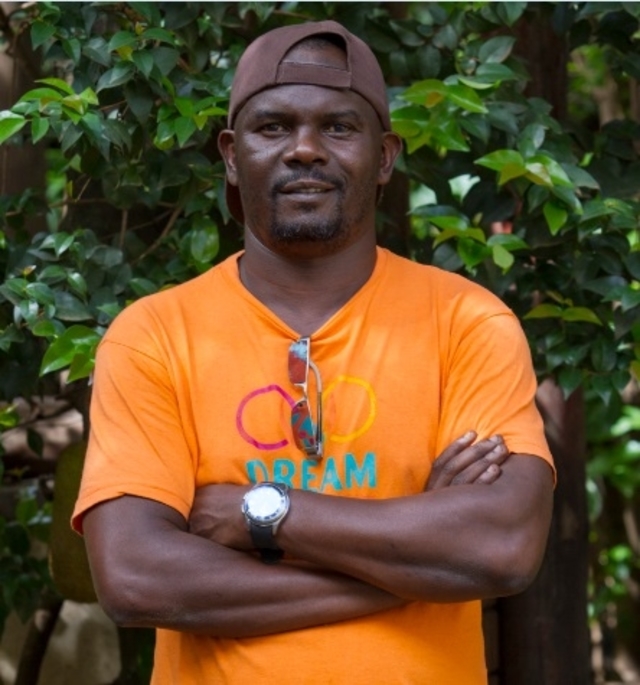
Moses “Supercharger” Nsubuga, a musician and radio host in Uganda has been living with HIV since 1994. Like many others, he unknowingly got infected with HIV in 1994 at a time when HIV incidence was at its highest.
“I lived in denial for four years and did not want anyone to know that I had HIV”, he says. He points out that with his nature of work, he risked losing his audience and being stigmatized due to his condition. “However, living in denial didn’t help me at all. I fell sick, became weak, lost weight and could barely work”, he says.
Tackling cholera outbreaks in North-east humanitarian emergencies
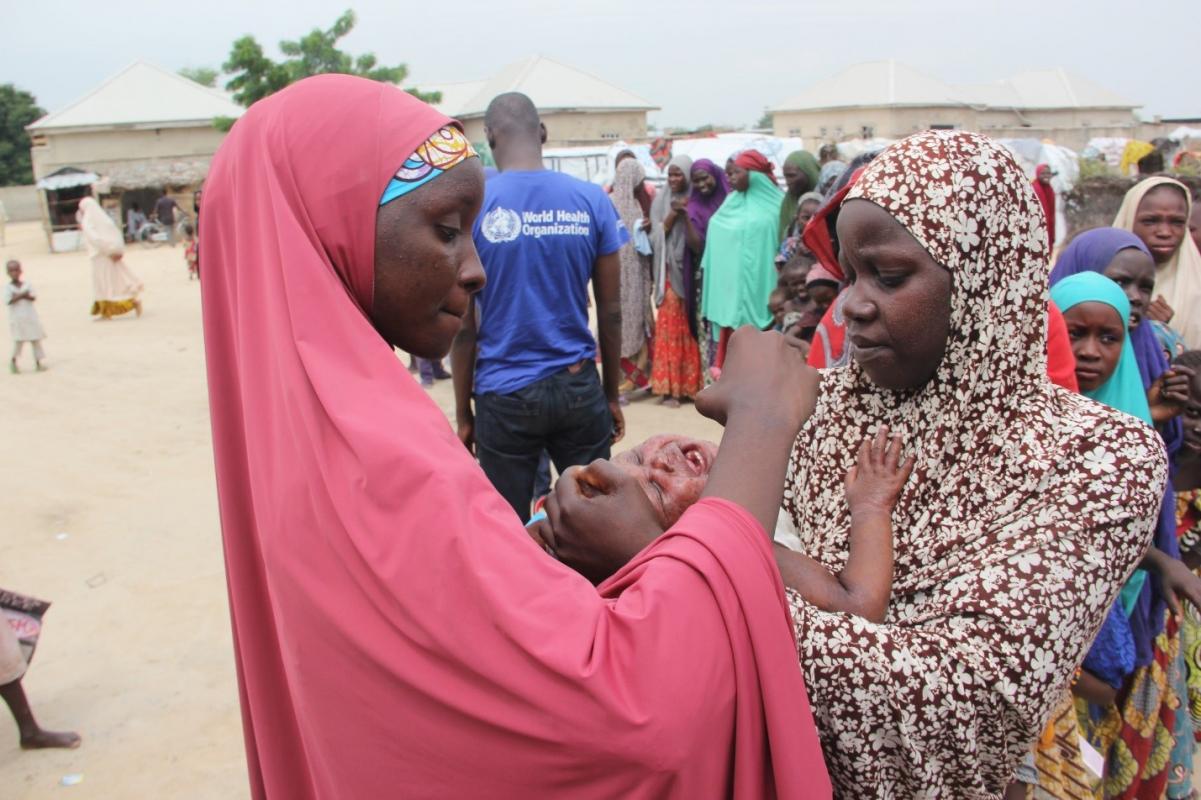
Maiduguri, 03 December, 2018 - “In addition to insecurity and despair, we are faced with shortages of food, we are homeless and worst still, cholera killed my husband last year in Muna IDPs camp” said Munakur Mohammed. Thank God you came to our rescue early this year. My children and I have received the vaccine and we are protected now.”

Getting the frontline healthcare workers in Tanzania ready to tackle the Ebola Virus Disease threat
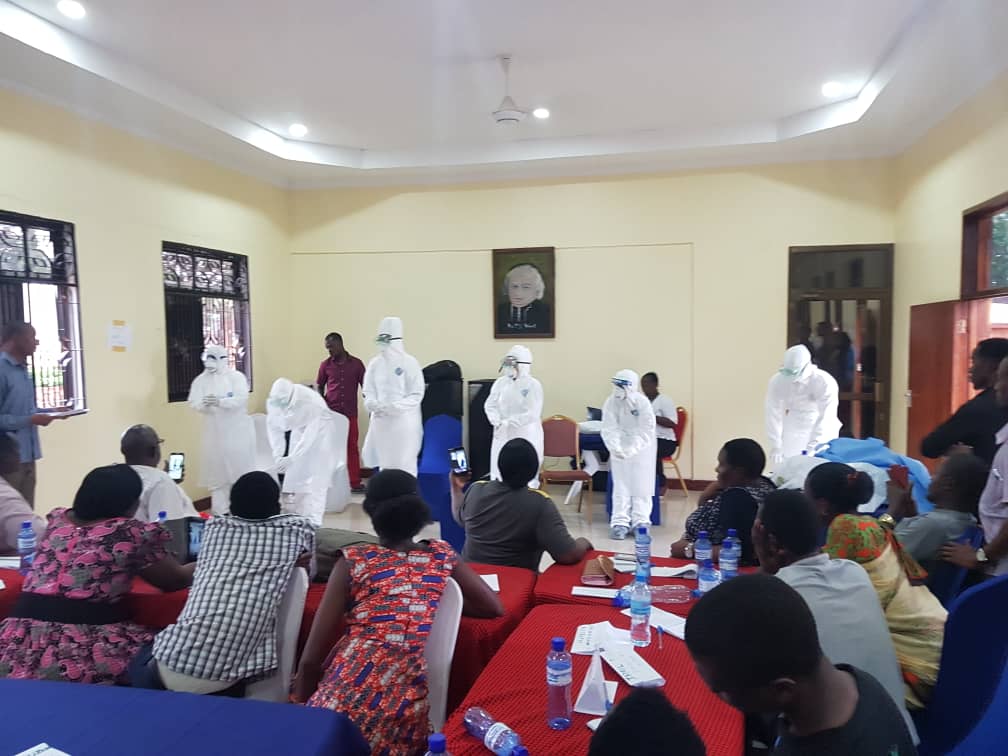
8 - 10 October 2018, Mwanza: In this three-days intensive Case Management and Infection Prevention and Control (IPC) training, organised jointly by the Ministry of Health Community Development, Gender, Elderly and Children (MOHCDGEC) and the World Health Organization (WHO), 35 healthcare workers from the three highest risk regions, Kigoma, Kagera and Mwanza, were assembled at the Bugando Medical Centre in Mwanza. Participants included clinicians, nurses, health officers, and ambulance attendants.
WHO supports Gambia to strengthen tobacco taxation

WHO in collaboration with the Ministry of Health and partners intensifies the health response to the yellow fever epidemic in Gbudue State, South Sudan

Juba, 1 December 2018 – Despite the ongoing complex humanitarian crises in South Sudan, the World Health Organization (WHO) in partnership with the Ministry of Health and partners responding to the yellow fever outbreak in Gbudue State.
Following the declaration of the Yellow Fever outbreak on 29 November 2018, WHO deployed a multidisciplinary team of experts to undertake an in-depth epidemiological; entomological; and laboratory investigations from 1 to 8 December 2018.