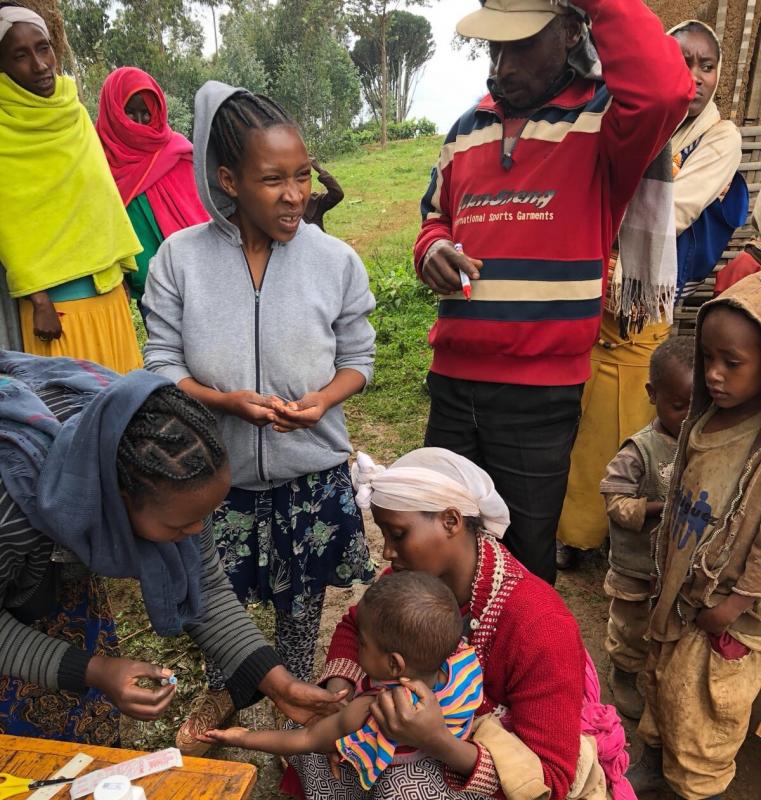
Ethiopia launches an integrated measles, vitamin A, and deworming campaign for displaced people in Gedeo Zone
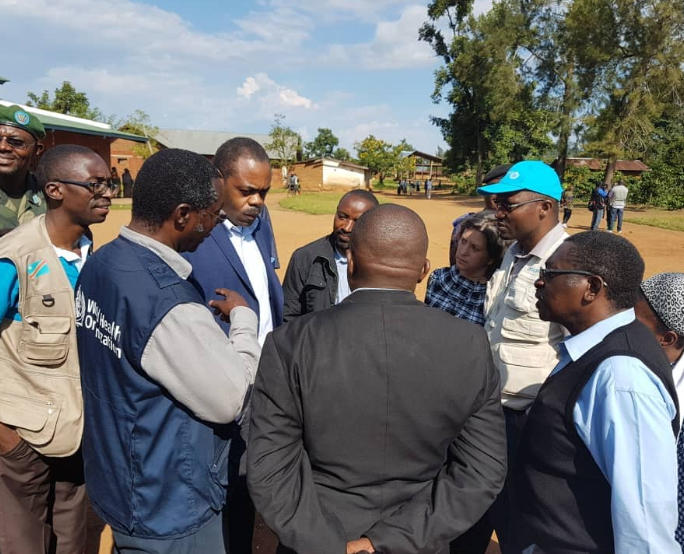
WHO and partners take first step to develop National Action Plan for Health Security to improve emergency preparedness

Seychelles, 6th August 2018 - Ministry of Health in collaboration with World Health Organisation (WHO) has ended a two days workshop to develop the Seychelles Nation Action Plan on Health Security (NAPHS). The workshop took place at the Savoy Hotel, Beau Vallon, Mahe on Wednesday 1st and Thursday 2nd August 2018. It was facilitated by two WHO staff, Dr Allan Mpairwea and Mr Antonio Oke and brought together multi stakeholders including various line Ministries and agencies, Laboratories, Educational institutions, Media houses, and Port and Airport authorities.
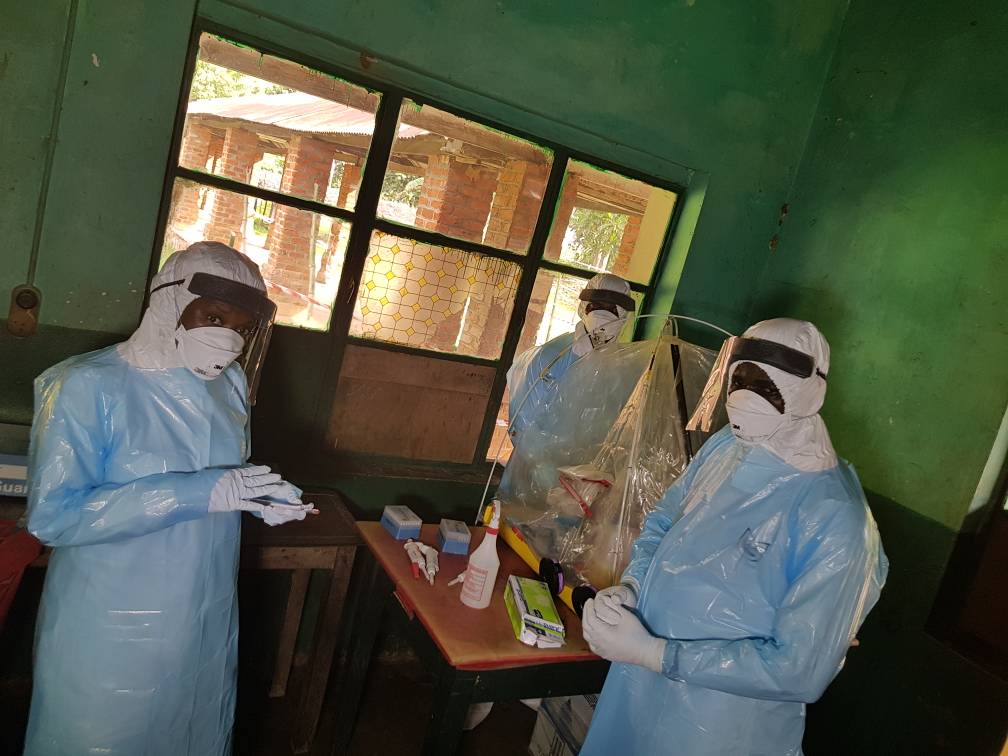
Ministry of Health, WHO and partners conduct first mission to evaluate Ebola outbreak in Mangina, in North Kivu.
Workshop to Strengthen Implementation of Sentinel Surveillance System for Influenza in Liberia

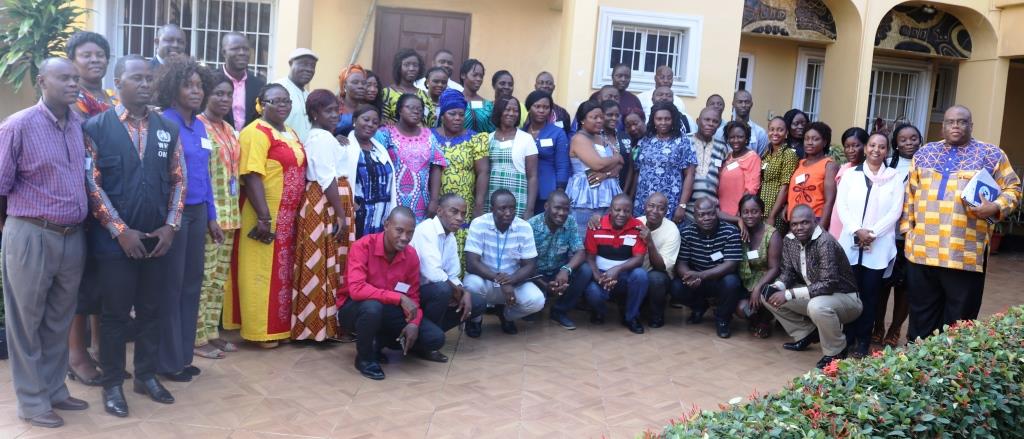 The World Health Organization (WHO) in collaboration with the Ministry of Health (MoH) and National Public Health Institute of Liberia (NPHIL) has ended a week-long training for the implementation of sentinel surveillance of influenza in Liberia.
Health Market Inquiry (HMI) Report Released
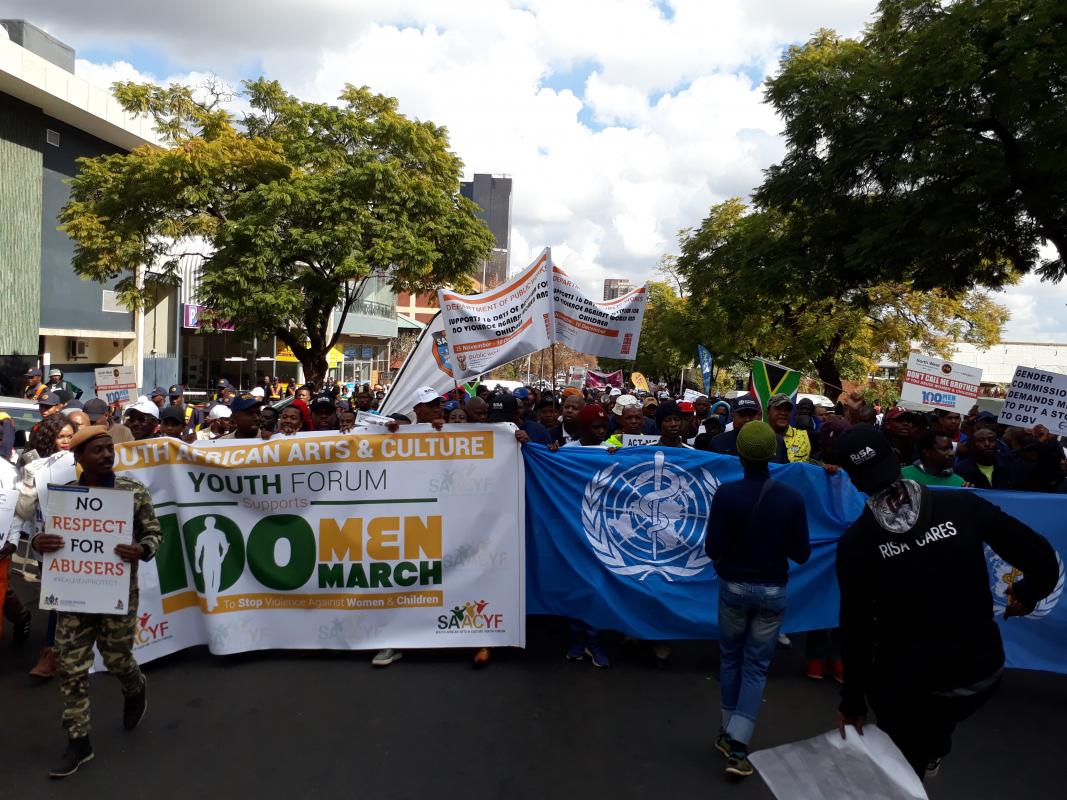
WHO participates in the 100 Men March against the scourge of violence against women and children
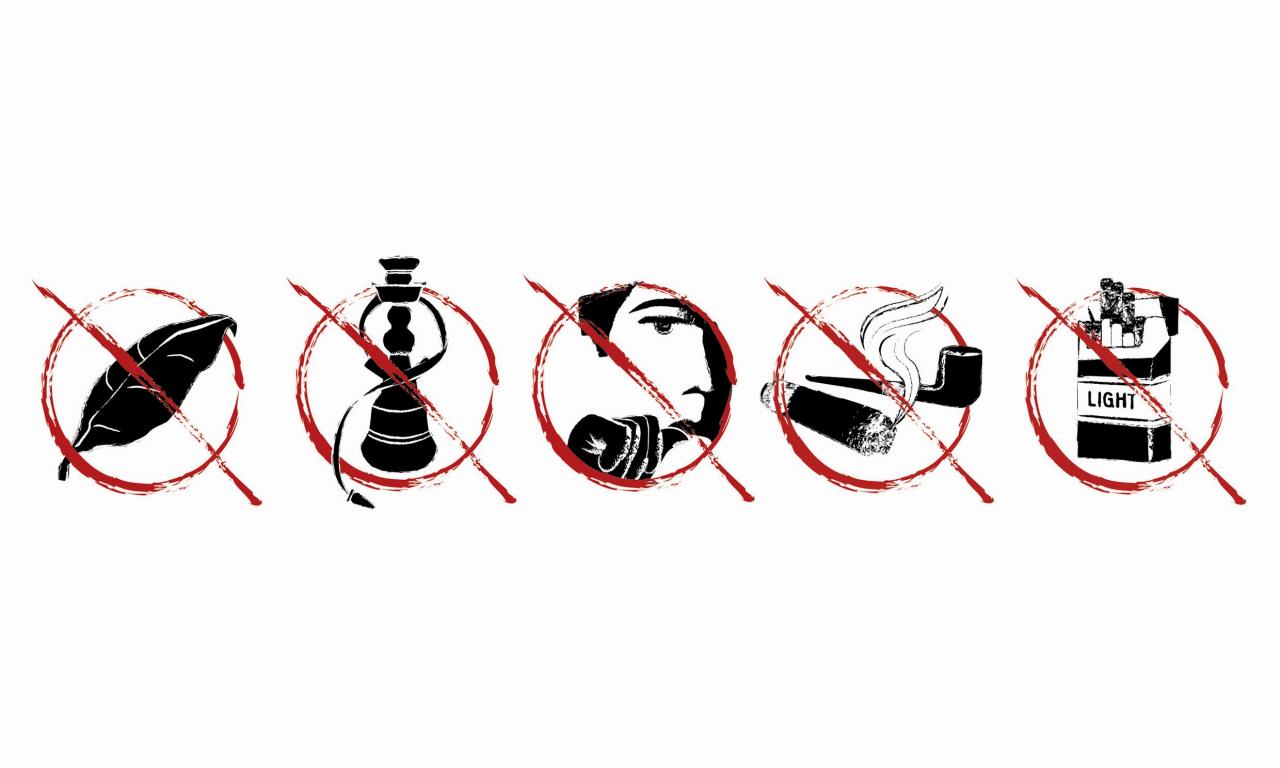
WHO supports South Africa’s draft bill to control Tobacco Products and Electronic Delivery Systems
World Hepatitis Day- Ministry of Health Launches National Health Facility Directory for Viral Hepatitis

Abuja, August 1 2018 - To commemorate the 2018 World Hepatitis Day, the Honorable Minster of Health, Federal Ministry of Health launched the Nigerian Viral Hepatitis Health Facility Directory. The directory provides information on existing health facilities where Hepatitis Services are being provided.
Frontline workers in Nigeria break down gender related barriers to reach children with vaccines
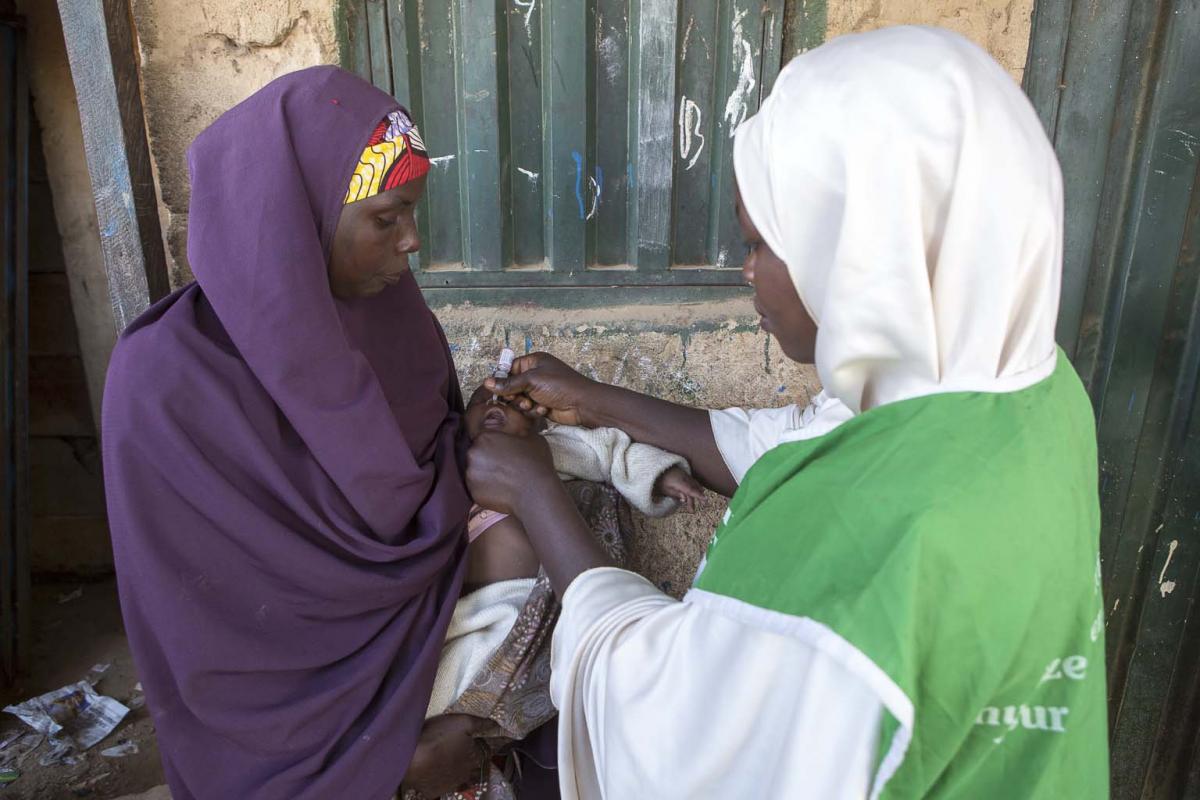
Abuja, 01 August 2018 - In a remote village in Northern Nigeria, a group of female polio health workers visit the home of Hauwa Abubakar. A young mother of triplets, two girls and one boy, Hauwa quickly carries her son to another room, locks him up and returns with her daughters for the polio vaccines.
Cluster of presumptive Ebola cases in North Kivu in the Democratic Republic of the Congo