WHO supports the Ministry of Health to enhance emergency preparedness and risk management in South Sudan

A little black box for detecting and tracking outbreaks

One of the toughest tasks in responding to a major public health emergency is getting accurate information about infectious disease outbreaks.
"EWARS in a box" contains all the equipment needed to establish surveillance and response activities, particularly in difficult and remote field settings without reliable internet or electricity.
Infections can spread even more quickly than rumours, particularly when there is a lack of reliable, up-to-date information to detect, track and respond to outbreaks.
Kenya launches national cardiovascular disease management guidelines
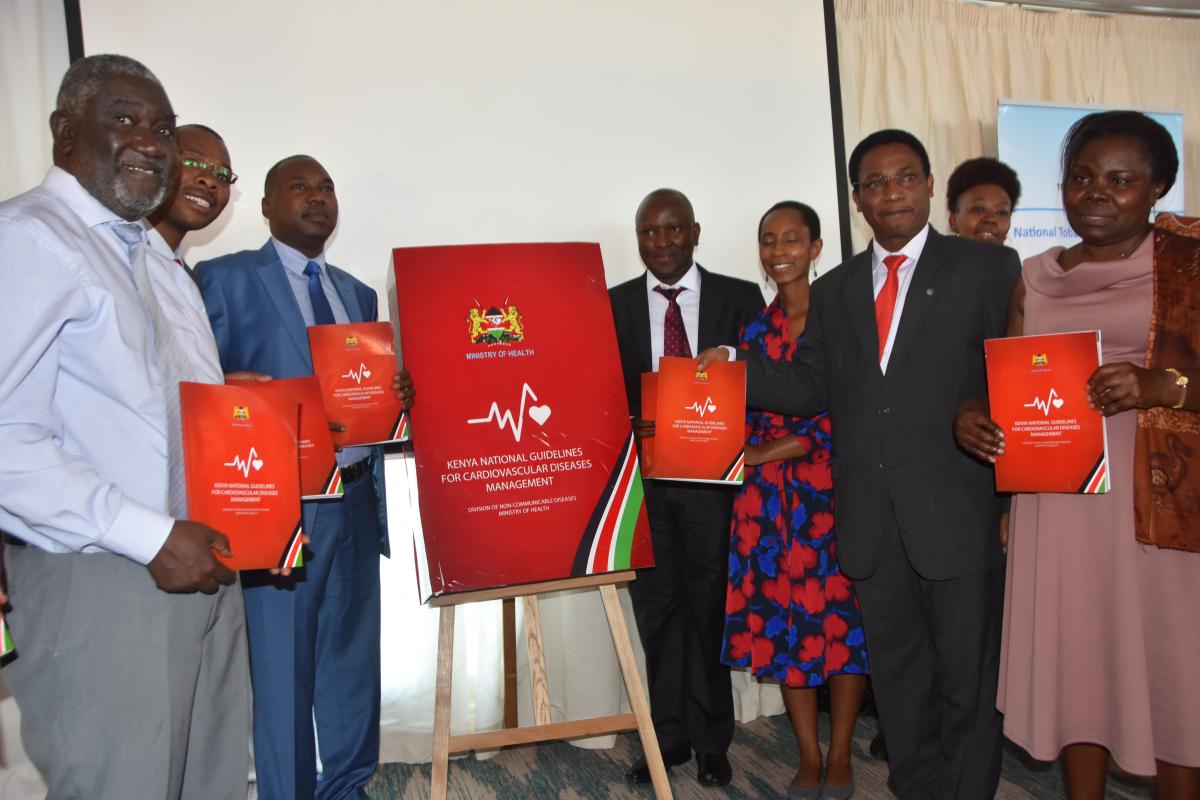
Nairobi, Kenya
Kenya marked the World No-Tobacco Day with a call to sustain gains made in protecting families and the public from ill effects of tobacco products and in increased awareness of the link between tobacco products and cardiovascular diseases
On the hunt for Ebola in the Democratic Republic of Congo
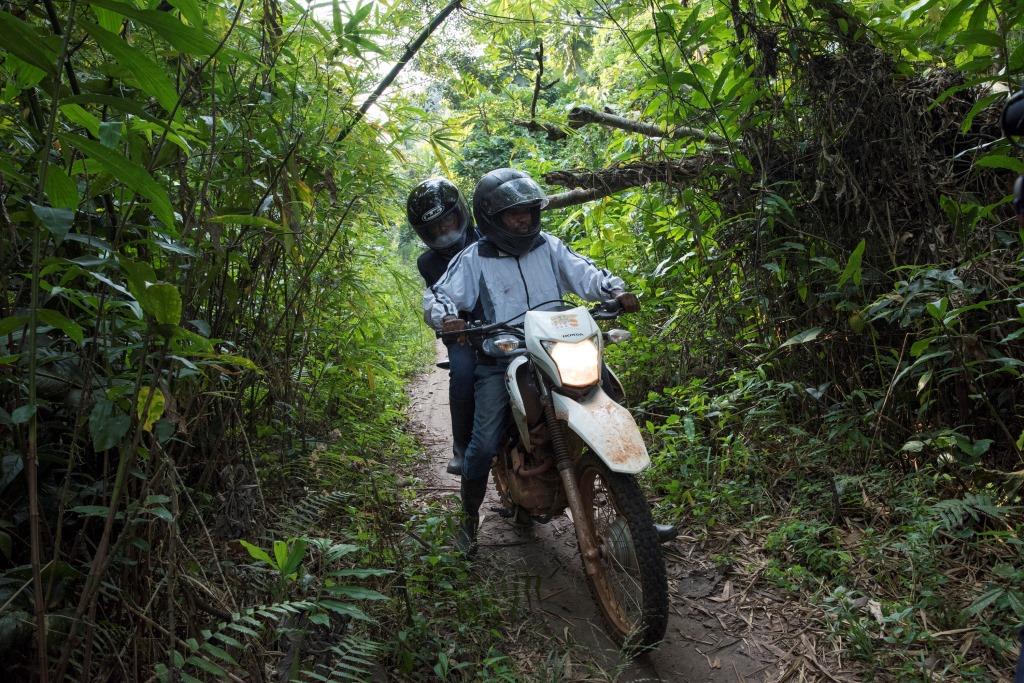
Marie-Roseline Darnycka Bélizaire is on the front-lines of the battle against Ebola.
She’s leading the hunt for the virus in the Itipo area in the northwest of the Democratic Republic of the Congo. The communities at risk are spread out over a wide area and the roads are bad. Her team of more than 20 field epidemiologists is using mostly motorcycles to get around.
Marie-Roseline Belizaire said “We have to go sometimes as far as 80 km from the coordination base, so in a day we can do 160 km.”
Kenya Launches National Cardiovascular Disease Management Guidelines
Nairobi, Kenya
Kenya marked the World No-Tobacco Day with a call to sustain gains made in protecting families and the public from ill effects of tobacco products and in increased awareness of the link between tobacco products and cardiovascular diseases
Nigeria fights high maternal mortality through improved quality of care
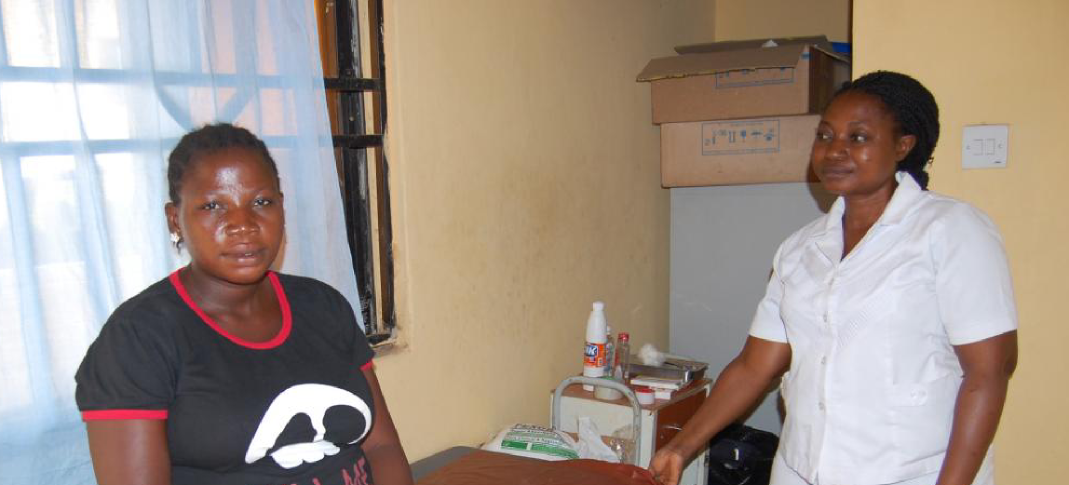
Abuja, 20 June, 2018 - “There were no signs that the morning of 31 May 2018 would be different until I started feeling the pangs, requiring medical assistance,” said Naomi Muyadeen. "Initially, I dreaded going to the government facility but stepping into the health facility, I immediately noticed the change.”
A resident of Kuchingoro, a suburb of Abuja, Mrs Muyadeen is a 23 year old mother of one and nine months pregnant. She has had previous antenatal visits to the Primary Healthcare Centre (PHC) in Kuchingoro.
Maximising digital health technology to improve quality and patient safety in Africa
Free blood for Zimbabwe’s public health institutions
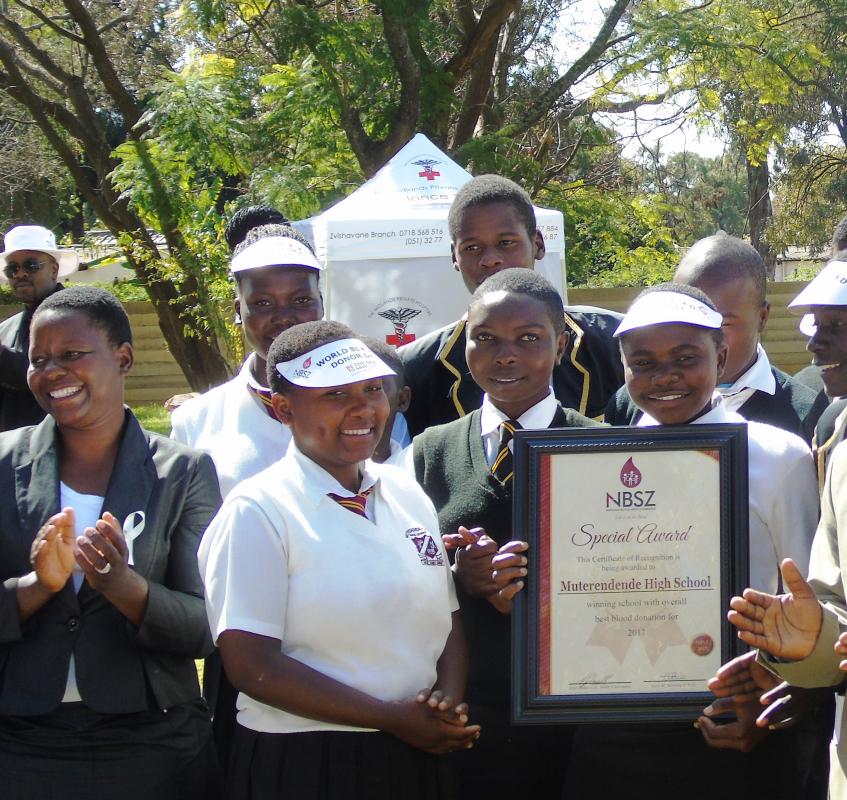
The promise was made as Zimbabwe joined the rest of the world to commemorate World Blood Donor Day at a function held at Gweru Provincial Hospital. Every year on 14 June, the global community celebrates World Blood Donor Day. This year’s theme is focused on blood donation as an act of solidarity: Be there for someone else. Give blood. Share life. This draws attention to the regular and voluntary blood donors, and encourages people to care for one another by donating blood.
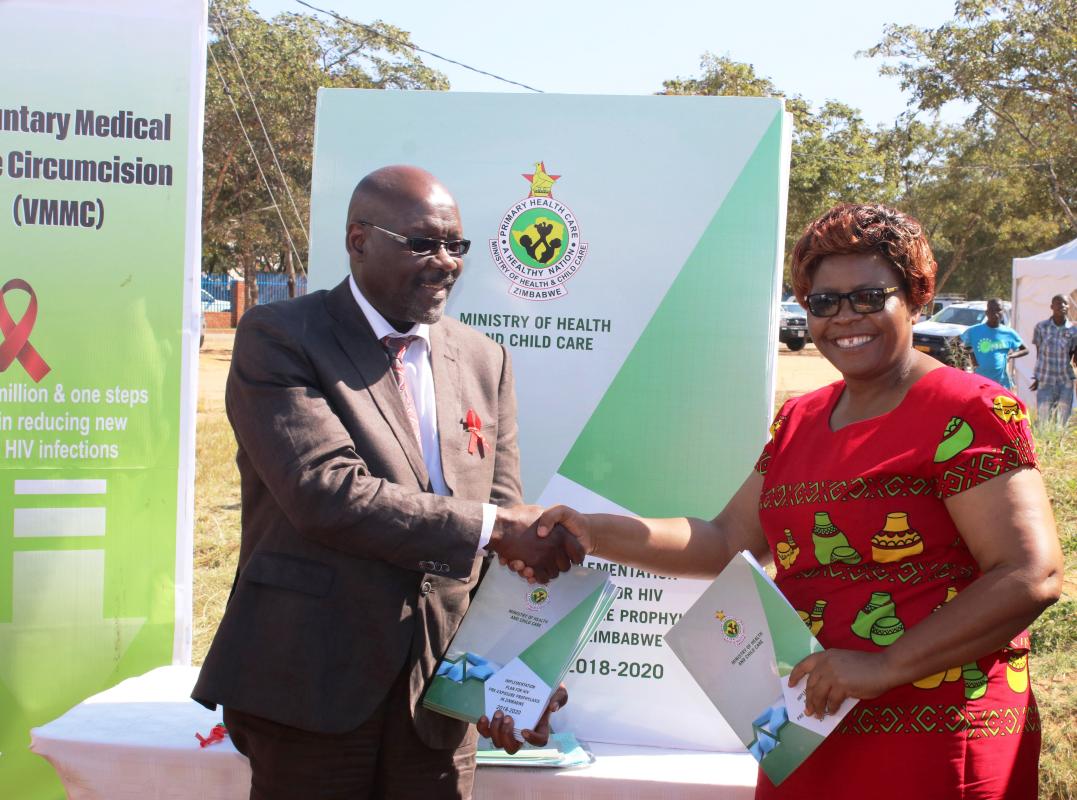
Zimbabwe reaches One million men with Voluntary Medical Male Circumcision
Eritrea developed cervical cancer prevention and control guideline
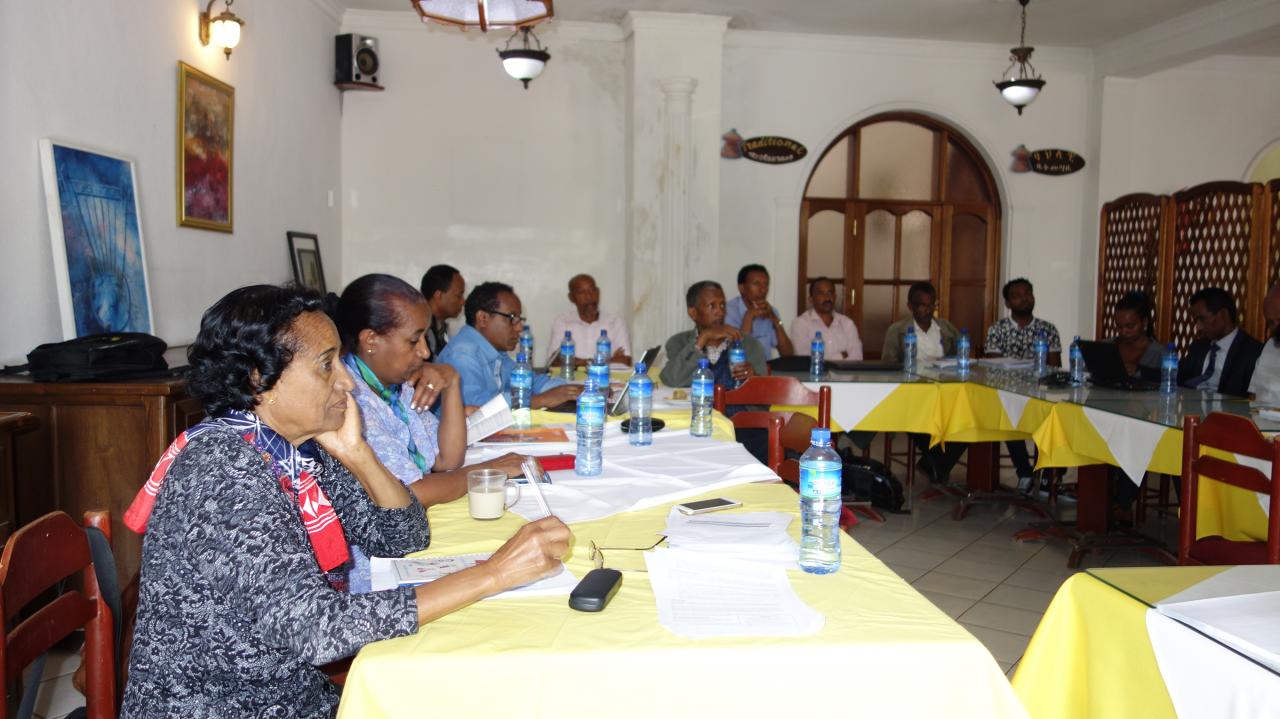
A consensus building workshop was conducted on cervical cancer prevention and control guideline at Median Hotel in Asmara in May 2018 in the presence of participants from MOH, Asmara College of Health Science, WHO including other UN Agencies. The main objective of the workshop was to develop consensus among the technical working group on the detailed content of the comprehensive cervical cancer prevention and control guideline in Eritrea; design the guideline; come up with a final draft document, provide responsibilities to the technical working group and draft an implementation plan.