Botswana Concluded Training Using The Theory Of Change Planning Methodology To Achieve Programme Results
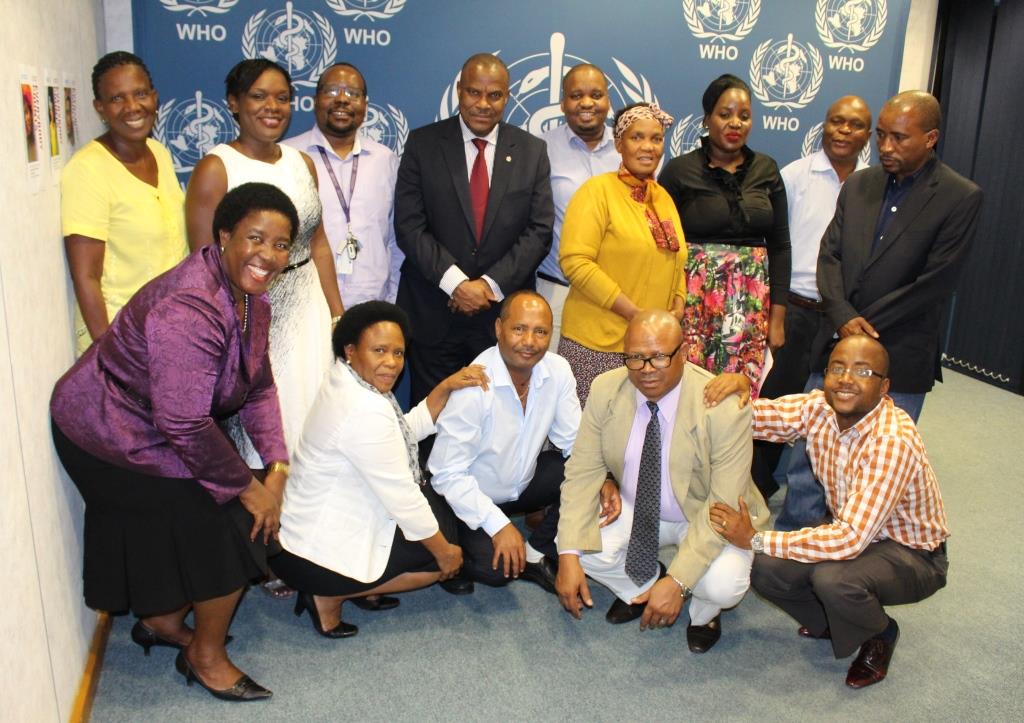
Gaborone, Botswana – 20 April 2018: The WCO Botswana team has today completed a 5-days long intense training exercise using “Theory of Change (ToC)” planning methodology of reflection to explore opportunities for achievement of programme priorities. The exercise involved reflective exploration of causal issues driving identified health challenges including why change is needed and how it happens. The TOC is a robust and simple to apply planning tool that enables definition of broad vision results, including how intended results can be achieved.
Zimbabwe commemorates World Health Day
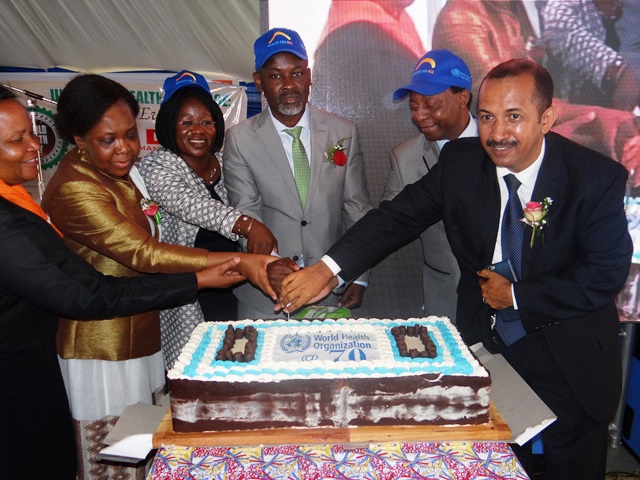
13 April. Zimbabwe commemorated World Health Day at the WHO compound in an event which saw the commemoration of the 70th anniversary of WHO as well as the launch of the Healthy Ageing Strategy. World Health Day is commemorated on the 7th of April each year to mark WHO’s founding and is an opportunity to draw worldwide attention to a subject of major importance to global health each year.
WHO supports South Sudan to strengthen health promotion strategic actions

Workshop to tackle substandard and falsified medical products in Africa opens in Lagos, Nigeria.

Lagos, 18th April, 2018 - A Regional Workshop with participants from 38 African countries and supported by World Health Organization (WHO) on the Global Surveillance and Monitoring System (GSMS) for substandard and falsified (SF) medical products opens in Lagos on 17 April 2018.
Sub-Saharan Africa contributes to over one third of all reports of suspected SF products received by WHO. Antimalarial and antibiotics are the most commonly reported products from Sub-Saharan Africa.
Getting ready for Africa’s next major health emergency

Urgent action needed to tackle the double burden of malnutrition and to achieve Universal Health Coverage and Sustainable Development Goals in Africa
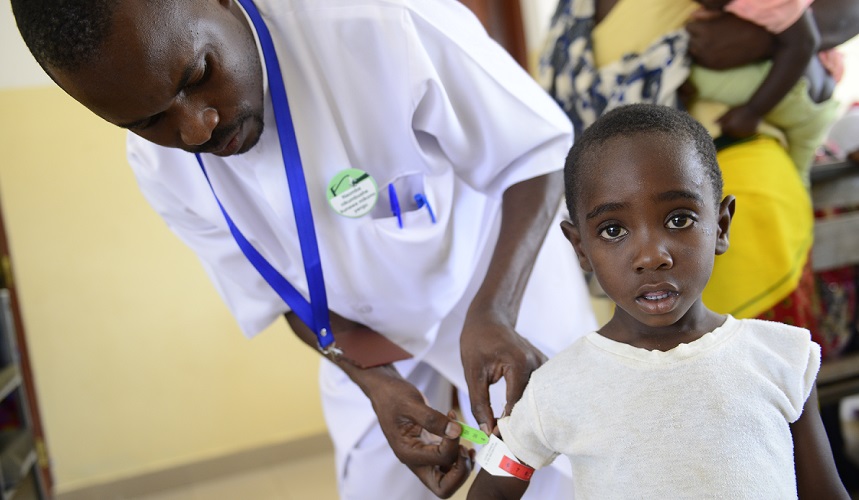
Nairobi, April 17, 2018 – Under nutrition, obesity and diet-related noncommunicable diseases are leading to catastrophic costs to individuals, to communities and to national healthcare systems in Africa. Every year, it is estimated that 11 million Africans fall into poverty due to high out-of-pocket payments for healthcare.
Botswana Excels in the 2018 National Measles Laboratory Review For Accreditation
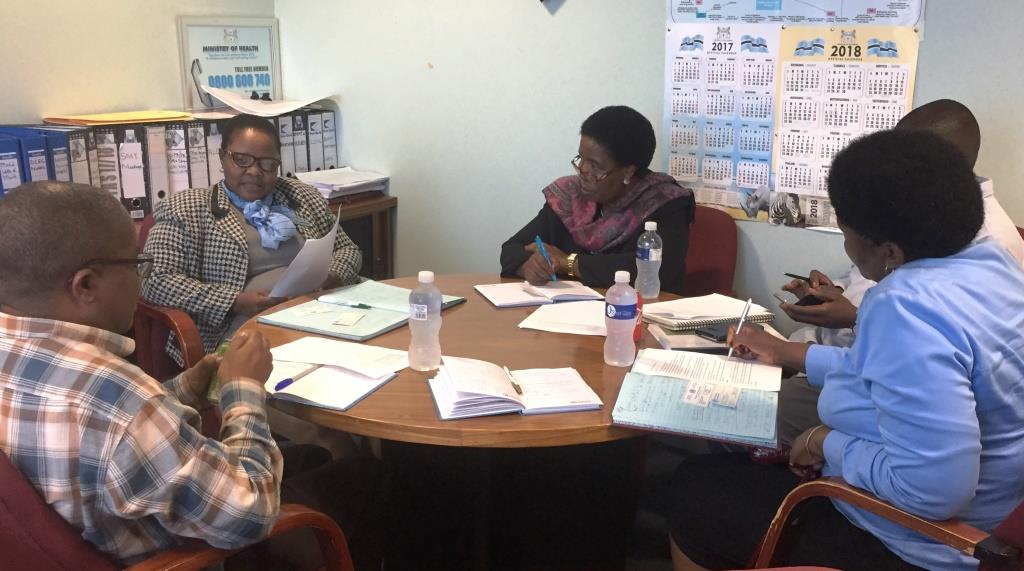
Gaborone, Botswana – 13 April 2018: The Deputy Permanent Secretary and Director of Clinical Services, in the Ministry of Health and Wellness (MoHW), Ms Thandie Kgosiesele, today, hosted a team from WHO, led by Dr Charles Byabamazima from the WHO Regional Office for Africa, which was in the country to brief the Ministry Management on the results of the review for accreditation of the country’s National Measles Laboratory. Botswana’s National Health Laboratory hosts the National Measles Laboratory.
New data from Africa allays fears of bowel obstruction from rotavirus vaccine

Brazzaville 18 April 2018 - An evaluation carried out by the World Health Organization (WHO), US Centre for Disease Control (CDC), and country partners shows that administering monovalent rotavirus vaccine to African infants does not increase the risk of intussusception above base line levels. Intussusception is a form of bowel obstruction in which a part of the intestine folds into the section next to it.
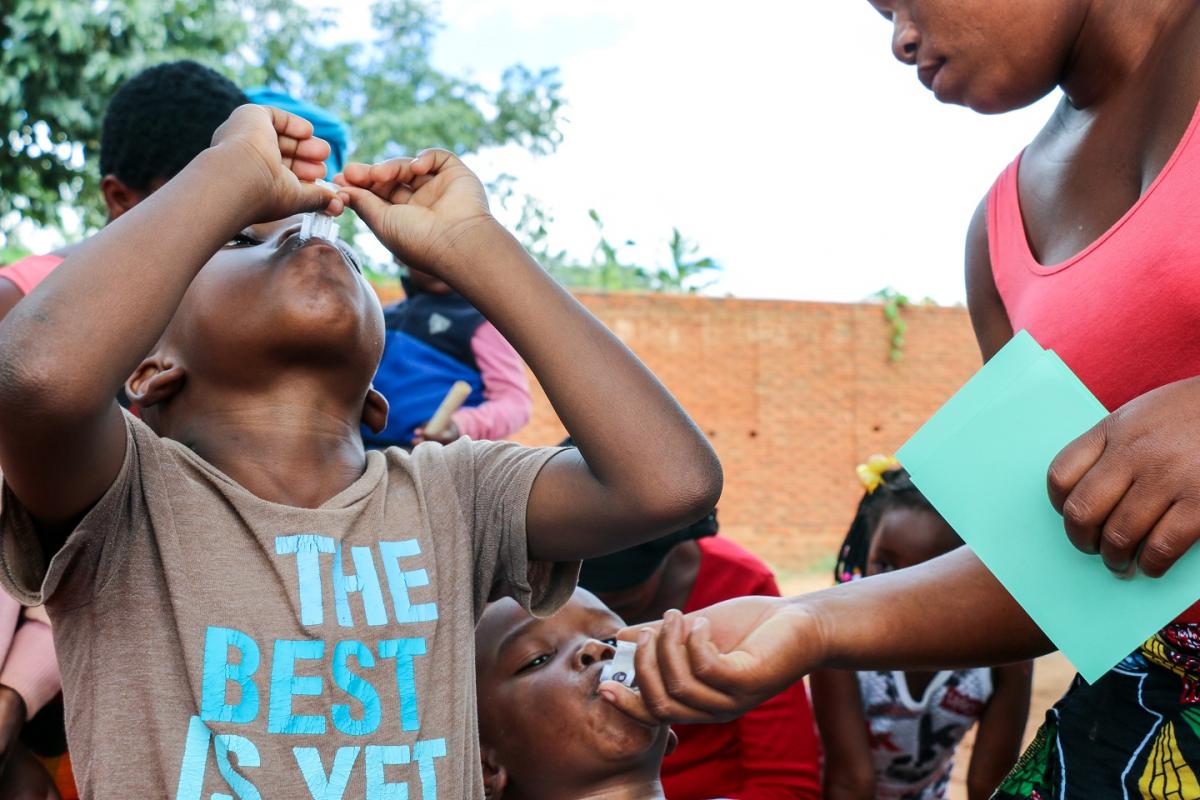
Malawi administers Oral Cholera Vaccine to over 500,000 people in Lilongwe Urban
Gambia Celebrates World Health Day 2018: Marking the 70th Anniversary of the World Health Organization

"Health Journalism Award Launched and Media Institutions Honoured"