Bridging the nutrition gap: WHO and partners strengthen care for malnourished children

Juba - South Sudan has one of the highest rates of malnutrition among children under five. About 2.1 million children under five are at risk of acute malnutrition. This includes 670 000 children who are severely wasted and 1.44 million who are moderately wasted.
A Review of the National Community Health Policy to strengthen gains and accelerate reforms

Benin publishes its first health sector report and reviews a decade of progress

Ethiopia reports suspected viral haemorrhagic fever outbreak
WHO Africa, Partners agree to intensify efforts to end violence against children
PRESS RELEASE
Addis Ababa, Ethiopia — One year after the inaugural Global Ministerial Conference on Ending Violence Against Children in Bogotá, delegates from across Africa have made renewed commitments to intensify efforts to protecting children from violence
WHO joins the UN in celebrating 80 years of progress and partnerships with a major health campaign in Liberia

To mark the United Nations’ 80th anniversary, WHO, in partnership with other UN agencies and the Government of Liberia, launched a health campaign to deliver crucial preventive care, early detection services, and essential health awareness to people across the country.
Namibia advances regulatory strengthening through WHO-assisted self-benchmarking exercise
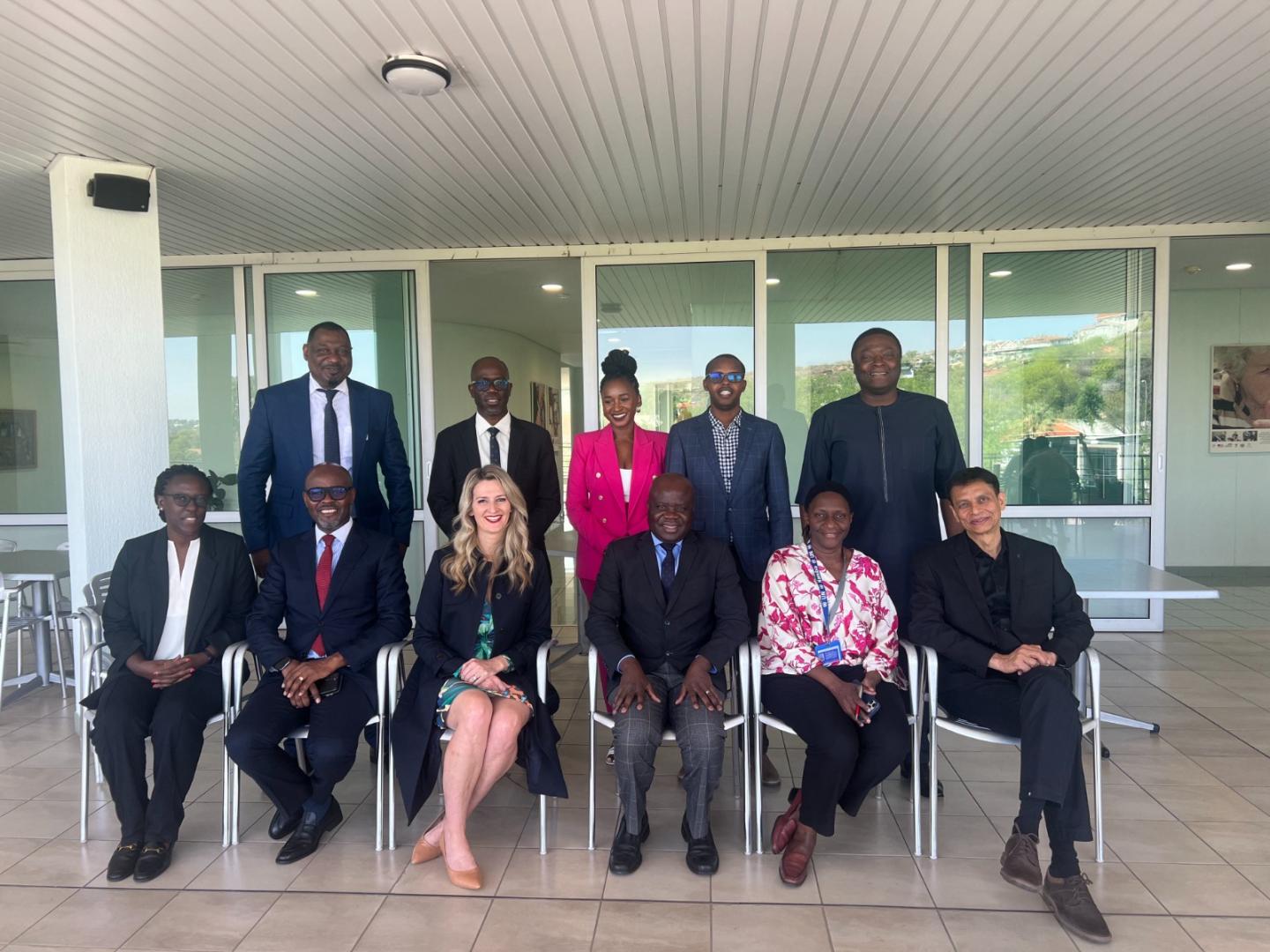
Windhoek—The World Health Organization (WHO) conducted a week-long assisted self-benchmarking exercise aimed at strengthening Namibia’s national regulatory system for medical products. Held in Windhoek from 20 to 24 October 2025, the assisted self-benchmarking used the WHO Global Benchmarking Tool (GBT) to review the maturity of the country’s regulatory functions and to identify the strengths of the system and priority areas for improvement.
Strengthening capacity on sexual and reproductive health and rights legal and policy frameworks

Zambezi Region—The World Health Organization (WHO), in collaboration with the United Nations Population Fund (UNFPA), supported the Ministry of Health and Social Services (MoHSS) to conduct a two-day orientation workshop in the Zambezi region. The training focused on the legal and policy framework for Sexual and Reproductive Health and Rights (SRHR) and Gender-Based Violence (GBV), from 3 - 4 November 2025.
Strengthening capacity of healthcare workers to fast-track cervical cancer elimination in Eswatini
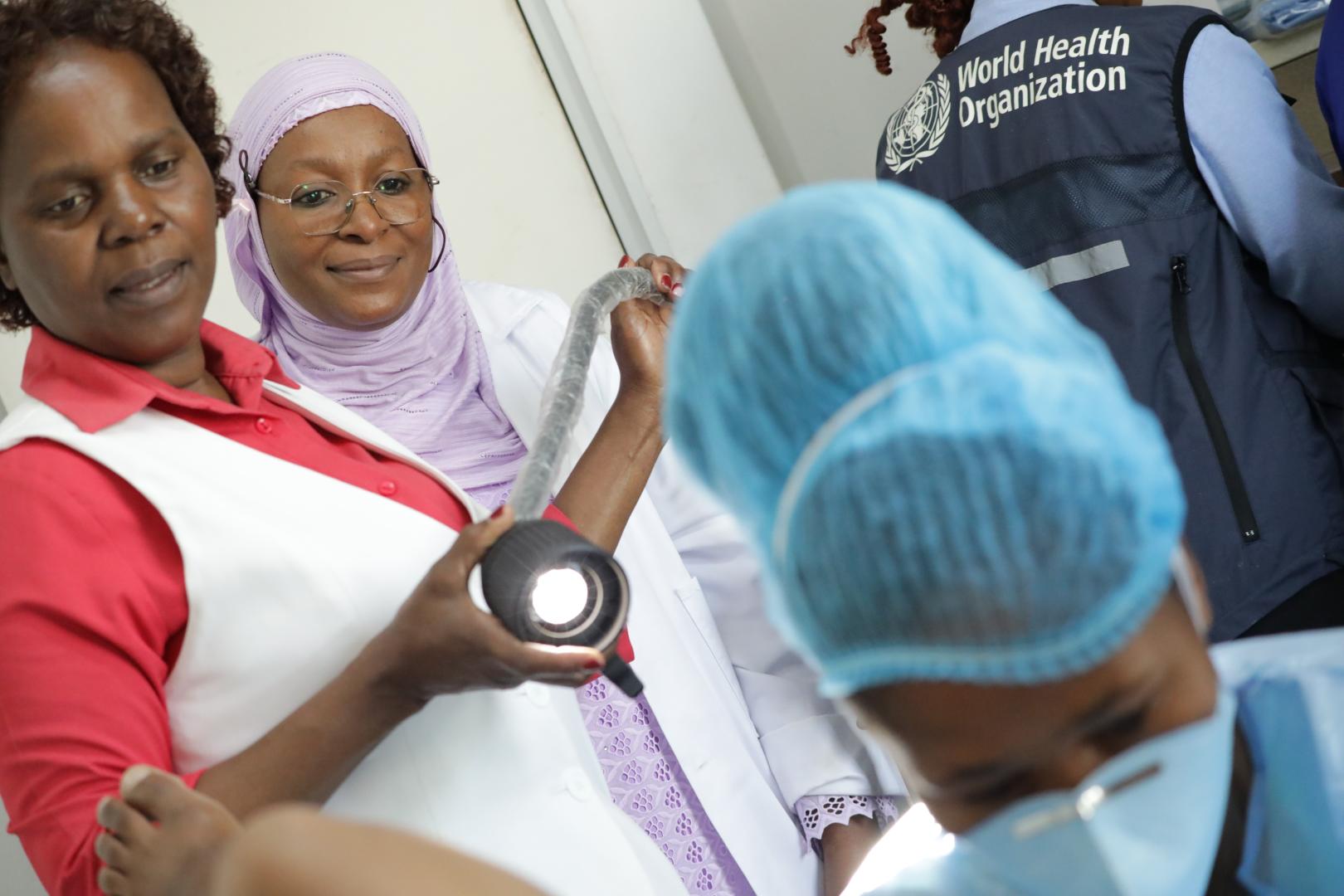
Mbabane—Eswatini faces one of the highest burdens of cervical cancer globally. In response, the World Health Organization (WHO) Country Office has supported the Ministry of Health in the development and ongoing implementation of the Cervical Cancer Elimination Acceleration Plan (2024–2028). This plan aims to achieve the 90–70–90 targets by 2030, in alignment with the WHO Global Strategy to Accelerate the Elimination of Cervical Cancer as a Public Health Problem.
Strengthening collaboration for safer blood and availability
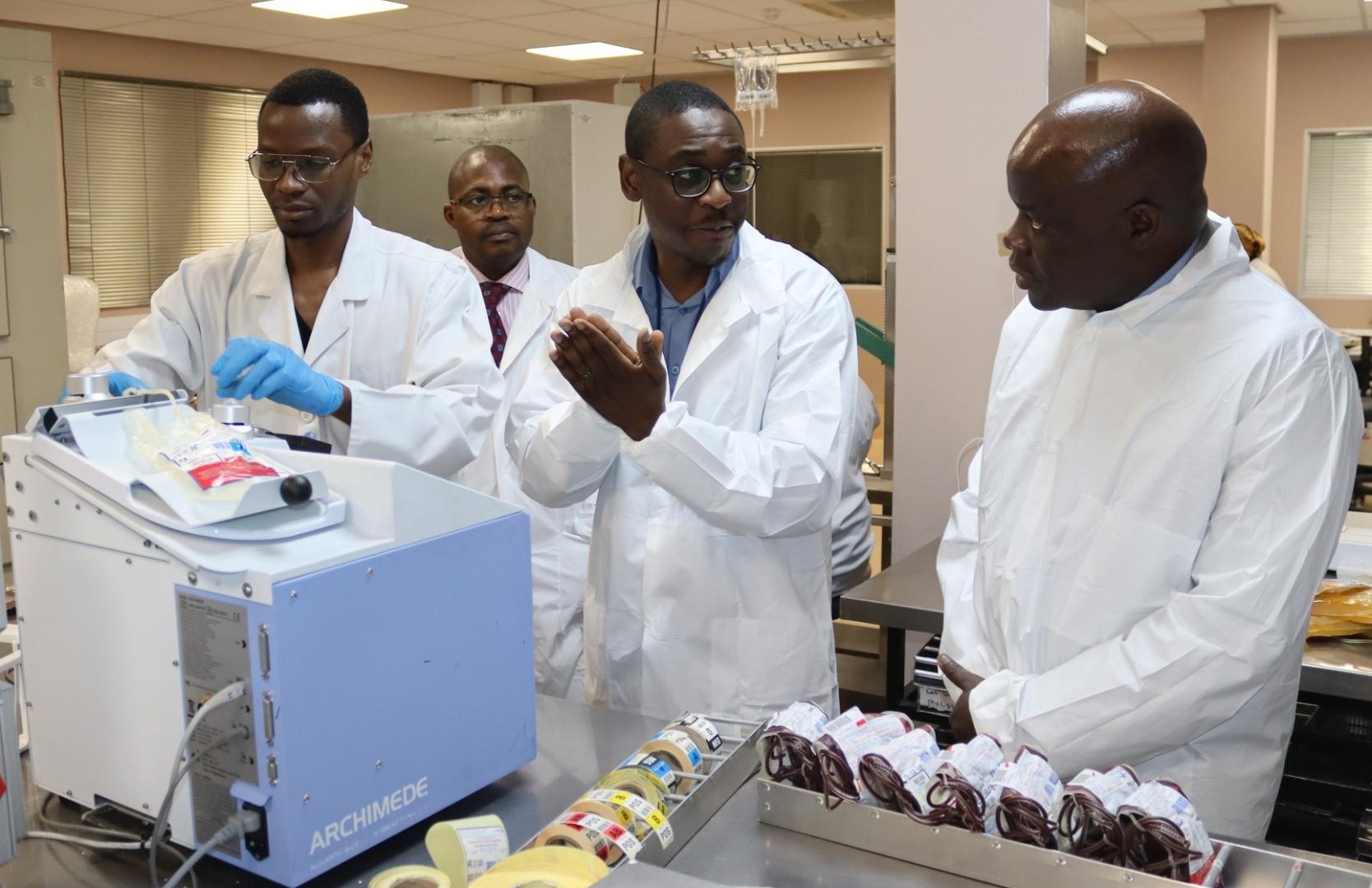
Windhoek—The World Health Organization (WHO) visited the Namibia Blood Transfusion Service (NamBTS) Headquarters in Windhoek to gain an in-depth understanding of the organization’s operations and identify potential areas for closer collaboration. The visit, initiated by NamBTS, provided WHO an opportunity to observe the entire blood donation and transfusion value chain, from donor recruitment and collection to testing, processing and safe patient transfusion.