
WHO promotes one-health approach to enhance response to zoonoses in South Sudan

Juba, 25 January 2018 – To reduce threats posed by zoonotic diseases due to a wide range of diseases – including Rift Valley Fever, Crimean- Congo Hemorrhagic Fever, Avian Influenza, Yellow Fever, as well as Lassa Fever, Ebola, and Marburg, WHO is promoting the one-health approach to ensure that the combined resources and expertise are effectively used.
Nigeria set to vaccinate 25 million people, its biggest yellow fever campaign ever

Nigeria set to vaccinate 25 million people, its biggest yellow fever campaign ever
WHO prioritizes water, sanitation and hygiene (WASH) services in health care facilities to achieve health goals in South Sudan

Juba, 24 January 2018 –The lack of safe water, functional toilets, hand washing facilities and waste management system in healthcare settings poses significant health risks to patients, healthcare workers and nearby communities.
Government of Uganda confirms outbreak of Crimean-Congo hemorrhagic and Rift Valley fevers

The Ministry of Health in Uganda confirmed an outbreak of the Crimean-Congo Hemorrhagic Fever and Rift Valley Fever in Nakasseke and Luwero respectively.
Earlier in December 2017, the Uganda Virus Research Institute (UVRI) confirmed a positive case of CCHF in Nakaseke district. As of January 18, 2018, two confirmed and seven suspected cases had been investigated in Nakaseke district. Three of the seven suspected cases were close relatives of the patient. Samples from the seven suspected cases tested negative for CCHF.
WHO hands over cholera and Reproductive health kits to Ministry of Health and Child Care
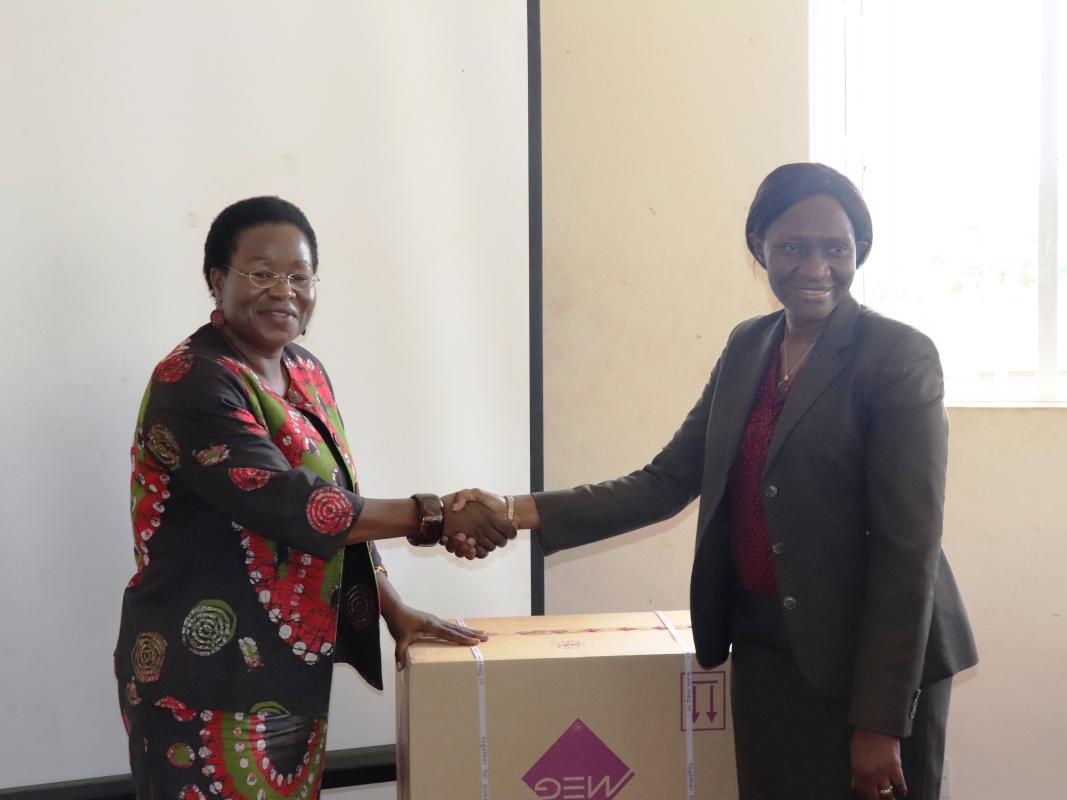
In a move aimed at complementing and supplementing the Ministry of Health and Child Care's efforts to step up essential emergency preparedness and response, WHO Zimbabwe handed over cholera and emergency reproductive health kits. The cholera and reproductive health kits are meant to support preparedness and response measures that the ministry is currently putting in place to restock districts and provinces at risk of possible outbreaks of diseases or need.
New WHO Representative officially assumes duty in Uganda

The new World Health Organization (WHO) Country Representative to Uganda, Dr Yonas Tegegn Woldemariam has formally assumed duty on 23 January 2018 with the presentation of his Credentials to Uganda's Minister of Foreign Affairs, Honorable Sam Kutesa. The presentation took place at the Ministry of Foreign Affairs (MOFA) and was witnessed by dignitaries from MOFA and the WHO country office.
Antimicrobial Consumption Monitoring in Mauritius

Health professionals from the Ministry of Health and Quality of Life and appropriate officers from other ministries are being trained for 4 days by WHO on the antimicrobial consumption monitoring and pilot survey on antimicrobial use in hospitals in Mauritius. In fact, Mauritius is one of the three countries involved in the WHO Antimicrobial resistance (AMR) consumption monitoring and pilot survey. This training workshop is in line with the National Action Plan on Antimicrobial Resistance approved by the Government of Mauritius in August 2017.
Strengthening rational use of Medicines in Tanzania

|
Rational use of medicines requires that “patients receive medications appropriate to their clinical needs, in doses that meet their own individual requirements, for an adequate period of time, and at the lowest cost to them and their community". |
The United Nations in Zambia, CDC and DFID commend government’s initiative of setting up an efficient cholera treatment hospital and for scaling up preventive interventions in the community
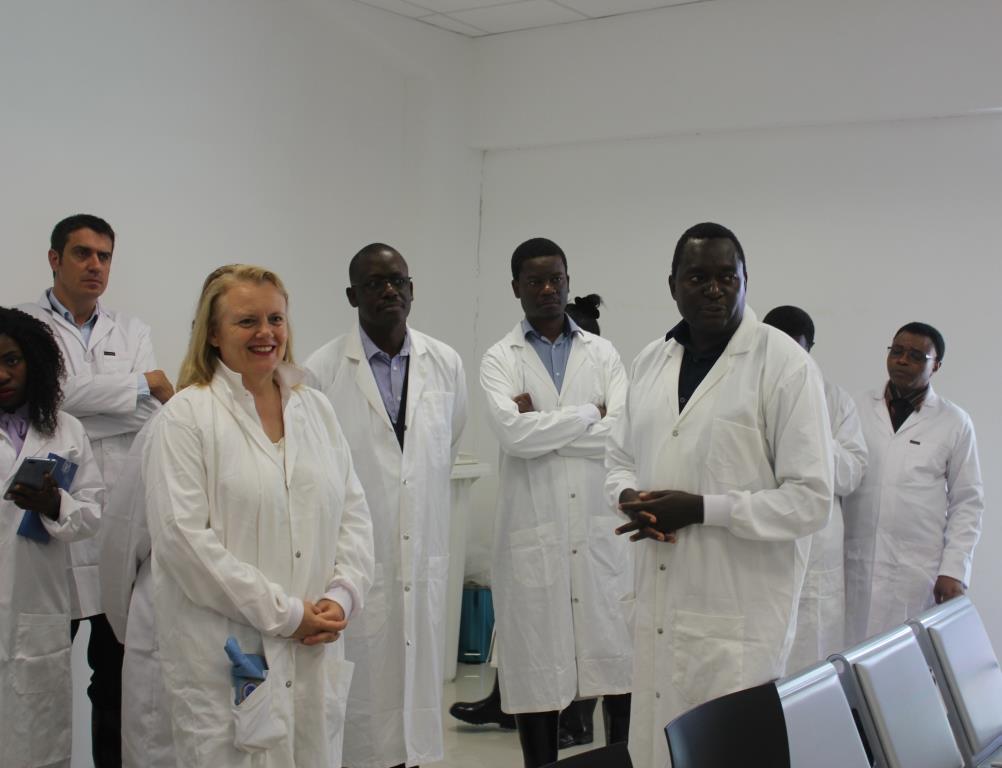
The United Nations in Zambia, the Centres for Disease Prevention and Control (CDC) and the UK’s Department for International Development (DFID) in Zambia have described the Cholera Treatment Hospital which was set up by government at the Heroes Stadium as a good initiative and a massive asset in the on-going cholera response and have also commended government for scaling-up preventive interventions in the community.