Political will and evidence-based action to end TB in the African Region a must – WHO Regional Director for Africa
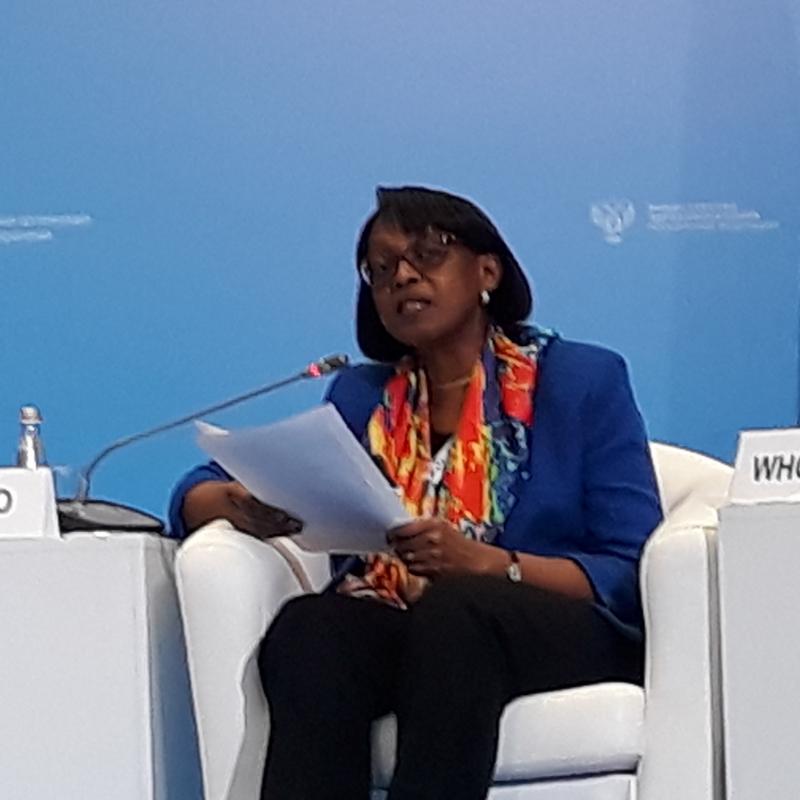
23 November 2017 - World Health Organization (WHO) Africa Regional Director, Dr. Matshidiso Moeti recently attended the first WHO Global Ministerial Conference on ending TB in the sustainable development era – November 16 to 17, in Moscow, Russian Federation the Conference was aimed at accelerating the implementation of the “End TB strategy” by ensuing national and global commitments, deliverables and accountability. It was jointly organized by Russia’s Ministry of Health and WHO.
Monitoring the efficacy of antimalarial medicines in Tanzania

Tanga, 17-22 November 2017: The advent of Artemisinin Based Combination Therapies (ACTs) since 2001 as first-line treatment for uncomplicated Plasmodium falciparum malaria has had a major impact in the steady reduction of the disease in endemic countries where it has been adopted alongside other interventions such as the use of Long Lasting Insecticide Treated Nets (LLINs), Indoor Residual Spraying (IRS) and Rapid Diagnos
Promoting Interagency Collaboration to Ensure Pharmaceutical Manufacturing Development in Ethiopia

Le Bénin a abrité l’atelier régional de formation sur la communication sur les risques lors des urgences sanitaires
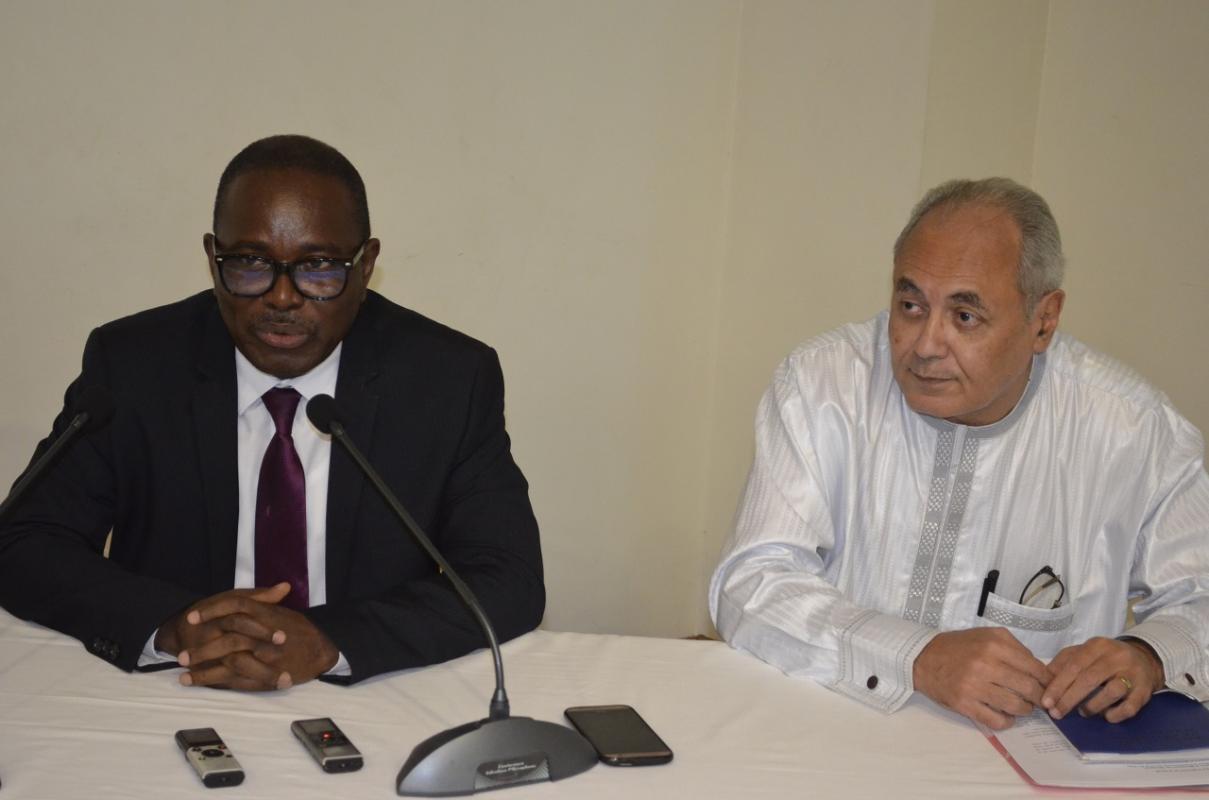
(Cotonou, le 17 Novembre 2017) : une quarantaine de journalistes communiquants et d’experts en urgences sanitaires des Comores de la Mauritanie du Tchad et du Bénin ont été formés à Cotonou.
WHO in collaboration with the Ministry of Health established water quality control testing hub within the National Public Health Laboratory to guide water safety management and prevent water-borne diseases in South Sudan
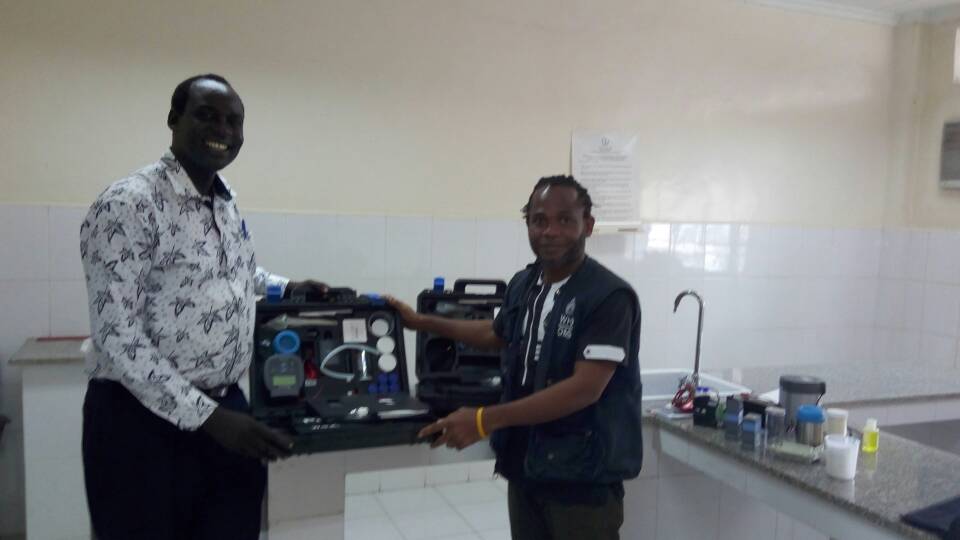
Juba, 21 November 2017: The conflict coupled with the country's worsening economic crisis have more than doubled the cost of delivering water, sanitation and hygiene services. Lack of access to clean water and sanitation is a public health concern in South Sudan.
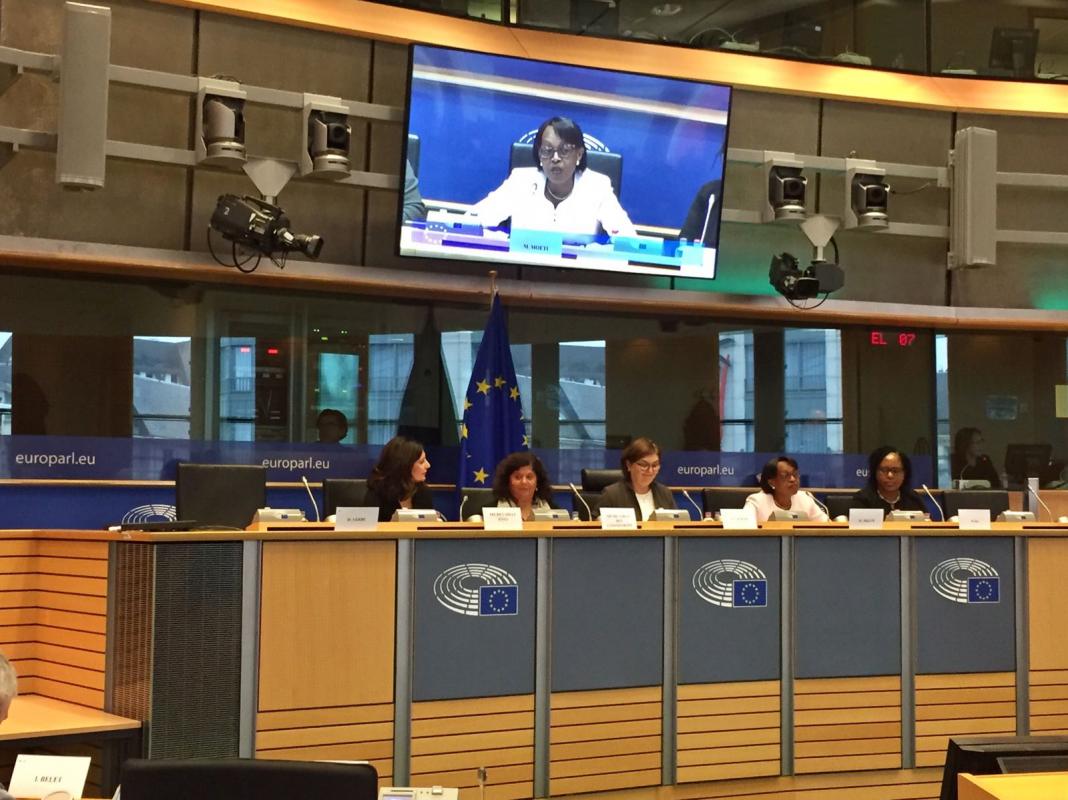
EU commended for renewed commitment to boost Africa’s health development Africa on course to reach health some targets by 2030
World Antibiotics Awareness Week in Tanzania

Dar es Salaam, 13-19 November 2017 - This year, the United Republic of Tanzania joined the world to commemorate World Antibiotics Awareness Week (WAAW) aimed to raise awareness of the urgent need to act on antibiotic resistance and the steps to be taken. The theme is “Seek advice from a qualified health professional before taking antibiotics”.
Antibiotics are medicines used to prevent and treat bacterial infections in humans and animals.
Tackling antibiotic resistance in Sierra Leone

Ghanaians urged to seek advice from qualified health practitioners before taking antibiotics

Mr, Kingsley Aboagye Gyedu, the Deputy Minister of Health, has urged all Ghanaians to seek advice from qualified health practitioners before taking antibiotics. He emphasized that the threat of antimicrobial resistance (AMR) was ever increasing with serious implications on health indicators. He added that a major contributor to AMR was the misuse of antimicrobials; largely as a result of ignorance and irresponsible use by all actors.
Women and Girls should be empowered to strengthen their capacity to prevent Type 2 Diabetes
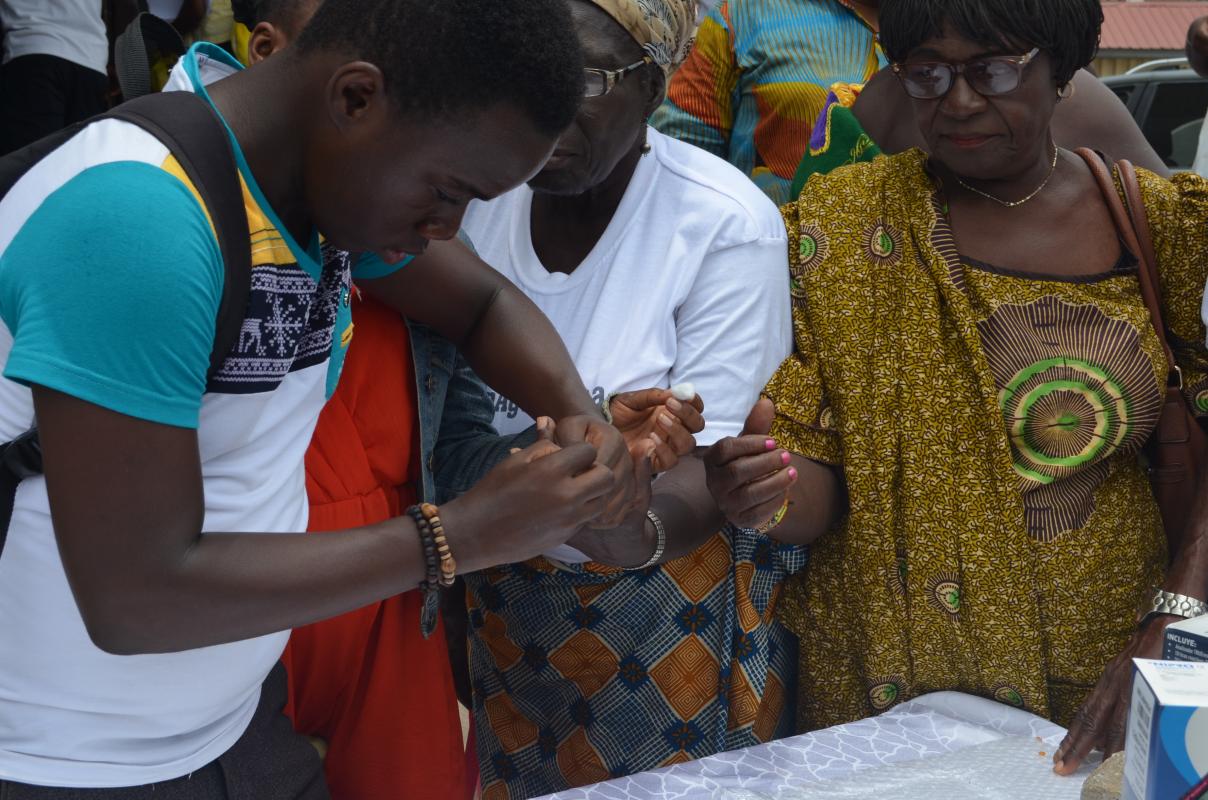
The Honourable Deputy Minister for Health, Mr Aboagye Gyedu, has called for women and girls to be empowered with easy and equitable access to knowledge and resources to strengthen their capacity to prevent type 2 diabetes in their families and better safeguard their own health. He made this statement during this year’s World Diabetes Day Celebration at Kyebi in the Eastern Region of Ghana under the theme “Women and Diabetes-our right to a healthy future”.