Prevent Road crashes -- Obey the Law – Save lives!

Kilimanjaro, 16 - 23 October 2017: This year, the United Republic of Tanzania commemorated the Road Safety Week (RSW) with a focus on adherence to road traffic rules and what can be done to prevent road traffic deaths and injuries in the country.
Fostering partnerships for health: WHO and partners conduct a joint field visit

Tanzania, 9-12 October 2017: Every year, the Ministry of Health, Community Development, Gender, Elderly and Children (MOHCDGEC) in collaboration with President’s Office, Regional Authorities and Local Government (PORALG) and partners conducts Joint Annual Health Sector Reviews (JAHSR) to assess the performance of the health sector.
Madagascar plague: mitigating the risk of regional spread
This year plague came early to Madagascar and spread quickly. When it began to move out from the areas where it traditionally occurs, people became increasingly alarmed – both within the island nation and in neighbouring territories and countries.
From August to late October 2017, more than 1800 suspected, probable or confirmed plague cases were reported, resulting in 127 deaths. This outbreak is unusually severe, and there are still five more months to go before the end of the plague season.
Raising taxes on tobacco: good for health, good for economies

Arusha, 23-26 October 2017: Tobacco use is one of the leading preventable causes of death, killing more than 7 million people every year. More than its enormous toll of disease, suffering, and death, tobacco use also burdens the global economy with an estimated US$ 1.4 trillion in healthcare costs and lost productivity each year.
To help monitor and control the epidemic, taxing and pricing policies have been widely recognized to be one of the most effective means of influencing the demand for and thus the consumption of tobacco products.
Bringing the human and animal health sectors closer: The National Bridging Workshop

Dar es Salaam, 16 - 18 October 2017: Human health and animal health have been intertwined since time immemorial. Despite the link and the knowledge that especially a sick animal have a negative impact on human health, over the years, the two sectors have been working separately. It is known that the over sixty percent of emerging, re-emerging, and endemic human diseases have their origins in animals.
Integrated campaign tackles malaria and polio in north-eastern Nigeria
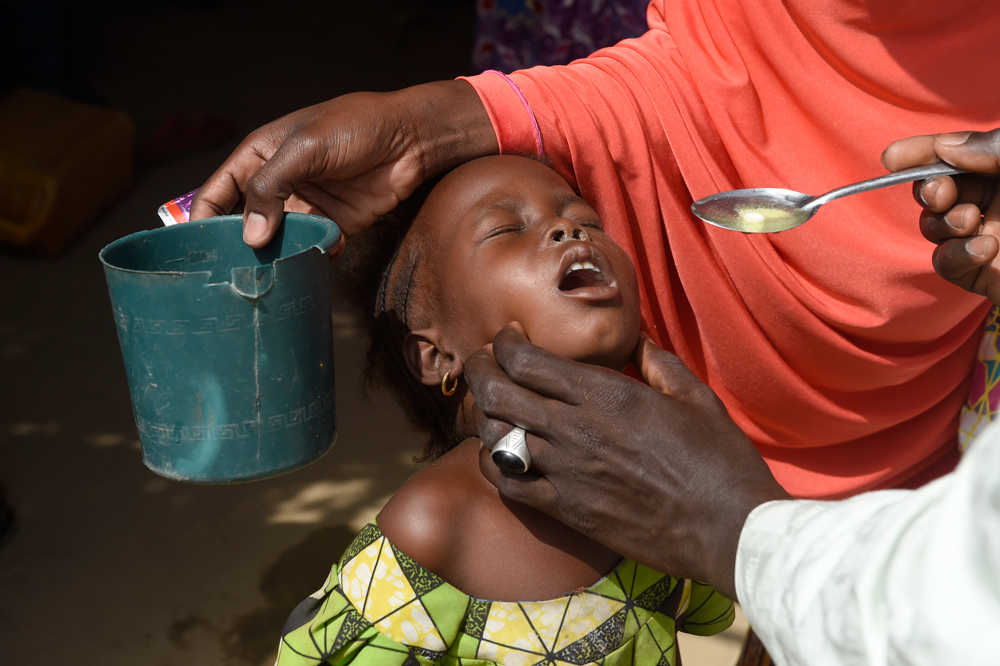
In Nigeria’s Borno State, malaria is currently claiming more lives than all other diseases combined. Children under the age of 5 are particularly vulnerable. WHO recently launched a special campaign in this state aimed at rapidly reducing the malaria burden among young children and, at the same time, protecting them against polio.
Experts begin second wave of polio outbreak response assessment in Nigeria.

Abuja, 31 October 2017 - The polio Outbreak Response Assessment (OBRA) team with representation from the Global Polio Eradication Initiative (GPEI) partnership has started the second evaluation of the response to polio outbreak in Nigeria.
The independent assessment will “assess and strengthen efforts to increase population immunity; assess progress towards interrupting polio transmission and strengthen surveillance sensitivity”, says the Team Lead, Professor Daniel Tarantola.
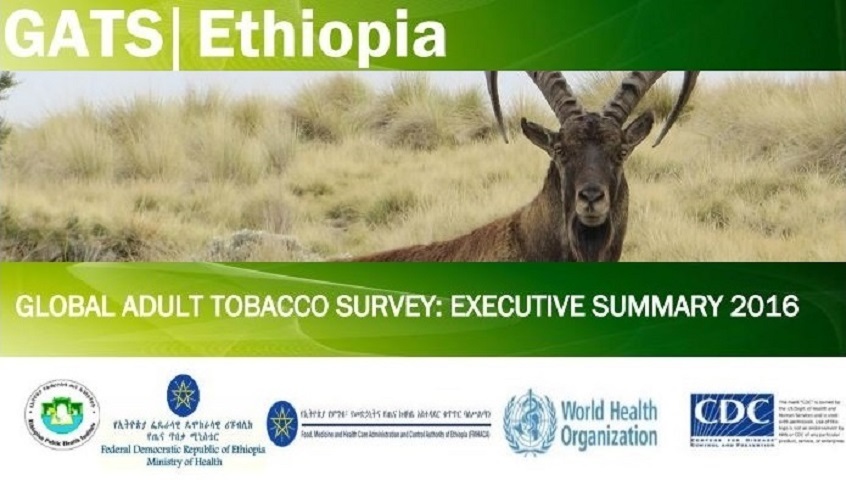
Official launch of the Ethiopia 2016 global adult tobacco survey (GATS) findings
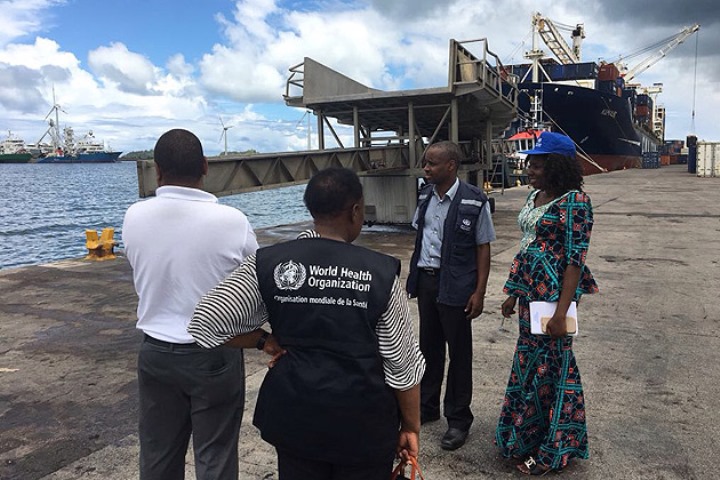
Seychelles Prepares against Disease Outbreaks

VICTORIA, 30 October 2017 ---- Today the World Health Organization handed over a number of vital supplies to the Ministry of Health in Seychelles that will help bolster preparedness against potential disease outbreaks, including 400 sets of Personal Protective Equipment (PPE). In addition to supplies, efforts are also underway to ensure effective plans, systems and protocols are in place to respond to any suspected plague cases should they occur in the island country.
Countries prioritize Health Security to address disease outbreaks
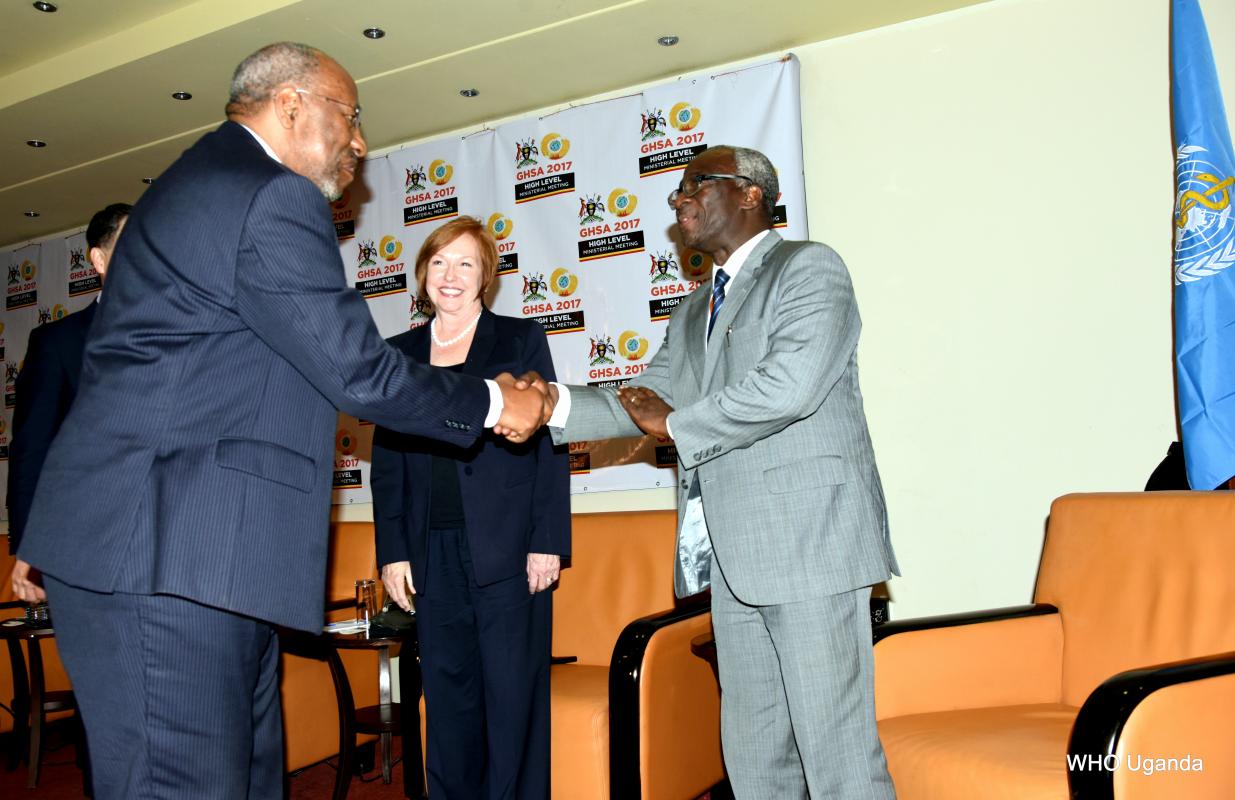
The President of Uganda, His Excellency Yoweri Kaguta Museveni has highlighted the critical role communities play in managing and responding to disease outbreaks in Africa especially in resource-constrained settings. “Train communities to look out for these outbreaks because community participation is very important,” he said at the opening of the 4th High-level Global Health Security Agenda (GHSA) meeting that was held in Kampala last week